Chocolate tastes even better when you know exactly where it came from. There is a small factory on a farm that is more than 200 years old, and inside it, cacao beans from faraway countries turn into some of the most talked-about chocolate bars in the country.
Visitors who book a spot on a tour get to watch the whole thing happen, from roasting beans to pressing cocoa butter to the final snap of a finished bar. The smell alone is worth the trip, but the flavors are the real reward.
You will taste chocolate that carries hints of berries, citrus, or toasted nuts, all coming from the bean itself and not from anything added later. This is not a giant candy plant with conveyor belts stretching out of sight.
It is a small, hands-on operation where every batch gets attention, and where the people making the chocolate travel to meet the farmers who grow the beans. Tours are limited, which makes them feel special rather than crowded.
If you love food, history, or simply learning how things are made, this stop belongs on your Massachusetts travel list.
A Farm With A Sweet Secret
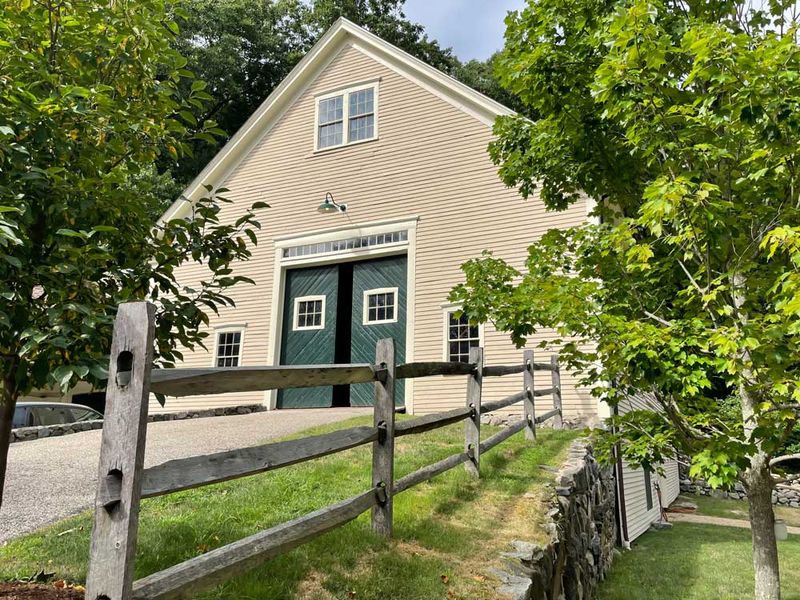
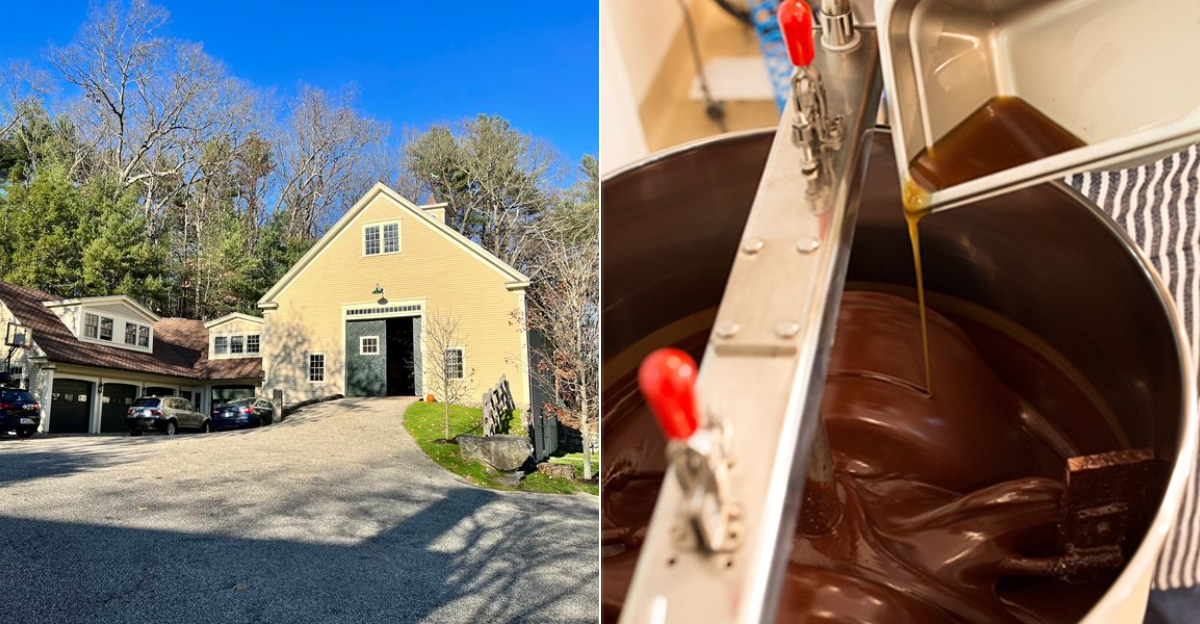
Picture a quiet country road in Massachusetts, lined with old stone walls and tall trees. At the end of it sits a 225-year-old farm that now holds one of the most respected craft chocolate operations in North America: Goodnow Farms Chocolate.
The property has been around since the days of horse-drawn wagons. Today, part of the historic barn hums with machines that roast, crack, and grind cacao beans into something remarkable.
It is a bean-to-bar operation, which means nothing gets outsourced. The beans arrive raw in burlap sacks, and every step after that happens right here on the farm.
Most chocolate you find in a grocery store travels through several factories before it reaches a wrapper. Not this one.
One small team controls the flavor from start to finish.
The setting adds to the charm. Weathered wood, wide fields, and New England quiet make the experience feel personal rather than industrial.
Keep in mind that this is not a walk-in shop. Tours are offered on select days in spring and fall, and tickets sell out fast, so joining the mailing list is smart planning.
Watch Beans Become Bars
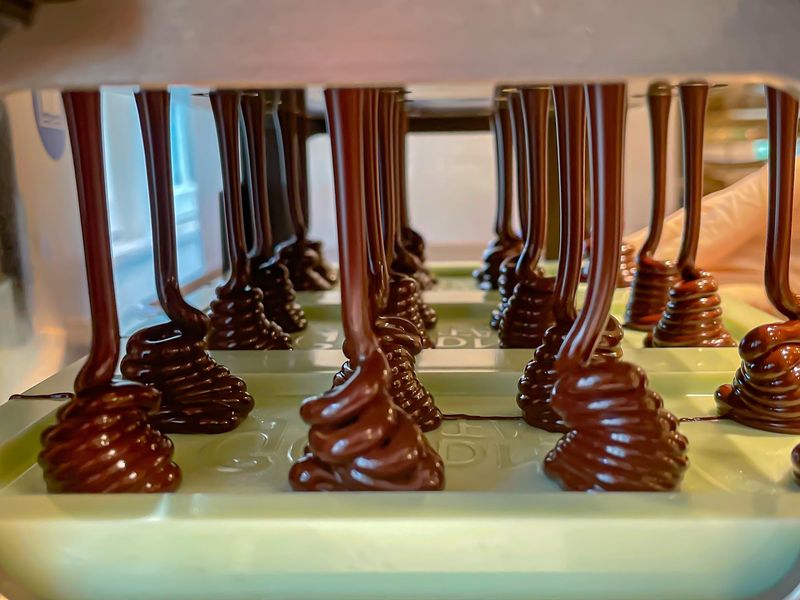
The first thing that hits you on the tour is the smell. Roasting cacao fills the air with something warm, nutty, and slightly fruity, nothing like the sugary scent of a candy shop.
Guides walk you through each stage in order. Beans get roasted, then cracked open, then winnowed, which is the process of blowing away the papery shells to leave behind the nibs.
After that comes grinding. The nibs go into stone grinders and slowly turn from crunchy bits into a smooth, flowing liquid.
Here is a detail that surprises most visitors: grinding takes four or five days. Many larger makers use a machine called a ball mill and finish in a couple of hours.
Slow stone grinding gives better control over flavor. It is more work, but the difference shows up in every bite.
Then comes tempering, the careful heating and cooling that gives good chocolate its glossy shine and that satisfying snap when you break a piece.
Seeing the machines up close makes the whole process click. You start to understand why a handmade bar costs more than a vending machine snack.
Single Origin Flavors Explained
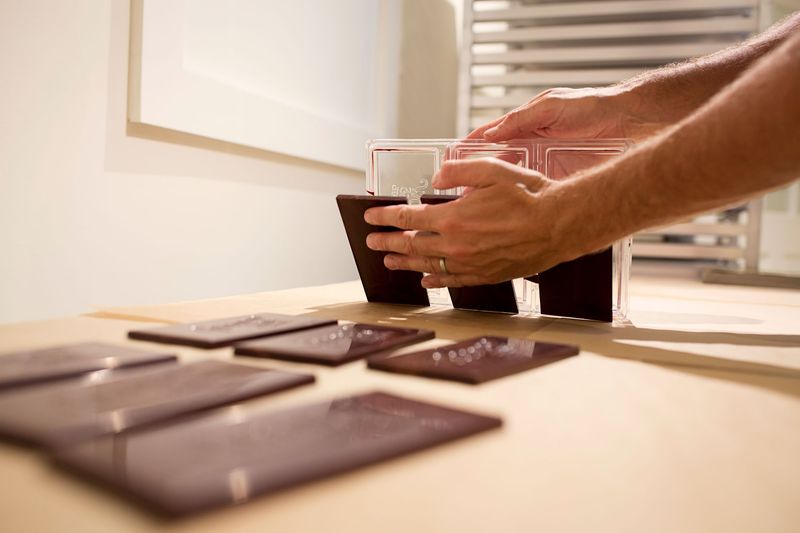
Here is a fact that changes how people eat chocolate: cacao is a fruit. Just like apples or grapes, beans grown in different soil and climate taste completely different.
Tastings on the tour make that idea real. You might try beans from Ecuador, then Peru, then Guatemala, one after another.
One bar leans toward berry jam. Another brings citrus and hazelnut.
A third feels earthy and deep.
Nothing is added to create those notes. No fruit flavoring, no syrups, no tricks.
The flavor comes straight from the bean and how it was fermented and dried at origin.
Visitors often describe the experience as similar to a coffee tasting. Small pieces, slow chewing, lots of comparing notes with the person next to you.
A trick worth trying: let the piece melt on your tongue instead of chewing. The flavors unfold in layers, and the ending is often the most interesting part.
Massachusetts food lovers have made a habit of buying several bars and tasting them side by side at home. Families have turned it into an after-dinner activity.
The Guatemalan beans come from a village that runs a special harvest just for this maker. That kind of relationship is rare in the chocolate world.
Which origin flavor would you guess is your favorite before you even taste it?
The Rare Cocoa Butter Step
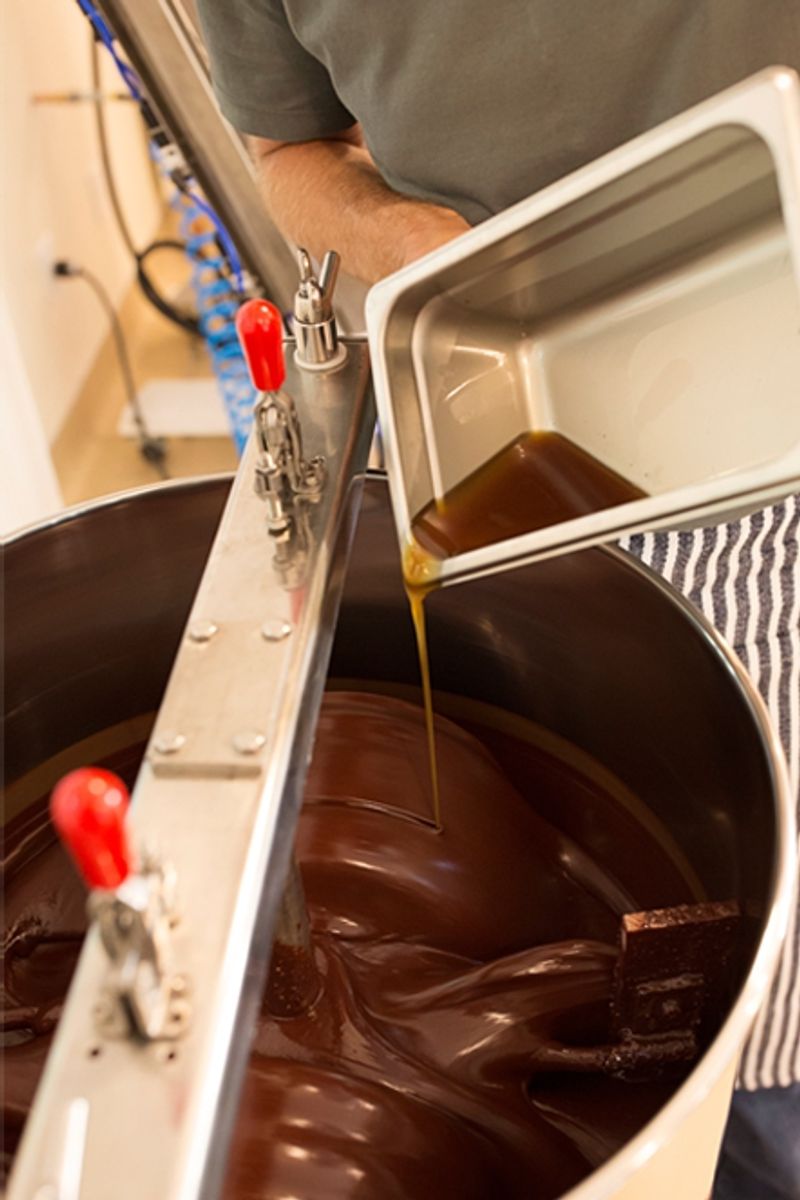
Most chocolate makers buy cocoa butter in bulk. It arrives already pressed, usually from beans grown somewhere else entirely.
Not here. This Massachusetts factory presses its own cocoa butter on-site, using the exact same beans that go into each bar.
Think about what that means. If you eat the Ecuador bar, the cocoa butter inside it came from Ecuadorian beans too.
The result is chocolate that tastes fully like itself, with no borrowed flavors muddying things up. Texture improves too, which is why people call these bars unusually smooth.
Pressing butter takes serious effort. Each batch needs about 40 percent more beans, plus extra labor and equipment time.
Very few craft makers in the entire world bother with it. The cost and hours involved scare most of them off.
You will also notice what is missing from the ingredient list. No soy lecithin, which is a cheap emulsifier that can leave a waxy feel in your mouth.
Fewer ingredients, better sourcing, more care. That combination is why chocolate experts travel across states just to stand in this barn.
Award Shelves Keep Filling Up
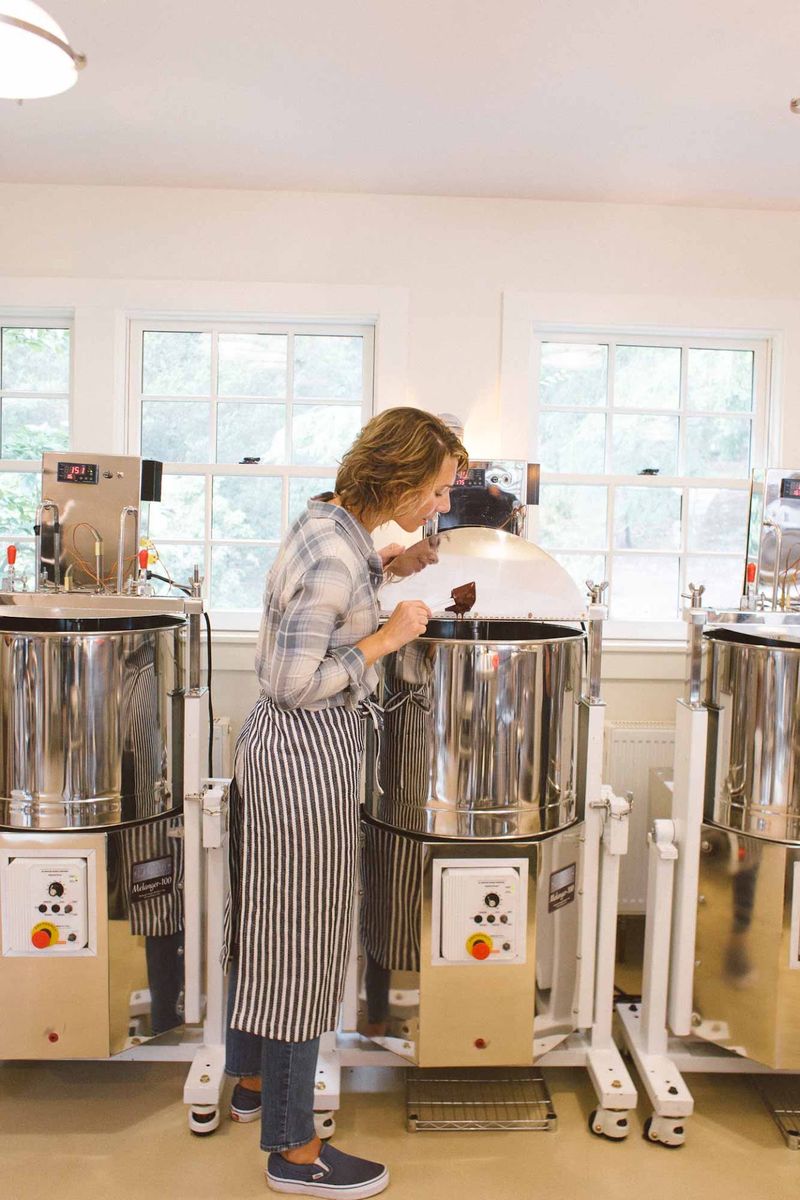
Trophies tell a story here. This small farm operation has become the most decorated craft chocolate maker in North America.
International Chocolate Awards, Academy of Chocolate Awards, and Sofi Awards have all landed on the shelf. In the dark chocolate category of the Sofi Awards, the whole category was swept two years in a row.
What makes it more impressive is the size of the team. This is not a corporation with a marketing department, just a couple of people who spent years learning the craft.
Seventeen years of practice went into the recipes before some of those medals arrived. Sourcing trips, failed batches, and endless tasting all played a part.
Beans get purchased at up to four times the standard commodity price. Paying more means farmers earn more and the quality stays high.
Guests on tours often say the awards make sense the moment they taste a fresh piece straight from production.
Chocolate this precise does not happen by accident. Every medal traces back to a decision about beans, grinding time, or butter.
Meeting Farmers Across Continents
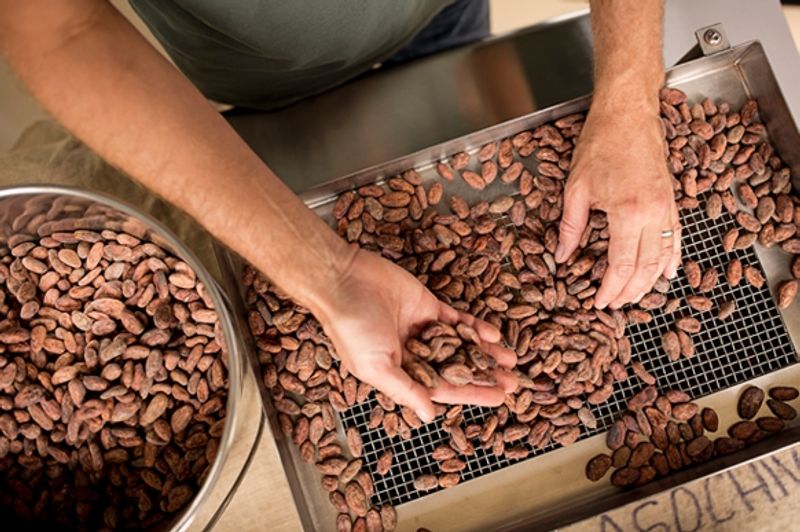
Every bar starts thousands of miles from Massachusetts. Cacao grows near the equator, in places like Ecuador, Peru, Guatemala, and Mexico.
The people behind this factory travel to those farms in person. They shake hands, walk the groves, and taste beans right at the source.
Relationships matter more than contracts. In one Guatemalan village, the team helped fund a better fermentation and drying facility after their first visit.
That village now runs a custom harvest and drying process designed to pull out specific flavors. It is teamwork across continents.
Fermentation is the step most shoppers never think about. Done well, it creates fruity and floral notes.
Done poorly, it makes beans taste flat or sour.
Paying premium prices keeps farmers invested in doing that work carefully. Ethical sourcing is not a slogan on the wrapper here, it is the business model.
Tour guests hear these stories while looking at actual sacks of beans. Suddenly a chocolate bar feels like a passport stamp.
Learning about the growers changes how the chocolate tastes. Knowledge really does add flavor.
Guests at 80 Goodnow Rd, Sudbury, MA 01776, often leave the barn more curious about global farming than they expected. If you could visit one cacao farm anywhere in the world, where would you go?
Hot Cocoa And Gift Boxes
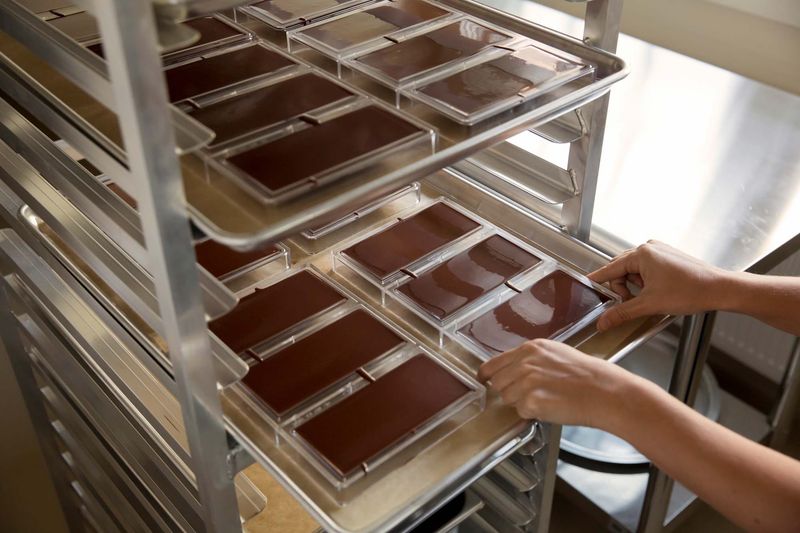
Bars are the headliner, but there is more to take home. The hot cocoa deserves its own fan club.
It is made from cacao that was roasted, ground, and pressed right on the farm. Pure powder, real depth, no artificial shortcuts.
On a cold New England afternoon, a mug of it warms you from the inside out. Visitors describe it as thick, rich, and nothing like the packet stuff.
Flavored bars round out the lineup. Maple sugar, brown butter, coffee, and almond versions all keep the chocolate itself in the spotlight.
The additions are subtle on purpose. Almonds are slivered so finely you barely notice them, and the coffee bar is the boldest of the bunch.
Gift sets make great souvenirs, especially for anyone who thinks they already know what good chocolate tastes like.
A helpful tip for travelers: the farm is not a walk-in shop, since it sits in a residential neighborhood, but tour guests can pick up the full lineup at the end of their visit.
Planning Your Visit Right
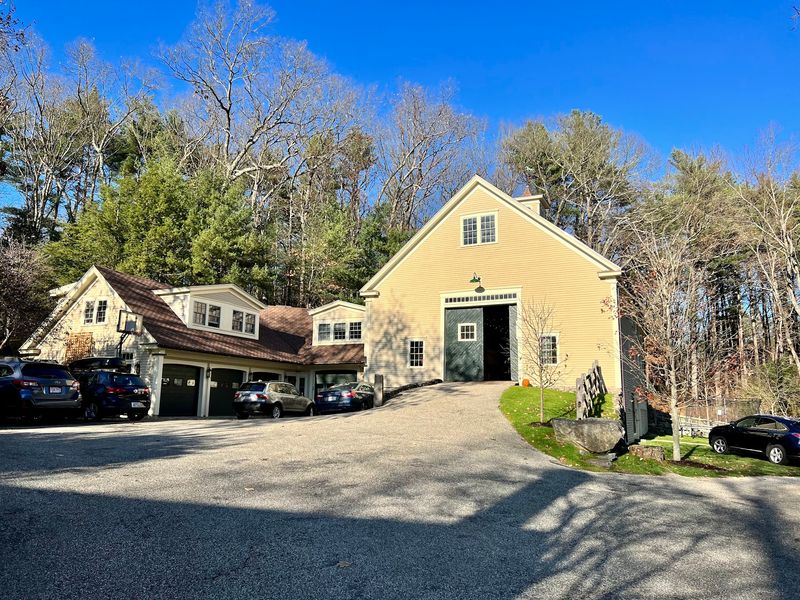
A little planning turns this stop into a highlight of your Massachusetts trip. Tours run on select days during spring and fall, and space is genuinely limited.
Tickets go on sale through the website and disappear quickly. Signing up for the mailing list gives you the earliest heads-up.
Closed-toe shoes are required, since you will be walking through a working production area. Sandals will not get you in.
Children under 12 are not permitted on factory tours. The focus is on machinery, safety, and detailed tasting, which suits older kids and adults better.
Do not show up hoping to browse a store. The address is a production site in a quiet neighborhood, not a shop with open doors.
Groups stay small, which means you can ask questions and actually get answers. Guests often mention how much they learn in a short visit.
Pair the tour with a drive around the surrounding countryside. Historic New England towns, farm stands, and back roads make a lovely afternoon.
Come hungry but not stuffed. Tasting works best when your palate is fresh.
Massachusetts has plenty of famous attractions, but few let you watch a global-award-winning food being made by hand. Ready to mark your calendar and see how real craft chocolate comes to life?