
This Massachusetts City Is Now Among The 5 Best Places To Live In America

Two world-famous universities share one compact city, and they sit just a short subway ride apart on the same train line. That alone would grab my attention.
One of those schools dates back to 1636, which makes it the oldest college in the country. The other is a global powerhouse in science, engineering, and big ideas that shape everyday life.
Now this Massachusetts city has landed among the top five places to live in America in a major national ranking. It earned A+ grades for things like family living, nightlife, and outdoor activities.
I have to admit, that sounds like a rare mix of brainy energy and real everyday fun. Would you trade your zip code for a spot just across the river from Boston and its famous skyline?
Why This Brainy River City Keeps Winning Over Everyone Who Looks Closer
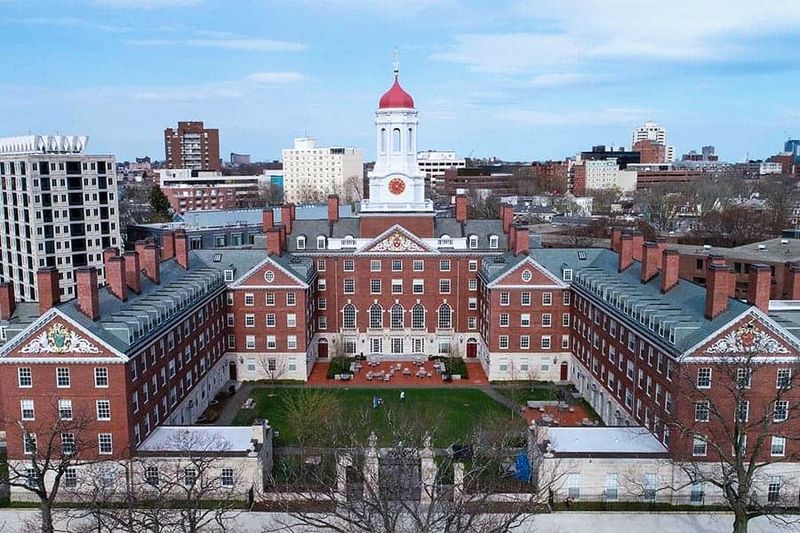
Harvard University and MIT both call Cambridge, Massachusetts home, and that alone gives the city serious bragging rights. Harvard opened in 1636, while MIT moved here from Boston in 1916.
The campuses aren’t locked away from everyday life, either. Harvard Yard is open to walk through, and the grand Widener Library anchors its center.
Art fans get a treat too. The Harvard Art Museums bring the Fogg, Busch-Reisinger, and Arthur M. Sackler collections together under one roof.
Then there’s Harvard Square, a lively hub packed with cafes and bookstores. It’s the kind of spot where an afternoon errand can quietly turn into a three-hour browse.
Getting around is refreshingly simple. The MBTA Red Line connects Harvard Square, Central Square, and Kendall/MIT, then zips across the river into Boston.
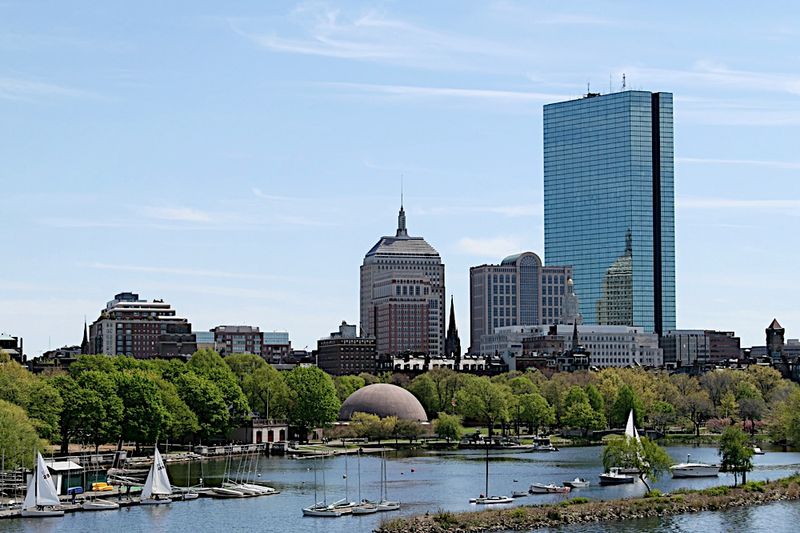
Outdoor time comes easy here as well. The Charles River runs along the city’s edge, with paths made for walking, biking, and watching rowers glide past.
So why does this Massachusetts city rank among America’s top five places to live? Strong grades for families, nightlife, and outdoor fun all helped, and honestly, that combination is hard to argue with.
Raising A Family Here Comes With Some Unexpected Perks
Free preschool for four-year-olds sounds like a pretty convincing reason to consider moving somewhere. Cambridge offers exactly that through its publicly funded preschool program, which covers the regular school-day and school-year portion.
Some three-year-olds also qualify, although those spaces are more limited. Families needing longer days or summer care may have additional costs, depending on their income and program.
Parents apply through one centralized system, making the process easier to navigate. Participating options include Cambridge Public Schools, city-run programs, and selected community preschools.
Older children have access to the city’s public school system, including Cambridge Rindge and Latin School. The city’s educational reputation clearly extends beyond those famous university gates.
Recreation gets plenty of attention, too. The War Memorial Recreation Center offers indoor swimming pools, a gymnasium, and activities for different ages.
During summer, families can visit Gold Star Pool on Berkshire Street. Admission is free for Cambridge residents, making an afternoon swim an especially appealing option.
I like that these benefits address everyday family life rather than just academic achievement. Great schools matter, but affordable activities and early childhood programs can make an enormous difference when you’re raising children.
This Public Library Offers Much More Than Books
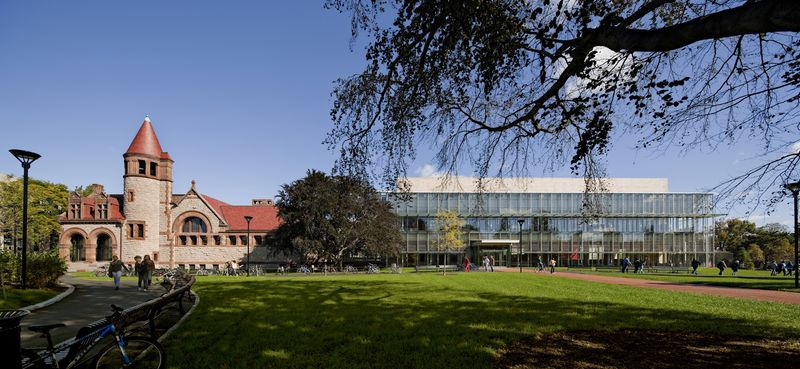
A library with a recording studio and equipment for making things sounds more like a creative workshop. Cambridge Public Library actually offers those opportunities through a makerspace called The Hive.
The space sits inside the Main Library on Broadway. Visitors can explore digital fabrication, multimedia recording, and other hands-on creative activities through its programs.
That’s a pretty impressive collection of resources for a public library. You don’t have to be a university student to pursue an interesting project or learn something new.
The building itself has a story worth mentioning. Its original stone structure opened in 1889, while a modern glass addition opened in 2009.
The library system includes six neighborhood branches alongside the main location. That gives residents different places to borrow books, attend programs, and use public resources.
Inside the Main Library, you’ll find dedicated areas for children and teenagers. Study rooms, computers, meeting spaces, and collections in several languages expand its usefulness considerably.
I think that’s an underrated advantage when choosing somewhere to live. A city that invests in learning opportunities for people outside the classroom offers a different kind of educational value.
And in Cambridge, apparently even your library card can introduce you to new creative skills.
Every Neighborhood Seems To Have Its Own Personality
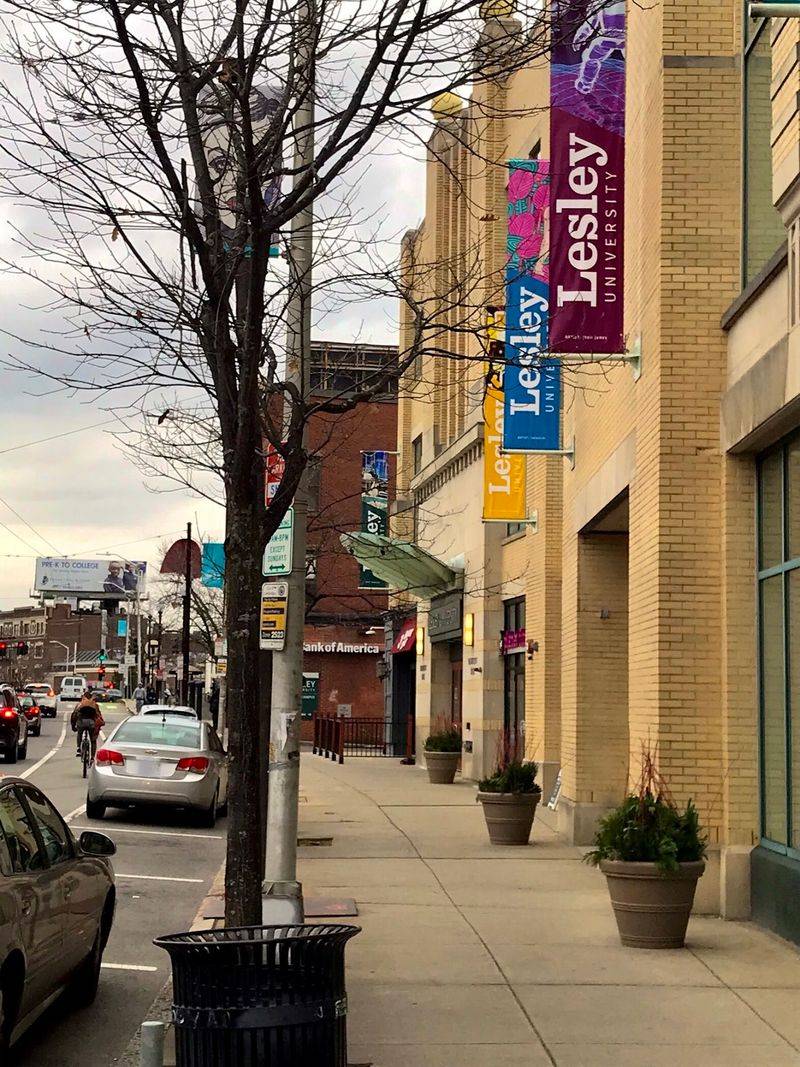
You could spend a Saturday exploring Cambridge’s different neighborhoods and still have plenty left for another weekend. The city’s commercial districts have individual personalities, particularly once you leave the famous university areas.
Inman Square makes a strong case for neighborhood businesses. The district has independent shops, restaurants, personal services, and a notable concentration of locally operated establishments.
Its dining options reflect several international cuisines, including Indian, Mexican, and Eastern Mediterranean cooking. That variety gives you plenty of reasons to try somewhere different when dinner plans need inspiration.
Porter Square offers another side of local life. Its combination of independent retailers, neighborhood services, and public transportation makes it a useful destination for residents.
Central Square brings a stronger arts and entertainment focus. Restaurants, creative businesses, performance spaces, and independent shops contribute to its identity.
Then there are residential neighborhoods like Cambridgeport and Mid-Cambridge. Their mixture of homes, local streets, and nearby commercial districts offers a different daily experience than the larger business centers.
For anyone considering a move, I think exploring several neighborhoods would be essential. Your ideal Cambridge address might depend less on university prestige and more on which nearby shops and streets suit your routines.
The Local Arts Scene Refuses To Stay Inside Museums

Artists opening their studios to the public for a weekend sounds like an invitation worth accepting. Cambridge Arts Open Studios gives visitors opportunities to see and purchase work directly through participating artists and exhibition spaces.
The September 2026 event featured more than 70 artists and free admission. Paintings, ceramics, photography, textiles, jewelry, and other creative work were part of the experience.
That gives you a glimpse of how strongly the city supports its creative community. Art isn’t confined to a university collection or a formal gallery.
Central Square adds another layer to that cultural life. The Central Square Theater on Massachusetts Avenue presents live performance, while the nearby Dance Complex supports dance and movement.
Cambridge Arts also runs programs involving public art, street performers, and community creativity. Those opportunities help make arts participation part of local life rather than only an occasional special outing.
The calendar offers options for residents with different interests. You might prefer a performance, a public artwork, a community event, or an afternoon seeing what local artists have created.
That cultural variety helps explain Cambridge’s appeal beyond academics. Living somewhere with an established creative community gives you more choices when you want an interesting evening without a major trip.
Big Career Opportunities Are Part Of The Everyday Landscape

A neighborhood once known for industry has become an internationally recognized center for biotechnology research. Kendall Square is now one of Cambridge’s most important employment and innovation districts.
Life sciences companies, technology businesses, research organizations, and startups have established a substantial presence here. That concentration offers a compelling advantage for people pursuing careers in these fields.
LabCentral provides one particularly interesting example. Its flagship facility at 700 Main Street gives early-stage biotechnology companies access to shared laboratory space and specialized resources.
That means emerging businesses can develop scientific projects without building an independent laboratory immediately. It’s an impressive example of the infrastructure supporting entrepreneurship in Cambridge.
The neighborhood has also developed restaurants, shops, and housing alongside its workplaces. That mixture makes Kendall Square more than an area dedicated exclusively to research.
Transportation adds another practical advantage for workers. Cambridge participates in the Bluebikes bicycle-sharing network and continues developing separated bicycle lanes on selected streets.
In 2026, participating municipalities announced a new agreement supporting additional electric bicycles and charging infrastructure. Those investments give residents more transportation options as the regional system develops.
Not everyone works in science, of course. Still, a city with strong research institutions, established employers, and multiple commuting options has plenty to offer people building careers.
Even This Highly Ranked City Has One Big Catch

A national ranking is exciting, but your bank account might have a few questions before you start packing. Cambridge’s housing costs are considerably higher than the national averages reported by Niche.
The site’s figures put the city’s median home value above $1 million. Its median rent figure also exceeds the national average by a substantial margin.
That’s a serious consideration for families, younger workers, and anyone hoping to purchase their first home. An excellent location doesn’t automatically translate into an affordable place to settle down.
To address housing needs, Cambridge operates an Inclusionary Housing Program. Qualifying residential developments must reserve a portion of their residential floor area for income-restricted housing.
The program provides opportunities for eligible renters and homebuyers, although availability and income requirements apply. It’s an important effort, but it doesn’t erase the broader affordability challenge.
Here’s what makes the national recognition interesting despite those costs. Niche ranked Cambridge second among 229 American cities for overall livability in its 2026 assessment.
The city also earned first place for young professionals and fourth place for raising a family. Those results help explain why Cambridge attracts attention well beyond Massachusetts.
I can see why people would find the combination tempting. The real question is how well Cambridge’s considerable advantages match your lifestyle, priorities, and housing budget.