
This Massachusetts Spot Puts Renoirs Beside Meadow Trails You Can Explore for Free
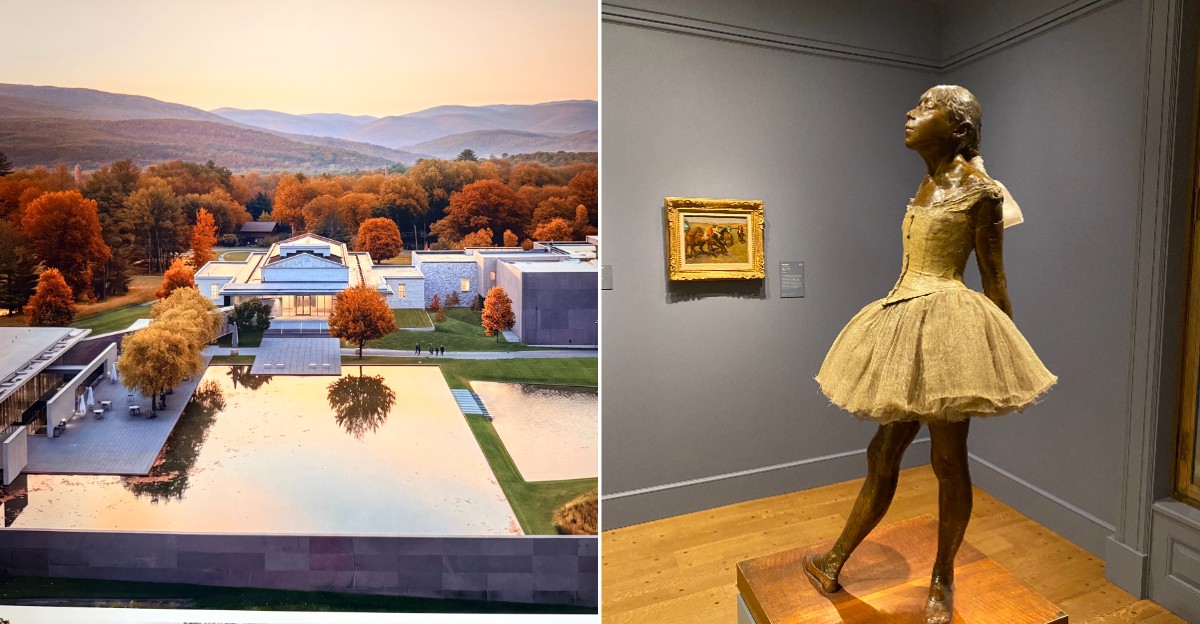
What if one afternoon could hand you more than 30 Renoir paintings and a cow pasture trail? I’m convinced that combo sounds made up, but it’s real.
It sits on a 140-acre campus in western Massachusetts.
To me, the best part is the price of the outdoor half. The trails and grounds stay open to the public at all times, free of charge.
Woodlands, meadows, outdoor sculptures, and a long reflecting pool are all fair game.
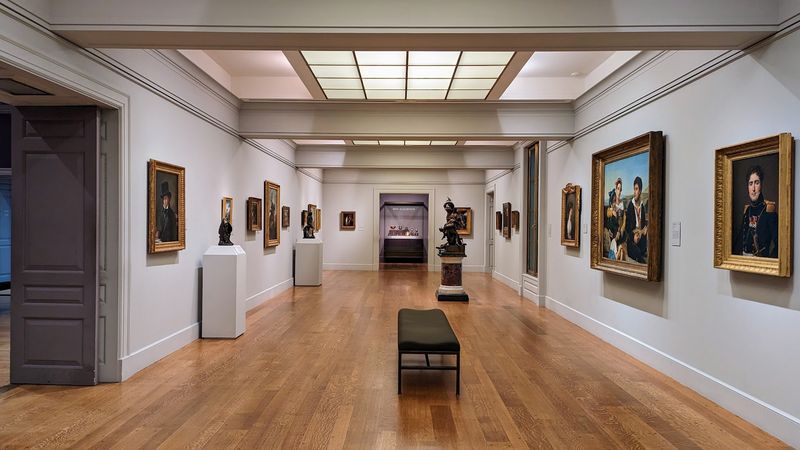
Inside, the galleries hold Monet, Degas, Pissarro, and plenty more. Even better, gallery admission is free for everyone from January through March.
Kids under 18 always get in free too.
I think most people pick either art or nature for a day trip. This place quietly refuses to make you choose.
So which do you start with, the paintings or the pasture?
A Private Renoir Obsession Became Your Public Treat
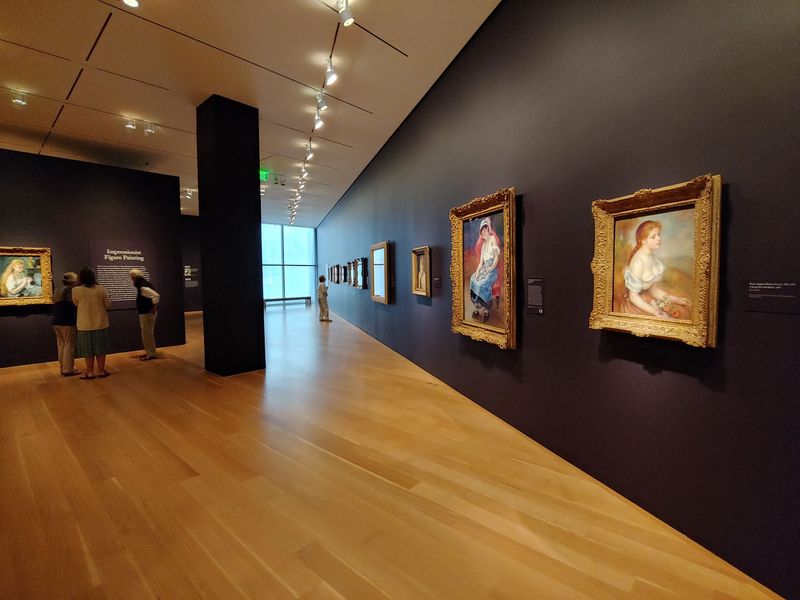
More than 30 Renoirs. That’s how many paintings by Pierre-Auguste Renoir now hang in the collection gathered by the founder, Robert Sterling Clark.
Those works now form a central part of the Sterling and Francine Clark Art Institute, known simply as the Clark. It ranks among the most notable private Renoir collections ever assembled.
Lucky for you, it’s no longer private.
Robert and his wife Francine founded the institute in 1950. The doors opened to the public in 1955.
They picked Williamstown, Massachusetts, partly because of family ties to nearby Williams College.
The Renoirs keep good company here too. Claude Monet, Edgar Degas, and Camille Pissarro all hang in the French painting collection.
It’s a who’s who of Impressionism under one roof.
My advice is simple. Give yourself time to slow down in front of each canvas.
Brushstrokes look completely different in person than on a phone screen.
Grab a free tour if your schedule allows it. Tours of the permanent collection run Saturdays from September to June.
In July and August, they happen twice daily.
Those tours come free with gallery admission. A guide can point out details you’d breeze right past.
Think of it as a cheat code for looking smarter at dinner later.
Plan for the Renoirs first, then wander outward. The rest of the building has plenty more waiting, and the meadows aren’t going anywhere.
Lace Up, Because the Meadows Are Calling Your Name
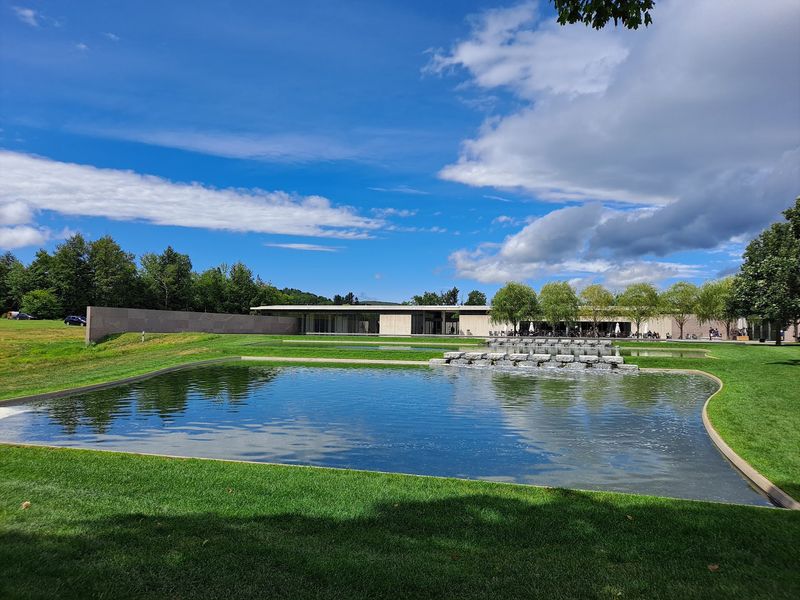
Most museums end at the gift shop. The Clark keeps going for 140 acres of woodlands, meadows, and rolling hills.
Miles of hiking and walking trails wind across the campus. Some paths are paved and link the outdoor exhibits.
Others are unpaved, with options of different difficulty levels.
The 0.7-mile Pasture Trail makes a friendly starting point. It’s short enough for a quick stroll after the galleries.
Yet it still feels like a real escape into open Berkshire country.
Here’s the headline perk. The campus and its trails are accessible to the public at all times, and walking them costs nothing.
Your wallet gets the day off while your legs do the work.
Wear comfortable shoes and dress for the weather. Massachusetts skies can switch moods quickly.
A light layer and a water bottle go a long way.
Trails are well maintained, so beginners won’t feel lost. Experienced hikers can stretch the outing by linking several routes together.
Everyone gets their own adventure size.
I love that you can swap gallery hush for birdsong in a few minutes. Your brain gets a reset between art sessions.
Honestly, it might be the smartest museum break ever designed.
So stretch your legs and follow the paths uphill. Those wide views reward every step, and the paintings will still be waiting.
Sculptures Pop Up Where You Least Expect Them
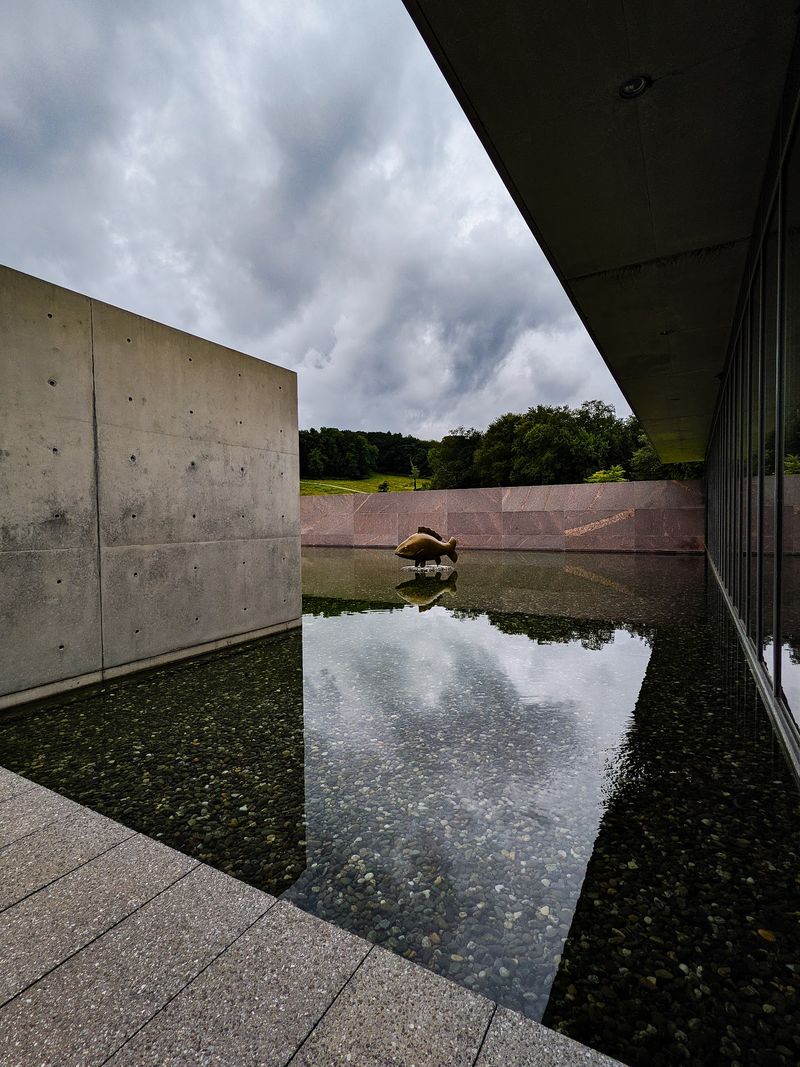
Art doesn’t stay politely indoors at the Clark. Outdoor installations appear across the campus, turning a simple walk into a scavenger hunt.
Paved paths connect many of these outdoor exhibits. That makes it easy to hop from one piece to the next.
You get fresh air and culture in the same breath.
Some works sit along the trails winding up the hillsides. Climbing toward them adds a little workout to your art appreciation.
Call it gallery cardio.
I like how the landscape becomes part of each piece. Sky, grass, and seasons change how everything looks.
The same sculpture can feel totally different in October than in June.
Families will enjoy this part the most. Kids can run, point, and ask questions without anyone shushing them.
It’s a natural way to spark curiosity in young explorers.
Bring a camera or just your phone. The hilltop spots frame the museum buildings and the town below nicely.
Those shots make great keepsakes from your trip.
Take your time and read any signs you pass. They help explain what you’re looking at.
A little context makes every discovery more fun.
Best of all, the grounds stay open all the time. You can wander these outdoor works at your own pace.
No ticket and no rush required.
The Reflecting Pool Will Steal Your Camera Roll
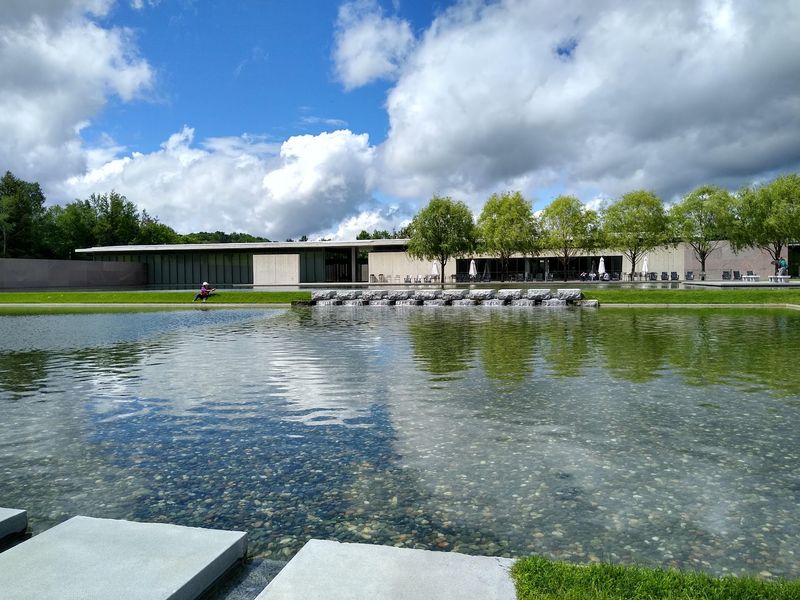
Famous architects shaped this place, and it shows. Starting in 2001, a big campus project brought in landscape firm Reed Hilderbrand plus architects Tadao Ando and Annabelle Selldorf.
That effort redesigned the grounds and added new tree plantings. It also created the reflecting pool, now a favorite spot on campus.
Calm water, open sky, and green hills all meet here.
Tadao Ando designed the Clark Center, which opened in 2014. Its clean, modern lines sit right beside the pool.
The building and water seem made for each other.
The pool mirrors clouds and buildings on still days. Photographers will want to linger a while.
Even casual snappers will end up with something worth posting.
To me, this is the perfect pause spot. You can rest between galleries and trails.
Just sit, breathe, and let the view do its thing.
Morning and late afternoon light can change the whole scene. Shadows stretch, and colors soften across the water.
Try visiting the pool at different moments of your day.
The grounds here are open to the public at all times. That means this peaceful view never requires a ticket.
It’s a free front-row seat to great design.
Bring a friend and chat by the edge. Few museum patios feel this calm.
Lunch Plans Just Got a Whole Lot Easier
All that art and hiking builds an appetite fast. Thankfully, Café 7 sits on the lower level of the Clark Center.
This casual restaurant runs Tuesday through Sunday from 10 am to 3 pm. It’s handy for a midday refuel between galleries.
You won’t need to leave campus to find food.
Prefer packing your own lunch? Visitors are welcome to bring picnics.
That’s great news for families on a budget.
A picnic pairs beautifully with this setting. Grass, hills, and fresh air beat any food court.
Bring a blanket and maybe some sandwiches with extra napkins.
My rule is simple for days like this. Eat before you get hangry, not after.
Nobody enjoys Monet on an empty stomach.
Mixing both options works too. Grab a snack from the café, then enjoy it outdoors.
You get convenience and scenery in one move.
Plan your meal around the café hours if you want a hot bite. Arriving earlier gives you more time to relax.
A full belly makes the afternoon trails feel easier.
Food here isn’t the main event, but it keeps the fun rolling. A quick break recharges everyone in your group.
Then it’s back to paintings or pastures, whichever wins the coin toss.
Free Admission Days Make Skipping Impossible
In recent years, gallery admission has been free for every visitor from January through March.
Winter visits come with another sweet perk. Complimentary snowshoes are available to borrow.
You can explore the snowy campus after admiring the paintings.
There’s more free fun beyond winter. The First Sundays Free program offers no-cost admission on the first Sunday of each month, October through May.
Circle those dates on your calendar.
Some visitors always get in free. That includes kids under 18, Clark members, and students at Williams College, Massachusetts College of Liberal Arts, and Bennington College.
Massachusetts teachers, EBT cardholders, and active-duty military qualify too.
I believe great art should feel welcoming, and this policy proves it. Families can bring kids without worrying about extra tickets.
Students can visit again and again.
Gallery hours run 10 am to 5 pm, Tuesday through Sunday, from September to June. In July and August, the galleries open daily.
The museum also opens on most federal holiday Mondays.
Remember, the trails never need a ticket at all. So even a quick stop can feel worthwhile.
Walk first, then decide on the galleries.
Free parking on campus makes the whole trip smoother. Pull in, grab your gear, and start exploring.
That’s a pretty generous welcome.
Little Artists and New Parents Get Their Own Fun
Kids get serious perks here, starting with drawing pads. Families can also pick up Looking Carefully cards, self-guided tours, and ArtLab activities.
These tools turn a gallery visit into a game. Children search for details and sketch what catches their eye.
Suddenly, a painting becomes a puzzle worth solving.
New parents have a program too. New Parents Gallery Talks happen on first Saturday mornings from November through April.
It’s a relaxed way to enjoy art with a baby in tow.
Preschoolers can join Start with Art. These programs run on second Saturday mornings in winter.
Tiny hands, big imaginations.
The campus is fully accessible as well. Strollers are allowed and also available for loan.
Diaper-changing stations sit in the restrooms.
Wheelchairs are offered on a first-come, first-served basis. That helps grandparents and friends join the outing.
Everyone can share the fun together.
In my opinion, raising young art fans starts with moments like these. Let them draw, wander, and ask endless questions.
That curiosity might last a lifetime.
After the galleries, head outside to burn off energy. The meadow paths give little legs room to roam.
A sketch indoors and a run outdoors makes a pretty perfect family day.
Bookworms and Big Plans Await at the Finish Line
Over 295,000 volumes fill the Clark’s research library. It lives in the Manton Research Center, designed by Pietro Belluschi and completed in 1973.
The library is open to the public with free admission. Curious minds can explore art books on almost any subject.
It’s a quiet treat for anyone who loves reading.
The Clark is one of only a few institutions worldwide that works as both an art museum and a research center. That makes it more than a pretty stop.
Scholars and casual fans share the same campus.
Prints and drawings get special attention here. The Manton Study Center for Works on Paper offers access to more than 6,500 prints, drawings, and photographs by appointment.
Planning ahead pays off.
Looking forward, there’s exciting news. The Aso O.
Tavitian Collection is slated for a new wing opening in 2028. Its works span the 15th through 19th centuries.
The Manton Collection of British Art also adds variety. It includes over three hundred paintings, drawings, and prints.
Fans of British art will feel right at home.
Ready to go? You’ll find the Clark Art Institute at 225 South Street, Williamstown, Massachusetts 01267.