
This Mississippi Family Has Been Stone-Grinding Grits Beside The Same Creek For Seven Generations
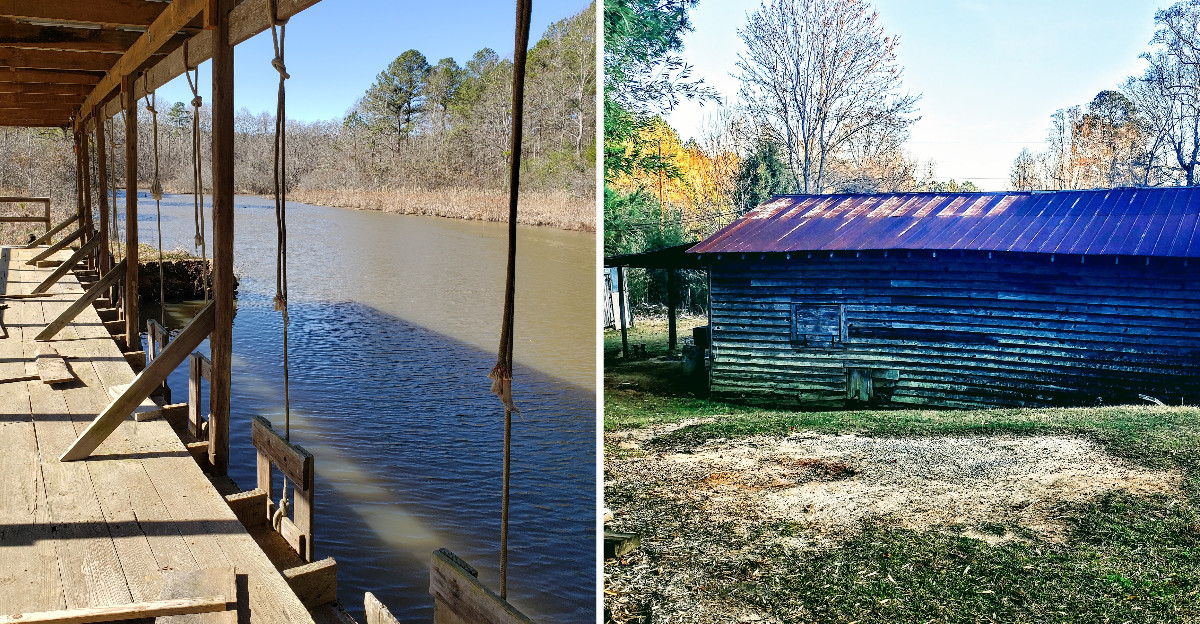
A significant amount of the best surprises in Mississippi sit at the end of quiet country roads where you least expect anything at all. Picture a weathered wooden building beside a creek, a pond holding still water, and the low rumble of stones turning corn into grits the same way folks did more than 200 years ago.
It looks humble from the outside, but the story inside stretches back to 1790 and runs through seven generations of one family. Bring a few dollars, an empty stomach, and some curiosity, because this little spot rewards all three.
A Working Grist Mill on Running Tiger Creek
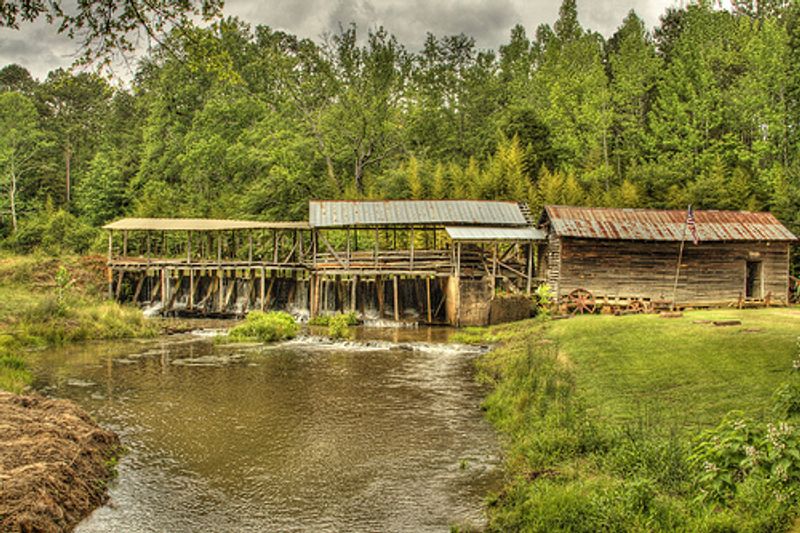
Tucked into Kemper County in east central Mississippi, a weathered mill sits on the banks of Running Tiger Creek, still doing the job it was built for. The address is 602 Sciples Mill Rd in De Kalb, and the setting feels far removed from highways and shopping centers.
So what exactly is a grist mill? Simply put, it is a place where grain gets ground into food.
Farmers once hauled corn and wheat here, and the mill turned those harvests into cornmeal, grits, and flour using the power of moving water instead of electricity.
Plenty of old mills across the country have become museums or crumbling ruins. Here, the machinery still runs.
Reports describe it as the last operational water-powered grist mill in Mississippi grinding for the public, which makes it a rare survivor in a state that once had many.
Visitors often mention how unique the place feels, and that reaction makes sense. Few places let you stand next to a working piece of the 1800s and then take home a bag of what it produced that very morning.
It is part history lesson, part country store, and part peaceful creekside stop, all rolled into one modest building.
Seven Generations of Milling History
Back in 1790, a man named Dr. Hunnelly built the first mill structure on this spot. That was only a year after George Washington became president, which gives you a sense of just how old this tradition really is.
Sometime between 1830 and 1850, the Sciple family took over. They have kept the stones turning ever since, passing the work from parent to child for seven generations.
Few family businesses anywhere in America can claim that kind of staying power.
Mills like this one were once the heart of rural communities. Folks came to get their grain ground, but they also stayed to swap news, catch up with neighbors, and pass the time.
Children often swam or fished in the mill pond while the grown-ups waited.
Today, that community spirit still lingers. Visitors frequently describe the owner, Mr. Eddie Sciple, as friendly and full of stories, and some say chatting with him became the highlight of their trip.
Hearing family history straight from the person who carries it on adds something no plaque or sign ever could. You come for the grits, but you leave knowing a little more about how rural Mississippi lived, worked, and gathered together.
The 1973 Tornado and a Careful Rebuild
November 1973 brought a hard blow. A tornado swept through and destroyed the original mill building, the one that had stood for generations along the creek.
Many owners might have walked away at that point. The Sciple family chose a different path.
They rebuilt the mill right on its existing foundation, keeping the connection to the past literally beneath their feet, and reopened the doors in March 1974. That is only about four months from wreckage to grinding again, a quick turnaround for such a big job.
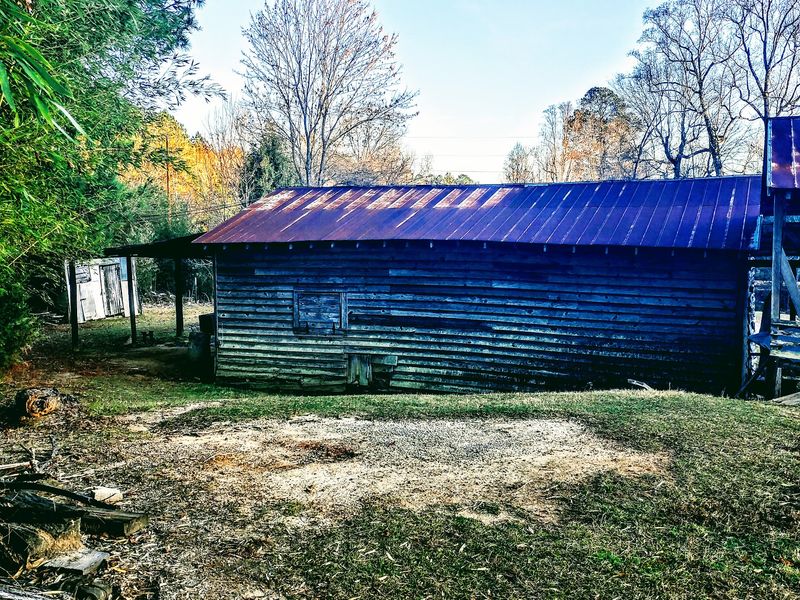
Because of that rebuild, the building you see today is younger than the business itself. Still, the bones of the operation stayed the same.
The foundation, the water system, and the milling methods all carried forward, so the mill kept its old character even with new walls.
Some visitors describe the place as a little run-down looking, though most see that as part of its rustic charm rather than a drawback. Weathered boards and an unpolished look fit a working mill much better than shiny paint ever would.
The story of the storm and the comeback also gives the visit extra meaning, since you are standing inside proof that a family refused to let a tradition end.
Turbine Power and Two Heavy Millstones
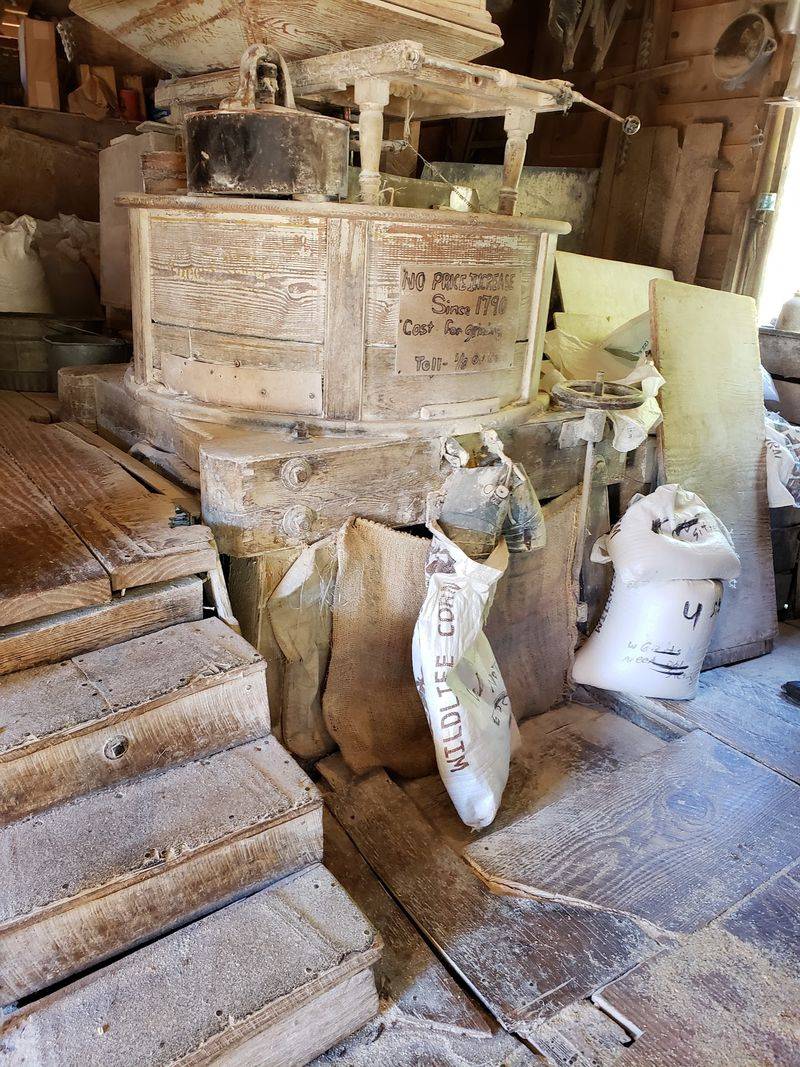
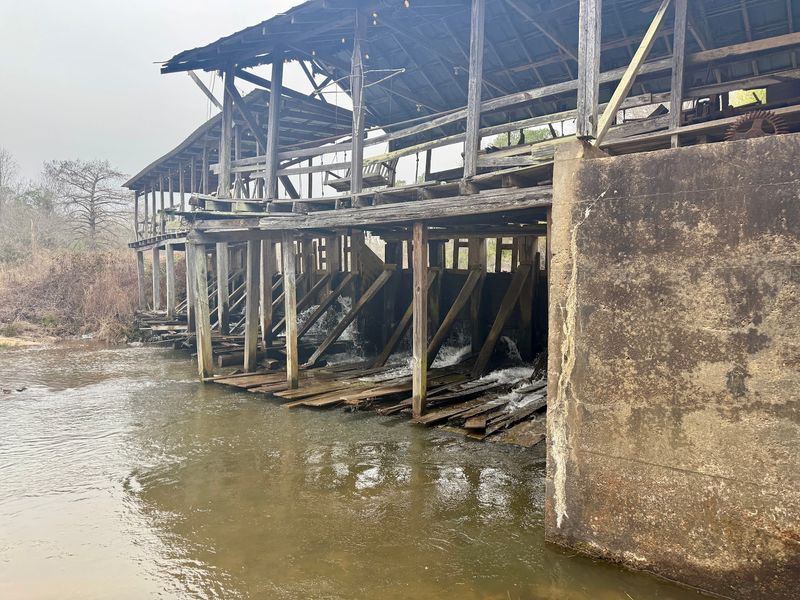
Forget the giant wooden waterwheel you might picture from storybooks. Since 1880, the power here has come from a Leffel Water Turbine Wheel, a cast-iron design that sits low and spins as water rushes through it.
It can produce about 50 horsepower and grind up to 32 bushels per hour.
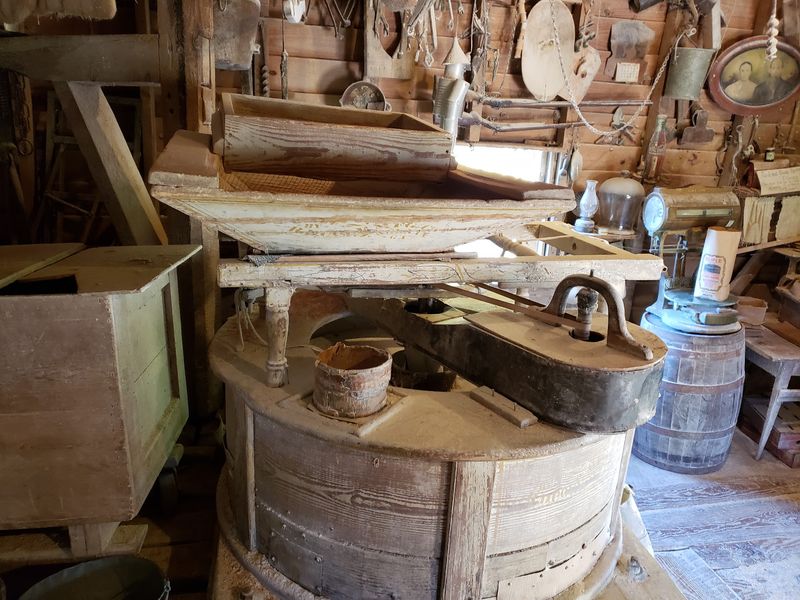
The real stars, though, are the stones. Two grinding stones, each 42 inches across, do all the work.
The bottom stone stays still and weighs 2,100 pounds, while the top stone spins above it and weighs 1,600 pounds.
Imagine nearly two tons of rock pressing corn into meal. Kernels drop between the stones, and the turning motion crushes them into grits, cornmeal, or flour depending on the grain and the setting.
The process has changed very little in over 200 years.
Watching it happen is the reason many people time their trip for a Saturday morning. The sound, the vibration, and the fine dust in the air make the old methods feel real in a way pictures cannot.
Anyone curious about how things work, from young students to retired engineers, will find plenty to study here as the stones grind away.
Mill Pond, Dam, and Floodgates
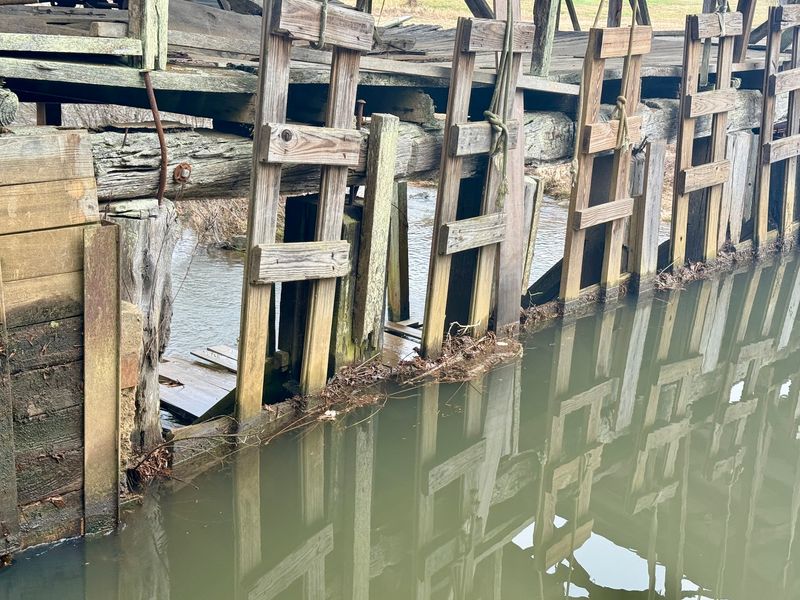
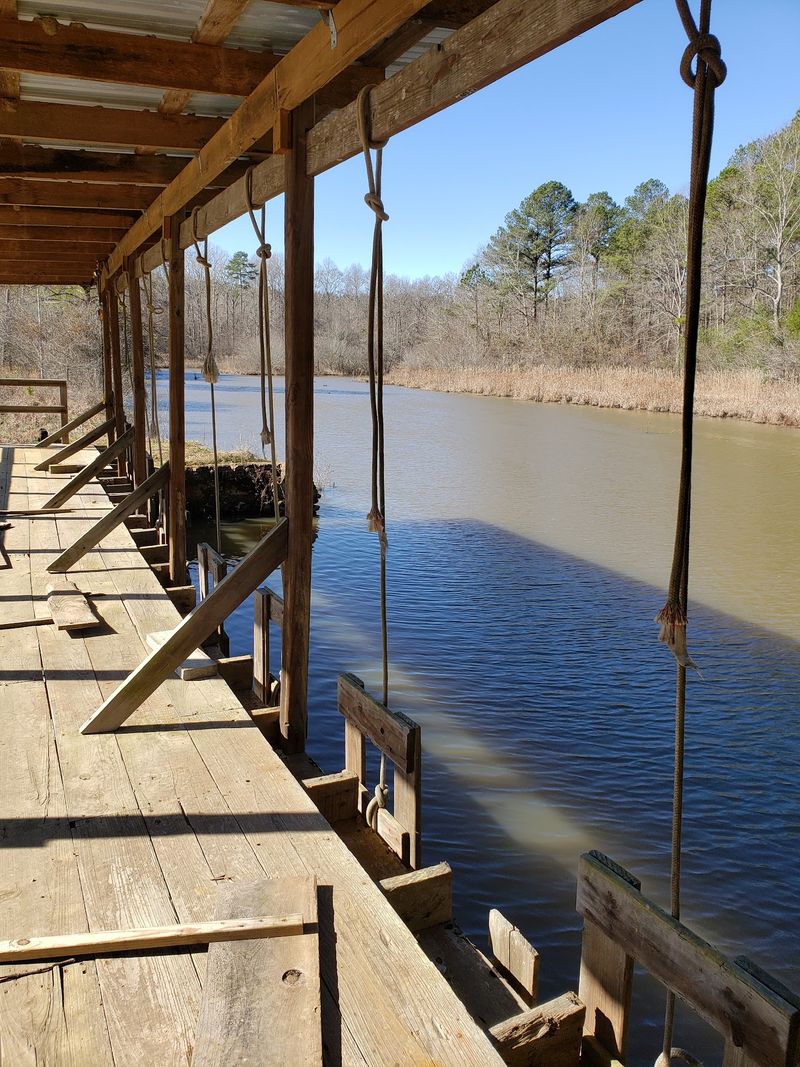
Water is the engine, so it helps to see where it comes from. Running Tiger Creek feeds a pond beside the mill, and that pond stores the water needed to turn the turbine.
A dam holds the water back, and floodgates control how much flows toward the machinery. Open the gates, and the turbine starts spinning.
Close them, and everything goes quiet. It is a clever, simple system that worked long before anyone plugged in a motor.
Standing near the pond, you can almost picture earlier days. Generations of local children used mill ponds like this one for swimming and fishing while their families waited for grain to be ground.
The water was never just a power source, it was a gathering place too.
Today the pond adds a calm, scenic backdrop to the visit. On a still morning, the reflections of trees on the surface make for a pleasant spot to pause and take photos.
One visitor summed up the mood well by describing the experience as history, imagination, and silence. That quiet feeling comes largely from the water and woods surrounding the mill, which give the whole setting a slower pace than everyday life.
Stone-Ground Grits, Cornmeal, and Fish Fry
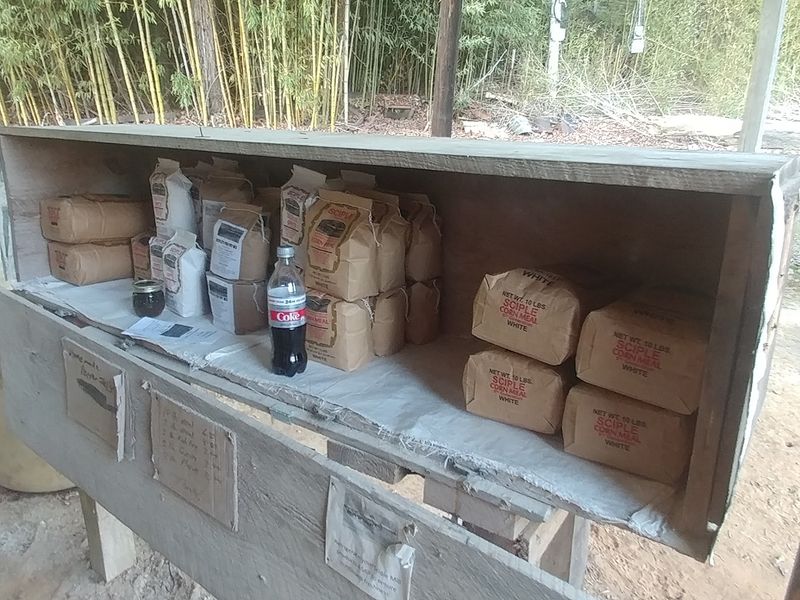
Grits come up more than anything else when people talk about this place. Visitors rave about the stone-ground grits and cornmeal, and some call them the best they have ever tasted.
Both white and yellow corn options are available, so you can pick your favorite or try both side by side. Flour and a fish fry mix are also on hand.
The selection is small, but each item comes straight from those heavy stones on the mill floor.
Why does stone-ground taste different? Slow grinding keeps more of the corn’s natural flavor and texture than fast factory methods.
People who have baked with the cornmeal say it makes excellent cornbread, and that alone might justify the drive for some home cooks.
There is also an old-fashioned business tradition still in place. The mill takes one-eighth of the grain customers bring in as payment for grinding, the same kind of trade farmers relied on generations ago.
It is a neat reminder that before cash registers, grain itself often served as money. Picking up a bag or two to take home stretches the experience well past the visit, since every pot of grits becomes a small taste of Mississippi history.
Bamboo Trail, Opry House, and a One-Lane Bridge
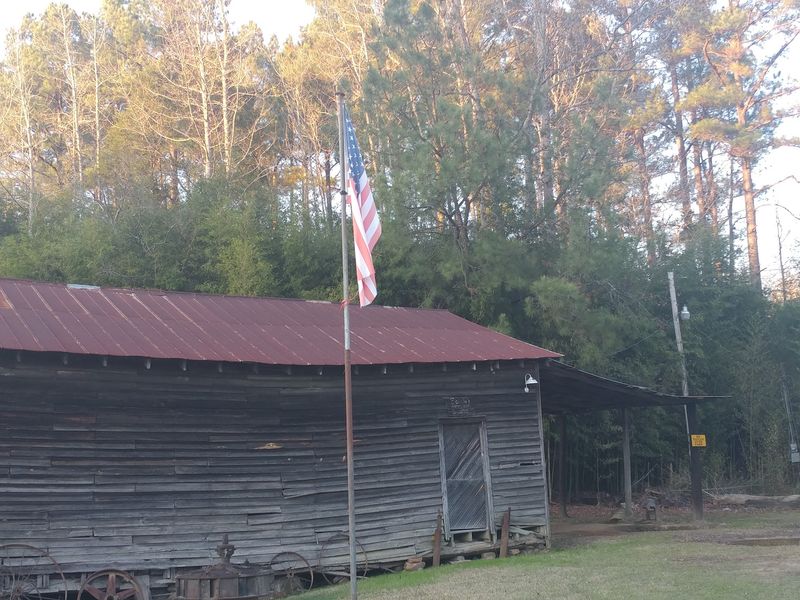
Getting there is half the adventure. An old one-lane bridge with no railings leads to the mill grounds, which can feel a little nerve-wracking at first.
Visitors note that the bridge is sturdy, though, and there is plenty of room to park once you are across, even if the parking setup is a bit unusual.
Behind the mill, a short trail winds through a bamboo grove. Tall green stalks rising overhead make the walk feel a bit like stepping into another world, and it is an easy stroll for most ages.
Then comes a surprise many people do not expect: an old opry house on the property. Folks have described it as a legendary barn, and some recall music, dancing, food, and singing there in years past.
It adds a whole extra layer of local culture beyond the milling itself.
Together, these extras turn a quick look at a mill into a fuller outing. Even on days when the stones are not turning, there is enough to wander around and enjoy.
Families say the grounds make a fun stop for grandchildren and grandparents alike, with room to explore and plenty of old-time character around every corner.
Saturday Hours and the Honor System
Timing matters here. The mill opens to the public only on Saturdays, from 8 a.m. to 12 p.m., and that is when you can watch the grinding in action.
Every other day of the week, the doors stay closed.
Missed Saturday? Not a problem for shoppers.
Cornmeal, grits, flour, and fish fry mix sit near the entrance with an honor box, so you can pay and take what you need anytime. Bring small bills and the right amount of cash, since there is no one around to make change.
Planning ahead pays off in another way, too. The area is rural, and visitors suggest filling up on gas and grabbing food before heading out, because services are scarce nearby.
For directions, aim for 602 Sciples Mill Rd in De Kalb. Folks from Newton mention it is roughly an hour away, which gives a sense of how tucked away the spot is.
The visit itself can be short, around half an hour if you are just looking around, so it pairs nicely with other stops on a Mississippi road trip. Arriving early on Saturday gives you the best chance to see the stones turning and chat with the owner.
Small Mill, Big Rewards
Television crews have found their way here, which says a lot about how special the place is. The mill appeared on Dirty Jobs and Mississippi Roads, along with various magazines, and some visitors first learned about it from those shows.
Fame has not changed the feel, though. It remains a modest, quiet, family-run operation where the owner still greets guests, shares stories, and has even offered to ship products to fans who live far away.
That personal touch is hard to find these days.
Who will enjoy it most? History lovers, home cooks, curious families, and anyone who likes seeing how everyday things were made long ago.
Folks who need big attractions or lots of activities may find it brief, since there is not a huge amount to see. Those who appreciate slow moments and real craftsmanship tend to leave happy.
A Saturday morning trip offers the full picture, with stones grinding, water rushing, and a bag of fresh grits to carry home. Even a quick weekday stop for honor-box cornmeal has its charm.
Either way, supporting a tradition that has lasted since 1790 feels like a small way to help keep a piece of Mississippi alive.