
This Mississippi Museum Inside An Old Freight Depot Tells The Whole Story Of The Delta Blues
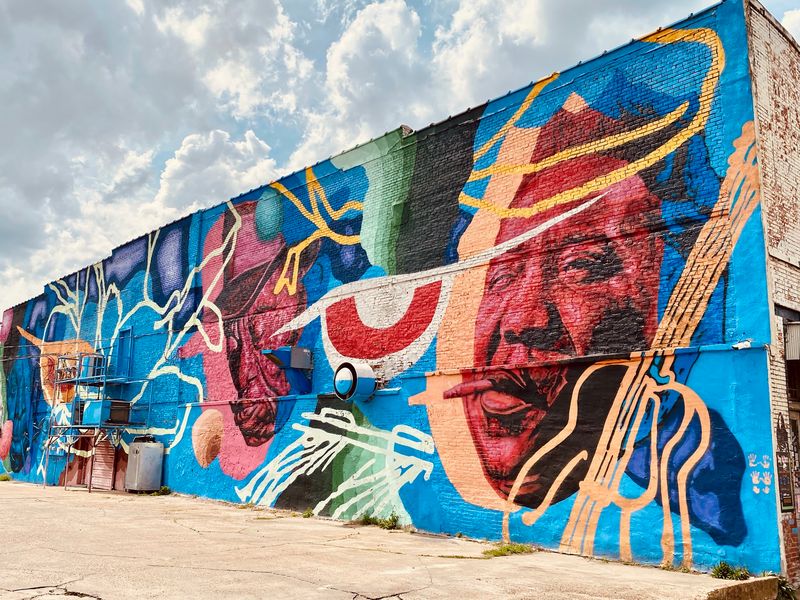
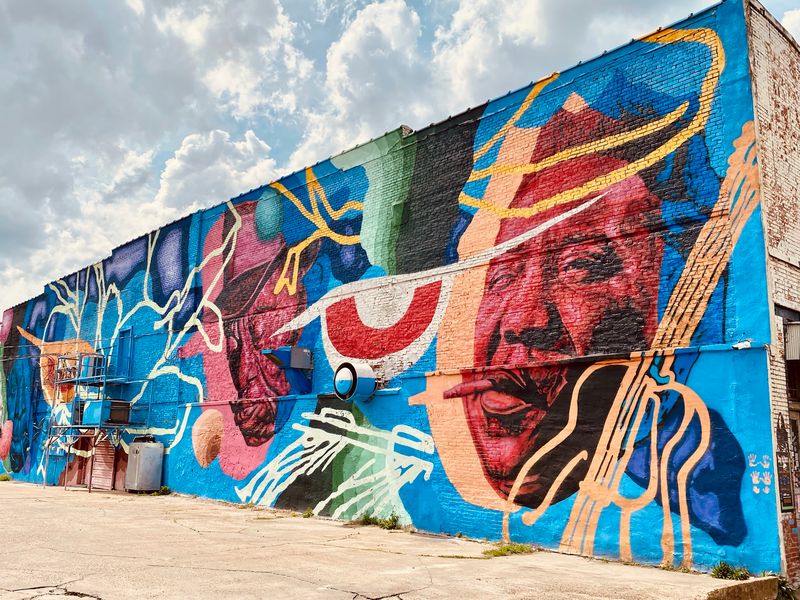
Flat cotton fields, a quiet two-lane highway, and then a little downtown with brick buildings and colorful murals painted on the walls. Nothing about it shouts for attention, yet this corner of Mississippi gave the world one of its most important kinds of music.
The blues grew up here, carried by sharecroppers singing about hard days and big hopes. Spend an afternoon in this town and you start to hear the whole story in a brand new way.
A Freight Depot at the Heart of the Delta
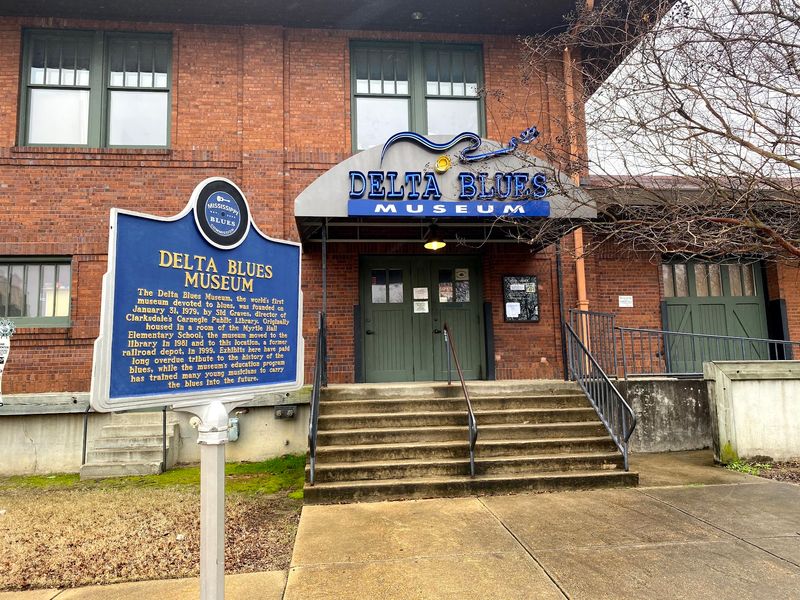
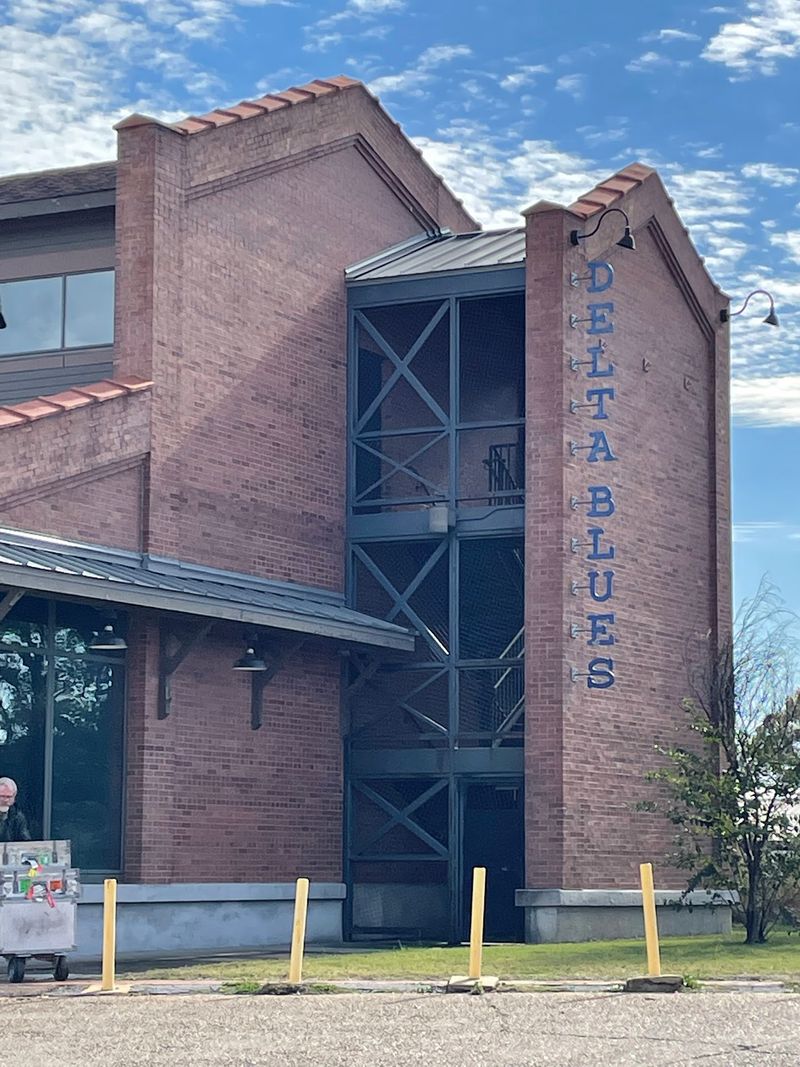
Picture a brick freight depot from 1918, sitting at the edge of a downtown that once moved cotton by the trainload. Today that building holds the Delta Blues Museum, found at 1 Blues Alley in Clarksdale, Mississippi.
It is the oldest music museum in the state and the first museum anywhere built entirely around the blues.
Clarksdale itself is small, with just under 15,000 people counted in the 2020 census. It serves as the county seat of Coahoma County and sits along the Sunflower River, deep in the flat, fertile Mississippi Delta.
Cotton fields stretch out in nearly every direction once you leave the town limits.
The museum fits right into that setting. Its old depot walls once handled the goods that made the region rich, and now they hold guitars, photographs, costumes, and stories of the musicians who made the region famous.
Visitors often describe it as bigger than it looks from the street.
For anyone traveling the Delta, the museum works like a front door. It explains why so many famous names came from this patch of land, and it points you toward the clubs, murals, and markers waiting just outside.
The Golden Buckle on the Cotton Belt
Long before anyone sang a blues lyric here, a man named John Clark set up a timber mill and business along the Sunflower River in the mid-1800s. His work gave the town its name.
Over time, the place grew into a busy farming and trading center.
Cotton became king. Clarksdale earned the proud nickname “The Golden Buckle on the Cotton Belt” because so much of the crop passed through it.
Trains, warehouses, and stores all depended on what came out of the surrounding fields.
Behind that wealth, though, stood the people doing the hardest work. Many Black families lived as sharecroppers, farming land they did not own and often struggling to get ahead no matter how many hours they put in.
Their lives were tough, and their days in the fields were long and hot.
Out of those conditions came something powerful. Music became a way to share feelings, pass the time, and tell the truth about everyday life.
The same fields that made Clarksdale a trading hub also became the place where a new American sound took root, and that sound would one day travel around the globe.
Field Hollers That Grew Into a Genre
How does a whole style of music get started? In the Delta, it began with voices rising over the cotton rows.
Workers sang field hollers and work chants to keep rhythm and stay connected while they labored.
During and after the Civil War, those calls slowly changed shape. They picked up guitars, repeating lines, and a raw, bending quality that sounded different from the tidy harmonies heard in church hymns or parlor songs.
Experts often describe the early Delta blues as having unique, less harmonious tones, and that rough edge is exactly what made it stand out.
Sharecroppers poured their hardships into these songs. Lyrics talked about money troubles, lost love, rough weather, and the dream of a better life somewhere else.
Even sad songs often carried a stubborn spark of hope.
Nobody can point to one exact day the blues was born. Nearby Dockery Farms, home to the influential Charley Patton, was one early center.
Still, Clarksdale is the town most often named as the birthplace, and the museum lays out that history in clear, easy-to-follow displays. Many guests mention leaving with a much deeper understanding of where the music truly came from.
Muddy Waters and His Stovall Cabin
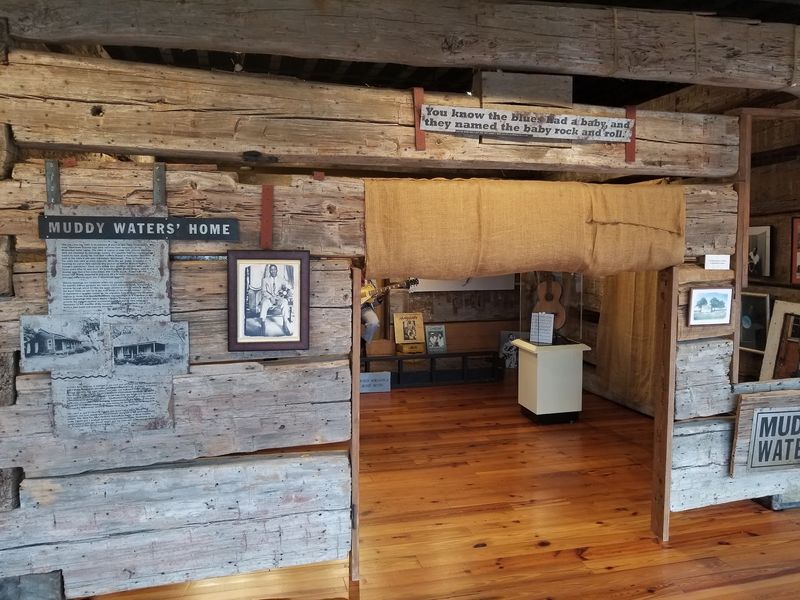
A plain wooden cabin might be the most moving thing inside the building. Muddy Waters once lived in it while working as a sharecropper and tractor driver on nearby Stovall Plantation.
Now part of it stands preserved within the museum walls.
Only one room of the original structure remains, since the rest was lost to a tornado. Even so, standing beside those weathered boards gives you a real sense of how simply he lived before fame found him.
Panels around the cabin share plenty of written detail about his early years and his rise.
Muddy Waters later moved north and helped shape the electric Chicago blues sound. That move was part of the Great Migration, when many African American musicians carried Delta music to big northern cities.
His story shows how a song born in a Mississippi field could end up changing rock and roll.
Guests frequently point to the Muddy Waters section as one of the richest parts of the museum, with especially detailed storytelling. Take your time here.
Reading about his journey while looking at the cabin makes the history feel close and personal, almost like he just stepped out for a minute.
Guitars, Costumes, and Rare Recording Gear
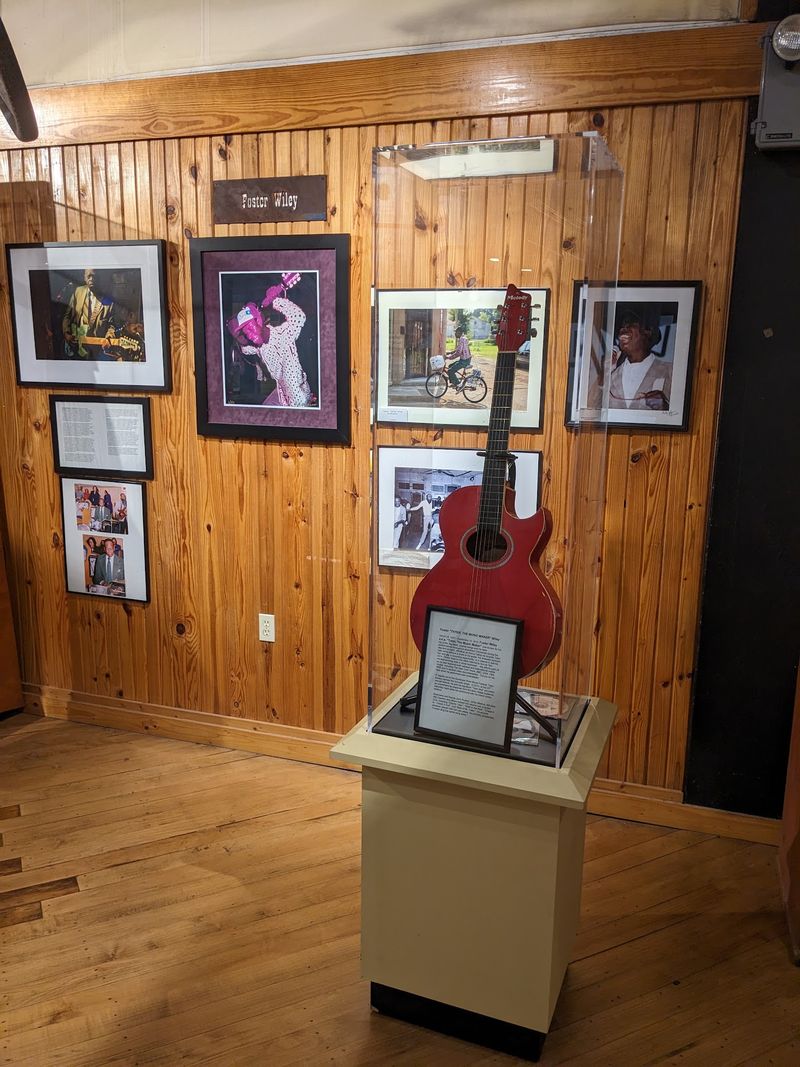
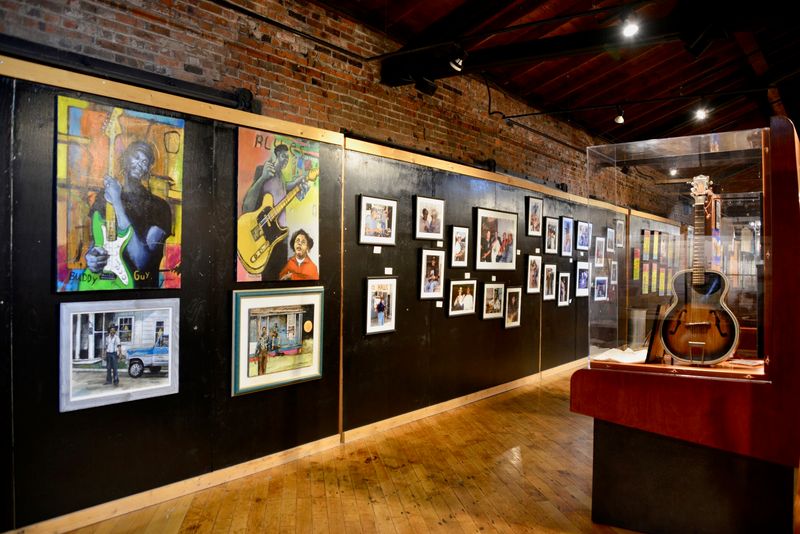
Fans of instruments, get ready. The collection includes guitars once played by Delta artists, along with stage outfits, photographs, and old recording equipment that shows how this music first reached the airwaves.
Costumes add a fun splash of color. Some of the outfits are flashy and bold, a reminder that blues performers knew how to put on a show.
Next to them, the vintage microphones and recording machines feel almost like time machines, hinting at small studios and late sessions.
Artwork shows up throughout the galleries too. Paintings and other pieces celebrate the musicians in creative ways, mixing history with personality.
Even people who say they are not big blues listeners often admit the artifacts won them over.
One thing to know ahead of time: photos and videos are not allowed inside the exhibit spaces. That rule surprises some visitors, especially those used to snapping pictures elsewhere.
On the bright side, putting the phone away means you actually look at each guitar and costume instead of just through a screen. You can still take photos in the gift shop and outside the building, where murals and markers make great backdrops.
Stories of Legends Beyond the Famous Few
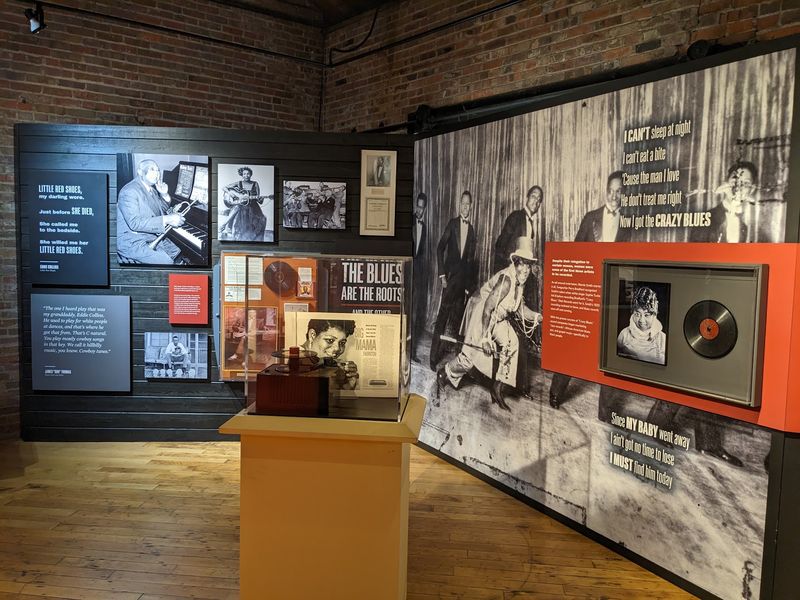
Robert Johnson, John Lee Hooker, Son House, Ike Turner, Sam Cooke, B.B. King.
The list of names tied to Clarksdale reads like a hall of fame, and the museum covers a remarkable number of them.
Displays focus on artists from the Mississippi Delta, tracing where each one started, where they went, and who helped them along the way. Plenty of guests discover a surprising fact or two.
Ike Turner, for example, was born right here in Clarksdale, which catches many people off guard.
You will also meet lesser-known players whose names never became household words. Some travelers even find stories about the very musicians whose old homes they are staying in around town, which makes the trip feel connected.
The museum also tends to host rotating shows, such as a past exhibit on Malaco Records.
A fair heads-up: the layout is organized mostly around individual artists rather than one straight timeline, and a few photos lack captions. Some visitors wish for a clearer flow.
Still, most come away amazed by how much ground the galleries cover, with a strong feeling that hardly anyone important was left out of the story.
The Crossroads Legend at Highways 49 and 61
Three giant blue guitars rise above a busy intersection a short drive from the museum. They mark the famous Crossroads, where Highways 49 and 61 meet in Clarksdale.
Folklore says Robert Johnson came to a crossroads and made a deal with a mysterious figure in exchange for incredible guitar skills. He sang about a crossroads in his song “Cross Road Blues,” and the tale has followed him ever since.
Whether you believe the story or not, it has drawn travelers from all over the world.
Many visitors plan their whole trip around seeing that monument, then find the museum almost by chance. Some even drive down from Memphis, about an hour and fifteen minutes away, just to stand at the famous corner.
Pairing the two stops makes sense, since the museum fills in the real history behind the legend.
Inside, Robert Johnson gets well-deserved attention alongside other greats. Reading about his short but powerful career adds weight to the snapshot you just took at the guitar sign.
The myth gets people to town, and the facts give them a reason to stay longer and keep exploring the Delta.
Murals, Juke Joints, and a Lively Downtown
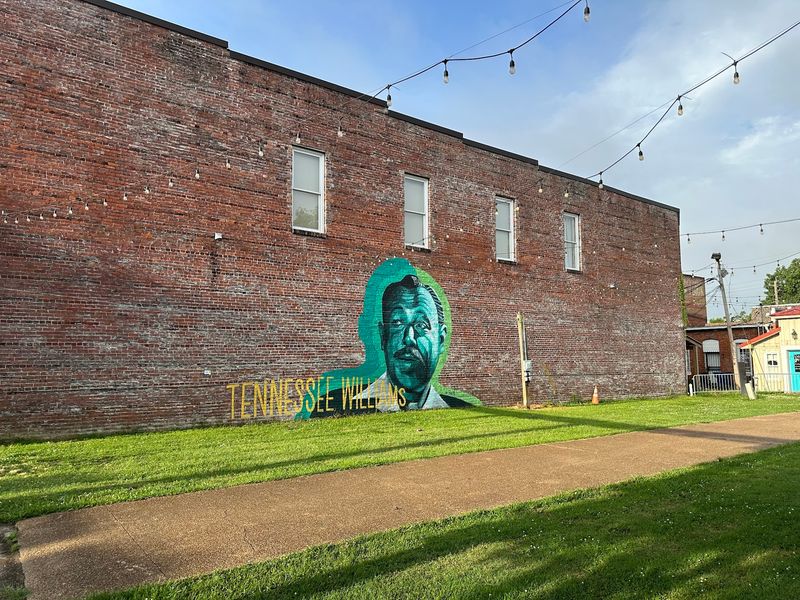
Step back outside and the history keeps going. Downtown Clarksdale is covered in murals honoring blues artists, and walking between them feels like flipping through an open-air scrapbook.
Right next to the museum sits an outdoor main stage, and nearby you will spot a Mississippi Blues Trail marker for Ike Turner. Ground Zero Blues Club, co-owned by actor Morgan Freeman, keeps live Delta blues alive in the evenings.
Several other juke joints and restaurants line the streets, giving the area a real musical pulse.
Some travelers say the neighborhood looks like a movie set, with its old storefronts and painted walls. The downtown also appears to be going through a revival, with fresh energy alongside the historic charm.
The famous Riverside Hotel adds another chapter to explore.
Timing matters, though. On quiet weekends, such as right after a big holiday, the streets can feel nearly empty.
That can be peaceful for photos and slow strolling. A free self-guided walking tour app covers the town too, and finishing it with a museum stop makes for a full, rewarding day.
A Welcoming Stop for Fans and Newcomers Alike
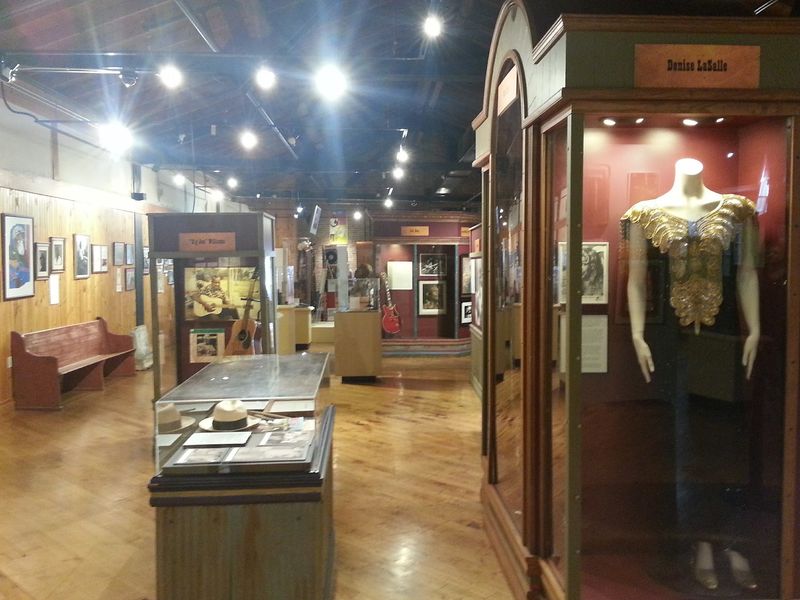
Southern hospitality shows up the moment you walk in. The staff gets steady praise for being kind, informative, and genuinely happy to share stories about the music.
Who will enjoy it most? Longtime blues lovers will feel right at home, of course.
Yet curious travelers with no background in the music often leave just as excited, saying the displays taught them a ton. Families, students, and history buffs all find something to latch onto.
The building stays nice and cool, which is a blessing during a hot Delta summer. Everything is clean and self-paced, so you can linger over one exhibit or move quickly past another.
Recent updates have given the space a more polished, upscale feel, with new displays and refreshed floors.
A gift shop sells t-shirts and memorabilia, perfect for a souvenir. Online orders have caused some frustration over shipping charges, so shopping in person is the simpler choice.
The museum also helps young musicians build their skills through its programs, which gives the place a hopeful, forward-looking side. It is not just about the past.
It is about keeping the blues growing for the next generation of players.
Hours, Admission, and Planning Your Visit
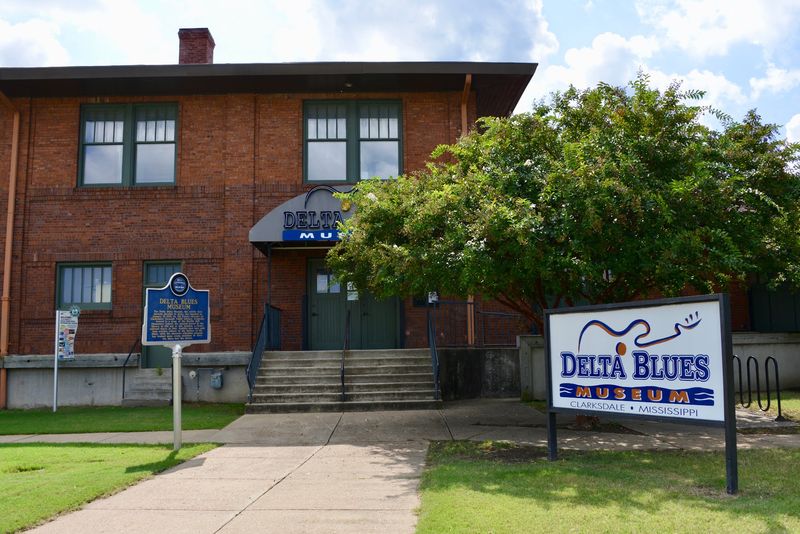
Monday through Saturday, the doors open at 10 am and close at 5 pm. Sunday is closed, so plan weekend trips carefully.
Some guests note that the last entry or wrap-up happens a little before closing, around 4:45, so arriving earlier is smart.
Admission has been listed at $14 plus tax per adult, which many find a good value compared with other museums around the country. Discounts are available for seniors, students, and veterans.
Coahoma County residents get in free, and the museum has taken part in summer free-admission programs for active duty military families.
How long should you stay? Plenty of people recommend two to three hours, since there is a lot to read and absorb.
Others manage a solid visit in about ninety minutes. If you love details, give yourself extra breathing room.
Getting there is easy. The museum sits at 1 Blues Alley in downtown Clarksdale, just minutes from the Blues Highway and roughly an hour and fifteen minutes from Memphis by car.
Remember, no photos or videos inside. For the latest details, check the official website before heading out.
Why the Trip Feels Like Hearing the Music for the First Time
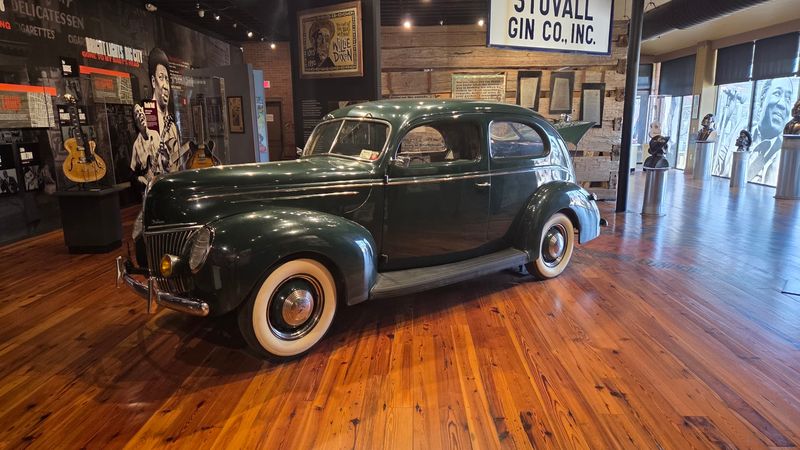
Listening to a Delta blues record can carry you somewhere far away. Standing in the town where those songs began is something else entirely.
The Delta Blues Museum ties the whole Clarksdale experience together. It connects the cotton fields, the Crossroads legend, the murals, and the juke joints into one clear story.
After a visit, the music on your car radio sounds richer, because you know the people and places behind it.
Not every part is perfect. The layout can feel a bit scattered, and the no-photo rule takes some getting used to.
Yet those small quirks rarely spoil the bigger picture, and many return visitors say the museum keeps improving every time they come back.
So if a road trip through Mississippi is on your calendar, carve out an afternoon here. Bring curiosity, comfortable shoes for the walk around downtown, and maybe a playlist for the drive in.
You might arrive knowing a few famous names and leave knowing dozens. More than anything, you will understand how one small Delta town quietly helped give the world a sound that still moves people today, from front porches to concert halls.