
This Mississippi Village Keeps Its Old Historic Buildings So Kids Wander Through The Past At Their Own Pace
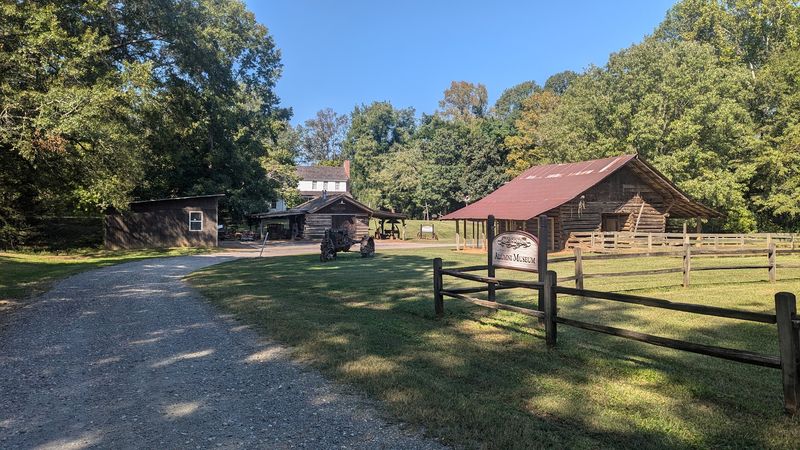
Fresh bread was the first thing that pulled us out of the car, and old wooden buildings kept us there far longer than planned. Tucked along a quiet stretch of road in Mississippi, this little village lets families stroll past preserved homes and shops with no tour guide hurrying anyone along.
Kids get to peek, point, and ask questions at whatever speed feels right. For parents hunting for a calm stop that feels like stepping into a storybook, it delivers more than its size suggests.
A Pioneer Village Beside the Natchez Trace
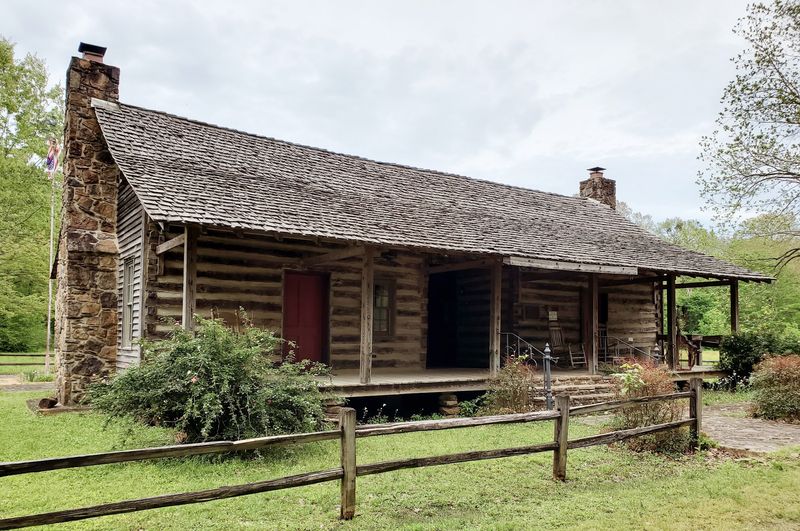
Right off the Natchez Trace Parkway in central Mississippi sits French Camp Historic Village, a cluster of old buildings at 234 Le Fleur Circle in the small community of French Camp. Many travelers find it almost by accident while cruising the scenic parkway, and that surprise is part of the charm.
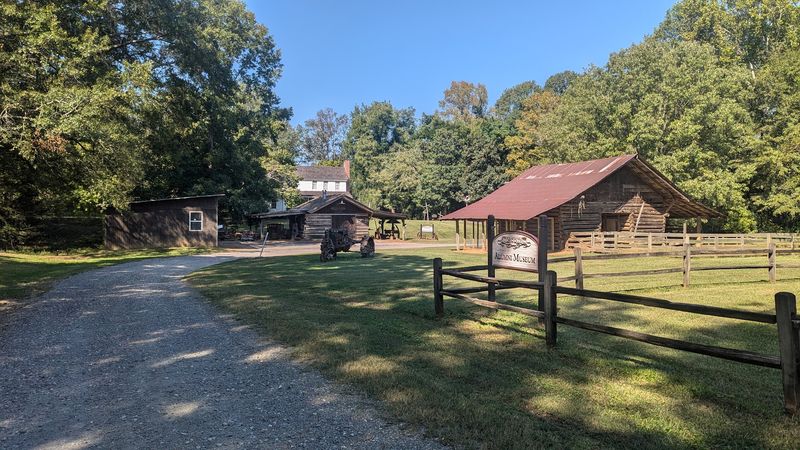
Listed as a museum, the village is really an outdoor collection of historic structures you can explore on foot. Some buildings stand right where they were first built.
Others were carefully moved here from nearby spots and restored so they could be saved and shared.
For families, the setup is wonderfully simple. There are no long lines, giant crowds, or complicated ticket booths to manage before the fun starts.
You park, step out, and the past is waiting a few steps away.
Kids especially seem to like that the whole place feels sized for them. The village is small enough that little legs will not get worn out, yet packed with enough doorways, porches, and old furniture to keep curious minds busy.
Grown-ups get a peaceful break from the road, and young travelers get a real-life look at how people lived long before cars, screens, or electric lights.
Roots on an Old Frontier Road
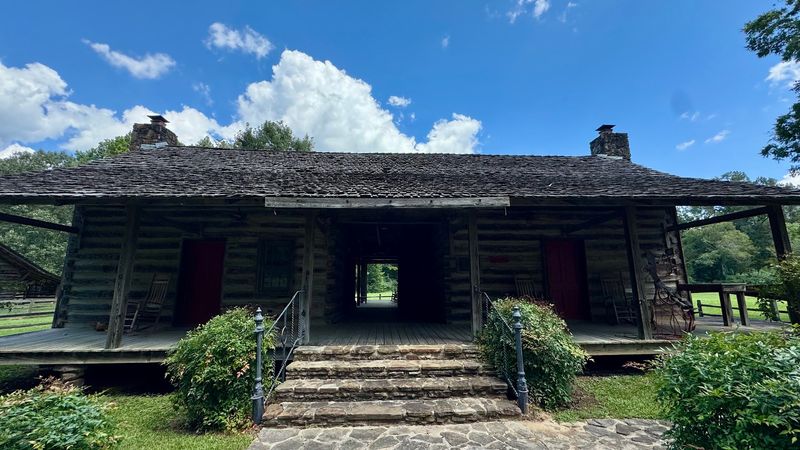
Long before paved highways, the Natchez Trace was a busy path where travelers walked and rode through the wilderness. The modern parkway follows that old route, and French Camp sits right along it, which helps explain why a historic village feels so at home here.
Visitors often say the buildings paint a picture of life around the early 1800s. Standing in front of weathered wood and simple doorways, it becomes easier to imagine families cooking, working, and resting in these very rooms.
History stops being a list of dates and starts feeling like something real.
Here is a fun idea for the car ride in: ask kids what they think travelers on the old Trace needed most. Food, shelter, and a place to rest usually top the list.
Then, once you arrive, let them hunt for clues that show how early settlers met those needs.
That connection between road and village gives the stop extra meaning. You are not just visiting old houses.
You are pausing at a spot that has welcomed travelers for a very long time, and your family becomes the newest chapter in that long line of wanderers passing through.
Original and Relocated Historic Buildings
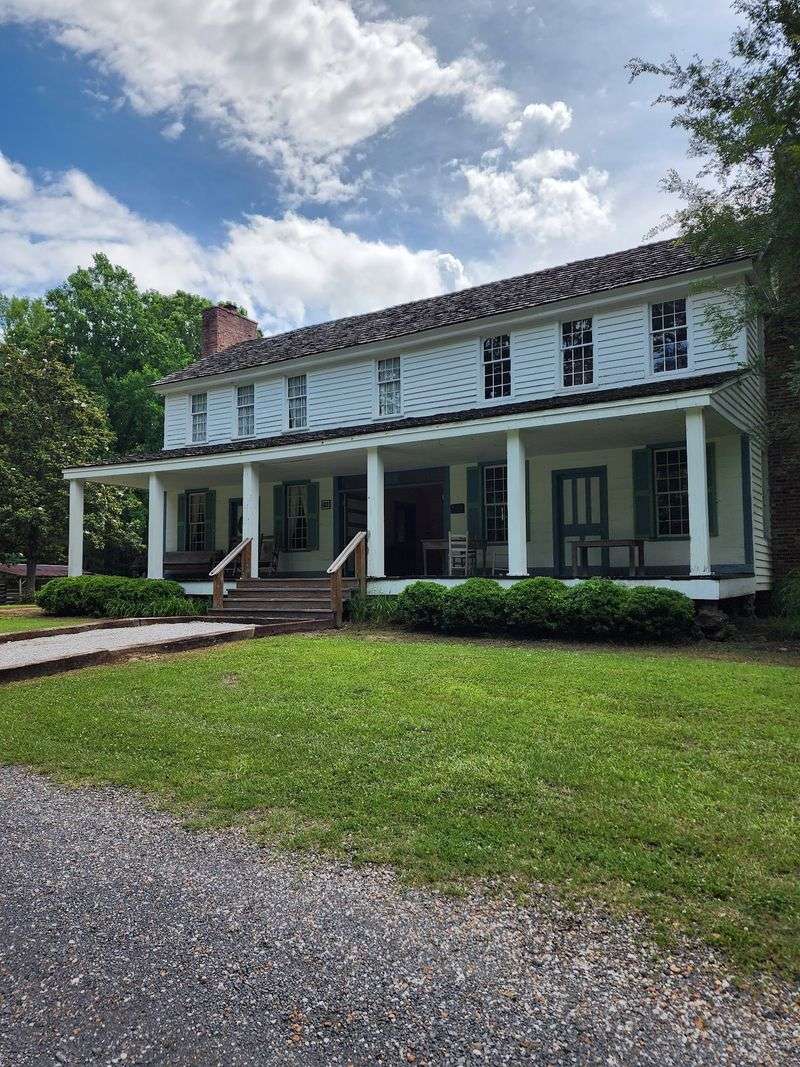
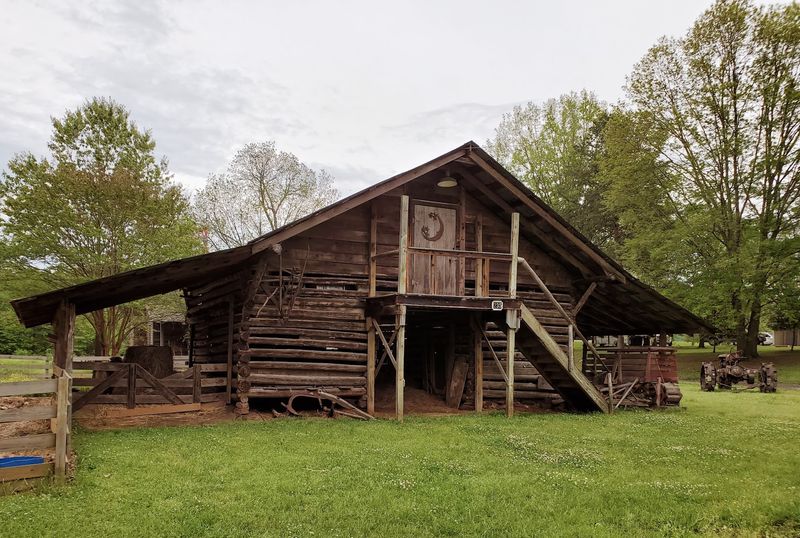
Weathered boards, sturdy porches, and old-fashioned windows set the scene the moment you start walking. The buildings are the true stars here, and visitors regularly mention how well preserved they look.
Not every structure began life on this land. Some are original to the site, while others were relocated and restored so they could be kept safe for future generations.
That mix makes for a great talking point with kids, who are often amazed that an entire house can be moved from one place to another.
Inside, several buildings hold period furnishings that help tell the story. Simple beds, tables, and household items show how families managed daily chores without modern tools.
Children can compare these rooms to their own bedrooms and kitchens, and the differences tend to spark plenty of questions.
Encourage younger visitors to slow down and notice small details. How were the walls put together?
Where would people keep warm in winter? What would it feel like to sleep in that bed?
These little observations turn a quick look into a meaningful lesson. Because the village is compact, families can revisit favorite buildings without feeling like they are missing anything else.
Exploring at Your Own Speed
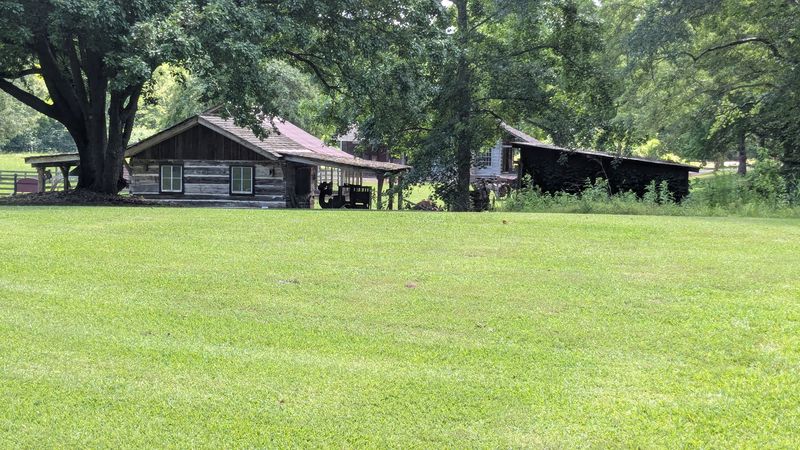
No schedule, no guide waving a flag, no one telling you it is time to move on. Visitors describe this as a site you walk through at your own pace, and that freedom is a big win for families with kids of different ages.
Toddlers can linger at a single porch for ten minutes if something catches their eye. Older kids can race ahead to the next building and report back on what they found.
Parents get to enjoy the quiet without constantly checking a watch.
Most families find that an hour or so is plenty to see the grounds comfortably. That makes the village an easy fit into a longer road trip, especially if you are driving the parkway and need a break that is more interesting than a gas station.
Travelers have even noted that when buildings were not open, they could still stroll around and look at the outside structures. That flexibility means a stop rarely feels wasted.
Try turning the walk into a scavenger hunt by asking kids to spot a chimney, a porch rocker, a window with old glass, and a wooden door. Self-guided exploring suddenly becomes a game.
Bread and Sorghum Syrup at the Welcome Center
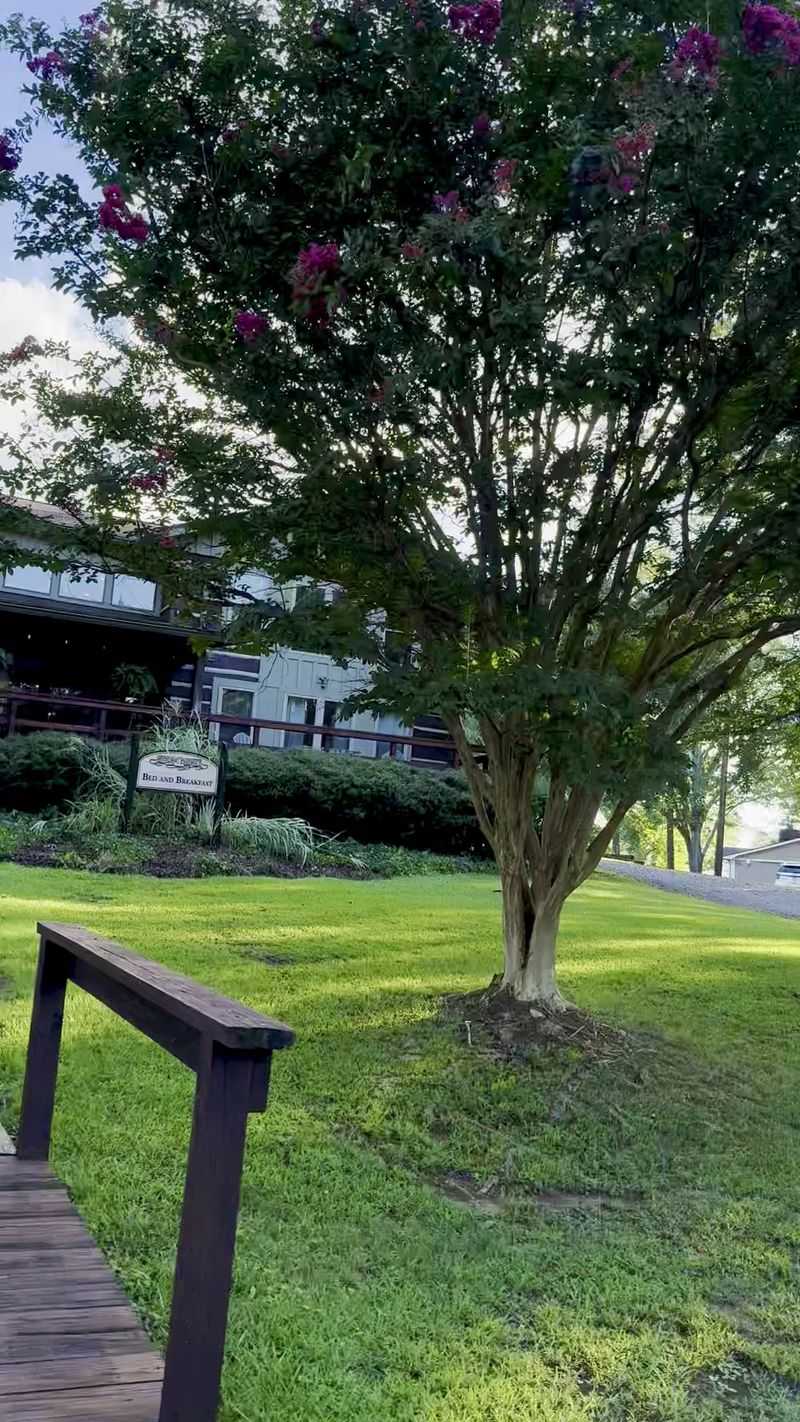
Warm, fresh bread has a way of winning over even the grumpiest kid in the back seat. At the welcome center, visitors can buy freshly baked bread, cookies, and jars of sorghum syrup, making it a tasty first or last stop.
Sorghum syrup might be new to some children. Made from the juice of the sorghum plant, it has a rich, sweet flavor that Southern families have enjoyed for generations.
Drizzling a little over a slice of bread is a simple way to taste a bit of history, and it pairs nicely with all those old kitchens you just explored.
Picking up a loaf to take home also stretches the memory of the trip. Kids can share the bread at breakfast the next day and tell siblings or grandparents about the old buildings they saw.
Snacks become souvenirs that actually get used.
The welcome center is also a smart place to ask questions about what is open that day and where to head first. Staff can point you toward buildings worth seeing and share details about upcoming activities, which helps you plan a smooth visit with little ones in tow.
Meals at the Council House Cafe
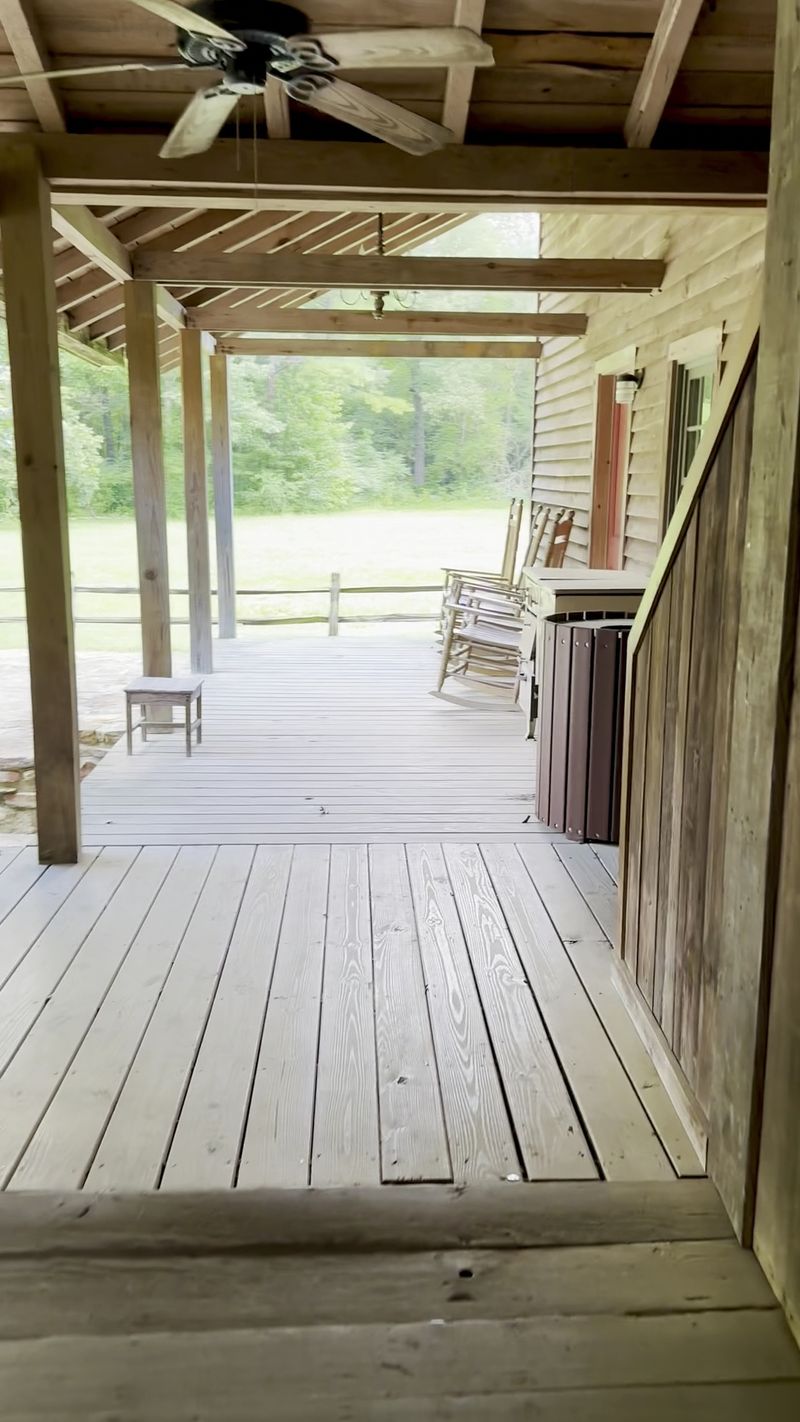
Hungry travelers have one more reason to linger. The village includes a cafe, known as the Council House Restaurant, with both indoor and outdoor seating, so families can choose air conditioning or fresh air depending on the weather and the mood.
Guests describe the food as fresh and delicious, which is exactly what parents want to hear after a long drive. Sitting down for a real meal gives kids time to recharge before more exploring or before climbing back into the car for the next leg of the trip.
Outdoor tables work especially well for younger children who get wiggly at mealtime. They can look out at the grounds, watch other visitors stroll by, and chat about which building they liked best while waiting for food to arrive.
Planning tip: since hours for the cafe are not always posted widely, it helps to call ahead or check with the welcome center if a meal is part of your plan. Weekend visits may give you more options, as at least some families have wished they had come on a Saturday rather than a Sunday.
Building your stop around lunch can turn a quick look into a relaxed half-day outing.
Gift Shop Finds and Charming Little Stores
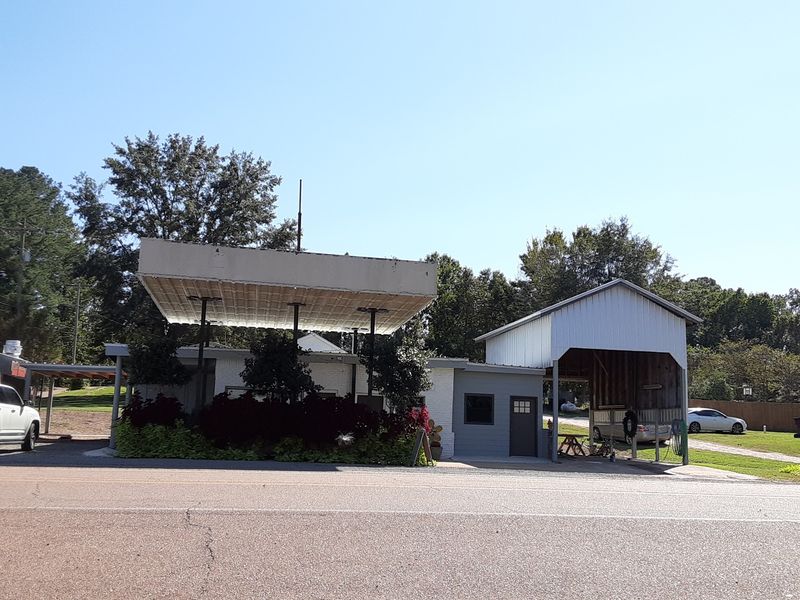
Souvenir time does not have to mean plastic trinkets. The village has a gift store stocked with items that are partly local and partly from elsewhere, plus several small shops that visitors describe as cute and fun to browse.
Giving kids a small budget before they walk in works wonders. They can weigh their choices, compare prices, and pick something meaningful rather than grabbing the first shiny thing they see.
It is a quiet little math and decision-making lesson tucked into vacation.
Local goods add a special touch. A handmade item or regional treat carries more of a story than a generic keychain, and children often remember where it came from long after the trip ends.
Ask the person at the counter which items were made nearby, and kids may learn something about the area along the way.
Shopping also gives families a natural pause between exploring buildings and grabbing a snack. If someone is tired of walking, a few minutes looking at shelves can reset everyone’s energy.
Just keep an eye on fragile pieces when little hands are curious, since some of these shops have the cozy, close-together layout that suits an old-fashioned village.
Overnight Stays in the Bed and Breakfast and Cabins
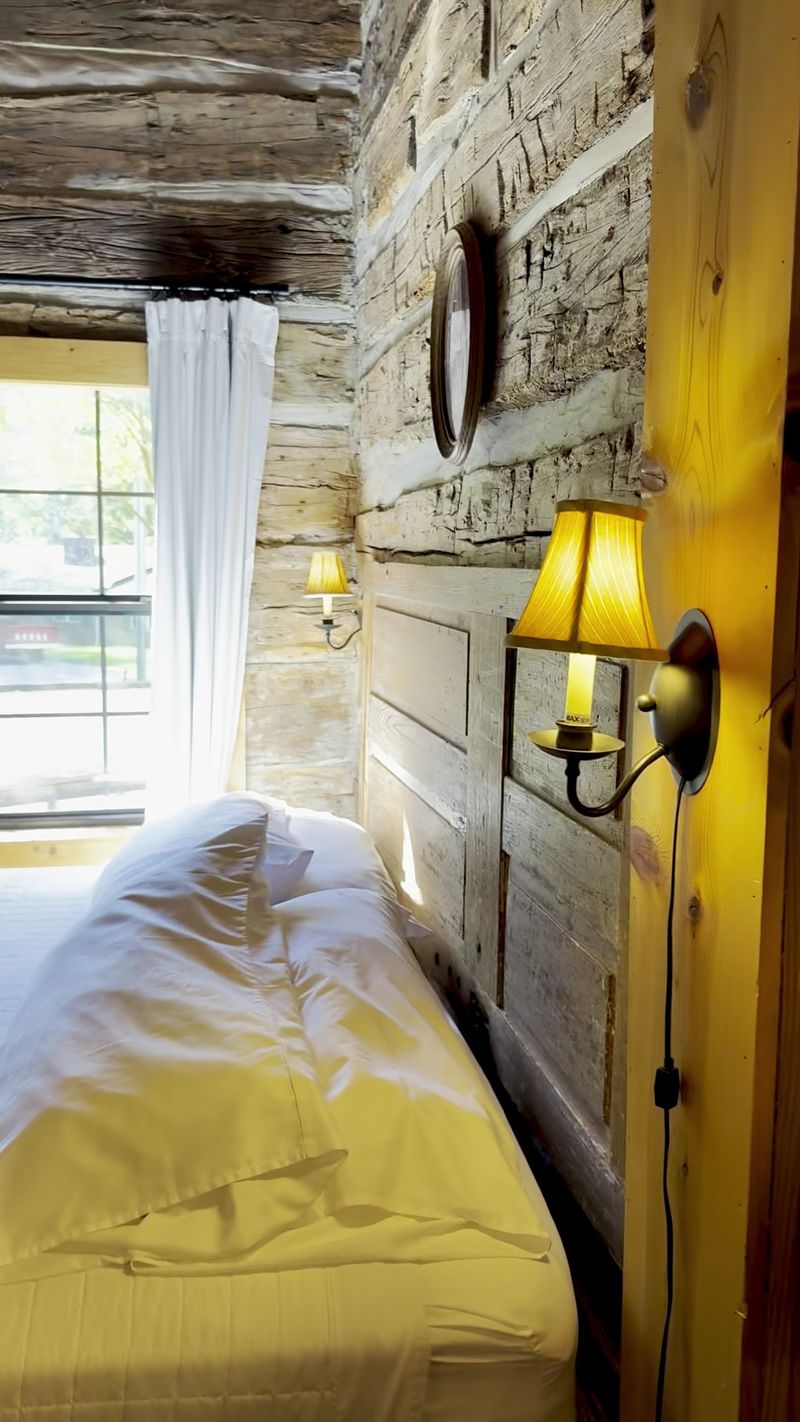
Picture waking up inside a historic village before the day-trippers arrive. Families can do exactly that, because the main house operates as a bed and breakfast, with individual cabins tucked behind it.
One cabin, called the Burford cabin, has been a hit with parents traveling with kids. A birthday getaway for a young daughter was described as a time when the stay, the breakfast, and the overall atmosphere were all adored.
That kind of trip turns a history lesson into a family tradition.
Breakfast is a shared affair. Guests gather in the main house dining room around 8 in the morning, sitting together much like travelers might have done generations ago.
Kids get a taste of old-fashioned hospitality, and parents get a hot meal without having to cook.
Staying the night also makes it easier to enjoy the village in the quiet early hours or golden evening light. You can stroll the grounds after dinner, then head back to your room with no rush to drive anywhere.
Guests have called the accommodations good, which matters when little ones need a comfortable bed after a full day. Booking ahead is wise.
Horseback Riding, Kayaking, and Pottery Nearby
History is only part of the fun in this corner of Mississippi. Families who stay longer have found horseback riding, kayaking, and even a spot to try pottery, giving active kids plenty to do beyond the historic buildings.
Riding a horse makes a lovely match with the village theme. After seeing how people traveled long ago, kids can feel what it was like to move at a slower pace, perched in a saddle instead of buckled into a car seat.
Kayaking adds a splash of adventure for older children who love being on the water.
Pottery is a gentler choice that works well for creative kids or anyone needing a break from outdoor heat. Shaping clay by hand connects nicely to the craftsmanship visible in the old homes, and the finished piece makes a one-of-a-kind keepsake.
Availability for these activities can change, so call or check ahead before promising anything to excited young travelers. Animal sightings vary too.
Pigs and small ponies once roamed the grounds but were missing on a recent visit, so treat any animal encounter as a bonus rather than a guarantee. Mixing history with hands-on fun keeps every age engaged.
Peaceful Atmosphere and Who Will Love It
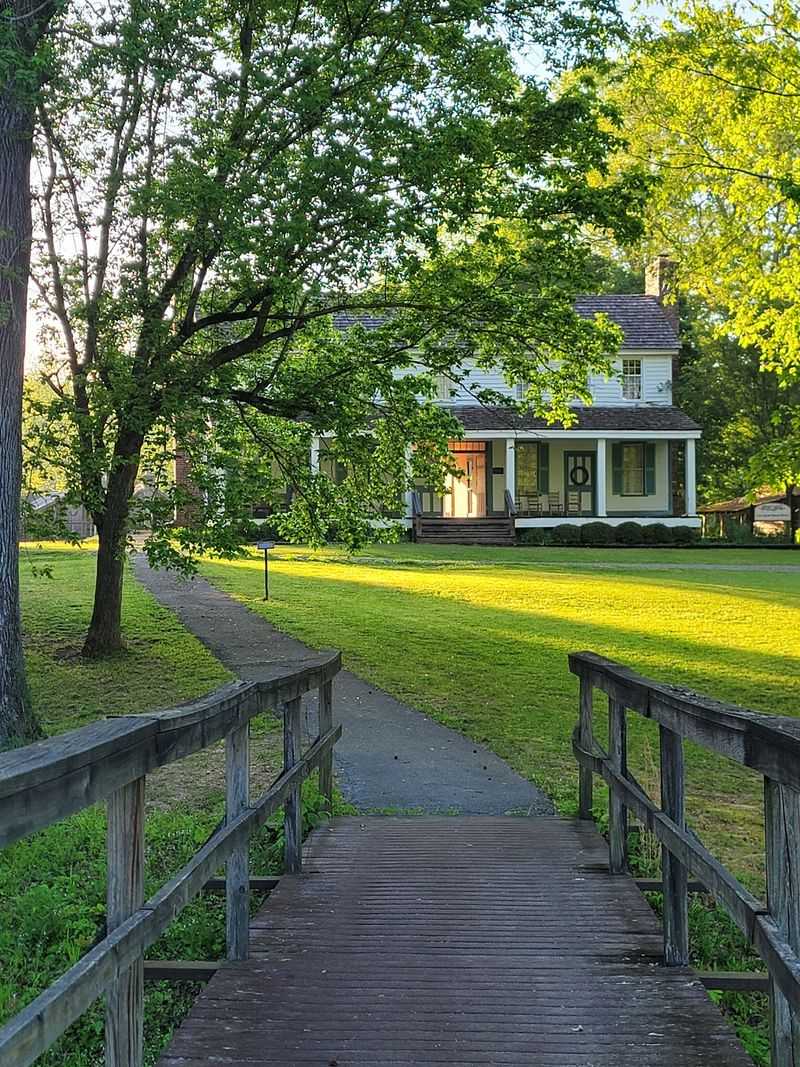
Calm is the word that keeps coming up. Visitors describe the site as peaceful, especially outside the busy fall event season, when you can enjoy the grounds without a lot of people around.
That quiet setting suits families with young children who get overwhelmed by noisy attractions. It also fits grandparents traveling with grandkids, homeschooling families looking for a real-world history lesson, and road-trippers who simply want a gentle leg stretch.
Kids who love old things, pretend play, or asking how stuff used to work will feel right at home.
Fall brings special events, which can be a great choice if your family enjoys a lively, festive day. Just expect more company during those times.
If your goal is wandering and wondering, a regular weekday or off-season visit may feel more relaxed.
Families should also know that religious messages appear throughout the grounds. Some visitors appreciate this, while others were surprised to see it at a historic site.
Knowing ahead of time helps parents decide whether it fits their family and prepares them for any questions from curious kids. Overall, the village rewards slow, thoughtful visitors far more than those looking for rides or flashy exhibits.
Practical Tips Before You Go
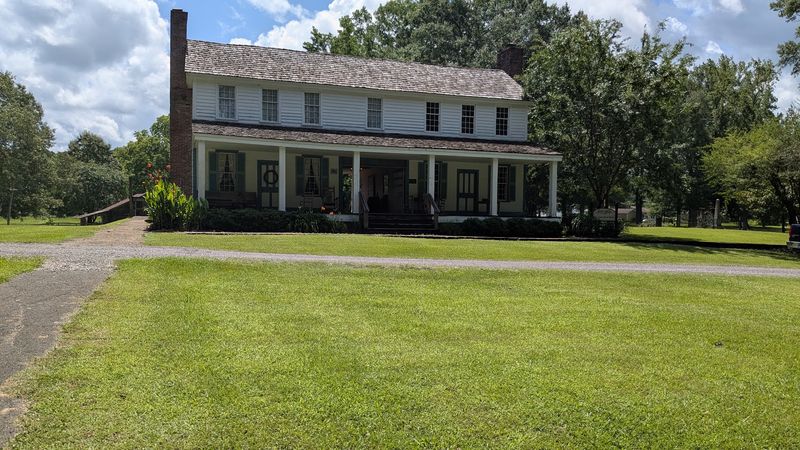
Getting there is easy if you are already on the Natchez Trace Parkway. French Camp Historic Village sits at 234 Le Fleur Circle in French Camp, Mississippi, just a short hop off the scenic route.
Opening times are the biggest thing to check. Several travelers arrived to find buildings closed, though they could still walk the grounds and enjoy the outside of the structures.
Calling ahead or checking the official Natchez Trace travel website listed for the site can save disappointment, especially if you want to see inside rooms, buy bread, or eat at the cafe.
Weekend timing matters too. Saturdays may offer more going on than Sundays, based on what some families have experienced.
Pricing information is not widely published, so confirm costs for lodging, meals, and activities before your trip.
Pack comfortable walking shoes, water, and sunscreen, since most of the exploring happens outdoors. A small bag for souvenirs and baked goods comes in handy.
Plan on about an hour for a quick walk-through, or much longer if you add a meal, shopping, or an overnight stay. Bringing a simple notebook lets kids sketch favorite buildings, turning the visit into a personal history journal they can keep.
Why This Quiet Village Earns a Spot on Your Route
Not every family stop needs roller coasters or big crowds to be memorable. Sometimes the best moments come from a slow walk, a creaky porch, and a slice of warm bread shared on a quiet afternoon.
French Camp Historic Village offers exactly that kind of simple joy. Well-kept historic buildings, a welcoming bakery counter, a cafe, small shops, and the option to stay overnight create a well-rounded visit for travelers of all ages.
Kids learn by looking, wondering, and wandering, rather than by reading signs on a strict schedule.
It is small, and that is part of the appeal. Families can see a lot without getting worn out, and parents can relax knowing the pace is entirely up to them.
Pairing the stop with nearby riding, kayaking, or pottery stretches the experience into a full getaway.
Just remember to check hours, consider visiting on a Saturday, and set expectations about what might be open. With a little planning, this peaceful pocket of Mississippi can become the stop your kids talk about long after the drive is over, and maybe the place they ask to visit again next time you travel the Trace.