
This Nevada Town Has Homes Under $100,000, And Word Is Quietly Spreading
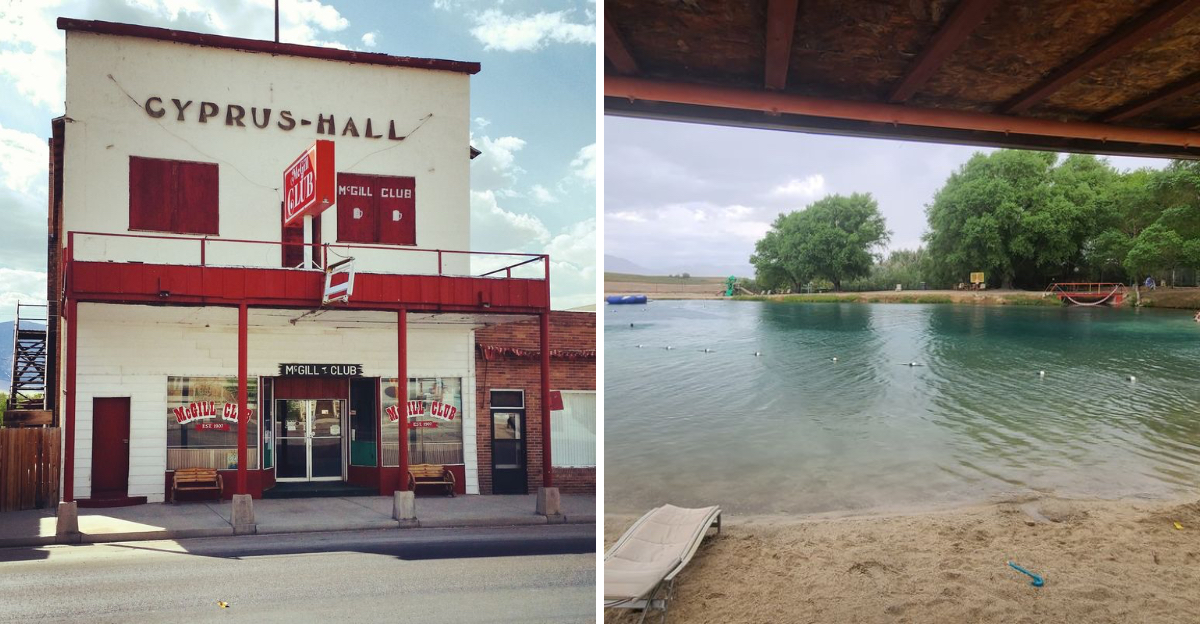
Under $100,000. That number is real, and it is turning heads across Nevada right now.
Picture a high desert valley where copper once ran the show and cheap homes now steal the spotlight. Mountains frame every street, and old brick buildings still hold their shape.
Porches here hide stories nobody bothers to advertise. A pocket of Nevada built its bones on grit, company paychecks, and a refusal to fade away.
Locals still swim in an Olympic-sized pool built decades ago. They still gather for parades and picnics that draw the whole town outside.
Curious what a five-figure price tag actually buys out here? The catch might surprise you, and so might the charm hiding behind it.
Keep this one on your radar before word spreads any further.
From Cattle Ranch To Copper Company Town
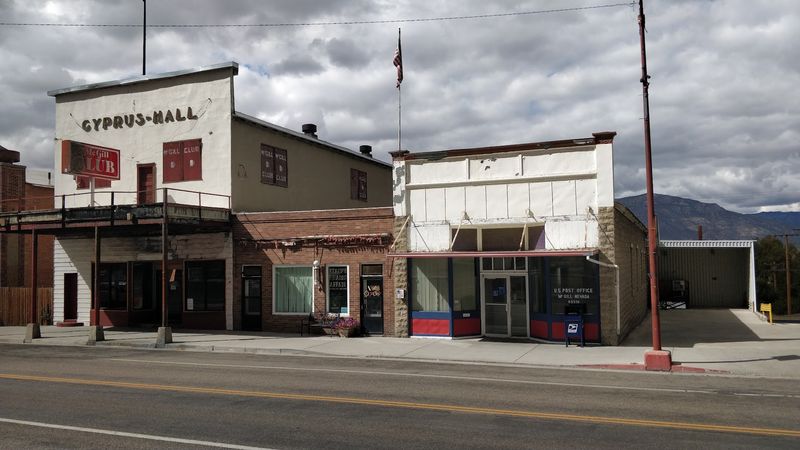
Cattle came first, copper came later. In 1872, a rancher established a homestead in the Steptoe Valley, long before anyone imagined smokestacks here.
Two men named Lyons and McGill bought the property in 1886, and a post office called McGill Ranch opened in 1891. The name stuck, even after everything else changed.
The real turning point arrived in 1906. The Nevada Consolidated Copper Company picked this flat stretch of valley for a huge smelter and reduction plant.
Water from Duck Creek sealed the decision. Ore from mines near Ely and Ruth needed processing, and McGill had the room to do it.
Operations began in May 1908. For a short spell the settlement went by the blunt name Smelter, then reverted to McGill for good.
What grew next was a full company town, planned and controlled from the top down. Streets, housing, and shops all answered to the copper company.
That structure shaped the layout you still walk today in McGill, Nevada, at 39.40 N, 114.78 W in White Pine County. Practical tip: study the old street grid first, and the whole town suddenly makes sense.
The Drugstore That Time Forgot
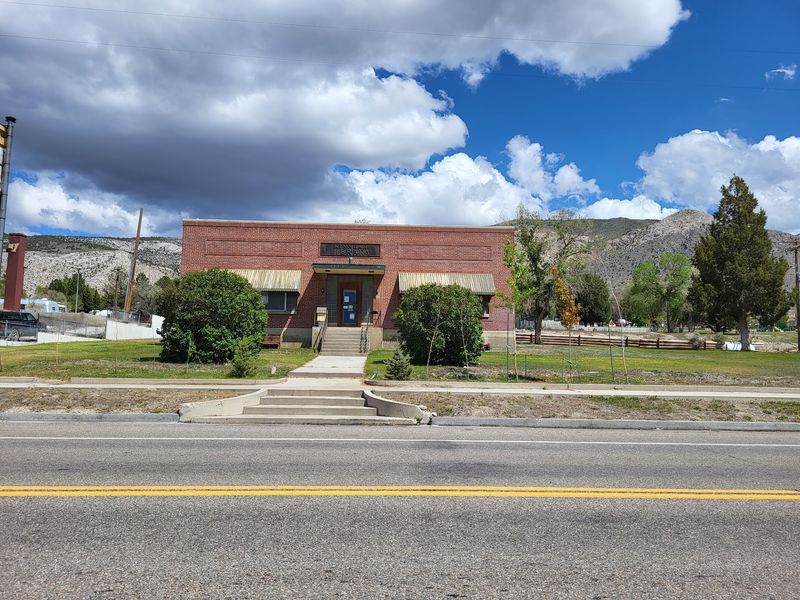
Imagine locking a store and walking away, leaving every bottle on the shelf. That is roughly what happened here.
The McGill Drugstore served the community from 1908 until 1979. When the pharmacist retired, the owners simply closed the doors and left the inventory in place.
White Pine County later acquired the building. It reopened as a museum in 1995, and the effect is startling.
Shelves still hold faded packaging from the 1950s. Prescription logs reportedly date back to 1915, filled with handwriting from another era.
The old soda fountain still works, so a nostalgic treat is often part of the visit. Ask before assuming it is running, since hours can vary seasonally.
Photographers love the light through the front windows. Collectors love the labels nobody prints anymore.
You will find it at 11 Fourth Street, U.S. 93, McGill, NV 89318. That address alone anchors the whole town for first-time visitors.
Give yourself more time than expected. Most people plan twenty minutes and end up staying far longer, reading tiny print on hundred-year-old tins.
Listings That Make Buyers Look Twice
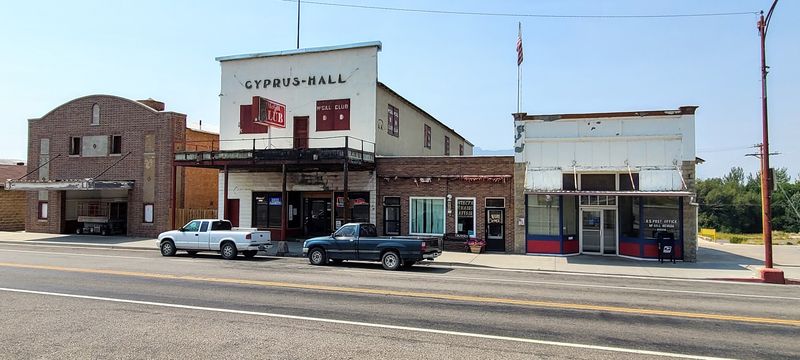
Here is the number people whisper about: under $100,000. In McGill, that figure shows up on real listings, not fantasy ones.
Reports have included a two-bedroom house of roughly 924 square feet on North Third Street offered near $49,000. Another one-bedroom place on Sixth Street appeared around $83,000.
The median listing price sits noticeably higher, closer to $169,000. So the bargains are real but limited, and inventory moves depending on the season.
Older homes here often date to the company-town era. That means solid bones, small footprints, and maintenance items worth inspecting closely.
Smart buyers budget for a proper inspection, roof review, and heating check before signing anything. High desert winters test old windows.
Employment matters too, since many residents commute to Ely for work. Remote workers should confirm internet options address by address rather than assuming.
Prices and availability change constantly, so treat any figure as a snapshot. Verify current listings with a licensed local agent in White Pine County.
The quiet spreading of this news is exactly why patient shoppers keep checking back.
Greeks, Irish, Slavs, And A Melting Pot In The Desert
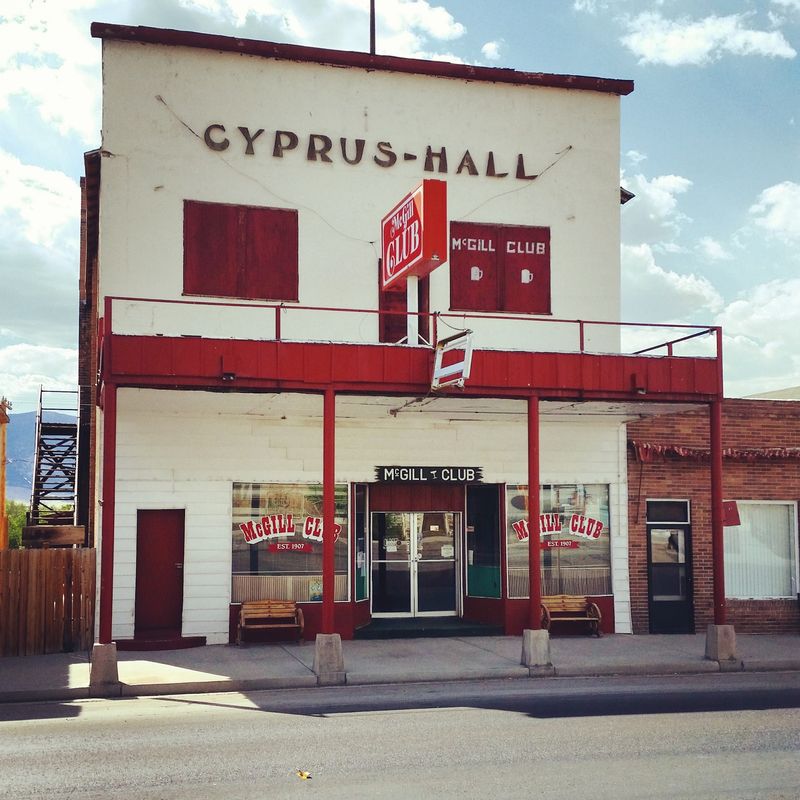
Two thousand jobs required two thousand workers. The company went looking far beyond Nevada to find them.
Immigrant families arrived in waves during the smelter’s early years. Greeks, Irish, and Slavic workers made up large portions of the labor force.
Neighborhoods often formed along lines of national origin. Different corners of town carried different languages, recipes, and holidays.
By 1930, the population had climbed past 3,000 residents. For a valley town that size, the cultural mix was remarkable.
Shared shifts at the plant eventually built a shared identity. People worked the same hours, raised kids on the same streets, and cheered the same ball games.
Traces of that heritage linger in family names and old photographs displayed around McGill. Local histories at the library help fill in details.
Curious visitors should ask longtime residents about their grandparents. Many stories have never been written down anywhere.
Genealogy researchers occasionally travel here specifically for records tied to White Pine County. Bringing a notebook beats relying on memory.
The town feels small today, yet its roots reach across an ocean.
An Olympic-Sized Pool In A Town Of A Thousand
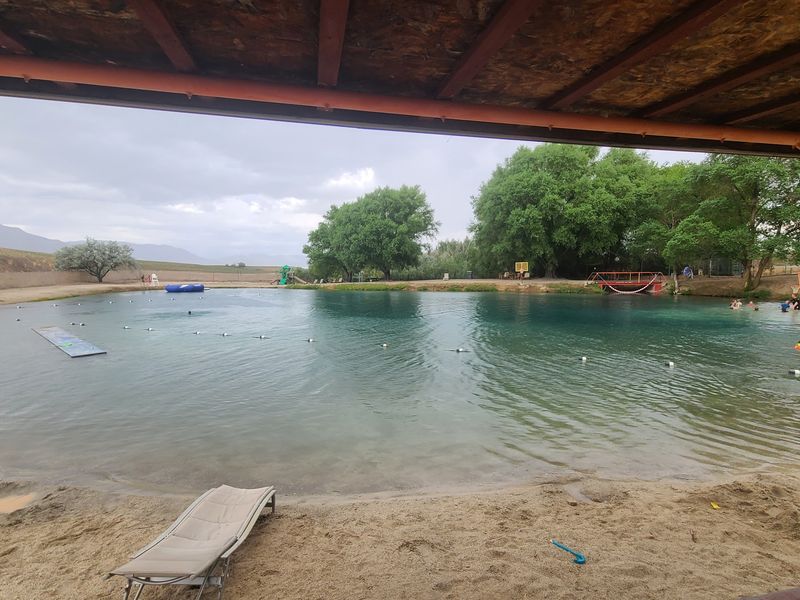
A big public pool in a town this small surprises almost everyone. Yet McGill has one, and locals guard it fondly.
The McGill Swimming Pool has served swimmers for decades. Descriptions call it Olympic-sized, a leftover perk of company-town generosity.
Season runs roughly from Memorial Day through Labor Day. Outside those months, the water sits still and the gates stay shut.
Summer afternoons in the Steptoe Valley get warm and dry. Cool water fixes that faster than any air conditioner.
Bring a towel, sunscreen, and cash for admission, since small-town facilities do not always take cards. Confirm daily schedules locally before driving out.
Kids treat the pool as the social center of July. Parents treat it as free babysitting with lifeguards.
Nearby, the McGill Ball Park counts among the oldest fields in Nevada. Baseball mattered enormously during the smelter years.
Both places show how a working town invested in fun. That habit never fully disappeared.
Anyone considering a move here should visit in swimming season, when the town shows its friendliest face.
Fishing Holes, Elk Country, And A Scenic Loop
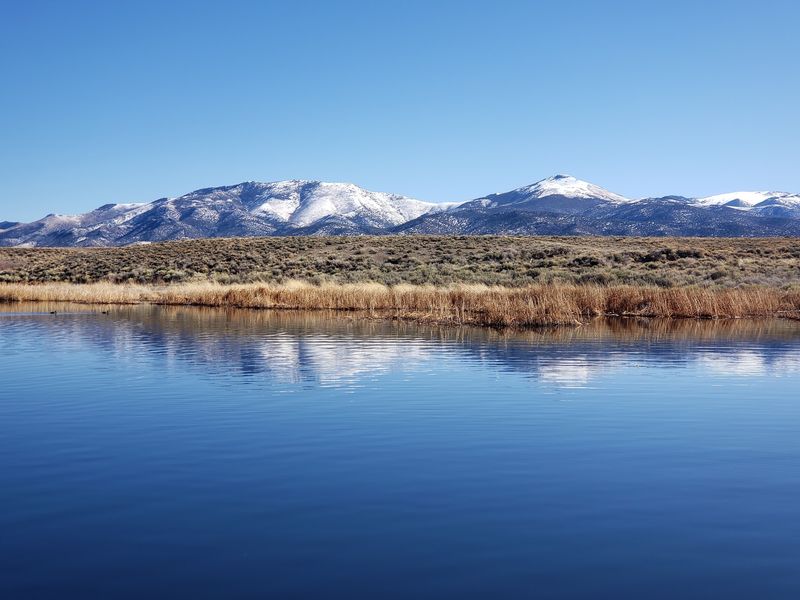
Trout, elk, and pine nuts. Eastern Nevada delivers all three within a short drive of McGill.
Comins Lake and Cave Lake draw anglers throughout the warmer months. Duck Creek offers quieter, narrower water for people who prefer solitude.
Campers head toward Cave Lake and Ward Mountain. Both sit at higher elevation, which means cooler nights and better sleeping.
Hunters know this region for mule deer, elk, and antelope. Licenses and season dates come through state wildlife authorities, so plan well ahead.
The Success Loop Scenic Drive begins just north of town. Gravel sections reward slow driving and a vehicle with decent clearance.
Autumn brings pine nut harvesting, a genuine regional tradition. Families spread tarps under pinyon trees and gather cones by hand.
Pack water, layers, and a paper map. Cell service thins quickly once you leave the highway.
Wildlife appears most reliably near dawn and dusk. Keep a respectful distance and let animals move first.
Outdoor access explains why some newcomers accept a longer commute for cheaper housing.
How The Town Survived The Smelter Shutdown
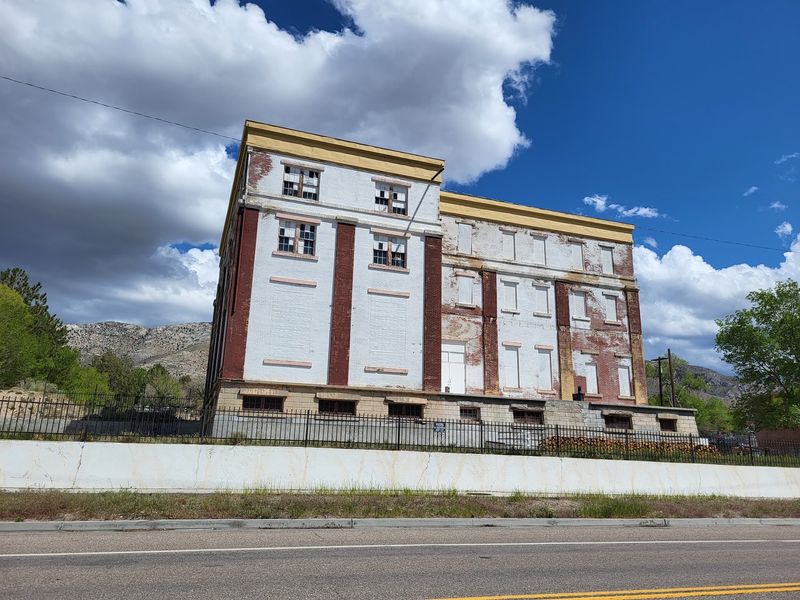
The smelter closed in 1983, and plenty of towns would have emptied out. McGill refused.
Roughly 1,000 residents still live here, according to the 2020 census. That stubbornness sets the place apart from Nevada’s long list of abandoned camps.
Many older buildings survive, wearing their age honestly. Paint fades, but the architecture keeps telling the copper story.
The former smelter site remains fenced off. View the historic structures from a distance and stay outside posted boundaries.
What replaced industry was commuting. A large share of residents drive to jobs in nearby Ely.
That arrangement keeps the school buses running and the streets occupied. It also keeps housing demand modest, which explains the prices.
Mountain views frame nearly every block. Sunset light on the Schell Creek Range costs nothing and shows up daily.
Photographers should respect private property, since many old buildings are still owned and occupied. A friendly question opens more doors than a long lens.
Resilience here looks ordinary, which is precisely what makes it impressive.
Picnics, Parades, And A Library That Doubles As A Hub
Community here is not a marketing slogan. It shows up on a calendar.
The McGill Town Picnic anchors the annual gathering season. Holiday parades and Easter egg hunts fill in the rest.
Events like these do heavy lifting in a town of a thousand people. Neighbors meet, kids run wild, and news travels faster than any app.
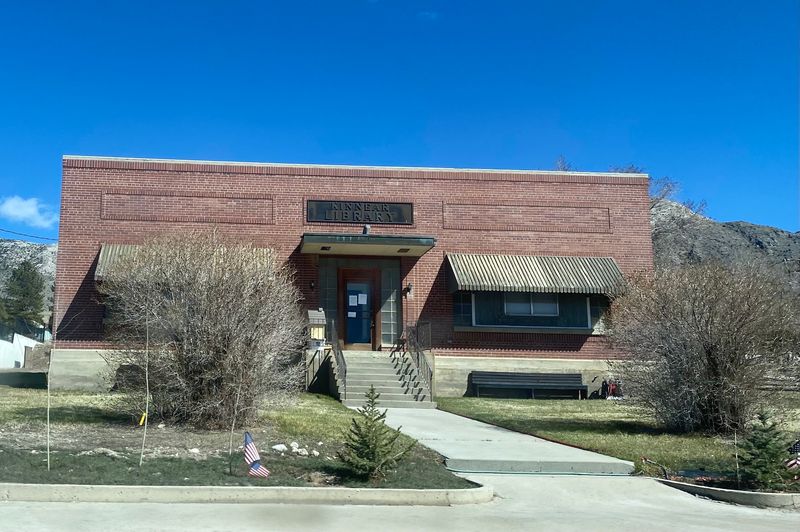
The Kinnear Library and Cultural Center serves as another meeting point. Local history materials often sit closer than expected.
Newcomers should show up early and introduce themselves. Volunteering at one event usually earns more goodwill than a year of polite waving.
Dates shift from year to year, so check with county or town sources rather than assuming. Small-town scheduling stays flexible by nature.
Visitors welcome at most public gatherings will notice the tone quickly. Friendly, curious, unhurried.
That atmosphere is part of what buyers are actually purchasing along with a cheap house in McGill.
Ask about the smelter years and prepare for stories that run long.
Hot Dry Summers And Truly Cold Winters
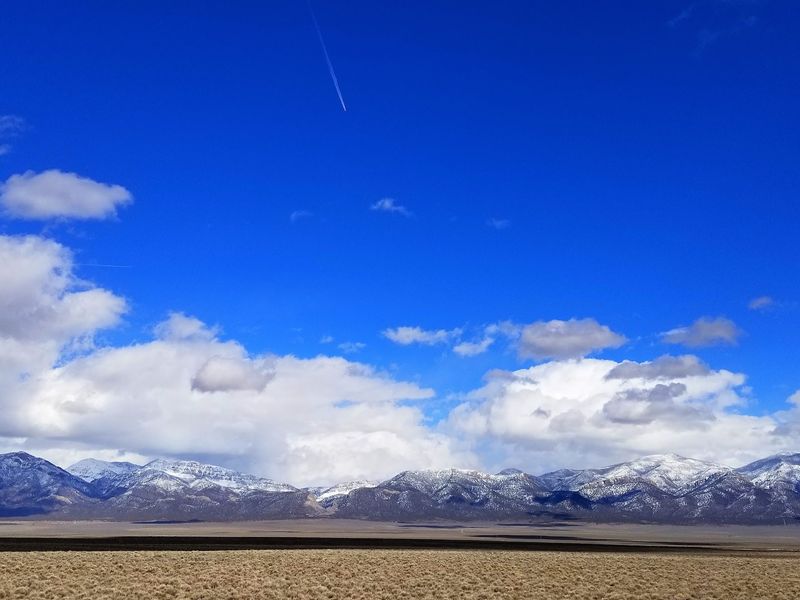
Four real seasons, no sugarcoating. McGill sits in a cold semi-arid climate at high elevation.
Summers stay dry and mostly clear. July ranks as the hottest month, with average highs near 86 degrees Fahrenheit.
Winters turn freezing and snowy. January brings the coldest stretch, with average lows around 15 degrees.
August generally delivers the clearest skies. Stargazing improves dramatically once town lights fade behind you.
Warm-weather activities work best from late June through late August. That window covers the pool season and most camping trips.
Anyone buying property should ask about heating systems and insulation. Old company houses were not built with modern efficiency in mind.
Snow removal, water pipe protection, and firewood storage become real considerations. Locals treat these as routine chores rather than emergencies.
Spring and fall can swing wildly in a single day. Layers solve most of it.
Weather averages describe patterns, not guarantees, so check forecasts before mountain drives.
Handle the cold well, and the rest of the year in Nevada feels like a reward.
Getting There And Making The Most Of A Visit
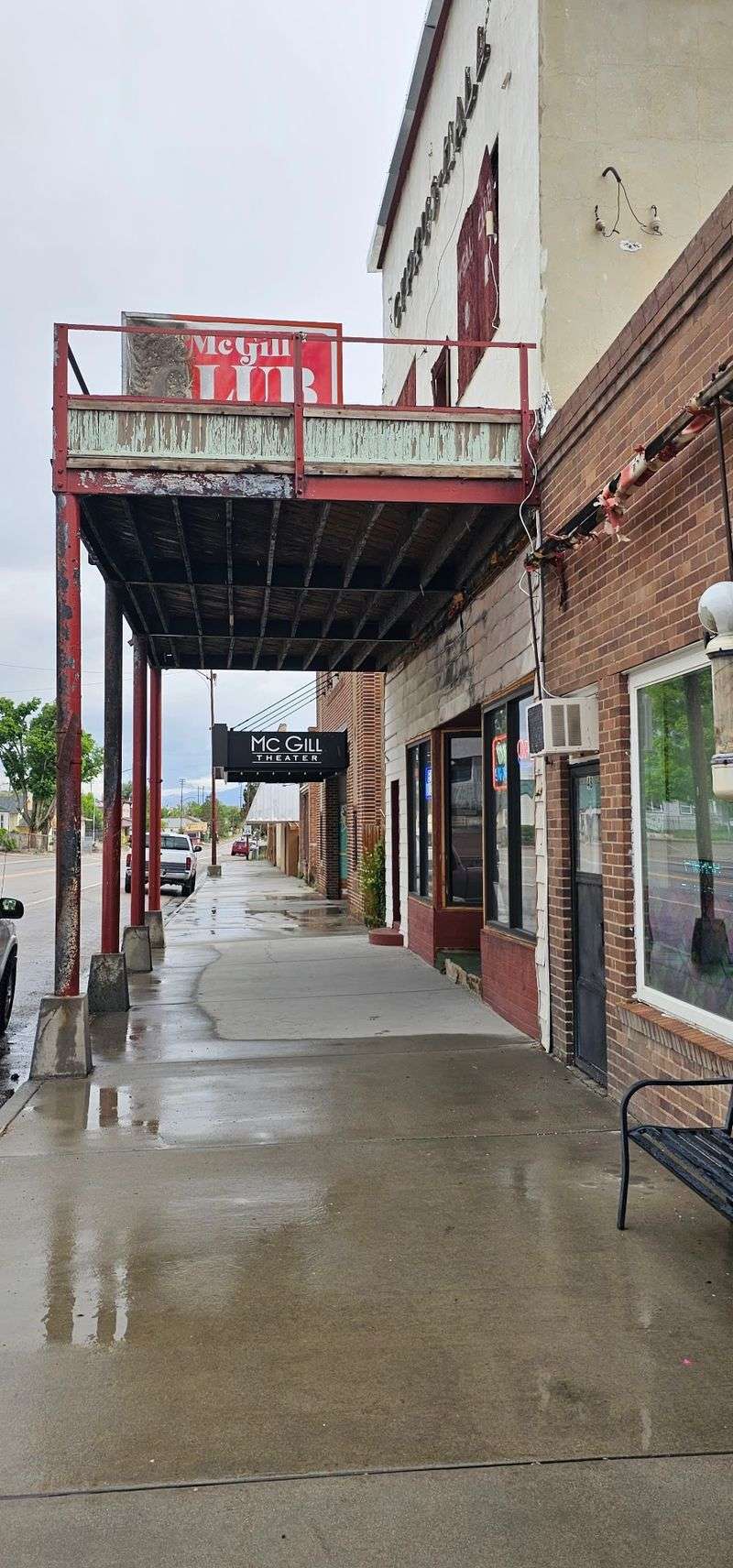
Twelve miles. That is the entire distance between Ely and McGill on US Highway 93.
The drive runs straight through Steptoe Valley with mountains on both sides. Easy navigation, big scenery.
Ely handles most services, including lodging, groceries, and fuel. Plan on that town for supplies and this one for atmosphere.
Start with the drugstore museum, then wander the residential streets. The company-town layout reveals itself block by block.
Mid-summer suits swimmers and campers. Early fall suits photographers, pine nut gatherers, and anyone who dislikes crowds.
Talk to people. Local knowledge beats any guidebook in a place this small, and residents tend to enjoy sharing.
Respect private property and fenced industrial areas. Curiosity is fine, trespassing is not.
Anyone house-hunting should spend a full weekend, not an afternoon. Grocery runs, commute timing, and evening quiet all matter more than listing photos suggest.
McGill rewards slow visits. Rush through and it looks like a wide spot on the highway.
Linger, and the copper history, cheap listings, and mountain light start adding up to something worth considering seriously.