
This New York Bakery Has Been Making Bialys By Hand Since 1936
The bread here is made with just four ingredients, and it never gets boiled. No hole either. Just a soft, chewy round with roasted onion or garlic tucked into a dip in the middle.
That little round is a bialy, and this shop has been rolling them by hand since 1936. It holds the title of the oldest operating bialy bakery in the United States. Bagels didn’t even join the lineup until 1998.
I love that a New York bakery stayed loyal to the underdog for over 60 years. Most shops chase the bagel crowd first. This one waited decades.
I’d probably start with a plain onion bialy, still warm if possible. Then I’d stare at the babka and lose all willpower. So what makes a humble onion roll worth a trip across Manhattan?
The Bialy Is The Real Star Here, And It Always Has Been
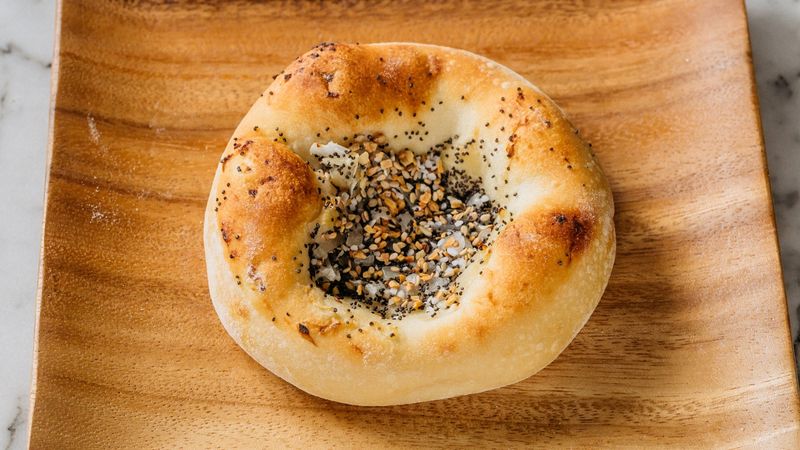
Kossar’s Bagels & Bialys has one job it takes more seriously than any other. That job is the bialy, a chewy round roll with no hole and a sunken center.
The dough uses only four ingredients. That’s all-natural wheat flour, kosher salt, water, and yeast.
Unlike a bagel, a bialy is never boiled. It goes straight into the brick oven, which keeps it softer and lighter than its famous cousin.
That dip in the middle isn’t decoration. It’s a little bowl for roasted onions or garlic, the classic fillings that made bialys famous.
Want something different? The shop also bakes sesame, sun-dried tomato, and olive versions.
Honestly, I’d keep it simple the first time. A plain onion bialy tells you everything about why this place has lasted.
Think of it as the quieter, more relaxed sibling of the bagel. It doesn’t need a thick layer of toppings to make its point.
A smear of butter works beautifully. So does a bit of cream cheese, if you want something richer.
Either way, you’re eating a recipe tradition that has been rolled by hand on the Lower East Side for generations. That’s a pretty good breakfast story.
A 1936 Origin Story With A Twist Or Two
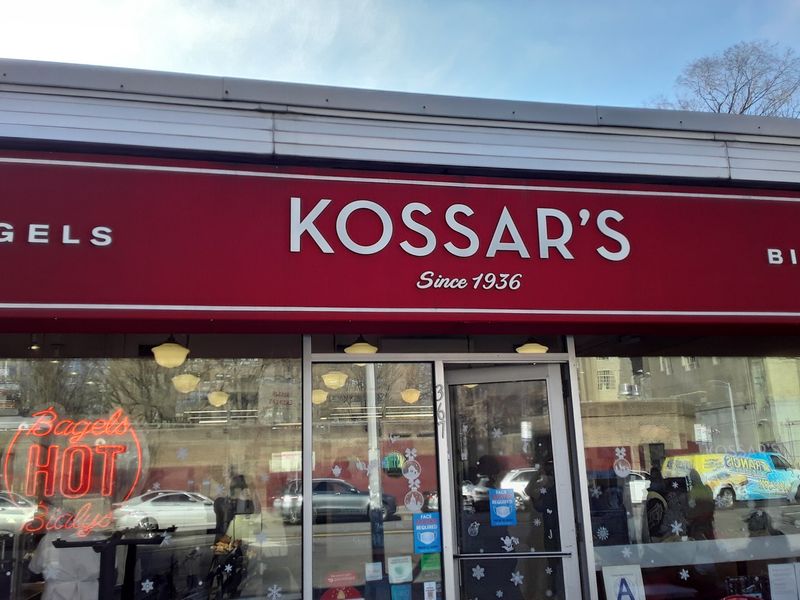
Two bakers started it all in 1936. Isadore Mirsky and Morris Kossar opened the business as Mirsky and Kossar’s.
The partnership didn’t last forever. In 1953, Morris Kossar bought out his partner, and the shop became Kossar’s Bialys.
Then came a rough stretch. A union dispute and a fire destroyed the earlier Clinton Street location.
The bakery didn’t quit, though. In 1960, it moved to Grand Street, where it still bakes today.
That kind of comeback deserves some respect. Plenty of businesses would have closed for good after a fire.
Instead, the ovens kept running, and the bialys kept coming. Over time, the shop earned its spot as the oldest operating bialy bakery in the United States.
New owners Evan Giniger and David Zablocki took over in 2013. They kept the heart of the place while giving it a fresh start.
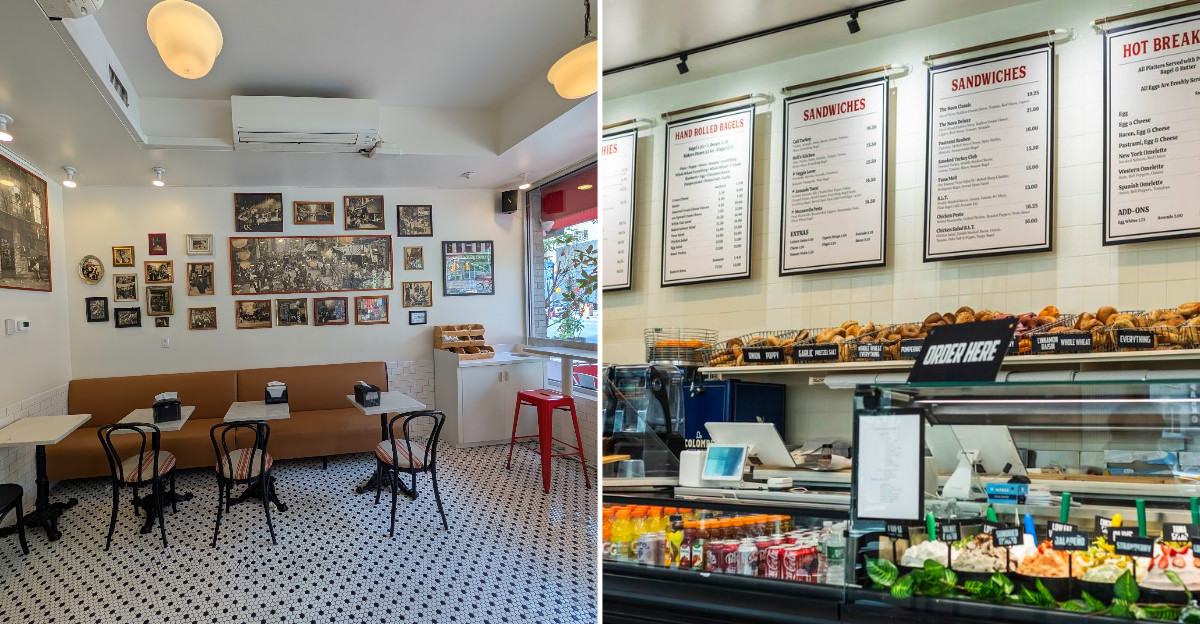
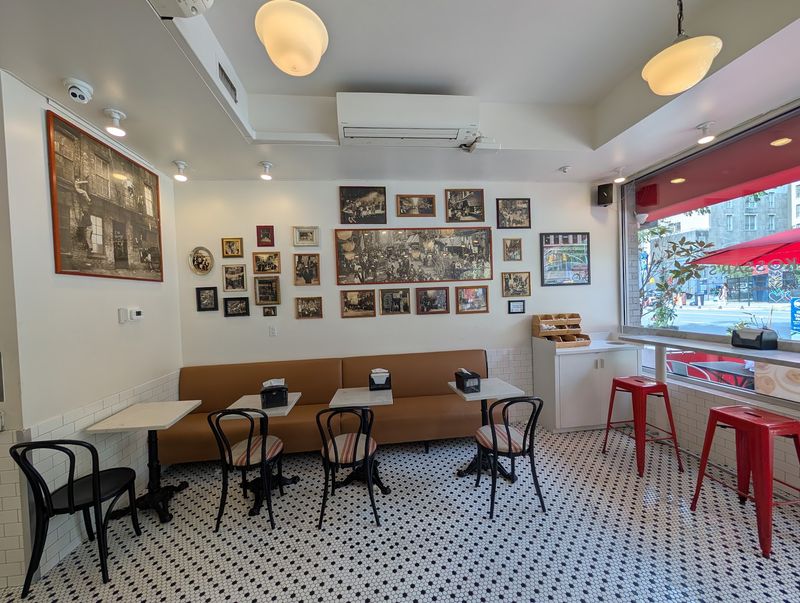
I appreciate that the history isn’t hidden away in a brochure. Old photographs inside the shop trace the bakery’s long road.
So while you wait for your order, you can glance at nearly 90 years of New York baking. Not a bad way to pass a few minutes.
You Can Actually Watch The Dough Get Rolled
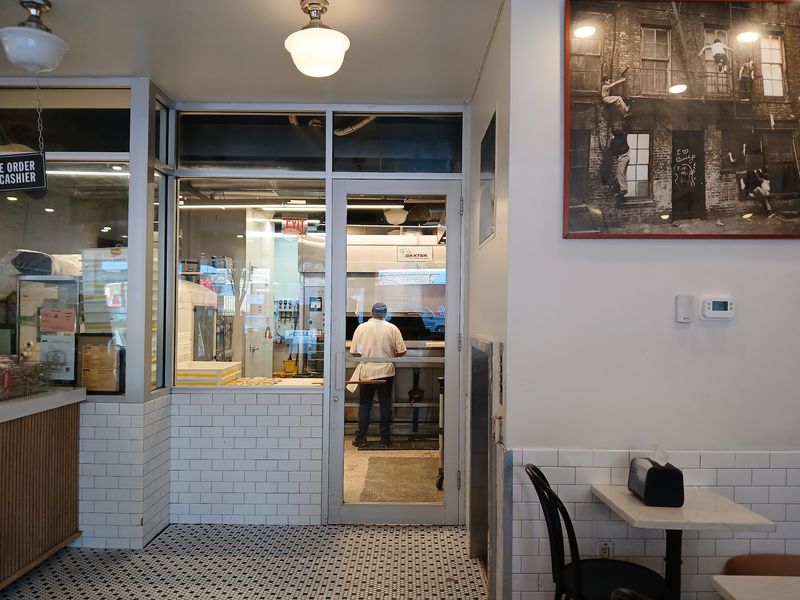
Here’s a fun perk you don’t get at many bakeries. A window into the prep area lets you see bagels being shaped by hand right on site.
That’s a real treat for anyone who likes knowing where their food comes from. It’s also great entertainment if the line is moving slowly.
The bagel process is worth knowing about. Each one is hand-rolled and proofed for 24 hours before baking.
After that, the bagels get kettle-boiled with pure malt syrup. Then they’re baked on burlap boards and directly on stone.
That’s a lot of steps for one ring of bread. It also explains why these bagels are known for being huge, with a doughy inside and crispy outside.
Kids especially might enjoy the show. Watching dough turn into breakfast feels a little like a magic trick, just with more flour.
I think this window says a lot about Kossar’s Bagels & Bialys. The shop isn’t hiding its methods behind a back wall.
Instead, it puts the handwork front and center. When a bakery is this proud of its process, you can bet the results matter to them.
Bagels Showed Up Late, But They Earned Their Spot
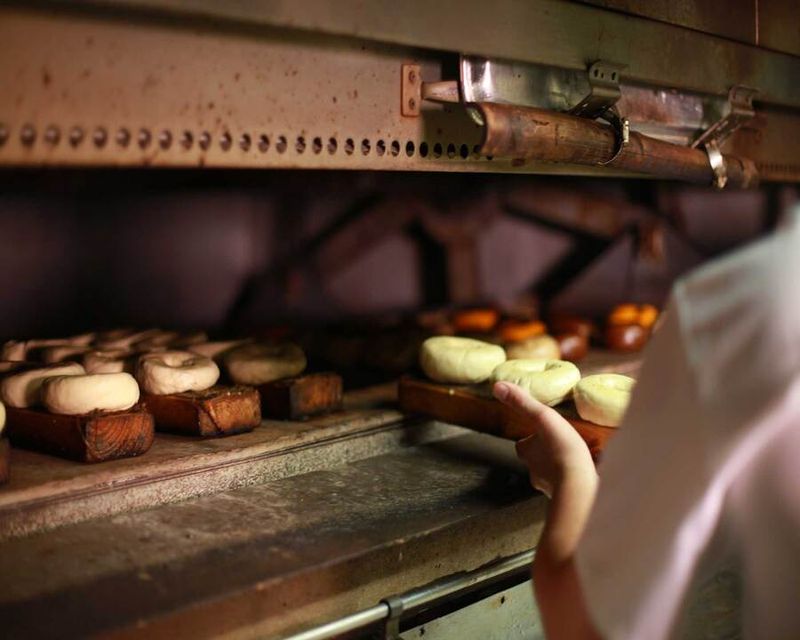
For more than six decades, this was strictly bialy territory. Bagels didn’t arrive at Kossar’s until 1998.
That’s a long time to make the bagel wait its turn. Once they showed up, though, they fit right in.
The lineup covers the classics. You’ll find pumpernickel, poppy, sesame, and everything bagels, plus other options at the counter.
Pick your spread next, and good luck choosing just one. The cream cheese list includes scallion, vegetable, lox, horseradish, jalapeno, double onion, and walnut.
It keeps going, too. Strawberry, dill and cucumber, olive, bacon scallion, garlic and herb, and chipotle all make an appearance.
Vegan eaters aren’t left out. Plain, scallion, and vegetable tofu spreads are on the menu.
The staff will spread your topping for you. That service arrived with the newer ownership, along with card payments.
My move would be an everything bagel with scallion cream cheese. It’s hard to argue with a classic New York pairing.
Still, if you’re bringing home a bag, mix in a few bialys. You came to the bialy headquarters, after all, so it’d feel rude not to.
The Kossar’s Classic Is A Sandwich Worth Planning Around
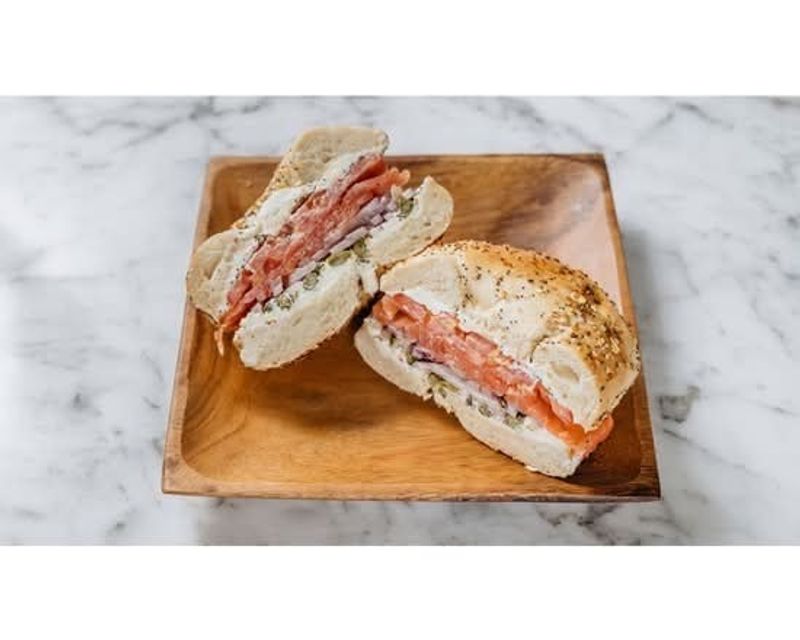
Sliced Nova, everything cream cheese, tomato, red onion, and capers. That’s the lineup inside The Kossar’s Classic, the shop’s signature sandwich.
It’s basically the Lower East Side on a bagel. Salty, tangy, creamy, and a little sharp from the onion.
You can also order your sandwiches on a bialy. That swap feels right in a bakery with this much bialy history.
The sandwich menu runs deep. Deli-style picks include a hot pastrami Reuben, smoked turkey club, tuna melt, BLT, and chicken cutlet.
There’s a grilled chicken club and smoked salmon avocado toast, too. Salads include chicken, tuna, egg, baked salmon, and whitefish.
Early risers can grab a breakfast wrap. These come with eggs, cheese, and different meats or smoked salmon.
Need something to drink? Coffee comes hot, iced, or as cold brew, and there are fresh smoothies and juices.
I’d go Classic on a first visit without thinking twice. It’s the shop’s own recommendation, and it puts smoked fish front and center.
Bring a napkin or three. Capers have a way of escaping, and red onion slices rarely behave.
Save Room, Because The Babka Is Watching You
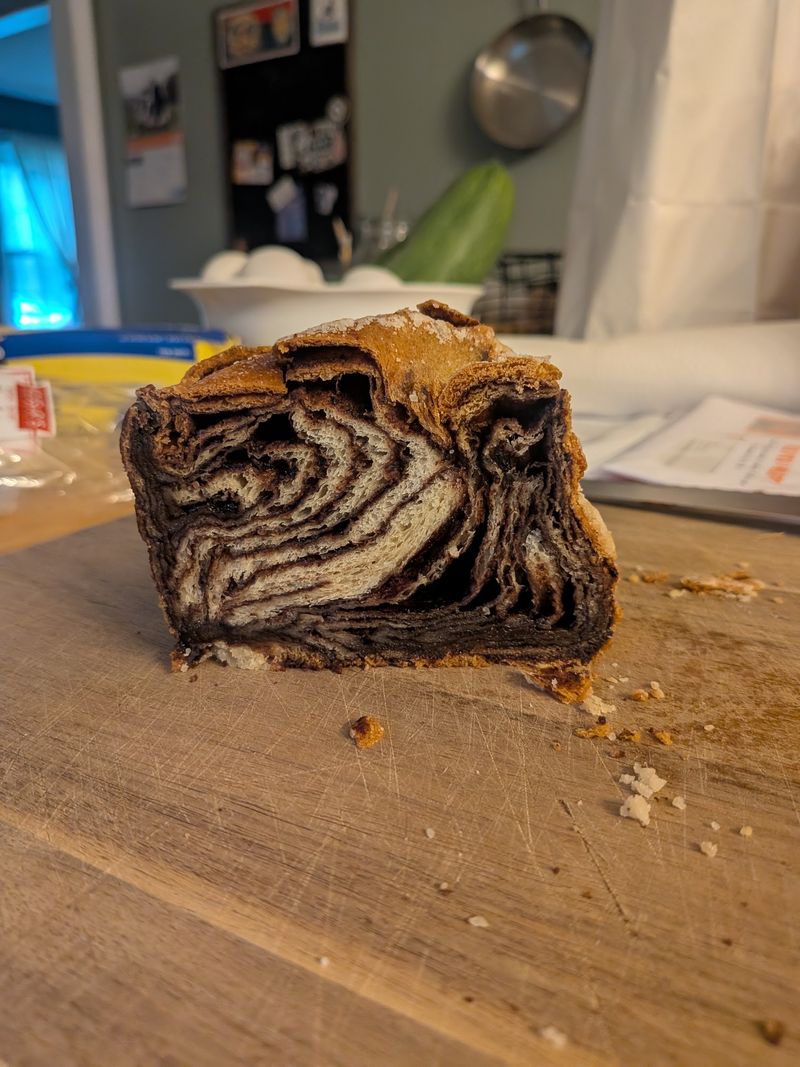
Babka comes in chocolate, cinnamon, and apple here. That’s three chances to forget you only came in for a bialy.
The pastry case gets serious fast. Rugelach, black and white cookies, cinnamon buns, and apple turnovers all sit waiting.
There’s honey cake, apple danish, and crumb cake as well. Jumbo muffins are baked fresh, too.
Croissants come plain, chocolate, almond, or ham and cheese. So there’s something for both sweet and savory moods.
Bread lovers should look for the challah. It’s available round or with raisins.
Then there are pletzel discs, which are flat onion rolls. They’re a cousin to the bialy and a nice bit of old Jewish baking tradition.
I can’t imagine leaving without at least one black and white cookie. It’s practically a New York requirement.
The babka might be the smartest take-home pick, though. A loaf travels easier than a loaded bagel sandwich.
Plus, having babka on your counter the next morning feels like a gift from your past self. You’ll thank yourself, probably with a second slice.
Grab It To Go, And You Won’t Regret It
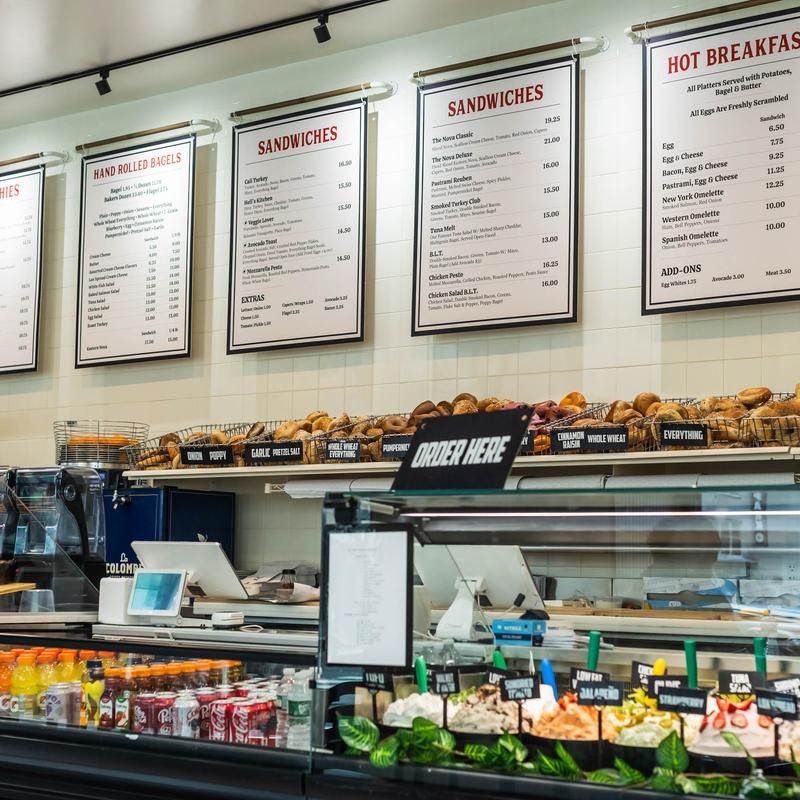
Bright and functional is the best way to describe the room today. A five-month renovation in 2015 gave the old shop a cleaner, updated look.
Don’t expect a big dining room, though. Seating is limited, with a few small tables and a couple of spots by the window.
Outside, there are typically only three tables. On a nice day, those go fast.
That’s why many customers just take their food to go. Honestly, it’s a smart move here.
The neighborhood is made for strolling with a warm bialy in hand. Weekends can also bring lines that stretch onto Grand Street.
Service moves at a quick, steady pace, which helps. Still, showing up earlier gives you a better chance at a seat.
The bakery opens early each day, but visitors should check its current hours, especially during renovations. Opening hours may change during renovations, so check the Grand Street location’s current schedule before visiting.
One practical tip is worth knowing. There’s no customer restroom, so plan ahead before you settle in.
I’d treat this stop like a grab-and-go mission. Order, admire the pastries, then wander off happy.
The Neighborhood Is Part Of The Flavor
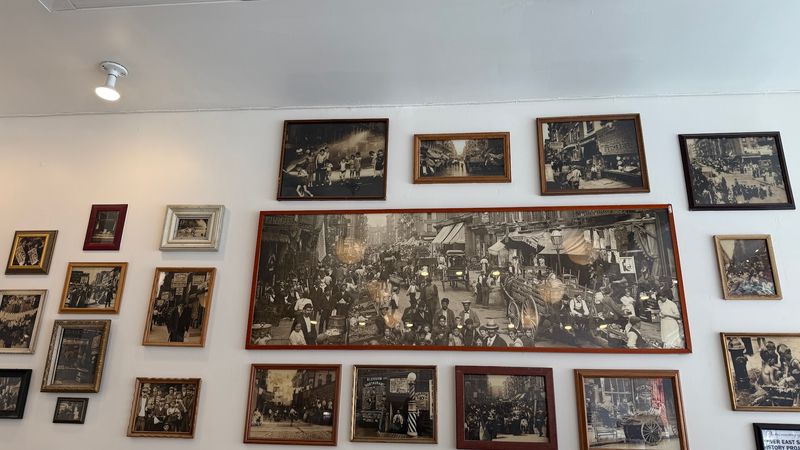
Grand Street on the Lower East Side isn’t just a random address. This neighborhood was a key landing spot for Jewish immigrants in New York City.
That history matters when you’re eating a bialy. The roll traces back to Jewish baking traditions from Eastern Europe.
So when you stop by Kossar’s Bagels & Bialys, you’re tasting a piece of that story. It’s a delicious way to learn local history.
You’ll find the shop at 367 Grand St, New York, NY 10002. It has called this corner of Manhattan home since 1960.
Getting there is easy if you’re already exploring downtown. The Lower East Side is packed with streets worth wandering.
I like the idea of pairing a bakery stop with a walk. A bialy in one hand and a city map in the other sounds like a solid morning.
New York has countless bagel shops, of course. Few have roots running this deep in one neighborhood.
That connection gives the place real character. It feels less like a trend and more like a neighbor who never moved away.
The Bakery Started On Clinton Street, But Its Bialys Keep Traveling
After more than six decades on Grand Street, Kossar’s expanded its reach with additional locations around Manhattan. Kossar’s Bagels & Bialys now has more storefronts around Manhattan.
Hudson Yards opened in July 2022. The Upper East Side followed on March 1, 2023.
Next came the Upper West Side on May 9, 2024. A West End Avenue shop arrived in March 2025.
That’s a lot of growth for a bakery that once focused only on bialys. Still, the Lower East Side shop remains the bakery’s oldest operating location, carrying on a tradition that began on Clinton Street in 1936.
I think that’s the one worth the trip. It’s where the story, the photographs, and the decades of history live.
Some changes came with the newer ownership. The shop’s earlier strict kosher status shifted after 2013.
Card payments and spread-for-you service made visits easier. A refreshed menu added more choices, too.
Even so, the core idea hasn’t wandered far. Bialys are still made by hand and baked in the oven, just like the shop’s heritage suggests.
If you’re visiting New York, put Grand Street on your list. Few bakeries let you bite into this much history before lunch.