
This New York Museum Has Hundreds Of Classic Cars And Vintage Motorcycles Under One Roof
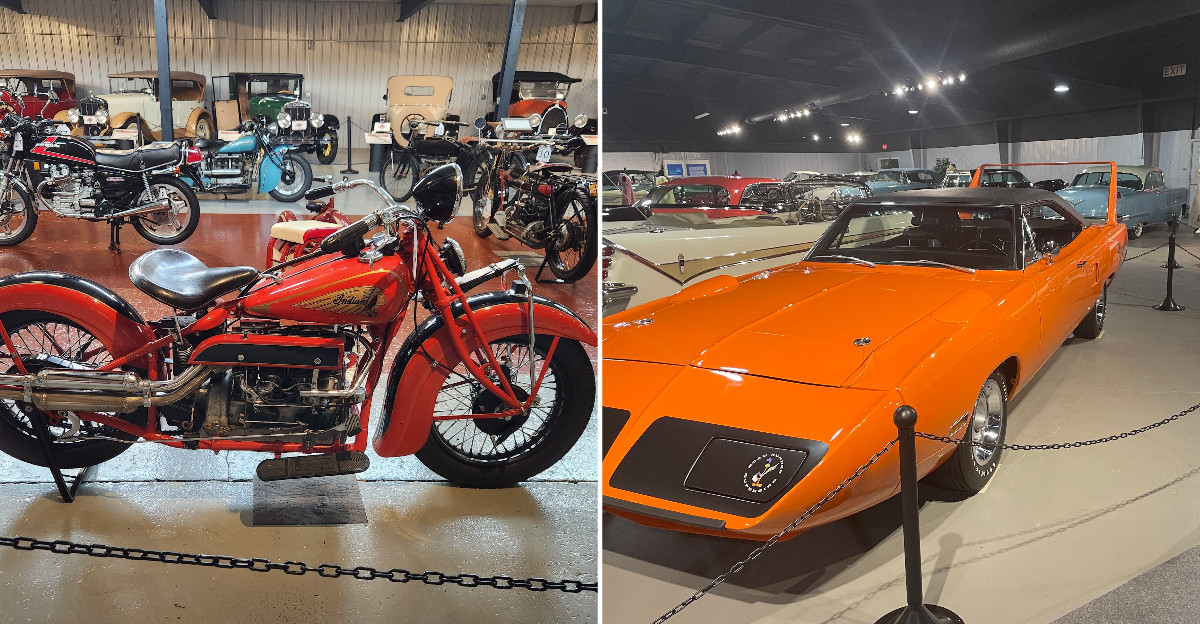
The world’s largest collection of Franklin automobiles sits in a small upstate New York town. That includes the third Franklin ever built and the very last one.
Those cars ran on air-cooled engines and came from Syracuse between 1902 and 1934. Now they share space with Duesenbergs, Packards, Road Runners, and a whole pen of vintage motorcycles.
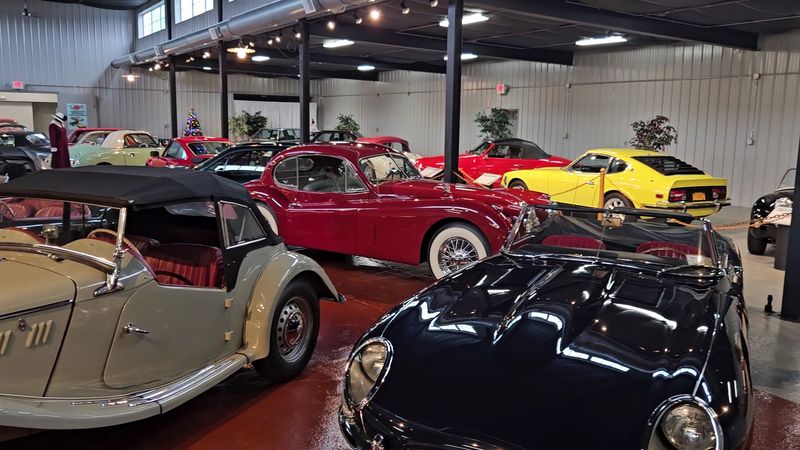
The collection fills five connected buildings with more than 170 cars and 28 motorcycles. I appreciate that everything sits on one level, so nobody misses out. Electric scooters are even free for guests who need them.
Then there’s the airplane engine. An 18-cylinder vintage aircraft engine shares the floor with the cars.
One Local Collector Started A Very Big Habit
Back in 1962, a veteran and airplane mechanic named George Staley started collecting cars. His collection grew so large that it inspired the Northeast Classic Car Museum. That’s one heck of a hobby.
The museum opened over Memorial Day weekend in 1997. Stanley pictured it growing over time, with more donations rolling in. Good call, because the place kept expanding.
Today the museum fills five connected buildings. Together they hold about 89,000 square feet of exhibit space. Every building is climate-controlled, so those shiny paint jobs stay happy year-round.
The count is impressive too. You’ll find more than 170 classic and vintage cars plus 28 motorcycles. That’s why it carries the title of Largest Car Museum in the Northeast.
I love that the whole story begins with one person and a passion. It makes the place feel personal instead of corporate. Every car seems to carry a little bit of that original spark.
Knowing the backstory also changes how you walk the floor. You start seeing the museum as a community project. It grew from one garage dream into a major New York attraction.
Franklin Fans Have Found Their Promised Land
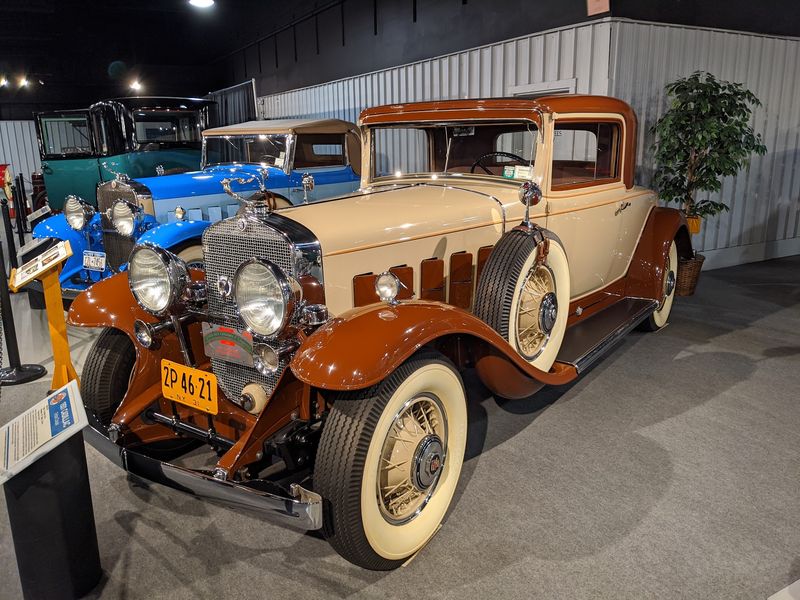
No other place on Earth has more Franklin automobiles. The museum holds the world’s largest collection of these Syracuse-built cars. Car nerds, this is your moment.
Franklins rolled out of Syracuse, New York, from 1902 to 1934. Their big claim to fame was the air-cooled engine. Most cars back then relied on water cooling, so Franklin went its own way.
The collection has two bookends worth hunting down. One is the third Franklin ever built. The other is the very last Franklin made.
Standing between those two cars is like reading a history book on wheels. You can trace how the company changed its designs over three decades. It’s a crash course without the crash.
Even if you’ve never heard of Franklin, this exhibit is worth slowing down for. The brand was a homegrown New York success story. Few people realize how important it was in early motoring.
My advice is simple. Read the storyboards and catch the videos near these cars. The details make the engineering click, even for folks who can’t tell a carburetor from a cupholder.
Steam, Electric, And Gas Once Raced For The Road
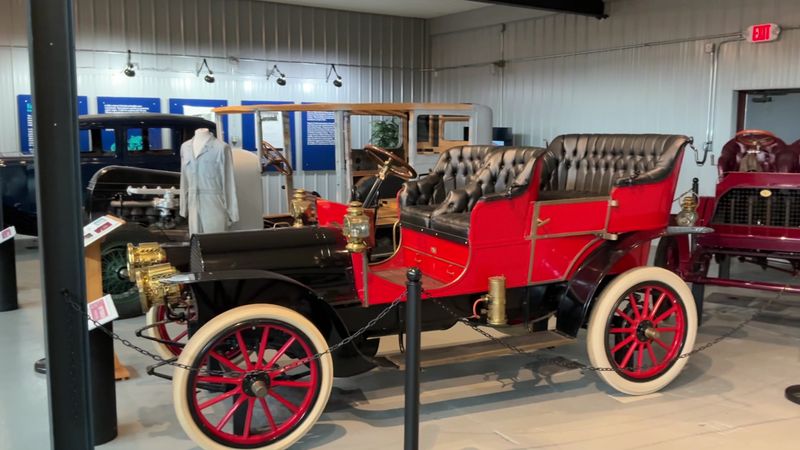
Early drivers had choices that sound wild today. The Pre-War Collection shows cars powered by electric, steam, and combustion engines. Gas didn’t always win by default.
This gallery is packed with famous names. Look for a Knox, a Model T, a Scripps Booth, and a Hupmobile. A Duesenberg and a Packard bring the luxury.
There’s a motorcycle hiding in here too. A 1930 Henderson sits among the cars. It’s a nice preview of the two-wheeled treasures waiting later.
I think this is the best place to start your visit. It sets up everything that comes after. Once you see how cars began, the later models make more sense.
Kids might find these early machines especially funny. Some look more like carriages than cars. That’s a great conversation starter about how fast technology changes.
Period fashions also appear among the vehicles throughout the museum. Clothing from each era helps set the scene. It’s easier to imagine a Sunday drive when the outfits match the ride.
Take your time with the signs here. Each one adds context that turns old metal into real stories.
Fins, Chrome, And Muscle Take Over The Next Rooms
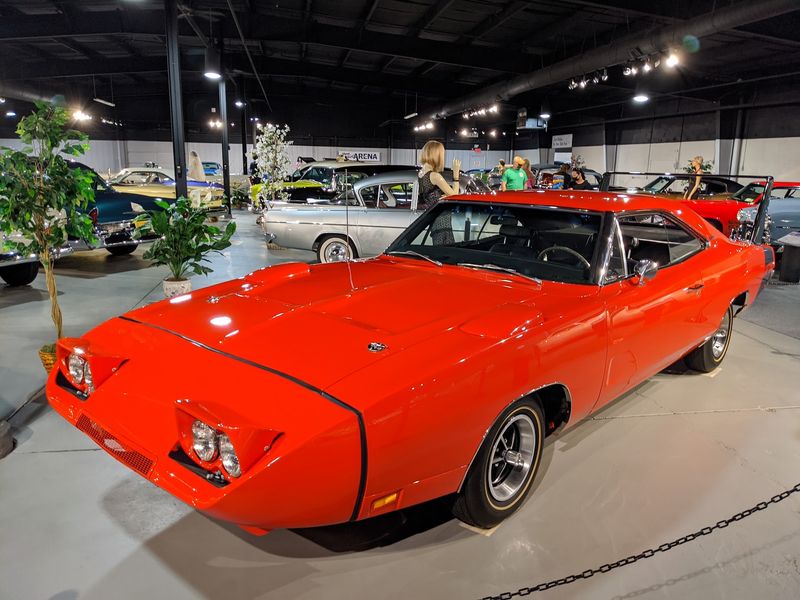
Somewhere around the late 1940s, American cars got bolder. The Post-War Collection covers that era through the 1980s. Expect a lot more chrome.
Brands here include DeSoto, Studebaker, Windsor, Nash, Crosley, and Hudson. Some of those names disappeared decades ago. Seeing them in person feels like meeting a celebrity from your grandparents’ yearbook.
Then the muscle cars show up. A Super Bee and a Road Runner bring serious attitude. Good luck not humming a cartoon sound effect near that second one.
The museum also features exhibits called American Iron Red, White and Blue and American Muscle. They celebrate the big, powerful cars that defined American roads. Horsepower fans will feel right at home.
This part of the museum is great for multi-generation trips. Grandparents might spot the car they took to prom. Younger visitors can pick a dream ride for someday.
I’d suggest playing a little game while you walk. Have everyone choose one favorite car per room. By the end, you’ll have a lively debate on the drive home, and nobody will be bored.
Some Of These Rides Were Built Right Here In The Empire State
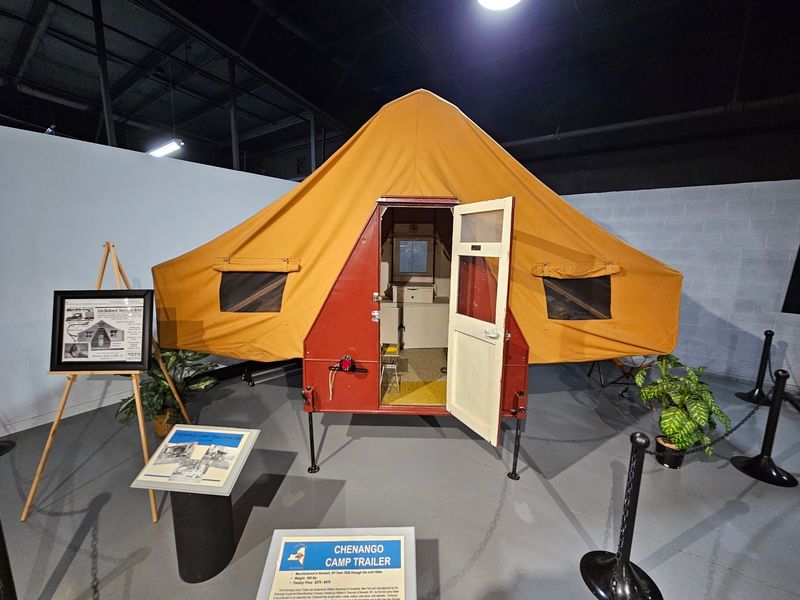
A car called the O-we-go sounds made up. It’s real, and it was built in New York State. You’ll find it in the Made in New York exhibit.
This gallery celebrates vehicles produced across the state. Names include the Mora and the famous Pierce Arrow. A Chenango Camper adds a fun local touch.
That camper connects directly to the area around the museum. Chenango County is the museum’s home turf. It’s neat to see local history parked right beside bigger brands.
Norwich has its own tribute here as well. The museum honors the Bennett-Ireland Companies, a major 20th-century manufacturer from Norwich. Hometown pride shows up in more than one way.
I find this exhibit surprisingly eye-opening. Most people link car manufacturing with Detroit. New York clearly had plenty of ambitious builders too.
If you live in New York, this room might feel personal. You could spot a brand tied to a town you know. Bring that up at the next family dinner and watch everyone look impressed.
Motorcycle Lovers Get Their Own Corner Of Heaven
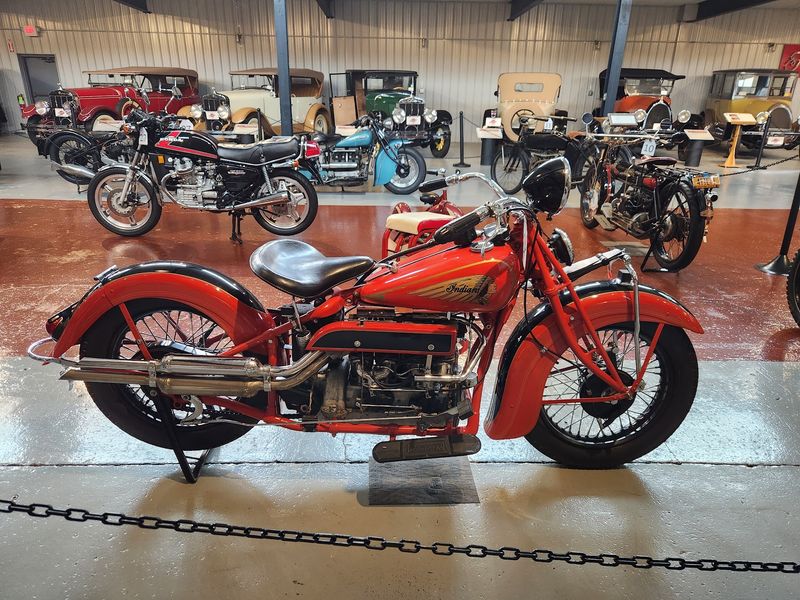
Twenty-eight motorcycles live inside the Northeast Classic Car Museum. That’s enough to keep any rider happily distracted. The Vintage Motorcycles exhibit gathers some of the biggest names in biking history.
Indian and Harley Davidson both make appearances. A Scout is part of the lineup too. These brands shaped how Americans thought about the open road.
Keep an eye out for the Henderson Streamliner. Its name alone sounds fast. Henderson motorcycles show up elsewhere in the museum as well, including that 1930 model in the pre-war rooms.
I like that the bikes get real attention here. Car museums sometimes treat motorcycles like side dishes. This collection gives them room to shine.
Bikes also let you see engineering up close. Engines, frames, and tanks sit right out in the open. It’s easier to understand how they work compared to a car hidden under a hood.
Riders planning a weekend trip through upstate New York could easily make this a stop. Rolling up on two wheels to see two-wheeled legends just feels right. Call it research.
An Airplane Engine Steals A Little Of The Spotlight
Cars aren’t the only machines with muscle in this building. The museum displays airplane engines from the early days of aviation through the 1940s. One of them is a true giant.
Look for the 18-cylinder R-3350 Turbo engine, built for one of the largest aircraft of its era. Standing next to it gives you a real sense of scale.
This exhibit connects nicely to the museum’s story. George Staley, whose collection inspired the place, was an airplane mechanic. Aviation was part of his world long before the museum opened.
I think this display is a smart addition. It shows how engine technology grew across land and air. Cars and planes borrowed plenty of ideas from each other.
Students working on history projects might find this especially useful. The engine is a solid example of 20th-century engineering. It’s much more memorable than a photo in a textbook.
Even people who came only for cars tend to linger here. Big machines have a way of pulling you closer. Just don’t try to count all 18 cylinders twice.
Plan Your Trip So You Don’t Rush The Good Stuff
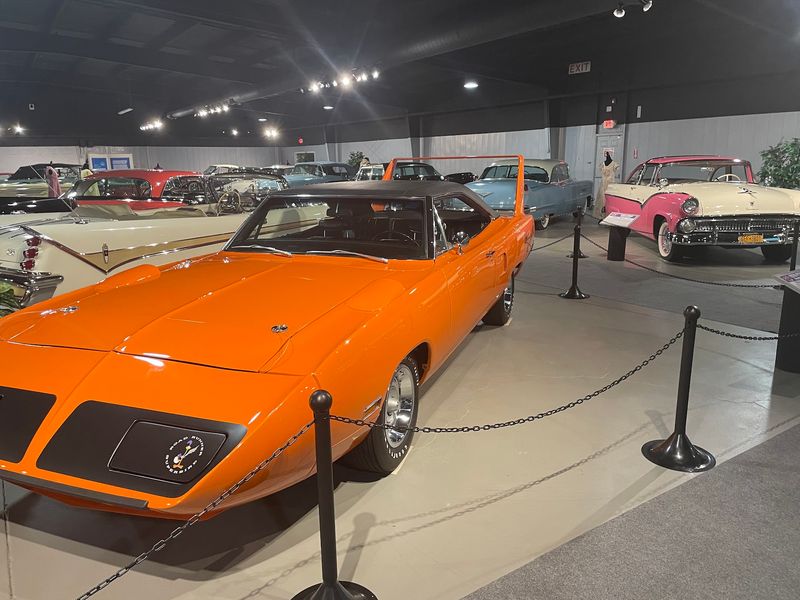
Two hours is a smart minimum here. Most guests spend at least 1.5 to 2 hours exploring, and some stay all day. Five buildings add up fast.
You’ll find the museum at 24 Rexford Street, Norwich, NY 13815. It’s open daily from 9 AM to 4:30 PM. It closes on Thanksgiving, Christmas, and Easter, and closes early on Christmas Eve.
Here’s a fun bonus. The museum stays open on New Year’s Day. That’s a pretty great way to kick off a new year.
Getting around is easy. The entire facility sits on one level, so it’s wheelchair-accessible. Electric scooters are available free of charge.
Photography for personal use is allowed, so bring your phone. A Model T is set up for hands-on photo fun. Expect at least one family picture behind the wheel.
Before leaving, stop by the gift shop. It carries new and vintage diecast models, books, toys, and clothing. Kids under 6 get in free, and groups can arrange discounts ahead of time.
Fresh Exhibits And Fun Events Give You Reasons To Return
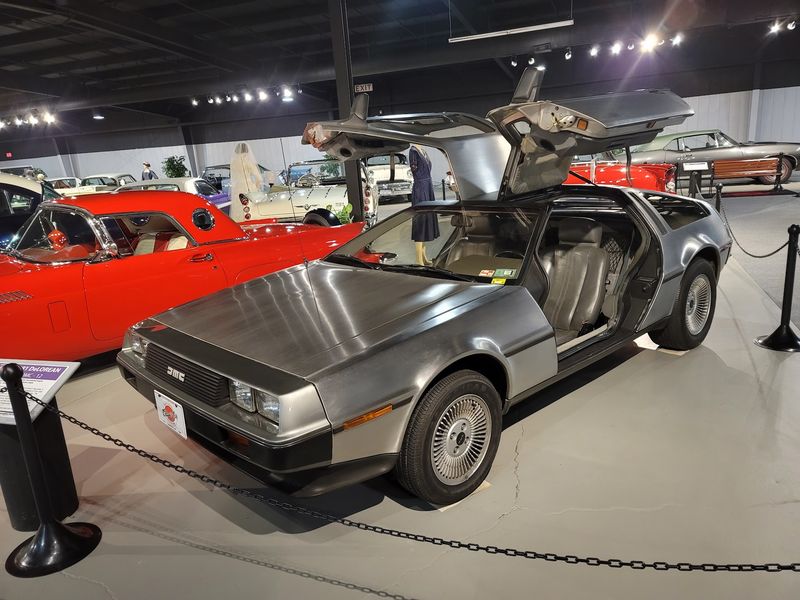
Each year, part of the museum gets a makeover with a new themed exhibit. Themed exhibits change annually, and the inventory rotates too. Muscle cars might step aside for tractors one year.
That means a second visit won’t feel like a rerun. You might find a whole new theme waiting. Repeat trips actually make sense here.
Warm-weather Saturdays get lively too. The Cars and Coffee Classic Cruise In happens on the second Saturday of each month from May to October. Owners bring their rides, and car fans gather to admire them.
The museum also hosts special events. One favorite is called Dancing With The Cars, a 50s and 60s Sock Hop. Poodle skirts would fit right in.
Planning a party or meeting in New York’s Chenango County? The NBT Bank Event Room can host up to 200 people. A smaller meeting room with Wi-Fi seats up to 30.
Volunteers help keep the Northeast Classic Car Museum running in many roles. That’s a great option for local car lovers with free time. Few hobbies come with this many shiny coworkers.