
This New York Town Was Settled By German Families In 1710 And Still Carries Their Name
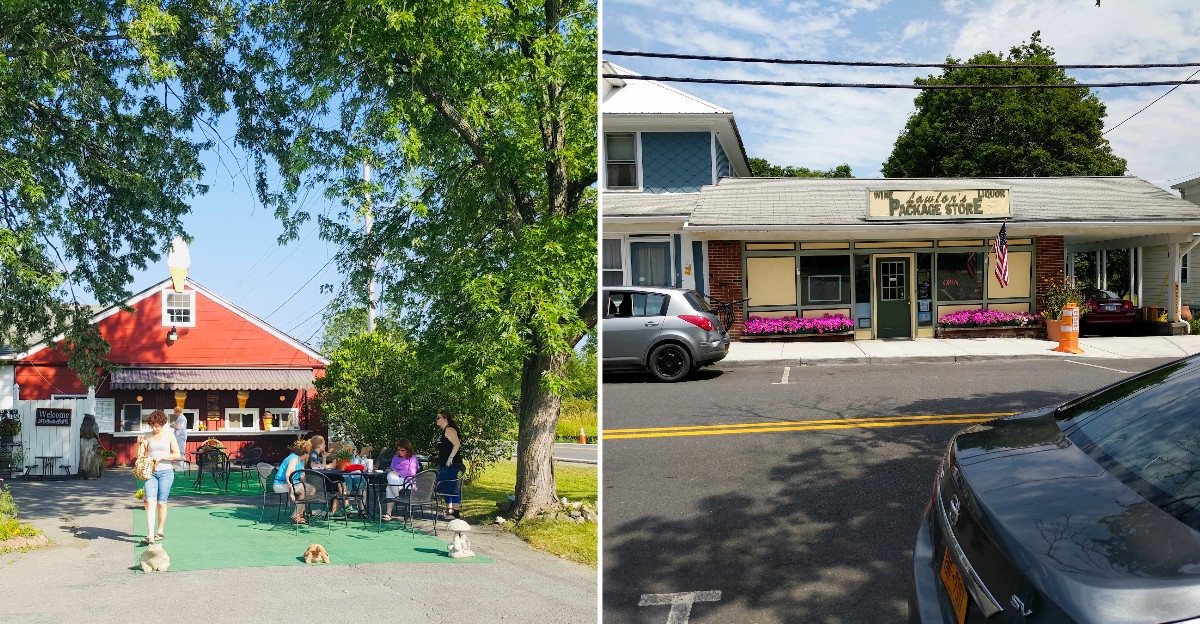
How does a three-century story still feel this alive?
A group of German refugees arrived on the Hudson River in 1710 with one strange job: make tar for the British Royal Navy. The plan flopped within two years. The families stayed anyway.
They came from the Palatinate region of southwest Germany. Somewhere between 1,200 and 1,400 people made the trip. Their camp sat on land bought from Robert Livingston, and it was simply called East Camp.
One of those later families carried the name Rockefeller. Yes, that Rockefeller. I love that a failed tar project in New York helped shape one of America’s most famous family trees.
Today the town still wears the name of those first settlers. It has river views, old stone houses, and a Main Street worth a slow stroll.
A Tar Plan Flopped, But The Families Refused To Leave
Germantown, New York traces its whole story to a work order that went sideways. In October 1710, Palatine German families arrived to make pitch pine tar for the Royal Navy.
The English Crown shipped them over from Queen Anne’s England. Colonial Governor Robert Hunter bought 6,000 acres from Robert Livingston to house the project.
That settlement became known as East Camp. It held four small villages named Hunterstown, Queensbury, Annsbury, and Haysbury.
Those names sound royal and official. The tar business, sadly, was neither successful nor long-lived. It collapsed within two years.
So what did the families do next? Most of the Palatine settlers moved elsewhere, but 63 families remained in the area and continued building their community.
They wanted farms of their own. Although trustees were appointed in 1725 to distribute the land, the remaining Palatine families did not receive their individual land allotments until around 1740 and 1741.
Eventually the area took the name Germantown. It’s a simple name that honors the Palatine German immigrants who settled here in 1710.
I appreciate how honest that name feels. No fancy branding, just a quiet nod to stubborn people who made a failed plan work out anyway.
You Will Want To Plan Your Visit Around A Saturday
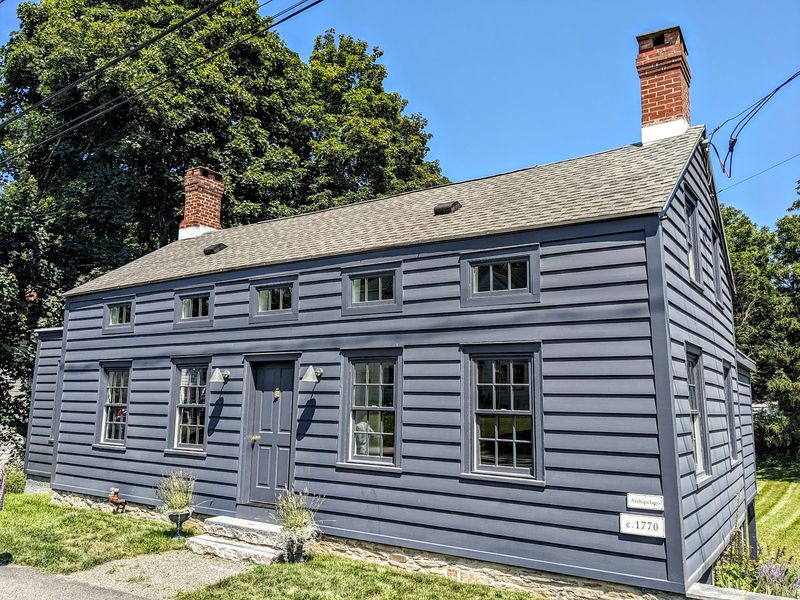
The oldest building in town dates to around 1743. It’s the First Reformed Church Parsonage, and it still welcomes curious visitors today.
Inside, you’ll find the Germantown History Department. The space opens to the public on Saturdays, so plan your trip with that in mind.
That timing matters if you love local history. A weekday drive might leave you admiring the building only from the outside.
A parsonage was the home provided for a church minister. This one has stood for nearly three centuries in a town founded by Palatine families.
Think about everything that building has outlasted. Wagons became cars, farms changed hands, and the Hudson kept rolling past the whole time.
I’d probably start any history-focused visit right here. It gives you context before you wander off toward other old landmarks.
Bring your questions about the early settlers. The history department exists to keep those stories organized and available to anyone interested.
Family history fans should pay special attention. Many Americans have Palatine roots, and this is a natural place to begin tracing them in New York.
An Old Inn With A Surprisingly Busy Past
Stagecoach house, gathering spot, restaurant, and now a hotel inn. The Central House on Main Street has worn a lot of hats since 1876.
That kind of résumé makes most buildings look lazy. It also had connections to the Rockefeller family at one point in its history.
Today the Central House operates as an inn. That means you can actually stay overnight in a building with nearly 150 years of stories.
I love when history isn’t locked behind velvet ropes. Here, it gets used, lived in, and kept going for new visitors.
Just down the road sits another old favorite. The Stone Jug House was built in 1752 by Konrad Lasher.
Lasher was the son of one of the original Palatine settlers. That puts his house only one generation away from the 1710 arrival.
The Stone Jug House is a private residence, so please admire it respectfully. It occasionally opens for Hudson Valley historic house tours.
Keep an eye out for those tour dates. Getting inside a 1750s stone home built by a settler’s son is a rare treat.
The Rockefeller Family Tree Has Roots Right Here
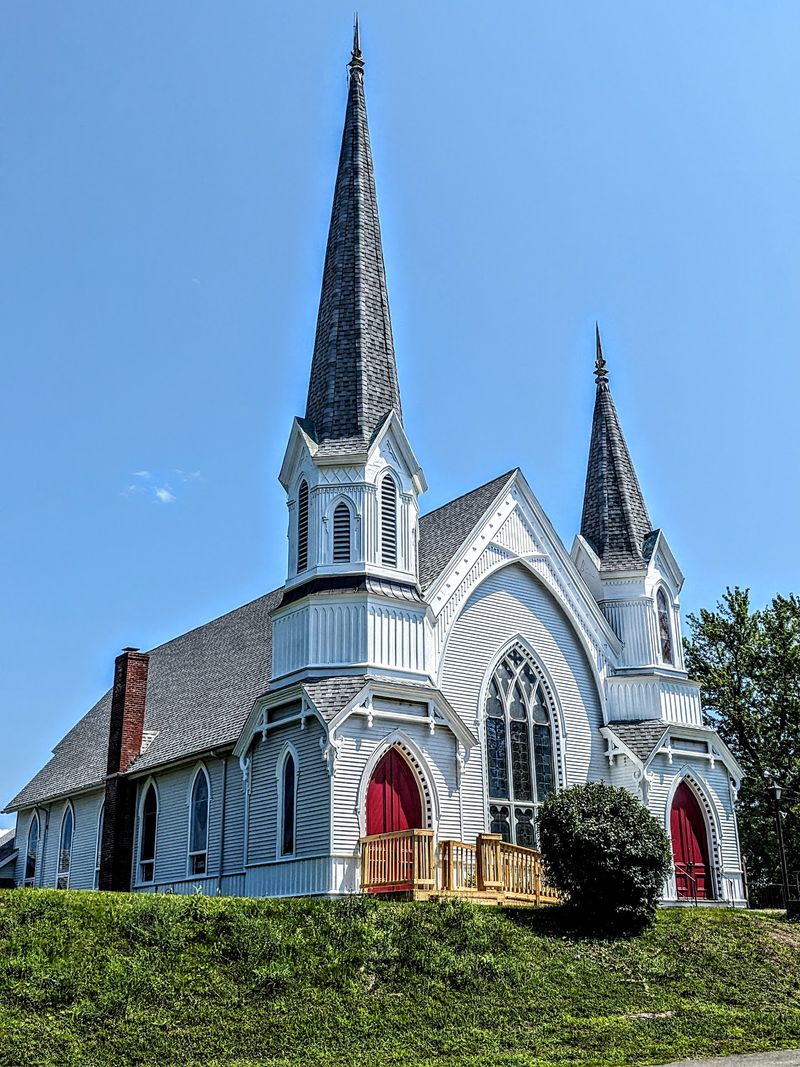
Here’s a fun trivia card for your next family dinner. John D. Rockefeller Sr. has ancestors who lived in this little river town.
Diell Rockefeller came to East Camp in 1733. He’s identified as the great-great-great-grandfather of the famous industrialist.
His son Simeon built the Rockefeller House on County Route 8. That house still stands today as a private residence.
Since people live there, a respectful drive-by is the way to go. No knocking on doors to ask about oil fortunes, please.
The connection shows how far those early Palatine roots spread. A refugee community from southwest Germany helped produce one of America’s best-known names.
It’s a good reminder that big stories often start small. Diell arrived in a modest settlement on a river, not a city skyscraper.
I find that connection oddly comforting. Every famous family once had relatives just trying to plant crops and get through winter.
If genealogy excites you, Germantown is a fascinating stop. Local history resources can help you understand how families spread across New York and beyond.
Pack A Picnic Because Palatine Park Has Plenty Of Room
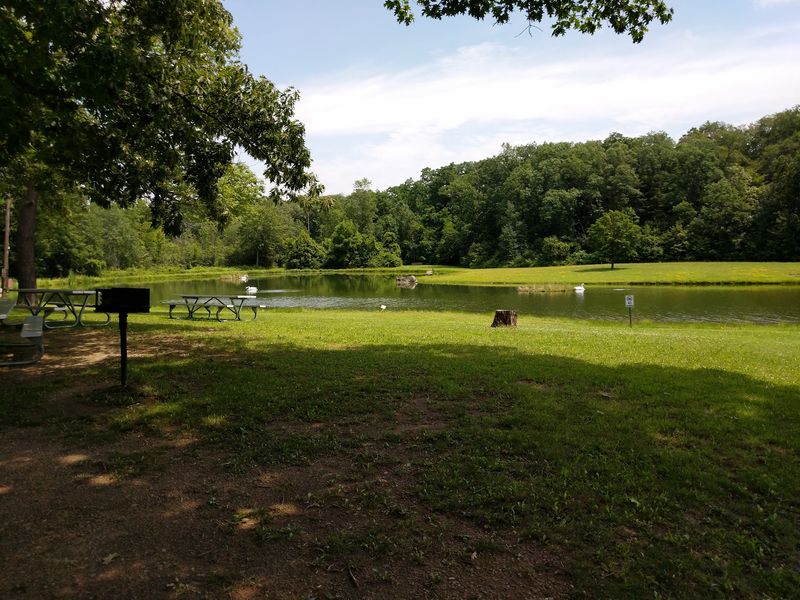
Fishing lake, dog park, ball fields, and charcoal grills all share one address. That’s a pretty generous lineup for a small town.
Palatine Park is the largest municipal park in Germantown. The name, of course, honors those original Palatine settlers.
Kids get a playground, and sports fans get fields for baseball, softball, and soccer. There are basketball courts and a walking trail too.
A covered pavilion offers picnic tables and grills. That makes it an easy pick for a relaxed family lunch outdoors.
The small lake works well for fishing. Dogs normally have their own space at Palatine Bark, although the town announced a temporary closure for fence repairs in October 2026.
During summer, the park hosts Camp Palatine for local children. The Kellner Community Activities Center sits on the grounds as well.
Town Hall is right nearby at 50 Palatine Park Road, Germantown, NY 12526. So the park sits close to the center of community life.
I’d grab sandwiches and spend an easy afternoon here. Few things beat a picnic in a park named for the town’s founders.
The Hudson And The Catskills Steal The Show Out Here
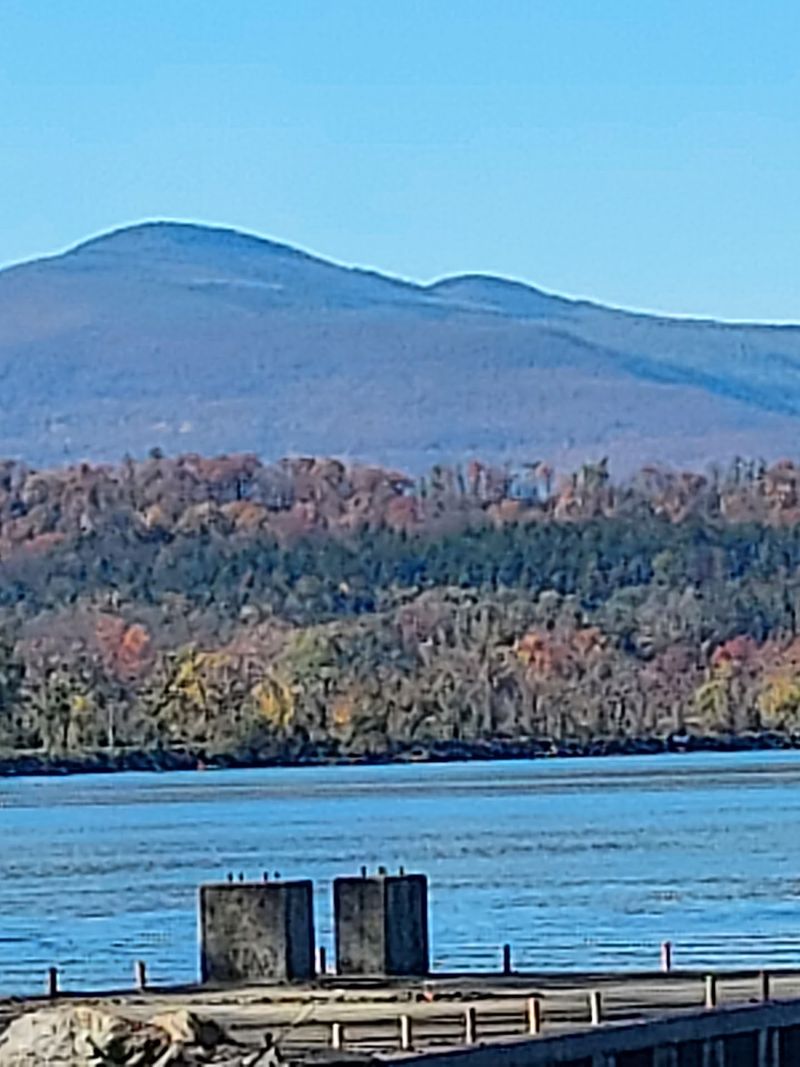
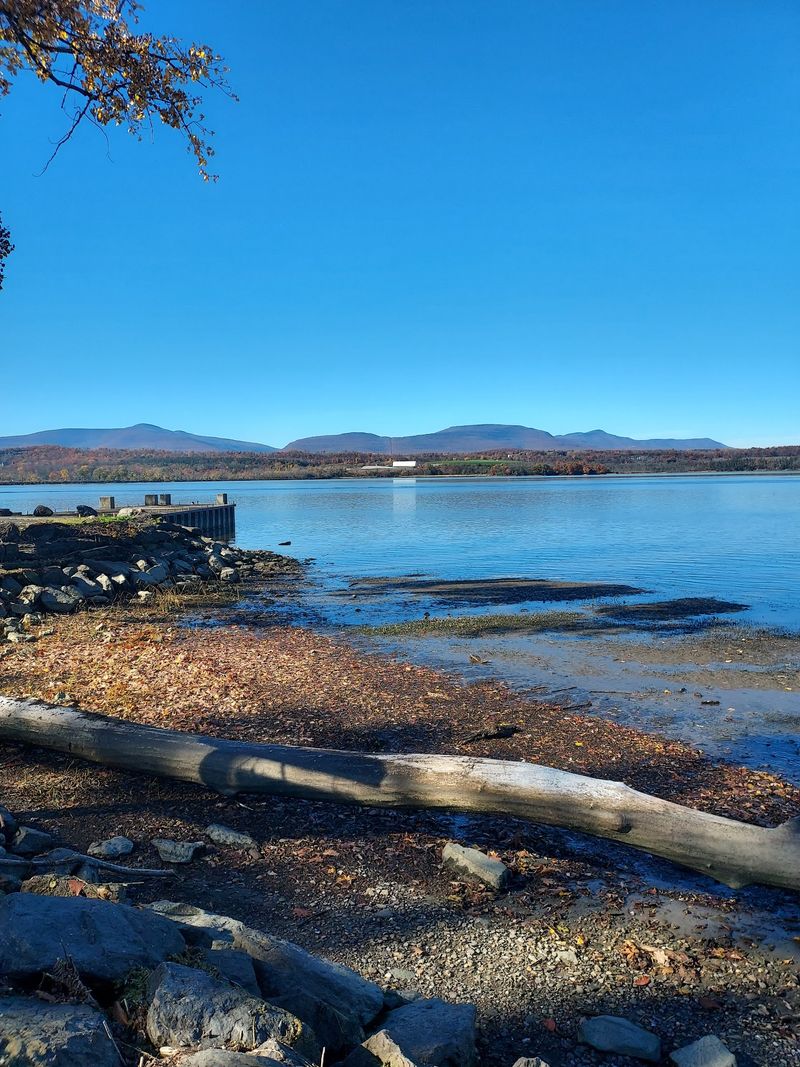
Mountains across the water make every riverside stop feel like a postcard. Germantown sits on the east bank of the Hudson, facing the Catskills.
That view alone could justify the drive. Luckily, the town also gives you easy ways to get onto the river.
Cheviot Park and Ernest R. Lasher Memorial Park both offer boat launches and docks. Anglers and boaters can head straight onto the Hudson.
Cheviot Park is also a recognized site on the Hudson River Valley Greenway Water Trail. Paddlers will appreciate that status.
Canoeing, kayaking, and fishing are all popular river activities here. Bird watching along the water is another strong option.
Speaking of birds, the KEEP Conservation Foundation Preserve is open year-round. It’s a lovely spot for nature walks and spotting migratory birds.
Cyclists have something to cheer about too. The Empire State Trail passes through Germantown on its long route across New York.
So you can paddle, pedal, or simply stand still and stare. Honestly, staring at the Catskills counts as a valid activity.
Good Luck Leaving Main Street Without A Snack
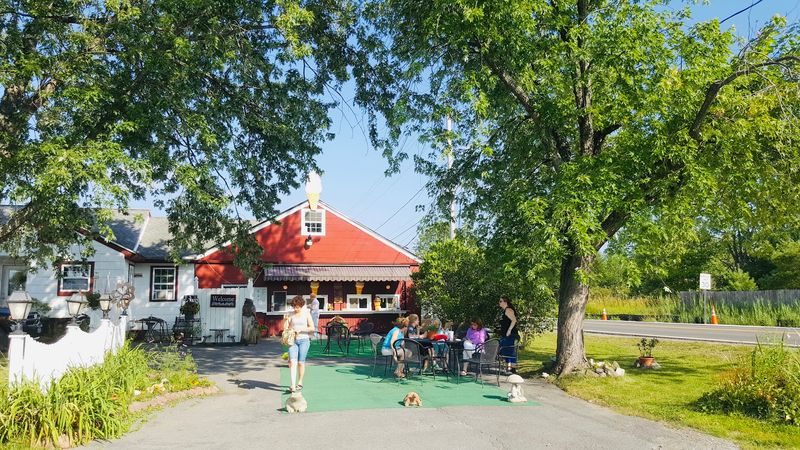
Made-to-order sandwiches come first on my list. Otto’s Market is a gourmet market and deli in town.
It’s known for sandwiches, fresh salads, coffee, and baked goods. That covers breakfast, lunch, and a sneaky afternoon treat.
Want a proper sit-down meal instead? Nines Restaurant, which opened in the former Gaskins location in 2026, serves French- and Italian-inspired dishes featuring seasonal ingredients.
Seasonal cooking fits this farm country perfectly. The menu follows what the region grows rather than staying the same all year.
Dessert lovers should look for Valley Harvest Ice Cream and Grill. It’s family-owned, with a menu that changes with the seasons.
The flavors often feature local produce. Peaches from Germantown’s own Potts Farm have shown up in their lineup.
Ice cream made with peaches grown down the road? I can’t imagine skipping that if it’s available during my visit.
Then there’s the Germantown Laundromat, which is far more interesting than it sounds. It offers 24-hour green laundry plus sustainable household goods and gifts.
Slow Shopping Is The Whole Point On This Main Street
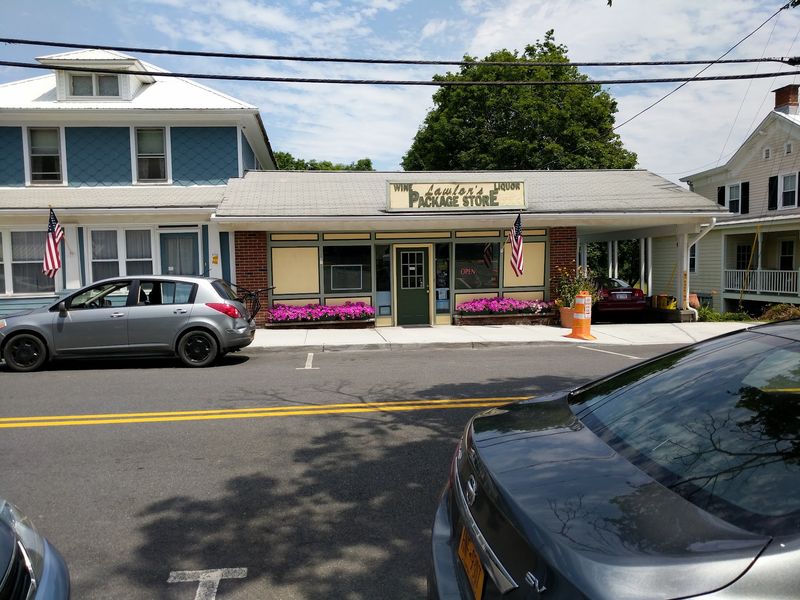
Rushing feels a little rude in Germantown’s shops. Main Street favors browsing over grabbing and going.
Alder and Co. sets an unhurried pace. Homewares and curated goods fill the shop, so give yourself time to wander.
Jewelry fans have a local maker to visit. Mary MacGill creates bespoke jewelry and runs a curated shop right in town.
Bespoke simply means custom-made. That makes it a thoughtful stop for gifts or a keepsake from your trip.
Quittner Warehouse leans into furniture and lighting. You’ll find antiques plus locally made pieces and homewares.
The shop even has its own lighting collection. That’s a fun detail for anyone who fusses over the perfect lamp.
Together, these shops give downtown a charming, earlier-era feel. It fits nicely with a town whose name still honors the German settlers who established East Camp in 1710.
My advice is simple. Leave the strict schedule at home and let one shop lead naturally to the next.
Great Estates And Art Hubs Wait Just Down The Road
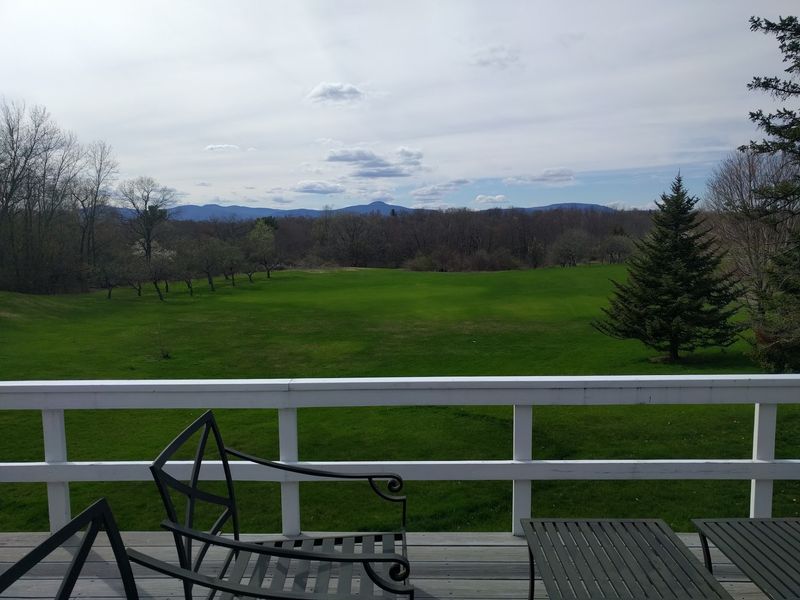
Remember Robert Livingston, who sold land for the tar project? His family’s historic home sits right within Germantown.
The Clermont State Historic Site offers gardens, trails, and guided tours. It ties neatly back to the town’s 1710 beginnings.
That full-circle moment feels pretty satisfying. You can see the Livingston side of the story after learning about the Palatines.
A few miles north, Olana State Historic Site awaits. It was the home of Hudson River School painter Frederic Church.
Expect stunning landscapes and a historic mansion to explore. Church clearly knew how to pick a view.
The City of Hudson is close too. It’s a destination for antique stores and art galleries.
Performance fans can head to Bard College in Annandale-On-Hudson. It’s home to the Fisher Center for the Arts and the Hessel Museum of Art.
That means Germantown makes a smart home base in New York’s Hudson Valley. Quiet nights, river views, and culture within easy reach make a pretty great combination.