
This North Carolina Town Ranks As One Of The Safest In The State And Rarely Gets Mentioned
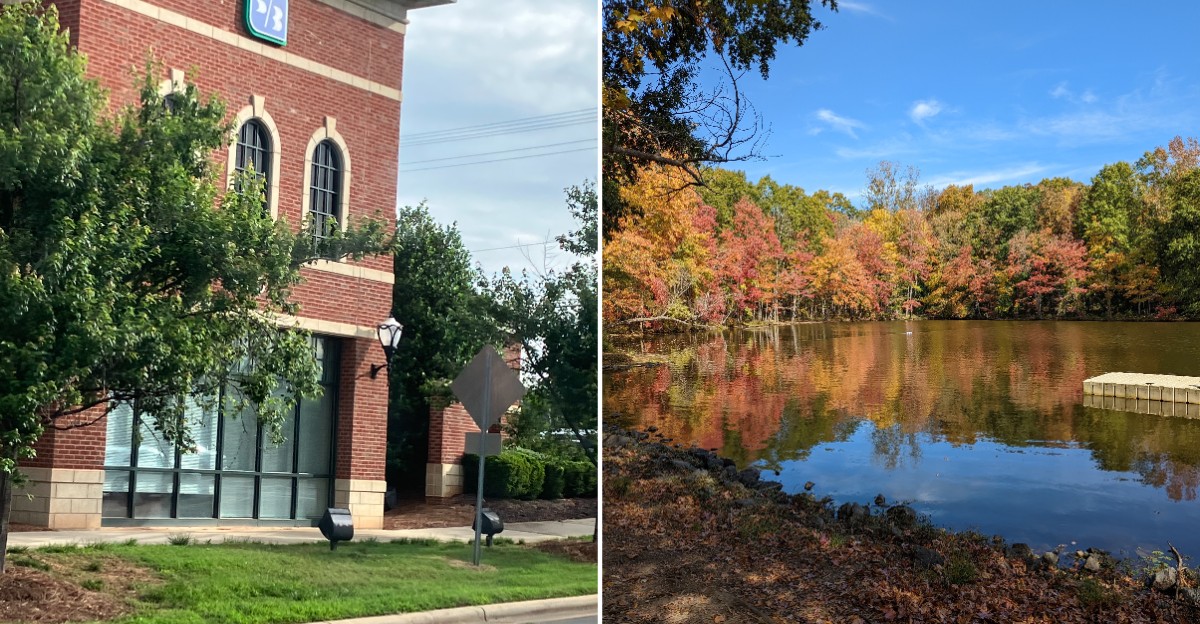
Some North Carolina towns have barely heard of a single crime, and this happens to be one of them. It ranks among the safest in the entire state, yet almost nobody outside the area seems to know it.
Streets stay quiet without feeling disconnected from the conveniences residents actually need day to day. Neighbors know each other in a way bigger cities rarely allow for anymore.
Local shops and parks sit within easy reach of most townhomes. Nothing about this town feels curated for outside attention or built around drawing bigger crowds.
Locals already know what outsiders are just now discovering about the place. This town proved that safety and quality of life often go hand in hand.
A Safe Haven With Unexpected Charm
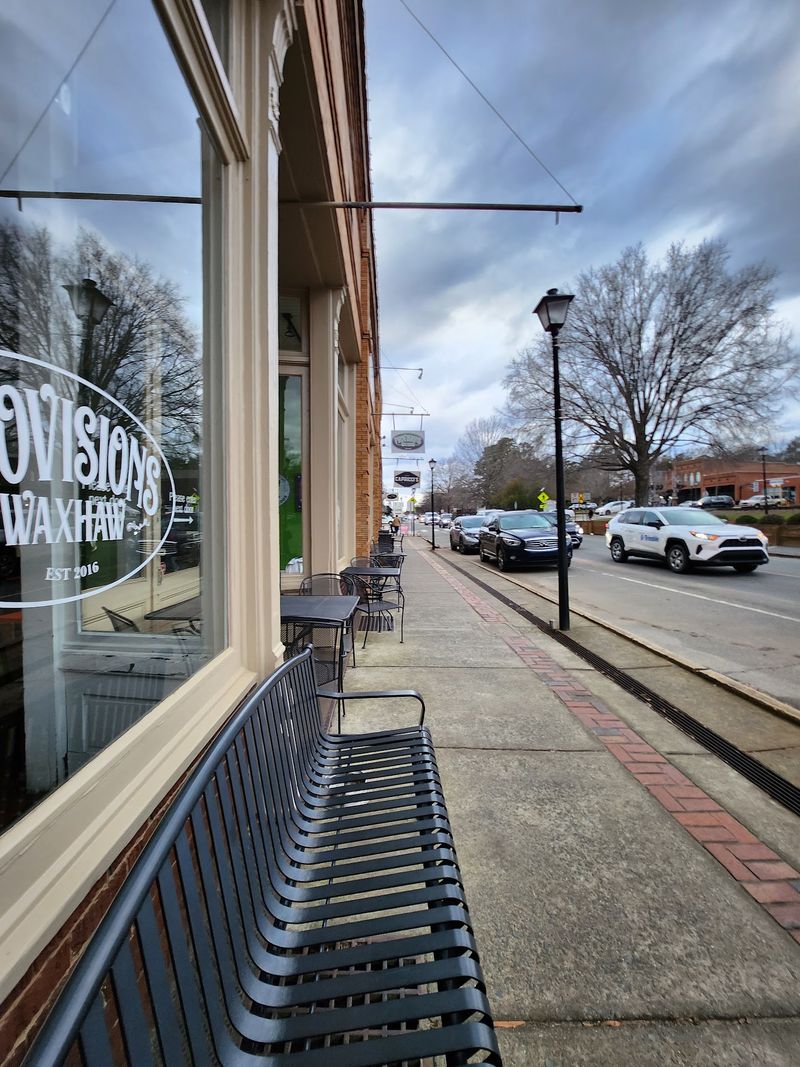
Numbers rarely make a town sound charming, but these do. Waxhaw carries an overall crime grade of A- for 2026, which means criminal incidents here are genuinely uncommon.
Every neighborhood that got analyzed came back with a Grade A safety rating. Not most of them. All of them, which puts the entire town in the safe or very safe category.
The crime rate sits below both the North Carolina state average and the national average. Violent crime is the standout stat, falling well under the national figure for communities of any size.
To put it in plainer terms, a resident’s chance of being the victim of a violent crime works out to roughly one in 1,656. That’s the kind of figure that makes parents relax a little.
Waxhaw has been named the fifth safest city in the state, with credit going to local police work and residents who actually pay attention to their neighborhoods. The small-town feel survived on purpose, not by accident.
What’s more impressive is the growth. The population more than doubled between 2010 and 2020, and the town still holds a top-10 safety standing among Charlotte suburbs.
History buffs can dig into the area’s past at the Museum of the Waxhaws, found at 8215 Waxhaw Highway, Waxhaw, NC 28173.
A Walk Through Time On Main Street
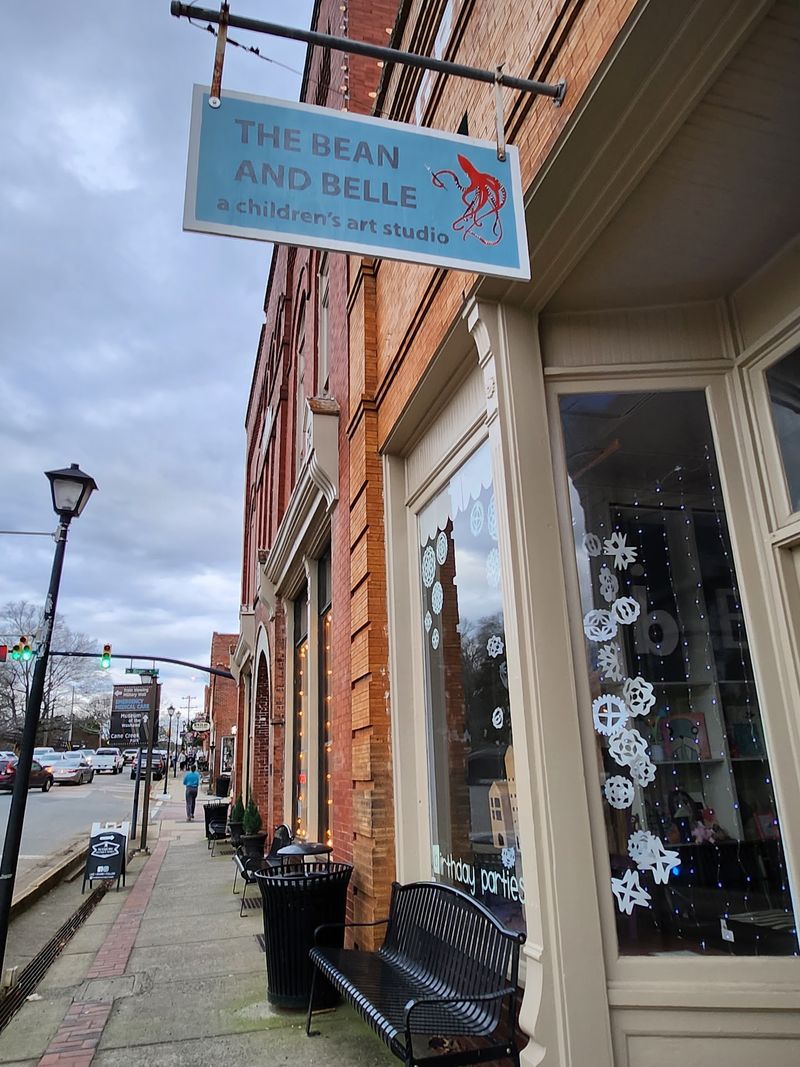
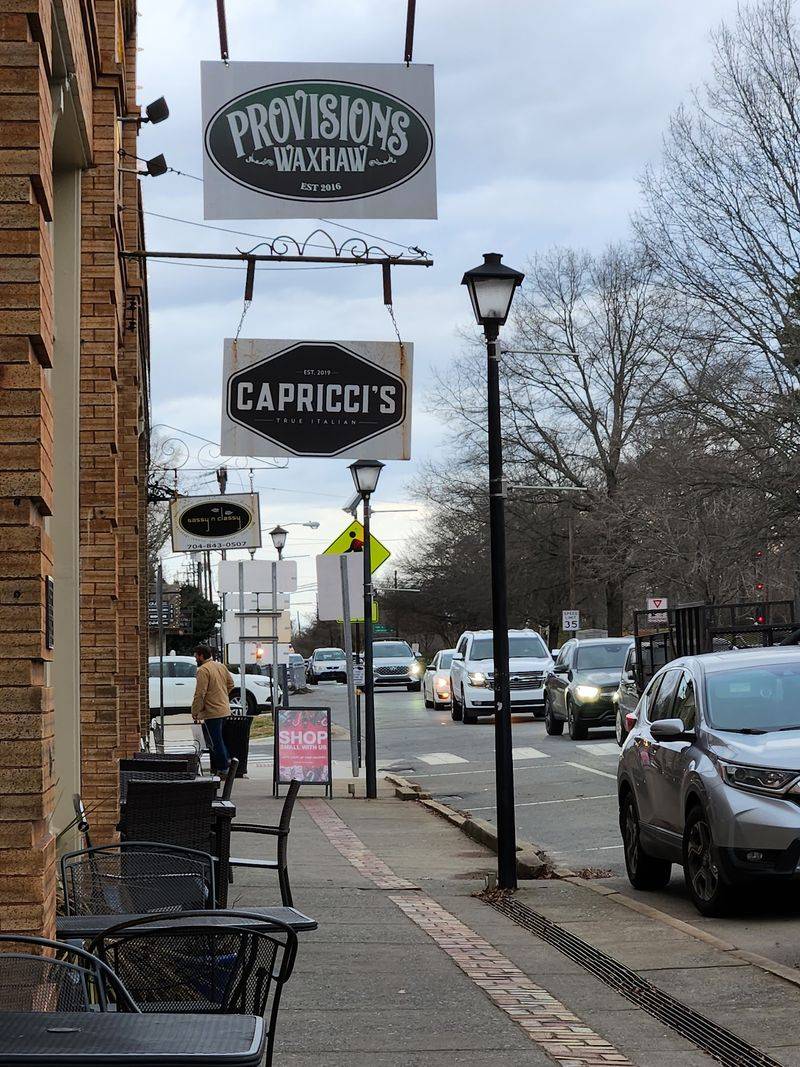
Five blocks of early 1900s buildings sit shoulder to shoulder along the train tracks here, and the whole stretch is listed on the National Register of Historic Places. Downtown is the historic, cultural, and economic center of town all at once.
The Waxhaw Historic District came together between roughly 1888 and 1940. Architecture nerds get a genuine treat, with Commercial Style storefronts, Queen Anne details, and Bungalow or American Craftsman homes all in close range.
Main Street runs right through the middle of it. The 1888 Waxhaw Overhead Bridge anchors the district, and the active rail line gives the area a soundtrack you won’t find in a typical suburb.
Locally owned businesses fill most of the storefronts. Community gathering spaces and public art fill in the gaps, so the sidewalks feel lived-in rather than staged for tourists.
There’s a self-guided historic walking tour available for anyone who wants context instead of guesswork. Following it turns a casual stroll into something closer to a history lesson, minus the homework.
Photographers tend to linger. The mix of old brick, painted signage, and the rail corridor gives almost every angle something worth framing.
Walking the full district doesn’t take long, which is part of the appeal. Small enough to cover in an afternoon, layered enough to reward a second visit.
The Iconic Overhead Bridge
Built in 1888, the Waxhaw Overhead Bridge might be the most photographed thing in town. It’s a rustic wooden walkway that lets people cross safely over active CSX train tracks.
Reconstruction in 2008 turned it fully pedestrian. Now it links one side of downtown to the other without anyone having to think about traffic or train schedules.
Here’s the funny part. The bridge stopped being just a way to get somewhere and became the destination itself.
People plant themselves on the planks and wait for a freight train to rumble underneath. There’s something oddly satisfying about feeling the vibration under your feet while the cars roll past.
Camera phones come out constantly. The bridge, the water tower, and the quaint streets below stack up into a backdrop that does most of the work for you.
Engagement photos, family portraits, senior pictures, holiday cards. If a local photographer needs a reliable spot, this is usually it.
The wooden structure also gives a real sense of how central the railroad was to this town’s story. The tracks came first, and the town grew around them.
Standing above a working rail line is a small thrill that costs nothing. Few towns can claim a landmark that doubles as an observation deck.
Stories Etched In Stone And Wood
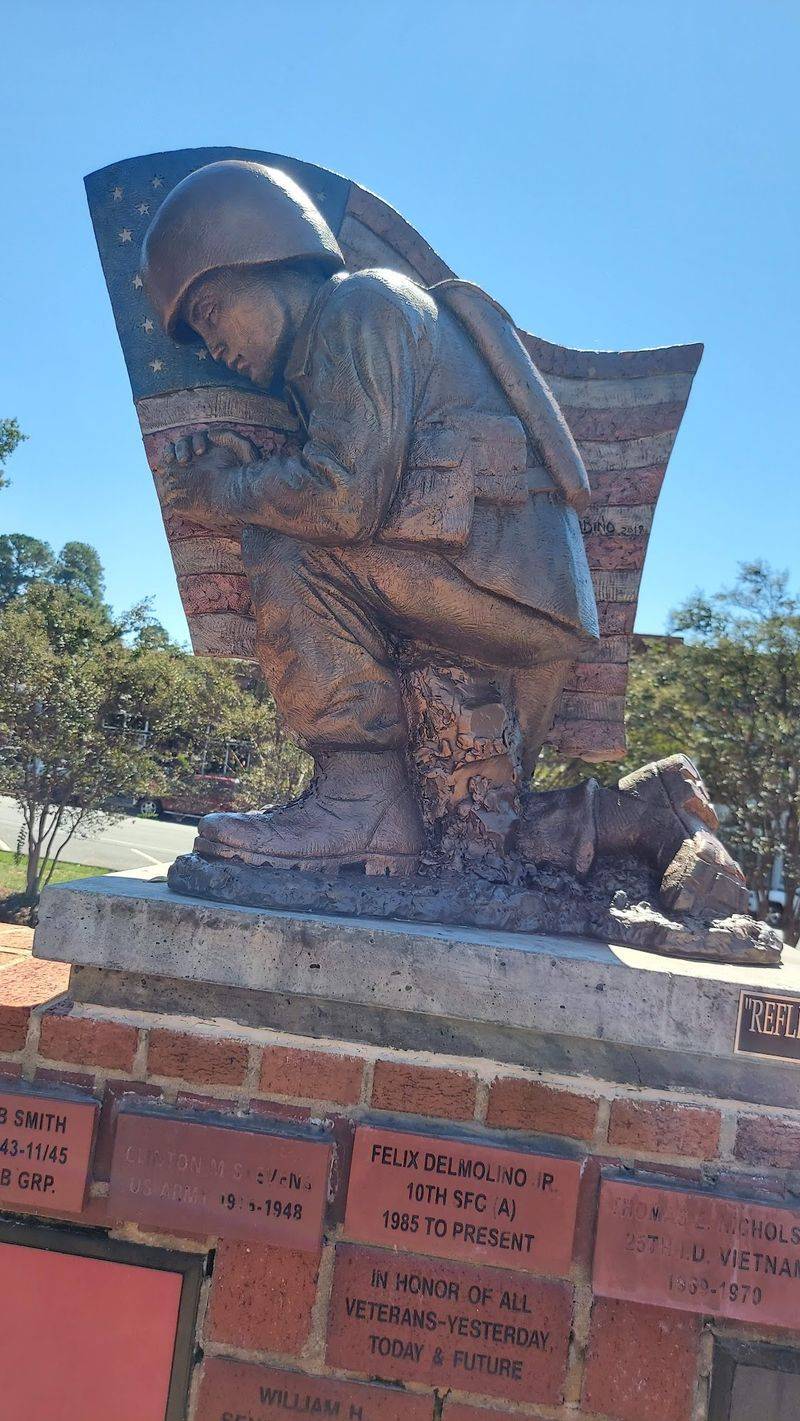
Long before anyone drew a town line here, the Waxhaws lived on this land. The indigenous tribe gave the place its name, and that name stuck through centuries of change.
Scots-Irish settlers arrived because of geography. A trading path running from Virginia down to Georgia passed through, making the area a natural stopping point.
The town incorporated in 1889, making it the third oldest in Union County. Its roots, though, reach back into the 1700s.
Here’s a detail that surprises people. Andrew Jackson, the seventh president, grew up in the Waxhaw region, and the Museum of the Waxhaws serves as both a regional history museum and a memorial to him.
The railroad showed up in 1888 and changed everything. Suddenly crops and goods could reach distant markets, and prosperity followed the rails.
Cotton mills went up in the late 1800s. Textiles carried the local economy as the primary industry until the 1940s.
When that industry faded, the town could have emptied. Instead, the 1960s brought a rebirth, with antique shops opening one after another until Waxhaw earned a reputation as a hidden shopping destination.
That reinvention explains a lot about the town’s current personality. Old buildings got new purposes rather than wrecking balls.
Green Spaces For Every Mood
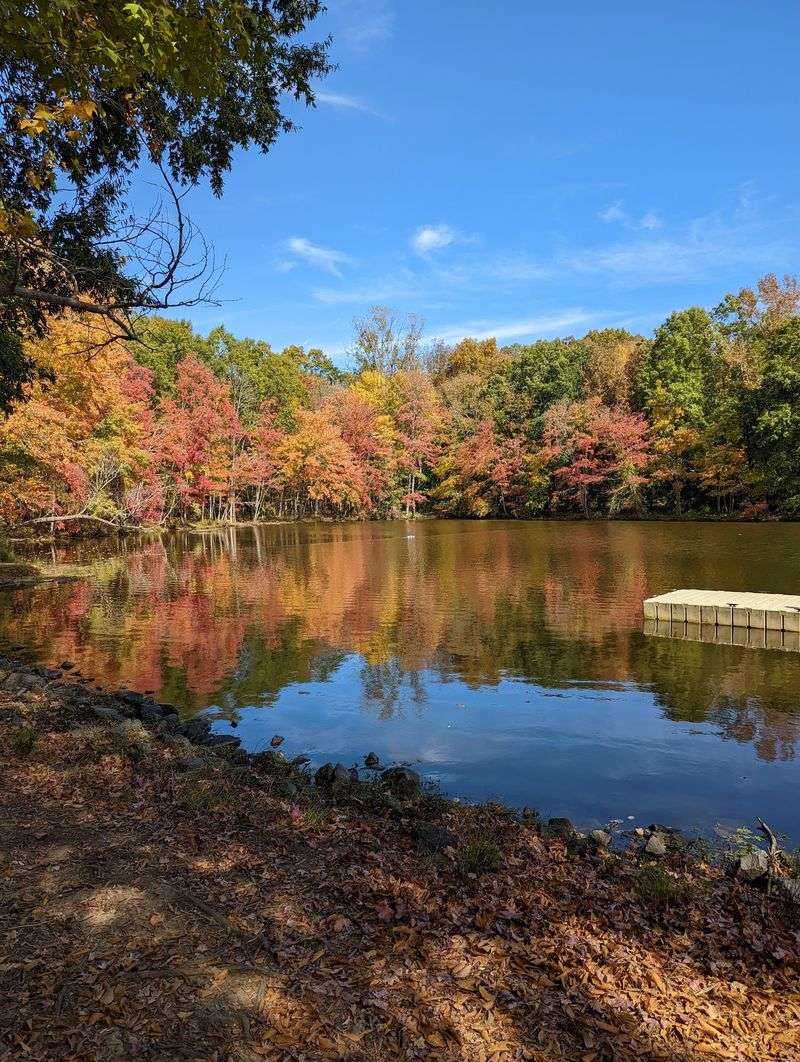
Union County countryside surrounds this town, and the parks take full advantage of it. Whether the plan is a playground afternoon or a long walk, there’s an option.
David G. Barnes Children’s Park sits at 215 West South Main Street, named for a local public servant.
Play areas make it the go-to for families with younger kids.
Right behind it on South Caldwell Street is the Waxhaw Sk8 Park. Skateboarders get their own downtown space, which is a nice touch for a town this size.
Harvey Clay Nesbit Park handles the organized sports crowd. Soccer and baseball fields stay busy through the seasons.
Town Creek Park runs along 12-Mile Creek and connects to the Carolina Thread Trail. Scenic views and open space make it a favorite for walkers who want something more natural than a sidewalk.
A short drive out of town leads to Cane Creek Park, and this one is a whole different scale. At 1,050 acres, it offers fishing, boating, and picnicking across a big stretch of land.
Walking trails and playgrounds round out the offerings there. Families can easily turn a visit into a full day without repeating a single activity.
Variety is the real strength here. Skate ramps, ball fields, creekside trails, and open water all within reach.
A Town That Gathers And Celebrates
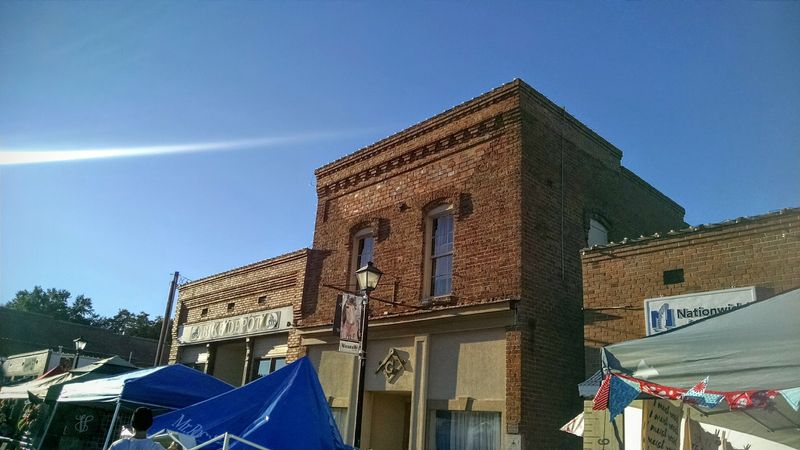
More than 10,000 people show up for the Independence Day Parade down Main Street. For a town of about 20,500, that’s a serious turnout.
Community engagement runs deep here, and residents jump into local events and initiatives rather than watching from the porch. Downtown functions as the beating heart of it all.
Autumn Treasures lands the second week of October. Live entertainment, arts and crafts booths, and a kid zone take over the district for the weekend.
December belongs to the Waxhaw Christmas Parade. School marching bands and hundreds of entries fill the streets with noise and holiday spirit.
Summer brings the Jammin’ By The Tracks concert series, which is exactly what the name suggests. Music, an outdoor crowd, and a railroad corridor in the background.
First Fridays put the spotlight on local restaurants and retailers. It’s a simple concept that keeps money circulating among neighbors.
Saturdays from April through December belong to the Waxhaw Farmers’ Market. Local growers and artisan vendors set up shop, and the produce comes from nearby fields rather than a distribution center.
Seasonal festivals, holiday celebrations, and concerts fill out the rest of the calendar. Hard to feel like a stranger in a town that throws this many parties.
Unique Finds And Local Flavors
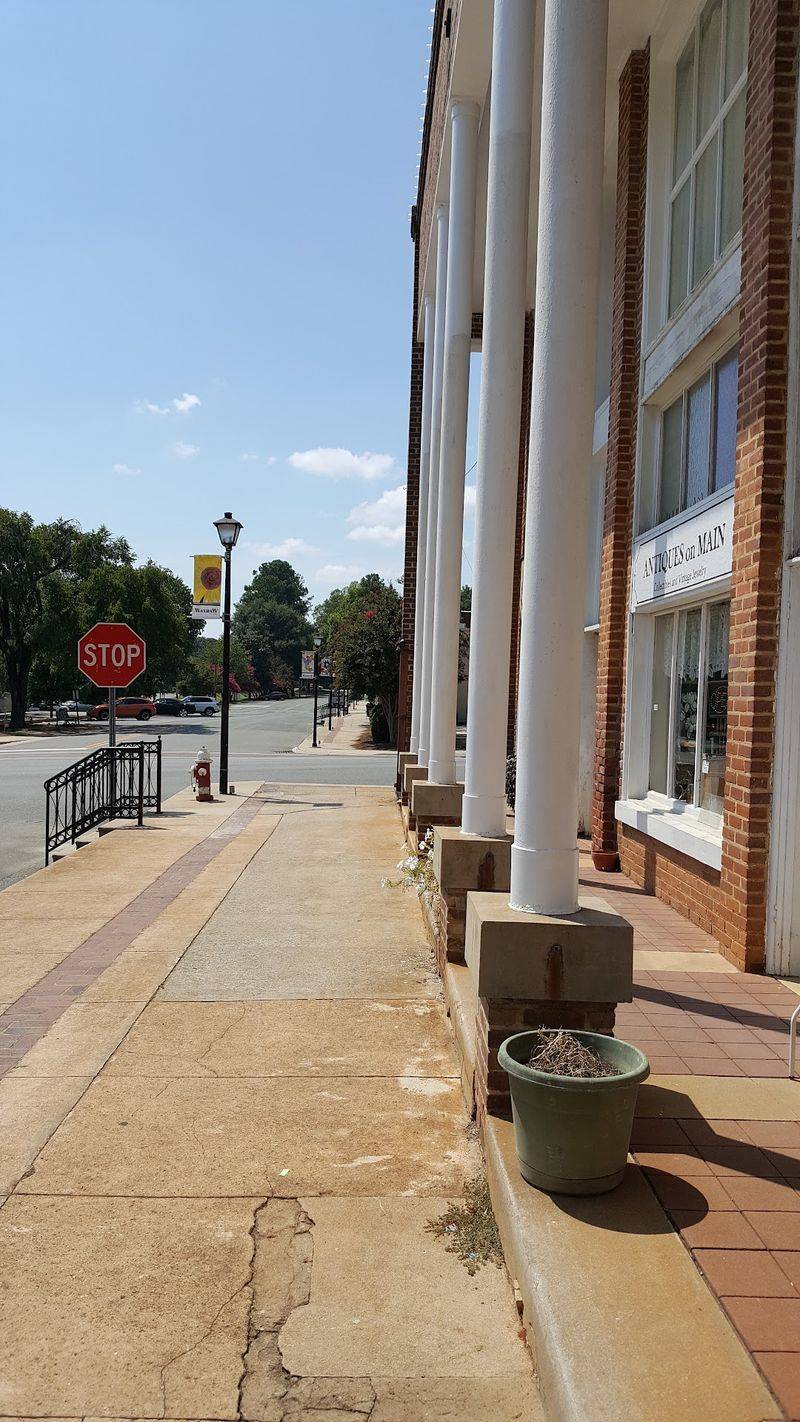
A four-foot-tall pottery jug has marked the corner of West South Main Street since the early 1960s. It’s a landmark, a photo op, and a hint at the town’s antiquing reputation all in one.
Dozens of specialty shops have made this a destination for collectors. Antiques turned Waxhaw into a shopping stop decades ago, and the tradition has held.
The Waxhaw Antique Mart hides a genuine oddity inside. The A.W.
Heath Commercial Complex, built in 1898, holds one of the oldest elevators in the country.
Art galleries sit alongside antique stores and independent boutiques. Restored historic buildings house most of them, so the shopping and the sightseeing happen simultaneously.
Coffee shops give the district its morning rhythm. Locally owned places outnumber anything you’d recognize from a highway exit.
Dining runs the full range. Mom-and-pop eateries handle the comfort food, while a few bistros aim higher for people wanting a nicer meal.
Small businesses define the commercial mix. That means the person behind the counter often owns the place, which changes the whole feel of a shopping trip.
Treasure hunting is the honest description of a day here. You come in looking for nothing specific and leave with a lamp, a book, and a full stomach.
Preserving The Past Building The Future
Doubling in size usually flattens a town’s character. Waxhaw grew 108.28% between 2010 and 2020 and somehow kept its historic core intact.
Deliberate choices made that possible. Preservation work and revitalization efforts turned Main Street into a working business district instead of a museum piece.
The town holds status as a nationally accredited Main Street America community. That designation centers on preservation-based economic development, supporting small businesses while strengthening local identity.
A Downtown Waxhaw Master Plan lays out the long-term vision. Extensive public engagement shaped it, meaning residents helped decide what growth, redevelopment, and preservation should look like.
New development is happening on the outskirts, which is where the population boom mostly landed. The challenge has been blending that expansion with the older downtown, and the town has treated it as a design problem rather than an inevitability.
Community input keeps showing up as a theme. Residents contribute to decisions, and that inclusive approach is part of why the place still feels cohesive.
Charlotte sits close enough for jobs and amenities. That combination of small-town atmosphere and metro access explains the steady stream of newcomers.
History and progress usually pull in opposite directions. Here they’ve been stitched together well enough that the town still recognizes itself.