
This Oregon Coast Town Offers A Front-Row View Of Dramatic Winter Storms
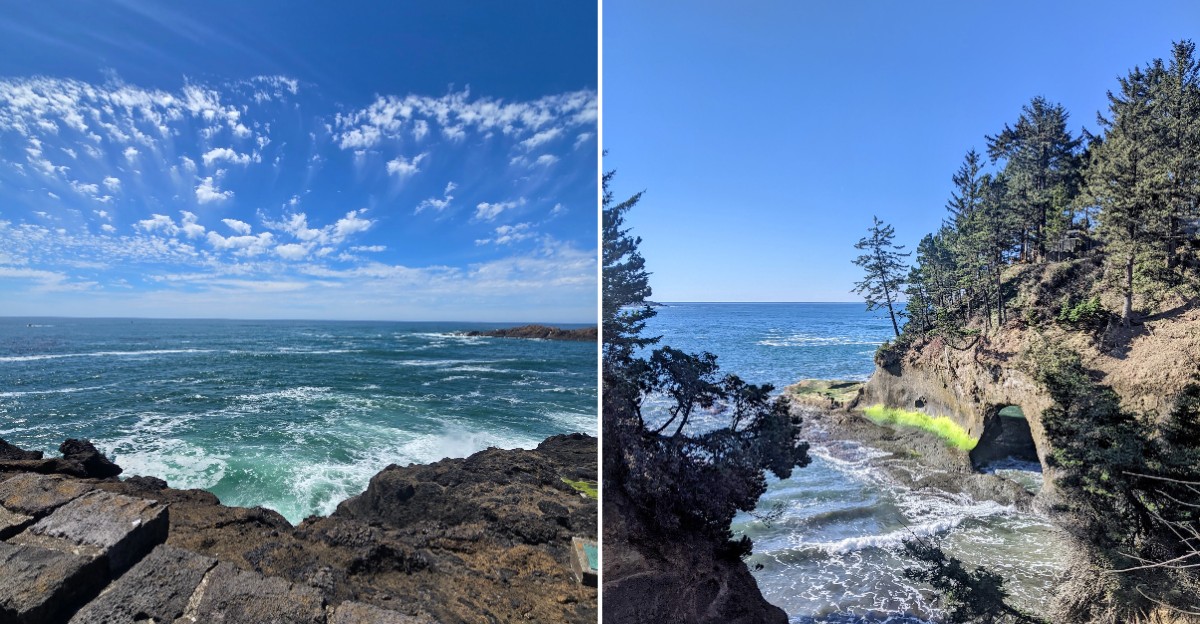
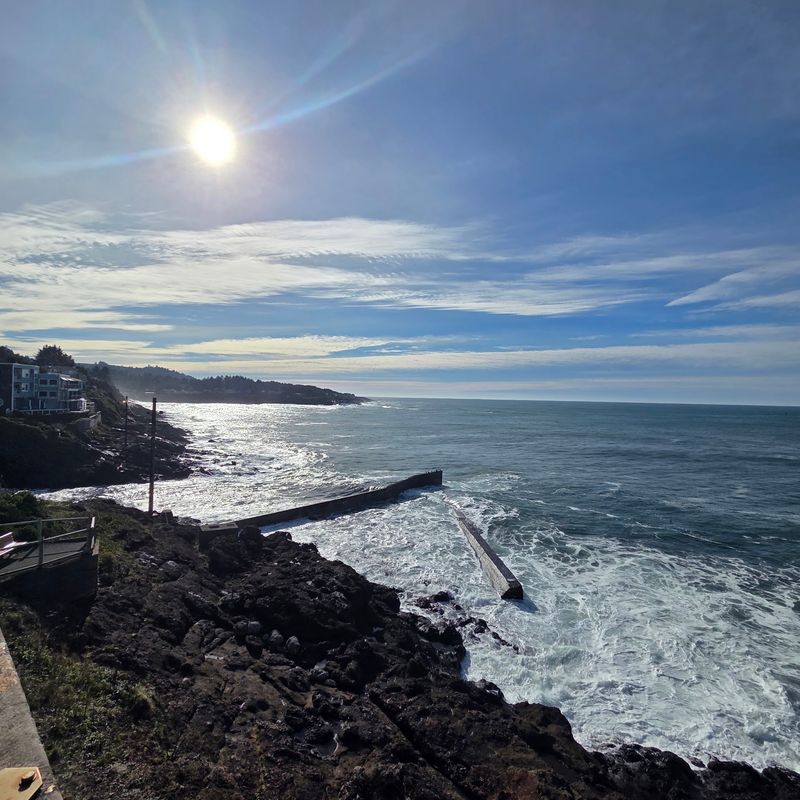
The main street here runs right along a seawall, so winter waves can crash just steps from the sidewalk. Yes, the ocean sometimes splashes the same street where people browse for souvenirs.
Natural spouting horns in the black basalt rock add even more drama. Water rushes into hidden openings and blasts back out toward the sky.
The town also claims the world’s smallest navigable harbor. Boats squeeze through a narrow rocky channel to reach it, which is fun to watch on calm days and wild on stormy ones.
The funny thing is, most beach towns hope for sunshine. This corner of Oregon practically rolls out the welcome mat when the sky turns gray and the swells start building between November and March.
I’ve come to realize that storm season might be its best season. It just feels right to trade a sunburn for a rain jacket and a front-row seat.
So where do you stand, and what should you pack?
Your Front-Row Seat Is A Seawall Right On Main Street
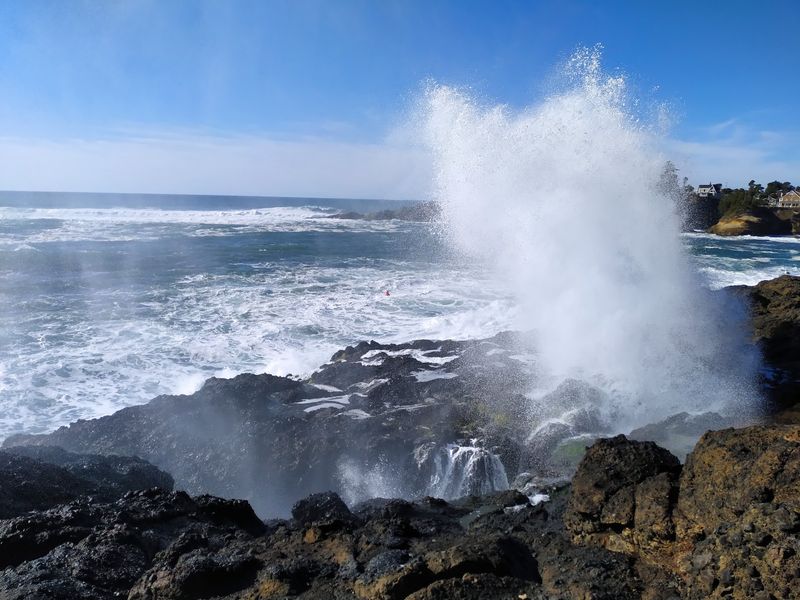
Few towns let you watch the Pacific lose its temper from a downtown sidewalk. Depoe Bay, Oregon, does exactly that, because its main street follows a seawall along Highway 101.
Winter storm season usually runs from November through March. Strong winds and big ocean swells roll in, and waves slam the rocks below the wall.
The result is pure theater with no ticket required. Spray can shoot high above the railing, and the sound alone is worth the trip.
Safety matters here, though. Stay on designated paths and keep a healthy distance from the edge, even when the waves look tempting.
Sneaker waves are a real thing on this coast. They can surge farther than expected, so never turn your back on the ocean.
Plenty of storm fans watch from their cars, which is honestly a smart move. You get the show, the heater, and a dry seat all at once.
Check the forecast before you go and pack waterproof layers. The seawall offers a front-row view, but nobody said the front row stays dry.
Wait For The Rocks To Blow Their Tops At The Spouting Horn
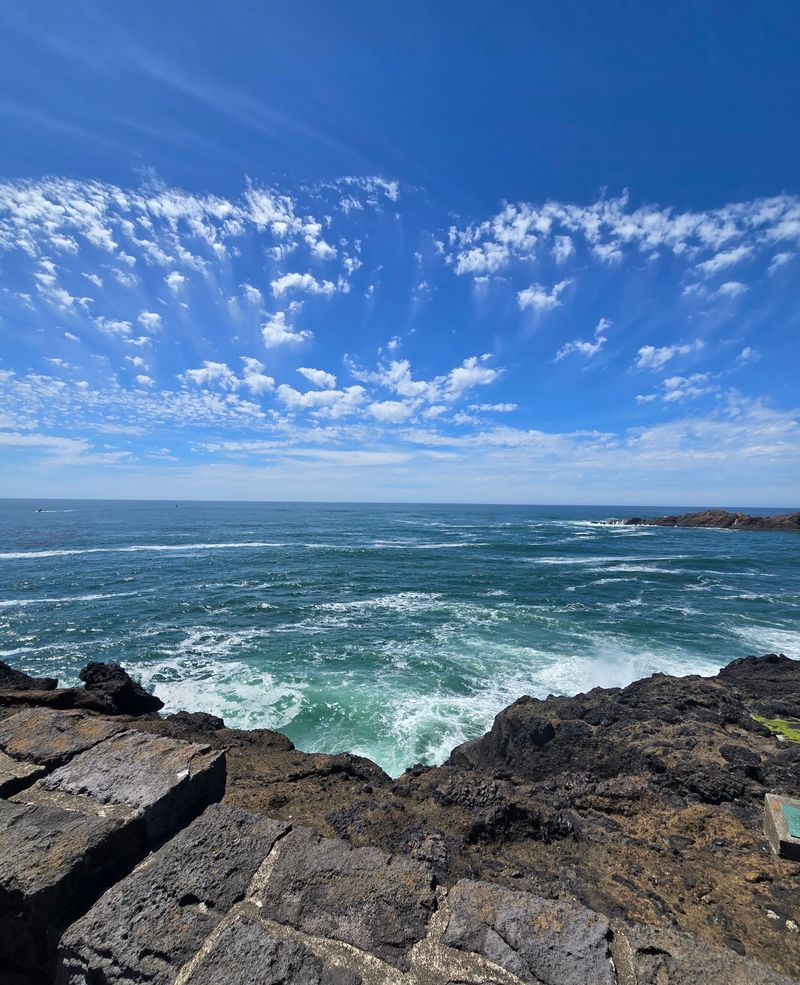
Basalt rock along this shoreline hides some sneaky plumbing. Ocean water rushes into natural openings, then gets forcefully shoved back out like a geyser.
These formations are called spouting horns, and the Spouting Horn near the seawall is a prime storm-watching spot. When winter swells hit, the plumes can get seriously impressive.
Timing helps a lot. Bigger waves usually mean bigger blasts, so storm days tend to put on the best performances.
Patience pays off too. Some waves fizzle, and then one suddenly erupts and makes everyone nearby gasp at once.
Bring a camera with a protective cover if you can. Salt spray and rain team up quickly, and lenses do not appreciate it.
Kids usually love this part, and adults pretend they don’t love it just as much. It feels like nature built its own fountain and forgot the off switch.
Keep back from wet rocks and respect any barriers. The horn is thrilling from a safe spot, and that’s exactly where it belongs.
Boats Thread A Needle To Reach The Tiny Harbor
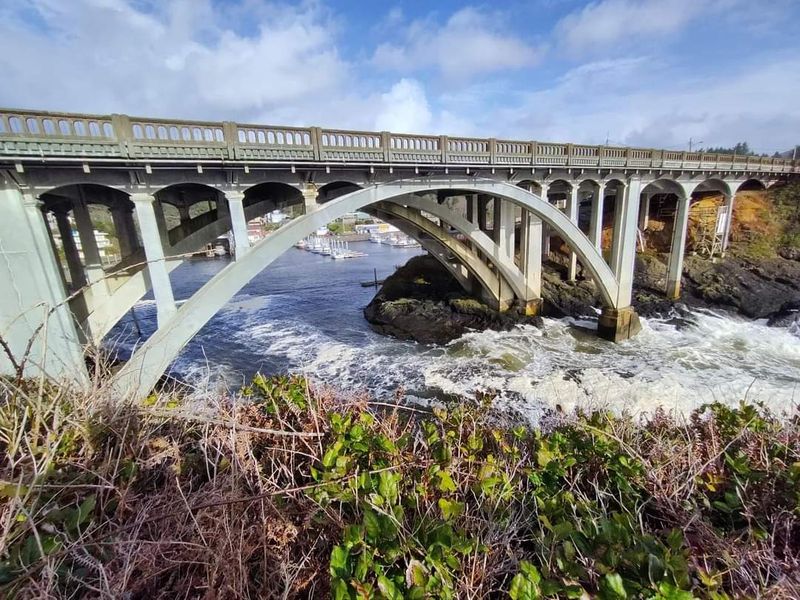
Bragging rights come in small sizes here. Depoe Bay is home to the world’s smallest navigable harbor, and boats reach it through a narrow rocky channel.
Watching a vessel squeeze through that gap is surprisingly gripping. On rough days, you’ll understand why captains need steady nerves.
The harbor also earned a big honor in 2020, when US Harbors named it the Best Harbor in the U.S. in a nationwide vote, which is quite a title for something so compact.
Above the channel stands the Depoe Bay Bridge, built in 1927. It joined the National Register of Historic Places in 2005.
The bridge gives you a handy viewpoint of the channel below. Waves surging through the opening look especially dramatic during winter swells.
Fun fact for your next trivia night: the town’s name honors a Native American leader known as Depoe Charlie. Not many harbors come with that kind of story.
Calm days are great for spotting boats heading out. Stormy days, though, turn this little harbor entrance into a churning spectacle.
Whales Might Steal The Show Between Storms
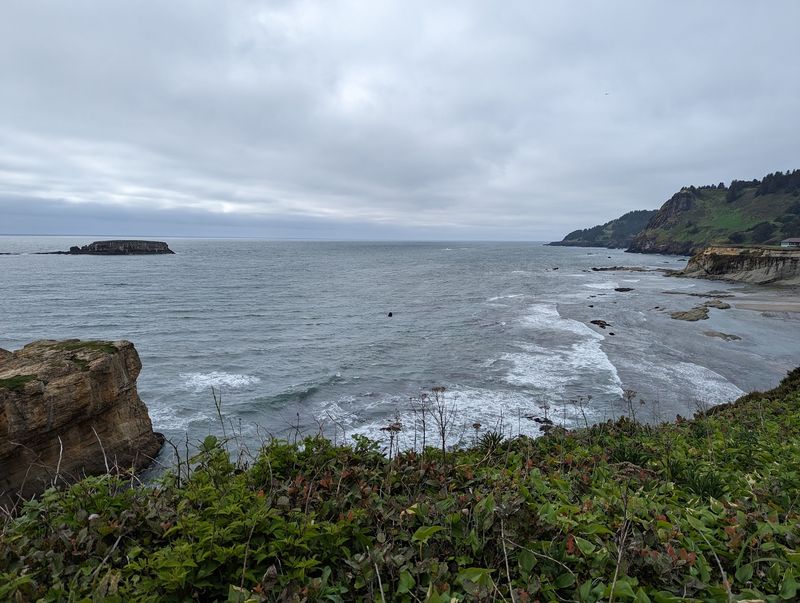
Storms aren’t the only big performers offshore. Depoe Bay is widely known as the Whale Watching Capital of the Oregon Coast.
Resident gray whales are often spotted here throughout the year. Migrating whales pass by from December to February, then again from March to May.
That means winter visitors can get a double feature. Watch the waves crash, then scan the water for a spout between sets.
Look for a puff of mist on the horizon. That’s often the first clue a whale has surfaced to breathe.
Calmer windows between storms usually make spotting easier. Choppy whitecaps can disguise spouts, so patience becomes your best tool.
Charter companies also run boat tours for closer encounters, including Dockside Charters, Tradewinds Charters, Whale Research EcoExcursions, and Whale’s Tail Charters. Ocean conditions affect trips, so plan with flexibility.
A pair of binoculars is a smart addition to your bag. Even a quick glance offshore might reward you with a tail flick worth bragging about.
Free Binoculars And Expert Help Wait On The Seawall
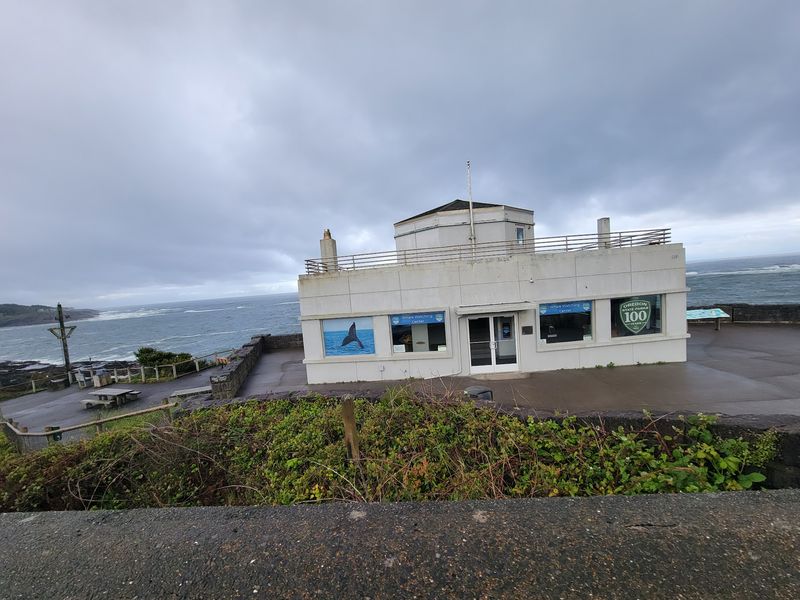
Sometimes the best seat in town is also free. The Whale Watching Center sits right on the seawall in Depoe Bay.
Oregon State Parks staff run this public facility. They share information about whales and provide binoculars for visitors to use.
That’s a big win on blustery days. You can scan the ocean from a sheltered spot instead of squinting through sideways rain.
The building has its own claim to fame as well. It’s listed on the National Register of Historic Places.
Questions are welcome, so don’t be shy. Ask what to look for, and you’ll spot spouts much faster.
The center makes a great first stop for newcomers. Learn the basics there, then head back outside with sharper eyes.
Families will appreciate the easy, no-cost access. It’s a simple way to turn a gray afternoon into a mini marine science lesson.
Check current hours before visiting, since schedules can change by season. Then grab those binoculars and start hunting the horizon.
Chowder Tastes Better When The Wind Is Howling
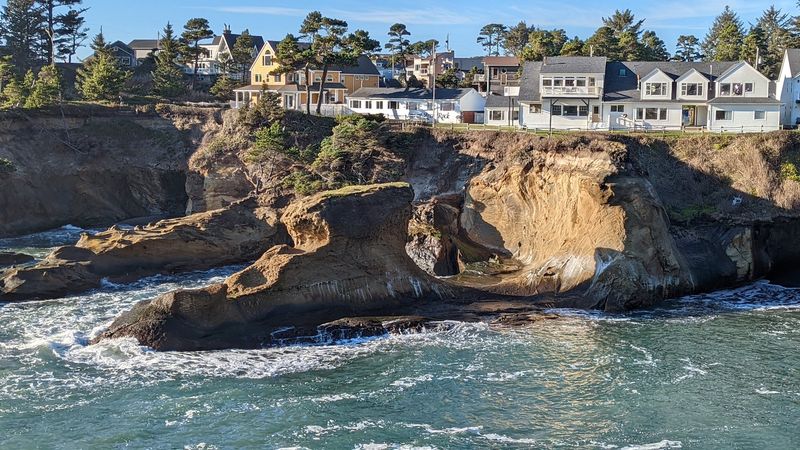
Storm watching builds a serious appetite. Luckily, Depoe Bay has seafood spots ready to warm you up after all that wind.
Tidal Raves Seafood Grill pairs ocean views with an upscale feel. Its menu includes dishes like Dungeness crab cakes and pan-fried oysters.
Watching the surf from a cozy table is a real treat. You get the drama outside and comfort food right in front of you.
Restaurant Beck offers an intimate setting with panoramic views of Whale Cove. Its gourmet entrees make it a great pick for a special night.
Craving something classic? The Chowder Bowl is known for its hearty bowls, a simple, warming pick after a blustery walk.
A hot bowl of chowder after a wet seawall stroll just makes sense. Your cold fingers will thank you.
Hours can shift in the off-season, so check ahead. Reservations are smart for view tables, especially on stormy weekends.
Book A Room Where The Storm Comes To You
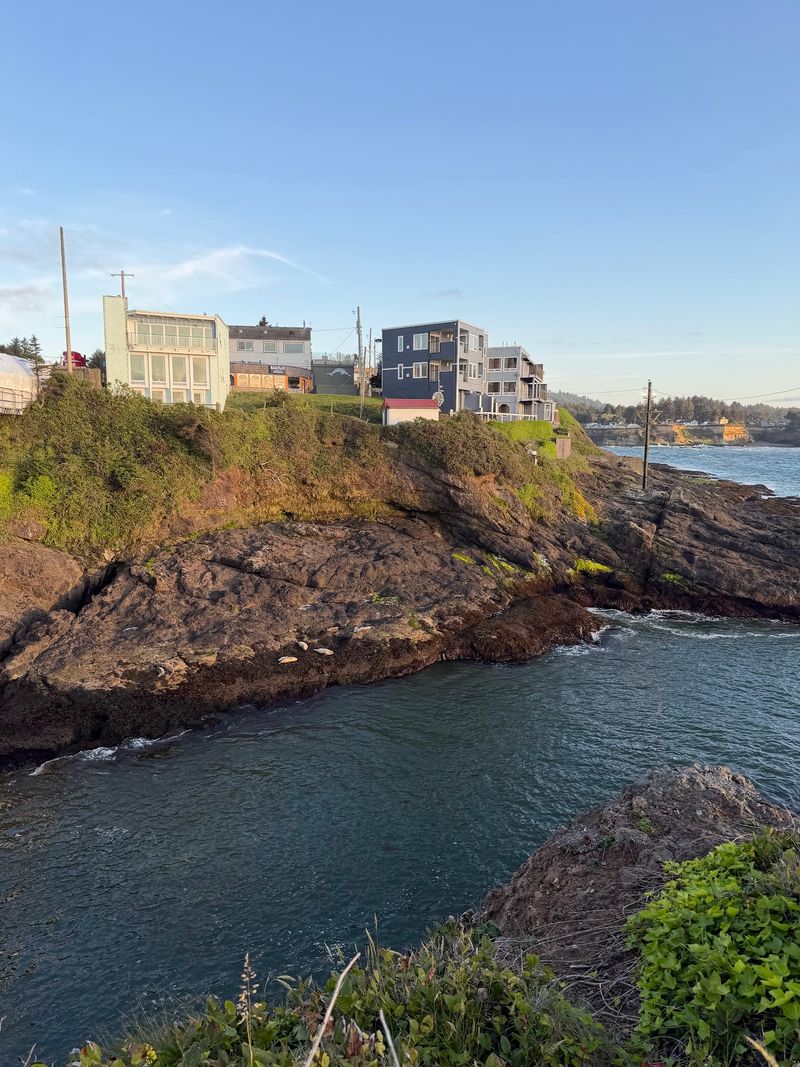
Watching a storm from a hot tub sounds a little ridiculous. At Channel House, it’s a real option.
This boutique hotel sits right on the coast with ocean views. Many rooms include binoculars, plus private decks with outdoor spa tubs.
That setup turns storm season into a cozy event. You can watch waves roll in without worrying about finding parking.
Whale Cove Inn, about a mile south of town, is another notable place to stay. Its eight rooms each come with a private outdoor hot tub, and it’s an adults-only retreat.
Ocean-facing rooms are the secret weapon for storm fans. When the weather turns wild, your window becomes the best viewpoint around.
Bring a good book and some warm socks. Then let the Pacific provide the entertainment all evening.
Winter can be a quieter time to plan a getaway. Still, popular rooms with views can book up, so reserve early.
Also, check room details before booking. Not every room has the same view or amenities.
Shopping On A Soggy Afternoon Gets An Ocean Soundtrack
More than 20 locally owned shops line the seawall. So when rain gets serious, you’ve got plenty of places to duck inside.
The variety is fun. You’ll find nautical and pirate-themed goods, clothing, books, and whale-themed souvenirs.
Shopping here comes with an unusual soundtrack. Waves keep crashing across the street while you browse.
The Whale, Sealife and Shark Museum is another indoor option. Its exhibits focus on local marine life, which is handy on drippy days.
Here’s a bonus for travelers: Oregon has no sales tax. That makes picking up a whale mug or new hoodie a little easier.
Visiting around the holidays? Downtown holiday lights go up starting Thanksgiving weekend.
Twinkling lights plus roaring surf is a pretty great combo. It gives winter evenings a festive feel even when the weather is grumpy.
Shop hours may be shorter in winter, so plan a little. Then wander, warm up, and repeat.
Nearby Viewpoints Turn One Storm Into A Road Trip
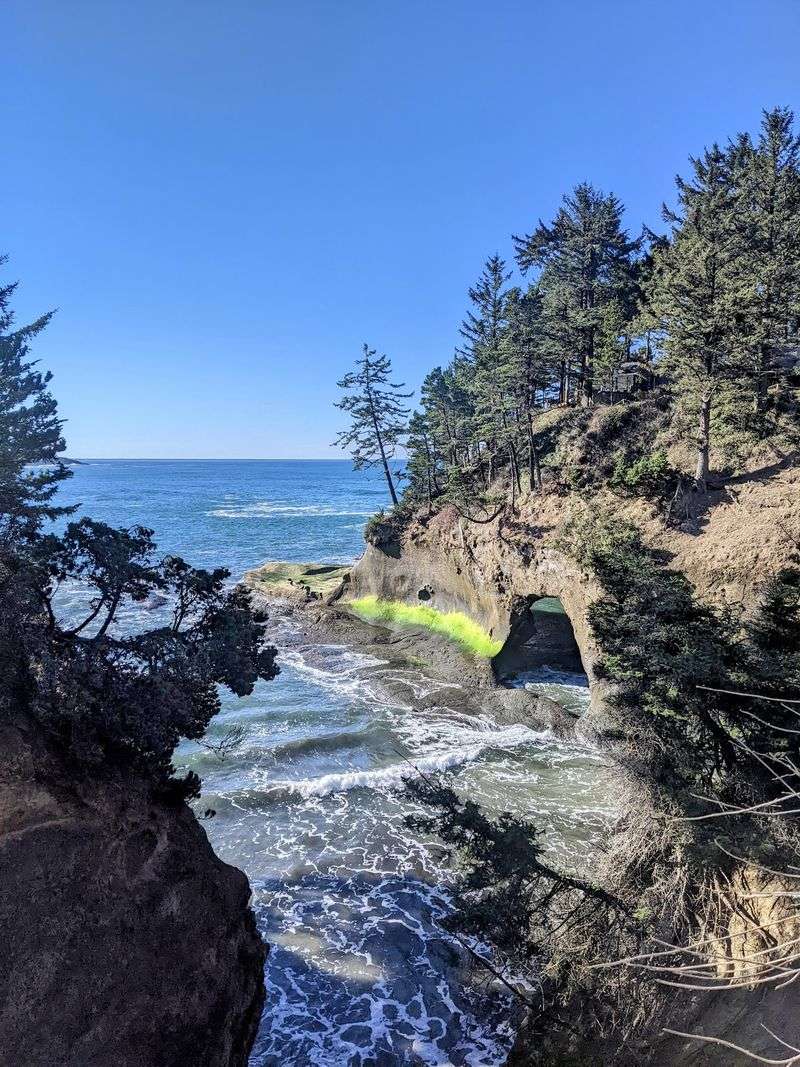
One viewpoint is great, but a handful is better. Several spots near Depoe Bay make excellent storm-watching stops.
Boiler Bay State Scenic Viewpoint is a strong first choice. Rocky Creek State Scenic Viewpoint is another dramatic spot close by.
The Otter Crest Loop leads to more coastal views. Cape Foulweather and Otter Crest State Scenic Viewpoint both deliver big vistas.
Head a bit farther, and you’ll reach Devils Punchbowl. Cape Perpetua is also known for excellent storm-watching opportunities on the Oregon coast.
Fogarty Creek State Recreation Area offers hiking and beach access. Its Fishing Rock Trail is a nice option between rain bands.
Know the weather before you roam. This area gets over 70 inches of rain a year, and fog is common.
Waterproof gear is a must, not a suggestion. Layers help too, since the wind can feel sharper than the thermometer says.
Stay on marked paths at every stop. The views are wild enough without getting closer.