
This Popular Michigan Lakeshore Is Home To More Snakes Than Visitors Might Expect
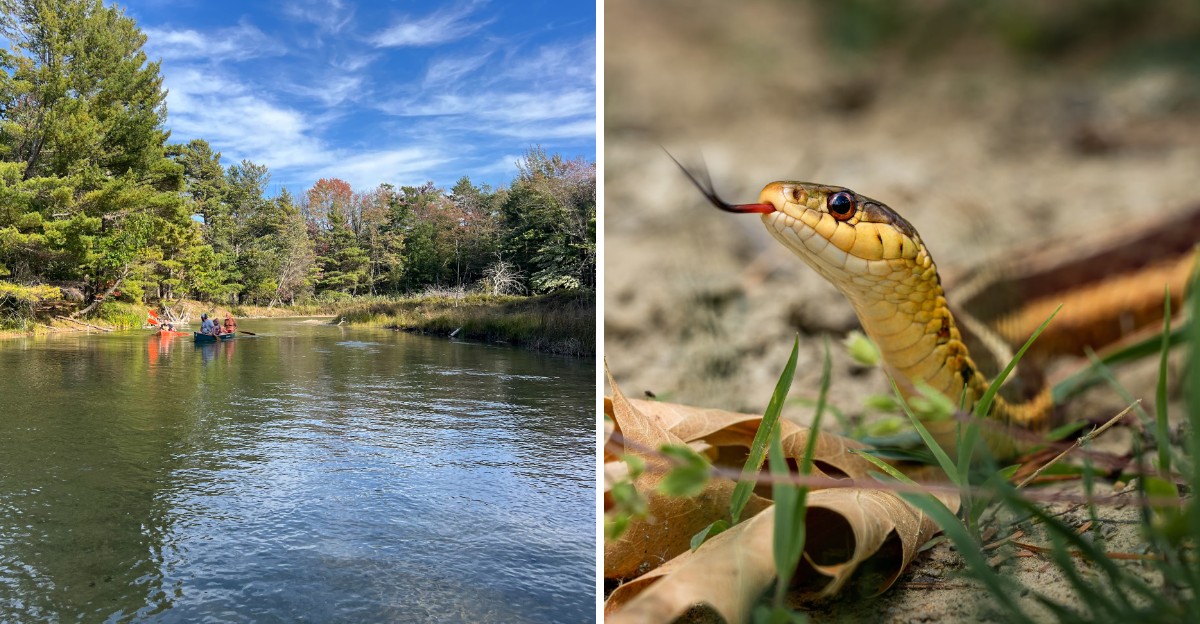
One snake at this famous dune park flips onto its back, sticks out its tongue, and plays dead when it feels threatened. It even adds a musky smell to sell the act.
That little drama queen is the eastern hognose. It shares the sand and forests with garter snakes, water snakes, milksnakes, and tiny ring-necked snakes.
The best part might surprise you. None of the reptiles native to this stretch of Michigan shoreline are venomous to humans. I appreciate that, since it lets me admire them instead of sprinting the other way.
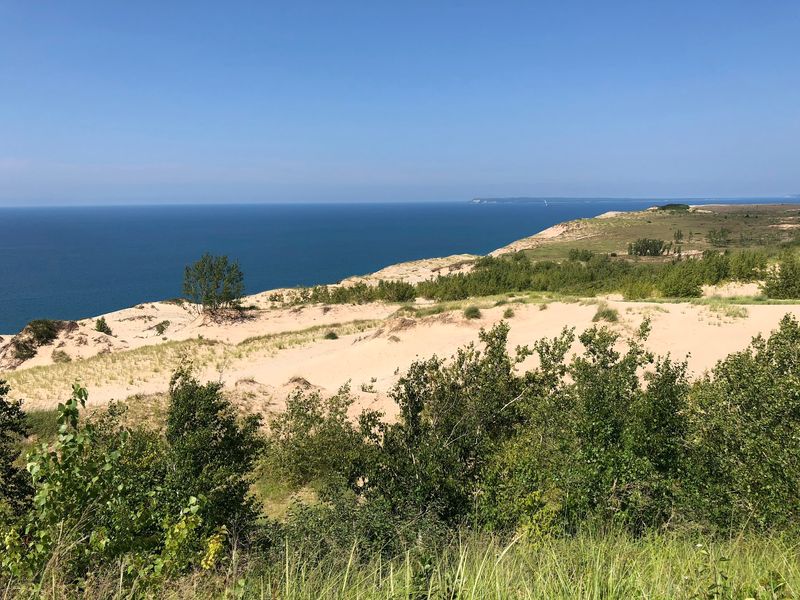
Most people come for the towering dunes and that blue Lake Michigan water. I’d still keep one eye on the trail edges. Who knew a quiet hike could come with a slithery supporting cast?
Relax, The Snakes Here Are More Show Than Threat
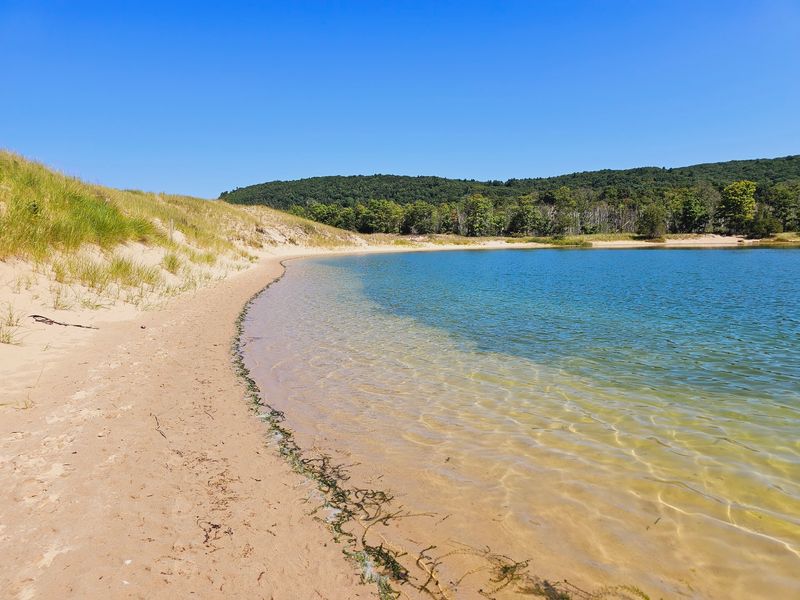
Good news first. Sleeping Bear Dunes National Lakeshore has no native reptiles that are venomous to humans.
That fact changes the whole mood of a hike. A rustle in the grass becomes a fun moment instead of a scary one.
The park stretches about 35 miles along the eastern shore of Lake Michigan. It covers more than 71,000 acres, including North and South Manitou Islands.
All that land holds forests, beaches, fields, streams, and huge dunes. Each habitat gives snakes a different place to hunt, hide, and soak up warmth.
Three species show up most often here. You’ll meet the eastern garter snake, the northern water snake, and the eastern hognose snake.
Two quieter neighbors also live in the park. The eastern milksnake and the northern ring-necked snake round out the cast.
Still, harmless does not mean you should grab one. Snakes are wild animals, and handling them stresses them out.
Give any snake plenty of room and let it go about its day. Snap a photo from a respectful distance, then keep walking.
Honestly, spotting one feels like a small bonus prize. Few souvenirs beat a good wildlife story.
Meet The Striped Snake You’re Most Likely To Spot
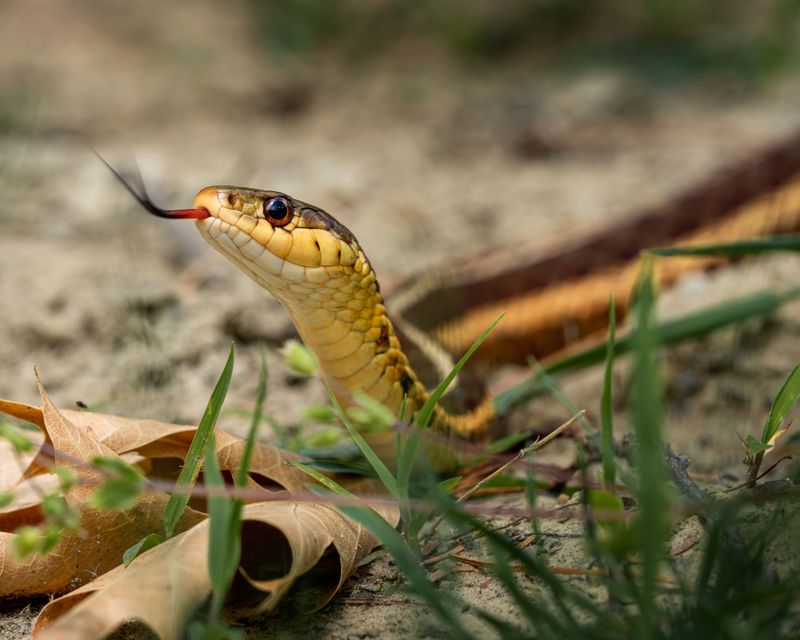
Dark brown with a pale stripe down the back. That simple outfit makes the eastern garter snake a master of the forest floor.
Garter snakes rank among the most common snakes at Sleeping Bear Dunes National Lakeshore. They usually grow up to about two feet long.
Their stripe helps them blend into leaves and shadows. You may walk right past one without ever knowing it was there.
Earthworms are their favorite meal. So damp spots on the forest floor make great hunting grounds for these slim snakes.
Here’s a fun detail for curious kids. Garter snakes give birth to live young instead of laying eggs.
Their saliva can be toxic to small prey. For people, though, it poses little threat at all.
Watch the trail edges on warm, sunny days. Snakes often bask to heat up their bodies, since they can’t make their own warmth.
If you see one, stop and enjoy the moment. Point it out quietly so others nearby can spot it too.
Then let it slide away on its own schedule. It was here first, after all.
This Swimmer Can Hold Its Breath Longer Than Your Whole Lunch Break
Over an hour underwater on a single breath. That’s the party trick of the northern water snake.
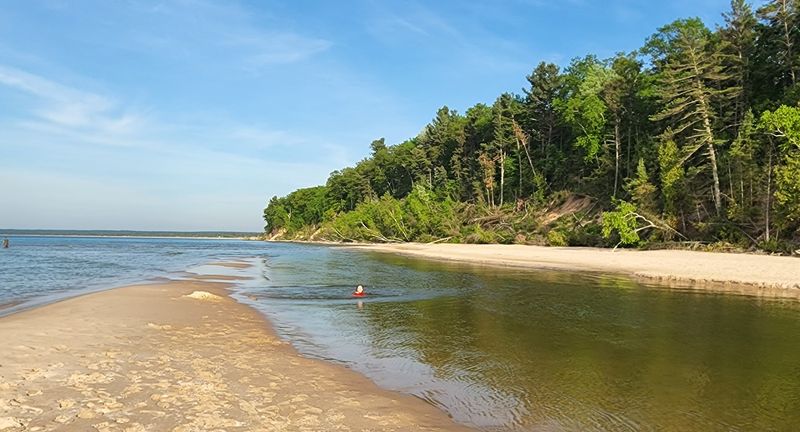
Look for these strong swimmers along lake and stream banks across the park. They’re brown with dark bands that help them blend into muddy shores.
Adults can reach two to four feet long. That makes them some of the larger snakes you might see at the lakeshore.
Frogs and fish fill most of their menu. So it makes sense they stick close to water, where dinner is always nearby.
Paddlers on the park’s rivers may get the best views. A water snake sunning on a branch or rock is a classic sight.
Don’t expect a long staring contest, though. These snakes are skittish and usually slip into the water when people get close.
That shy streak works in your favor. It means they would much rather leave than cause trouble.
Keep your hands to yourself and your camera ready. A calm, quiet approach gives you the best chance at a decent look.
Patience pays off here. So does a good zoom lens.
Give This Dramatic Actor A Standing Ovation
Hollywood would love the eastern hognose snake. When threatened, it rolls onto its back and plays dead.
The performance gets even better. It also releases a musky odor, just in case the act needs extra convincing.
You can recognize this snake by its upturned snout. It uses that shovel-like nose to dig burrows where it lays eggs.
Hognose snakes are fairly thick-bodied. Most are tan with brown spots, which suits the sandy ground they prefer.
They live in fields and forests with loose, sandy soil. Sleeping Bear Dunes has plenty of that, as you might guess.
Toads are a favorite food, along with frogs and salamanders. The hognose has mild, rear-fanged venom to calm its prey.
That venom is low pressure and considered harmless to humans. So the scariest part is honestly the acting.
If you spot one playing dead, please let it be. Poking it only stresses out a snake that’s already trying hard.
Walk away and give it time. The star usually flips back over once the audience leaves.
Two Shy Snakes Are Easy To Miss
Not every snake at the lakeshore wants attention. The eastern milksnake and the northern ring-necked snake keep a much lower profile.
Both live within Sleeping Bear Dunes National Lakeshore. Neither gets mentioned as often as the big three, which makes a sighting feel special.
The ring-necked snake earns its name from a light band around its neck. It’s small, so spotting one takes sharp eyes.
Milksnakes wear bold, blotchy patterns. They tend to stay hidden, so a glimpse is more luck than planning.
Remember that the whole snake lineup here is harmless to people. That makes searching for these secret neighbors a stress-free game.
Kids especially love a wildlife checklist. Try listing all five species and see how many your family can find.
Never flip logs or rocks to look for snakes. Those hiding spots are their homes, and disturbing them hurts the habitat.
Instead, scan sunny trail edges and keep your pace slow. Quiet walkers often notice the most.
Finding even one of these two? That’s bragging rights for the car ride home.
Start Your Snake Search At The Visitor Center
Before you hit the trails, swing by the Philip A. Hart Visitor Center. It’s the perfect home base for any Sleeping Bear Dunes trip.
You’ll find it at 9922 Front Street, Empire, MI 49630. The center opens daily from 9 a.m. to 4 p.m.
It closes only on Thanksgiving, Christmas, and New Year’s Day. The park itself stays open around the clock all year.
Inside, a large relief map shows the whole lakeshore. It’s a great way to understand where forests, dunes, and streams sit.
Interpretive displays and short movies explain the area too. They make a smart warm-up before you go looking for wildlife.
You can also handle your park entrance pass here. That saves a little hassle before heading to the busier spots.
Rangers can help with questions about trails and habitats. Ask where water-loving or sand-loving species tend to hang out.
I’d grab a map and plan a mix of stops. A creek walk and a sandy trail cover very different snake neighborhoods.
Planning ahead beats wandering aimlessly. Your legs will thank you later.
Your Calves Will Feel The Dune Climb Tomorrow
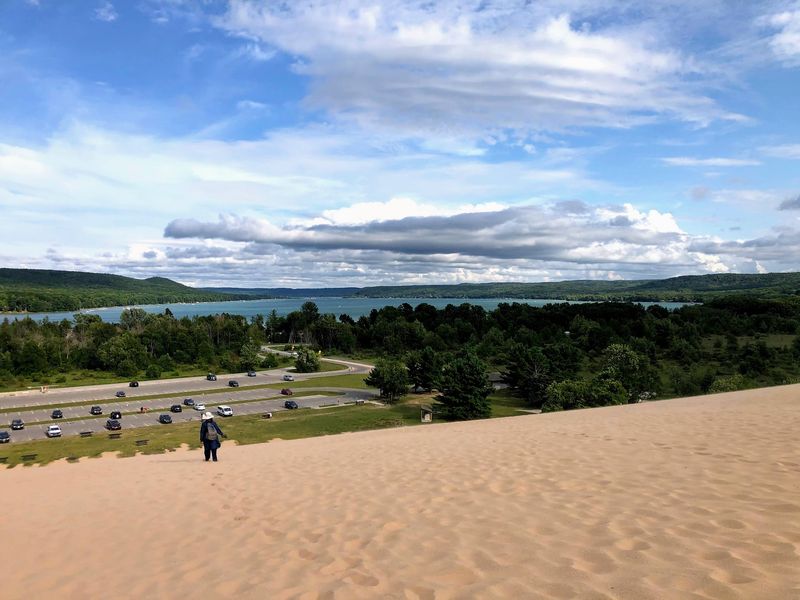
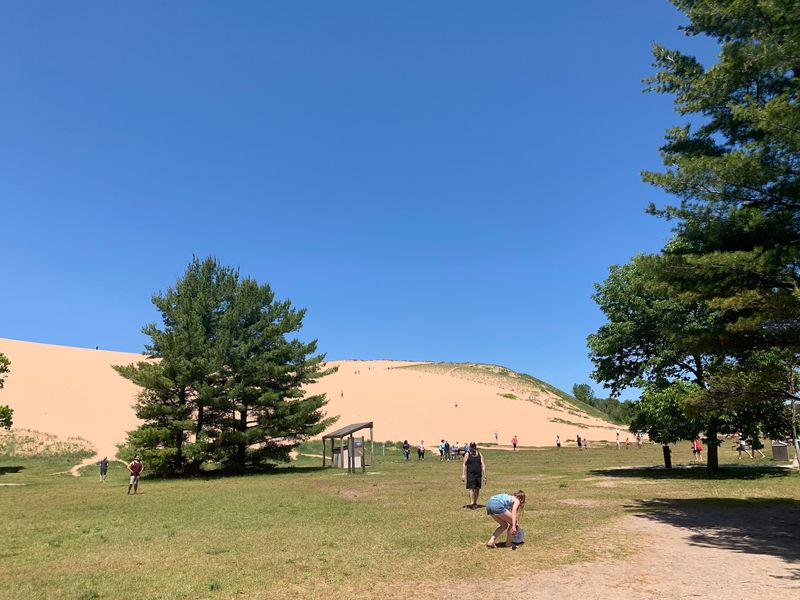
Sand that slides back with every step. Welcome to the Dune Climb, one of the most famous spots in the park.
This steep hill of sand is a rite of passage for many Michigan families. It’s tough, sweaty, and oddly fun.
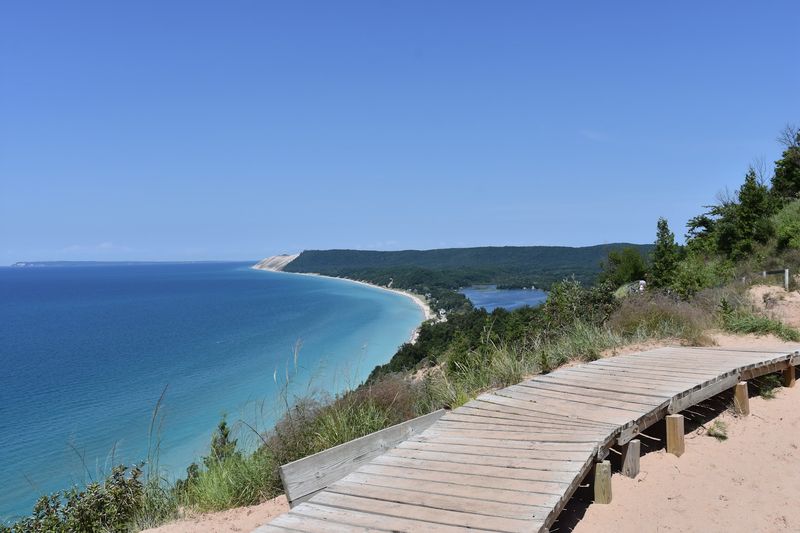
Dunes across the lakeshore rise high above the water. Overlooks at Sleeping Bear, Empire, and Pyramid Point bluffs sit around 400 feet up.
Bring plenty of water and sturdy shoes. Sun bounces off the sand, so a hat and sunscreen help a lot.
Sandy areas are also where hognose snakes like to dig. Keep an eye on the grassy dune edges as you rest.
Take breaks whenever you need them. There’s no prize for racing, and the views reward slow climbers just the same.
Going down is the easy part. Coming back up is where the real workout begins.
Pace yourself and know your limits before heading out far. Help can take time to arrive in remote dune areas.
Once you reach the top, look around. Lake Michigan stretching out below makes every gasp worth it.
Take The Winding Drive For Views Without The Sweat
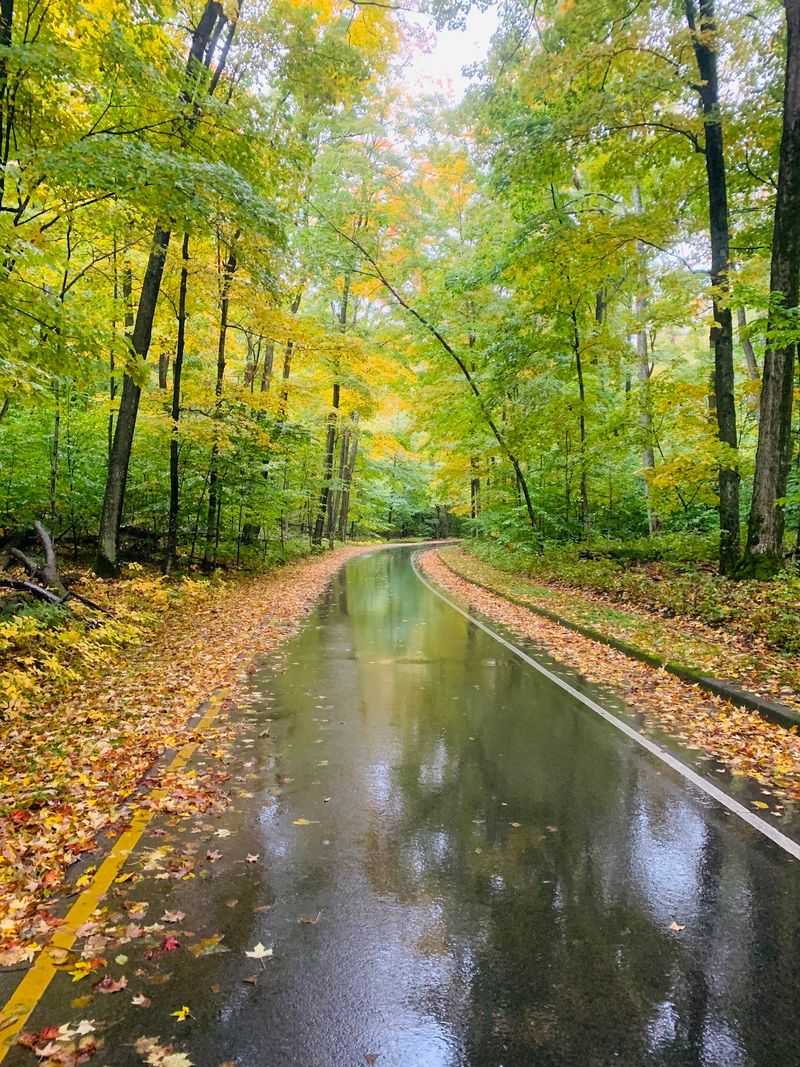
Not everyone wants a sand workout. Luckily, Pierce Stocking Scenic Drive delivers big views from behind the steering wheel.
The route winds through shady forest on a one-way road. Then the trees open up to numbered stops, overlooks, and trailheads.
Large signs along the way explain the land’s science and history. It’s like a classroom where the windows are absolutely huge.
The Lake Michigan Overlook is a crowd favorite. A massive dune drops steeply toward water that glows blue and green.
Climbing down that slope is easy. Getting back up is a serious grind, so think twice before committing.
Forest stretches along the drive offer more wildlife chances. Garter snakes love the leafy ground beside shady paths.
Fall paints the trees in warm colors, which makes the drive extra pretty. Summer brings longer days for lingering at each stop.
An entrance pass is required for the park. Plan for it before you arrive, since cell signal can be spotty.
I’d stop at every overlook. Skipping one feels like leaving cake on the plate.
Paddle, Hike, And Wander All Year Long
Established in 1970, Sleeping Bear Dunes National Lakeshore now welcomes more than 1.5 million visitors each year. That’s a lot of footprints in the sand.
The park offers all-season hiking trails across forests, bluffs, and beaches. Ancient glacial landforms shaped much of this dramatic landscape.
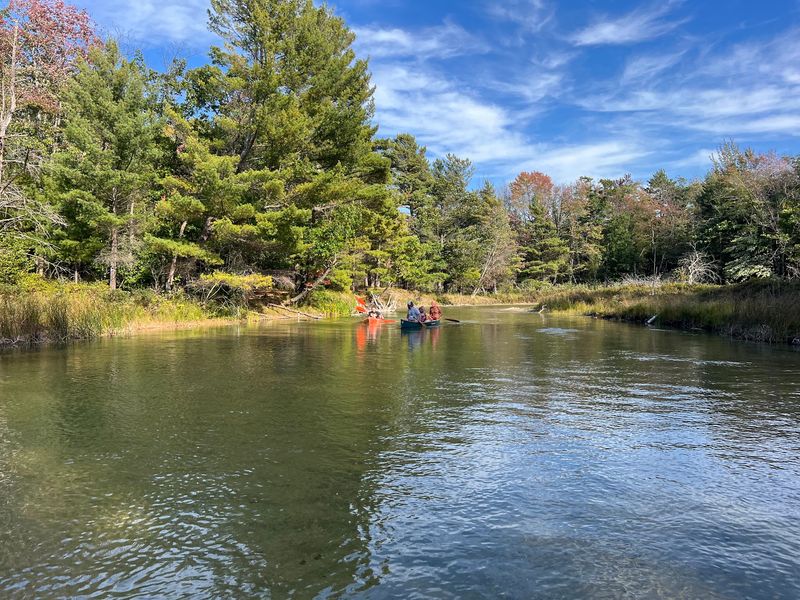
Paddling on the rivers is another favorite activity. Calm water and leafy banks set the stage for spotting northern water snakes.
Beaches invite slow walks along the Lake Michigan shore. Glen Haven offers a lovely stretch for strolling.
Warmer months bring the best snake season. Cooler months bring quiet trails and a totally different mood.
Whatever the season, follow simple wildlife manners. Stay on trails, keep pets controlled, and never feed or handle animals.
Pack water, snacks, and layers for changing lake weather. Fog can roll in and hide the views without warning.
I’d plan more than one day if possible. The park is too big to squeeze into a quick afternoon.
Come for the dunes and stay for everything else. The snakes are just the unexpected cherry on top.