
This Quiet Illinois Town Was Once The State Capital, And Its 1836 Statehouse Still Stands
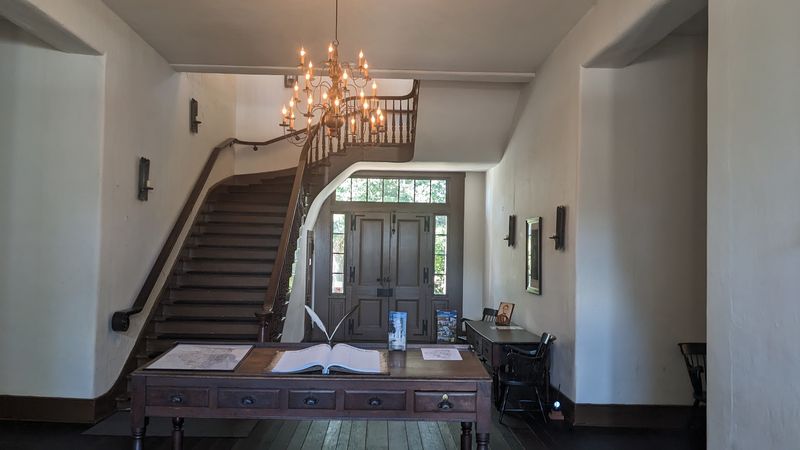
A whole state capitol went up in roughly 90 days, and it still stands. Locals built it in a hurry, hoping to keep the government from packing up and leaving town.
It didn’t work for long, but the building outlasted the argument.
The floors upstairs are original wood from the 1830s. A young lawmaker named Abraham Lincoln crossed those same boards.
He later spoke out against slavery for the first time in that building.
I love that this slice of Illinois history sits on a calm small-town square. There are no velvet ropes stretching for miles and no ticket lines snaking around the block.
It’s just a white Federal-style building, a grassy lawn, and a lot of stories.
So how did a town most people zoom past on the interstate end up holding all this? The answer starts with a hurried construction project.
A White Brick Capitol Waiting On A Small-Town Square
Few state capitols feel this approachable. The Vandalia Statehouse State Historic Site sits right in downtown Vandalia, a small town in south-central Illinois.
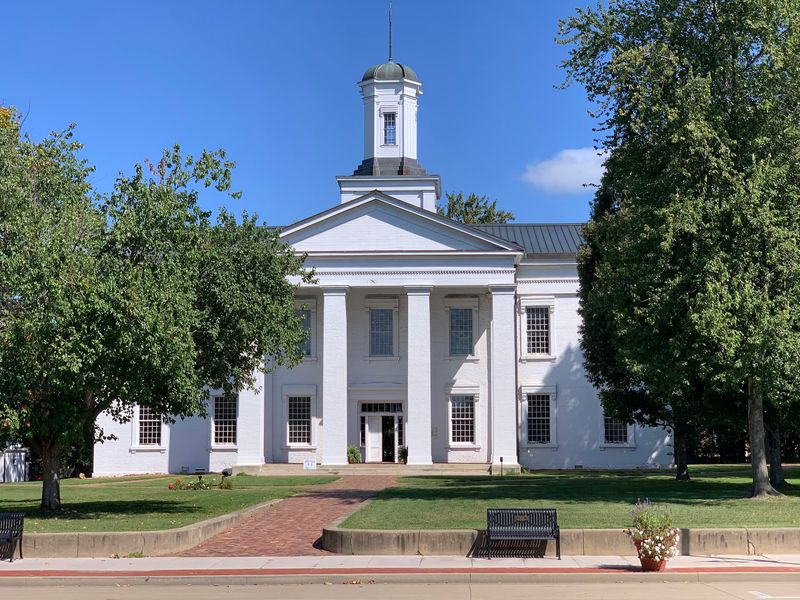
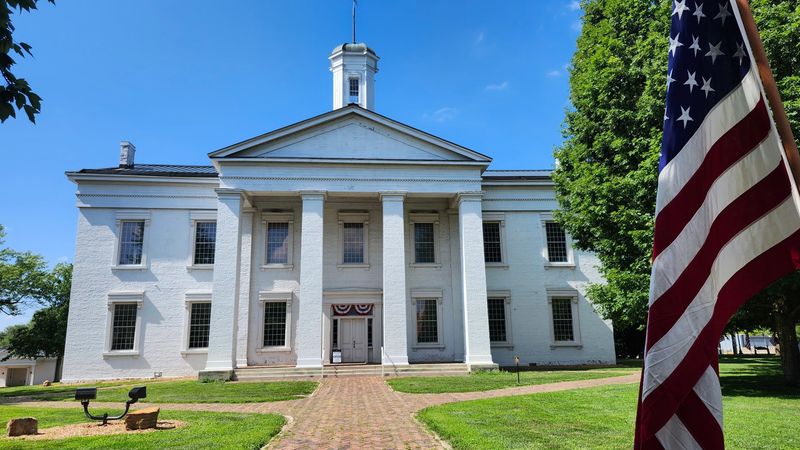
The building dates to 1836, and it served as the state capitol until 1839. That makes it the oldest surviving capitol building in Illinois.
Springfield got the job next, but Vandalia kept the oldest one standing.
Its look is classic Federal style, with painted white brick and tall windows. The grounds around it are landscaped and easy to stroll.
A grassy lawn wraps the building, so kids have room to stretch their legs.
Getting there is simple for most Illinois families. Vandalia sits along I-70, roughly an hour and change from Springfield and closer still from the St. Louis metro side.
Chicago families should plan on a longer road day, so it pairs well with a weekend trip.
The best part is how easy it is to fit into a drive. Many travelers hop off the interstate just to see it.
You can stretch your legs, learn something real, and be back on the road without wrecking the schedule.
That’s a pretty great trade for a short detour.
Ninety Days Of Hammering To Keep The Capital In Town
Talk about a deadline. Vandalia residents put this statehouse up in about 90 days in 1836, hoping lawmakers would stay put.
The town had been the capital since 1819. Kaskaskia held the title first, but flooding and an awkward location pushed leaders to pick Vandalia.
For about two decades, this small spot ran the young state of Illinois.
The building you see today is actually the fourth capitol to stand in Vandalia. Earlier ones were less sturdy, and one was lost to fire.
Rumblings about moving the government kept getting louder, so the town built something grand to change minds.
Here’s the twist. As soon as the new building opened, lawmakers took up the idea of moving the capital to Springfield.
The move happened in 1839, just three years later.
That’s a lot of effort for a short stay. Still, the rush job paid off in a different way.
Out of four Vandalia capitols, this is the only survivor.
I can’t help but admire the stubbornness behind it. The town lost the argument but kept the building, and Illinois history is richer for it.
Original Wooden Floors Where Young Lincoln Made His Start
Abraham Lincoln was in his twenties when he served here as a state legislator. He held that role from 1834 to 1839, and this building was part of that early chapter.
Lincoln got his political start in Vandalia. He also delivered his first public words against slavery in this statehouse.
He became officially a lawyer while serving here too, which adds another layer to the story.
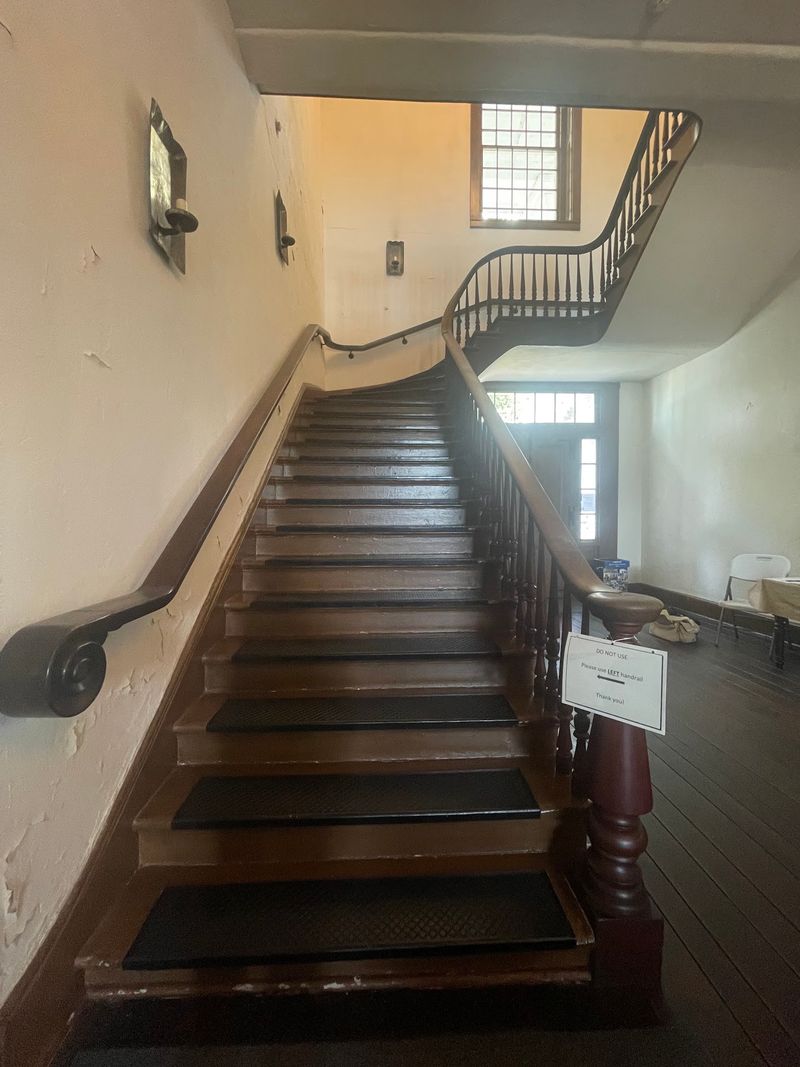
The second-floor wood floors are original. Yes, those boards are the real deal.
You can walk where Lincoln walked, and that hits differently when you’re standing in the actual room.
Kids who only know Lincoln from pennies and posters may find this pretty cool. He wasn’t famous yet.
He was a lawmaker learning the ropes, arguing over bills like everyone else.
Stephen A. Douglas also served in Vandalia during this era, so the building holds both names from that later famous rivalry.
A small exhibit on the first floor highlights Lincoln’s connection to the site.
High ceilings and tall windows frame those upstairs rooms. It’s easy to picture a crowd of frontier politicians packed in, debating the future.
House And Senate Chambers Dressed For The 1830s
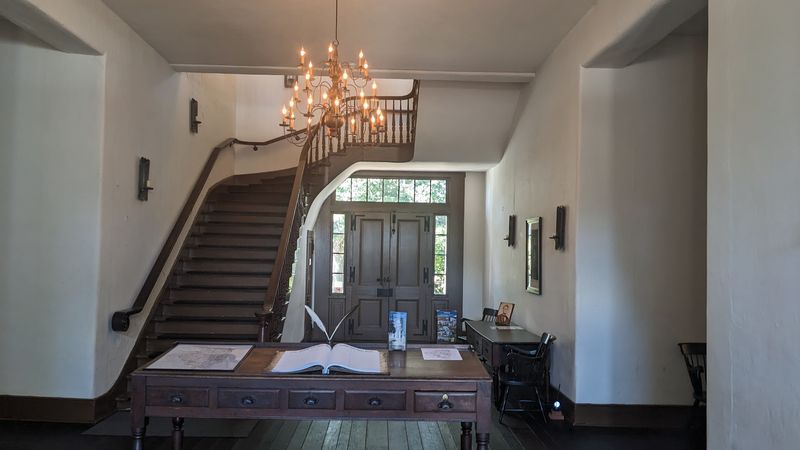
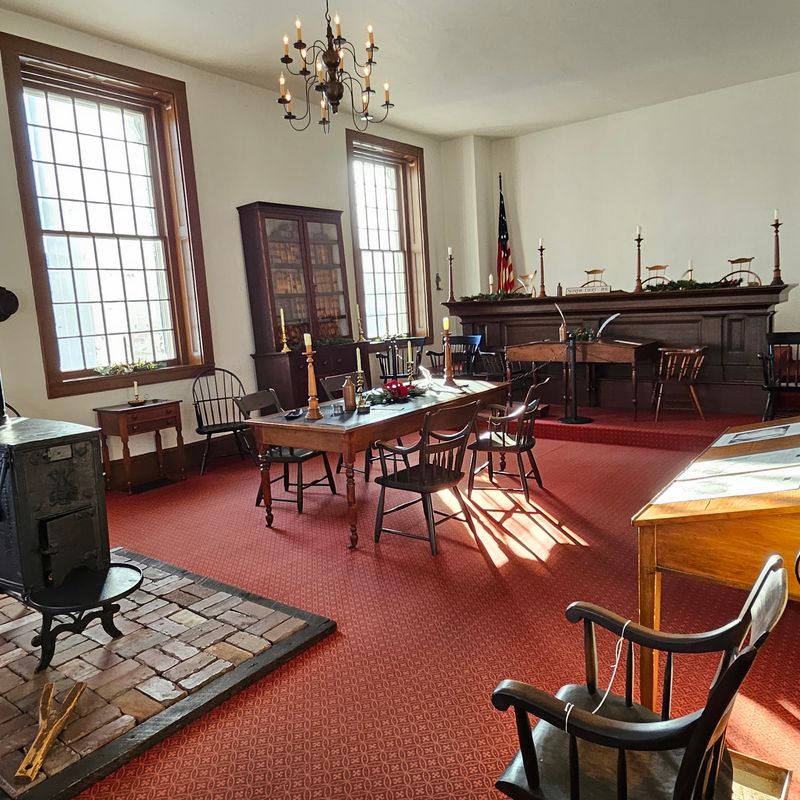
Upstairs is where the big lawmaking happened. The second floor holds recreated House and Senate chambers furnished to match the 1830s.
Rows of period furniture fill the rooms. The setup gives you a sense of how crowded and lively sessions might have felt.
Seeing both chambers side by side is often a favorite part of a visit.
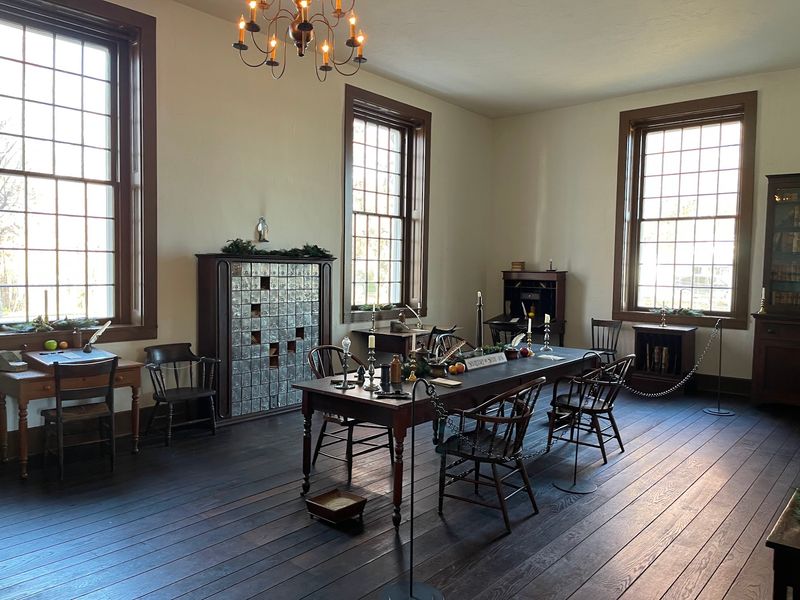
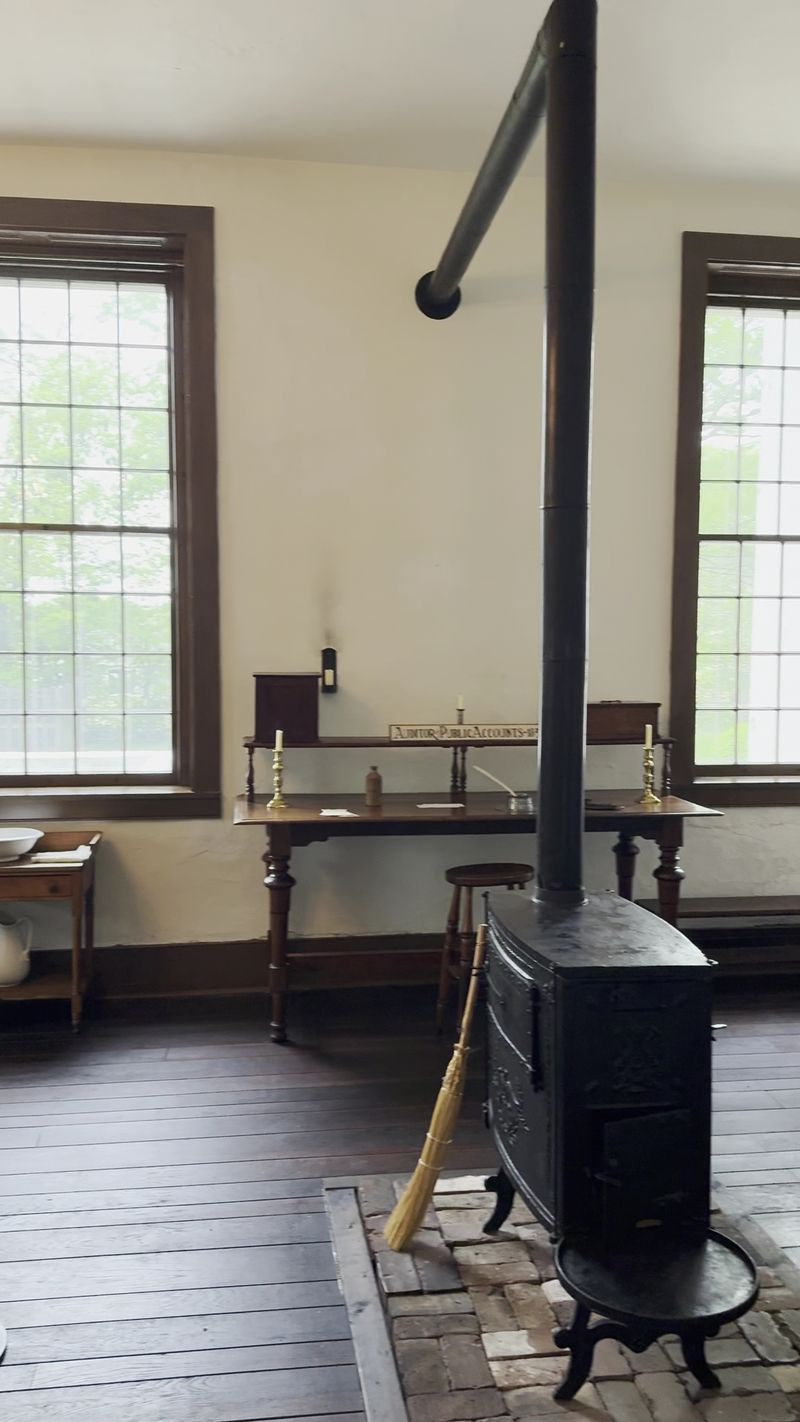
Downstairs offers its own peek at early government. The first floor holds offices for the Auditor, Treasurer, and Secretary of State.
Each room is furnished in a historical style, so the whole building tells one story.
Informational signs fill in details as you go. You don’t need a history degree to follow along.
Older kids can read the panels, while younger ones can hunt for old-fashioned objects.
One fun game for families is spotting what’s missing. No light switches, no computers, no microphones.
How do you run a state like that?
That question alone can keep a ten-year-old busy. It also makes the rooms feel less like a museum and more like a time capsule.
The building really wants you to imagine the noise.
Friendly Guides And Costumed Interpreters Bring It Alive
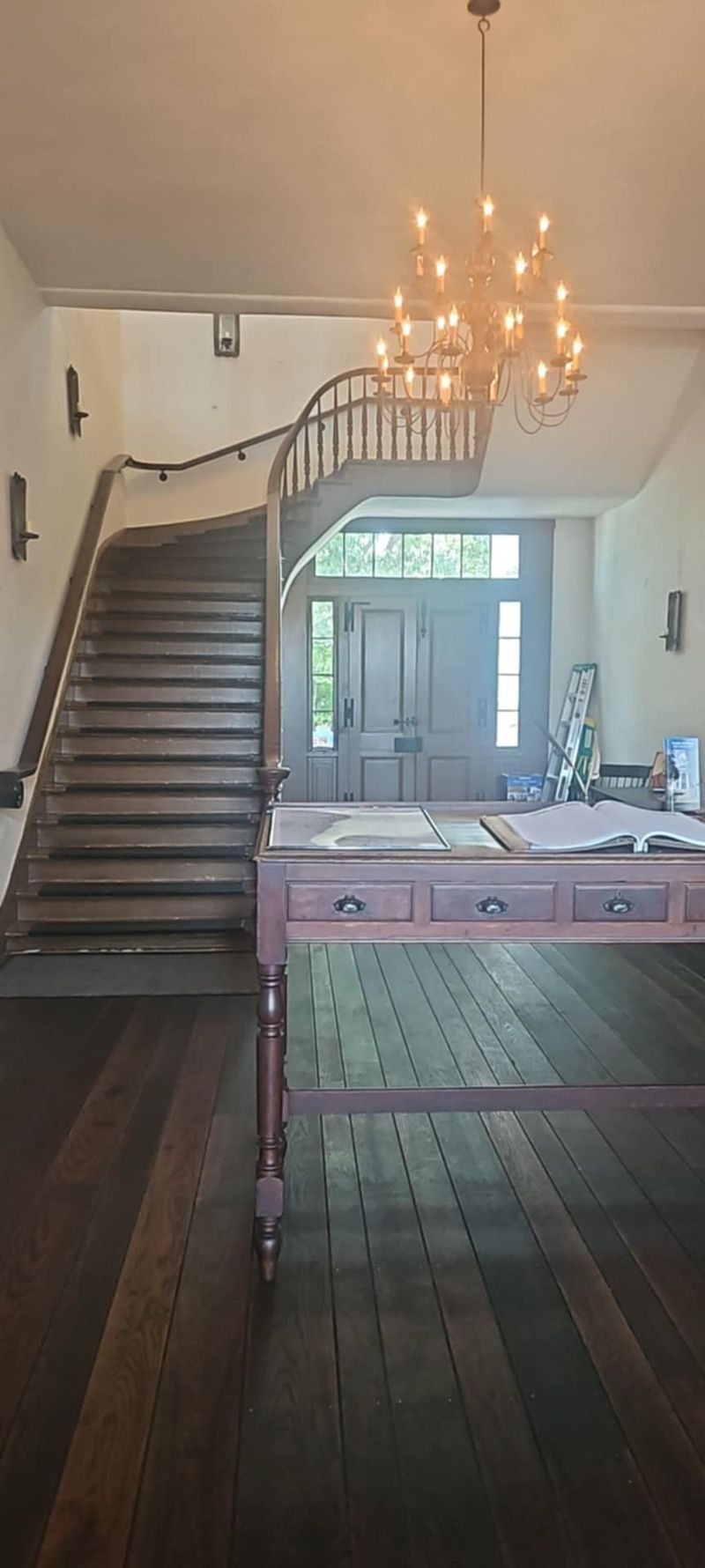
Questions are welcome here. Staff at the Vandalia Statehouse are known for being knowledgeable, especially about Lincoln’s early life.
You can choose your style of visit. Guided tours are available, or you can wander the rooms at your own pace.
The self-guided option works well with little ones who move fast.
Timing can add a bonus. Interpreters in 1830s period dress are on-site from May through September, Thursday through Sunday.
Schedules can shift, so check ahead before promising costumes to the kids.
A chat with a staffer can fill in quirky details the signs don’t cover. Ask about the 90-day build or the push to move the capital.
Those stories land better when someone tells them in person.
Most visits run about 20 to 30 minutes if you read the panels. History fans could easily stay longer, so build in some cushion.
It would be a shame to rush the upstairs chambers.
The pace stays relaxed, and the building tends to be quiet. That calm makes it easier for kids to listen and parents to actually read something for once.
The Madonna Of The Trail Guards The Corner
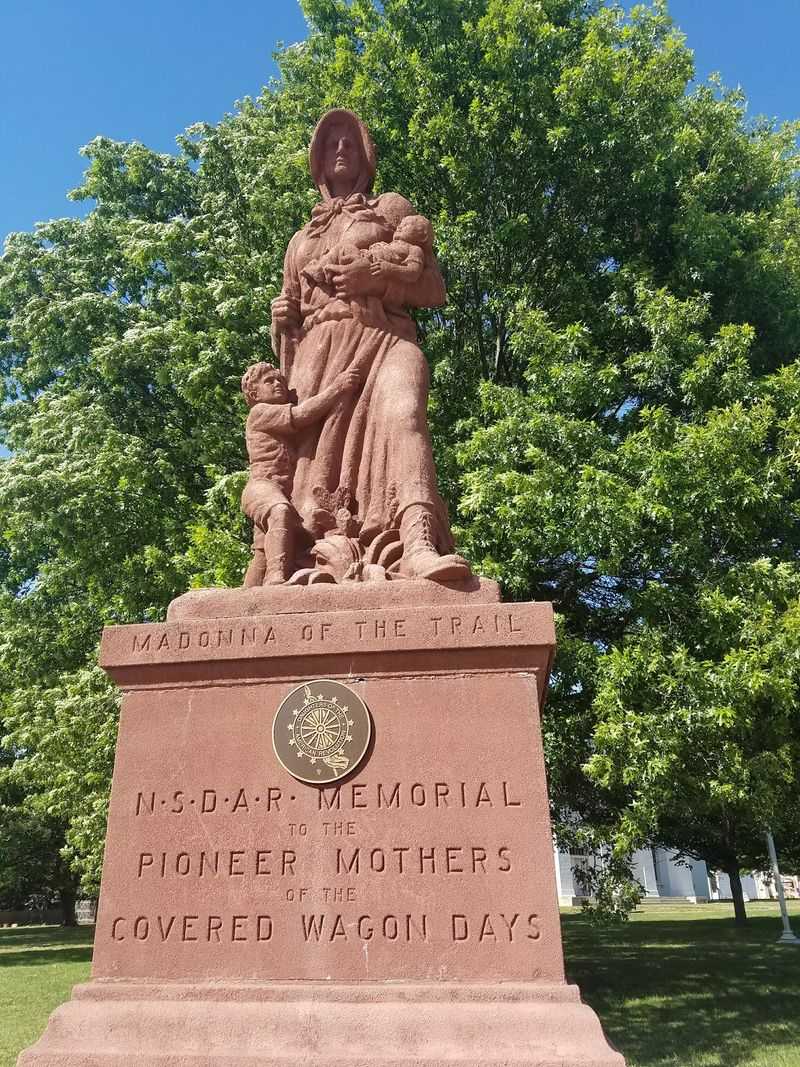
Out on the southwest corner of the lawn stands a tall pioneer mother. She holds a baby, with a young child at her side, and she’s been there since 1928.
She’s the Madonna of the Trail statue. Twelve of these statues stand across the country.
Vandalia’s version marks the town as the western end of the historic National Road.
That road was a big deal. It connected the East Coast to the nation’s interior, starting in Cumberland, Maryland.
Its stopping point here shows how important Vandalia once was.
Families tend to love this stop because it’s outdoors and easy. Kids can run around the statue while parents snap photos.
No admission desk, no hushed voices needed.
It also gives a nice link between the statehouse story and the bigger American story. Settlers, wagons, and lawmakers all fit together here.
Suddenly, a quiet square looks like a crossroads.
Want more? The National Road Interpretive Center in town digs deeper into the route.
Pair it with the statehouse for a fuller picture of why this small Illinois town mattered so much.
Gardens, Markers, And A Bronze Lincoln Nearby
Stretch the visit past the front door. The grounds around the statehouse are pleasant to walk, and historical markers dot the surrounding blocks.
Head up the block and you’ll keep bumping into history. Signs around the square fill in stories about early Vandalia.
It’s a good low-key walk if the kids still have energy to burn.
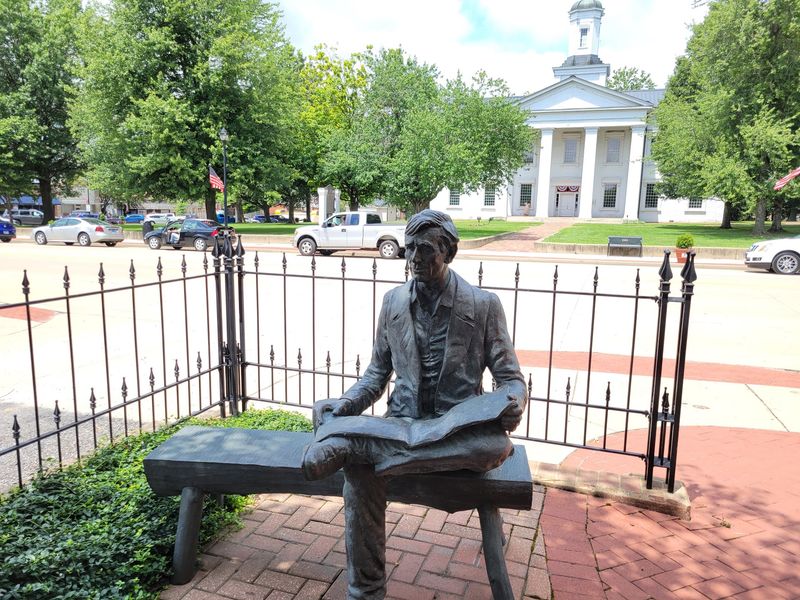
Lincoln Park adds even more. It has a fountain, a gazebo, and a life-sized bronze statue called Sitting with Lincoln.
Yes, you can sit right next to him for a photo.
That bench shot might become the family favorite of the day. It’s a fun bookend to walking his old floorboards.
One moment you’re in his workplace, the next you’re sharing a seat.
The Fayette County Museum is another nearby stop. It sits in a Gothic-style former church and holds local history exhibits plus a 1917 pipe organ.
Check ahead for its hours before planning around it.
Together these spots turn a short visit into a half-day outing. The downtown area stays compact, so little legs won’t get too worn out between stops.
Who Will Get The Most Out Of A Stop Here
History buffs, obviously. But this place also works for road-trippers, homeschool families, and anyone with a Lincoln-obsessed kid.
The atmosphere is calm and uncrowded most of the time. That’s a gift if your kids get overwhelmed in big, noisy museums.
Here, you can actually hear each other ask questions.
Elementary-age kids often enjoy the hands-off treasure hunt feel of the rooms. Middle schoolers studying Illinois history get a real-world link to their textbooks.
Teens might even admit it’s interesting, which counts as a win.
Toddlers may find it short on action. The outdoor lawn and nearby park help balance that.
Plan a quick indoor loop, then let them run.
Travelers crossing Illinois on I-70 also get a smart break here. It’s a short detour that beats another gas station stop.
Twenty or thirty minutes can turn a dull drive into a story.
Grandparents tend to fit right in too. The pace is gentle, and the first floor is accessible.
It’s the rare outing where three generations can enjoy the same thing.
Hours, Parking, And Accessibility Before You Go
Plan around a midweek closure. The site is generally open Wednesday through Sunday, 9 a.m. to 4 p.m., and closed Monday and Tuesday.
Hours can change, especially around holidays or staff breaks. Some travelers have found the doors closed during posted hours.
A quick check ahead saves a disappointed carload.
The address is 315 W Gallatin St, Vandalia, IL 62471. Street parking is available nearby, including a designated accessible space.
That makes arriving with a stroller less of a hassle.
Accessibility comes with one limit. The first floor is accessible to everyone, but the second floor with the chambers is not.
A banner with images of the upper level helps fill that gap for visitors who can’t climb stairs.
Accessible restrooms are on-site, which parents will appreciate. Snacks and meals happen elsewhere, so plan food stops in town.
Summer brings the costumed interpreters, but also humid Illinois heat outside. Spring and fall make the outdoor walk around the square more comfortable.
Winter visits work fine too, since the main event is indoors.
A Short Detour That Leaves A Long Impression
Three years as capital. Nearly two centuries as a survivor.
That’s a pretty impressive résumé for a building raised in a rush.
The Vandalia Statehouse State Historic Site packs a lot into a small footprint. You get original Lincoln-era floors, two restored legislative chambers, and a statue that marks the end of the National Road.
All of it sits on one easy downtown square.
I believe the best history stops make the past feel close. This one does that well.
Standing upstairs, it’s not hard to picture young Lincoln finding his voice.
It won’t eat your whole day, and that’s part of the charm. Families can pop in, learn something, and still have time for the park or a lake outing.
Vandalia Lake sits just a few miles northwest of town for later.
Illinois has bigger museums and flashier attractions. Few of them let you stand in the exact room where a future president started out.
So next time I-70 stretches long and the kids get restless, take the exit. A white brick building is waiting, and it has stories to tell.