
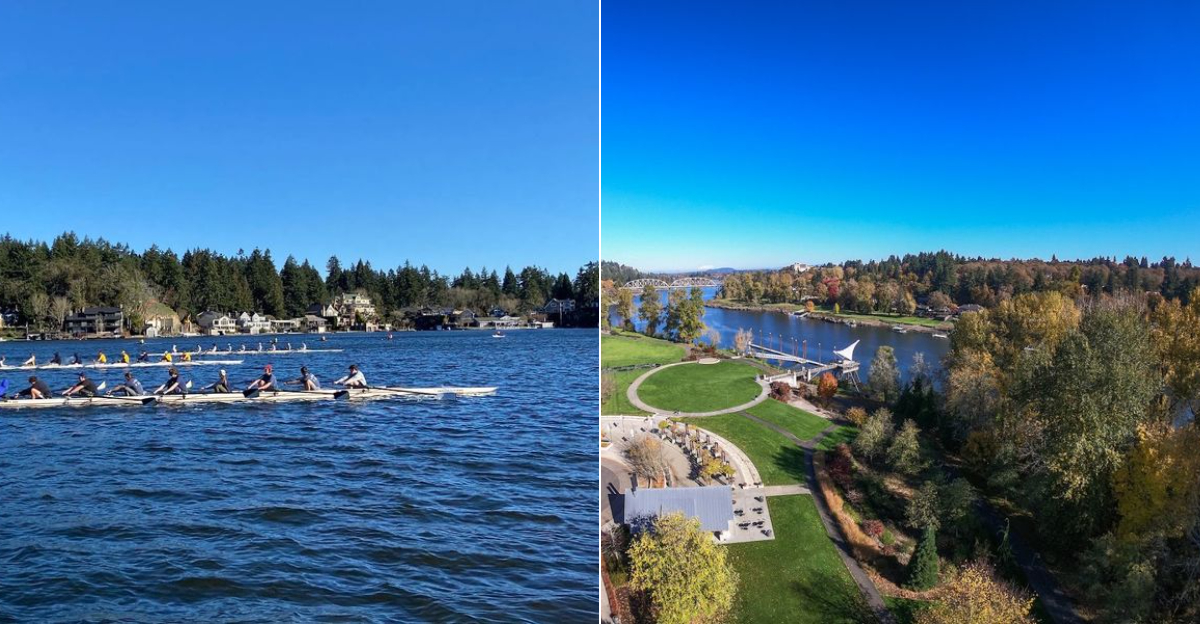
How often do travelers get the chance to paddle, explore, and relax somewhere that has sparked so much conversation? The view is only part of the appeal.
Now the shoreline feels more welcoming, and the water is ready for kayaks, paddleboards, and peaceful afternoons. There is something satisfying about finding a place that invites people to slow down and enjoy what is right in front of them.
Take a break from busy schedules and spend time outdoors. A visit here offers fresh air, open water, and one more reason to see why Oregon continues to attract people looking for memorable adventures.
A Lake With A Past
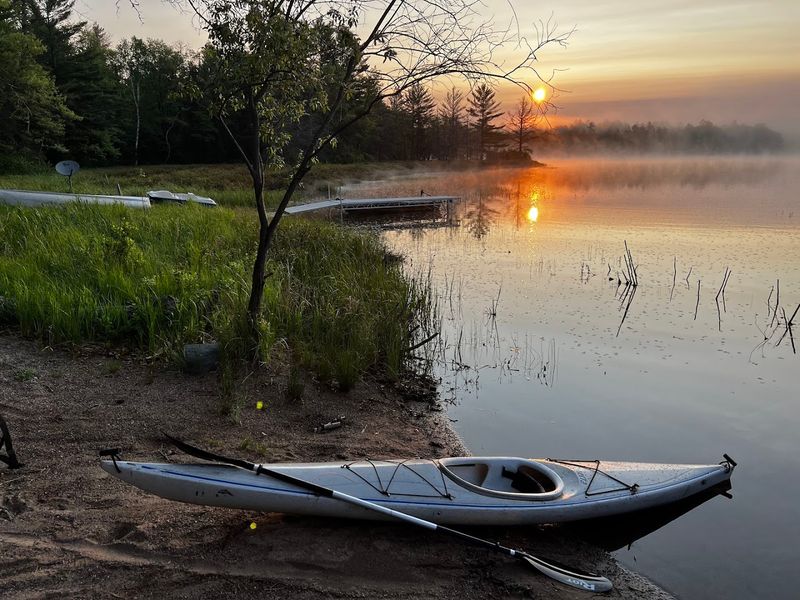
Not every lake comes with legal drama, but Oswego Lake does. This roughly 430-acre reservoir in Lake Oswego, Oregon, was expanded by a dam and has long been treated as a private retreat for waterfront homeowners and select residents.
For most of its modern history, the Lake Oswego Corporation, funded by lakefront owners and neighborhood easement associations, managed access to the water. If you did not live on the lake or pay into the Corporation, the lake was simply not yours to enjoy.
That setup frustrated a lot of people for a long time. Open-water swimmer Todd Prager and kayaker Mark Kramer decided in 2012 to challenge those restrictions legally.
They argued that Oswego Lake is a navigable public waterway under Oregon state law.
Oregon’s public trust doctrine says navigable waters belong to the people. That argument set off a legal chain reaction that lasted over a decade.
Have you ever looked at a lake and wondered if you were even allowed to stand near it?
The 2025 Court Ruling
March 2025 brought a landmark moment for Oswego Lake. A Clackamas County Circuit Judge ruled that the City of Lake Oswego must stop blocking public access to the lake from Millennium Plaza Park.
The city was ordered to remove “no trespassing” signs and tear down physical barriers that had kept the public away. That ruling felt like a turning point for many Oregon residents who had followed the case for years.
Visitors can now access the lake from Lower Millennium Plaza Park during specified hours, and the city hired a seasonal Park Ranger to manage the new public entry and enforce rules. Non-motorized watercraft are welcome at designated entry and exit points.
It sounds straightforward, but the story did not end there. The Lake Oswego Corporation quickly launched an appeal to challenge the decision.
The city itself voted not to appeal, but the Corporation’s separate action keeps the legal question alive.
Both Sides Of The Debate
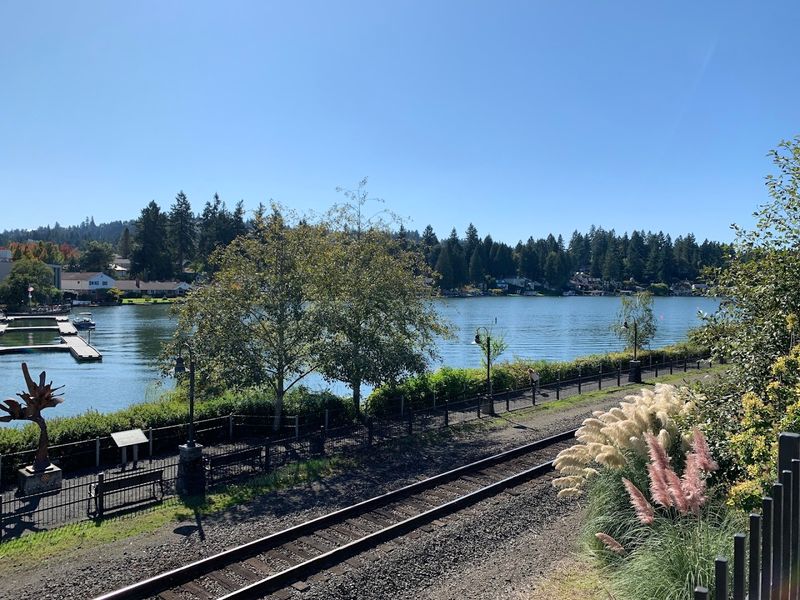
Every debate has two sides, and this one is no exception. Supporters of public access argue that a navigable waterway in Oregon belongs to everyone, not just those who can afford lakefront property.
They point to the public trust doctrine as a clear legal foundation. Visitors say they are glad to finally share in the lake’s beauty.
On the other side, the Lake Oswego Corporation and many residents raise real concerns. They worry that a surge in recreational traffic could create safety hazards on the water.
They also flag the risk of invasive species hitching rides on boats and kayaks from other waterways.
Water quality is another sticking point. Oswego Lake has already experienced health advisories due to harmful algal blooms, and some residents fear increased access could make that worse.
Then there is the money question. The Corporation’s members have historically paid for the lake’s maintenance.
If public access expands, who picks up that tab? Can a community find a fair middle ground when the stakes feel this personal?
Oregon is watching closely to see how this plays out.
What The Lake Looks Like
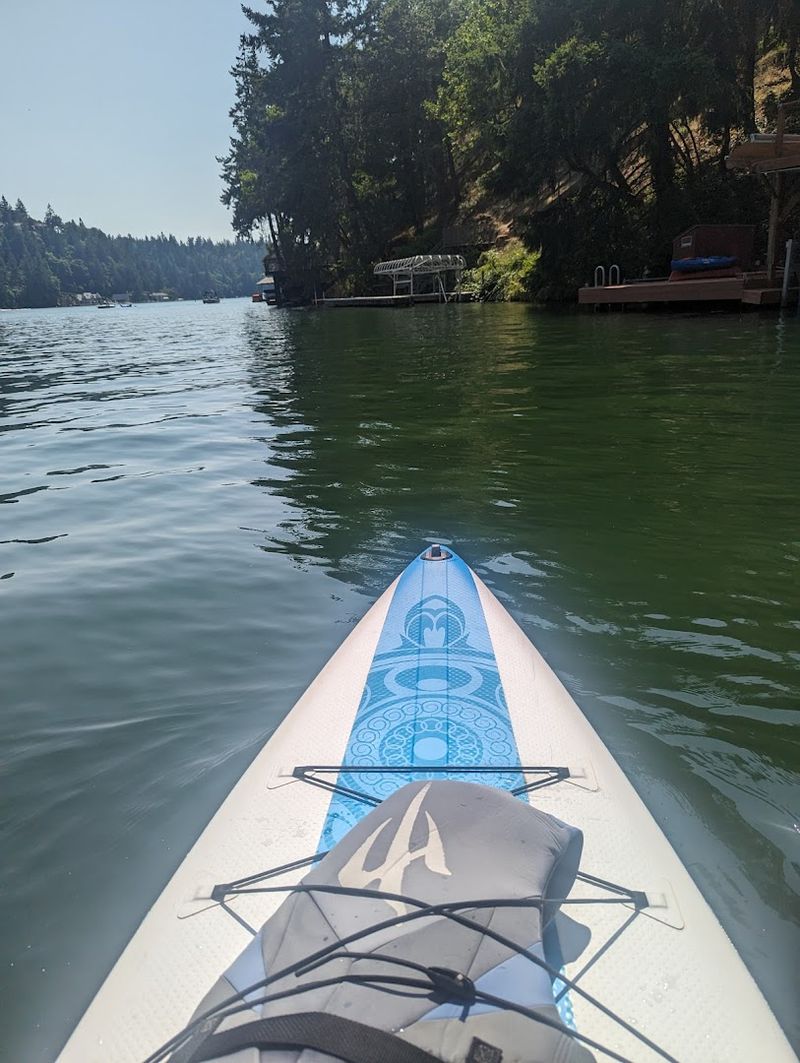
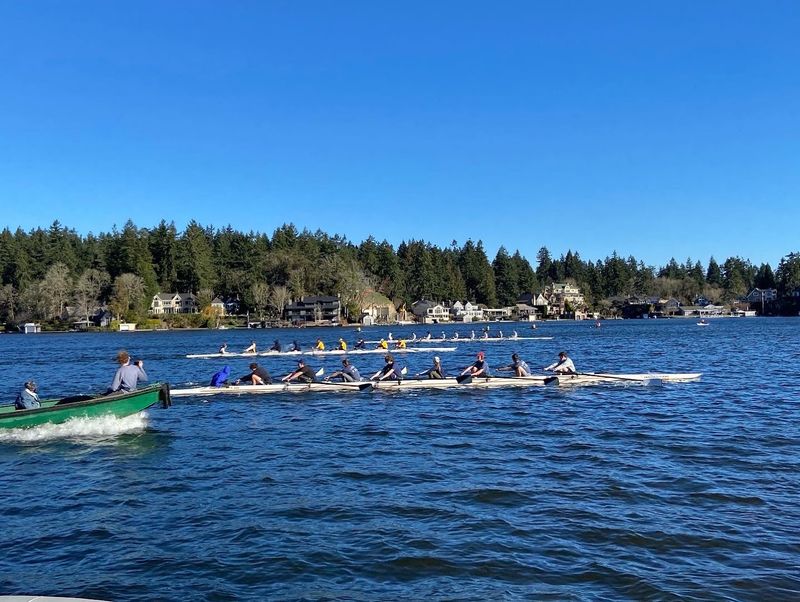
Set aside the legal drama for a moment and just look at the water. Oswego Lake is genuinely beautiful.
Small bays curve along the shoreline, and little islands dot the surface in a way that makes the whole scene feel almost too tidy to be real.
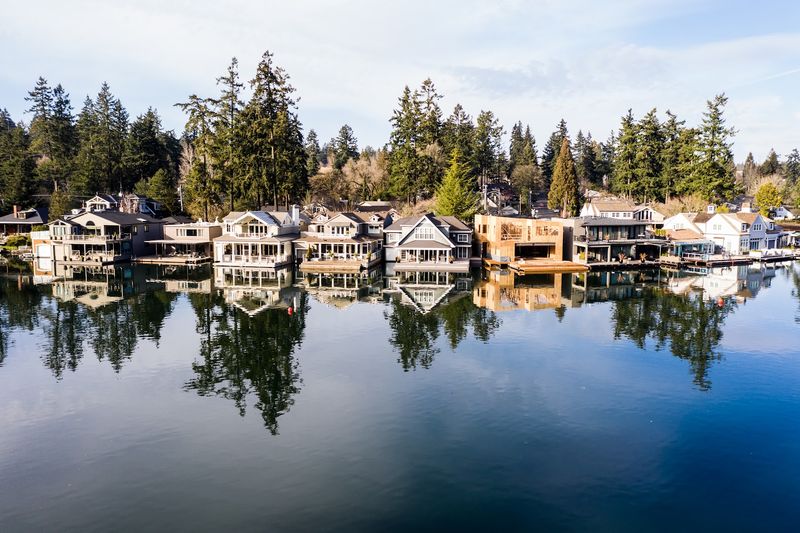
Gorgeous homes line the banks, many with private docks stretching into the water. Large birds wade near the edges.
Fish move through the shallows. It is the kind of place that makes you stop and stare.
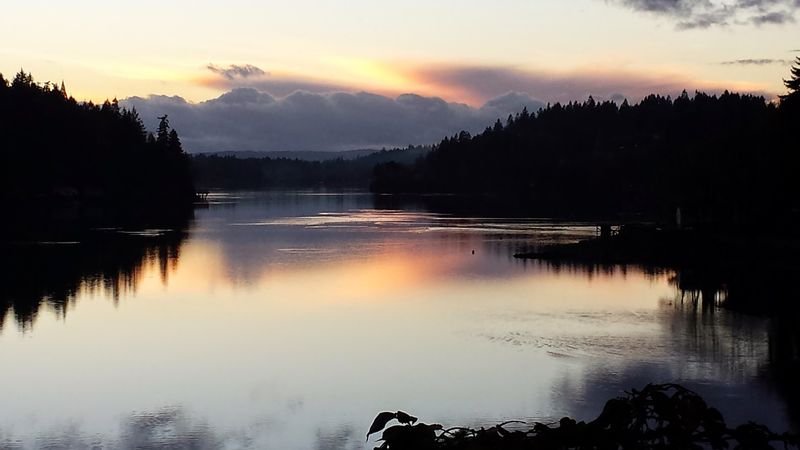
The lake covers roughly 430 acres, which is large enough to feel expansive but small enough to feel intimate. On a calm morning, the water reflects the tree-lined hills around it like a mirror.
That view alone is worth the trip.
Visitors who have made it to the shoreline often say it feels like discovering a hidden corner of the Pacific Northwest that most people drive right past. What would your first paddle across that water feel like?
Oregon has no shortage of scenic lakes, but Oswego Lake has a particular character. The mix of nature and elegant architecture along the shore gives it a look that is hard to find anywhere else in the region.
How To Get There
Getting to Oswego Lake is straightforward once you know where to go. The lake is located in Lake Oswego, Oregon, just south of Portland, making it an easy day trip from the city.
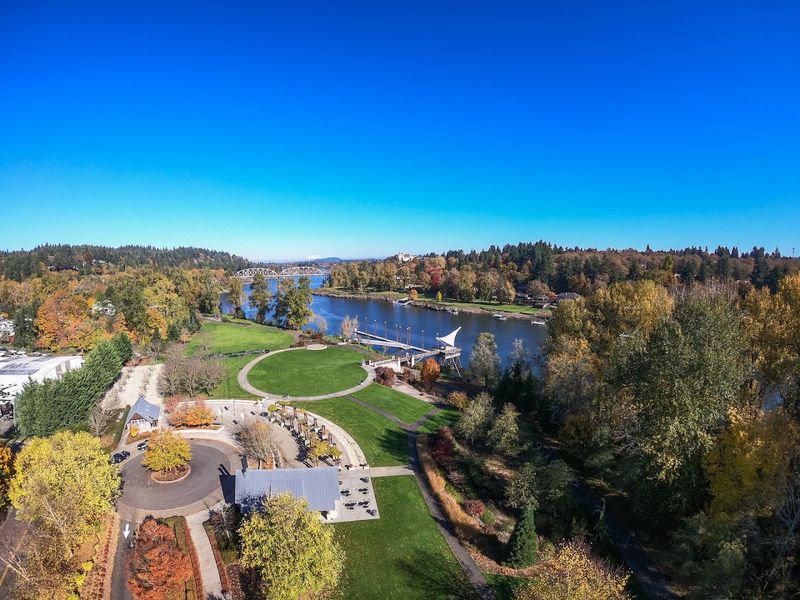
The public access point is at Lower Millennium Plaza Park, which sits near the lake’s edge and serves as the official entry point following the 2025 court ruling. This is where you will find the designated launch steps for swimmers and small non-motorized watercraft.
Parking can be tricky. Visitors have noted that finding a spot near the lake requires patience, and showing up early on busy days is a smart move.
The surrounding neighborhood is residential, so street parking has its limits.
Posted signs and the city’s website explain the current rules for newcomers.
Activities On The Water
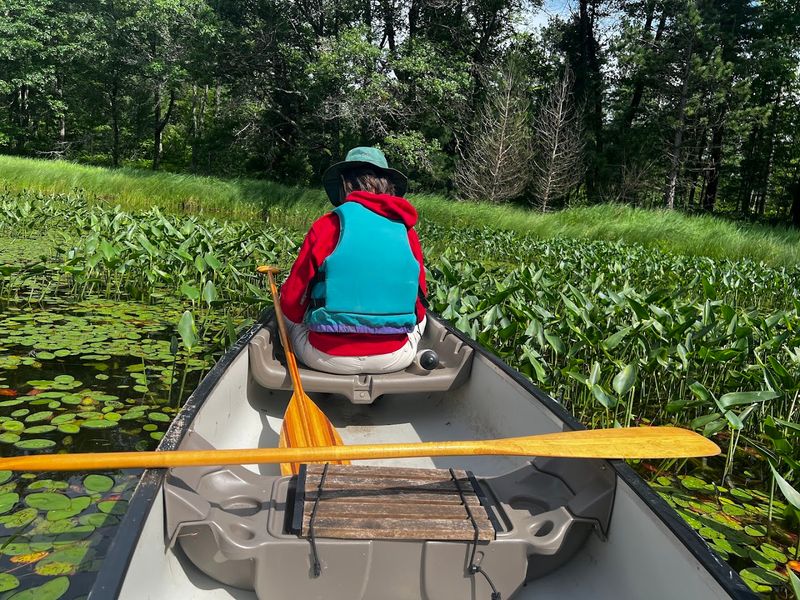
The water is open, and non-motorized watercraft are welcome at the public access points. Kayaking is the most popular way to experience Oswego Lake right now, and for good reason.
The calm surface and scenic shoreline make every paddle feel like a slow tour of something special.
Swimmers and open-water enthusiasts have long dreamed of accessing the lake freely. The legal battle was partly sparked by a swimmer who simply wanted to do what he loved in a public waterway.
That passion resonates with a lot of people who show up ready to move.
Fishing is another draw. The lake holds fish, and the quiet corners near the small bays and islands offer good spots for casting a line.
Just make sure you have a valid Oregon fishing license before you drop that hook in.
Walking along the park area near the access point gives you views of the water without ever getting wet. Some visitors say that just standing at the edge and watching the birds and boats is satisfying enough for an afternoon.
Could a simple paddle across a lake really feel like a small act of history? At Oswego Lake, it just might.
Oregon outdoor lovers now have a new spot to add to their list.
Algal Blooms And Water Safety
Before you jump in, there is one important thing to know about Oswego Lake. Like many lakes, it occasionally has water-quality advisories, so it is smart to check conditions before you go.
Harmful algal blooms occur when certain algae grow out of control in warm, nutrient-rich water. They can cause skin irritation and other health issues for people and animals that come into contact with the affected water.
Pets are especially vulnerable.
Oregon’s health authorities post water-quality updates online, and a quick check before your visit keeps the day carefree. Checking for current advisories before your visit is a simple step that could save you a miserable afternoon.
The Oregon Health Authority posts updates online and they are easy to find.
Some opponents of expanded public access have pointed to algal blooms as a reason to limit recreational traffic on the lake. More boats and swimmers can stir up sediment and introduce nutrients that feed algae growth.
That concern is worth taking seriously, even if you are firmly in the pro-access camp. Enjoying the lake responsibly means staying informed.
The Community Around The Lake
Lake Oswego is not just a name on a map. It is a tight-knit community with a strong sense of identity, and the lake is at the heart of that identity.
Residents who have lived near the water for decades feel a deep personal connection to it.
Visitors say the town itself is beautiful, with well-kept streets, art installations, and a walkable downtown that sits just a short distance from the lake. Oregon communities near water often develop their own distinct character, and Lake Oswego is a clear example of that.
The debate over lake access has not just played out in courtrooms. It has played out at neighborhood meetings, online forums, and around dinner tables.
People here have strong opinions, and they are not shy about sharing them.
For tourists, that energy actually makes a visit more interesting. You are not just seeing a lake.
You are stepping into a living conversation about fairness, community, and who public spaces are really for.
The community around Oswego Lake is proud and passionate about what it believes. That combination makes Lake Oswego one of the more fascinating small cities in Oregon to explore right now.
Is that not exactly the kind of place worth visiting?