
This Quiet Pine Barrens Town Is So Underrated Even Most New Jersey Locals Don’t Know It Exists
An entire town disappears into pine forest so densely that most New Jersey locals still don’t know it’s there. That kind of quiet is rare anywhere in this state.
Sandy roads wind through cedar swamps and cranberry bogs where wildlife outnumbers people by a wide margin. Locals call this corner of the Pine Barrens home, and they clearly like it that way.
History runs deep here too, tangled up with old iron furnaces, hand-dug wells, and stories locals still swap on quiet porches.
Once a year the whole place bursts open for a harvest festival that turns this underrated pocket of New Jersey into a real destination.
Outside of that one loud weekend, the quiet returns fast. Curious what a whole community built around pine, sand, and patience actually looks like?
The Capital Of The Pine Barrens Hides In Plain Sight
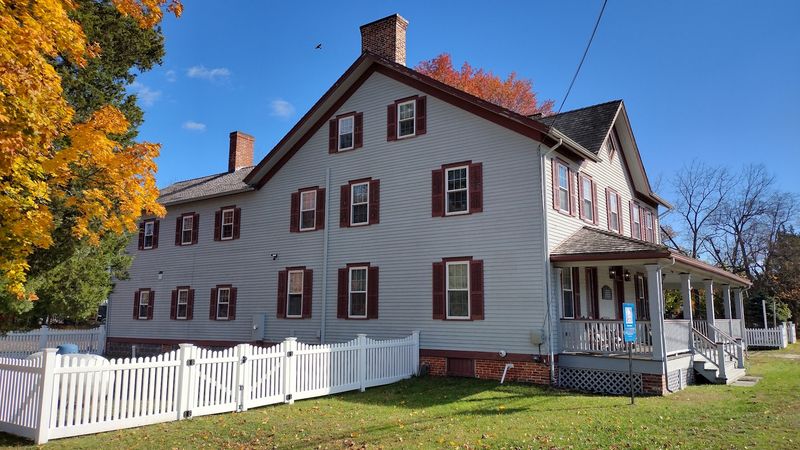
Blink and the whole town slides past the windshield. Chatsworth sits in Woodland Township, Burlington County, New Jersey, and carries the nickname Capital of the Pine Barrens.
Capital sounds grand. Reality is a crossroads, a few buildings, and a whole lot of trees.
The community is unincorporated, served by ZIP Code 08019. Census figures for the area have hovered under a thousand residents, which explains the hush.
Woodland Township stretches across more than 96 square miles of forest, bog, and sand. It ranks as the largest township in Burlington County by area while holding one of the smallest populations.
That ratio is the whole story. Space wins here, easily.
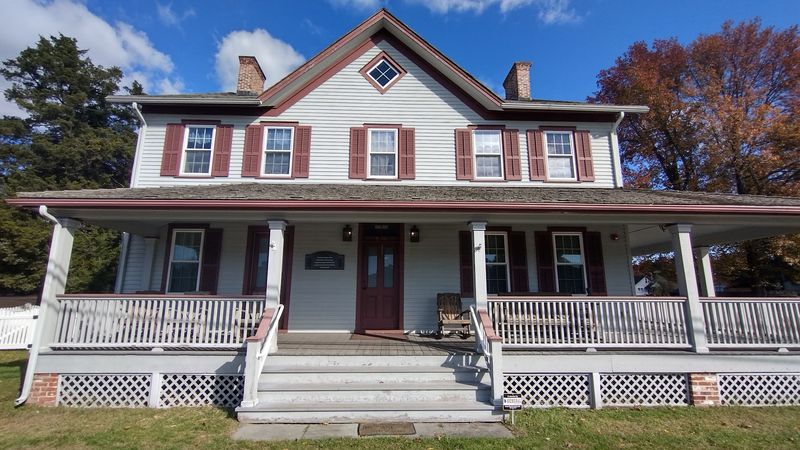
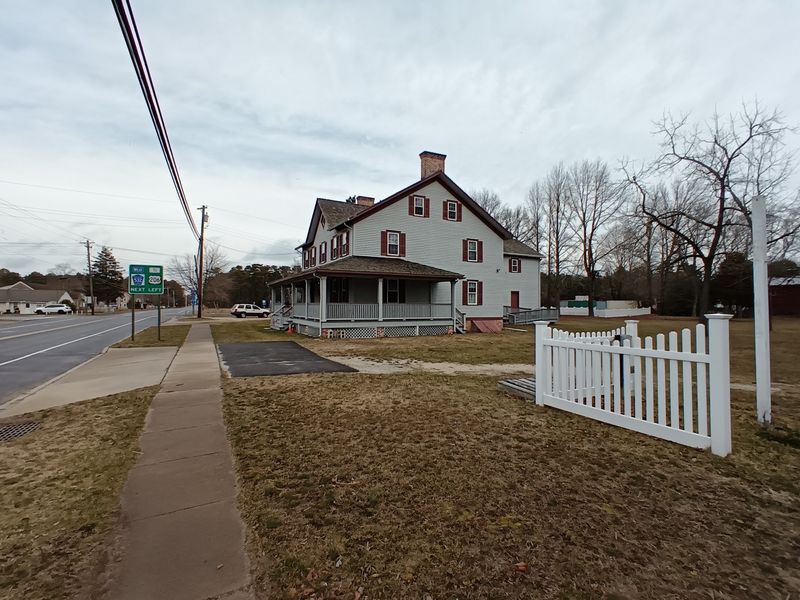
The restored White Horse Inn anchors the center at 3980 Main St, Chatsworth, NJ 08019, now serving as the community center.
Built around 1860 and once known as the Shamong Hotel, the building sheltered stagecoach travelers in the 1800s.
Visitors expecting a downtown will need to adjust expectations quickly. What Chatsworth offers instead is elbow room, birdsong, and a horizon made entirely of pine.
Small on the map, generous in every other way.
Sugar Sand, Pitch Pines, And A Million Protected Acres
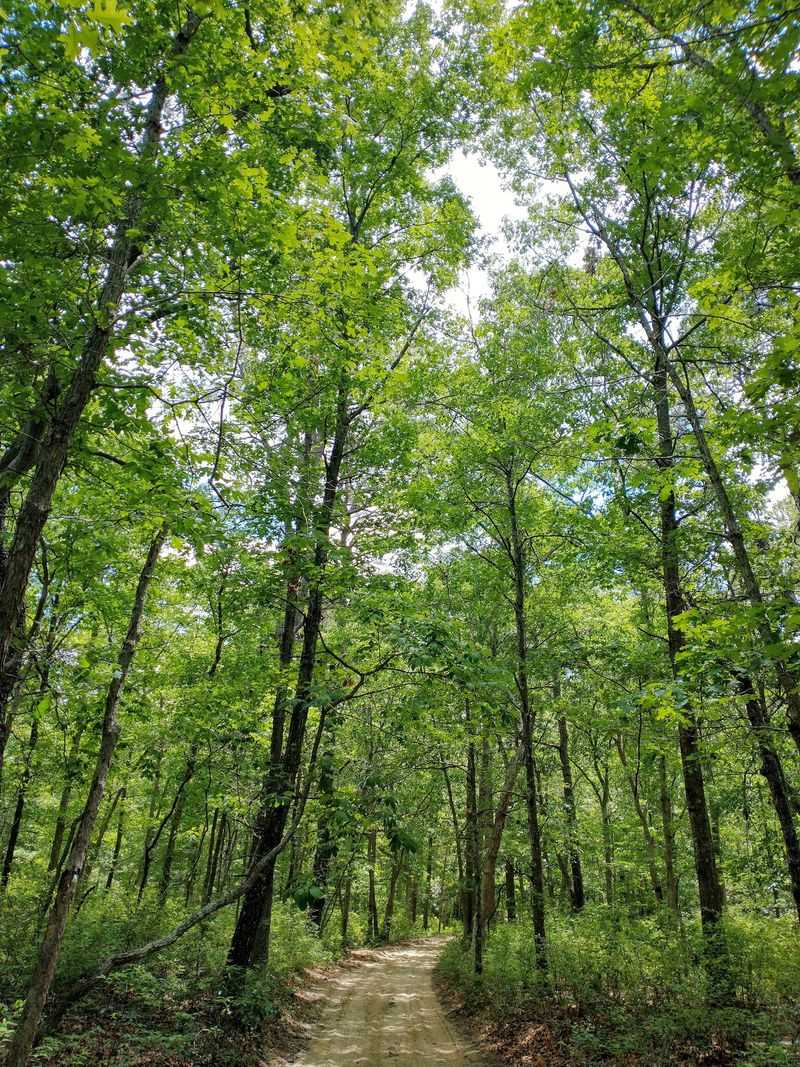
The ground here squeaks underfoot. Locals call it sugar sand, and it defines everything growing around Chatsworth.
Soil across the Pine Barrens runs sandy, acidic, and low in nutrients. Plants that thrive elsewhere simply give up.
What does survive is strange and wonderful. Orchids appear in damp hollows, carnivorous plants trap insects in bog edges, and rare pygmy pitch pines grow stunted but stubborn.
The Pinelands ecosystem covers roughly 1.1 million acres across southern New Jersey. Chatsworth sits fully inside it.
Congress established the Pinelands National Reserve in 1978, protecting both the habitat and the enormous aquifer beneath it.
Streams run the color of strong tea, stained by cedar and iron in the soil rather than anything unclean.
Summers turn hot and humid under a subtropical climate pattern, while winters stay mild to cool. Spring and fall reward walkers most.
Wear closed shoes and expect sand in them anyway. Ticks are common in warm months, so long pants pay off.
Standing among those short, weathered pines, the scale of protection out here starts to feel less like policy and more like luck.
Cannonballs, Bog Iron, And Wells Older Than The Country
Iron came out of the swamps here. Bog iron collected in those rust-colored streams, and early industry followed fast.
An iron furnace operated near Chatsworth from the 1760s through the 1780s. It was hot, hard, smoky work.
During the Revolutionary War, Pine Barrens ironworks produced cannonballs and iron shot for General George Washington’s Continental Army. Forest and war effort became strangely linked.
Hand-dug wells from the 1700s still sit hidden in the woods near Route 563. Trails lead toward these remnants for those willing to walk slowly and look closely.
Human presence stretches back much further. Native American projectile points found in the area have been estimated at over 1,500 years old.
European settlers built homesteads nearby by the late 1600s, and railroads pushed through by the mid-1800s.
One darker chapter belongs to 1939, when the New Jersey Central’s Blue Comet passenger train wrecked here.
The Woodland Township Historical Society keeps this heritage alive with exhibits inside the White Horse Inn.
History in Chatsworth is not behind glass. It is out there under the needles, waiting for curious boots.
A Cranberry Festival That Turns A Tiny Town Enormous
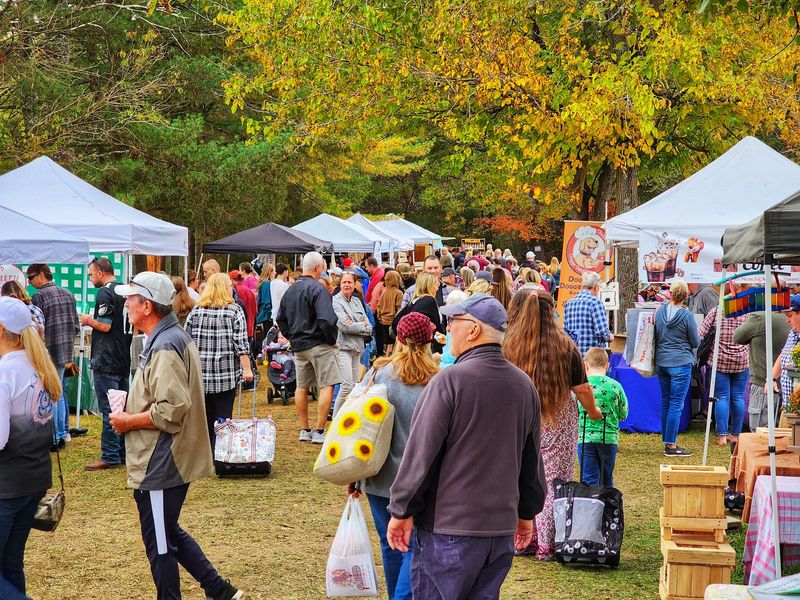
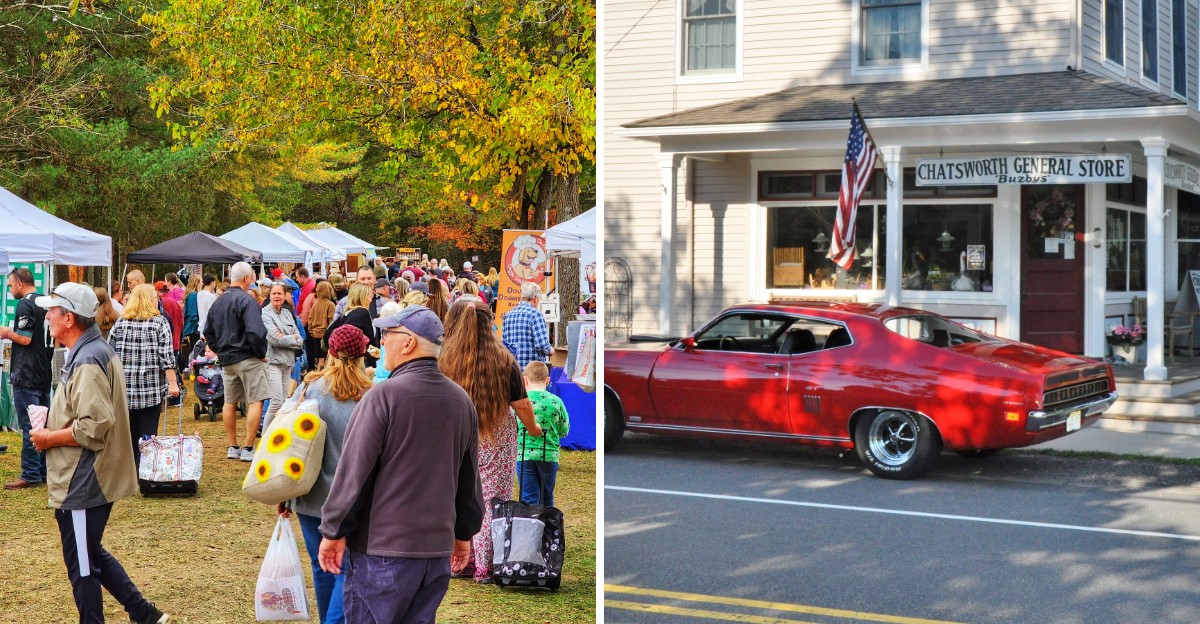
Once a year, the quiet cracks wide open. The Chatsworth Cranberry Festival lands on the third weekend of October and fills the town with crowds.
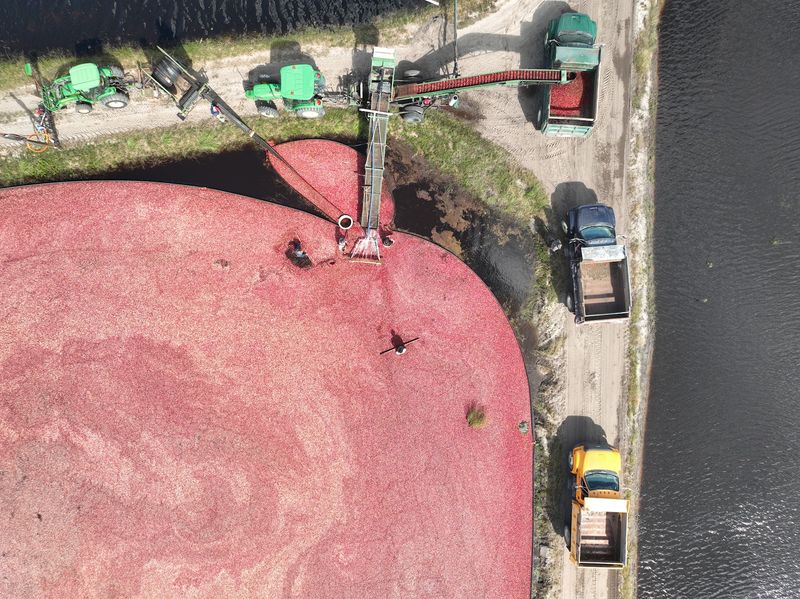
New Jersey ranks third in the nation for cranberry production, and this festival is the state’s loud, cheerful thank-you to the harvest.
Artists and craftspeople set up booths with demonstrations and goods for sale. Food vendors line the route, and an antique and classic automobile show draws its own loyal following.
Money raised has gone toward restoring and preserving the historic White Horse Inn, which now serves the community year-round.
A festival that rebuilds a landmark is a rare kind of party.
Planning matters. Parking fills, traffic backs up on the narrow roads, and arriving early is simply smart.
Details can shift year to year, so checking current festival information before driving out is worth the minute.
Chatsworth also hosts an Ocean Spray cranberry receiving station, a working reminder that the berries are business, not decoration.
Come October, this small Burlington County community proves it can throw a gathering worthy of the entire Pinelands.
Franklin Parker Preserve And Its Sixteen Square Miles
Sixteen square miles. That is the size of the Franklin Parker Preserve in Chatsworth, the largest property held by the New Jersey Conservation Foundation.
Once a working cranberry farm, the land now belongs to herons, turtles, and anyone willing to walk.
More than 21 miles of hiking trails thread through it. Sandy roads cross old dikes, and shallow lakes mirror the sky on still mornings.
Pitch pine forest gives way to blueberry fields, then to shadowy cedar swamps. Tributaries here feed the West Branch of the Wading River.
Restoration work has slowly returned former bogs to wetlands, and the wildlife noticed quickly.
Trails run mostly flat, which makes the distance deceptive. Water and a charged phone are sensible companions, though service can be spotty.
Junctions look alike out here. Photographing trail maps at the start saves confusion later.
Birdwatchers do well in spring, when migrants move through the pines and wetlands together.
Few places in New Jersey let a person walk for hours and hear nothing but wind and water. Franklin Parker Preserve is one of them.
Apple Pie Hill And The Batona Trail Payoff
Flat country hides one great overlook. Apple Pie Hill carries a fire tower with panoramic views across the New Jersey Pine Barrens.
From up there, the forest rolls out unbroken in nearly every direction. Rooftops are scarce, trees are not.
The Batona Trail runs roughly 50 miles through dense pine woods and passes this high point. Volunteers and conservation groups hand-mapped the route back in the 1960s.
Hikers near Chatsworth can sample sections rather than tackling the whole thing. Pink blazes mark the way.
Terrain stays gentle, so distance feels easier than elevation-heavy trails elsewhere. Sand still slows the pace.
Access roads to the tower are rough and sandy, and low-clearance cars sometimes struggle. Parking farther out and walking in solves that.
Tower access can depend on conditions and management decisions, so treat the climb as a bonus rather than a promise.
Clear autumn days deliver the sharpest views, with fewer insects and cooler air for the trek.
Standing above the Pinelands canopy, the idea that this is New Jersey rearranges a few assumptions permanently.
Pineys, Folklore, And A Fiercely Local Identity
Call someone a Piney out here and you might get a grin. The word once stung as an insult, but residents of the Pinelands reclaimed it long ago.
Today it signals pride, deep roots, and a comfortable preference for open woods over crowded streets.
Community life in Chatsworth moves at a nature-oriented pace. Seasonal agricultural events, especially cranberry-related gatherings, pull neighbors together.
Support for outdoor education and environmental awareness runs strong in this tight-knit corner of Burlington County.
Folklore thickens the atmosphere. Tales of the legendary Jersey Devil circulate here, alongside stories of local strongmen and clever tricksters.
The Woodland Township Historical Society collects and shares that heritage, with exhibits housed in the White Horse Inn.
Strict Pine Barrens protection rules have kept large chain stores away, which is exactly why the place still feels untouched.
Conservation campaigns in the 1960s and 1970s led to the Pinelands Commission and the 1978 reserve designation.
Respecting private property and sandy back roads goes a long way with residents.
Chatsworth guards its character the way other towns guard property lines, quietly and effectively.
Where To Sleep, Snack, And Wander Nearby
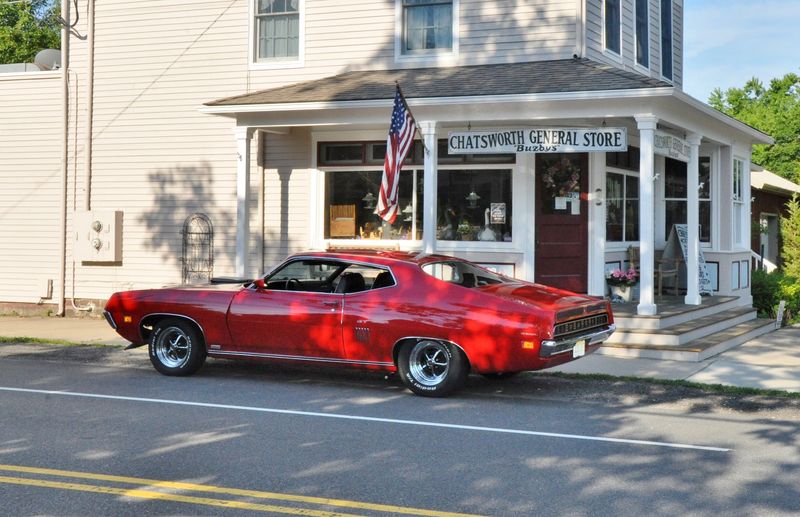
Hot Diggity Dog on Route 563 has earned its reputation.The roadside stand keeps locals and travelers fed between trailheads.
Dining options in Chatsworth are limited, which is part of the deal. Packing a cooler is a reliable strategy.
Overnight visitors can look to Wading Pines Camping Resort in Chatsworth, offering RV sites, rustic cabins, and tent spots among the trees.
Reservations and seasonal availability vary, so confirming ahead prevents disappointment.
For a history detour, Batsto Village sits within nearby Wharton State Forest. Founded in 1766, the ironworks town supplied cannons during the American Revolution before shifting to glass.
The village is preserved to reflect the late 1800s, with more than thirty historic structures.
Highlights include a 32-room Victorian mansion, an operating 1852 post office, and a water-powered sawmill added later in the century.
Fuel up before heading deep into the woods. Services thin out fast past the main crossroads.
Between sandy trails, cranberry country, and that stubborn Pinelands quiet, Chatsworth rewards anyone willing to drive a little farther than the map suggests.