A small storefront sign promising Nigerian food is not something most people expect to spot in Mississippi. That surprise is half the fun, because the smell of smoky tomato rice and rich melon seed soup tends to stick with you long after the meal.
For families who like to taste the world without boarding a plane, this kitchen offers a rare and welcoming first bite of West Africa. Here is what to know before you order, including how the business works today.
A West African Kitchen in the Jackson Suburbs
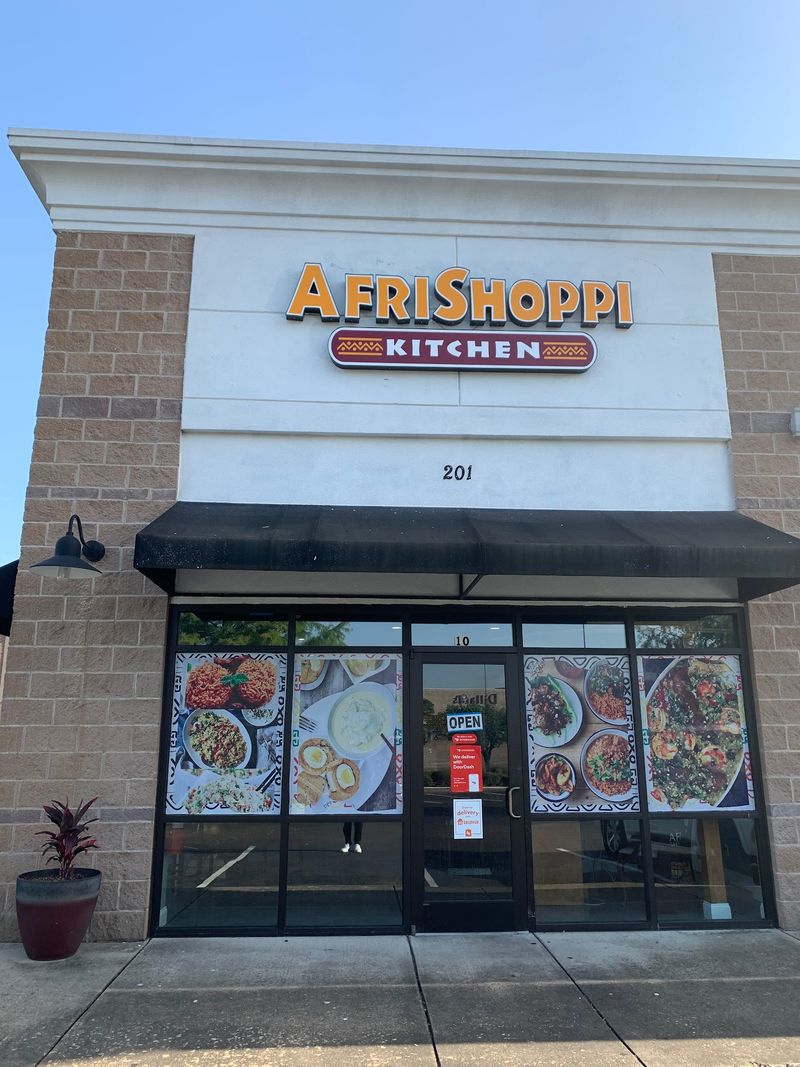
Ridgeland sits just north of Jackson, a quick drive up the road for most families in the metro area. Among its shopping centers, Afrishoppi Kitchen built a reputation as a West African restaurant with a bold claim right in its name: the only Nigerian restaurant in Mississippi.
Listings place the business at 6955 Old Canton Road, Suite A, while other sources and longtime diners mention an earlier spot on Ring Road. Either way, the address points to the same mission.
The kitchen focuses on Nigerian and wider West African cooking, with jollof rice, egusi soup, fufu, stews, and fish on the menu.
One update matters a lot for planning. According to recent information, the dine-in restaurant has closed, and the business now runs as a 100 percent catering service.
Orders need to be placed at least 24 hours ahead, so a spontaneous drop-in lunch is no longer the way to enjoy this food.
For parents, that shift can actually be handy. A catered tray of jollof and stew can turn a birthday party, a school culture day, or a family reunion into a small food adventure without anyone needing a passport.
Two Sisters and a Home Away From Home
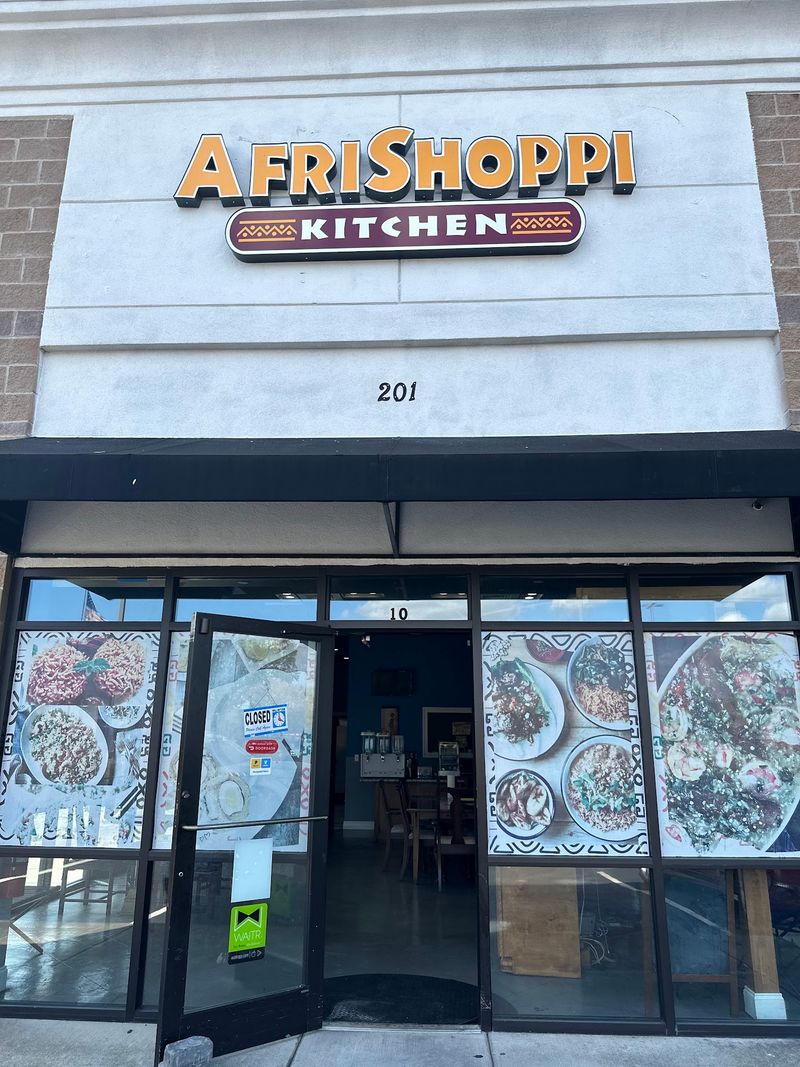
Family businesses carry a different feel, and diners often pointed out that this one was run by two sisters. Guests described being treated like relatives, with the owners chatting at the table and even offering tastes from their own plates.
Hospitality has deep roots in Nigerian culture. Sharing food with visitors is a sign of respect, and that spirit came through in stories of staff patiently explaining dishes to newcomers.
Several first-timers said they had never eaten African food before, and the team walked them through what to order and how it is traditionally eaten.
Like many mom-and-pop spots, the operation stayed small. Visitors noted that hot, fresh food sometimes meant a bit of a wait, since meals were cooked to order rather than pulled from a warming tray.
People who value that trade-off tended to enjoy the experience most.
Some guests even mentioned arriving close to closing time and still being served a fresh red snapper. Moments like that explain why many described the place as feeling like home.
Now that the kitchen works through catering, that same personal touch carries over into conversations about party menus and portion planning.
Beads, Black Soap, and Afrobeat in the Background
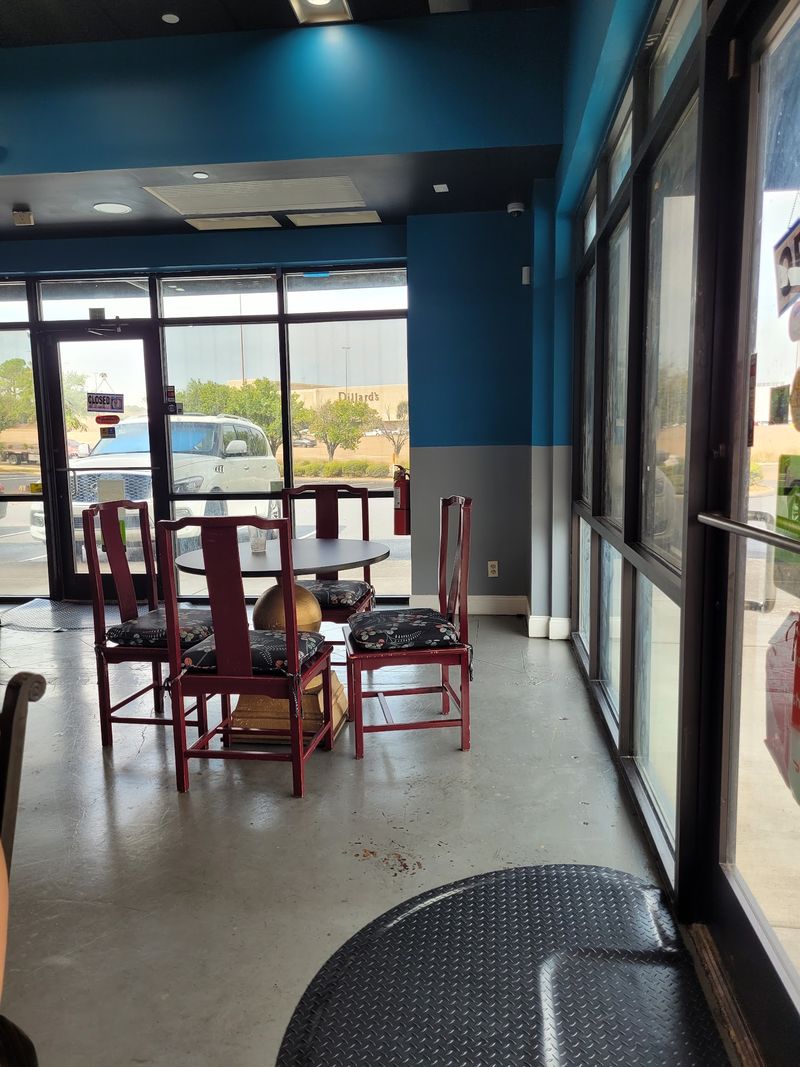
Afro music drifting from a speaker set the tone for many meals here. Diners remembered the soundtrack almost as clearly as the food, which made the room feel lively even on quiet afternoons.
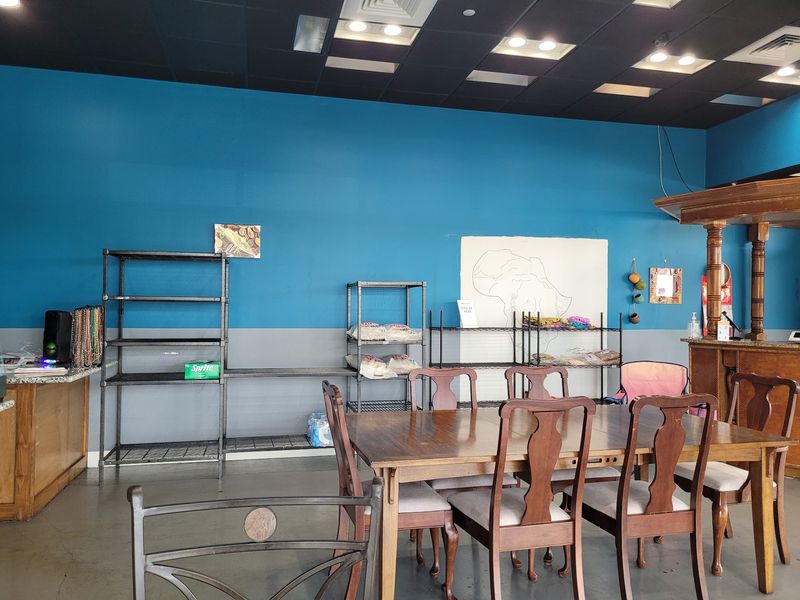
Along the walls, the space doubled as a small market. Shelves held African beads, waist beads, black soap, and hair oils, so a lunch stop could easily turn into a little shopping trip.
Snacks like akara, a fried bean fritter, and cakes were also on hand for anyone wanting something quick.
Kids tend to love this kind of setting. Colorful beads and unfamiliar products spark questions, and those questions open the door to talking about where the items come from and how people use them in West Africa.
Black soap, for example, is traditionally made from plant ashes and oils and is popular across the region.
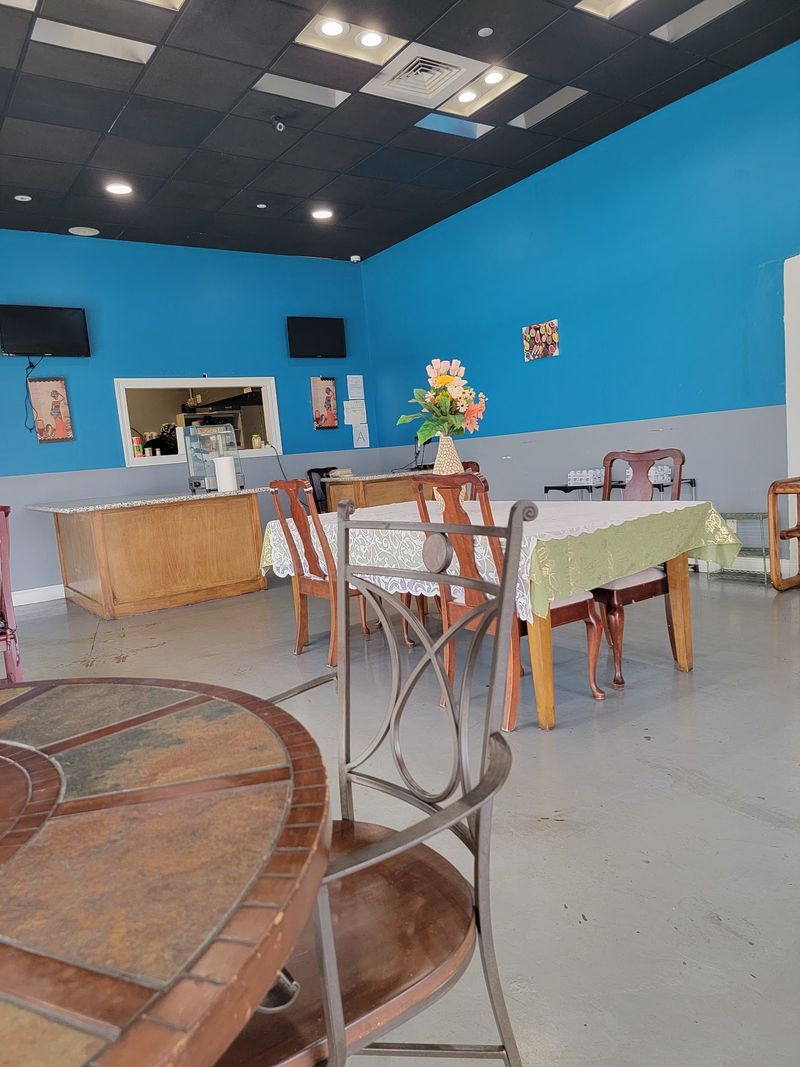
Not everyone expected a shop and a restaurant under one roof, and a few visitors were surprised by the casual setup. Families who go in expecting a relaxed cultural corner rather than a formal dining room will feel right at home with the mix of music, merchandise, and home cooking.
Jollof Rice, the Star of Every Party
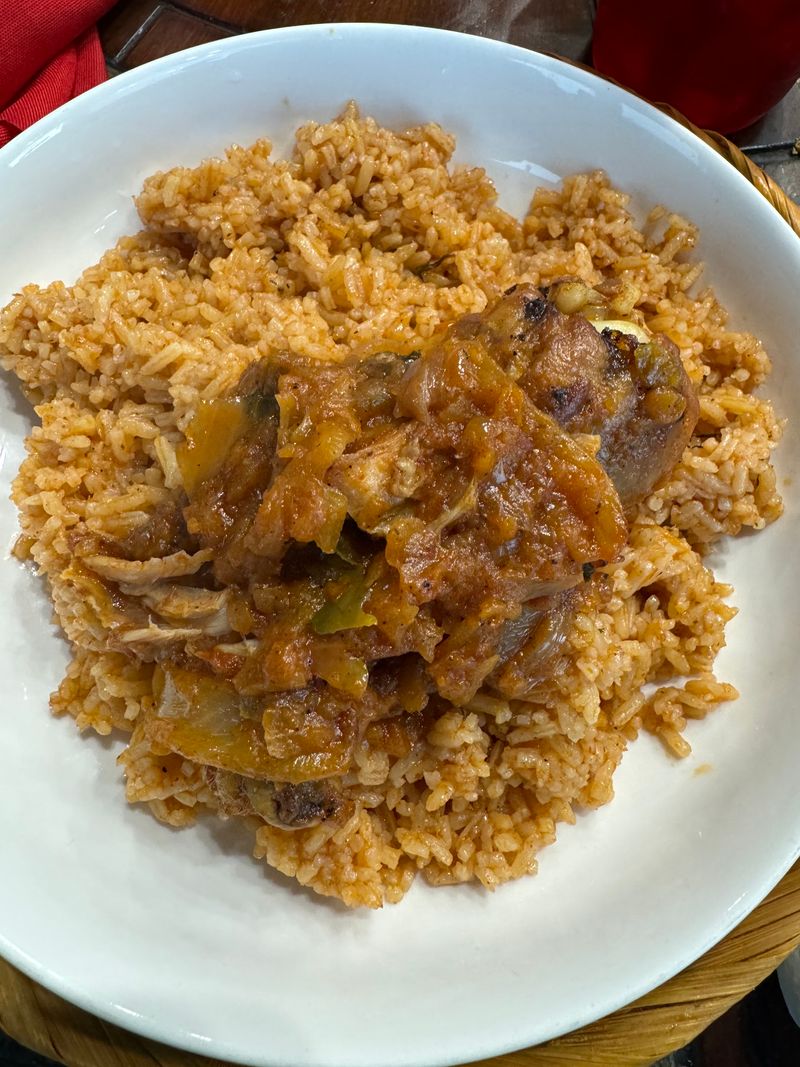
Across West Africa, few topics stir up friendly arguments like jollof rice. Nigerians and Ghanaians have a long-running playful rivalry over whose version tastes best, and it shows up everywhere from family dinners to social media.
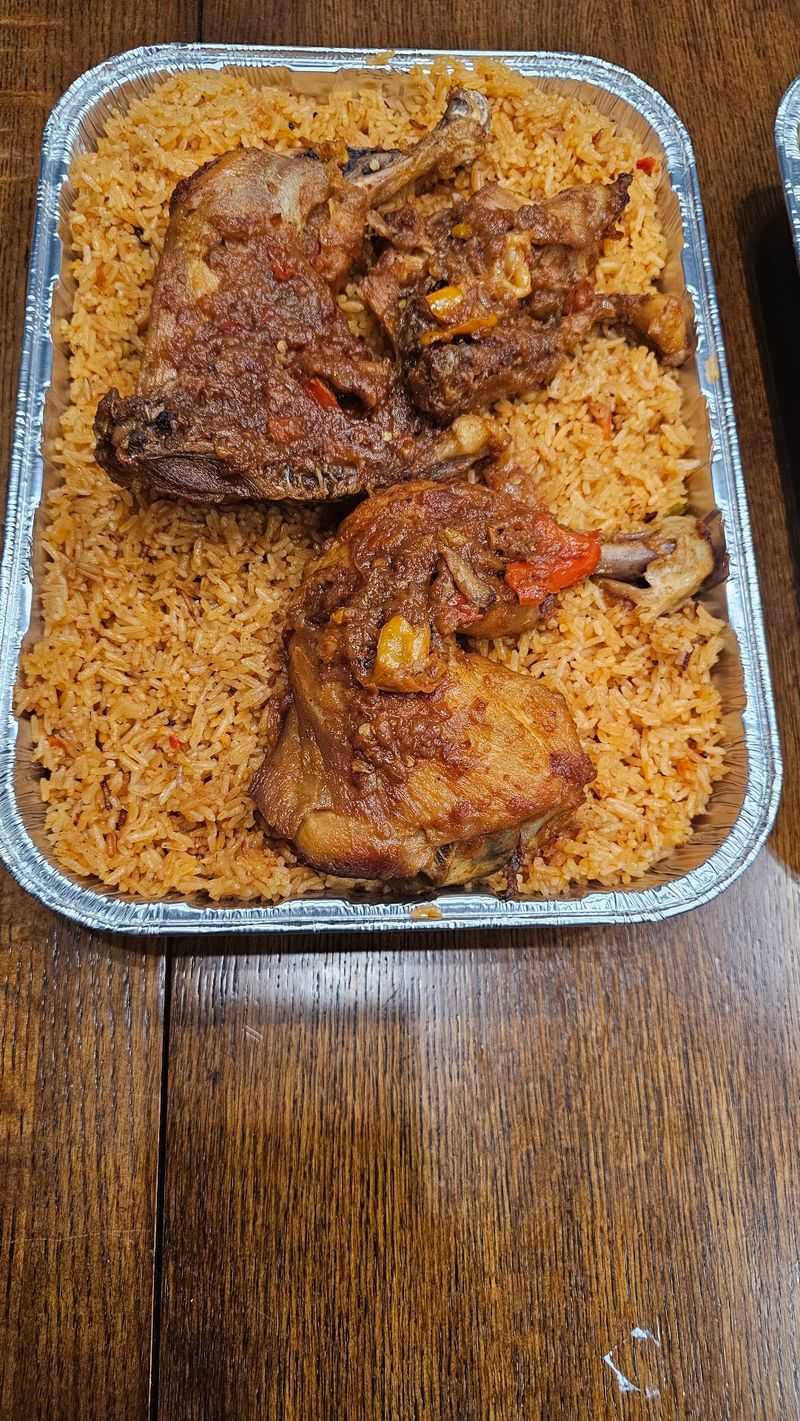
The dish starts with rice cooked in a seasoned tomato and pepper base, often with onions, spices, and stock. Done well, it comes out deep orange, savory, and a little smoky.
Diners described the jollof here as spicy and full of flavor, and it was one of the most talked-about items on the menu.
Chicken jollof was a common order, and plenty of people paired the rice with jerk chicken or plantains. Sweet fried plantains make a gentle partner for the heat, which helps when younger eaters are at the table.
For catering, jollof is a natural pick. It travels well, feeds a crowd, and looks festive on a buffet line.
In Nigeria it is practically required at weddings and birthday parties, so ordering a big tray for your own celebration brings a real tradition to the table. Ask about spice levels ahead of time if little ones will be eating.
Egusi Soup with Fufu on the Side
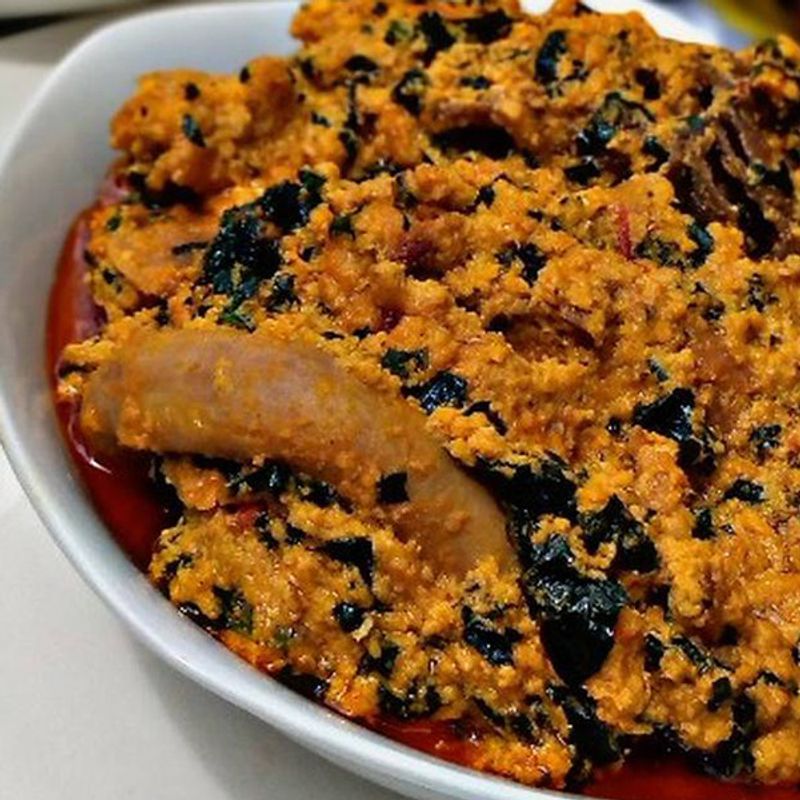
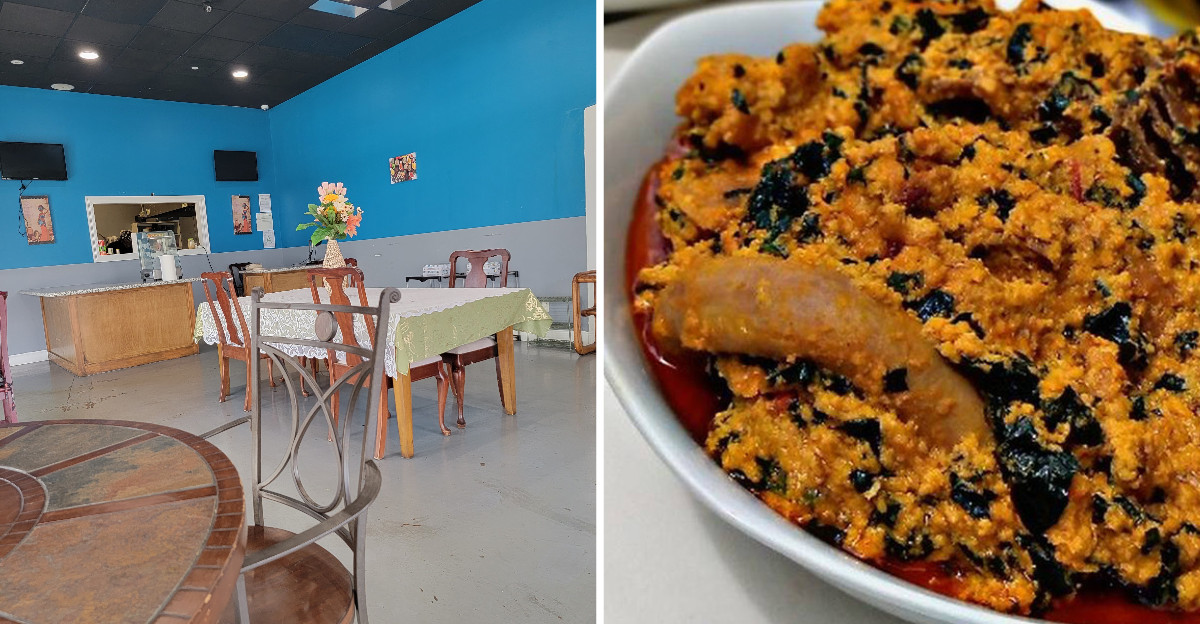
Ground melon seeds are the secret behind egusi soup, one of Nigeria’s most beloved dishes. The seeds thicken a rich stew usually cooked with leafy greens, palm oil, peppers, and meat or fish.
Egusi was the single most mentioned dish among diners, and fufu was close behind. The two go together naturally.
Fufu is a soft, stretchy dough made from starchy foods like cassava, yams, or plantains, and it comes in several varieties depending on the base.
Eating it is part of the fun. Traditionally, you pinch off a small piece of fufu with your right hand, shape it into a little scoop, and dip it into the soup.
Staff were known for explaining this custom to first-time guests, which turned dinner into a hands-on lesson.
Kids who enjoy playing with their food might actually be the biggest fans of this method. Many visitors described the egusi as warm and flavorful, while a few found it unfamiliar, which is normal for a dish so different from typical American comfort food.
Ordering a small portion alongside jollof is a smart way to let everyone sample without pressure.
Oxtails, Red Snapper, and a Surprisingly Wide Menu
Beyond the headline dishes, the menu stretched further than many people expected. Oxtails earned special praise from a diner who called them tender and flavorful, served with cabbage, vegetables, and rice.
Fish lovers had options too. Whole fried fish and red snapper came up often, with guests mentioning how fresh it tasted.
Chicken stew, curry stew with chicken, peanut butter stew, and okra soup with chicken rounded out the hearty choices.
Yassa, a dish of meat cooked with lots of onions and a tangy sauce, also appeared, along with jerk chicken. The yassa actually comes from Senegal, which shows how the kitchen reached across West Africa rather than sticking only to Nigeria.
A few plates felt familiar enough for picky eaters, including spaghetti with shrimp and fried rice with shrimp. Those make easy backup orders for children who are not ready for egusi yet.
On the adventurous end, a spicy sauce made with cow feet won over one diner who asked for extra heat and admitted it made him sweat. Specials rotated as well, so asking what is available when you place a catering order is a good idea.
Ordering Ahead: Catering Details and Practical Tips
Twenty-four hours is the magic number. The business now operates as a full catering service, and every order needs at least a day’s notice, so plan around that window for parties and gatherings.
Pay-ahead ordering was already common before the change. Guests mentioned calling in and paying before food was ready, which is typical for small kitchens cooking everything fresh.
Expect a similar approach with catering, and confirm pickup times clearly.
Portion size came up often in past diner comments. Several people loved the flavor but felt servings were smaller than expected, while others called the portions great.
For a crowd, it makes sense to talk through how many people each tray feeds and order a little extra rice.
Exact prices and hours are not listed here, so check directly with the business when you reach out. A few more helpful habits:
Ask about mild options for children. Request fufu details, since there are different types made from different starches.
Plan pickup so hot food reaches your event quickly, because stews and fish taste best warm. Mention any allergies early, as peanut butter stew and melon seeds are common ingredients.
Where This Kitchen Fits for Families Today
Calling itself the only Nigerian restaurant in Mississippi was a bold move, and for a stretch of time it gave the Jackson area a rare taste of jollof, egusi, and hibiscus tea. The closing of the dine-in space changes how families can enjoy it, though the cooking lives on through catering.
For a backyard birthday, church fellowship meal, or classroom culture celebration, ordering trays from this kitchen brings real West African flavors to your own table. Kids get to try something new, and parents skip the hassle of cooking for a crowd.
Families who prefer to sit down in a restaurant have another route. Jamba Jollof in Hattiesburg is now noted as the state’s only brick-and-mortar West African restaurant, making it a possible stop on a road trip through southern Mississippi.
The best fit here is a planned meal rather than a casual drop-in. Give the kitchen a day’s notice, ask about spice, and order a mix of familiar and adventurous dishes.
That approach lets everyone, from the cautious eater to the fufu enthusiast, find something to enjoy, and it keeps a small family business cooking for its community.