
This Secluded Massachusetts Beach Feels Like A Tropical Getaway Without The Plane Ticket
White sand, clear water, and almost no noise beyond the waves. That sounds more like a faraway island than Massachusetts, but this peaceful stretch of shoreline proves otherwise.
The water stays calmer than you might expect, making it easy to wade, float, or simply stand ankle deep while the sun warms your shoulders. Soft sand spreads along the coast, and the wide open view creates that rare feeling of having nowhere else to be.
Getting here takes a little extra effort, which helps keep the crowds away. That is part of the appeal.
You can settle in with a towel, watch boats pass in the distance, and enjoy a beach day that feels far removed from busy roads and packed boardwalks.
No flight is required. Just a ferry ride, a scenic drive, and a strong desire to disappear beside the water for a few hours.
The Gentle Embrace Of Nantucket Sound
Nantucket Sound has a way of surprising people. Most arrive expecting the dramatic Atlantic swells that define the island’s south shore, and then they reach 40th Pole Beach and find something else entirely.
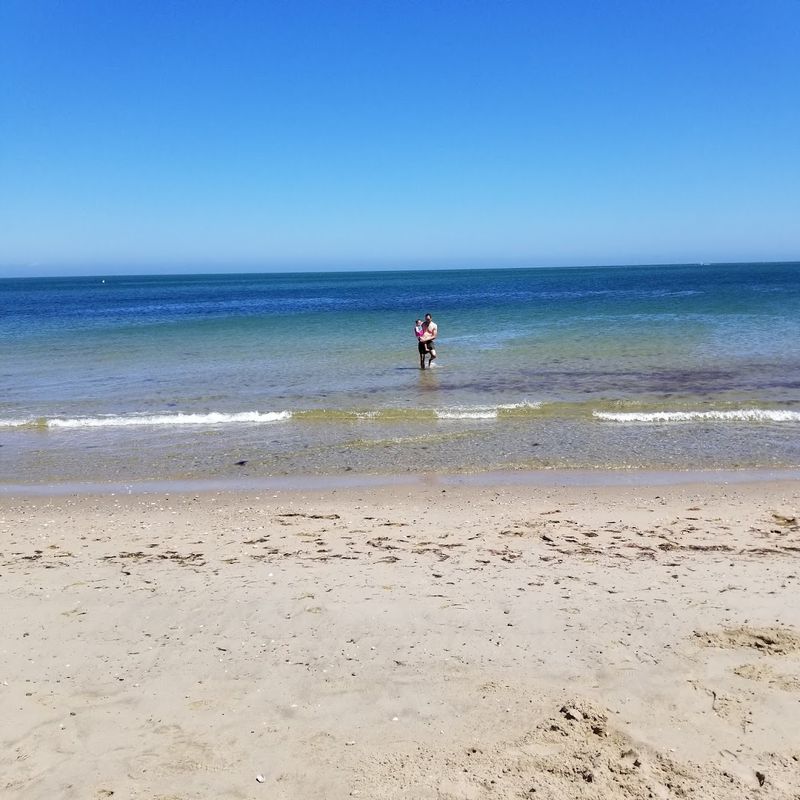
The water here is calm, shallow, and genuinely warm. It earns its nickname, The Bathtub, without any irony.
Positioned on the northwest end of the island, this stretch of coastline faces the protected waters of the sound rather than the open ocean. That orientation changes everything.
The surface stays flat, the current stays mild, and the clarity of the water on a bright summer morning can stop a person mid-step. You can see the sandy bottom several feet out with no effort at all.
For families with young children, this quality is not just a comfort, it is a practical gift. No undertow, no crashing surf, and no anxiety about keeping an eye on a small swimmer.
The sound simply laps at the shore with steady, gentle patience. Experienced swimmers appreciate it too, because there is a particular pleasure in floating on warm, glassy water with nothing demanding your attention except the horizon stretching out ahead.
A Shoreline Canvas Of White And Shell
The sand at 40th Pole Beach does not behave like ordinary beach sand. It packs down firmer than most, which makes walking along the shoreline feel less like a workout and more like a stroll.
Wide and flat through the summer months, the beach spreads out generously in both directions, offering plenty of room to settle in without feeling crowded against your neighbors.
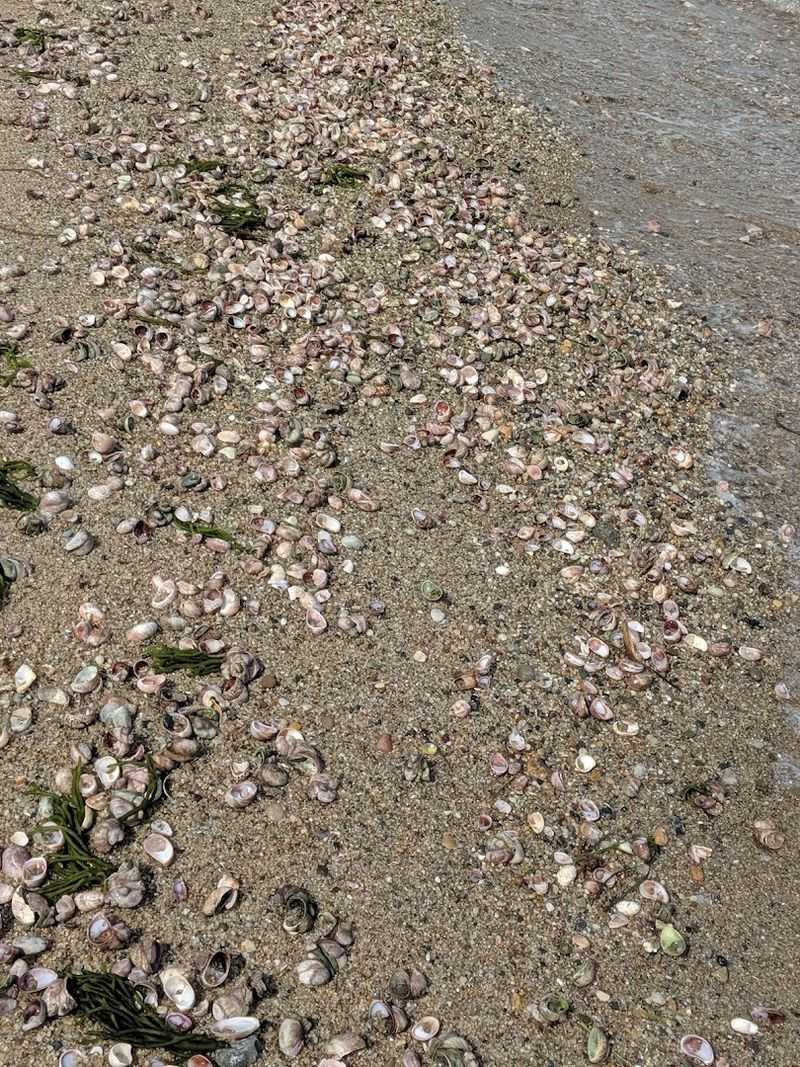
Scattered across that pale expanse are shells. A lot of them.
Sanderlings and sandpipers pick through the waterline, but the real treasure for those who look down rather than out is the remarkable variety of shells left behind by the tide.
Scallops, moon snails, jingle shells, and whelks show up regularly, making this a reliable spot for anyone who enjoys collecting without the need to dive.
The color of the sand itself is worth noting. It reads almost white in strong midday light, shifting to a warmer cream tone in the late afternoon.
Combined with the pale green dune grasses that border the upper beach, the visual effect is genuinely striking.
The physical address, Eel Point Road, Nantucket, Massachusetts, leads to this shoreline, and the walk from the parking area gives a first glimpse of that wide, shell-scattered canvas well before your feet hit the waterline.
Journeys Beyond Pavement
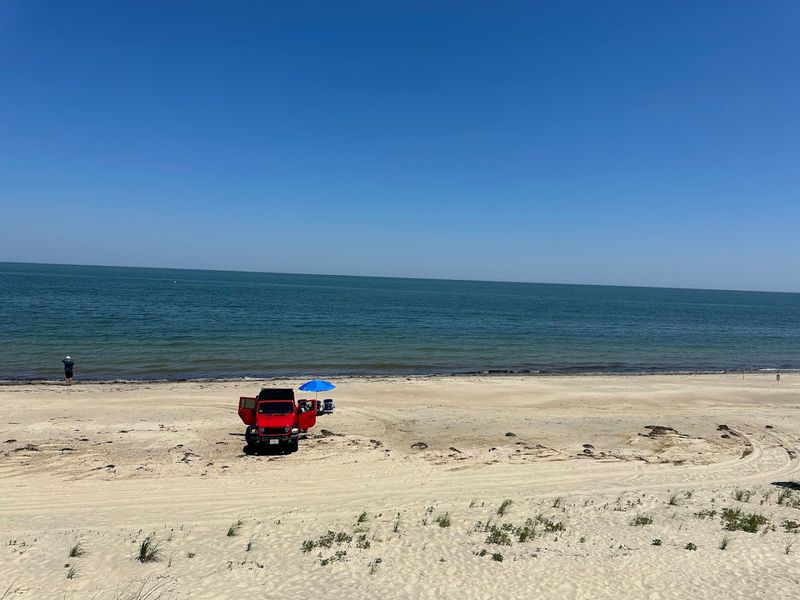
Getting to 40th Pole Beach is part of the experience. Eel Point Road begins as a normal paved street, then quietly transitions into a dirt track that winds through a dune system before reaching the sand.
That shift in terrain is the first signal that you are leaving ordinary beach geography behind.
A 4WD vehicle is required to drive onto the beach itself, and a valid Town of Nantucket oversand permit must be displayed. The permit process is intentional.
It keeps the beach from becoming overrun and gives the dune ecosystem a fighting chance against the pressure of summer traffic. Before heading out, drivers should carry a tire pressure gauge, a shovel, a tow rope, and a jack with jack boards.
Soft sand sections and steep dune approaches can catch unprepared vehicles off guard.
Pedestrian access is also available, and the walk from the dirt parking lot is manageable for most people. Those who choose to walk and then head right along the shoreline often find the quietest, most open stretches of sand.
Note that driving east of Emergency Access 45 is not permitted due to private property boundaries. Respecting those limits keeps the access corridor open for everyone who follows.
Solitude’s Shifting Sands
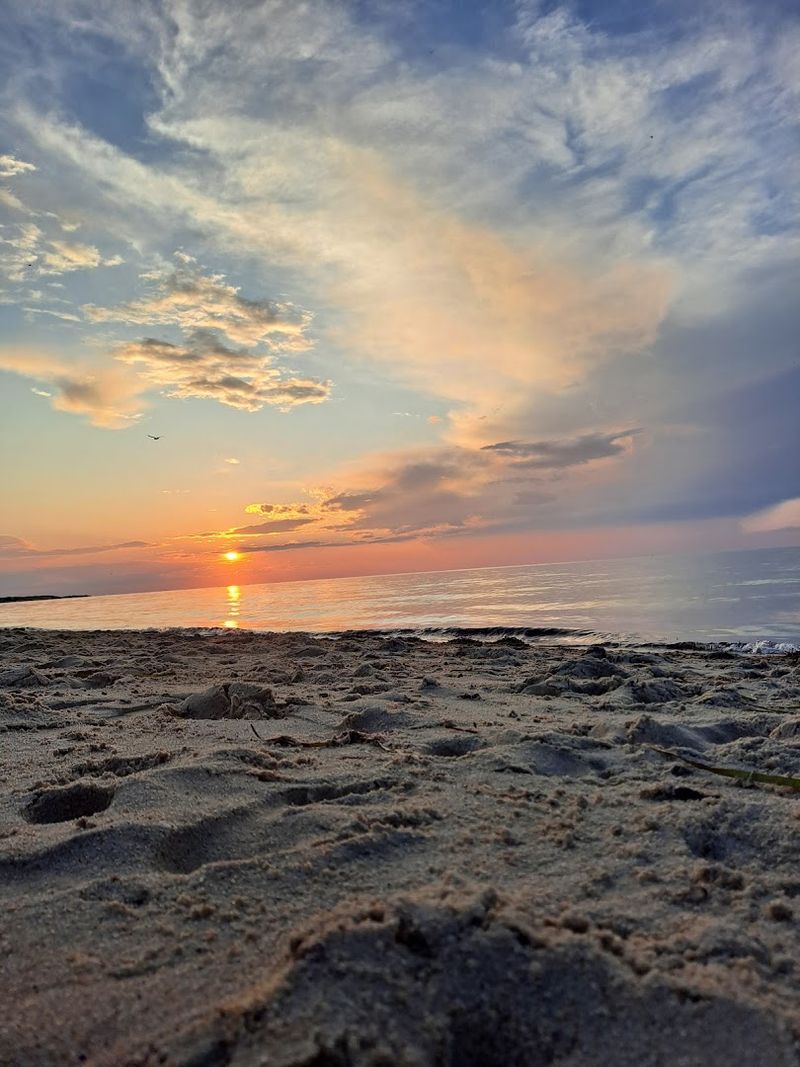
The reputation of 40th Pole Beach as a secluded spot is accurate, with a condition attached. The remote location along Eel Point Road does filter out casual day-trippers who are not willing to navigate a dirt road or secure an oversand permit.
That filtering effect creates a noticeably different atmosphere than you find at beaches closer to town.
Still, peak summer weekends tell a different story. July and August can bring considerable activity, particularly on sunny Saturdays when families and groups arrive early to claim their stretch of sand.
Arriving before mid-morning on those days makes a meaningful difference. The beach is wide enough to absorb a crowd without feeling suffocating, but the early hours carry a calm that disappears once the parking lot fills.
Off-season visits offer something harder to quantify. The portable restrooms are gone, the crowds have thinned to almost nothing, and the beach returns to a rawer version of itself.
Autumn light on the sound is particularly striking, and the shorebird activity picks up as migration season begins.
For those who find genuine restoration in open, quiet spaces rather than packed summer scenes, the shoulder months at 40th Pole Beach deliver something closer to the experience the place is actually capable of providing.
Where Warm Tides Lull The Day
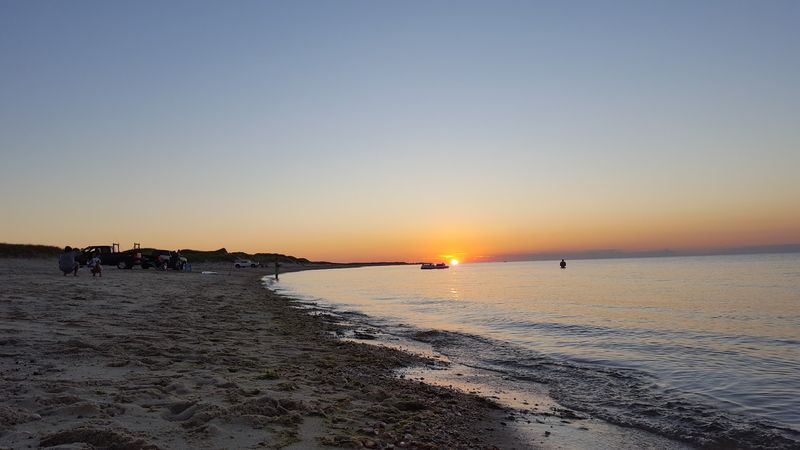
Swimming at 40th Pole Beach operates on a different rhythm than most ocean swimming. There is no need to brace for impact, no timing of waves, and no reading of currents before wading in.
The water simply invites you forward. During the height of summer, the sound warms to temperatures that feel more like a lake than the North Atlantic.
That warmth and calm make the beach genuinely suitable for all ages. Children who might feel overwhelmed by open ocean surf find their confidence here.
Adults who prefer floating to fighting waves appreciate the lack of drama. The shallow bottom extends a good distance out, so even cautious swimmers can walk well beyond the shoreline without losing their footing.
There are no lifeguards on duty, which means personal awareness remains important. But the conditions themselves are forgiving.
Fishing is also popular here, with bluefish and striped bass drawing anglers who wade out with lines in the early morning or late afternoon.
Grilling is permitted on the beach, with charcoal or propane setups welcome, which means a full day can unfold naturally from a morning swim to an afternoon meal without ever needing to leave the shoreline.
The day simply stretches out at its own pace.
Nature’s Quiet Spectacle
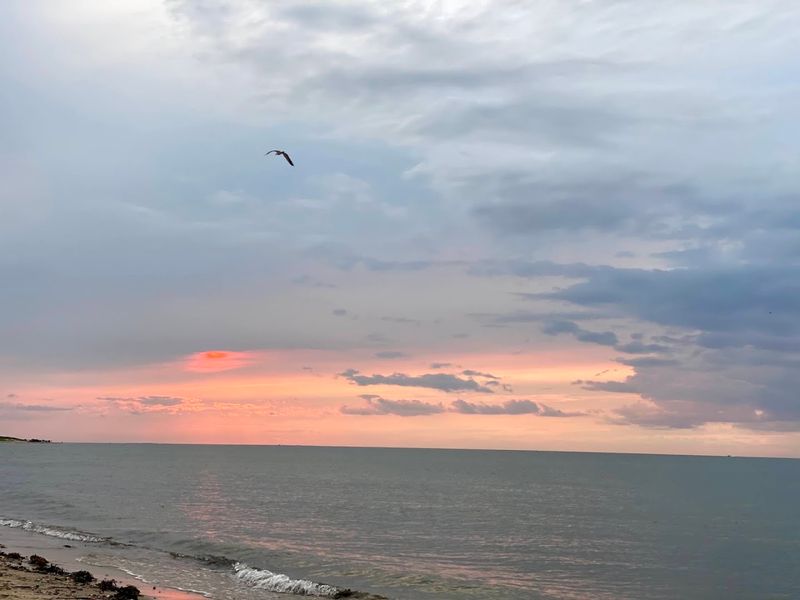
The wildlife at 40th Pole Beach operates on its own schedule, largely indifferent to the human activity happening a few feet away. Sanderlings sprint along the waterline with mechanical precision.
Various sandpiper species probe the wet sand methodically. On certain days, Snow Buntings appear in small flocks across the upper beach, and Turkey Vultures circle the dune ridgeline with unhurried patience.
The beach serves as a significant nesting area for shorebirds during specific periods of the season. When nesting is active, vehicle access can be restricted to protect the habitat.
Those restrictions are not inconveniences so much as reminders that the beach belongs to more than one species.
Dune vegetation and marked wildlife areas are off-limits to foot and vehicle traffic, and respecting those boundaries preserves the conditions that make the wildlife presence possible in the first place.
Deer occasionally appear near the dune edges, particularly in the quieter morning hours. Multiple gull species patrol the shoreline year-round.
For those who bring binoculars, the north shore position and open sightlines make 40th Pole Beach a rewarding birdwatching location without requiring any special effort.
The spectacle is simply there, running alongside the beach day, available to anyone who pauses long enough to notice it.
The Prepared Traveler’s Sanctuary
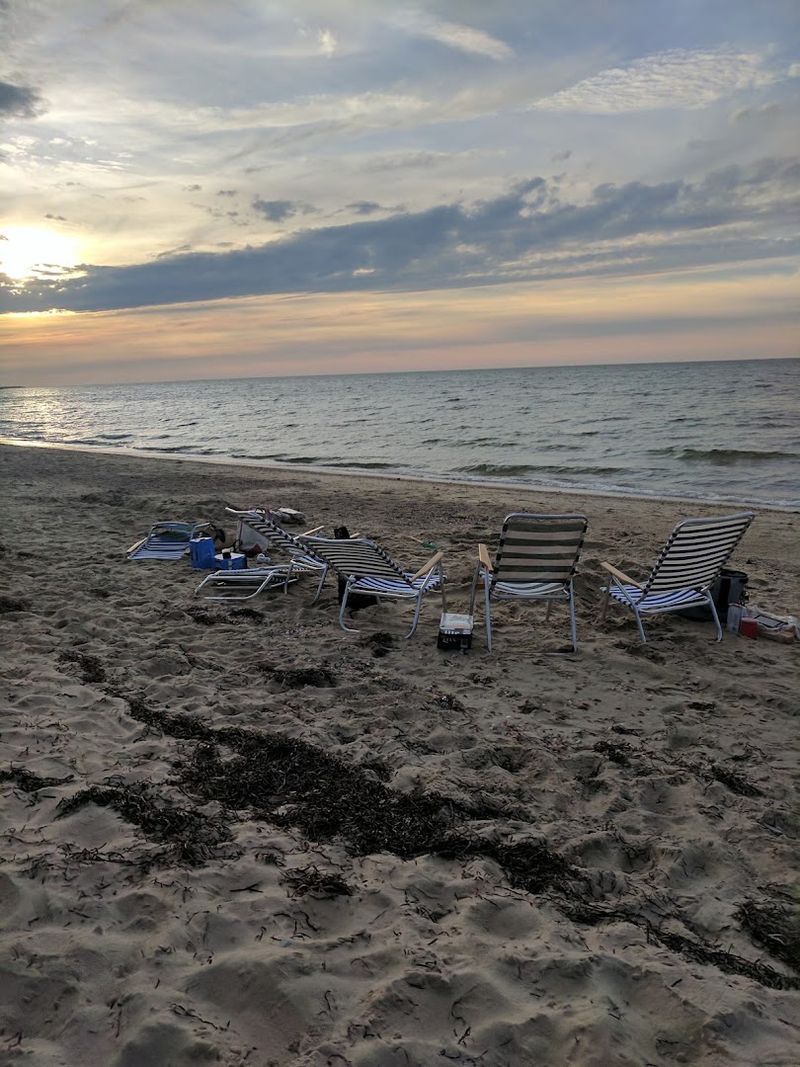
A beach with no lifeguards, no food vendors, no trash cans, and a dirt road for an entrance asks something specific of the people who come to enjoy it.
Preparation is not optional here. It is the price of admission for a genuinely good day.
Start with the vehicle checklist. Tire pressure should be reduced before driving on sand, and a gauge is essential for getting that right.
A shovel, tow rope, and jack with proper boards belong in the back of any vehicle attempting the oversand route. The dune access road has steep sections and soft patches that can strand an unprepared driver quickly.
Beyond the vehicle, pack everything you need for the day because nothing is available for purchase on the beach itself. Food, water, sunscreen, insect repellent, and a bag for your own trash all need to come with you.
On days with little wind, greenhead flies and mosquitoes can become a genuine nuisance, particularly in the warmer months. A quality repellent makes the difference between a comfortable afternoon and an irritating one.
Seasonal portable restrooms are available during peak summer, but they disappear in the off-season. Planning around that detail saves considerable discomfort.
The reward for all this preparation is a beach that feels genuinely removed from the ordinary summer circuit.
Golden Hours At The Island’s Edge
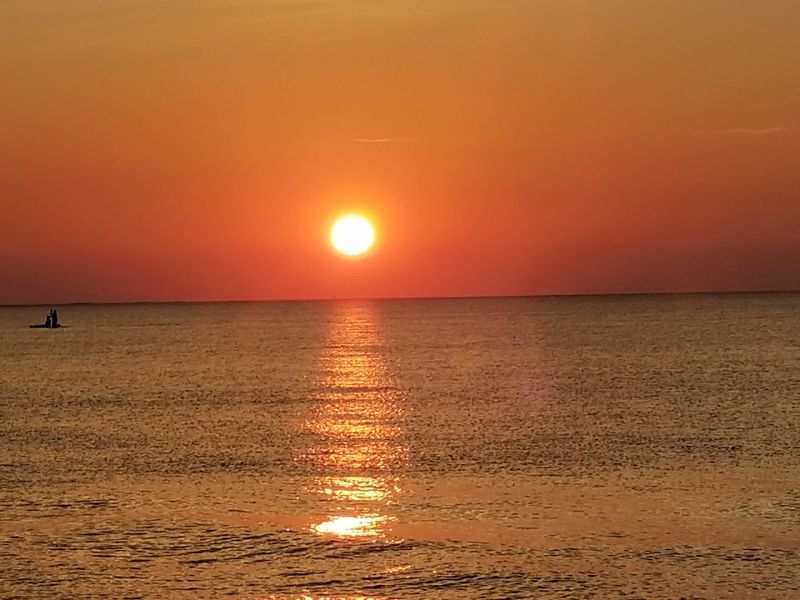
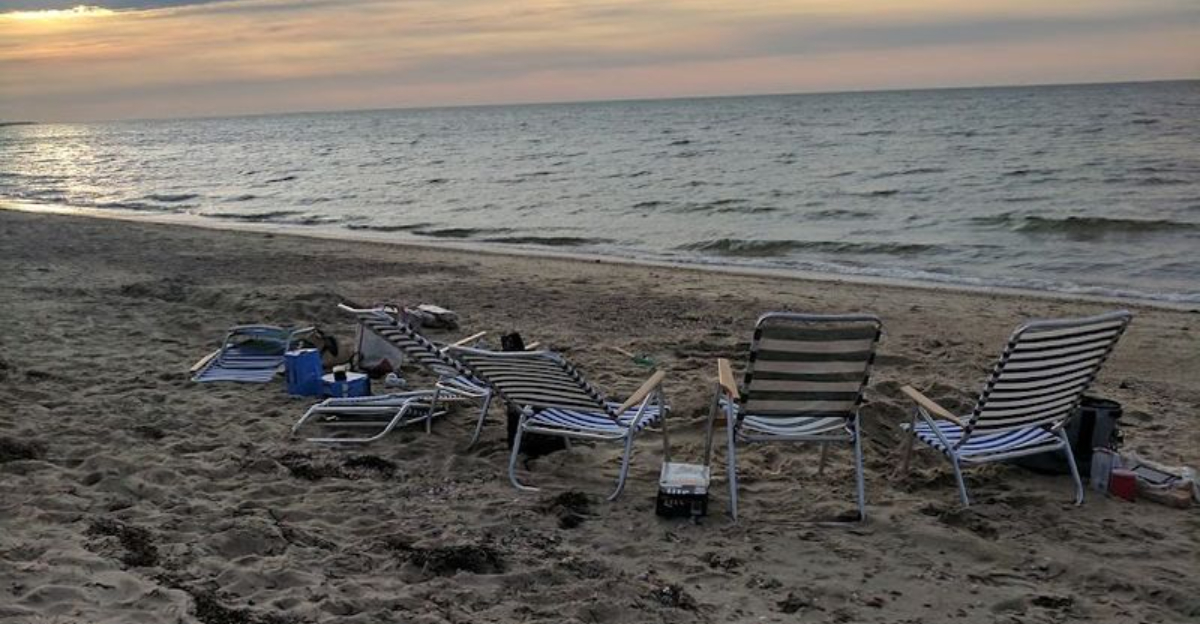
Few things on Nantucket generate the kind of unanimous agreement that the sunsets at 40th Pole Beach do. The northwest-facing shoreline sits at nearly perfect angle to catch the full descent of the sun over the sound.
As the light drops, the water surface picks up the color and amplifies it, spreading orange and rose tones across a flat, reflective plane that stretches to the horizon without interruption.
The experience is unhurried. There are no restaurant reservations to rush back for, no parking meters ticking down.
People simply stay. They sit on the sand or lean against their vehicles and watch the light change through its full range before the sky finally deepens into blue.
Conversations slow down. The day settles into something quieter and more considered than it started as.
Shell collecting takes on a different quality in that late light too, with the low angle catching the curved surfaces of whelks and scallops in ways that midday light misses entirely. Anglers cast into the darkening water as the temperature drops a few degrees.
The beach at this hour feels genuinely separate from the rest of the island. It is not a dramatic conclusion to the day so much as a natural and satisfying one, earned by the full hours that came before it.