
This Small California College Combines Loan-Free Financial Aid With A Top-Ranked Education
Every bit of a student’s demonstrated financial need gets met here without a single loan in the aid package. Grants and a modest campus job do the work instead.
That promise comes from a private liberal arts college in Southern California. It also ranks among the top liberal arts schools in the country.
The funny thing is, plenty of families have never heard of this policy. They assume a top school in California has to mean years of payments after graduation.
I’ve come to realize the no-loan approach shapes more than a bank balance. Students can focus on classes, research, and friendships instead of future bills.
It just feels right that a place this academically serious also takes money worries off the table. So what does a debt-free path to a great education actually look like?
The Aid Package That Skips The Loans Entirely
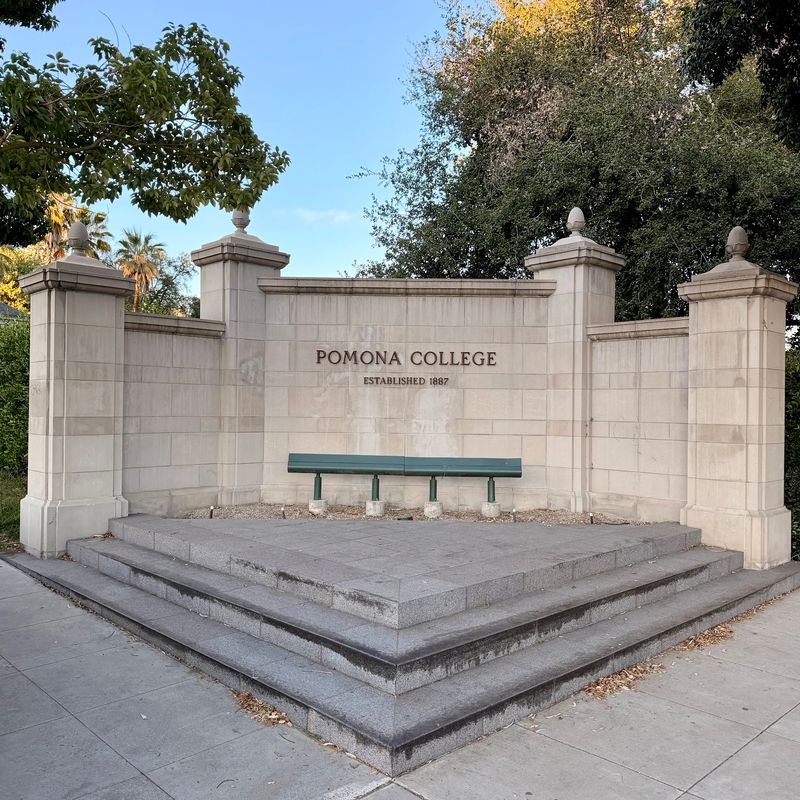
Pomona College makes a promise that sounds almost too good. It meets the full demonstrated need of every admitted student without putting loans in the aid package.
So where does the money come from? Pomona uses grants, scholarships, and a modest student employment amount to cover that need.
Grants are basically gift money. Nobody sends a bill for them later, which is the whole point.
Families can still choose federal or private loans for their own share if they want. The college itself just doesn’t build loans into its packages to cover need.
Roughly 60 percent of undergraduates receive grant or scholarship aid. That’s a big chunk of the student body getting real help.
More than half of students receive need-based grant or scholarship aid. That’s a big chunk of the student body getting real help.
Here’s a practical tip worth remembering. A high sticker price doesn’t tell you what your family will actually pay.
Run the college’s net price calculator before crossing Pomona off your list. You might be surprised by the number that comes back.
Freedom from future payments changes how students spend their four years. That’s a gift that keeps paying off.
Your Professor Might Actually Know Your Name By Week Two
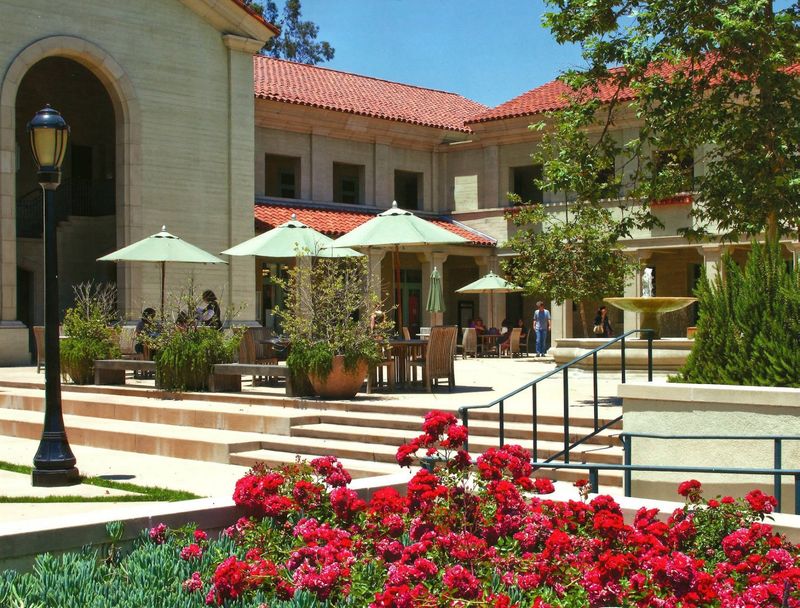
Seven students for every faculty member. That ratio at Pomona College means professors aren’t distant figures at the bottom of a giant lecture hall.
Classes are small, often averaging well under 20 students. Discussions feel like real conversations, and hiding in the back row gets tricky.
The college offers 48 majors and about 600 courses each year. That’s a lot of choice for a school of its size.
Pomona consistently ranks among the top liberal arts colleges in the United States. The curriculum is rigorous, but it rewards curiosity more than cramming.
Small classes come with a bonus that many students only appreciate later. Professors who know your work can write detailed, personal recommendation letters.
Those letters matter for graduate school, medical school, law school, and fellowships. A professor who watched you grow has a lot to say.
Want a practical tip? Go to office hours early, even when you don’t have a problem.
Faculty at a place like this expect students to show up and ask questions. Getting comfortable with that habit can shape your whole college experience.
Big ideas, small rooms. It’s a combination that’s hard to beat.
Five Colleges, One Square Mile, Zero Need To Choose
Most small colleges come with a trade-off. You get close attention but fewer course options.
Pomona College gets around that problem cleverly. It’s the founding member of The Claremont Colleges, a consortium that changes the math completely.
The group includes five undergraduate colleges: Pomona, Scripps, Claremont McKenna, Harvey Mudd, and Pitzer. Two graduate institutions round out the family.
All seven campuses sit within about one square mile. Walking from one school to another takes minutes, not a bus ride.
Pomona students can choose from more than 2,000 additional courses across the other colleges. Suddenly that small-school catalog looks enormous.
The shared community includes over 6,000 undergraduates. That means more clubs, more events, and more people to meet.
Think of it as a small college with a large university hiding next door. You get both experiences without picking one.
A smart move for new students is exploring classes at a neighboring campus early. Different colleges bring different teaching styles and specialties.
Professors, facilities, and friendships can come from anywhere in the consortium. It’s one of the most unusual setups in American higher education, and it works beautifully.
First-Year Students Doing Real Lab Research? Yep
Research isn’t something Pomona students wait until senior year to try. Over half of them take part in faculty-led research, and some start as early as their first year.
Projects can tackle serious subjects like nanotechnology or DNA research. That’s heady stuff for someone who just figured out where the dining hall is.
The sciences are especially strong here. Biology, chemistry, physics, and neuroscience all offer solid opportunities for undergraduates to get hands-on.
Economics and mathematics also earn a lot of respect. Graduates head into a wide range of quantitative fields.
Computer science, politics, and international relations add more variety. Pomona’s liberal arts foundation encourages students to wander between subjects.
Creative students have plenty to explore too. Studio art, music, and theater are all well regarded programs.
Research experience does more than look nice on a resume. It teaches patience, problem-solving, and how to handle results that don’t cooperate.
So here’s some friendly advice. Ask professors about their projects, even if you’re brand new.
Many students land research spots simply by showing interest. Curiosity counts for a lot when the faculty is this close.
Campus Becomes Home For All Four Years
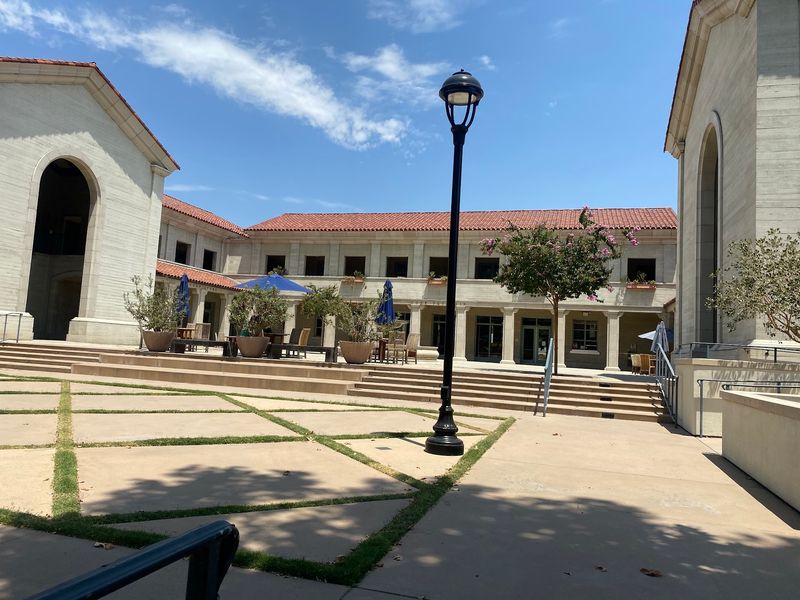
Between 94 and 97 percent of Pomona College students live on campus. And they don’t just stay for freshman year, they stick around for all four.
That kind of residency creates a tight community. Many professors also live nearby, which adds to the neighborly feel.
Conversations start in residence halls and spill into club meetings. Some students even end up having lunch with professors.
New students get support right away through sponsor groups. These small groups help first-years find their footing and make friends fast.
There’s also Orientation Adventure, which happens before classes officially begin. It gives students a chance to bond before the homework arrives.
The housing options mix older and newer buildings. Dialynas and Sontag Halls stand out for their sustainable construction and appealing living spaces.
Living on campus for four years saves a lot of hassle. No apartment hunting, no long commutes, no surprise roommate from a random listing.
Here’s a helpful tip for incoming students. Lean into your sponsor group, even if it feels awkward at first.
Those early connections often turn into lasting friendships. Community here isn’t an extra, it’s the whole idea.
Sunday Brunch Here Is Good Enough To Cross Campus Lines
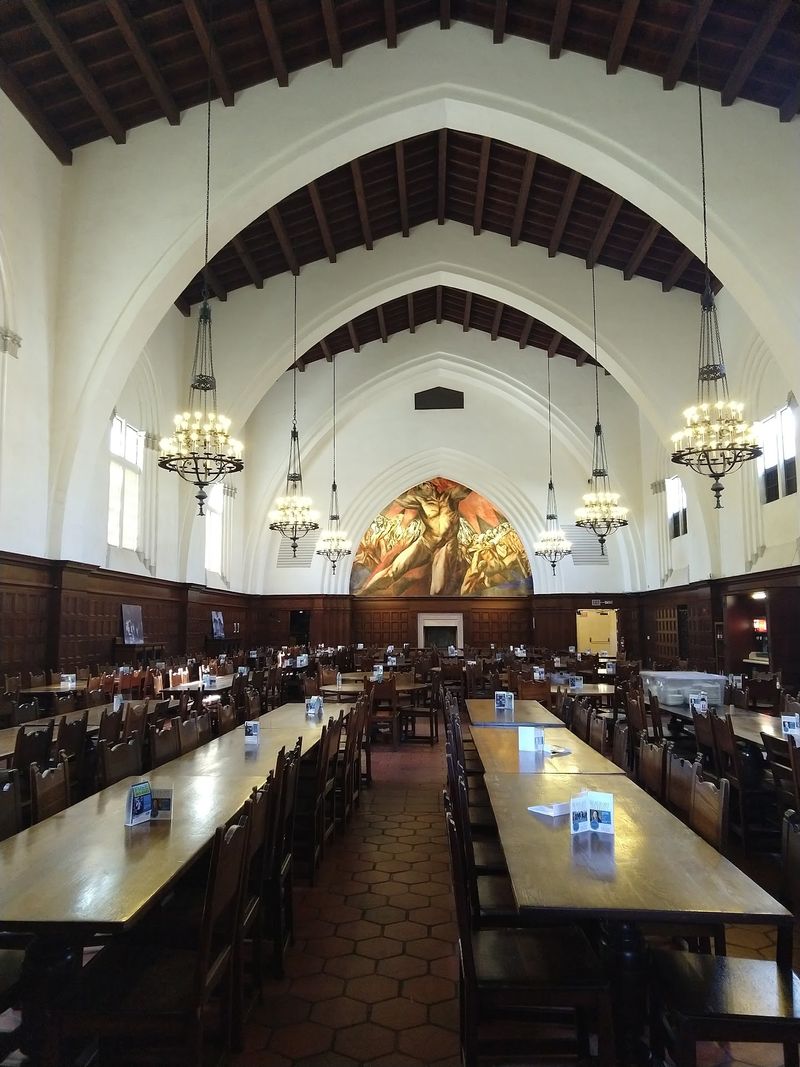
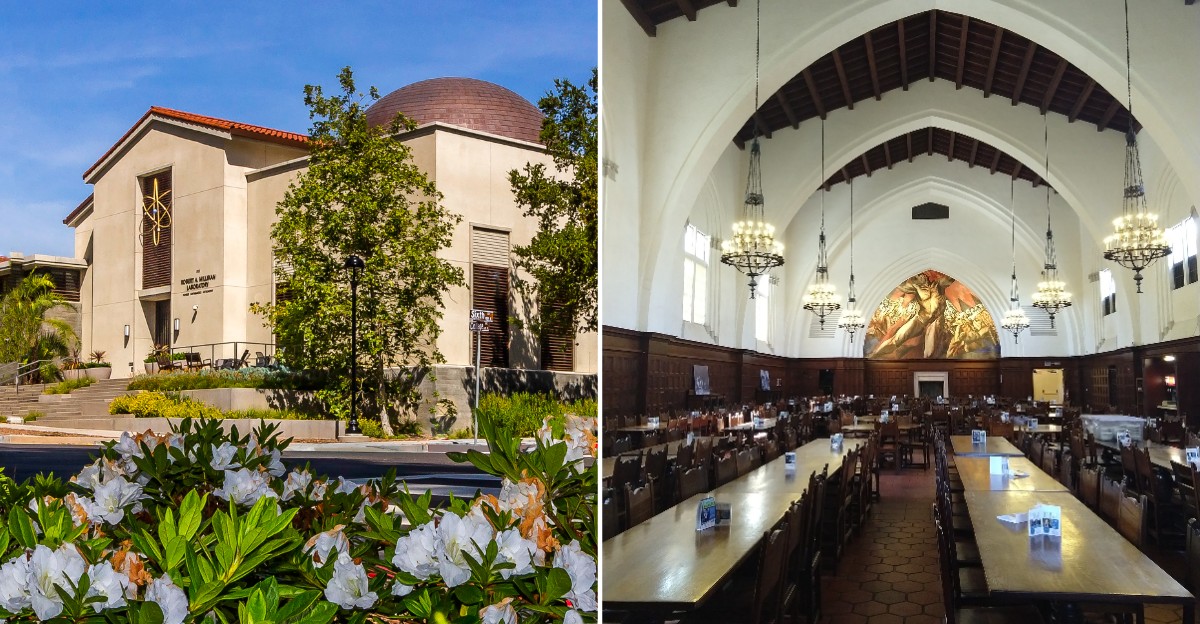
Students from other Claremont Colleges have been known to wander over for Sunday brunch at Frank Dining Hall. That says plenty about how the food stacks up.
Pomona College has two main dining halls, Frank and Frary. Each one has its own personality.
Frank is often described as homey. It’s also famous for its outdoor omelet line, which is a fine way to start a morning.
Frary brings something extra to the table, literally above it. José Clemente Orozco’s famous Prometheus mural commands attention inside the hall.
Not many students eat their cereal beneath a major work of art. Breakfast with a side of art history?
Sure, why not.
The dining program focuses on healthy food options. Ingredients come from local sources whenever possible.
Sustainability shows up in the details too. The halls eliminated trays to cut food waste and encourage composting.
Students even help distribute leftover food to local homeless organizations. Meals become a way to care for the wider community.
A friendly suggestion for visitors and new students alike. Try both halls before picking a favorite, because each one offers a different mood.
The Greenest Buildings On Campus Earned Platinum Status
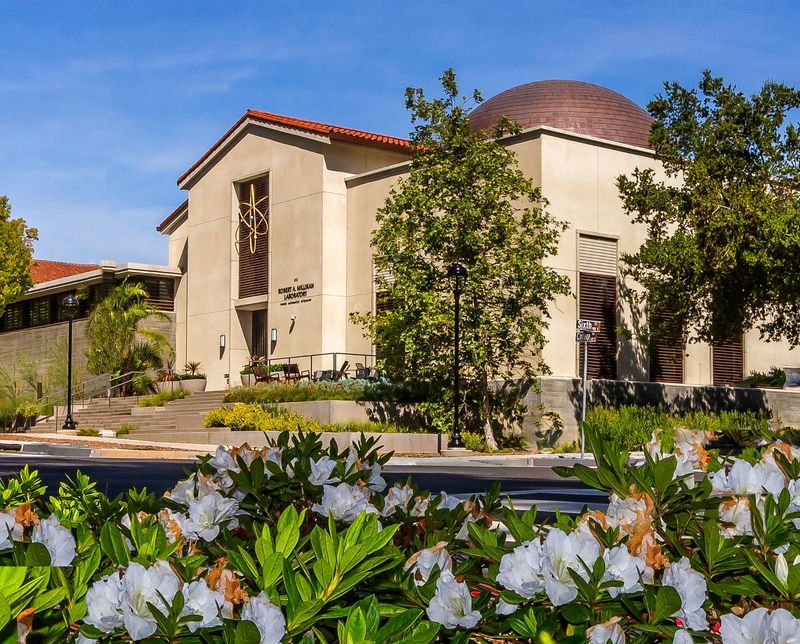
Carbon neutrality by 2030. Pomona College set that goal and has been working toward it across the entire campus.
All new buildings must meet LEED Gold standards. Some went even further and earned LEED Platinum, the highest level.
Dialynas and Sontag residence halls reached Platinum. So did the Millikan and Andrew Math and Physics buildings.
Green thinking shows up outside the buildings too. The college uses rainwater capture and drought-resistant plants in its landscaping.
That makes a lot of sense in Southern California. Water-wise gardens beat thirsty lawns in a dry climate.
Students can visit the on-campus Organic Farm. There’s also a strong composting program that keeps food scraps out of landfills.
Need wheels? The Green Bikes program offers free bikes and repair services to students.
Big ideas get funding as well. Students can apply to the President’s Sustainability Fund to lead their own projects.
Here’s a practical takeaway for prospective students who care about the planet. Ask about the Sustainability Fund early, because student-led projects can become meaningful leadership experience.
Saving the planet one bike tire at a time sounds small. Add it all together, and it really adds up.
Columns, Art Deco Arches, And A Wall Of Glass
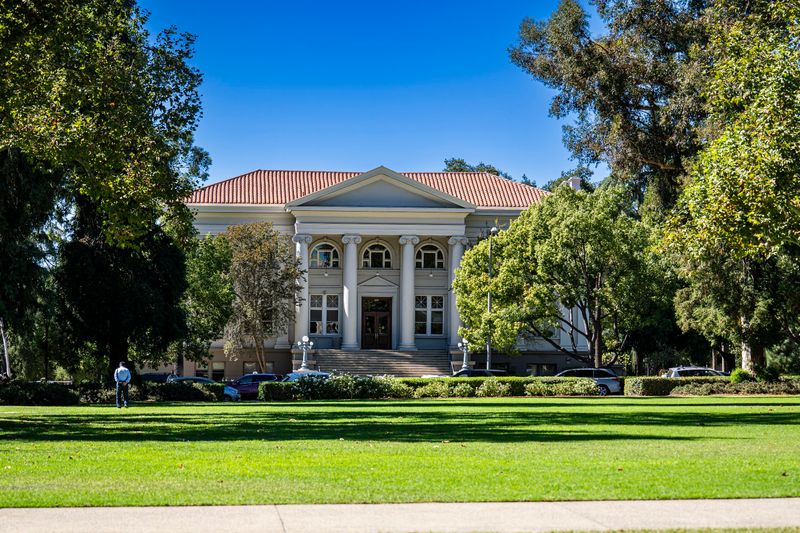
Old meets new all over this campus, and the mix works surprisingly well. Pomona College started with a New England style, then picked up some Southern California flair.
Carnegie Hall shows off a stately Classical Revival design with columns. It looks like it belongs in an old postcard.
Big Bridges Auditorium brings graceful Art Deco arches to the scene. It serves as a major concert and performance venue.
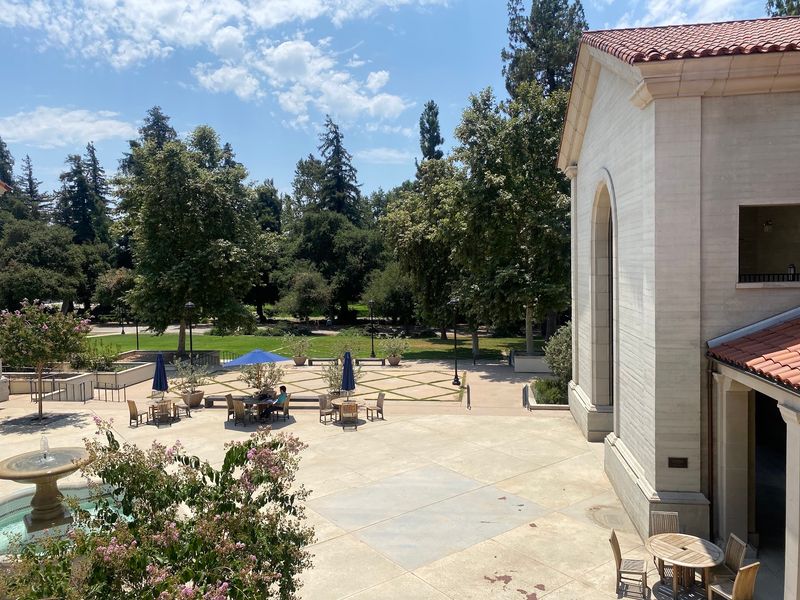
Many of these buildings frame Marston Quadrangle. This landscaped green space gives the campus a calm, open center.
Large, mature trees shade walkways throughout the grounds. Strolling here feels unhurried, even on a busy school day.
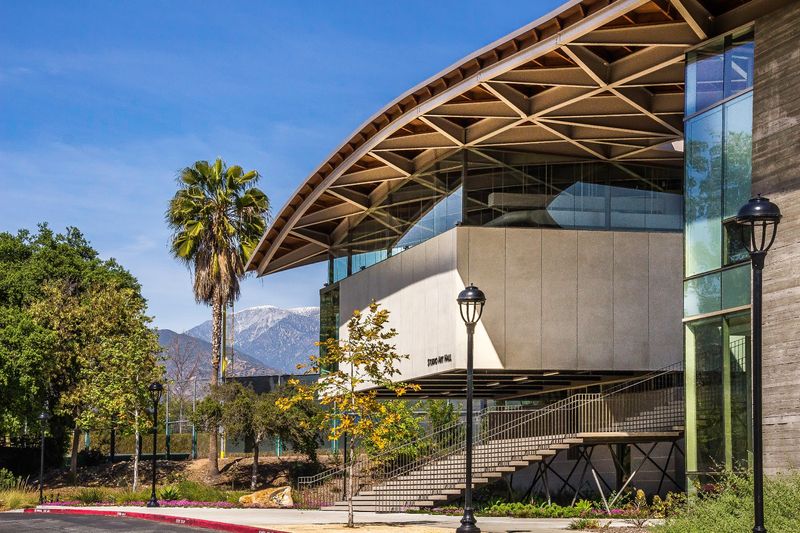
Then comes the Studio Art Hall, completed in 2014. More than half its exterior is glass.
The building was designed to encourage collaboration across art forms. Sculpture, digital arts, and other disciplines share the space.
Visiting on a campus tour? Leave extra time to walk the quad slowly.
Notice how the historic buildings contrast with the modern additions. The variety tells the story of a college that respects its past while building forward.
Architecture fans could easily spend an afternoon here. Bring comfortable shoes.
Mountain Views Up Front, The Whole World Down The Road
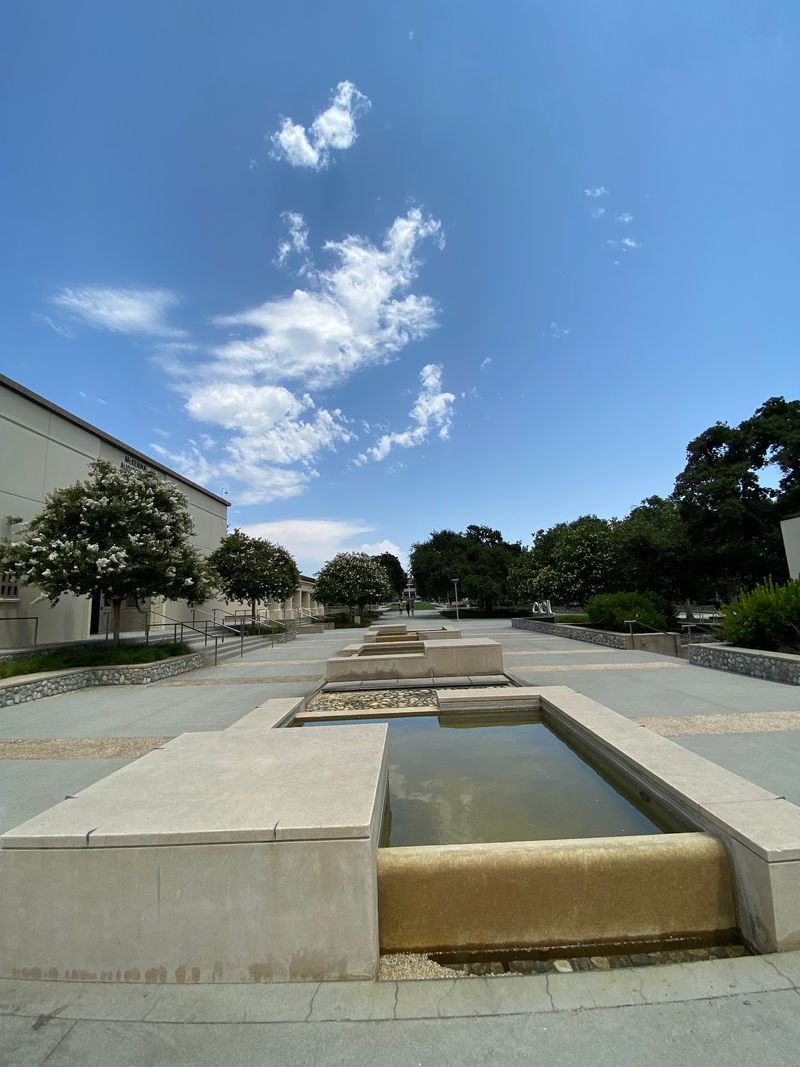
The San Gabriel Mountains rise near the edge of town, giving campus a pretty backdrop. Not a bad view for walking to class.
Pomona College sits at 333 N College Way, Claremont, CA 91711. Its 140-acre campus is about 35 miles east of downtown Los Angeles.
That distance offers a nice balance. Students get a focused college town while staying close to big-city opportunities.
Southern California opens doors for internships and cultural experiences. Outdoor adventures are within reach too.
The Claremont Village sits just a short walk from campus. Shops and restaurants are easy to reach on foot.
But Pomona’s reach goes far beyond California. The college offers around 70 pre-approved study abroad programs in more than 38 countries.
That means students can spend a semester somewhere totally new. Then they come back to their close campus community.
Here’s a smart planning tip for future students. Meet with study abroad advisers during your first or second year so the program fits your major.
Local charm and global options make a strong pair. Add loan-free aid, and Pomona College becomes a place worth knowing about, no matter where you start.