
This Spring-Fed Colorado Lake Has Remarkably Clear Water, And Locals Want To Protect It
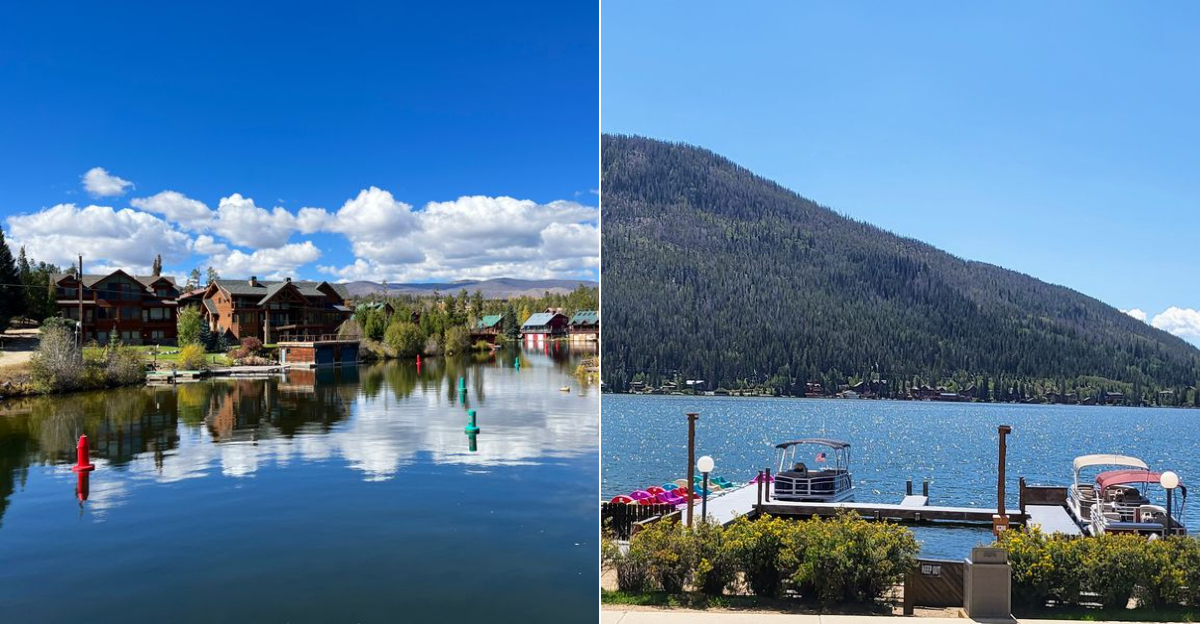
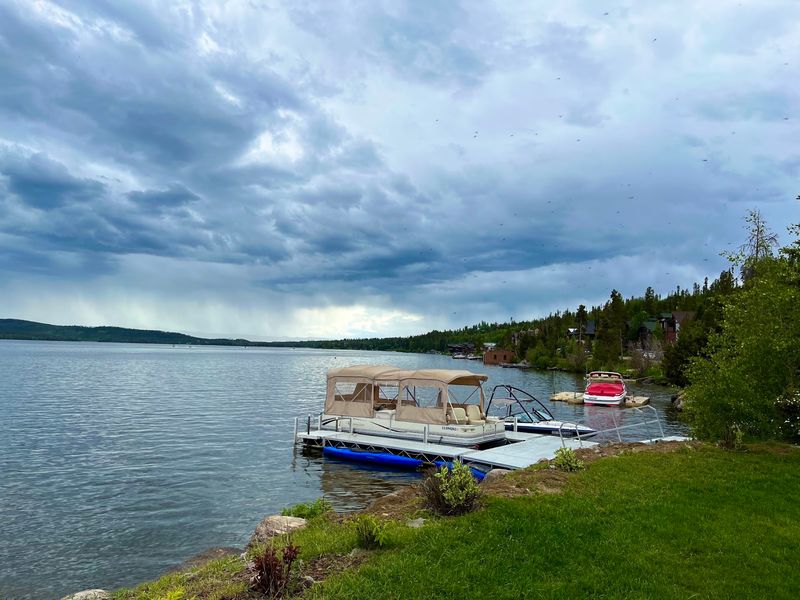
High in the mountains of Colorado sits a lake so clear that visitors lean over the side of their boats just to stare at the bottom.
Glaciers carved this basin less than 12,000 years ago, and cold streams still pour into it straight from the peaks of Rocky Mountain National Park.
Back in 1941, a measuring disc could be seen 30 feet down, and that kind of cl arity turned a quiet mountain basin into one of the most photographed spots in the state.
Today the water faces new pressures, and the people who live nearby are fighting hard to keep it bright. That mix of natural beauty and local pride makes a trip here feel meaningful, not just pretty.
You get sandy beach time, moose sightings, a wooden boardwalk lined with shops, and 350 miles of trails within reach. Summer brings sailboats, paddleboards, and kids splashing in water cold enough to make you gasp and laugh at the same time.
Where The Water Runs Impossibly Clear
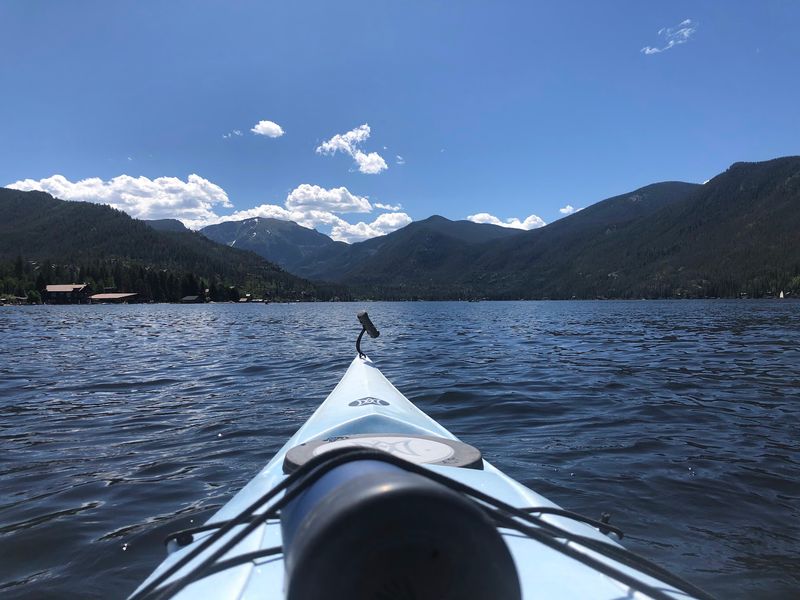
Welcome to Grand Lake, the largest and deepest natural lake in all of Colorado. The town that shares its name had just 410 residents at the 2020 census, which tells you plenty about the pace of life here.
Glaciers did the heavy lifting, scooping out this basin as the ice retreated thousands of years ago. Cold water still arrives through the North Inlet and East Inlet, two streams tumbling down from Rocky Mountain National Park.
Because those tributaries run through protected wilderness, the water they deliver stays remarkably clean.
The lake sits right at the headwaters of the Colorado River, which means every drop you see is at the very start of a long journey west. Mountains wrap around three sides, and the national park boundary hugs the shoreline like a fence built by nature.
Ute people once believed the icy depths held the spirits of those who had passed on, and they named it Spirit Lake. Standing on the shore at dawn, with steam curling off the surface, that old story starts to make sense.
The town itself was founded in 1881 as a supply stop for mining camps in the hills. It even served briefly as the county seat before things quieted down.
Water Clear As Glass
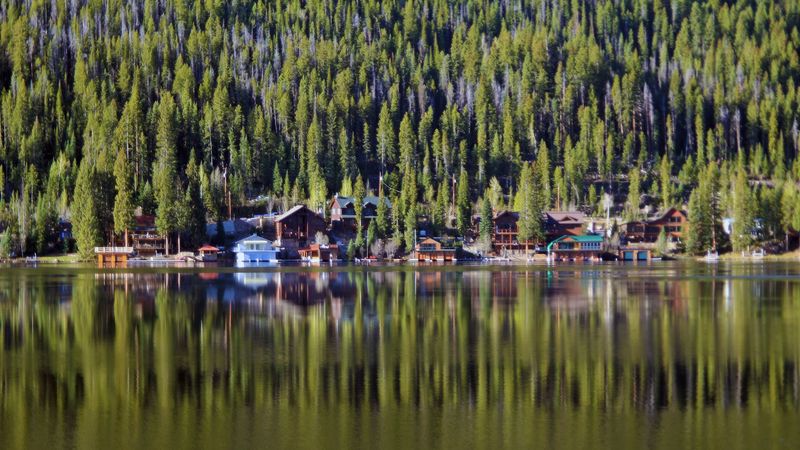
Thirty to forty feet. That was how far down people could see in Grand Lake during the early 1900s, before big water projects reshaped the region.
Scientists measure clarity with a simple tool called a Secchi disc, lowering it until it vanishes from sight. In 1941, that disc stayed visible at 9.2 meters, roughly 30 feet.
Reading that number today feels almost unbelievable for a mountain lake.
What makes the water so clean comes down to geography. Snowmelt and spring water arrive cold, filtered through granite and forest, carrying very little sediment.
Cold water also holds back algae growth, which is what clouds most lakes during warm months.
Current clarity goals aim for an average of 3.8 meters, about 12.5 feet, during the official clarity season from July 1 through September 11. That may sound modest next to the old records, but hitting it consistently takes real work.
Bring polarized sunglasses if you want the full effect. They cut surface glare and reveal the rocky shelves and drop-offs below.
Early morning is your best window, before wind ruffles the surface and boat traffic stirs things up. Paddle out around seven in the morning and the lake turns into a mirror with a window underneath.
Would you trust yourself to look straight down into water that deep without getting a little dizzy?
Locals Fighting For Clarity
Here is something you rarely find at a vacation destination: a written 30-year promise to protect the water. Northern Water, along with two related districts, has committed 30 million dollars over three decades to improving conditions across the region.
The effort carries the name Three Lakes CLEAR Initiative, standing for Clarity, Legacy, Ecosystem, Adaptation, and Resilience. It covers Grand Lake, Shadow Mountain Reservoir, and Granby Reservoir as one connected system.
Why the need? The Colorado-Big Thompson Project, started in the 1930s, moves water from the western side of the Rockies to the eastern side.
Pumping pulls water from Shadow Mountain and Lake Granby into Grand Lake, and those reservoirs carry sediment, nutrients, and organic material that cloud things up.
Since 2016, engineers have adjusted the timing and pattern of that pumping, and clarity has measurably improved. Small operational changes turned out to matter a lot.
Researchers are also studying non-native Mysis shrimp, testing whether reducing their numbers could shift the balance and lower algae levels. Partners include Grand County, the Bureau of Reclamation, the Colorado River Water Conservation District, and the town itself.
The Three Lakes Watershed Association keeps residents involved and informed year after year.
Visitors help too, mostly by keeping trash out of the water and staying on marked paths near the shore.
Sandy Beach In Mountains
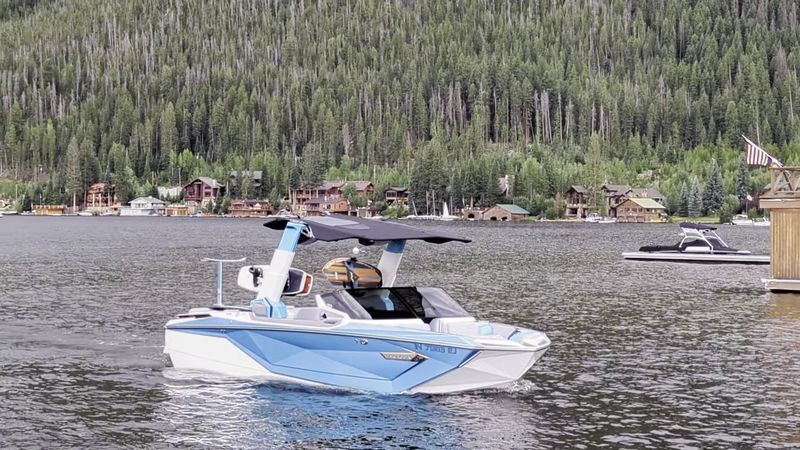
A real sandy beach at 8,300 feet? Colorado does not hand those out often, which makes the town beach here something of a novelty.
Soft sand runs right up to the shops of Grand Avenue, so you can grab an ice cream and be sinking your toes into the shoreline three minutes later. Families spread out towels, kids build lopsided castles, and the mountains loom overhead like a painted backdrop.
The water stays cold. Really cold.
Most swimmers do a quick shriek-and-splash routine before retreating to warm sand, and honestly that is half the fun.
Paddleboards and kayaks launch easily from the gentle slope, no ramp required. Because the water is so clear near shore, paddlers often spot fish darting under their boards.
Afternoon winds tend to pick up, so mornings suit beginners better. Bring a light jacket even in July, since mountain weather flips fast and clouds can roll over the peaks in minutes.
Shade is limited, and sun at this elevation hits harder than most people expect. Sunscreen and a hat are not optional.
Public docks nearby allow day use, handy for anyone arriving by boat and wanting to walk into town.
Benches along the edge fill up at sunset, when the surface goes gold and pink.
When was the last time you swam in water this clean without a single algae patch in sight?
Boating And Sailing Traditions
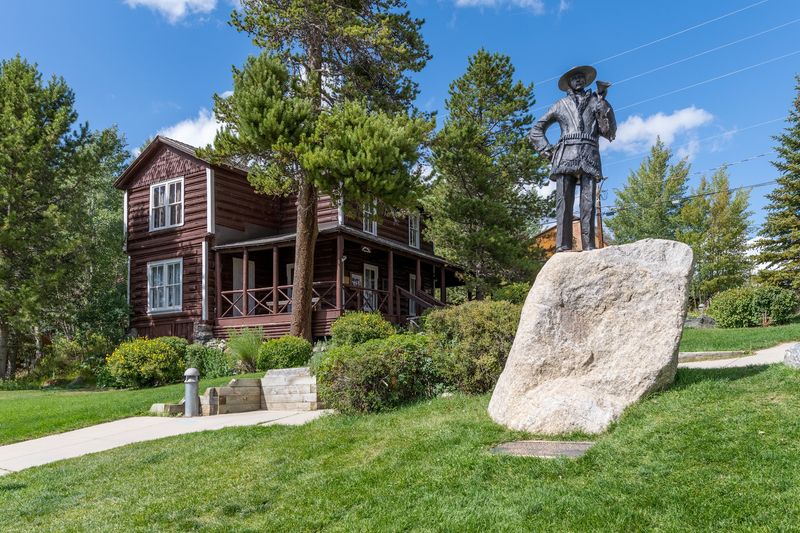
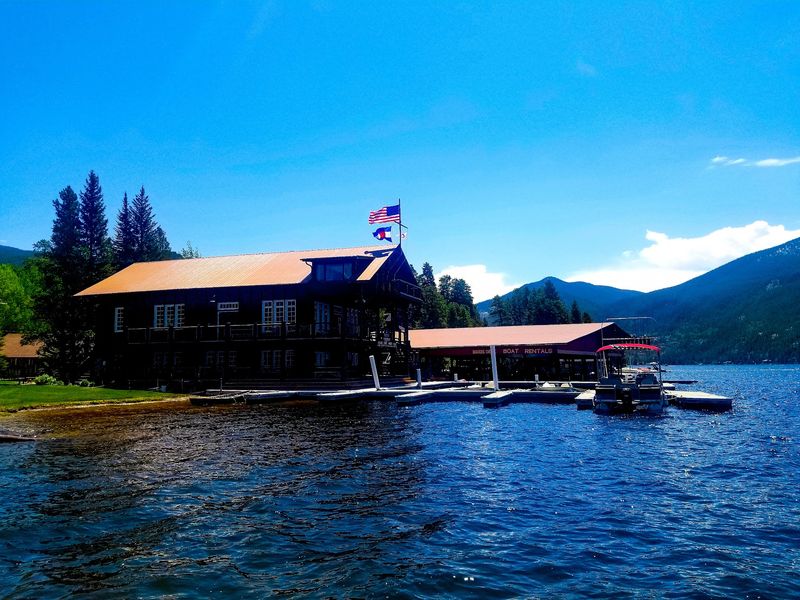
Founded in 1902, the Grand Lake Yacht Club ranks among the highest yacht clubs anywhere on the planet. Sailors have been chasing wind across this basin for more than 120 years.
Each summer the club hosts Regatta Week, and the lake fills with white sails leaning into mountain gusts. Spectators line the shore, watching boats tack back and forth against a wall of evergreens.
You do not need to own anything to join the fun. Marinas around the lake rent pontoons, fishing boats, kayaks, paddleboards, and pleasure craft by the hour or day.
Pontoon boats are the crowd favorite for families, offering shade, seating, and plenty of room for coolers and towels. Anglers head for deeper water hunting lake trout, brown trout, and kokanee salmon.
Wind patterns here follow a rhythm. Calm mornings, breezy afternoons, then a settling down near sunset.
Plan accordingly and your day goes smoothly.
Boaters are asked to clean, drain, and dry their vessels before launching, since invasive species threaten the water quality everyone works to protect. Inspection stations make the process quick.
Grand Lake connects by channel to Shadow Mountain Reservoir, so a single outing can cover two bodies of water.
Sunset cruises reveal peaks turning orange while the lake goes glassy underneath.
Gateway To National Park
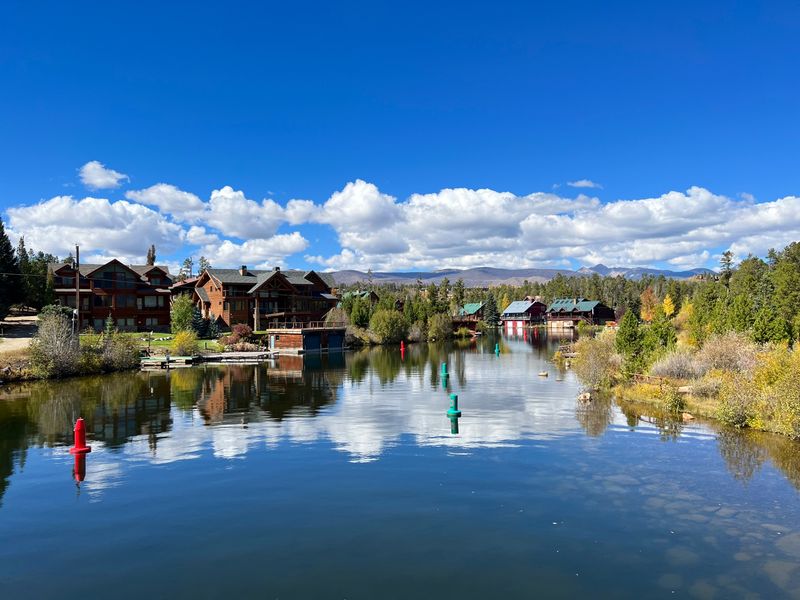
Most people enter Rocky Mountain National Park from the busy east side. Smart travelers slip in through the west entrance right beside Grand Lake, where crowds thin out and moose sightings go up.
Over 350 miles of trails spread through the park, ranging from flat strolls to lung-burning climbs. Adams Falls sits just a short walk from the East Inlet trailhead, tumbling through a rocky chute before feeding into the lake itself.
Trail Ridge Road starts nearby and climbs above 12,000 feet, crossing tundra where marmots whistle from boulder piles. It opens seasonally, usually late May through October, depending on snow.
The Kawuneeche Valley along the park’s western edge is prime moose country. Early morning and evening give the best odds, and the animals often stand knee-deep in willows near the young Colorado River.
Holzwarth Historic Site offers an easy walk to preserved cabins from a 1920s guest ranch. Rangers sometimes staff the buildings and share stories about homesteading at high altitude.
Elk bugling in September echoes across the meadows, an eerie sound worth planning a trip around.
Altitude affects everyone differently, so drink water constantly and take your first day slow.
Timed entry reservations may apply during peak months, so check before you drive up.
Historic Boardwalk And Shops
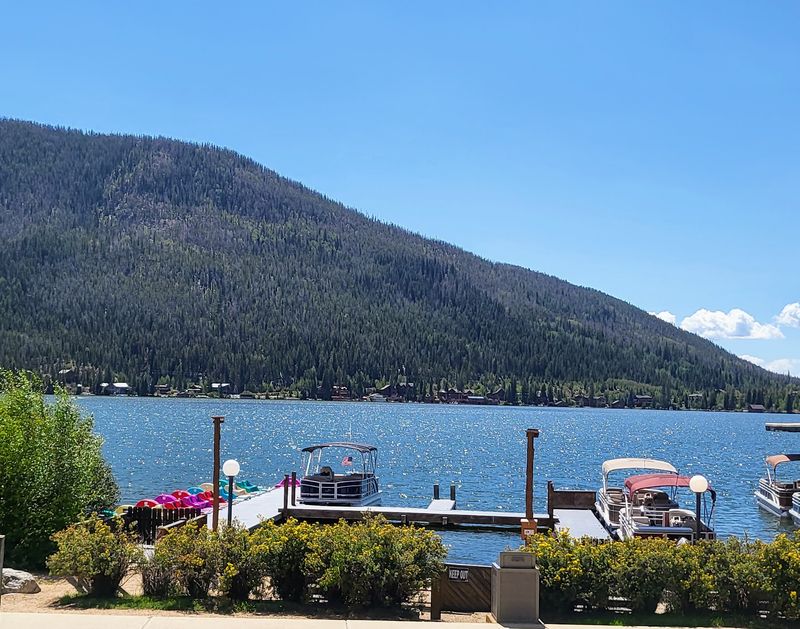
Wooden planks creak underfoot along Grand Avenue, and that sound alone tells you this town has been welcoming travelers for a very long time.
The boardwalk stretches past storefronts selling handmade crafts, western hats, candy, outdoor gear, and art made by people who actually live here. Flower baskets hang from posts all summer long.
Back in 1881, this street served miners hauling supplies into the hills. Today it serves hikers hauling ice cream cones.
Kauffman House Museum anchors the town’s history, housed in a rustic log hotel built in 1892. Rooms are furnished as they were more than a century ago, and volunteers love answering questions about the pioneer families who ran it.
Restaurants along the strip range from casual burger counters to sit-down dining with lake views. Breakfast spots fill early, especially on weekends.
Community events keep the calendar busy. Arts and Crafts Fairs bring artisans from around Colorado, and free music concerts draw locals with folding chairs and blankets.
Parking gets tight in July and August, so arriving before ten saves frustration. The town is small enough to explore entirely on foot once you park.
Shop owners often double as trail advisors, happy to point you toward a quiet path or a good fishing hole.
What souvenir would you carry home from a boardwalk built in the 1880s?
Winter Snowmobile Capital Fun
Snow changes everything here. Grand Lake carries the title of snowmobile capital of Colorado, and once the flakes pile up, engines replace boat motors as the soundtrack of the season.
Groomed trails start right in town, meaning riders can fuel up, gear up, and roll out without loading a trailer. Hundreds of miles of routes wind through national forest, climbing to overlooks above the treeline.
Rental shops supply machines, helmets, and suits, plus guides for anyone nervous about their first ride. Beginners usually get the hang of it within an hour.
Ice fishing draws a whole different crowd. Anglers drill holes across the frozen surface, set up shelters, and settle in for the day.
Annual contests turn the lake into a friendly competition.
The Grand Lake Nordic Center grooms tracks for cross-country skiing and snowshoeing through quiet timber. Free ice skating rinks operate in town, and Town Hill serves as the sledding headquarters for kids and brave adults.
Winter also means fewer people. Trails feel private, and the mountains look enormous under fresh snow.
Dress in layers, because temperatures swing wildly between sunshine and shade. Waterproof boots matter more than anything else you pack.
Lodging rates often drop after the holidays, making February a smart month for a Colorado snow trip.
Sledding, skating, or snowmobiling first thing tomorrow morning?