
This Stunning Kentucky Cathedral Was Modeled On Notre Dame, And Its Window Is Even Bigger Than The Paris Original’s
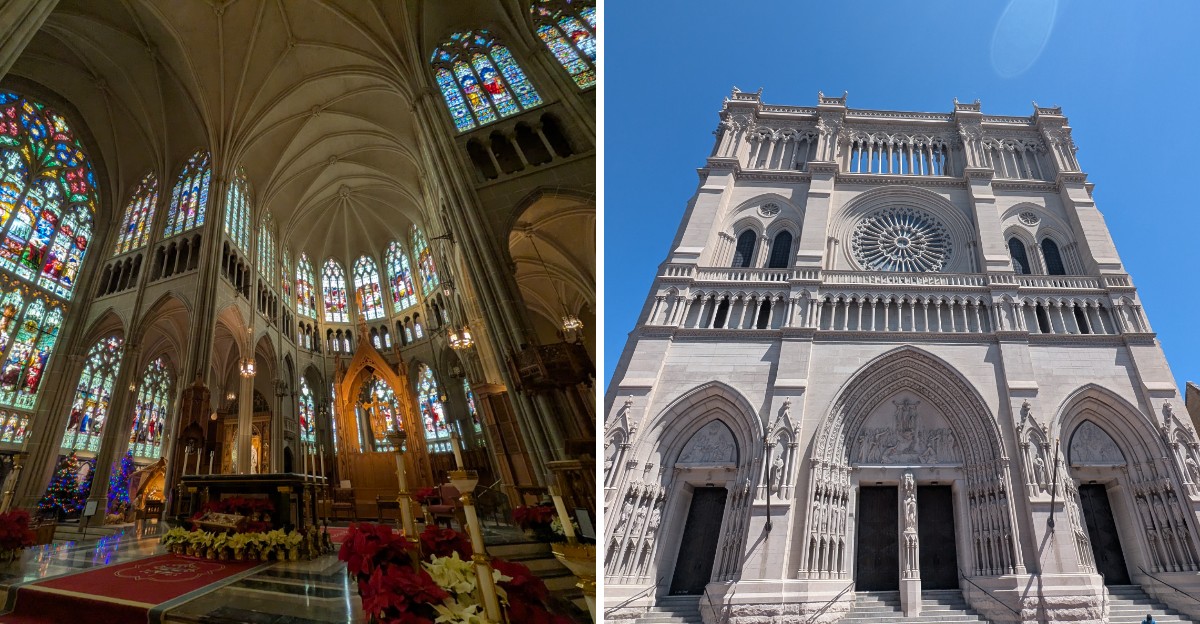
One stained glass window here stands 67 feet tall and 24 feet wide. That’s taller than a six-story building, made of handmade glass, and it’s sitting in Kentucky.
The church around it borrows its face from Notre Dame in Paris. Flying buttresses, carved doorways, and gargoyles all made the trip across the ocean, at least in spirit.
I love that the builders aimed this high and simply kept going. They never even finished the twin towers they planned, and the place still looks ready for a French postcard.
Inside, the surprises keep stacking up. Venetian mosaics, a relic chapel, two pipe organs, and murals by a famous painter all share one roof.
A Little Bit Of Paris Landed On The Ohio River
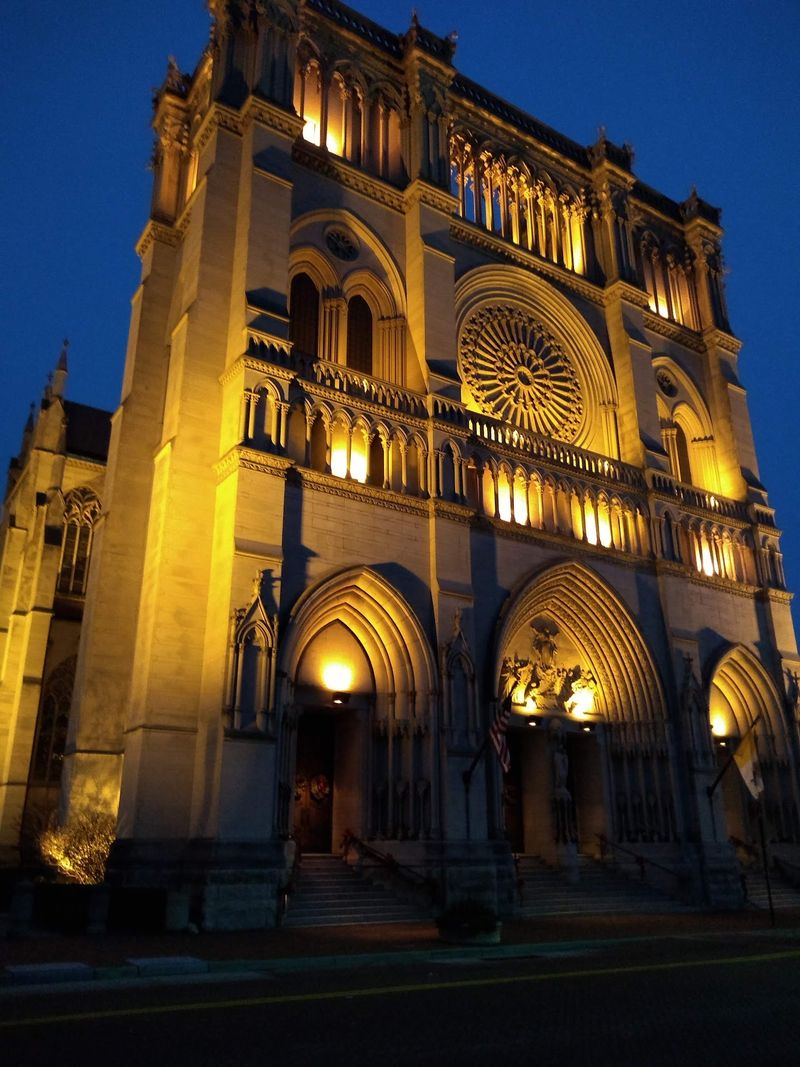
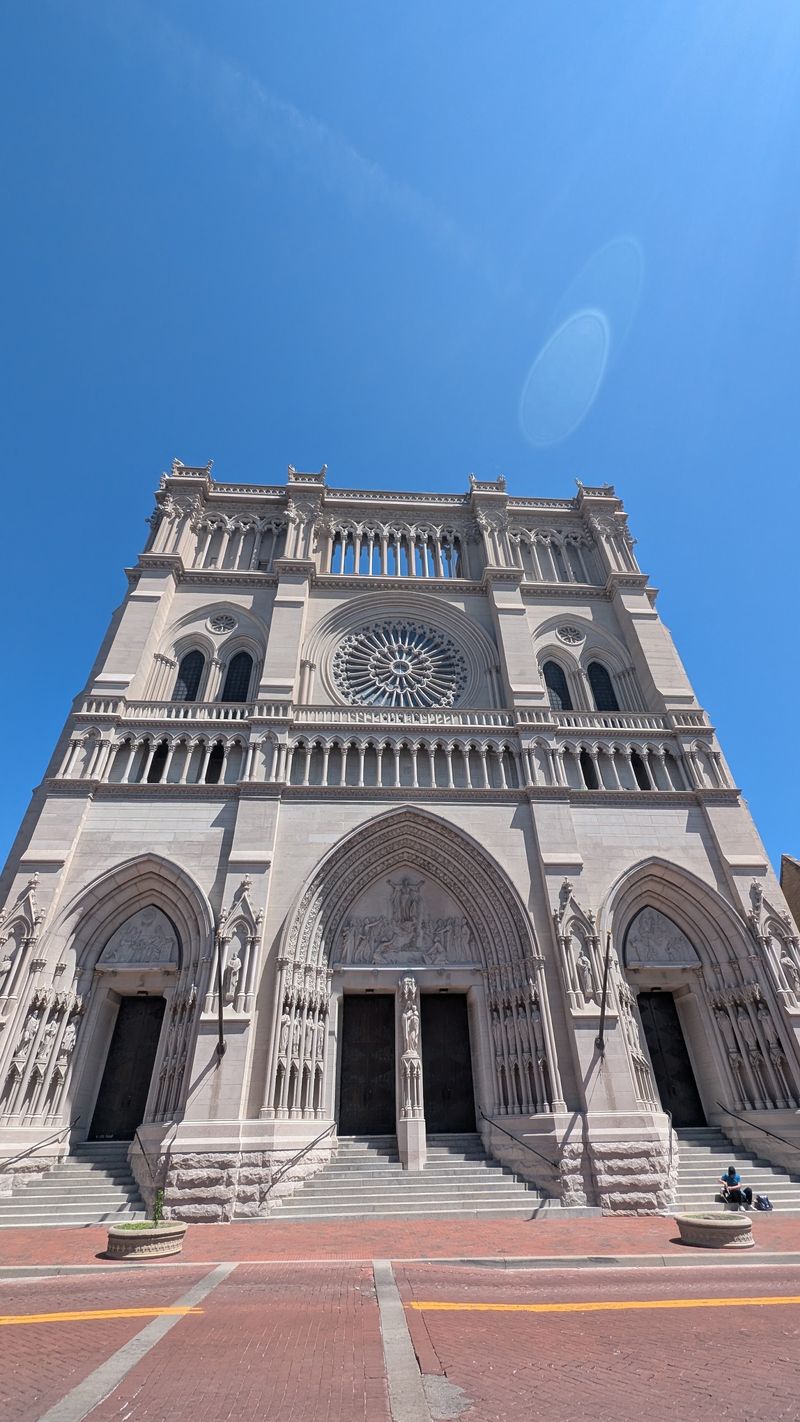
Paris called, and Covington answered with limestone. The Cathedral Basilica of the Assumption wears a facade directly inspired by Notre Dame Cathedral in France.
Builders used Indiana limestone to bring that French High Gothic look to Kentucky. The result is a scaled-down cousin, roughly one-third to about forty-five percent the size of the original.
Smaller doesn’t mean shy, though. Flying buttresses brace the walls, and carved tympanums crown the doorways like stone storybooks.
Look closely at the main entrance before you head inside. Cincinnati sculptor Clement Barnhorn created carvings for the central entrance, while additional statues were installed on the façade in 2021.
Here’s a fun twist on the Paris comparison. The plans called for twin towers like the famous ones in France, but money ran out.
Those towers were never built, so the cathedral stands a little flat-topped. Honestly, that missing piece makes the story more charming, not less.
It’s a reminder that big dreams sometimes stop halfway and still turn out beautiful. Bring a camera with a wide lens if you can.
The front is packed with detail from the ground up. You’ll want time to scan every arch and figure before stepping through the doors.
Crane Your Neck For The Window That Outsizes Expectations
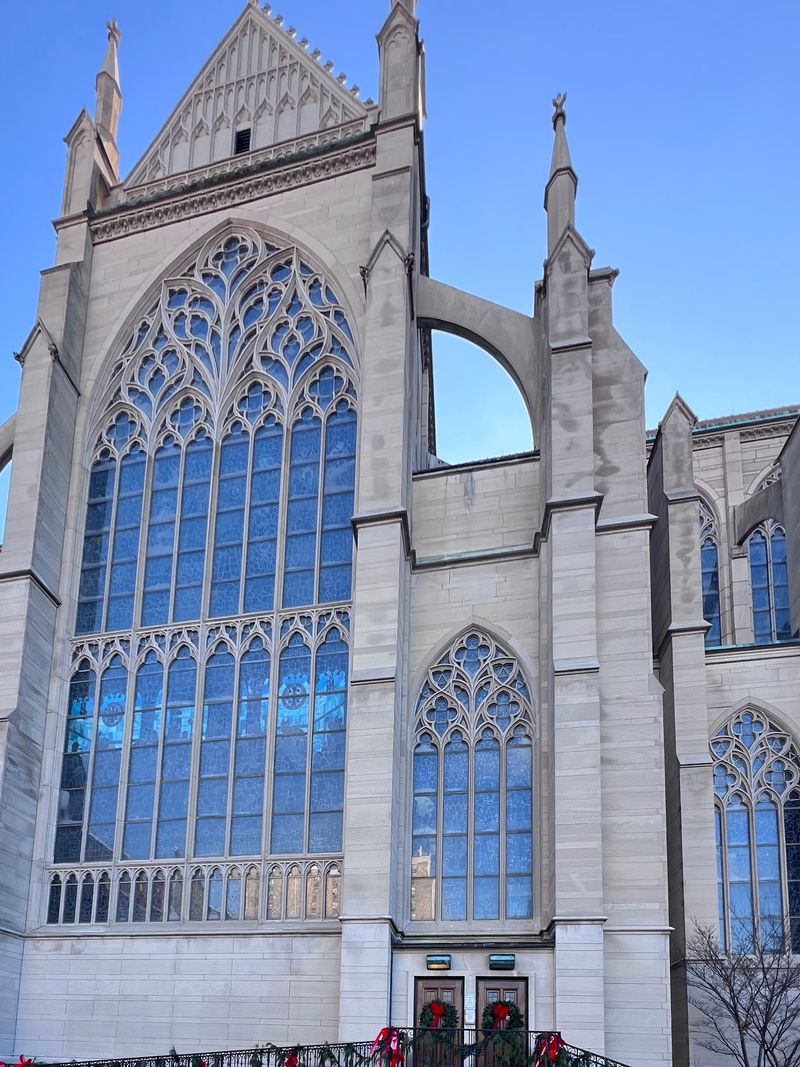
Sixty-seven feet. That’s the height of the north transept window, and it stretches 24 feet across.
It ranks among the largest handmade church stained glass windows in the world. Some sources go further and call it the largest in the Western Hemisphere.
Mayer and Company of Munich, Germany, created this giant. It was installed around 1910 or 1911, and it still steals the show today.
The window tells two big stories at once. The upper half shows the Coronation of Mary after her assumption into heaven.
The lower half moves back in time to the Council of Ephesus in 431. That gathering of early church leaders gets its own grand, glowing scene.
My advice is simple. Stand back far enough to take in the whole thing, then walk closer and study the faces.
Every panel holds small details you’d miss from a distance. Robes, hands, and expressions are painted with real patience.
A sunny day helps the colors pop through the glass. Plan your visit around the weather, and this window will reward you generously.
Eighty-Two Windows Turn The Walls Into A Picture Book
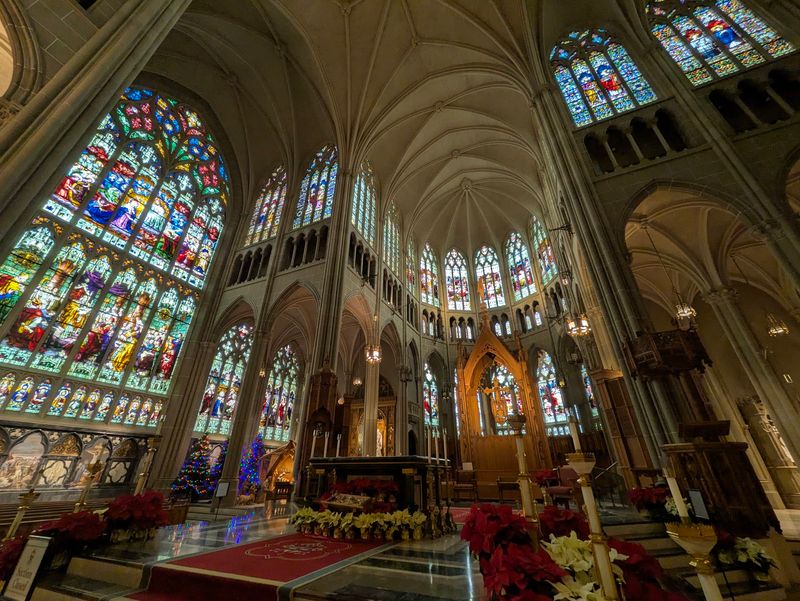
One giant window gets the headlines, but it has plenty of company. The cathedral holds 82 stained glass windows in total.
Most came from the Franz Mayer Studios in Munich, Germany. Workers installed them between 1908 and 1923, so the collection grew over about fifteen years.
The windows depict biblical events, saints, religious teachings, and important moments in Church history. Walk the aisles slowly, and the building starts reading like an illustrated book made of light.
Kids especially might enjoy turning this into a game. Pick a window, guess the story, then check the details for clues.
Morning and afternoon light change the mood inside. The colors shift across pews and marble floors as the sun moves.
For deeper learning, self-guided audio tour books are sold at the Greeters Desk. They help explain what you’re looking at without rushing you.
Photography is generally fine in many areas, but rules can vary by spot. Ask the greeters where pictures are allowed before snapping away.
Respect goes a long way here, since this is an active church. Quiet voices let everyone enjoy the glow, whether they came to pray or simply admire.
The Ceiling Took Its Cues From Another French Landmark
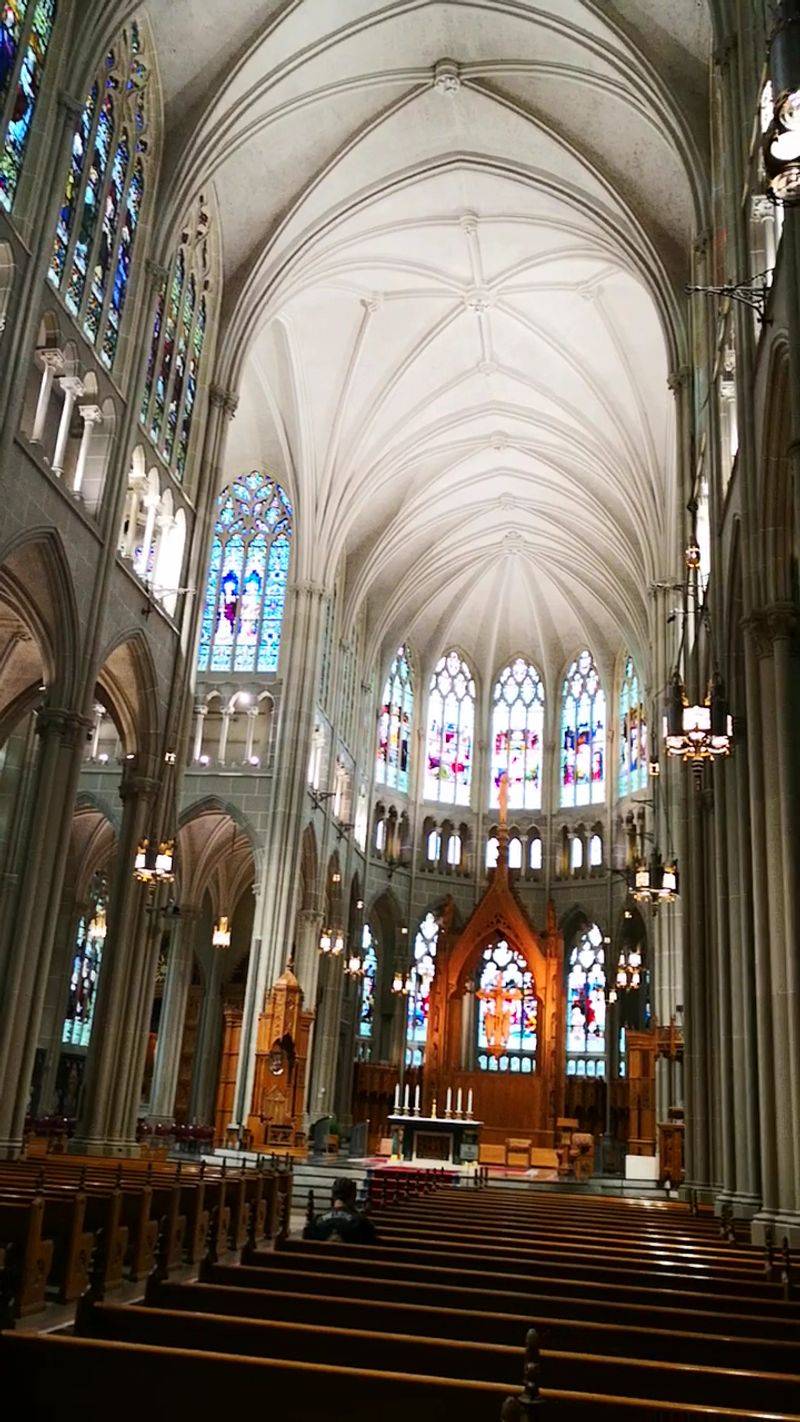
Notre Dame inspired the outside, but the inside follows a different French muse. The soaring interior was modeled after the Basilica of St. Denis near Paris.
That choice gives the nave its tall, vaulted ceiling. Look up, and pointed arches seem to keep climbing well past where you expect.
The high altar adds another layer of elegance. It’s carved from Carrara marble, the same famous Italian stone favored by sculptors for centuries.
Don’t forget to glance down, either. The floors are covered with Rosata and Breche marble, which adds color beneath your feet.
Ornate woodwork also appears throughout the space. Between the stone, glass, and wood, there’s barely a plain surface anywhere.
So where should your eyes go first? I’d start at the altar, then let the arches pull your gaze upward.
The acoustics are lively under those vaults. Sound bounces around, which is wonderful for music and a gentle nudge to whisper.
Find a pew and sit for a few minutes. The scale feels different once you stop moving and let the height settle around you.
Gargoyles Guard The Roof Without Doing The Plumbing
Grinning terracotta figures perch along the exterior, keeping watch over Madison Avenue. These gargoyles and chimeras give the cathedral its most playful personality.
Twenty-six of them were carved in Italy. That’s a long way to travel just to sit on a roof in Kentucky.
Here’s a quirky difference from Paris. The gargoyles on Notre Dame work as rainspouts, but these Covington critters are purely decorative.
In other words, they get all the glory and none of the soggy job. Not a bad deal for a creature made of stone.
Time and weather are tough on carvings, of course. During a multiyear restoration project, the cathedral’s gargoyles and chimeras were recreated, with replacements returning to the building in 2025 and 2026.
That work helps keep the faces crisp for future visitors. It’s nice to see the building cared for, detail by detail.
Spotting them takes a little patience. Walk around the exterior and scan the upper edges, where they peek out from corners.
Binoculars or a phone zoom make the hunt more fun. Count how many you can find before heading inside.
Eighty Thousand Tiles And One Tiny Pearl Teardrop
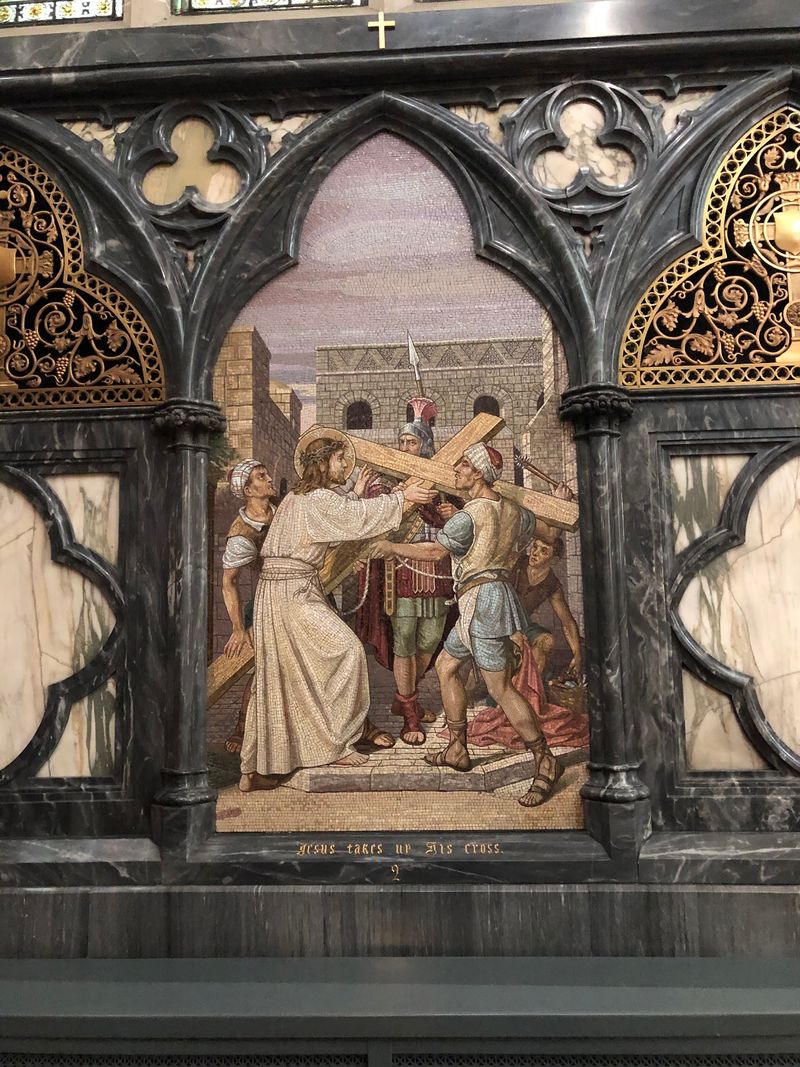
Venice sent some serious artistry to northern Kentucky in 1915. The Elrich Brothers created mosaic Stations of the Cross for the cathedral that year.
You’ll find them along the north and south transepts. Each station uses up to 80,000 tiny tiles, which sounds exhausting just to count.
Step close and the pieces become clear. Step back, and they melt into smooth faces, folds of cloth, and soft shading.
One detail deserves a treasure hunt. In the scene where Jesus is taken down from the cross, a single mother-of-pearl teardrop appears.
It’s small enough to miss if you hurry. Finding it feels like discovering a secret the artists left for patient eyes.
These mosaics show how much care went into every corner. Somebody set each tile by hand, again and again.
If you’re bringing kids, challenge them to find that pearl teardrop. It turns a quiet walk into a focused, meaningful mission.
Give each station a moment rather than speed-walking the row. The craftsmanship rewards slow looking, and the stories behind the scenes carry real weight.
A Famous Painter, Two Organs, And A Relic Collection
Art lovers, take note of the name Frank Duveneck. The acclaimed American painter created murals inside the cathedral, especially in the Blessed Sacrament Chapel.
His work depicts Eucharistic mysteries. One scene shows Christ breaking bread with his disciples at Emmaus.
Music fans get a treat too. The cathedral houses three organ instruments, including an Aultz-Kersting organ, a smaller Wicks companion organ, and a historic Schwab organ.
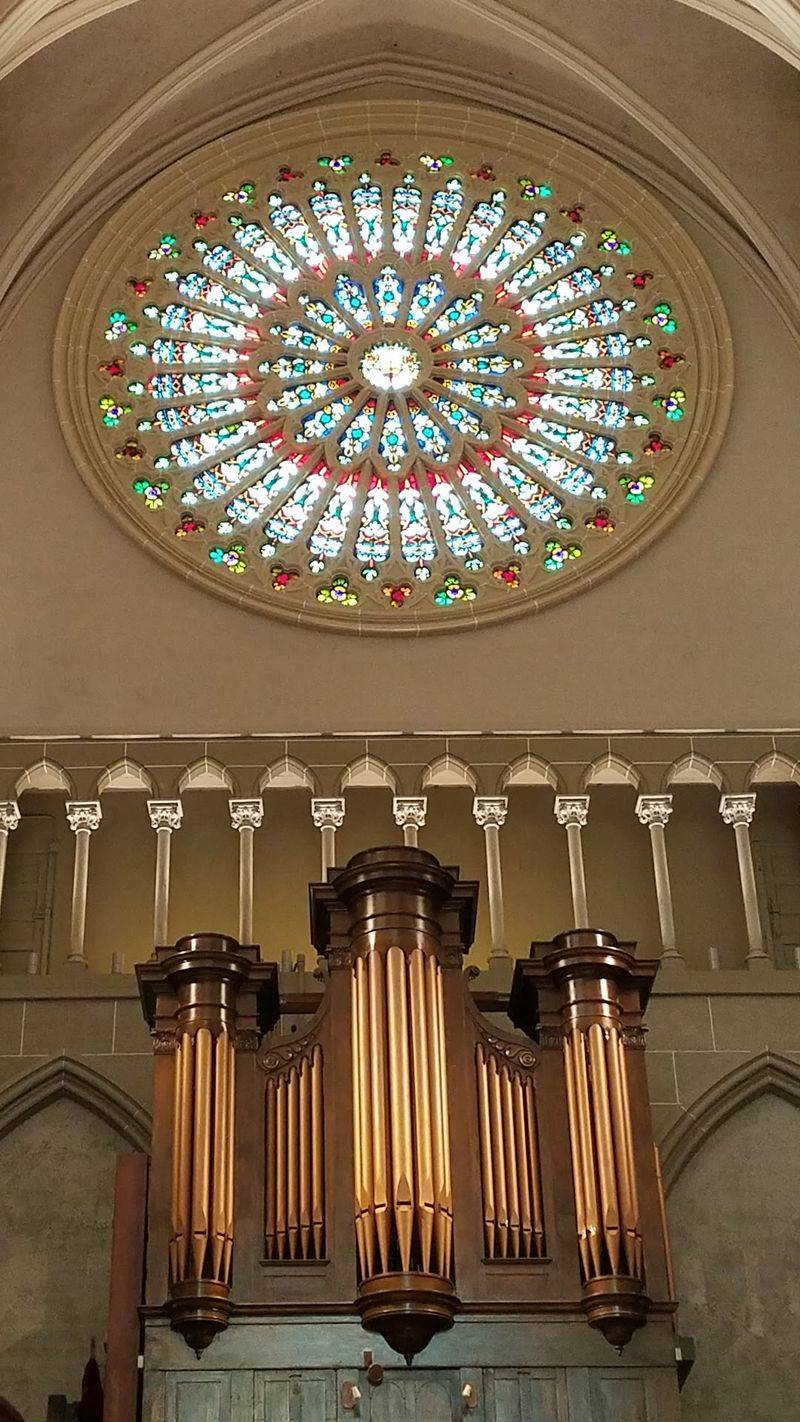
The Schwab organ sits in the west gallery, beneath the rose window, and was built around 1859. That makes it older than the cathedral itself.
Then there’s the St. Paul Relics Chapel. The church preserves about 350 authenticated religious artifacts, including a hand bone of St. Paul.
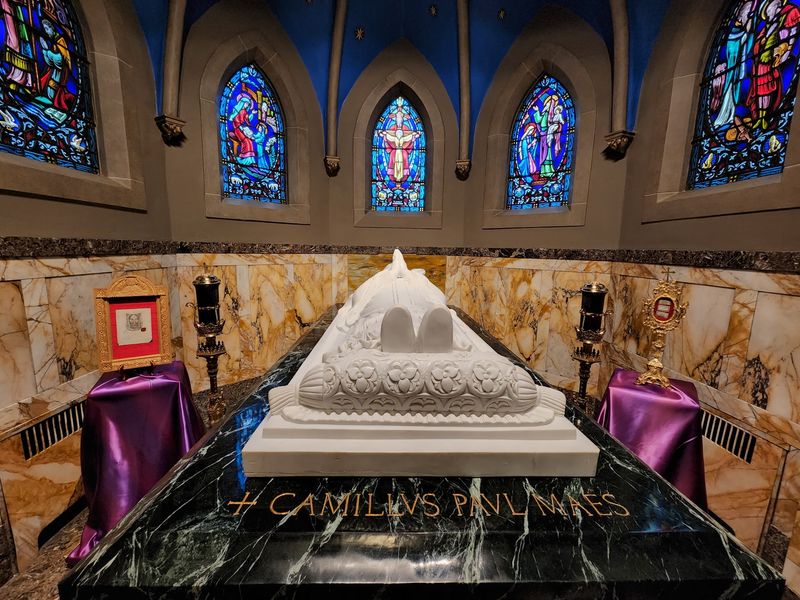
Bishop Camillus Paul Maes, the visionary behind the building, rests nearby. His remains were moved to a sarcophagus in the Bishop Maes Crypt Chapel in 2019.
Is that a lot for one stop? Absolutely, and that’s half the fun.
Some areas may have photo limits, so check with the greeters first. Then take your time moving from chapel to chapel, since each space holds its own story.
From Groundbreaking To Basilica Took Decades Of Patience
Groundbreaking happened in 1894, and the cornerstone followed in 1895. That kicked off a long, determined building effort in Kentucky.
The cathedral was dedicated in 1901, even though it wasn’t finished. Imagine throwing a housewarming party before the front of the house exists.
The famous facade and remaining windows came later, between 1908 and about 1911. Even then, those planned twin towers never appeared.
A big honor arrived on December 8, 1953. Pope Pius XII raised the church to the rank of minor basilica.
That title explains the full name you see today. The Cathedral Basilica of the Assumption carries both roles proudly.
Outside, the grounds add a peaceful finish. Gardens by landscape architect John Bentley include a fountain by William Schickel.
I appreciate that the story isn’t perfectly tidy. Money ran short, plans changed, and people still built something remarkable.
Before leaving, walk the gardens for a minute. The fountain and greenery offer a calm pause after all that glittering detail indoors.
Plan Your Visit So You Catch The Best Light
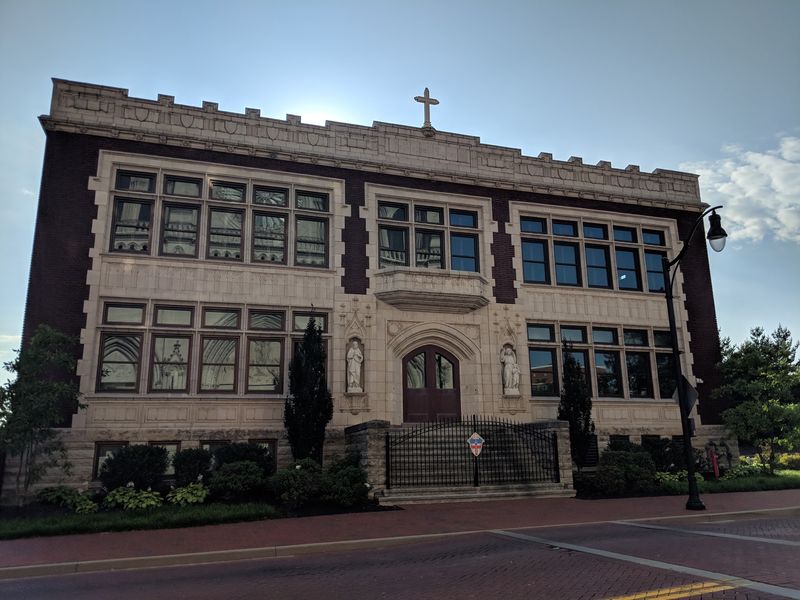
Good news for planners: visiting is straightforward. You’ll find the Cathedral Basilica of the Assumption at 1140 Madison Ave, Covington, KY 41011.
Weekday hours generally run from 9 a.m. to 3 p.m., Monday through Friday. Saturday opens at 10 a.m., and Sunday visiting starts at 11:30 a.m.
Hours can shift for special liturgies, holidays, or holy days. Checking ahead saves you from staring at a closed door.
Self-guided tours are welcome during open hours. Audio tour books are sold at the Greeters Desk if you want extra background.
Groups of ten or more can arrange docent-led tours. Give at least two weeks’ notice, and expect a small fee.
Public guided tours are sometimes offered on Sundays after the 10 a.m. Mass. Call the Parish Office to see if one is happening.
Remember that this is a working church with regular Masses and confessions. Quiet steps and soft voices fit right in.
A sunny day makes that record-setting window glow. Pair your visit with a stroll through Covington, and Kentucky starts looking a lot like France.