
This Texas Bakeshop Serves Some Of The Most Crave-Worthy Tamales In The State
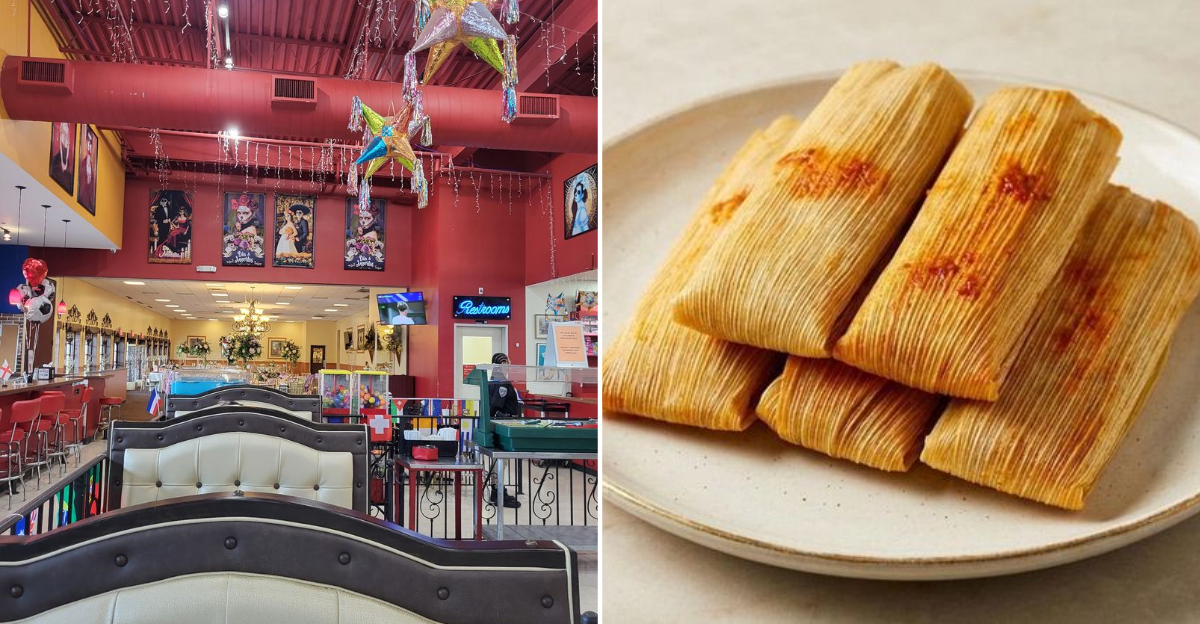
When tamales become known across an entire state, you know the kitchen skills behind them are something special. This Texas bakeshop has earned exactly that kind of reputation.
Tamales here get made fresh daily, wrapped and steamed the traditional way without shortcuts. Regulars order the same flavors every visit, trusting the recipe to taste exactly like it did the last time.
Nothing about the process has changed since the bakeshop first started making them. Portions stay generous, matching the reputation this bakeshop built through actual conversation rather than advertising.
Every batch gets prepared with the same care regardless of how busy the counter gets. This bakeshop proved that sometimes the simplest recipe earns the most craving-worthy reputation.
Traditional Ingredients Used In Tamale Making
Masa is where everything begins, and it is far less complicated than people expect. Corn flour, water or broth, lard or shortening, a little baking powder, and salt. That is the whole list.
What makes the corn special is nixtamalization, an ancient process where the kernels are cooked with an alkaline solution. Sounds like chemistry class, but the result is corn that tastes better and delivers more nutrition than plain cornmeal ever could.
Dried corn husks handle the wrapping duty in Texas kitchens. They soak in hot water until they turn soft and bendable; otherwise they crack, and the whole tamale falls apart.
Some parts of southern Mexico and Central America reach for banana leaves instead, which adds a slightly grassy flavor.
The fillings run wide. Shredded pork, chicken, beef, cheese, beans, and vegetables all show up regularly, usually swimming in a red or green chile sauce seasoned with cumin and garlic.
What sets this Houston operation apart is how little has changed. The company now runs a 25,000-square-foot USDA-approved facility with modern equipment, yet every single tamale still gets wrapped by hand using the original family recipes.
Flour tortillas are made here too, and they taste as if somebody’s grandmother rolled them out. You can find all of it at 809 Berry Rd, Houston, TX 77022.
The History And Origins Of Texan Tamales
Archaeologists have traced tamales back somewhere between 7,000 and 8,000 years. Aztec, Mayan, and Incan cultures all made them, which means this food predates most of recorded history.
The original purpose was practical. Warriors, hunters, and travelers needed food they could carry without it falling apart or spoiling quickly. A tamale wrapped in a husk solved that problem beautifully.
The name comes from the Nahuatl word tamalii, which translates roughly to wrapped food. Straightforward and accurate.
When Spanish explorers reached New Spain in the 1500s, the Aztecs fed them tamales. Over the following centuries, as Christianity spread through Mexican communities, tamales shifted from ceremonial dishes tied to older beliefs into a Christmas tradition. That switch stuck permanently.
By the late 1800s, tamales had traveled north into Spanish-speaking neighborhoods across Texas and California.
They became a backbone of Mexican, Tex-Mex, and Mexicali cooking, evolving constantly as recipes crossed back and forth over the border.
The Houston chapter of this story starts in 1960, when Eduardo and Graciela Webster opened a modest 2,000-square-foot shop on Berry Road.
Their son Louis Webster runs things now, and the small family business has grown into a multi-million-dollar operation. Same recipes, much bigger kitchen.
That kind of longevity in the restaurant world is genuinely rare.
Unique Regional Variations Within Texas
Drive across Texas and the tamales change shape, size, and attitude. El Paso goes big, stuffing hefty tamales with chile colorado pork so rich that adding salsa almost feels rude.
San Antonio takes the opposite approach with smaller, more delicate versions. Down in South Texas, tamales carry weight beyond dinner. They represent family, heritage, and holidays all at once.
North Texas is where things get rowdy. The Dallas area leans hard into Tex-Mex and barbecue crossover, filling tamales with smoked brisket, smoked pork, chicken verde, jalapeño and cream cheese, even Gulf Coast shrimp and crab. Two great Texas food traditions shaking hands.
Other corners of the state offer pork or chicken Veracruzano wrapped in banana leaves, plus sweet varieties built around cream cheese, black bean and corn, or pumpkin pie flavors.
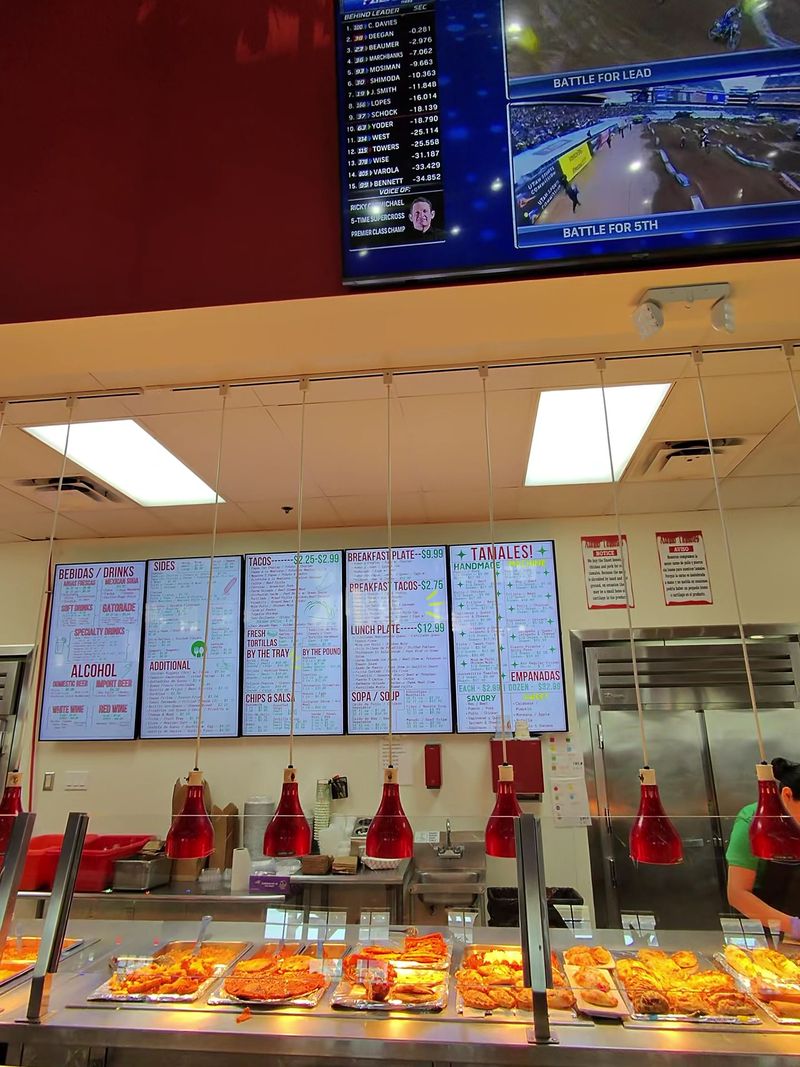
The Berry Road shop specializes in Northern Mexico-style tamales, which lean toward a firmer masa and bold chile-forward fillings. Chicken, pork, beef, bean, spinach and cheese, jalapeño and cheese, and sweet corn all rotate through the counter.
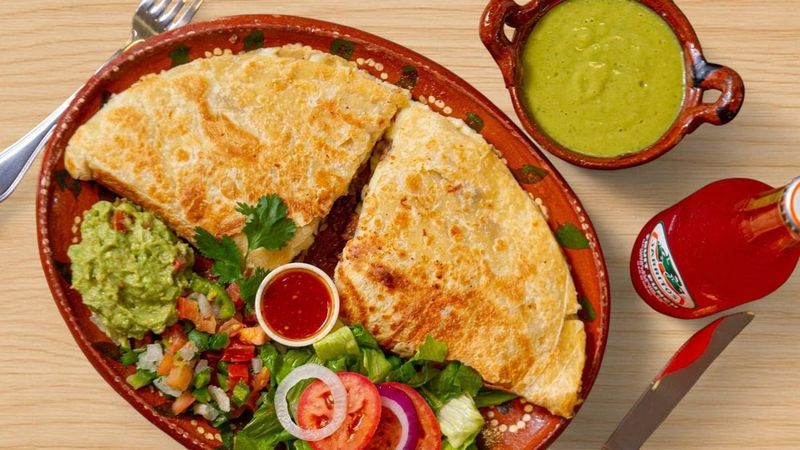
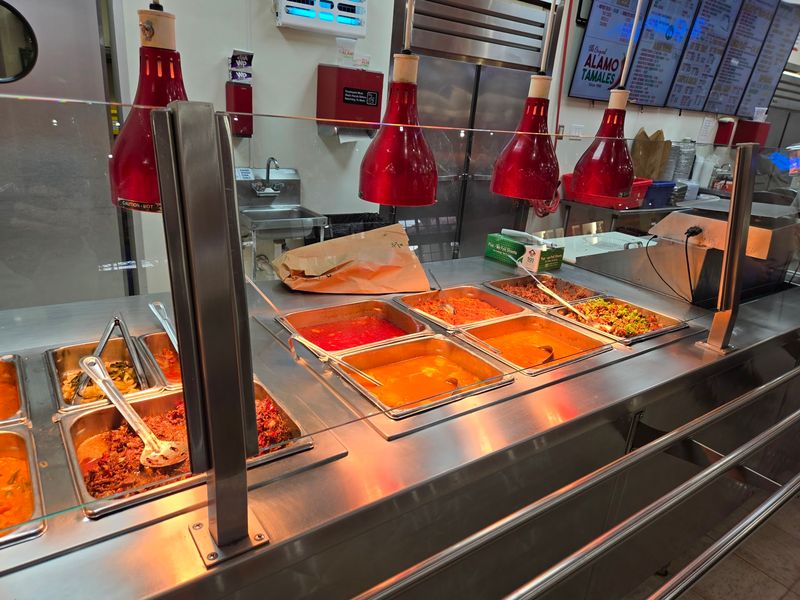
Beyond tamales, the menu stretches into barbacoa, menudo, empanadas, quesabirria, fideo, breakfast tacos, and full lunch plates served steam-table style.
During the Houston Livestock Show and Rodeo, the kitchen has rolled out creative items like tamale pie and protein bowls. Traditional roots, plenty of range.
Tips For Perfectly Steaming Every Time
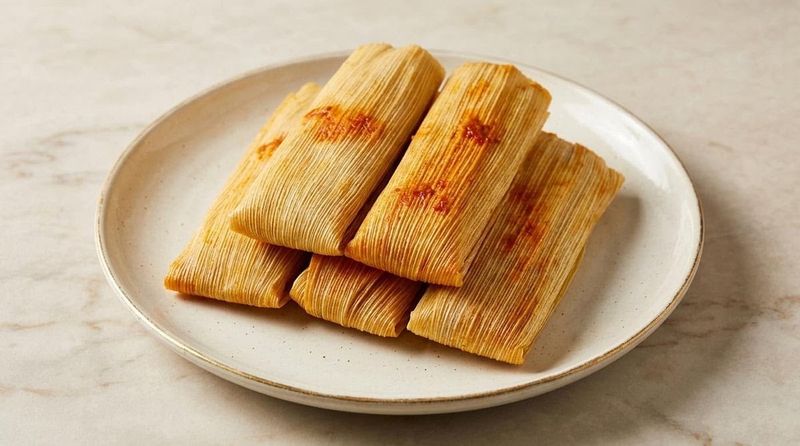
Steaming is not hard, but it is easy to get wrong. Set up a steamer pot or a large pot with a steamer basket, and keep the water level below the basket. Water touching the tamales turns masa into soup.
Stand them upright in a single layer with the open ends pointing up. Bring the water to a boil first, then drop the heat to a simmer so the steam stays steady instead of violent. Timing depends on where the tamales started. Refrigerated ones need about 10 minutes.
Frozen tamales want 20 to 30 minutes, sometimes stretching to 45 or even 90 minutes for a big batch straight from the freezer. Cooking fresh masa from scratch takes an hour to an hour and a half.
Knowing when they are done is simple. The masa should pull cleanly away from the husk and feel firm rather than mushy, and the inside should hit 165°F.
One rookie mistake worth avoiding is walking away from the stove. Check the water often and top it off, because a pot that boils dry will smell terrible and ruin the whole afternoon.
Let them rest 15 to 30 minutes afterward. The masa firms up during that pause, and impatience is the enemy of good texture here.
Popular Fillings And Flavor Combinations
Pork in red chile is the classic that started it all, followed closely by chicken and beef swimming in green or red sauces. Those three carry most of the demand at any tamale counter in Texas.
Vegetarians have real options here, not sad afterthoughts. Bean, cheese, jalapeño and cheese, spinach and cheese, and black bean tamales all hold their own against the meat versions.
Then there is the sweet category, which surprises first-timers. Sweet cream cheese, raisin, pineapple and coconut, sweet corn, and chocolate fillings turn a tamale into dessert without much effort.
Modern kitchens have gotten adventurous. Brisket, chicken with mole, birria and cheese, portobello mushroom with huitlacoche, chicken and chipilín in roasted tomatillo salsa, and Gulf Coast shrimp and crab all exist somewhere in Texas right now.
At the Berry Road location, handmade chicken tamales get the most attention, though pork, bean, cheese and jalapeño, and sweet corn keep the line moving too.
The steam table adds barbacoa, quesabirria with consomé, carnitas, menudo, and fideo to the mix.
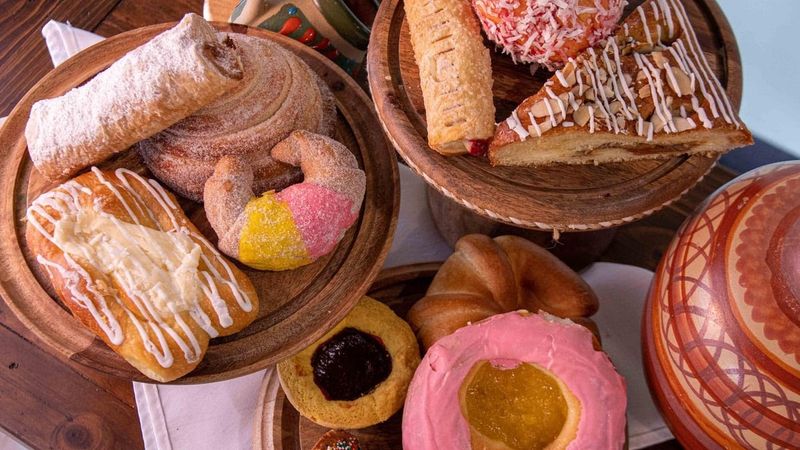
The panaderia sitting inside deserves its own paragraph. Buñuelos dusted with cinnamon sugar, empanadas, and sweet bread stack up behind the glass, and pairing a warm tamale with pan dulce is a combination that makes perfect sense.
Horchata pulls it all together nicely.
Health Benefits Of Eating Homemade Tamales

Steaming beats frying, and that single detail does a lot of nutritional heavy lifting. Nothing gets submerged in oil, so tamales start in better shape than most comfort foods.
Corn masa brings roughly 5 grams of fiber per tamale, which helps digestion and keeps hunger quiet for a while. The nixtamalization process also improves calcium absorption and makes niacin easier for the body to use.
Vitamins and minerals stack up quickly. B vitamins, including B12 and niacin, iron at about 15% of the daily value, folate, vitamin A, calcium, zinc, phosphorus, and potassium all show up in a single serving.
Lean meat fillings contribute around 10 grams of protein, useful for muscle repair and staying full. The herbs and spices matter too, since cilantro, garlic, and cumin carry antioxidants and anti-inflammatory compounds.
Resistant starch in nixtamalized corn may even help steady blood sugar, which is a nice bonus for something wrapped in a corn husk.
Balance still applies. Lard adds fat, and salt plus broth can push sodium higher than ideal, so portion size deserves attention.
Picking leaner fillings, adding vegetables like spinach or beans, and choosing reduced-sodium broth shifts the numbers in your favor. Eaten thoughtfully, tamales fit into a normal week just fine. No guilt required.
How To Store And Reheat Properly
Buying a dozen and finishing them the same day is impressive but unnecessary. Cooked tamales keep in the refrigerator for up to five days inside an airtight container or a zip-top bag.
Slipping a paper towel on either side of the bag soaks up extra moisture and prevents soggy husks.
Freezing works even better for long hauls. Wrap the foil-covered bundles in a layer of plastic wrap, slide them into a sealable bag, and press out as much air as possible. Done right, they last three months without freezer burn.
Steaming remains the gold standard for reheating because it restores moisture instead of stealing it. Leave the husks on, set them in a steamer basket over simmering water, and give refrigerated tamales about 10 minutes or frozen ones 20 to 30 minutes.
The microwave route works when time is short. Place husk-on tamales in a loosely closed plastic bag with a tablespoon of water and heat for 1 to 2 minutes.
Oven fans can wrap each tamale individually in foil and bake at 325°F for 15 to 20 minutes for refrigerated and 25 to 30 minutes for frozen, flipping halfway.
Empanadas from the bakery reheat well too. Foil pans with sealing lids make the job easy, and a low oven keeps them moist rather than dried out.
Celebrations And Events Featuring Tamales
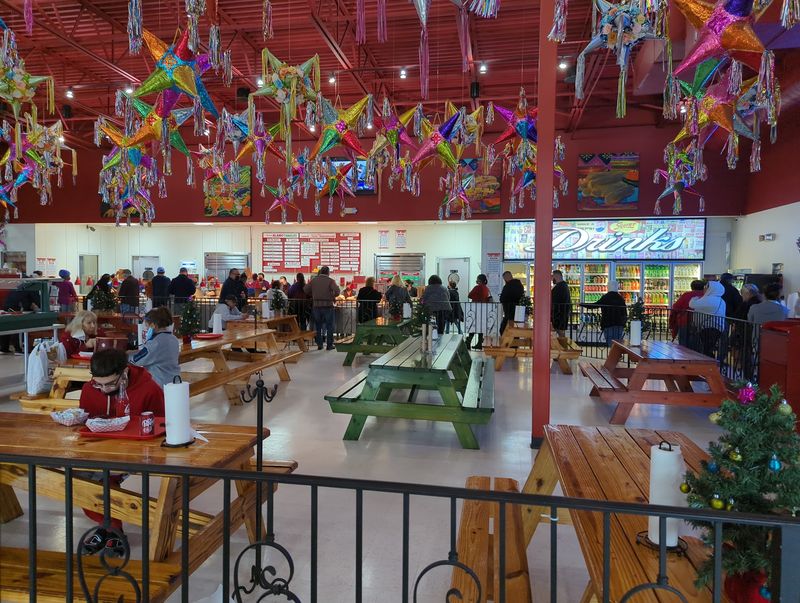
Christmas Eve in Texas smells like steamed corn husks. Tamales anchor the holiday table in countless households, and the tradition traces straight back to those Spanish colonial years when the dish joined Christian celebrations.
The real magic happens at a tamalada, the tamale-making party where relatives of every age crowd into one kitchen. Somebody soaks husks, somebody spreads masa, somebody adds filling, somebody wraps.
Stories get told, recipes get handed down, and arguments about the correct masa thickness are practically required.
Christmas is not the only occasion. Día de los Muertos, quinceañeras, graduations, football watch parties, and camping trips all make room for tamales.
Festivals across the state turn it into a competitive sport. Texas tamale festivals feature cooking contests, eating challenges, live music, and vendors.
Holiday season at the Berry Road shop is its own spectacle. Cars stack up in the drive-thru line, the parking lot fills, and families walk out carrying stacked boxes by the dozen.
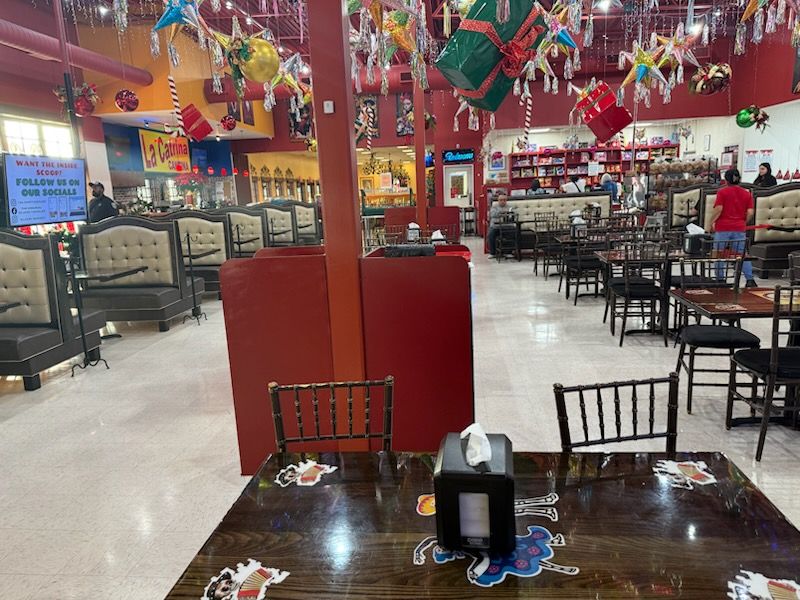
The building itself helps, with an events room, ample seating, and a bakery entrance that doubles as a second line. Open 6 AM to 6 PM every single day of the week, which is convenient when tamale cravings strike early.