
This Turquoise California Hot Spring Looks Like It Belongs In Iceland
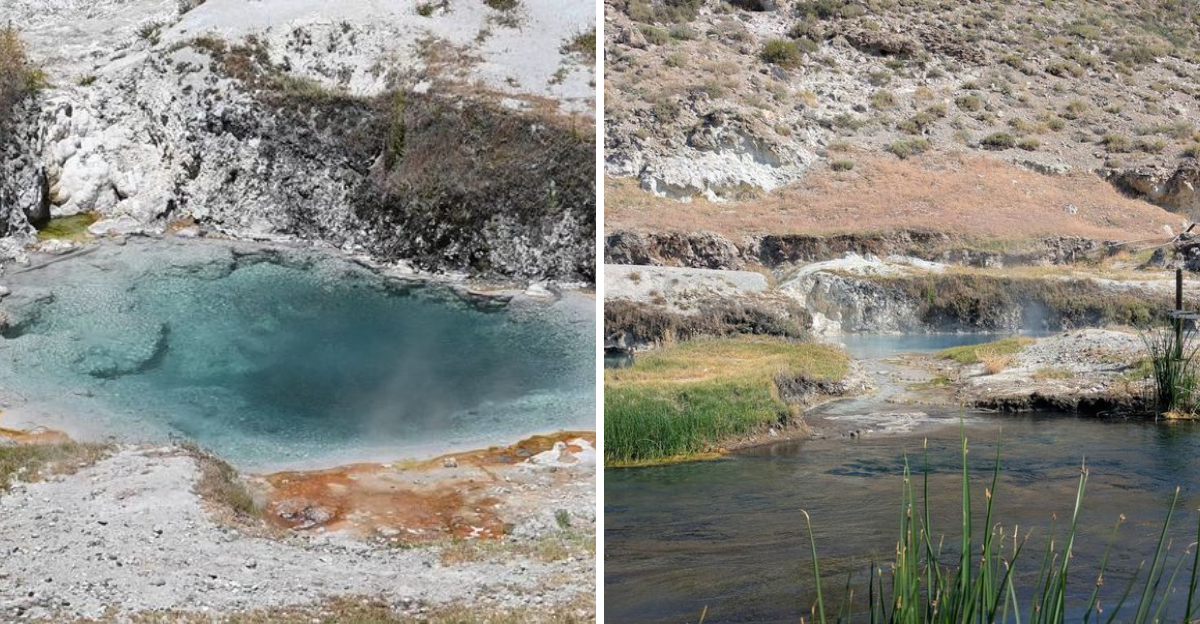
Have you ever seen water so blue that your first reaction was to question the photo? That is exactly what happens at this California hot spring.
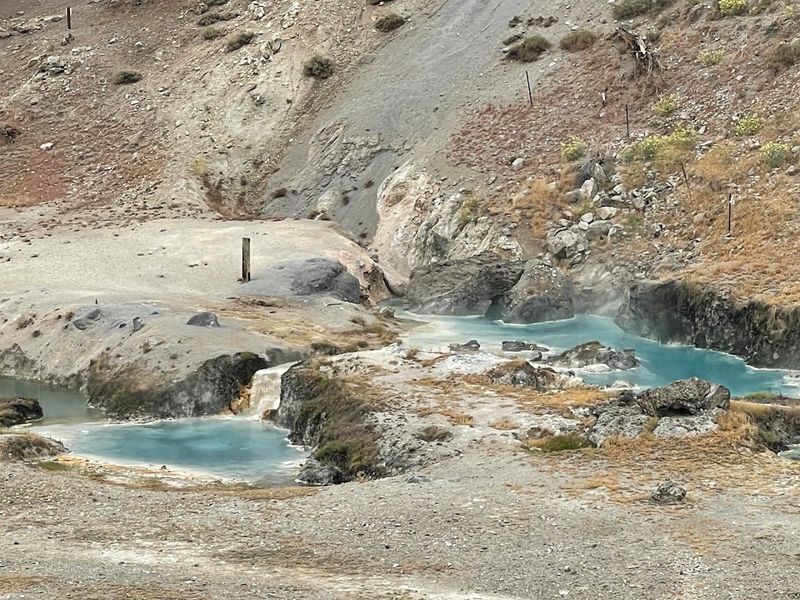
The color looks borrowed from an Icelandic lagoon, yet the surrounding landscape belongs unmistakably to the desert. That contrast is what makes the place so fascinating.
One glance shows pale earth and rugged terrain. The next reveals brilliant turquoise water that seems almost too vivid to be natural.
Few sights in the state create such a dramatic double take. I would probably spend the first few minutes staring before remembering to take a picture. Wouldn’t you? The setting feels unexpected, strange, and completely unforgettable without needing any extra fanfare.
California already knows how to surprise travelers, but this spring plays by its own rules. The state has famous beaches, mountains, and forests, yet this surreal pool may be one of its most unbelievable natural sights.
You Can Look, But You Absolutely Cannot Soak
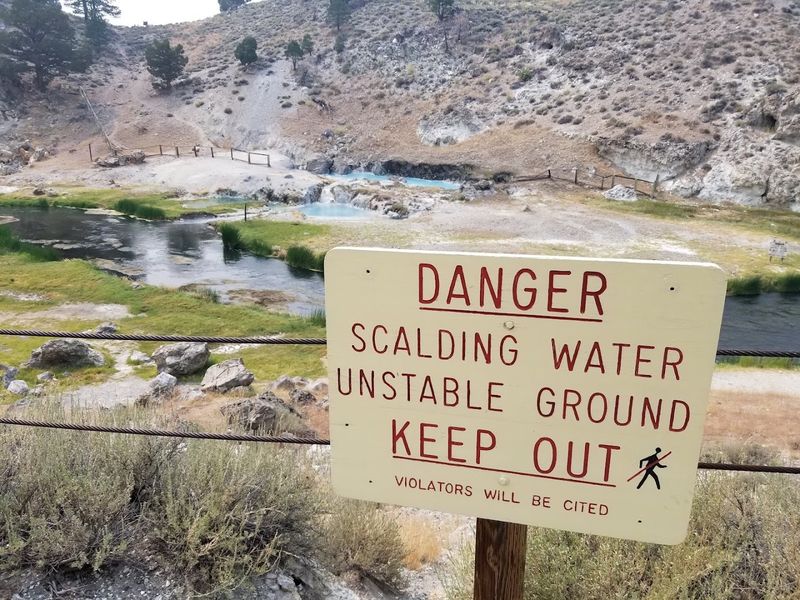
Hot Creek serves up a picture-perfect view with one scorching catch. Here it is: entering the water has been banned since 2006 after several visitors suffered burn injuries and others experienced close calls with unstable ground.
The streambed contains hidden fissures that can suddenly release superheated water or scalding steam without warning. What appears solid can actually be thin crust over boiling mud, and temperatures fluctuate unpredictably as underground pressure shifts.
Multiple injuries and dangerous incidents led the U.S. Forest Service to close all water access permanently.
Signage throughout the site warns visitors to stay on designated paths and keep a safe distance from thermal features. Some travelers still attempt to sneak into the water, but rangers patrol regularly and violations carry serious fines.
The ban protects both visitors and the fragile geothermal ecosystem. Foot traffic damages delicate mineral formations that take decades to develop.
So while it’s tempting to dip a toe in that gorgeous turquoise water, admiring from the banks keeps everyone safe and preserves the site for future visitors.
Here’s Why The Water Turns Such A Brilliant Blue
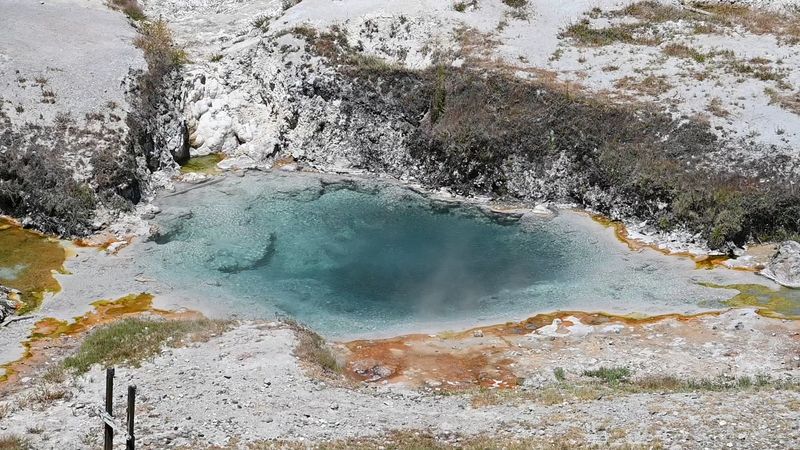
That jaw-dropping turquoise hue comes straight from mineral-rich water heated deep underground by ancient volcanic activity. Silica, sulfur, and other dissolved minerals reflect sunlight through the clear water, creating shades of blue that change with the time of day.
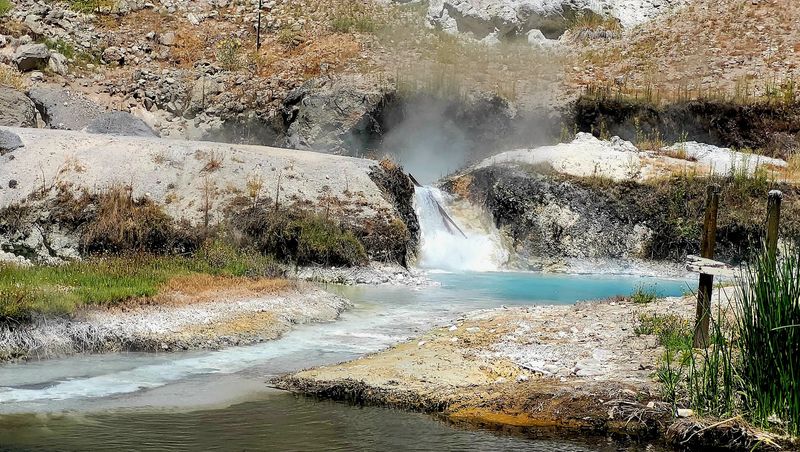
The scene becomes even more dramatic where cold Sierra Nevada snowmelt meets superheated springs rising through cracks in the streambed. Water approaching 200 degrees can erupt only a few feet away from icy currents, producing steam and constantly shifting patterns of color.
Depth and mineral concentration make certain pools appear brighter than others, while the mixing water creates small zones with very different temperatures. Trout gather in cooler sections, and heat-tolerant organisms survive closer to the warm edges.
This sharp contrast is also what makes the creek dangerous. A calm-looking patch may conceal scalding currents beneath the surface, with temperatures changing by more than 150 degrees over a very short distance.
Swimming and wading are prohibited, but the overlook still offers a remarkable view of two opposing forces meeting in one unusually colorful California landscape.
It Sits Inside A Massive Ancient Volcanic Crater
Hot Creek Geologic Site sits inside the enormous scar left by a catastrophic volcanic eruption roughly 760,000 years ago. This caldera stretches about 20 miles wide, making it one of the largest volcanic features in California.
The eruption that created it ejected so much material that the ground collapsed into the emptied magma chamber below, forming the bowl-shaped valley visible today.
Geothermal activity still simmers beneath the surface, powering the hot springs and occasional earthquake swarms that remind visitors this landscape remains very much alive. The volcanic system feeds numerous thermal features scattered across the region, with Hot Creek being one of the most visually striking.
Scientists monitor the area continuously because the caldera could theoretically reawaken, though current activity poses no immediate threat.
Standing at the springs means standing atop one of North America’s most significant volcanic structures. Pretty wild when you think about it that way.
The Landscape Changes Overnight
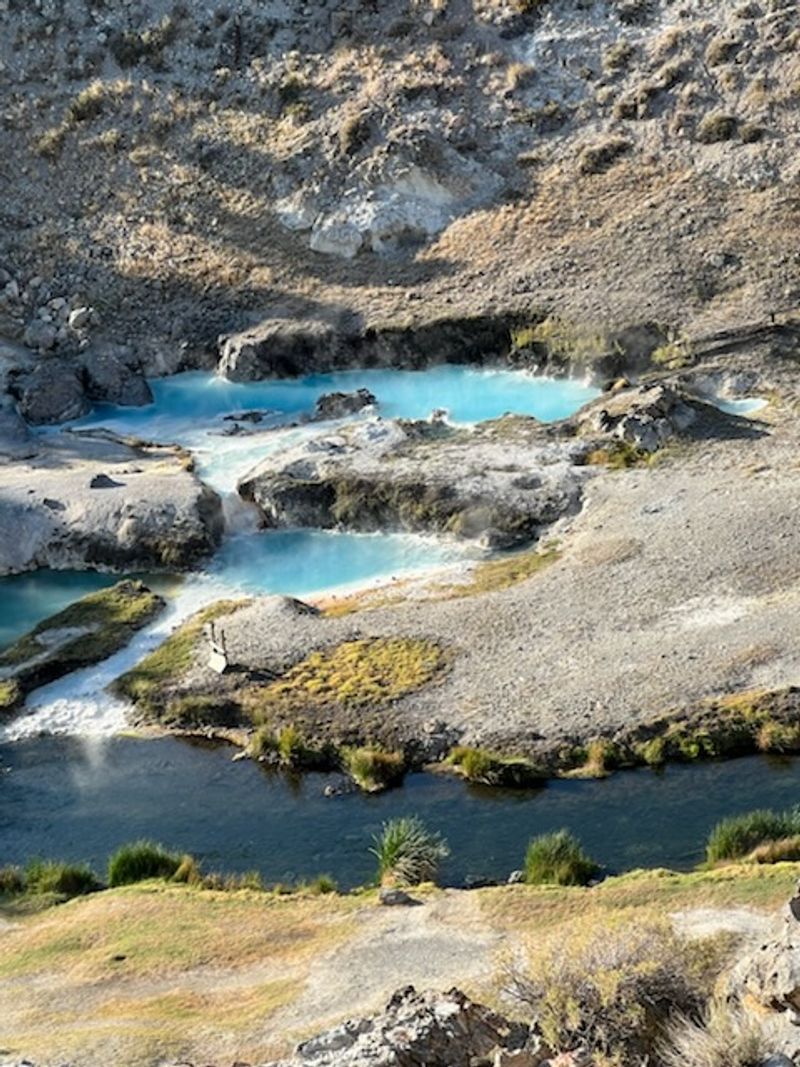
The area never stays completely still, as shifting underground pressure opens new fissures, seals old ones, and continually reshapes its geothermal activity. Pools that bubbled vigorously one week might go dormant the next, while quiet sections suddenly erupt with new activity.
Mineral deposits build up gradually, altering the shape and color of formations over months and years. Earthquake swarms common to the Long Valley Caldera can trigger sudden changes in flow patterns and temperatures.
Some visitors return after several years and barely recognize certain sections of the creek. New springs emerge while others fade, creating an ever-evolving landscape that never looks exactly the same twice.
Winter snowmelt increases water volume dramatically, diluting the hot springs and changing the color intensity. Drought years concentrate minerals and intensify hues as less cold water flows through.
This dynamic nature makes Hot Creek a living geological laboratory. Each visit offers something slightly different, rewarding repeat visitors with fresh perspectives on this remarkable California thermal feature.
It’s A Quick Trip From Mammoth Lakes
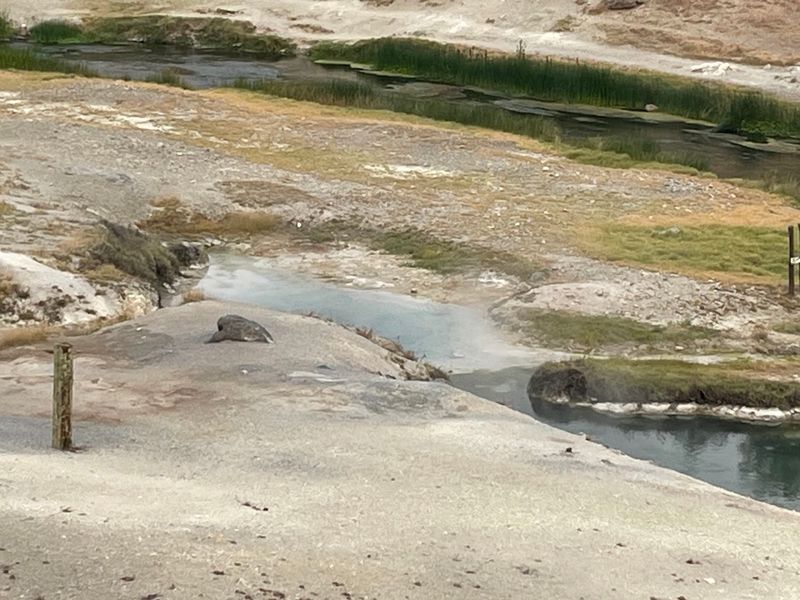
Hot Creek Geologic Site sits about 10 miles southeast of Mammoth Lakes, making it an easy side trip for visitors already exploring the Eastern Sierra region. The drive takes roughly 15 minutes from downtown Mammoth Lakes via Highway 395 and Hot Creek Hatchery Road.
Most of the route follows paved roads, though the final approach involves a well-maintained gravel road suitable for standard vehicles.
The proximity to Mammoth Lakes means you can easily combine a morning at Hot Creek with afternoon skiing, mountain biking, or exploring other regional attractions. The town offers plenty of dining and lodging options, making it a convenient base for exploring multiple geothermal and natural sites scattered throughout the area.
Other nearby attractions include Convict Lake, the Mammoth Lakes Basin, and Devils Postpile National Monument.
Day-trippers from Southern California often include Hot Creek in multi-stop itineraries that showcase the Eastern Sierra’s diverse landscapes. The short distance from a major resort town makes this natural wonder accessible without requiring backcountry navigation or serious off-road driving.
A Paved And Dirt Trail Leads Right To The Edge
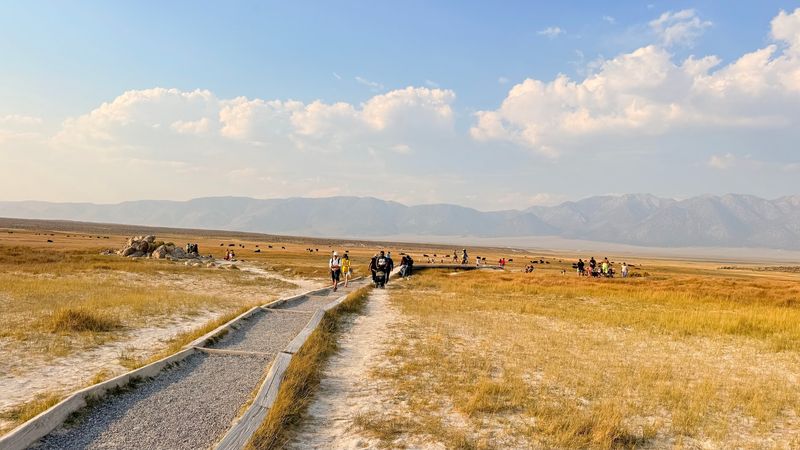
A short paved path drops quickly from the main parking area toward the creek, giving people with different mobility needs an easier route to the geothermal views. The trail transitions to packed dirt as it approaches the thermal features, with designated viewing areas that provide safe vantage points for photography and observation.
Wooden fencing and clear signage mark boundaries where visitors should stop, keeping everyone at a safe distance from unstable ground and scalding water.
The walk from parking to the best viewpoints takes about five to ten minutes at a leisurely pace. Benches along the route offer rest spots and scenic overlooks where you can pause to take in the landscape.
Restroom facilities are available near the parking area, making this a comfortable stop even for families with young children.
The relatively easy access means Hot Creek draws a wide range of visitors, from serious photographers hauling tripods to casual tourists stopping for a quick look. Just remember to wear sturdy shoes since the dirt sections can be uneven or muddy depending on recent weather.
Fly Fishing Is A Major Draw In The Cooler Water Nearby
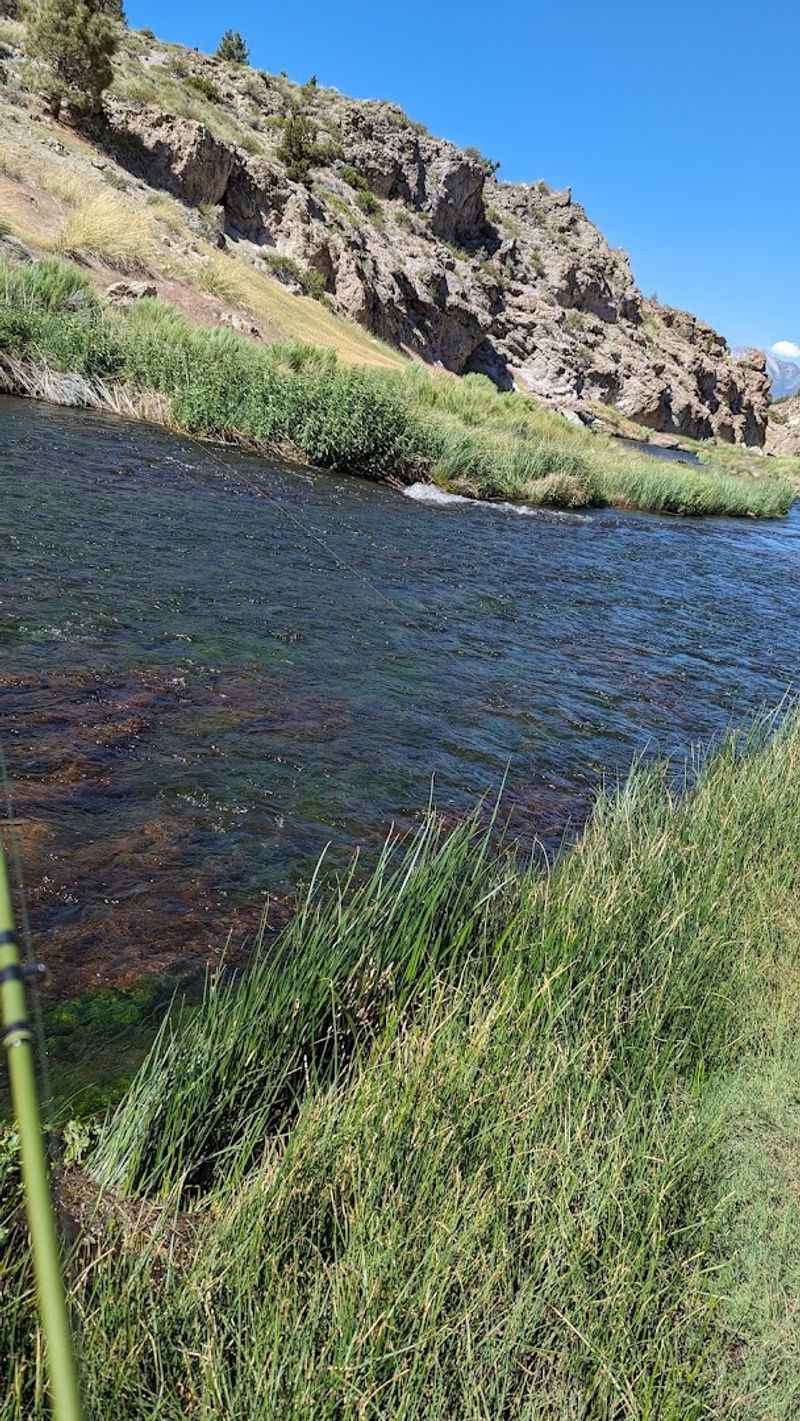
Sections of Hot Creek located away from the geothermal zone offer some of California’s premier fly fishing opportunities. The cold, clear water supports healthy populations of wild rainbow and brown trout that thrive in the nutrient-rich environment.
Strict catch-and-release regulations help maintain the fishery, and the creek’s reputation draws anglers from across the country who come specifically to test their skills here.
The contrast between the scalding thermal zone and the pristine fishing sections happens within a relatively short distance. Anglers fish upstream and downstream from the geothermal site, where water temperatures remain cold enough to support trout populations.
The Hot Creek Fish Hatchery nearby also contributes to the area’s fishing culture, raising trout for stocking in lakes and streams throughout California.
Special regulations govern fishing at Hot Creek, including restrictions on bait and limits on fishing methods. Visitors planning to fish should check current California Department of Fish and Wildlife rules before heading out.
Even non-anglers enjoy watching skilled fly fishers work the water.
It’s Completely Free To Visit, Year-Round
No entrance fees, parking charges, or reservation requirements exist at Hot Creek Geologic Site. The U.S.
Forest Service maintains the site as a free public resource, making it accessible to anyone who wants to experience this geological wonder. Operating hours run from 6 AM to 7 PM daily, giving visitors ample daylight time to explore, photograph, and enjoy the thermal features without rushing.
The site remains open throughout the year, though winter visits may require navigating snow-covered roads and icy trails. Spring and fall typically offer the most comfortable visiting conditions, with moderate temperatures and fewer crowds than peak summer months.
Winter visits can be spectacular when steam plumes rise dramatically in the cold air, creating ethereal scenes that summer visitors never witness.
Free access makes Hot Creek an excellent budget-friendly attraction for travelers exploring California’s Eastern Sierra region. The lack of commercial development preserves the site’s natural character while keeping it accessible to all income levels.
Just remember to pack out all trash and respect the natural environment.