Hikers and pie lovers keep ending up in the same small mountain town, and the reason makes perfect sense. A long climb up a big peak practically demands a thick slice of something sweet afterward.
High peaks rise in every direction there, though popular trailhead parking lots can fill quickly on summer and fall weekends. Views that big usually arrive with crowds and bills to match, so this feels like a happy accident.
Artists find their way here too, drawn by mountain scenery that never seems to get old for anyone. Kids get plenty of room to roam, and families can avoid some of the busiest trailheads by exploring quieter woodland paths.
Plenty of mountain towns in New York feel frantic in peak season, yet this one stays relaxed. The scenery is enormous and the pressure isn’t, which might be the best combination in the whole region.
A Quiet Giant Among The Peaks
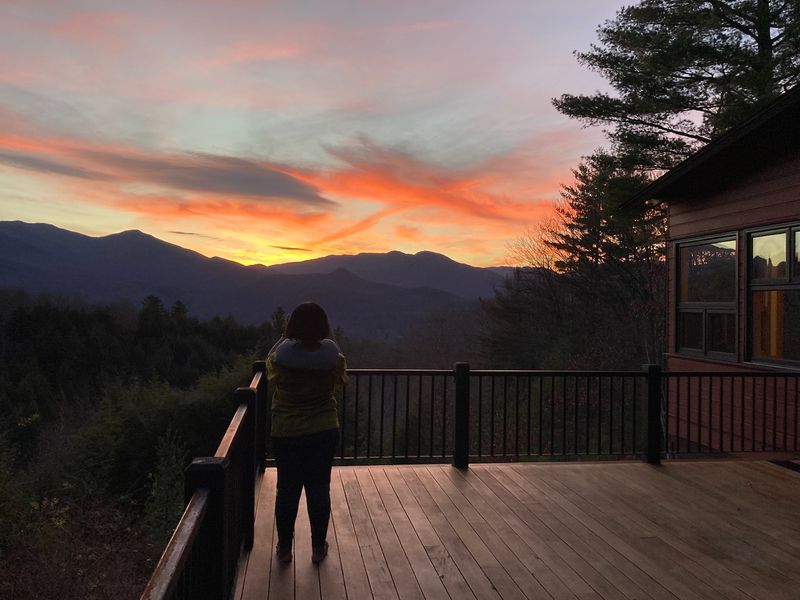
Some places shout. Others simply stand there, 4,000 feet tall, and let you catch your breath. That second kind is what you get here in northern New York.
Mountains crowd the horizon on every side, and the valleys below stay slow and unhurried. Rivers run clear over granite. Old forests make that low, steady sound that only wind through pine can make.
What makes the area special is the ratio. You get the same soaring rock walls and sweeping overlooks that make the Adirondacks famous, minus the shoulder-to-shoulder feeling of better-known resort towns nearby.
Air quality is part of the appeal too. Mornings smell like balsam and wet stone, and fog often sits in the valley until the sun burns it off around nine.
Practical tip for first-timers: come with a full tank of gas and downloaded maps, since cell service thins out fast between ridges. Pack layers, because the temperature can swing fifteen degrees between the valley floor and a summit.
Plan on staying two nights minimum. One day rarely does this landscape justice, and rushing through would be the only real mistake available.
Meet Keene, Anchor Of The High Peaks
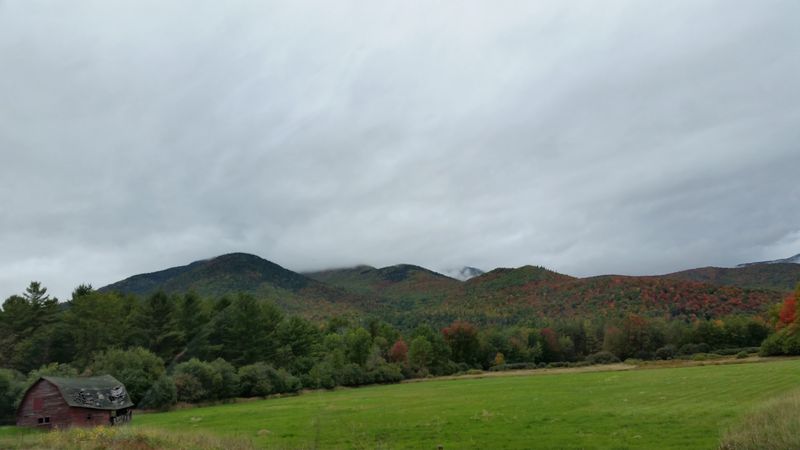
The town in question is Keene, New York, and it wears its history lightly. Mail comes to Keene, NY 12942, and the community spreads across three hamlets: Keene, Keene Valley, and St. Huberts.
Essex County holds it all, with roughly 1,144 residents counted in the 2020 census. That number barely fills a high school gym, yet the town covers a huge swath of protected wilderness.
Getting oriented is simple. New York State Routes 73 and 9N meet here, and Route 73 becomes the scenic spine most visitors follow toward the trailheads.
History runs deep. Settlement near Keene Center began around 1787, and the Town of Keene was officially formed on March 19, 1808.
Lake Placid sits about twenty minutes away, which means you can borrow that town’s restaurants and Olympic sites while sleeping somewhere calmer. Many travelers do exactly that and never regret the swap.
Keep expectations right-sized. There is no mall, no theme park, and no traffic light drama. What exists instead is a working mountain community that treats the outdoors as everyday life rather than a special occasion.
Fifteen Of The Famous Forty-Six
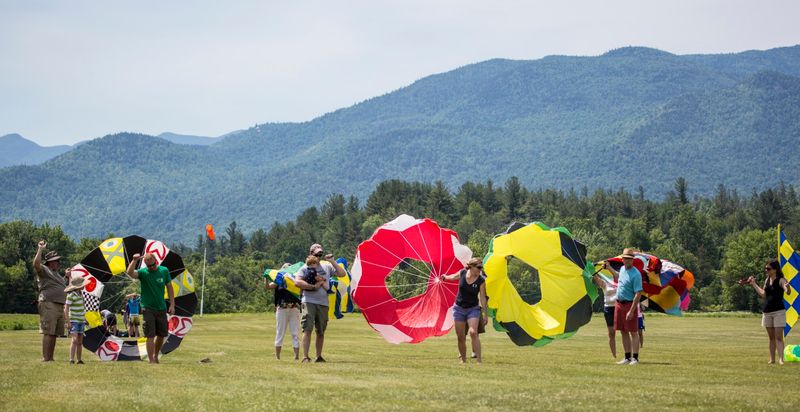
Here is a statistic worth bragging about. Keene contains fifteen of the celebrated 46 Adirondack High Peaks, and that includes Mount Marcy, the tallest mountain in New York at 5,343 feet.
Marcy draws the ambitious, and the climb is a long, honest day of work. Plenty of hikers train for months before attempting it, and that respect is earned rather than dramatic.
For a shorter payoff, Owls Head Mountain offers sweeping views, but its trail and parking area are open to the public on weekdays only. Families and photographers love it because the reward arrives before anyone runs out of snacks.
Do not underestimate the roadside options either. Designated pull-offs along Route 73 frame Cascade and Owl’s Head beautifully, and you can capture a keeper photo without lacing up boots.
Timing shapes everything. Morning light softens the ridgelines, while late afternoon turns the rock faces amber and deepens every shadow in the valley.
Register at the trailhead, carry sufficient water, and remember that access through the Adirondack Mountain Reserve requires advance reservations from May 1 through October 31. The peaks will still be standing next weekend, ready for a second try.
Elbow Room You Can Actually Feel
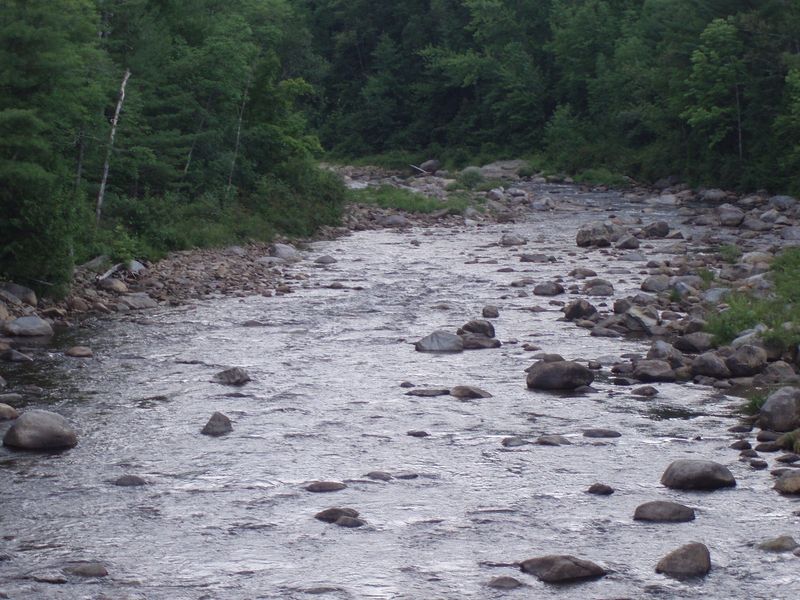
Crowds have a sound, and Keene mostly avoids it. Instead of shuffling behind strangers, you get open paths, quiet pull-offs, and long stretches where the loudest thing is water over stone.
The town carries a genuinely rural feel. Neighbors wave from trucks, trailhead conversations happen naturally, and nobody seems in a hurry to be anywhere else.
Residents make up an interesting mix. Longtime local families share the valley with artists, writers, climbers, and guides, all drawn by the same scenery.
That blend creates an easy social temperature. Ask for a trail recommendation at a counter and you will probably get three, plus a warning about one slippery section.
Sunrises feel oddly personal here. Fog lifts off the Ausable River while the peaks brighten one at a time, and you may well be the only witness.
A word to the wise: popular trailheads still fill up on peak fall weekends, so arrive early or pick a midweek visit. Late spring and early November can be quieter, though hikers should avoid high-elevation trails during spring mud season and prepare for icy conditions in November.
Quiet does not mean empty. It means the landscape gets to be the main character, which is exactly the point.
Four Seasons Of Playtime
Outdoor lovers rarely run out of ideas around Keene. Trailheads leading into the High Peaks Wilderness start close to town, which cuts driving time and stretches daylight.
Warm months open up the widest menu. Hiking leads the pack, followed by road biking on scenic routes, paddling, fishing, and serious rock climbing on the valley’s cliffs.
Water plays a starring role. Publicly accessible sections of the Ausable River offer fishing and paddling opportunities, but the Upper and Lower Ausable Lakes are privately owned and closed to public boating and fishing.
Winter does not close the show. Snowshoeing through hushed woods, cross-country skiing, and ice climbing keep the valley busy when temperatures drop well below freezing.
Gear matters more in cold months. Traction devices are recommended on icy trails, and snowshoes or skis are required in the High Peaks Wilderness when snow reaches eight inches or more.
Beginners have options too. Gentle woodland walks along river corridors give you mountain scenery without the elevation, and they work beautifully for kids or anyone easing back into hiking.
Fun detail: the same trail can feel like three different places in June, October, and February. Repeat visitors count on it.
Pie, Provisions, And Rustic Treasures
Appetites get taken seriously in this valley. The Noon Mark Diner in Keene Valley has built its reputation on hearty plates and homemade pies, and the apple versions lean on New York orchards.
Locals and hikers share the tables, which tells you everything about the place. Slices disappear fast on busy weekends, so plan accordingly.
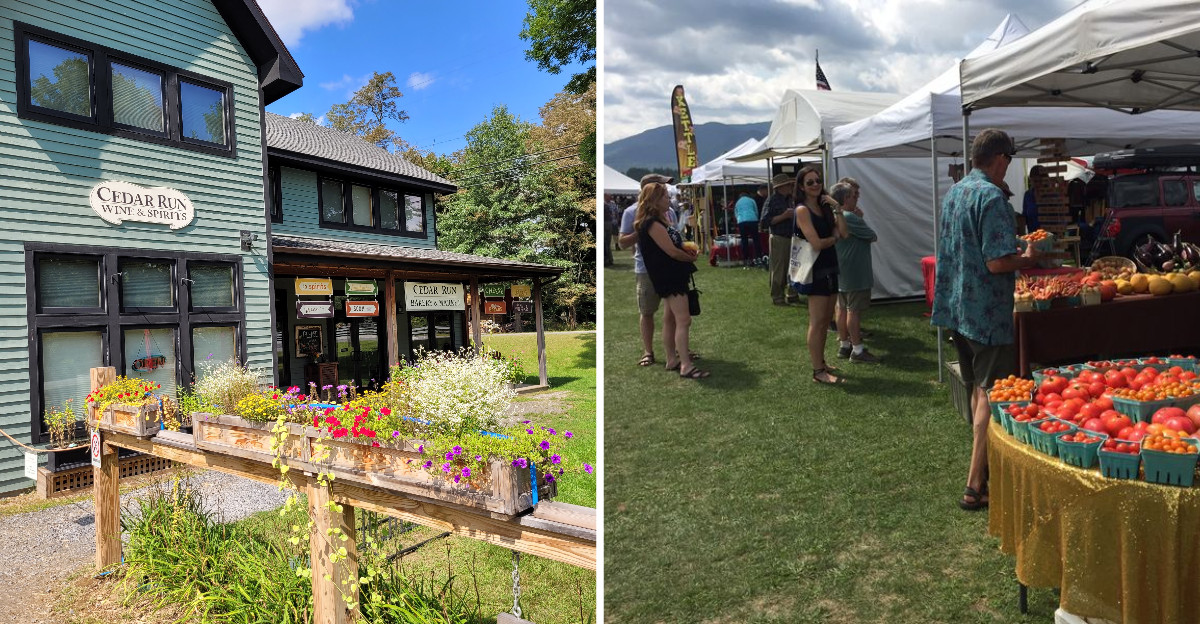
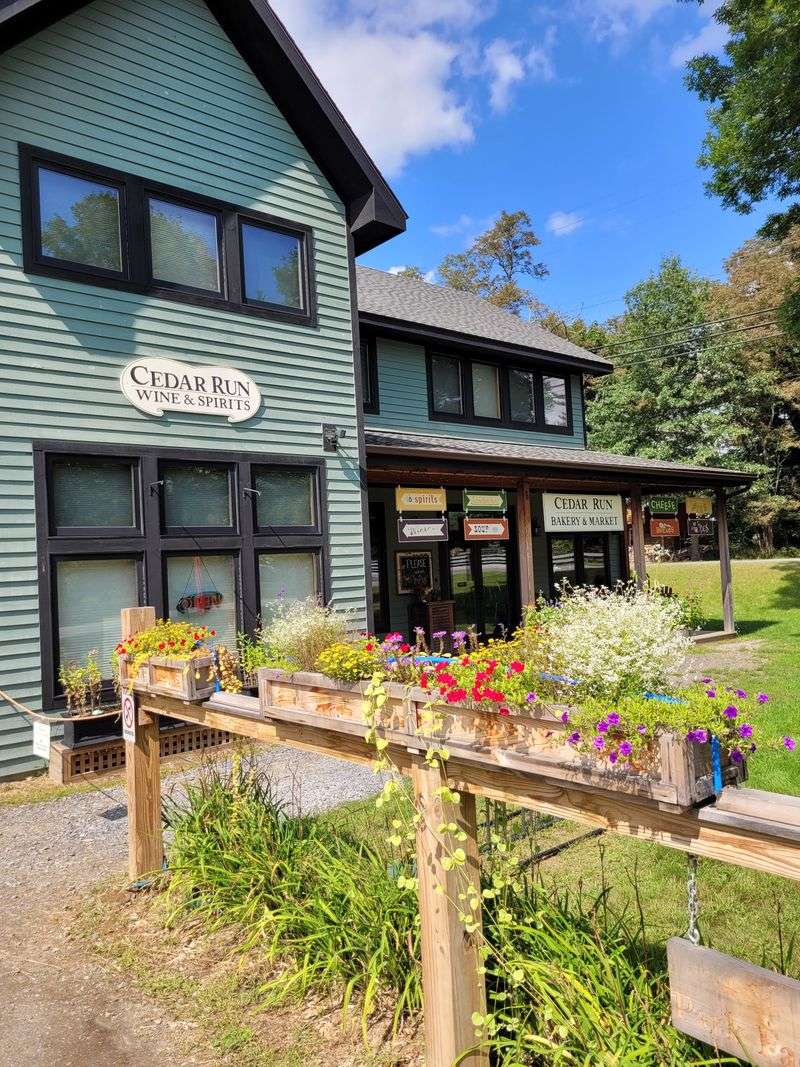
Cedar Run Bakery and Market handles the morning shift with fresh baked goods, coffee, and ready-made meals. It doubles as a smart stop for packing a summit lunch.
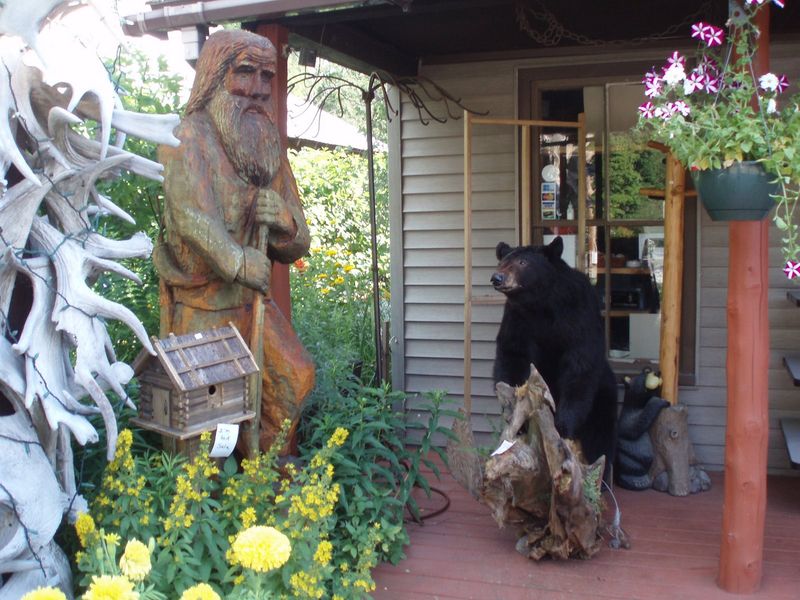
Shopping has personality too. Dartbrook Rustic Goods fills its rooms with handcrafted furnishings, interior accents, and vintage finds that fit an Adirondack camp aesthetic.
For gear, The Mountaineer covers the practical side with boots, packs, and climbing equipment. Staff knowledge there is the real product.
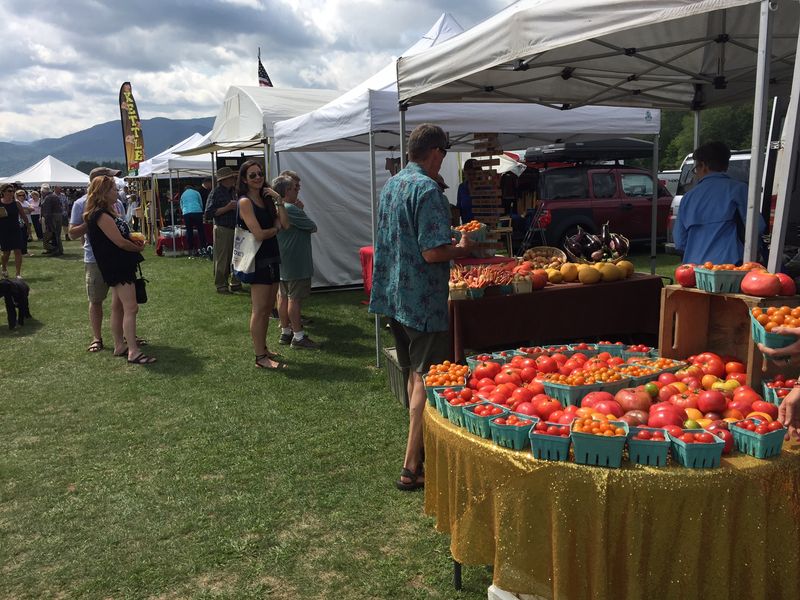
Sunday mornings in the warmer season bring the Keene Valley Farmers’ Market to Marcy Field, where produce and artisan goods sit beneath a serious mountain backdrop.
Creativity gets its own stage as well. Keene Arts showcases work by area artists, proving that inspiration here goes beyond scenery into something people actually make.
Mountain Grandeur On A Sensible Budget
Value is the sneaky superpower of an underrated town. Keene offers opportunities for an affordable mountain getaway through free outdoor attractions and self-catered accommodation.
Lodging tends to run simpler and calmer. Cabins, small inns, and rental homes offer accommodation options across different budgets.
Honesty check: living costs in Keene still sit above the national average, especially housing.
Best part is how little the good stuff costs. Trails, overlooks, river access, and long scenic drives carry either no fee or a very modest one.
Groceries from a local market plus a packed lunch can replace two restaurant meals a day. Do that for a weekend and the savings add up quickly.
Spending less also changes the pace. With fewer paid attractions competing for attention, you end up outside longer and appreciate more.
Bottom line for planners: budget for gas, good food, and one splurge meal. The mountains handle the entertainment portion free of charge.
From Iron Forges To Forever Wild
Long before hiking boots arrived, axes did. Settlers pushed into these forests in the late 1700s, following rough trails marked on trees.
Official recognition came on March 19, 1808, when the Town of Keene took shape within Essex County. The three hamlets grew from there.
Early money came out of the ground and the woods. Lumber and iron production drove the economy, feeding a string of mills and forges along the rivers.
Everything changed in 1892. The creation of Adirondack Park in 1892 and the constitutional protection of Forest Preserve lands in 1894 reshaped what the region could become.
Heavy industry faded, and visitors took its place. By the end of the 19th century, Keene and Keene Valley were known as summer retreats where people came to hike, fish, and breathe mountain air.
That shift still defines the town today. Guiding, hospitality, and outdoor culture trace a straight line back to those resort years.
History buffs can spot the evidence. Old farm clearings, stone foundations, and century-old trail routes remain in use, quietly connecting today’s hikers with the ones who came first.