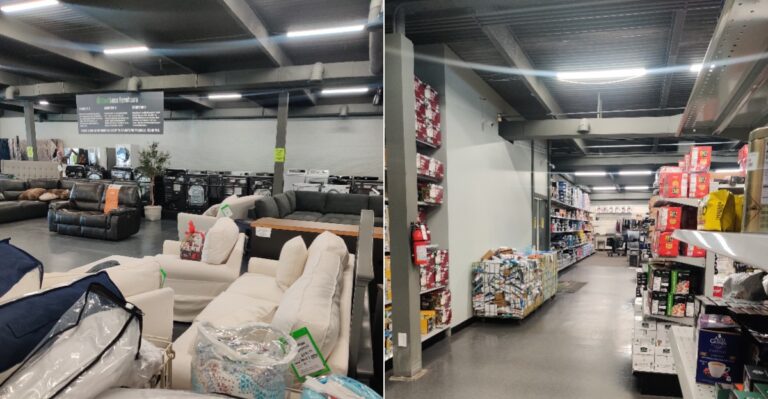
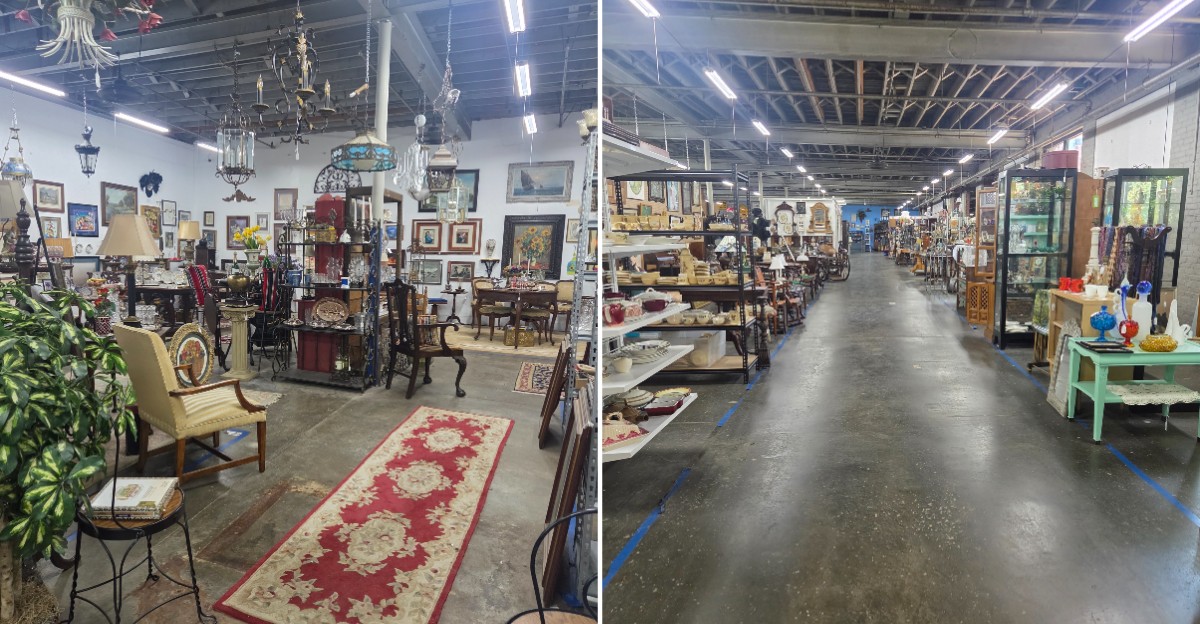
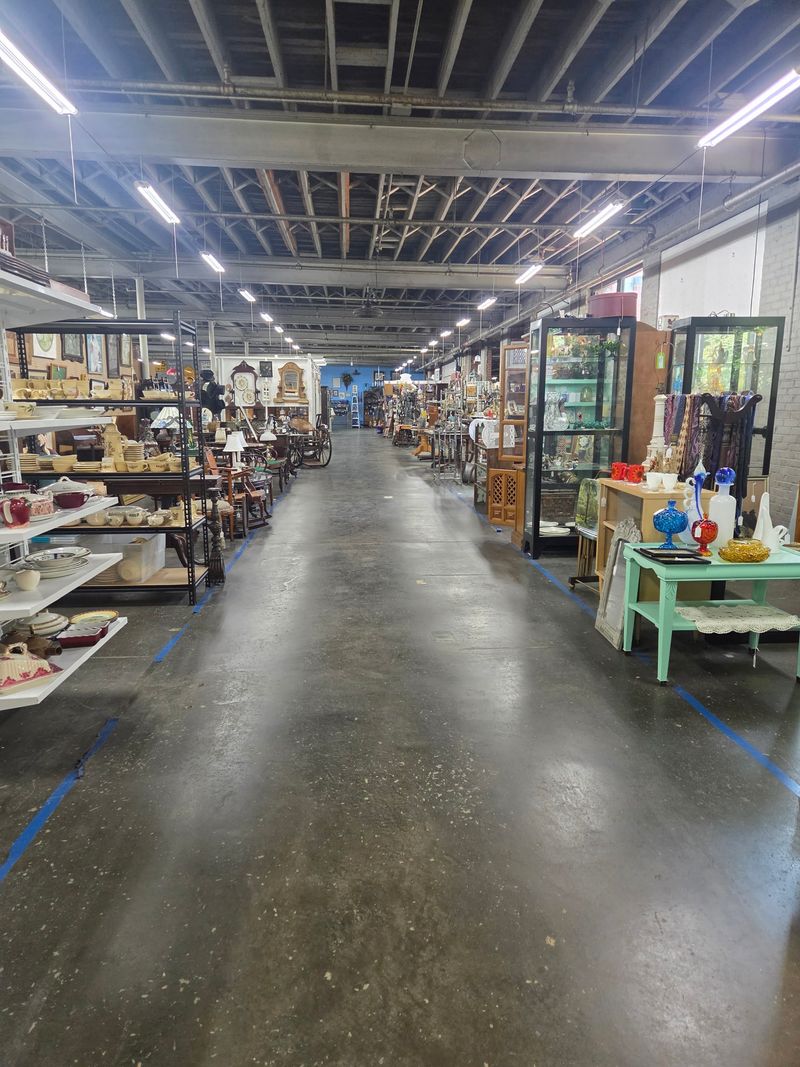
Forty-eight thousand square feet of vintage treasure sits under one roof in a small Upstate town. That’s room for a whole lot of somebody’s old favorite things.
The shop even borrowed its name from a 155-foot concrete water tower down the street. I love when a store wears its hometown pride right on the sign, especially a landmark that once helped guide pilots.
Dealers keep hauling in fresh finds, so the shelves never sit still for long. Furniture, glassware, toys, art, and military memorabilia all share one sprawling, organized floor, and I’d want a game plan before the first aisle.
South Carolina has plenty of antique stops, but few can claim this kind of size. So how many hours would you budget for a place this big, and what would you hunt for first?
You Will Need More Than A Quick Lap Through 48,000 Square Feet
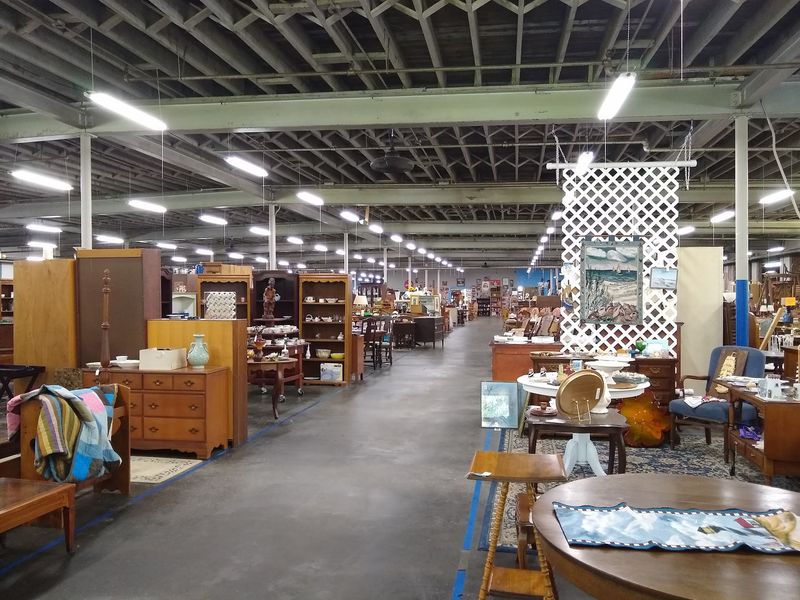
Forty-eight thousand square feet is a number worth reading twice. Standpipe Antiques fills every bit of that space with vintage and antique goods, which makes it one of the largest antique stores in South Carolina.
The owners have even pointed out that Google ranks it as the largest antiques and collectibles store in the state. That’s a big title for a shop in a small Upstate town, and the floor plan backs it up.
So what does that much room mean for you? Mostly, it means a casual twenty-minute browse is not going to cut it.
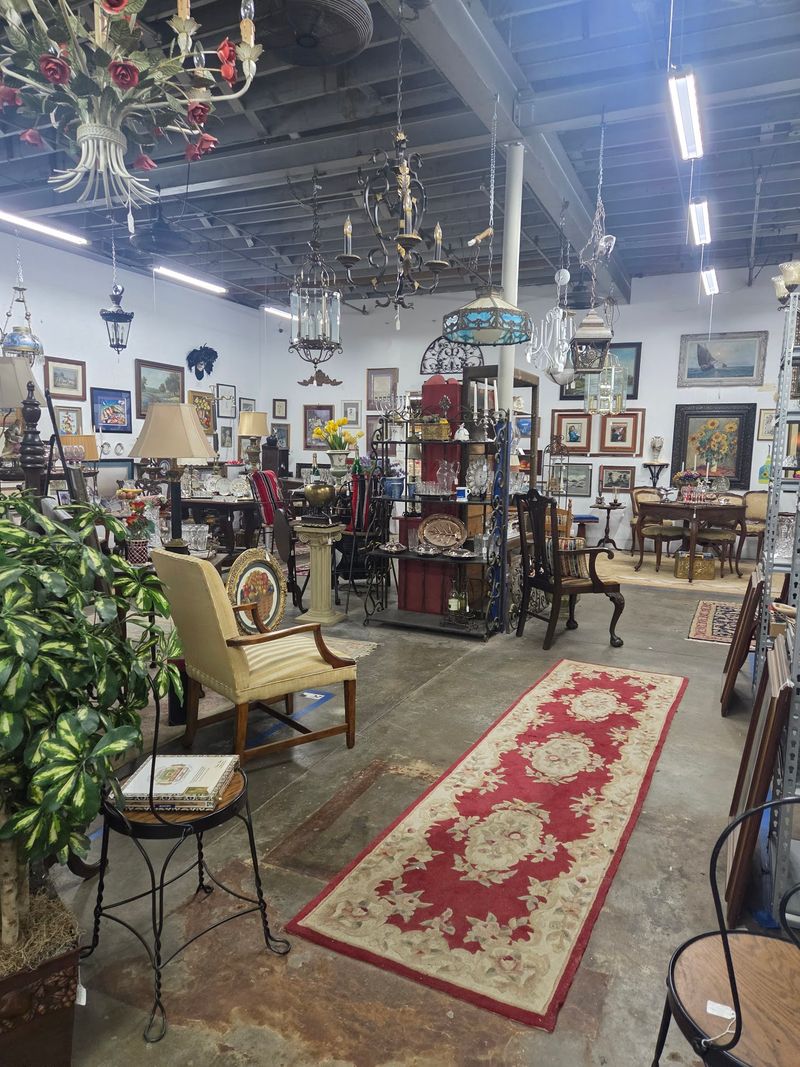
Aisle after aisle of booths stretch across the building, each one run by a different dealer with a different eye. One corner might lean toward farmhouse furniture, while the next booth goes all in on sparkly glass.
My advice is simple. Wear comfortable shoes, clear your afternoon, and resist the urge to buy the first thing that catches your eye.
Odds are good something even better waits three booths down. A slow, steady loop is the smartest way to tackle a store this size without missing the good stuff hiding on a bottom shelf.
A Water Tower Down The Street Gave This Store Its Name
Belton has a skyline star, and it holds water. The Belton Standpipe is a 155-foot concrete water tower built between 1908 and 1909, standing one block east of the town’s central business district.
That tower is listed on the National Register of Historic Places. It still stores water today, and back in the day it served as a navigation landmark for pilots flying over the Upstate.
Now you know where Standpipe Antiques got its name. Naming a store after the town’s most famous structure is a pretty clever way to say you belong here.
It also fits the whole mood of an antique shop. Old things with stories deserve a home named after something old with a story.
The building housing the store is considered a meaningful piece of Belton history too. So the history lesson doesn’t stop at the tower, it continues right through the front door.
Before or after you shop, take a few minutes to swing by and look up at the Standpipe itself. It makes the store’s name click, and honestly, a century-old concrete tower is a fun photo stop for anyone who loves history.
Every Booth Is Run By Someone With Their Own Treasure Radar
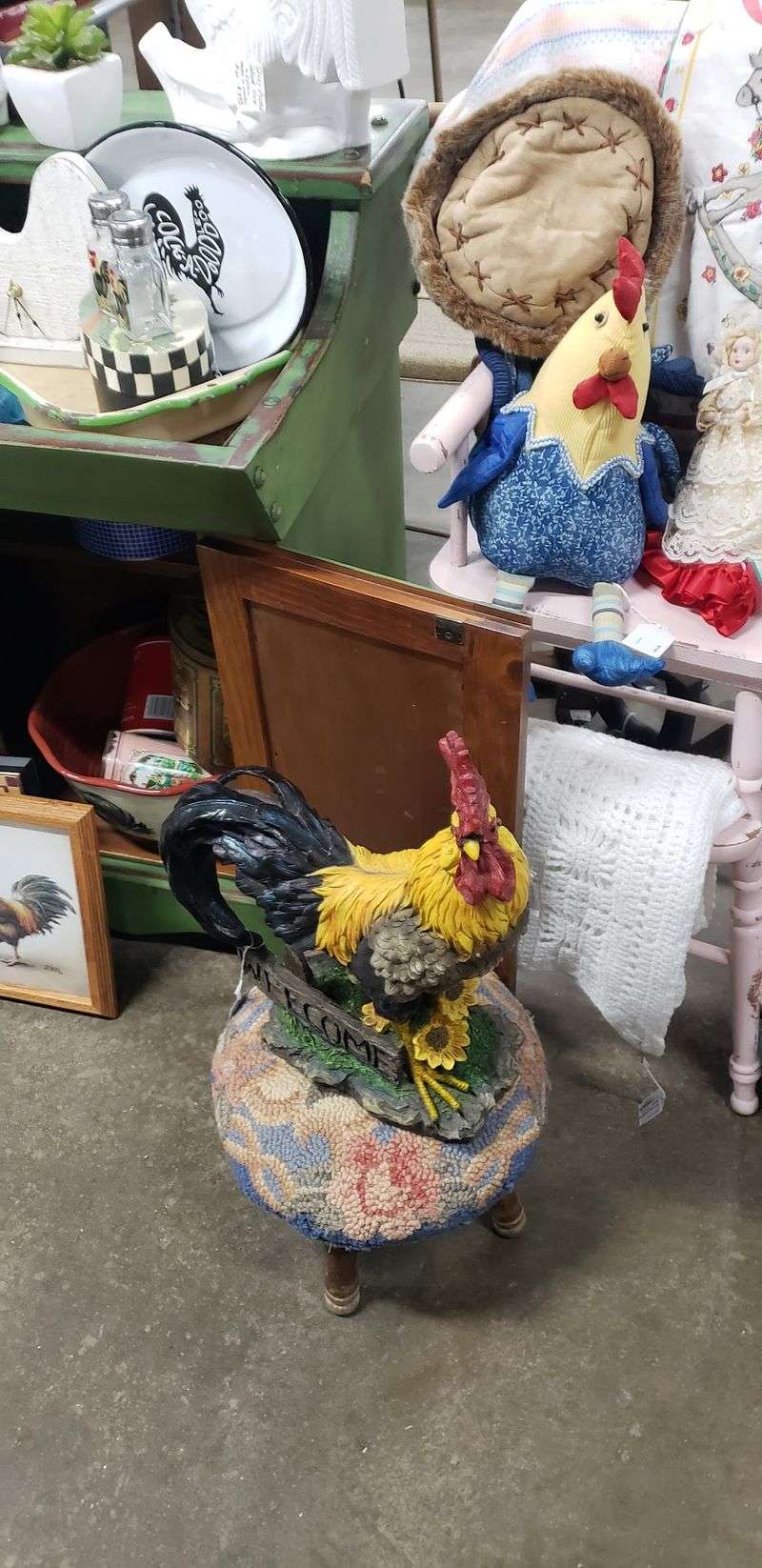
Here’s what makes a big antique mall so much fun: nobody curates the whole thing alone. Standpipe Antiques runs on a vendor booth setup, where independent dealers rent space and stock it with their own finds.
That means dozens of different tastes share one roof. One dealer might love mid-century style, while another can’t stop collecting old kitchen tools or vintage toys.
Shopping a place like this feels a little like visiting a hundred tiny stores in one trip. Each booth has its own personality, its own pricing, and its own idea of what counts as a great find.
Variety is the big win for shoppers. If one booth isn’t your style, the next one might be exactly what you were hoping to stumble into.
A smart move is to snap a quick photo of booth numbers when something catches your eye. With so many sections to explore, it’s easy to forget where that perfect lamp was hiding.
Patience pays off here. The more booths you browse, the better your sense of what’s out there, and the easier it becomes to spot a real winner.
Glassware Lovers Should Probably Bring A Little Extra Patience
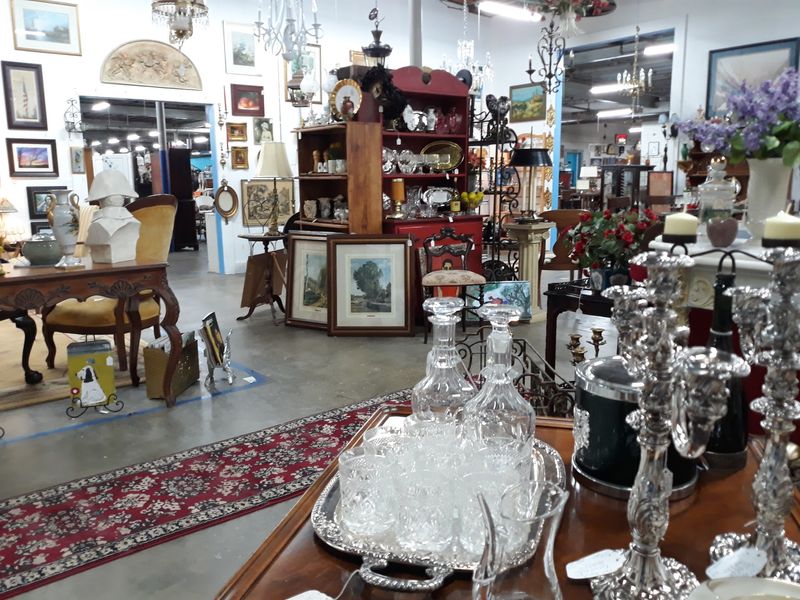
Glass catches light in a way that makes shelves look like candy displays. At Standpipe Antiques, glassware is one of the store’s listed specialties, so expect plenty of shine as you wander.
Collectors of colored glass, pitchers, dishes, and decorative pieces have lots of booths to compare. Since every dealer stocks their own shelves, the styles can swing from everyday kitchen glass to fancier art pieces.
A few tips help a lot with fragile finds. Hold pieces gently from the base, check for chips along the rim, and look for cloudiness before you commit.
Tiny cracks can hide in plain sight. Tilting a piece toward a light source makes flaws much easier to spot.
Matching a set is half the fun with vintage glass. If you’re hunting for one more goblet or bowl to complete a collection, a store this size gives you a real fighting chance.
Bring measurements if you’re shopping for a cabinet or shelf at home. Few things feel worse than falling for a gorgeous serving bowl that won’t fit anywhere in your kitchen.
Big Furniture Finds Wait For Anyone With A Roomy Vehicle
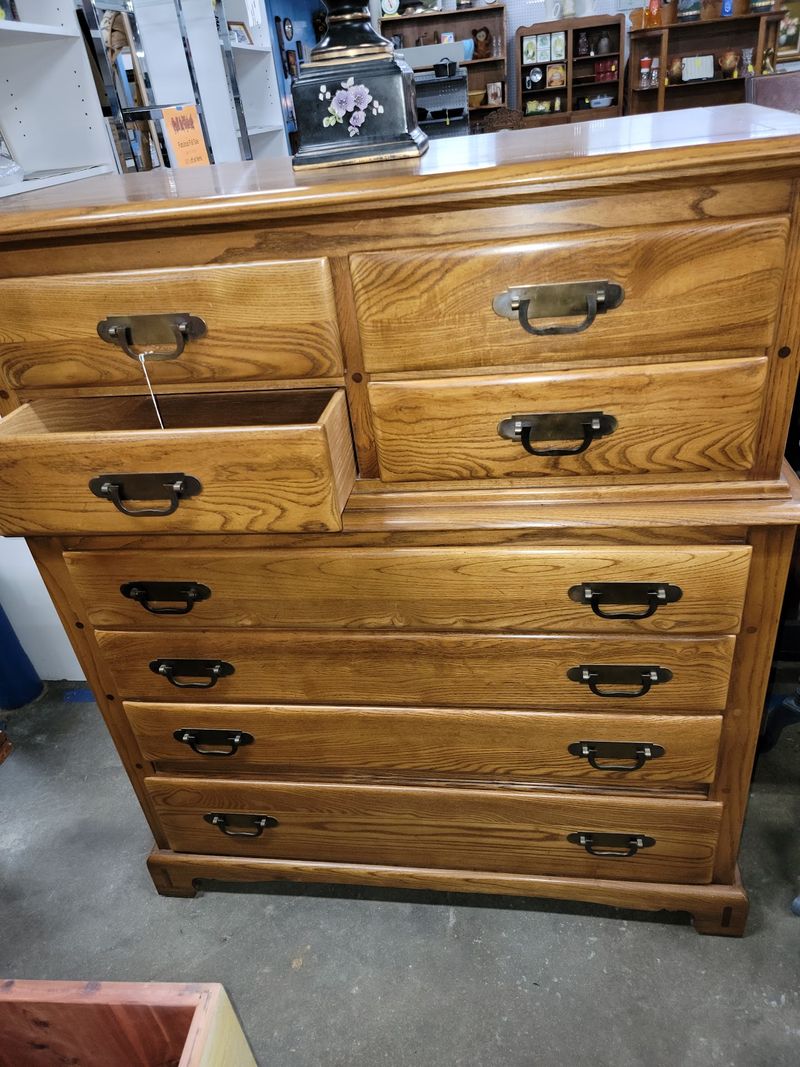
Hauling home a dresser is a very specific kind of victory. Furniture ranks among the main categories at Standpipe Antiques, and a 48,000-square-foot floor leaves plenty of room for big pieces.
Chairs, chests, tables, and cabinets all fit the bill for an antique mall this size. Because different vendors stock the floor, you’ll likely see a mix of eras, woods, and finishes in a single trip.
Before you go, do a little homework at home. Measure the spot where your new piece will live, then jot down height, width, and depth on your phone.
A tape measure in your pocket is a shopper’s best friend. Doorways and stairways at home matter just as much as the wall space, so measure those too.
Think about transportation before you fall in love. A sedan trunk can handle a side table, but a full dresser probably needs a truck or an SUV with the seats folded down.
Older furniture often has sturdy construction worth a closer look. Open drawers, check the joints, and give tables a gentle wiggle to make sure everything feels solid.
Toy Shelves And Military Pieces Bring Out Everyone’s Inner Collector
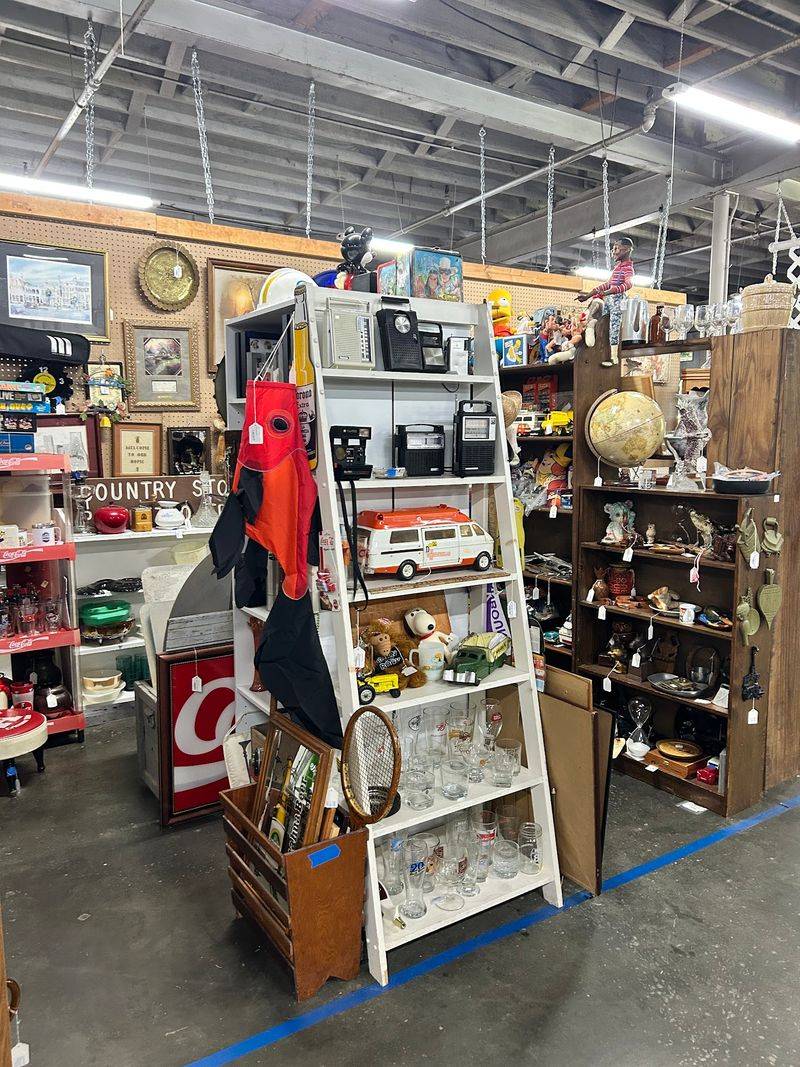
Grandpa’s war medals and a kid’s tin toy might end up just a few booths apart. Standpipe Antiques lists toys, collectibles, and military memorabilia among its many categories, so nostalgia shows up in all kinds of shapes.
Vintage toys have a sneaky power. One glance at a familiar box or figure can send someone right back to a childhood birthday.
Military pieces carry a different kind of weight. Items like patches, uniforms, and medals help tell real stories about people who served, which makes them meaningful to many collectors.
If you collect in this area, bring a little knowledge with you. Knowing markings, makers, and common reproductions helps you shop with confidence.
Families can turn this part of the store into a fun conversation starter. Kids often love spotting toys their parents or grandparents once owned, and the stories that follow are usually free.
Collectibles can also make terrific gifts. A small vintage piece tied to someone’s hobby or history feels far more personal than anything from a big-box store shelf.
Yesterday’s Inventory Won’t Look Like Next Month’s
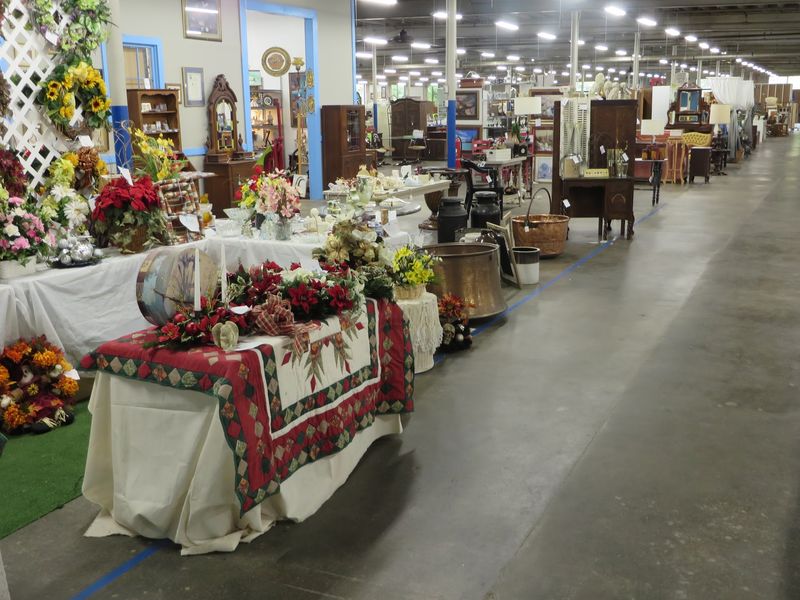
Shopping the same store twice and seeing different things sounds like a magic trick. At Standpipe Antiques, it’s just how the place works.
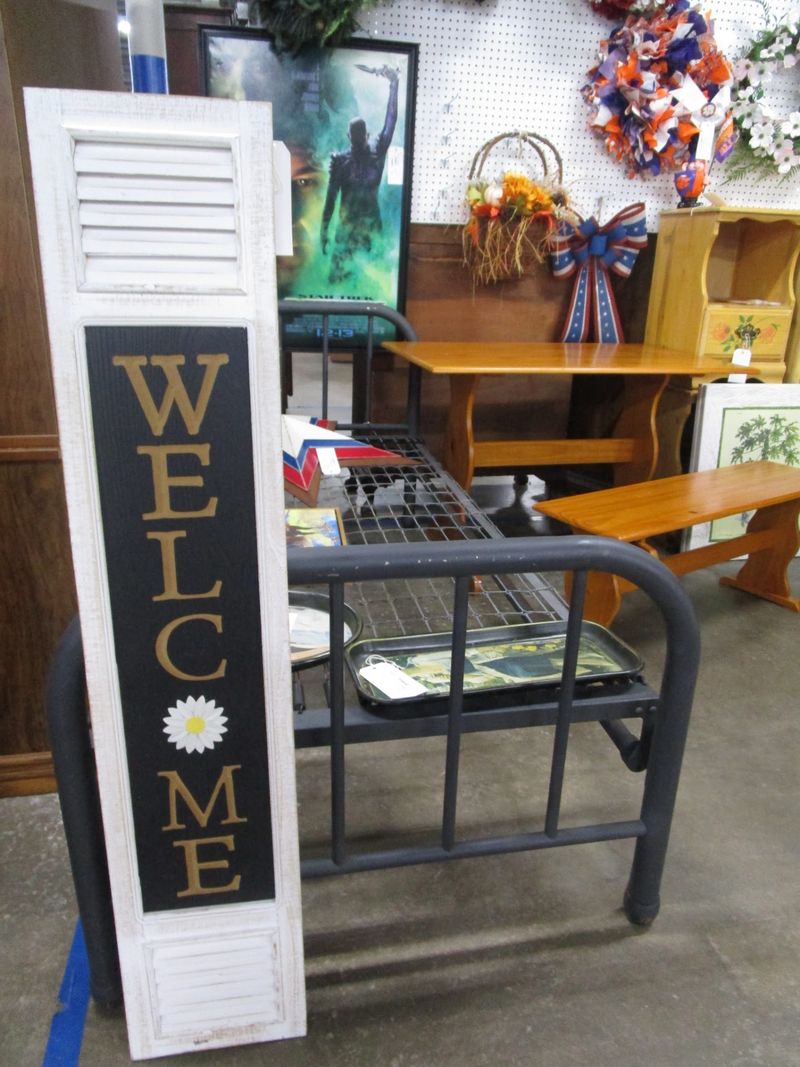
Vendors regularly bring in new finds, so the inventory keeps changing. A booth that held old picture frames last month might be loaded with kitchen decor or art the next time you visit.
That constant shuffle is great news for anyone hunting something specific. If your dream piece isn’t there today, a dealer could roll it in next week.
It also means hesitation can cost you. Antique malls follow a simple rule: if you love it and can afford it, buying it now usually beats coming back later.
Repeat visits make a lot of sense here. Checking in every season keeps things fresh, and you’ll start recognizing which booths match your style best.
Home decor and art fans especially benefit from the rotation. Wall pieces, accent items, and seasonal decorations tend to move in and out, so each trip can spark new ideas for refreshing a room without a full makeover.
Plan Around Sunday Hours And A Few Smart Shopping Habits
Sunday shopping at an antique mall feels like a small gift. Standpipe Antiques opens Wednesday through Saturday from 10 a.m. to 5 p.m., plus Sunday from noon to 5 p.m.
Mondays and Tuesdays are closed, so don’t plan a midweek detour too early in the week. The store sits at 502 O Neal St, Belton, SC 29627, in the heart of Upstate South Carolina.
Arriving earlier in the day gives you the most breathing room. With 48,000 square feet to cover, a late-afternoon arrival can leave you racing the clock.
The layout is organized and ADA accessible, which helps everyone move through comfortably. Wide-open browsing matters a lot when shopping with family members of different ages and abilities.
Pack a few handy items before you head out. A tape measure, a phone charger, a water bottle, and a list of wanted pieces can save you time.
The store also runs an online shop. Browsing there first can help you get a feel for the kinds of items dealers carry before you make the drive.
A Family-Owned Shop That Shows Up For Its Hometown
Some businesses just sell stuff. Standpipe Antiques is family-owned, and it plays an active part in local life around Belton.
The store has joined community events like a Dog Days of Summer Adoption event with Anderson County PAWS. Helping shelter pets find homes is a pretty sweet use of a big antique space.
It has also taken part in Belton’s Santa Train during the holiday season. Few things beat old-fashioned holiday cheer in a town that loves its history this much.
That community spirit fits the store’s whole identity. A shop named after the local water tower clearly cares about where it lives.
For visitors, these events make a trip even more rewarding. Keep an eye on the store’s social media pages for upcoming happenings before planning your visit.
Shopping at a family-run business in a small South Carolina town also keeps money circulating close to home.
Every vintage find you carry out supports local owners and independent dealers, and that feels better than any receipt from a giant chain store ever could.