
We Found A Desert Park In Nevada That Somehow Turns Gold Every Fall
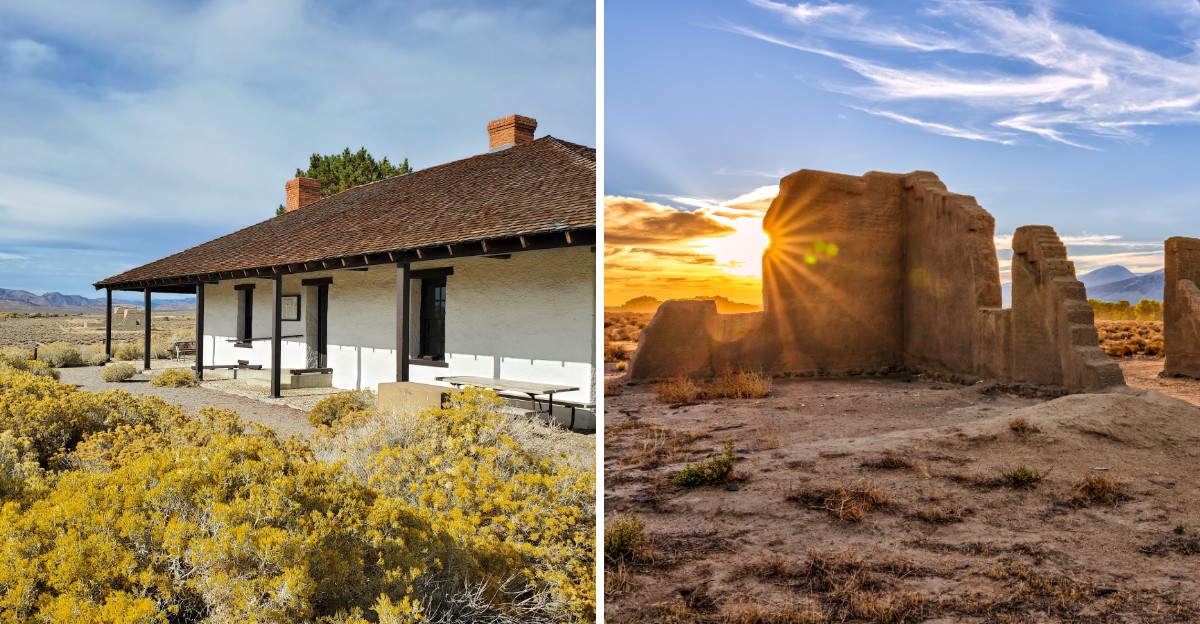
Bright yellow leaves are not what most expect from sagebrush country. Yet every late October, giant cottonwoods along a desert river turn gold.
Beside them stand roofless adobe walls from an old Army fort. Soldiers raised them just before the Civil War.
Crews keep the ruins as they are, a practice called arrested decay. It sounds spooky but simply means no further crumbling.
Why does this corner of Nevada glow like a New England hillside? The answer is water and a line of thirsty trees.
You can tour old barracks in the morning and picnic under gold by noon. A river trail links the fort to an old Pony Express stop.
Who knew Nevada could pull off autumn this well? Is there a better excuse for a fall road trip?
Those Golden Cottonwoods Steal The Whole Show In Late October
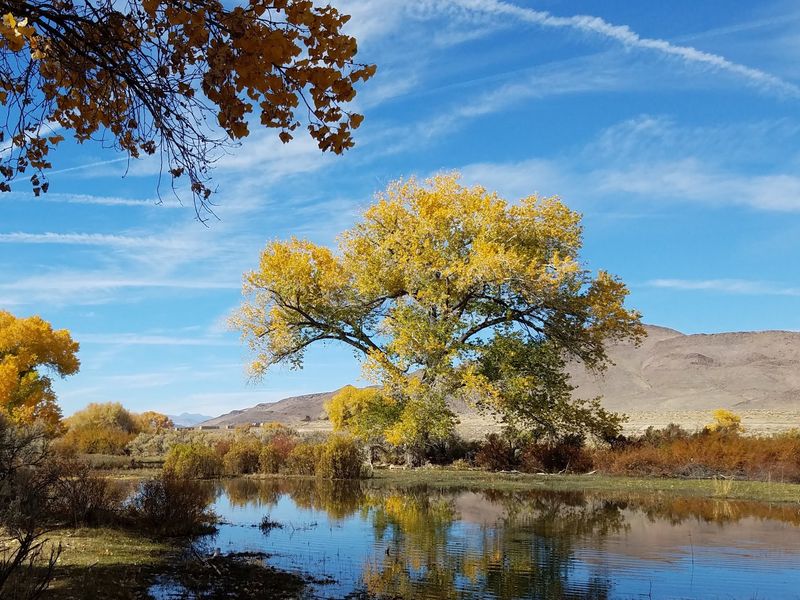
Desert parks aren’t supposed to look like a box of crayons in autumn. Yet Fort Churchill State Historic Park pulls it off every single year.
The secret is water. Big cottonwood trees grow along the Carson River here, and they turn bright yellow once the weather cools.
Late October is usually the sweet spot for color. The park sits at a lower elevation, so its trees change later than mountain forests around Lake Tahoe.
That timing works in your favor. When higher spots have already gone bare, this stretch of Nevada is often just getting started.
The contrast is what makes it special. Gray-green sagebrush and tan hills surround a ribbon of gold that follows the river’s curves.
Photographers, take note of the light. Morning and late afternoon sun make yellow leaves glow, while harsh midday light can flatten them out.
Plan with a little flexibility. Fall color depends on weather, so one warm or windy week can shift the peak earlier or later.
A quick call to the park before you go can save you guesswork. Rangers know what the trees are doing better than any forecast.
Bring a jacket, too. Desert mornings in late fall can feel chilly before the sun climbs over the hills.
You Can Stroll Through Adobe Ruins Frozen In Time
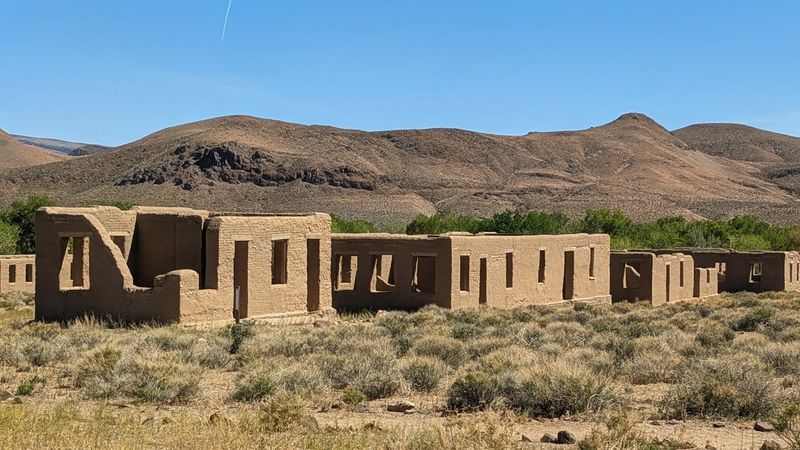
Arrested decay sounds like a dentist’s warning. At Fort Churchill State Historic Park, it’s actually a preservation plan for the old adobe buildings.
The idea is simple. Crews stabilize the ruins so they stay as they are, without rebuilding them into something shiny and new.
What’s left are roofless walls and window openings that outline the old post. Walking among them gives you a real sense of how big the place once was.
An interpretive trail loops through the ruins. Signs along the way explain what each building was used for, which helps the empty spaces make sense.
Take your time on this walk. Reading each sign turns a pile of old bricks into barracks, officers’ quarters, and supply buildings.
The Civilian Conservation Corps helped stabilize these walls back in the 1930s. So you’re also seeing the work of a second generation of builders.
Please stay on the paths and off the walls. Adobe is basically sun-dried mud, and it doesn’t forgive climbing feet.
Fall is a great season for this loop. Cooler temperatures make the walk more comfortable than a scorching summer afternoon in the desert.
Wear sturdy shoes and bring water. The ground is easy, but the sun still has plenty of opinions.
The Backstory Here Is Bigger Than The Walls Suggest
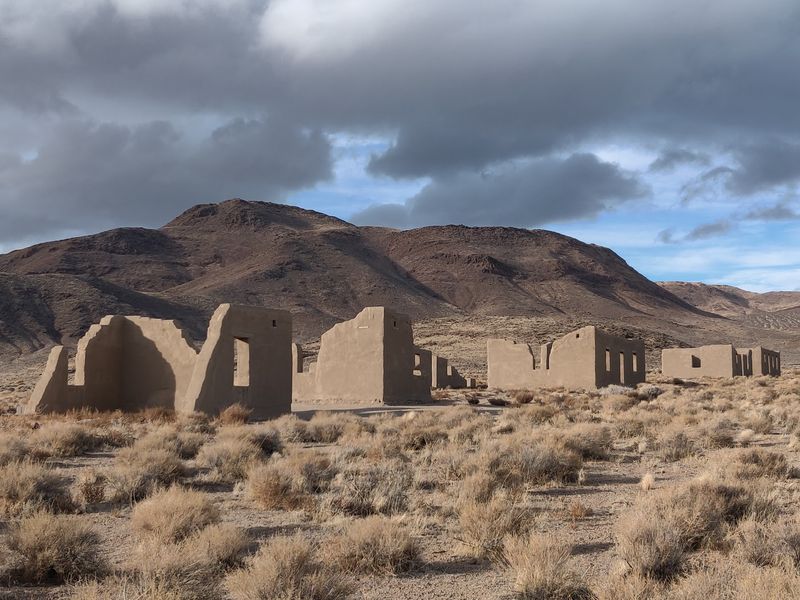
Nevada’s first military outpost started right here in July 1860. It was also the state’s largest and most elaborate one.
The fort had a clear job. Soldiers protected settlers, westbound travelers, and the Pony Express and telegraph lines crossing the region.
It took its name from Sylvester Churchill. He served as Inspector General of the U.S.
Army at the time.
During the Civil War, the post worked as a Union Army supply depot. That gave a remote desert fort a role in national events far to the east.
Its active life was short, though. The Army abandoned it in the fall of 1869, less than a decade after it opened.
Then came a bargain that still sounds unreal. The adobe buildings were auctioned off for just 750 dollars.
Decades later, the Daughters of the American Revolution stepped in during the early 1930s. They helped transfer 200 acres to the State of Nevada.
Fort Churchill officially became a state park in 1957. Today, the full name is Fort Churchill State Historic Park, and the history is the reason it exists.
Knowing this before you visit makes the ruins feel alive. Those walls have seen a lot.
Start At The Visitor Center Before You Wander Off
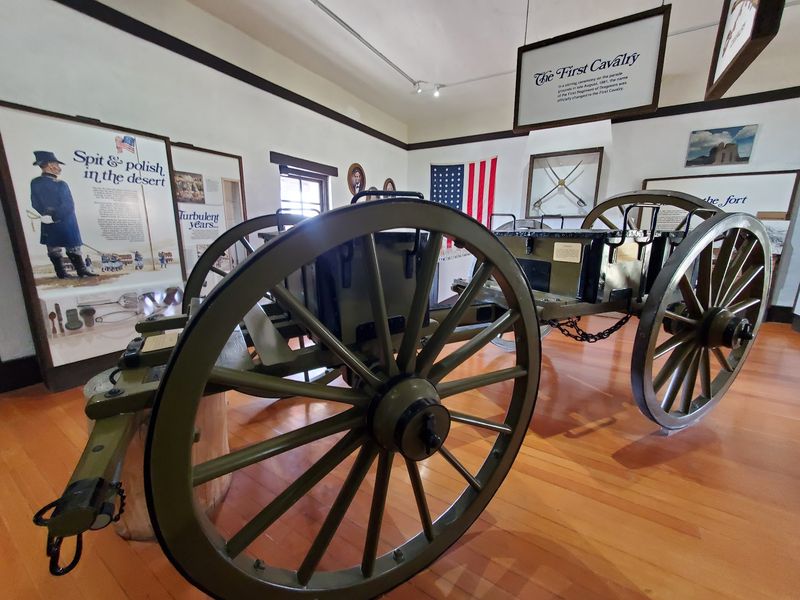
Here’s a building with its own history badge. The Civilian Conservation Corps built the visitor center in 1935, the same era it helped stabilize the ruins.
Inside, exhibits cover the story of Fort Churchill and the surrounding area. It’s a smart first stop before you head out on the trails.
Why start here? Context makes everything outside more interesting, and the ruins make far more sense once you know the layout.
The center recently reopened after a long renovation. So if you visited years ago, it’s worth another look.
Families will appreciate the quick learning boost. Kids who hear the fort’s story first tend to look at those walls with more curiosity.
The building also makes a handy place to ask questions. Rangers can share trail conditions, campground info, and how the fall color is shaping up.
Pick up any maps or tips before setting out. The park is bigger than it looks from the road.
On a hot day, a short break indoors feels great. On a chilly fall morning, it’s a nice warm-up before your walk.
Give yourself at least a few minutes here. Fort Churchill State Historic Park rewards visitors who show up knowing the story.
A Pony Express Stop Is Waiting Down The River
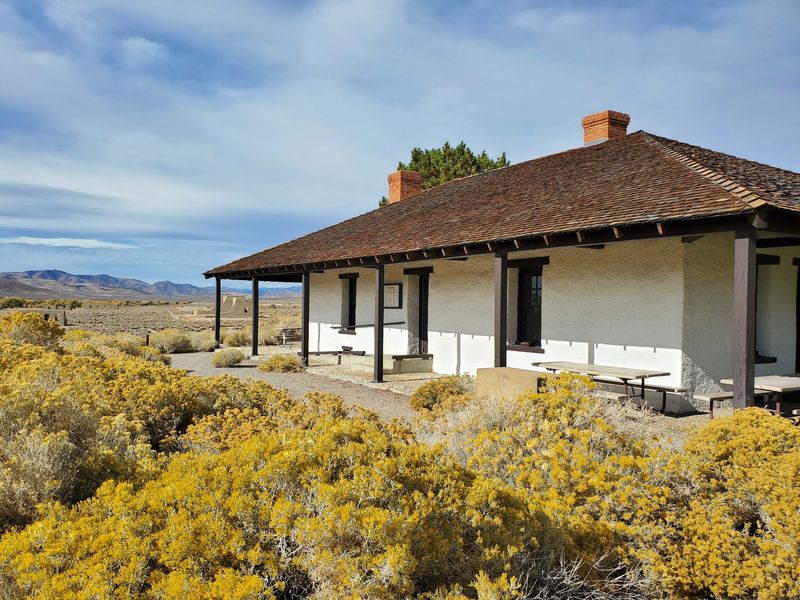
Mail riders once galloped past this spot at full speed. Buckland Station served as a way station and Pony Express home station in the 1800s.
Today, the renovated building is part of the park. It joined the state park system in 1994.
A small museum sits inside. It’s open on Saturdays and Sundays from 10 a.m. to 2 p.m., so plan a weekend visit if you want to step indoors.
That schedule is easy to miss. Showing up on a Tuesday means admiring the outside only, which is still pleasant but not the full deal.
A home station mattered on the Pony Express route. Riders could rest there between legs of their long, dusty runs.
The setting near the river adds to the charm. In fall, nearby cottonwoods can frame the old building with yellow leaves.
Picnic tables sit behind the station, too. That makes it a natural lunch break during a day of exploring.
Buckland Station also anchors one end of the park’s riverside trail. You can walk between it and the fort ruins if your legs are up for it.
Seeing both spots tells a fuller story. Soldiers and mail riders shared this stretch of Nevada at the same time.
Your Legs Will Thank You For This River Trail
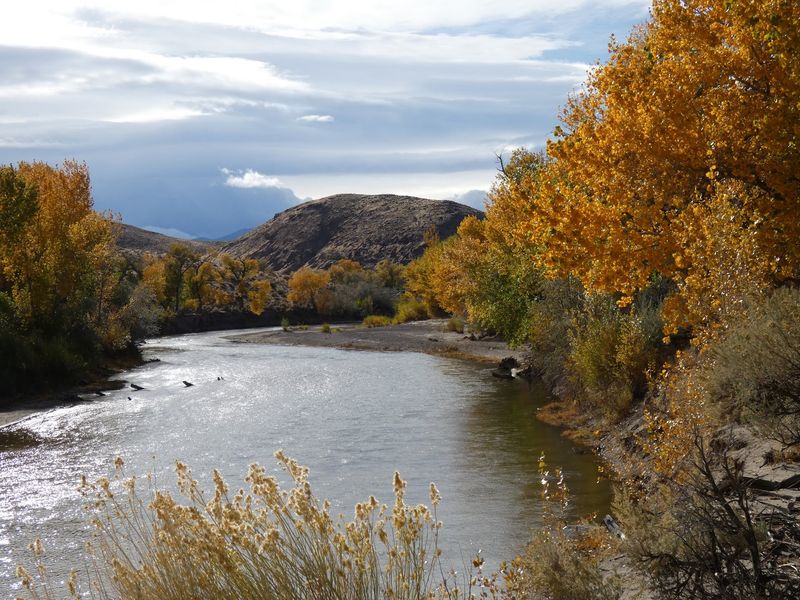
Two point two miles. That’s the one-way length of the Nature Trail that links Buckland Station to Fort Churchill.
The route parallels the Carson River the whole way. In late October, that means walking beside a long line of golden cottonwoods.
Remember the math before you start. Going out and back makes it about 4.4 miles, so pack snacks and water accordingly.
Not up for the full distance? Walk a portion from either end and turn around whenever you’ve soaked up enough color.
The river corridor is a good place to slow down. Bird watching is one of the activities the park highlights, and trees near water attract plenty of wings.
Bring binoculars if you have them. They’re light, and they turn a pleasant stroll into a little treasure hunt.
For a shorter option, stick with the interpretive trails around the ruins. Those focus more on history than river views.
Leashed dogs are a common sight on park trails. Bring bags and keep your pup close to protect wildlife.
Desert weather can shift fast in fall. A light layer in your pack is cheap insurance against a surprise breeze off the hills.
Pack A Lunch Because The Picnic Spots Are Seriously Shady
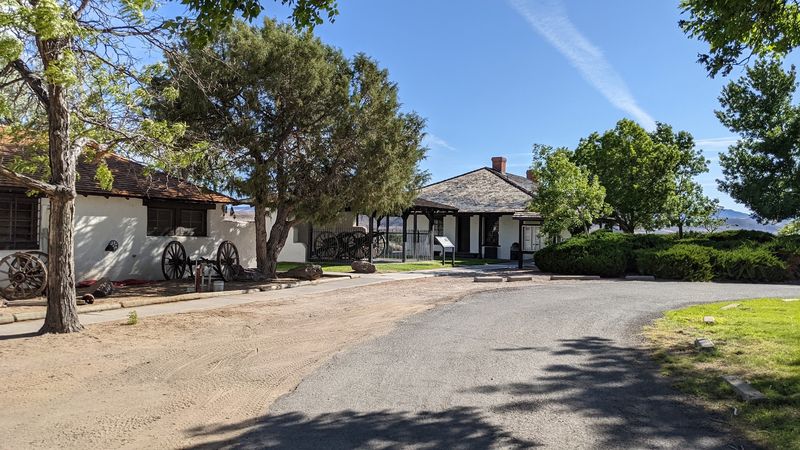
Shade is a big deal in the desert. Fort Churchill State Historic Park offers tree-shaded picnic areas in several spots.
You’ll find them along the Carson River, behind Buckland Station, and at the Orchard Day Use Area. Each comes with tables, charcoal grills, drinking water, and restrooms.
That setup covers the basics nicely. Bring your own charcoal and food, and the park handles the rest.
Fall picnics here feel a bit magical. Eating under yellow leaves beats a gas station sandwich in the car by a mile.
Choosing a spot depends on your plans. The area behind Buckland Station pairs well with a museum visit on the weekend.
The riverside tables suit anyone heading out on the Nature Trail. Eat first, then walk off lunch along the water.
Families with little ones will like having restrooms close by. Fewer emergency dashes means more relaxed afternoons.
Pack out everything you bring in. Keeping these shady spots clean helps the next group enjoy them too.
A thermos of hot cocoa is a great fall move. Cool desert air makes a warm drink taste even better among the cottonwoods.
Sleep Under Cottonwoods And A Sky Full Of Stars
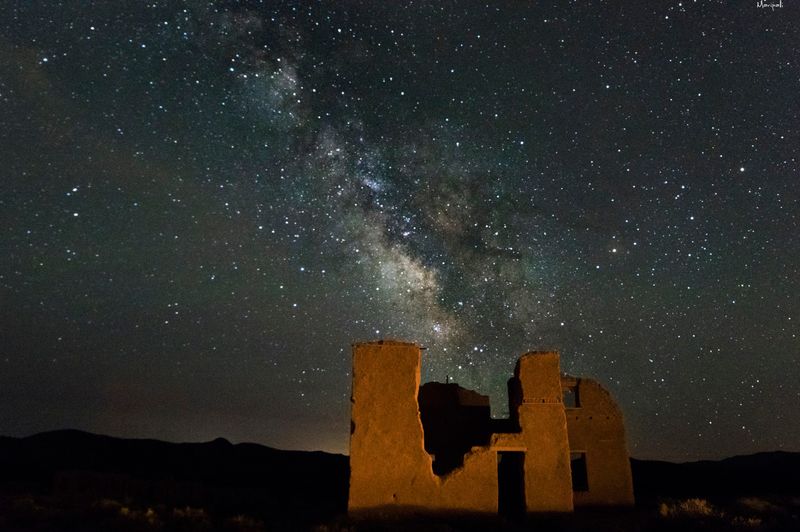
Twenty campsites wait in the main campground, all shaded by cottonwood trees. They work for travel trailers, motorhomes, or tents.
Each site includes a table, fire ring, and charcoal grill. There are no hookups, but a dump station sits near the campground entrance.
Need more space? Scout Camp offers a large dispersed area for camping or day use, with picnic tables, fire rings, grills, a vault toilet, and horse corrals.
Bigger crowds can reserve the group camping area. It’s handy for family reunions, clubs, or scout troops.
Once the sun drops, look up. Stargazing is one of the activities the park promotes, and the desert sky does the heavy lifting.
Fall camping comes with a bonus. You wake up to golden leaves overhead instead of a plain tent ceiling.
Nights get cold this time of year, though. Pack warm sleeping bags and extra layers for early mornings.
The park is open every day of the year. That makes it easy to plan a fall getaway without worrying about seasonal closures.
Arrive with plenty of daylight. Setting up camp is much easier when you can actually see your tent stakes.
Getting Here Is Easier Than Crossing The Old Trail Ever Was
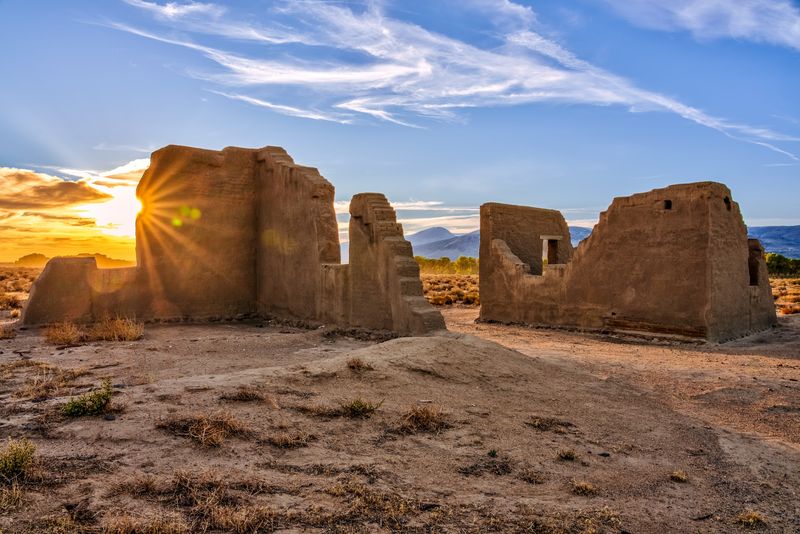
Pioneers needed wagons and weeks. You just need a car and a decent playlist.
Fort Churchill State Historic Park sits at 10000 Hwy 95A, Silver Springs, NV 89429. It lies along the Carson River south of Silver Springs.
The park stays open seven days a week, 365 days a year. That flexibility makes it an easy add-on to a western Nevada road trip.
Beyond history and leaves, there’s plenty to do. Canoeing, fishing, and horseback riding are all popular uses of this riverside land.
Equestrians get special perks. Those Scout Camp horse corrals make it simpler to bring along a four-legged hiking buddy.
A day-use fee applies, so bring a card or cash. Fees can change, so check with the park before you arrive.
Timing your trip for late October gives you the best shot at gold. Aim for a weekend if you want Buckland Station’s museum open too.
Fill up on gas and snacks before you go. The surrounding area is wide open desert, not a strip of convenience stores.
Then let the drive do its thing. Spotting that first flash of yellow along the river is a pretty great welcome to Nevada’s surprise autumn.