You pull off the highway for a quick snack and somehow end up staying all afternoon. That happens a lot in Mississippi, where quiet little towns keep surprising people with soda fountains, river views, art studios, and old brick streets.
We picked ten small towns that each bring something special to the table. Get ready to plan a road trip, because this list might change where you spend your next weekend.
10. Ocean Springs
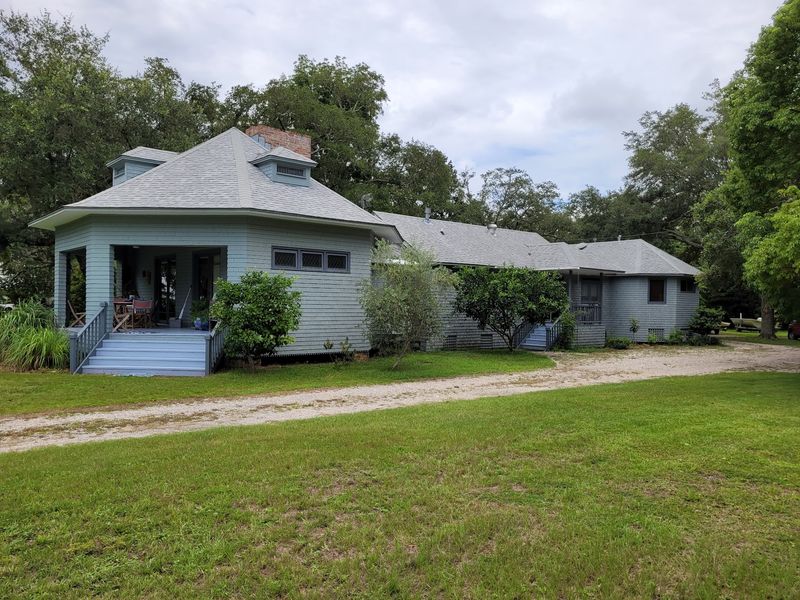
Back in 1918, a mother on the Gulf Coast dreamed of turning her family’s land into an art colony. Her sons, a potter, a watercolorist, and a ceramicist, made that dream real, and Ocean Springs has carried their creative spirit ever since.
Shearwater Pottery, founded in 1928, is still run by descendants on a 22-acre wooded property overlooking the Mississippi Sound. Over at the Walter Anderson Museum of Art, you can study the watercolors that put this town on the map.
Murals he painted in 1951 still brighten the community center nearby.
With roughly 18,000 residents, the town feels bigger than a village yet keeps a relaxed coastal pace. Tree-lined Main Street is easy to cover on foot, with galleries, boutiques, antique stores, and historic cottages along the way.
The Mary C. O’Keefe Cultural Center adds a theater, a history museum, and classes for all ages.
Evenings belong to Front Beach, where sunsets glow over the water and the 120-foot Bridge Mosaic Mural celebrates the natural beauty of the state. Want to get on the water?
Kayaks launch from Ocean Springs Harbor, and the French roots here stretch all the way back to 1699.
9. Bay St. Louis
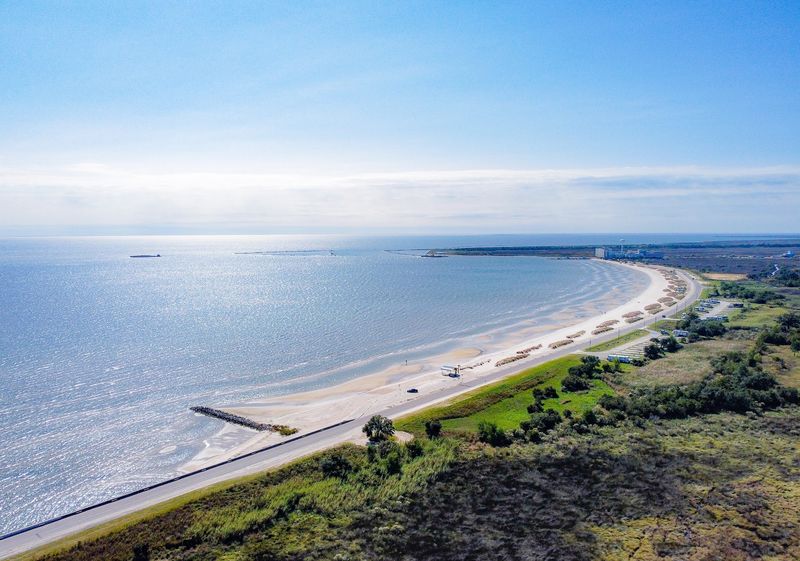
Locals call it A Place Apart, and after one afternoon in Old Town the nickname makes sense. Colorful murals, ice cream parlors, and antique stores line streets that feel made for wandering slowly.
Roughly 10,000 people live here, which keeps the pace easy and the faces familiar. The Historic L&N Train Depot packs three stops under one roof: the Alice Moseley Folk Art and Antique Museum, a welcome center, and a Mardi Gras museum full of sparkle.
Water shapes daily life. The municipal harbor is one of the few on the coast with direct access to downtown, so you can fish in the morning and shop by lunch.
The beaches have white sand, a shallow bay, and small waves, and dogs are welcome.
Timing a trip? Second Saturday in the Bay brings businesses together each month for music, special events, and festive shopping, while the annual Bay BridgeFest fills the calendar with live music, food vendors, and local art.
Families should know about Carol Vegas Park, where swings, a see-saw, and a jungle gym sit right beside the train tracks. Rent a bike or golf cart and you can cover the beach trails without ever hunting for parking.
8. Natchez
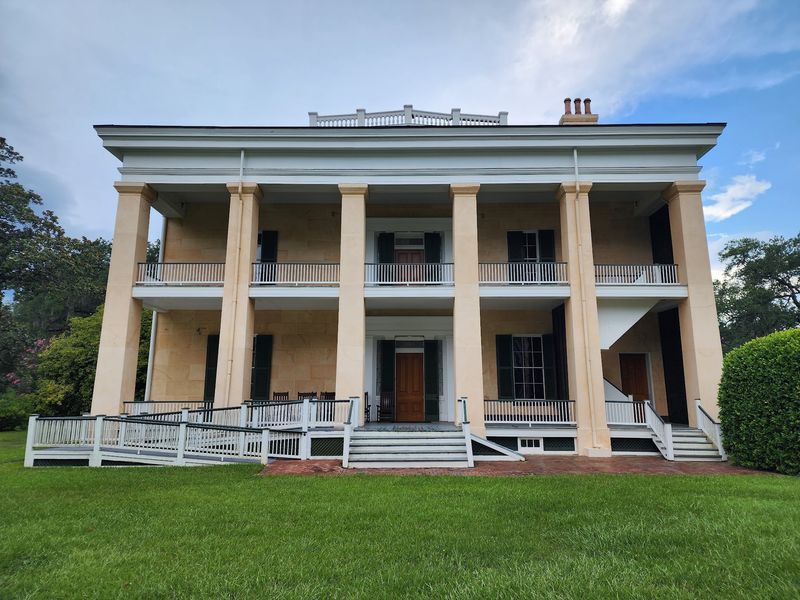
No place in the United States has more antebellum houses than Natchez. Perched on a bluff above the Mississippi River, the town of about 14,000 calls itself the Birthplace of Mississippi, and it earns the title.
Start with Longwood, the largest octagonal house in the country. Work on it stopped in the 1860s, so only the first floor was ever finished, and tours show it furnished just as it was back then.
Stanton Hall, a Classical Revival showpiece, was modeled after its first owner’s family home in Ireland.
Rosalie Mansion offers Federal-style rooms and lush gardens, and every third weekend in October it hosts the Natchez Balloon Festival with live music and a carnival. A sky full of color with the river below is a pairing that is hard to beat.
History goes far deeper than the mansions. The Grand Village of the Natchez Indians has a museum, rebuilt dwellings, and a walking trail, while nearby Emerald Mound ranks among the largest mounds in North America.
For fresh air, stroll the Natchez Bluff Trail for wide river views or head out on the Natchez Trace Parkway. Then drift down to Natchez Under-the-Hill, a former port district now lined with shops and eateries.
7. New Albany
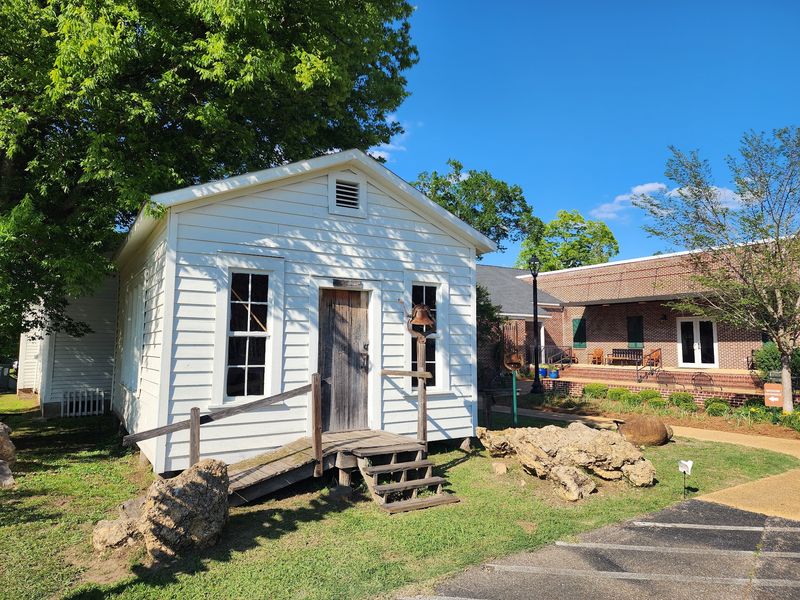
Forty-four miles of paved trail begin right in downtown New Albany. The Tanglefoot Trail follows an old railroad line built by William Faulkner’s great-grandfather, rolling past farmland, forests, and ancient Indian mounds.
Faulkner himself was born here, and the region shaped much of his writing. With around 8,500 residents and a restored Main Street, the town feels lively without feeling rushed.
Bike rentals in town make it easy to hit the trail even if you left your own wheels at home.
Back in town, the Union County Heritage Museum holds six galleries, a library, and a gift shop. Its outdoor area, Frenchman’s Bend, is where kids light up with a vintage caboose, a blacksmith shop, a replica country store, an early doctor’s office, and a 1950s auto body shop.
A literary garden and a Storyteller’s Chair add quiet corners for book lovers. Downtown browsing covers boutiques, antique shops, jewelers, and specialty stores, and the Tallahatchie River makes a pretty backdrop for an evening walk.
Music and food round things out with the Down from the Hills Bluegrass Festival, the Tallahatchie Riverfest, and the Biscuits and Jam Farmers Market. Disc golf and award-winning tennis courts keep active visitors busy too.
6. Water Valley
Small? Very.
About 3,300 people call Water Valley home, yet the town packs in more creative energy than places ten times its size.
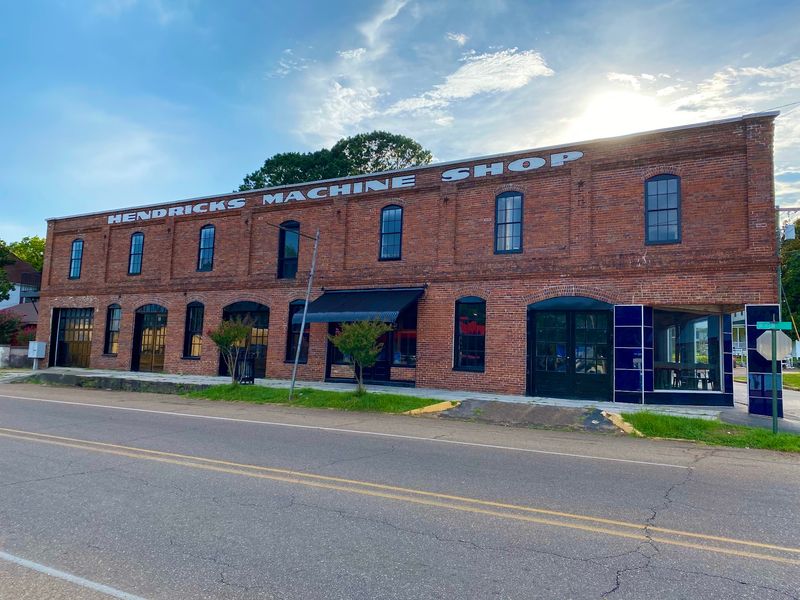
Railroad heritage is everywhere. The free Casey Jones Railroad Museum honors that past, and the Hendricks Machine Shop, built in 1860, once housed one of the country’s first Ford dealerships.
Murals and historic markers bring the downtown story to life.
Main Street storefronts are locally owned, and they have personality. B.T.C.
Old-Fashioned Grocery is where neighbors pick up produce and grab lunch. Turnage Drug Store, a family-owned spot, still runs its original soda fountain, so a milkshake at the counter is practically required.
Artists have found their way here too. Yalo Studio is home to an award-winning quilter who turns old fabrics into modern quilts, and Dial Back Sound keeps musicians recording in town.
Affordable real estate has helped this eclectic scene keep growing.
Plan around early August if you can. The Watermelon Carnival brings parades, a street dance, fireworks, BBQ contests, an antique car show, arts and crafts, and a 3K run.
City Park, Railroad Park, and the Water Valley Landing Recreation Area handle the outdoor side of things the rest of the year.
5. Cleveland
Here is a fact that surprises almost everyone: Cleveland claims the most Grammy winners per capita in the world. Sitting in the heart of the Delta with about 11,000 residents, the town takes its musical roots seriously.
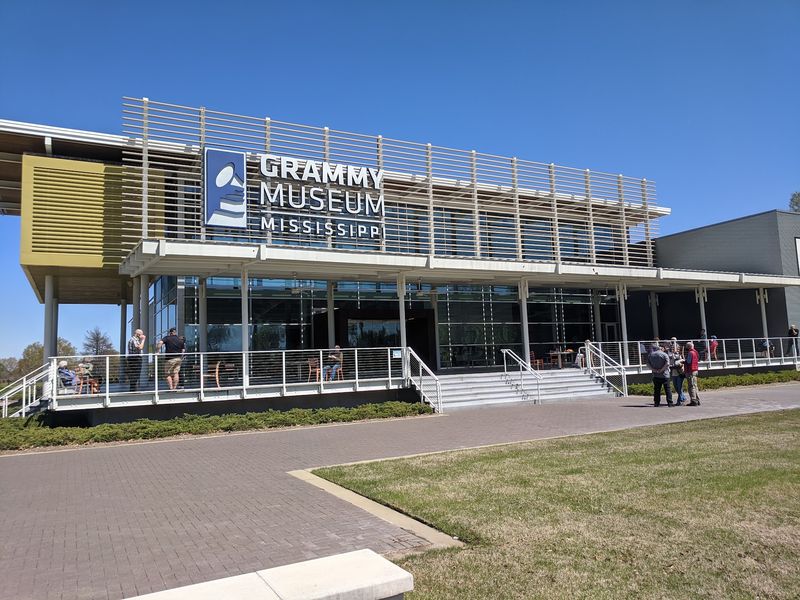
The GRAMMY Museum Mississippi is the only official Grammy museum outside Los Angeles. Its 28,000 square feet hold interactive exhibits, a soundstage for live shows, and stories of legends like B.B.
King, Muddy Waters, Robert Johnson, and Elvis Presley.
Look closely at the building. Corrugated metal on the outside nods to the sharecropper shacks where many blues players grew up, and a broad front porch welcomes you in true Southern style.
It feels less like a museum and more like visiting a neighbor.
Downtown, the Crosstie district gathers shops and restaurants along a pleasant stretch, and a pedestrian greenway makes strolling easy. Art in the Alley brings local vendors out to sell their creations.
Two smaller museums deserve time as well. The Martin and Sue King Railroad Museum features a detailed model train display that kids adore.
The Mississippi Delta Chinese Heritage Museum shares the story of Chinese immigrants who helped shape this region, a chapter many visitors never knew about.
4. Holly Springs
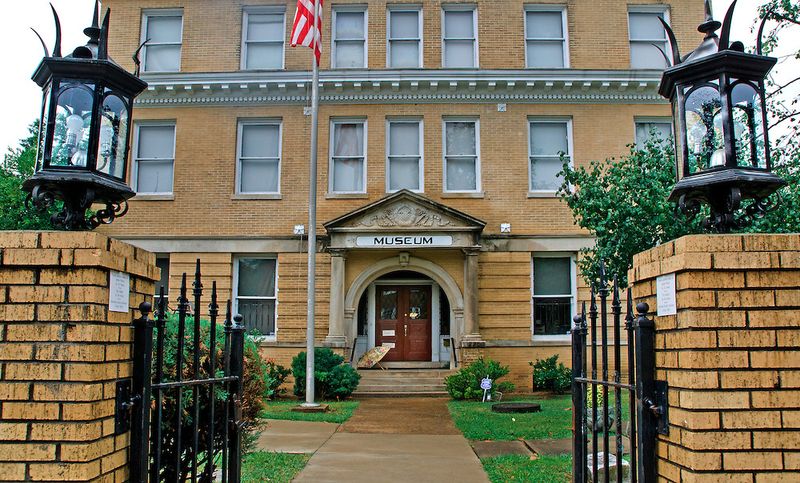
Some towns rush you along. Holly Springs, home to roughly 6,900 people in North Mississippi, seems happy to let you slow down and look around.
Everything orbits the courthouse square, a traditional 19th-century layout where the courthouse sits at the center and storefronts face it from every side. Walking a full loop is the best way to get your bearings, peeking into windows and reading old building facades as you go.
Beyond the square, the scenery shifts quickly to rural countryside. Rolling fields and quiet back roads surround the town, and a drive out in any direction shows off the farm country that defines this corner of the state.
What earns Holly Springs its spot on the list is balance. It offers enough history and charm to fill a day, yet it never feels staged or crowded.
Mornings on the square are calm, and afternoons invite long drives with the windows down.
Pair a visit with other stops in the region, since New Albany and Water Valley also sit in North Mississippi. Holly Springs makes a natural pause on a road trip, a place to stretch your legs, admire classic architecture, and enjoy a true small-town rhythm.
3. Port Gibson
Legend says General Ulysses S. Grant called Port Gibson too beautiful to burn.
Stroll historic Church Street today and you will probably agree with him.
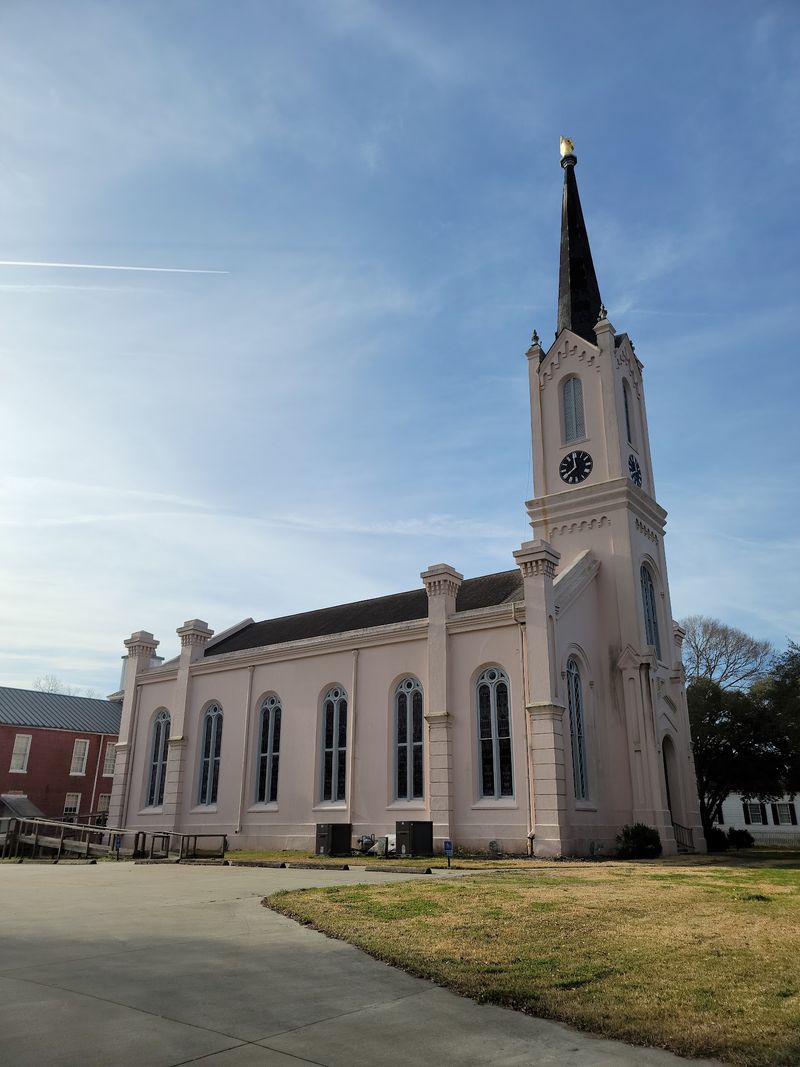
Only about 1,200 people live here, so the town keeps a rural, unhurried feel. Preserved antebellum homes line the streets, and the First Presbyterian Church grabs attention with a gold hand pointing skyward from the top of its steeple.
A short drive away, the Windsor Ruins rise from the trees. Twenty-three Corinthian columns are all that remain of the largest antebellum Greek Revival mansion ever built in Mississippi, lost to fire in 1890.
The 2.1-acre site holds Mississippi Landmark status and is listed on the National Register of Historic Places.
Good news for every visitor: an ADA-accessible walking trail circles the columns, so everyone can take in the view up close. Bring a camera, because the scene looks almost unreal against a blue sky.
History fans can keep going at Grand Gulf Military Park, where the remains of an ironclad vessel sit on display. The A.K.
Shaifer House adds a glimpse of daily life in the region long ago. Together, these stops make a compact, memorable day trip.
2. Canton
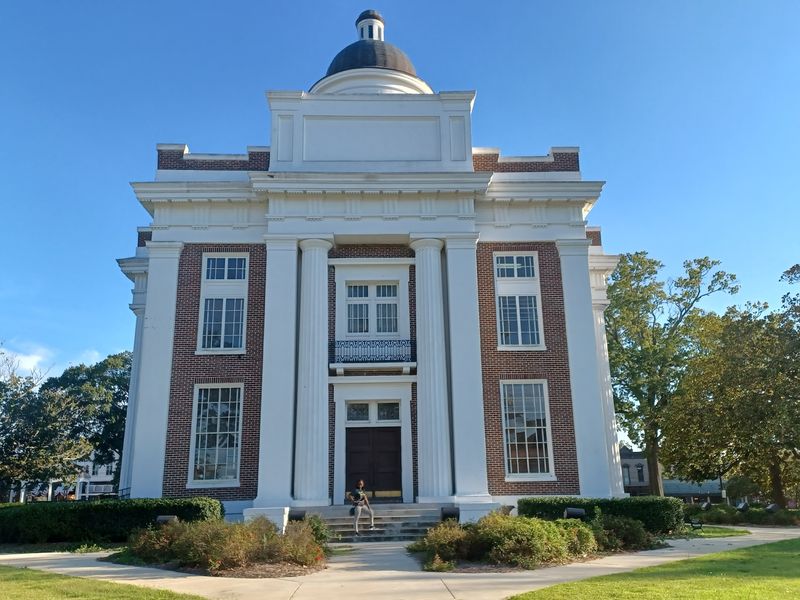
Lights, camera, courthouse. Canton calls itself the Movie Capital of Mississippi, and Hollywood has filmed here again and again, including My Dog Skip and O Brother, Where Art Thou?
The star of many of those films is the courthouse square itself. Its 1855 Greek Revival courthouse anchors classic storefronts, and the whole scene looks ready for a close-up.
Self-guided walking tours lead you to filming spots all around town.
Inside the Canton Movie Museum, recreated sets, props, and costumes keep that big-screen history alive. Music fans should know that blues singer Elmore James called Canton home, and the town holds a marker on the Mississippi Blues Trail.
With about 10,800 residents, Canton stays small but throws big events. The twice-yearly Canton Flea Market Arts and Crafts Show packs downtown with shoppers.
The Mississippi Championship Hot Air Balloon Fest is the oldest hot air balloon race in the state.
Holidays bring the Canton Christmas Festival, with lights, parades, and a festive market. For deeper history, the Freedom House Civil Rights Museum, the Canton Multicultural Center and Museum, and the Canton Museum of History open by appointment, so plan ahead before you go.
1. Laurel
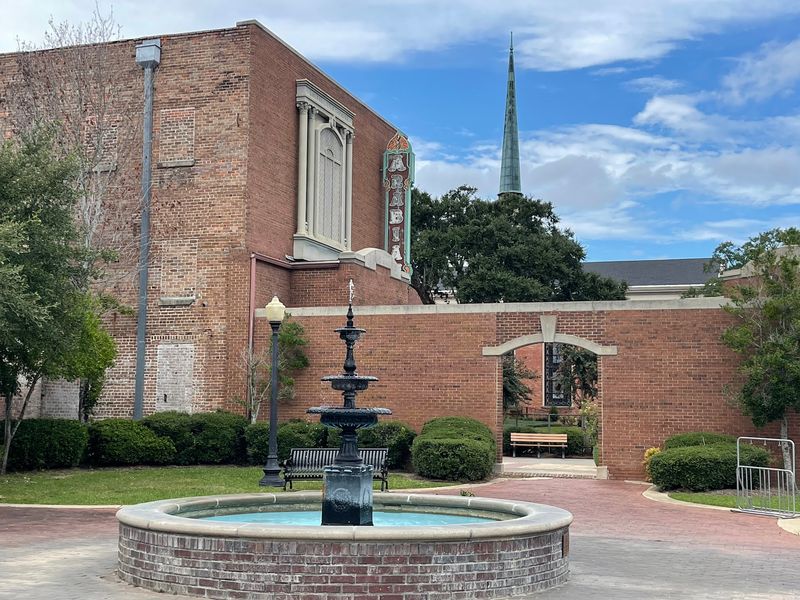
Brick streets set the tone the moment you arrive in Laurel. The downtown has been carefully restored, and the red pavement gives the whole district a warm, old-fashioned look that feels welcoming.
Around 18,000 people live here, making Laurel one of the larger towns on our list, yet it still runs on a close-knit spirit. Neighbors chat on sidewalks, shop owners know their regulars, and the pace stays friendly rather than hurried.
Independent shops are the main draw. Instead of rows of familiar chain names, you will find locally owned storefronts that each bring their own personality to the street.
Browsing becomes the activity, and an afternoon can disappear quickly.
Laurel sits in the Pine Belt of South Mississippi, a region known for tall pine forests and easygoing towns. That setting makes it a handy stop between the coast and the central part of the state.
Why does Laurel close out the list? It shows what happens when a community invests in its downtown.
Restored streets, busy local businesses, and a strong sense of togetherness add up to a place that feels lived in and loved, which is exactly what a great small town should be.