
What Was Once A Peaceful North Carolina Lake Is Now At The Center Of A Heated Debate
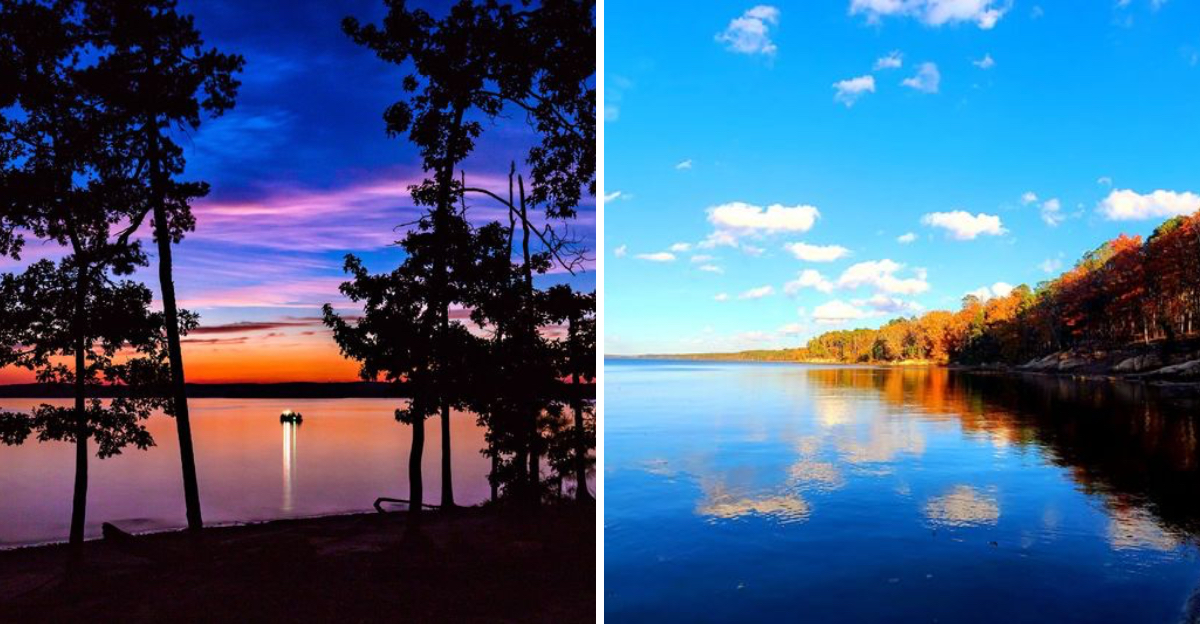
A lake that used to feel calm is now stirring up real tension across North Carolina. Politics, pollution, and civic pride keep colliding here in messy, fascinating ways.
Kayaks slide through quiet coves while eagles circle high overhead. Campfire smoke drifts at dusk, and sunrise turns the shoreline gold.
Underneath that beauty sits a story most visitors never hear about. It started with a hurricane, and the argument never really stopped.
Chemical companies, city officials, and even lawmakers keep getting pulled into this fight. Curious why the arguments never seem to end?
There’s a whole world of hiking, camping, and eagle watching wrapped inside this North Carolina story. Worth a slow afternoon of exploring, once you’re ready to see it for yourself.
Born From A Hurricane’s Fury
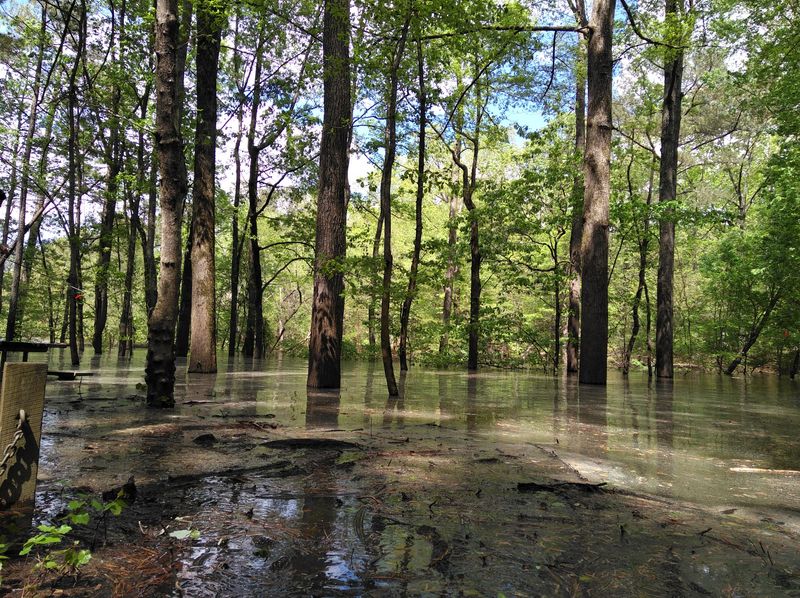
A hurricane started all of this. In 1945, a powerful storm sent the New Hope River over its banks and left central North Carolina counting the damage.
The U.S. Army Corps of Engineers answered with a plan for a multi-purpose reservoir.
Dam construction began in 1967, and the lake reached full impoundment by 1982.
Three goals drove the project. Control flooding, secure drinking water, and give a fast-growing region somewhere to play.
Not everyone applauded. Farmers in Chatham County watched prime fields marked for flooding, and eminent domain moved families off land they had worked for generations.
Small communities and older settlement sites, including ancestral Native American ground, ended up beneath the rising water. That history still shapes how locals talk about the place.
Visitors can start at the park office at 280 State Park Rd, Apex, NC 27523, where maps and staff help make sense of the layout.
Knowing the origin story changes how the shoreline looks. Every quiet cove covers something older.
An Outdoor Playground The Size Of A Town
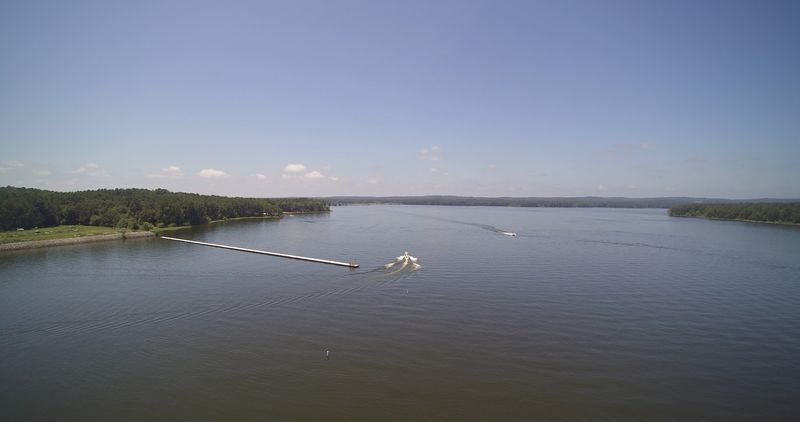
Fourteen thousand acres of water. That number sounds abstract until the shoreline stretches out of sight in both directions.
Roughly 180 miles of shoreline wrap around the reservoir, curling into narrow fingers and broad open stretches. The Jordan Lake State Recreation Area organizes access through several distinct areas, each with its own personality.
Some spots lean toward boaters, with wide ramps and parking built for trailers. Others focus on beaches, picnic shelters, and playgrounds where kids burn off energy.
Proximity explains the crowds. The lake sits close to Raleigh, Durham, and Chapel Hill, which means a spontaneous afternoon trip is realistic for millions of people.
Two million or so visits happen each year, according to state figures. That pressure shows up in full parking lots and busy swim areas by midday on summer weekends.
Choosing the right access point matters more than choosing the right day. Study the map first, then commit.
Space is generous here, but only for people who spread out.
Why Water Quality Sparks So Much Anger
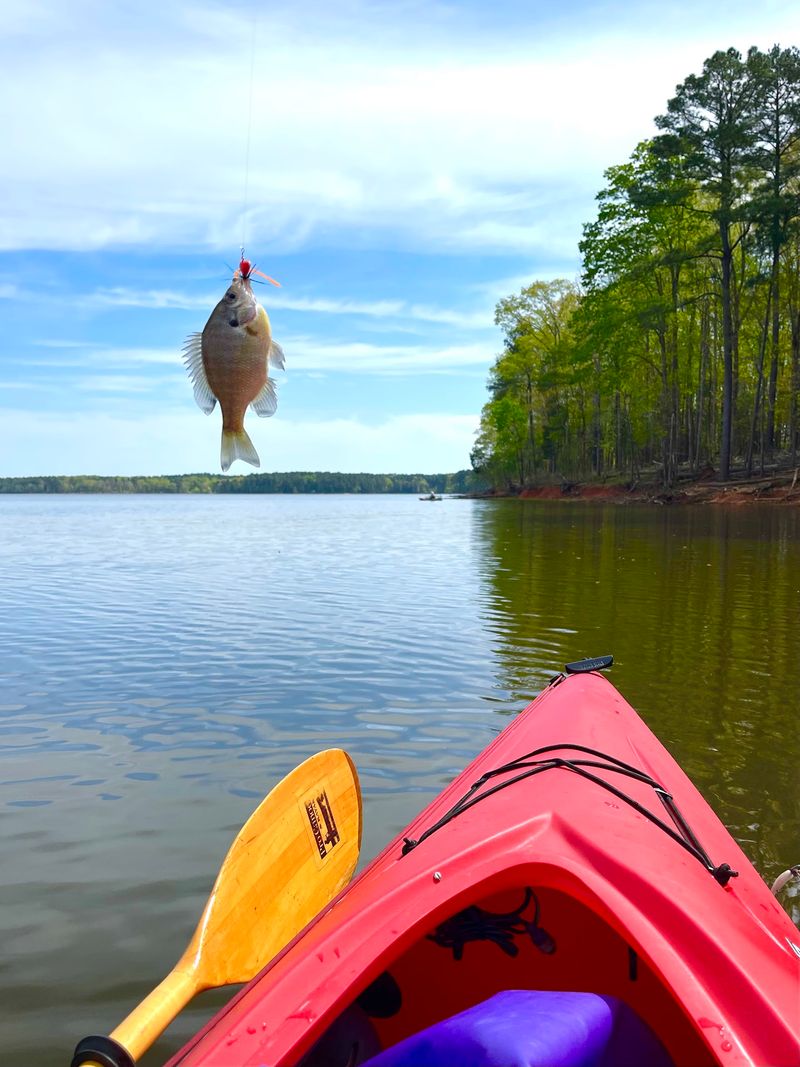
Green water ruins a good beach day. That simple frustration sits at the center of a much bigger fight.
State regulators classified the reservoir as nutrient-sensitive waters not long after it filled. Nitrogen and phosphorus arriving from upstream feed algal blooms that cloud the surface.
Reports have described the lake as eutrophic or hyper-eutrophic, meaning nutrient levels run high enough to disrupt the system. Recent monitoring has shown stations failing to meet chlorophyll-a standards.
Consequences reach past aesthetics. Roughly a million North Carolinians draw drinking water connected to this reservoir, so treatment costs and safety concerns follow the algae.
Swimmers notice too. Reviews frequently mention murky water during warm months, even at otherwise well-kept beaches.
Blooms vary by season, rainfall, and location, so conditions on any given day are hard to predict. Checking current advisories before swimming is a sensible habit.
Beautiful scenery and troubled chemistry share the same address, and that tension is not going away soon.
Upstream Cities Versus Downstream Taps
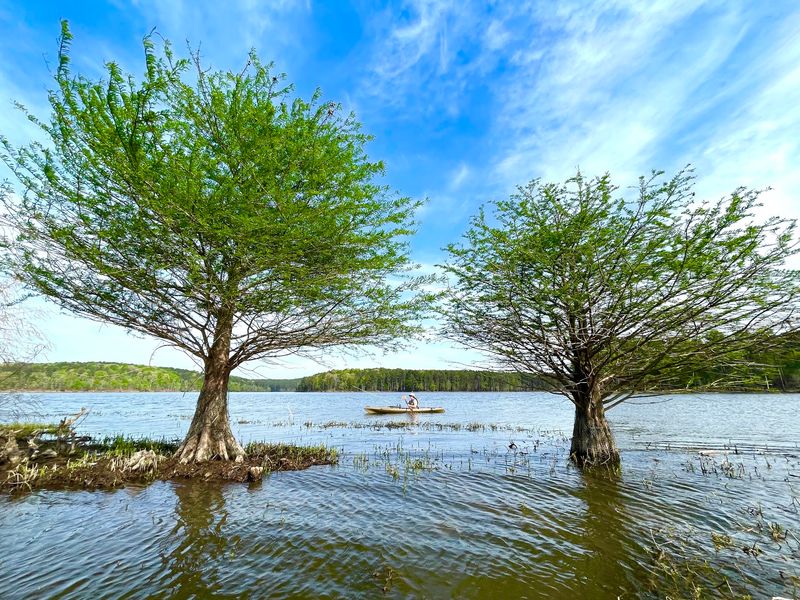
Geography decides who pays. Water flows downhill, and so does the argument.
Upstream communities including Burlington, Greensboro, Durham, and Chapel Hill sit in the watershed feeding the reservoir. Wastewater plants, farm runoff, and stormwater from paved neighborhoods all carry nutrients toward the lake.
Those cities have long objected to expensive rules aimed at cutting nutrient discharge. Upgrades cost money, and ratepayers feel it.
Downstream, the calculation flips. Utilities pulling drinking water want cleaner input, and residents want beaches that look inviting in July.
Neither side is cartoonishly wrong. Growth in the Triangle happened fast, and infrastructure struggled to keep pace with new rooftops and roads.
The result is a slow bureaucratic tug-of-war measured in studies, hearings, and revised deadlines. Progress happens, then stalls, then restarts.
Visitors rarely see any of this from a kayak. Still, the debate explains why cleanup keeps getting promised without arriving.
One watershed, many mailing addresses, and a shared bill nobody wants to open.
Rules Written, Then Rewritten
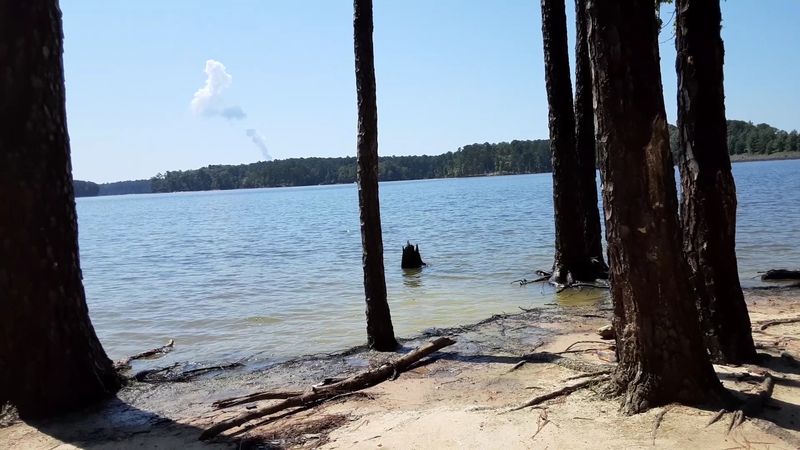
Legislation moves slower than algae. Lawmakers in Raleigh have circled this reservoir for years.
The Jordan Lake Rules, adopted to limit nutrient loading, have been repeatedly revised and delayed. Each round of changes pushed compliance dates further into the future.
In 2013, the state Senate voted to pause upstream cleanup efforts. Attention shifted toward in-lake treatment experiments instead of watershed controls.
Those experiments drew criticism from scientists who argued the source of the problem sat upstream. Results did not settle the argument.
Impairment continued through the delays. Monitoring reports have shown standards still going unmet at measured stations.
Politics and economics tangle here. Requiring plant upgrades raises utility bills, while ignoring pollution shifts costs onto downstream treatment and lost recreation value.
Anyone following environmental policy in North Carolina will recognize the pattern. Deadlines slip, studies multiply, and the water keeps flowing.
What happens next depends less on the lake than on the people voting about it.
Forever Chemicals Enter The Story
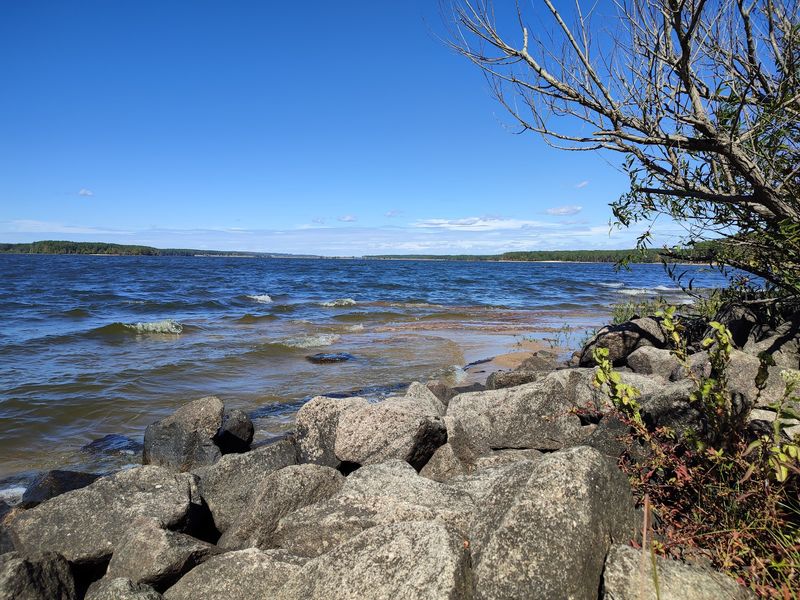
Nutrients are only half the chemistry problem. Industrial contamination added a harder chapter.
State environmental officials have pursued legal action against companies accused of discharging polluted groundwater and contaminants into tributaries feeding the reservoir. One case involved Brenntag Mid-South.
In 2023, a lawsuit named major chemical manufacturers including DuPont, 3M, Chemours, and BASF. Allegations centered on PFAS compounds released into the Haw River, a primary tributary.
PFAS earned the nickname forever chemicals because they resist breaking down. They linger in water, soil, and living tissue for a very long time.
Health researchers continue studying exposure effects, and conclusions are still developing. Regulators have moved toward tighter drinking water limits nationally.
Litigation remains ongoing, so outcomes and any required cleanup are not settled. Statements from all parties differ significantly.
For visitors, daily recreation continues largely unchanged. The larger question involves what treatment plants must remove before water reaches faucets.
A reservoir built to solve one crisis now absorbs the consequences of modern industry.
Eagle Country On The East Coast
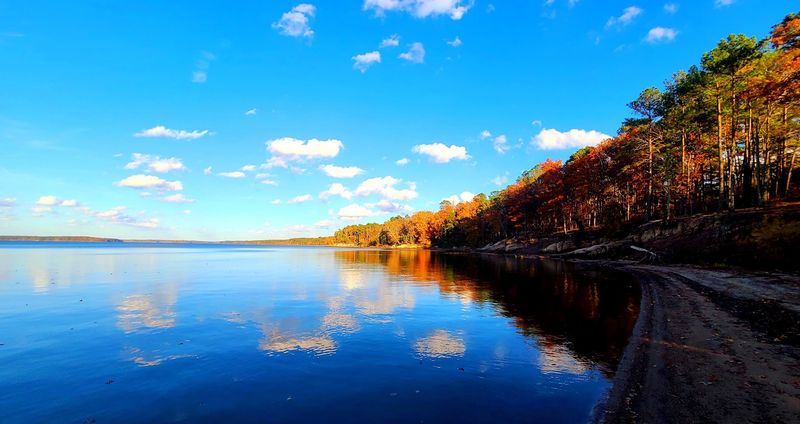
Look up. The odds of spotting a bald eagle here are genuinely good, and few places in North Carolina compete.
The reservoir hosts one of the largest summertime eagle populations on the East Coast, along with notable winter concentrations. Nesting habitat and abundant fish explain the appeal.
Ospreys patrol the same airspace, plunging feet-first after prey. Great blue herons stalk the shallows with unnerving patience.
Wood ducks slip through flooded timber, and white-tailed deer step out along quieter shorelines at dawn. Observation platforms give birdwatchers steady vantage points without disturbing nests.
Binoculars turn a decent outing into a memorable one. Early morning and late afternoon deliver the best activity and the softest light.
Ironically, the same nutrient-rich water that troubles swimmers supports a productive fishery, which in turn supports raptors. Ecology rarely offers tidy answers.
Patience pays more than luck. Sit still near open water and let the sky do the work.
Boats, Boards, And Big Open Water
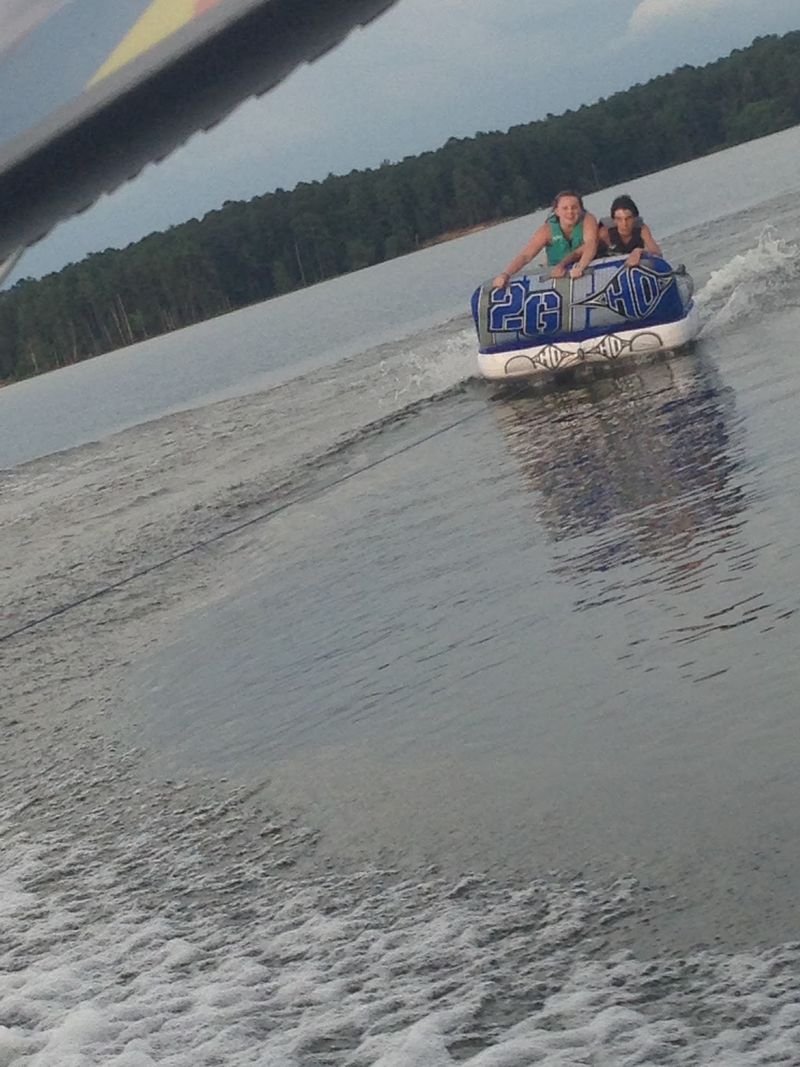
Anything that floats seems to show up here eventually. Sailboats, pontoons, kayaks, paddleboards, and jet skis share the surface.
Multiple ramps spread across the access areas keep launch lines manageable, though summer weekends test that theory. Trailer parking fills fast at the busiest spots.
Wide open stretches suit sailors chasing wind, while narrow coves shelter paddlers who prefer flat water. Waterskiing and wakeboarding have long traditions on the main body.
Anglers treat the reservoir seriously. Catfish, largemouth bass, and crappie draw steady attention from boats and from designated fishing piers.
A privately operated marina near the Crosswinds area offers boat rentals and a gas dock, which helps anyone without their own trailer.
Life jackets and a weather check matter more than gear quality. Wind can build quickly across open water on a large reservoir.
Even a rented kayak reveals coves that shoreline visitors never see.
Trails Through Vanished Farmland
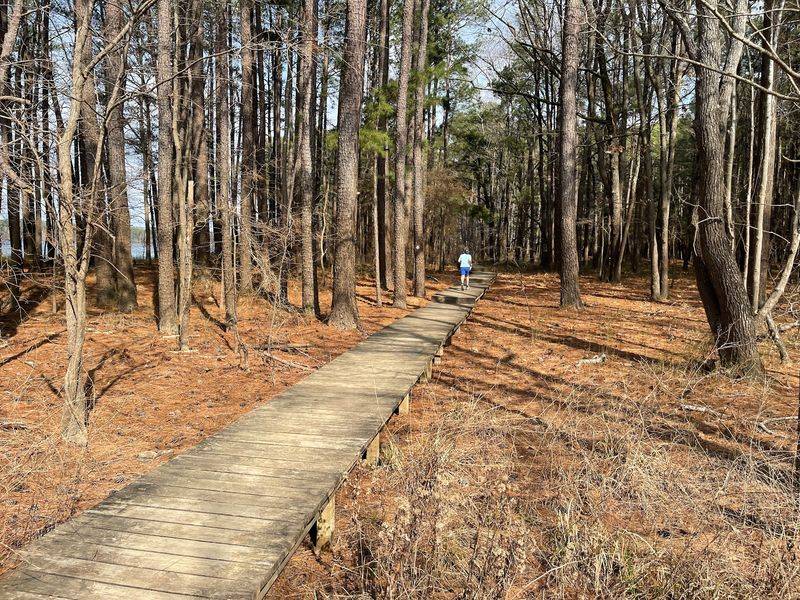
Some paths here follow old farm roads. Hikers walk routes that once connected homesteads now underwater.
More than 15 miles of trails thread through hardwood stands and loblolly pine forest. Options range from short nature loops to longer routes like the New Hope Trail system.
Terrain stays relatively flat, which makes these trails friendly for beginners and families. Views of the water come in glimpses rather than sweeping panoramas, since trees crowd the shoreline.
Vista Point offers better sightlines for anyone chasing a photograph. Elsewhere, the reward is quiet woods rather than dramatic overlooks.
Interpretive details reveal themselves slowly. Stone piles, old roadbeds, and stubborn ornamental plants hint at the rural community that preceded the reservoir.
Ticks and warm-weather humidity deserve respect in central North Carolina. Bug spray and water belong in every pack.
Hiking here trades scenery for atmosphere, and the trade feels fair once the traffic noise fades completely.
Sleeping Out Beside The Water
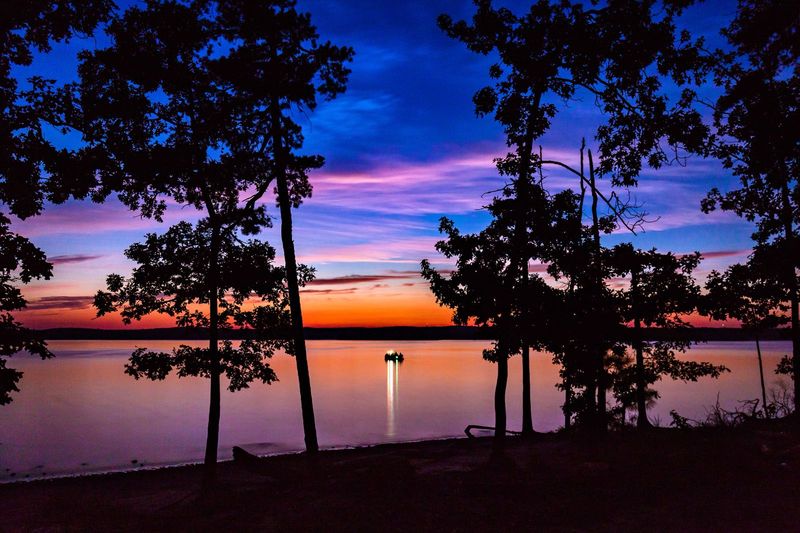
Over a thousand campsites change the math of a visit. Suddenly a day trip becomes a weekend.
Campgrounds spread across several access areas, offering tent sites, RV sites with hookups, and group options. Picnic tables and fire rings come standard, with restrooms and showers nearby.
Campers frequently praise the spacing at Crosswinds, where trees separate sites and neighbors stay pleasantly out of earshot. That buffer makes a real difference on a busy holiday weekend.
Mornings deliver the payoff. Mist drifts across the water, herons wade the shallows, and the beaches sit empty for an hour or two.
Reservations are strongly recommended in peak season, since popular loops book out well ahead. Availability and fees can change, so confirming through official state park channels is wise.
Bring a lantern, firewood sourced locally, and shoes that handle damp ground.
Camping here costs little and returns a lot, especially for anyone tired of city noise.
Beach Days And The Fine Print
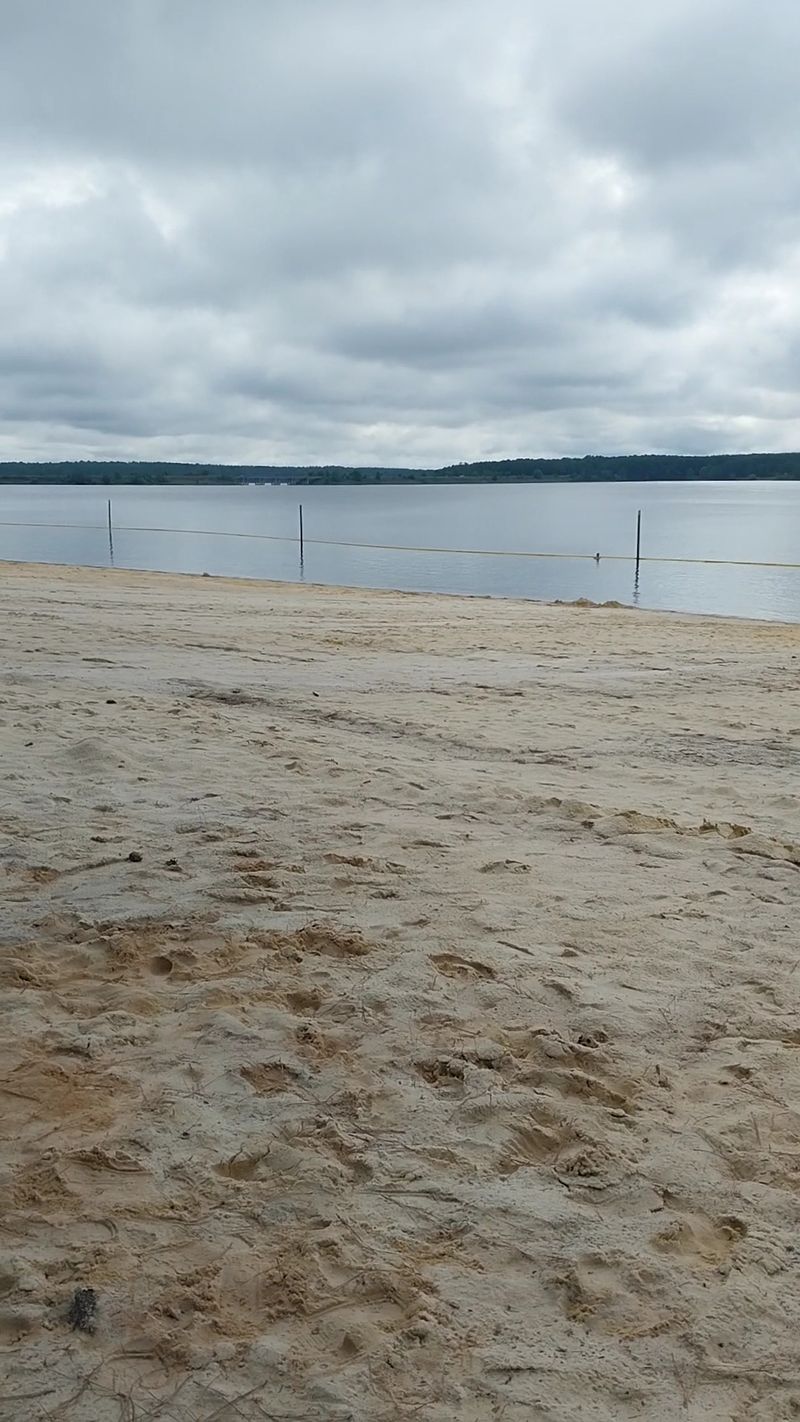
Sand at a lake still surprises people. Seven swim beaches give this reservoir a distinctly coastal feel without the drive east.
Seaforth and Ebenezer rank among the most popular for swimming, with restrooms, picnic areas, and playgrounds close by. Volleyball courts and grills turn a beach visit into a full cookout.
A vehicle entry fee typically applies during the warm season at swim areas, and weekend rates differ from weekdays. Amounts and dates vary, so checking current park information beforehand avoids surprises.
Water clarity fluctuates. Some visitors report murky conditions, while others find the swimming perfectly pleasant, and the difference often depends on recent rain and season.
Water shoes help considerably, since the bottom can turn uneven or rocky in places. Shade fills up early, so an umbrella earns its space in the trunk.
Sunsets over the water draw photographers and proposals alike.
Arrive before eleven on a July Saturday, or plan on circling the lot.
Smart Timing Beats Big Crowds
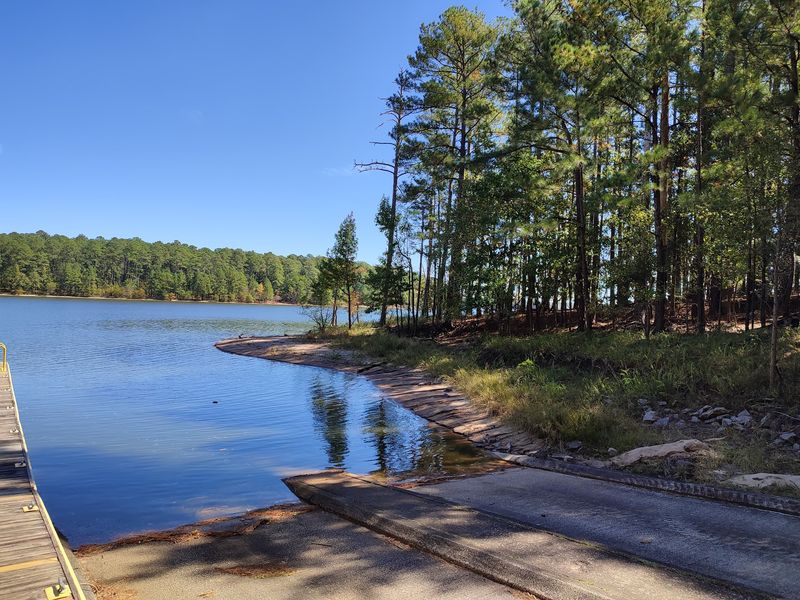
Weekdays are the cheat code. Visitors consistently describe near-empty beaches, tidy restrooms, and easy parking Monday through Thursday.
Late spring and early fall bring comfortable temperatures with fewer people. Water stays swimmable well into September on many years.
Boat ramps at Crosswinds and Ebenezer fill early on summer weekends, so an eight o’clock arrival saves considerable frustration. Ramps in less-known areas often stay quieter.
Binoculars belong in the bag for eagle watching, and a cooler makes lunch simpler since dining options sit outside the park. Cash for entry fees can speed things along at staffed gates.
Accessibility varies between areas, with some paths to sand proving difficult for wheelchairs. Asking staff about the best access point is worthwhile.
Storms build quickly over open water during summer afternoons, so watching the forecast matters for boaters.
Come with a plan, a flexible attitude, and low expectations about crystal-clear water. The reward is a huge stretch of North Carolina shoreline that still feels wild in places.