
10 Wisconsin Mountain Towns With Deep Roots And Remarkable History
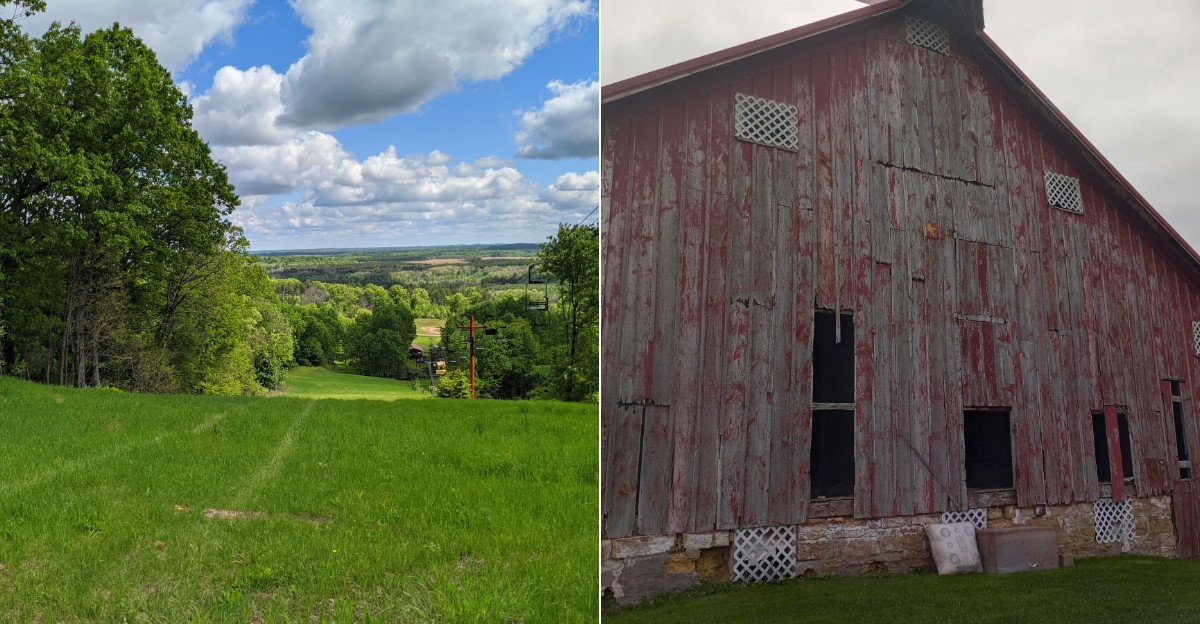
Wisconsin has a hill near Wausau made of rock older than the dinosaurs by about a billion years. That rock is quartzite, and it barely budged while glaciers scraped the land around it. I love that detail. It means some of the highest ground in the state is also some of the stubbornest.
Plenty of small towns grew up on ridges, bluffs, and old ranges like that. Several even put the word Mount right in their names. Families farmed, mined, and built churches on that high ground, and many simply stayed.
These towns may be small, but their stories reach far beyond their hilltops. I love the thought of finding historic streets and unexpected views in places most travelers overlook. What surprises might be waiting at the top?
1. Mountain
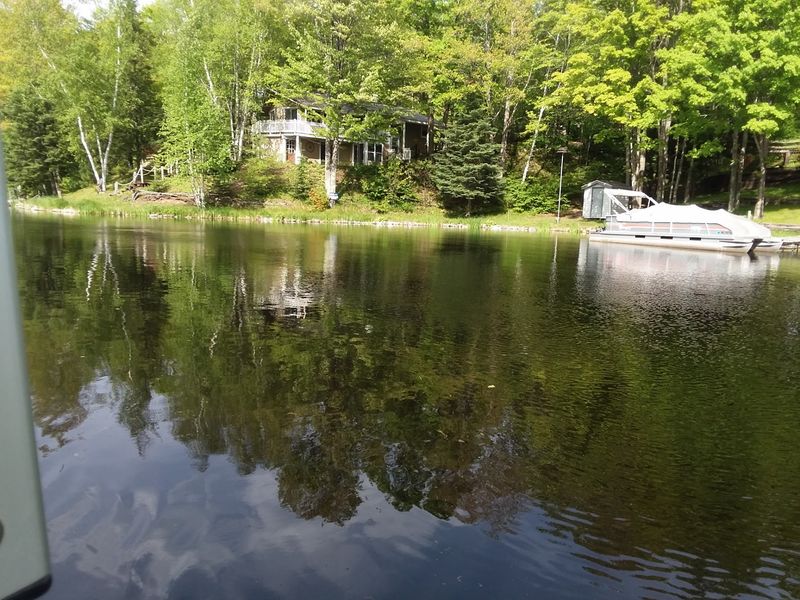
A town named simply Mountain sounds like someone ran out of ideas. Climb the old fire tower there, though, and the name suddenly makes perfect sense.
You’ll find this small unincorporated town in rural Oconto County, in northeastern Wisconsin. It sits among thick stretches of the Chequamegon-Nicolet National Forest, so trees outnumber people by a huge margin.
The area is known for its wooded hills and the historic Mountain Fire Lookout Tower, which offers sweeping views of the surrounding forest.
Fire towers were built so lookouts could spot smoke across miles of forest. Today, they’re a fun reminder of how people once protected these woods by watching from above.
Mountain keeps a rural residential feel, with homes spread out rather than packed together. Local town services handle the basics, and the rest of the scenery belongs to the forest.
That setting explains why rooted families appreciate it. Wide spaces, quiet roads, and public forest nearby make a pretty strong case for staying put. Want to make the most of a visit? Pack snacks, wear sturdy shoes, and plan time for the tower and the surrounding woods.
Fall is an especially tempting season for a drive through national forest country. The leaves change color across the hills, and the views from high ground get a big upgrade.
Don’t expect a busy downtown or long rows of shops. The appeal here is space, silence, and a landmark that rises above the treetops.
Honestly, any town that names itself after its best view deserves a little respect. Mountain earned its title the old-fashioned way, one high point at a time.
Address: Mountain, WI 54149
2. Rib Mountain
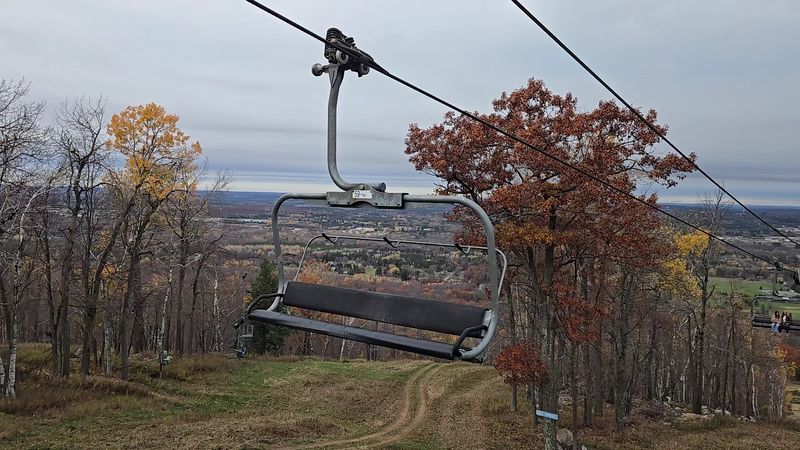
Some neighbors are old, but this one is about a billion years old. The town of Rib Mountain wraps around a quartzite hill that has outlasted nearly everything around it.
That hill is a monadnock, which means it’s a lone rocky rise left standing after softer land wore away. It ranks among the highest topographic elevations in Wisconsin. So how does a community live next to something that ancient? Pretty comfortably, it turns out.
Rib Mountain is an established civil town in Marathon County. It borders the city of Wausau, giving residents easy access to a larger town while keeping its own identity.
The town maintains its own small-town government and residential character. That balance matters to families who want neighbors they know and roads that don’t feel like a city grid.
For visitors, the big draw is obvious the moment you arrive. The hill rises above the surrounding land, and it shapes the whole look of the area.
Here’s a fun way to think about it. When the quartzite formed, there were no trees, no birds, and certainly no Wisconsin winters to complain about.
That kind of age gives the place a sense of permanence. Homes and families come and go, yet the rock barely changes from one generation to the next.
If you’re passing through central Wisconsin, plan a stop with your camera ready. Clear days show off the ridge best, especially when fall color hits the slopes. Rib Mountain proves you don’t need jagged peaks to feel tall. Sometimes you just need patience measured in eons.
Address: Rib Mountain, Wisconsin
3. Mount Horeb
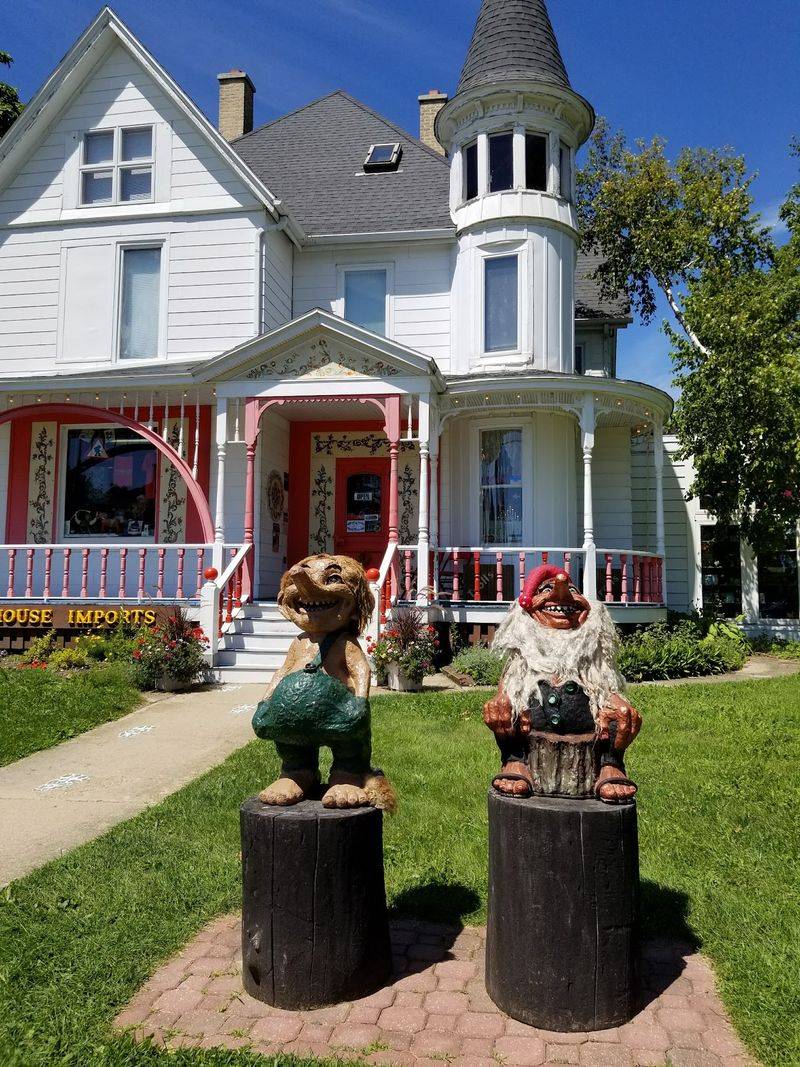
Trolls guard the main drag here, and nobody seems worried about it. Mount Horeb calls its main street district The Trollway, which is about as charming as street names get.
This historic village sits in western Dane County. It was established on elevated ridges in the Driftless Area of southwestern Wisconsin. That high ground explains the Mount in its name. The village carries the title as a nod to its prominent elevation above the surrounding countryside.
The Driftless Area is a special region because glaciers skipped it. Instead of flattened land, you get ridges, valleys, and hills that roll in every direction.
Mount Horeb’s traditional Main Street gives the village its heart. Historic storefronts line the route, and the troll theme adds a playful twist you won’t find in most towns.
Want a simple plan? Stroll The Trollway slowly and count how many trolls you can spot before reaching the end. Kids usually love that game, and adults sneak a few photos too. Nobody has to admit how competitive it got.
The village holds onto its small-town heritage in a way you can see from the sidewalk. Older buildings and a walkable downtown help families feel connected to the generations before them.
Its spot in Dane County also keeps it close to Madison without losing that ridge-top personality. That’s a sweet deal for anyone who wants both quiet and convenience.
Bring comfortable shoes and a little curiosity. In a town guarded by trolls, the best discoveries tend to show up when you slow down and look around.
Address: Mount Horeb, Wisconsin 53572
4. Blue Mounds
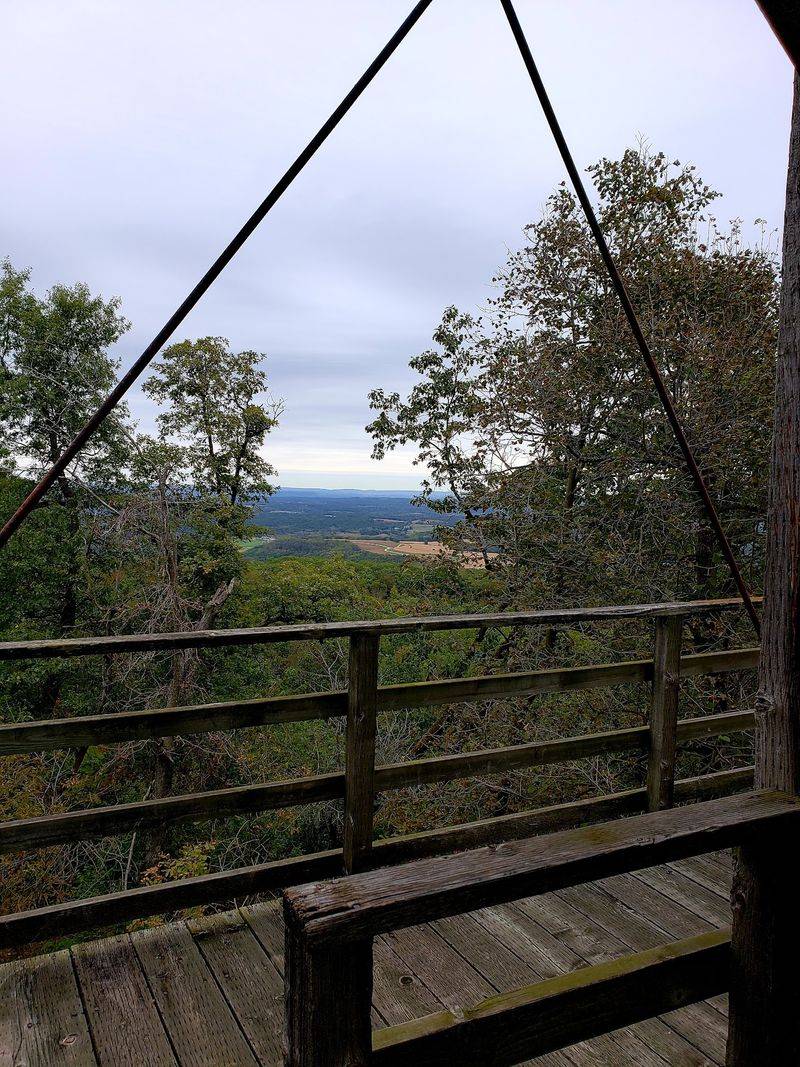
Southern Wisconsin’s rooftop sits right next door to this village. The West Blue Mound is the highest natural point in the southern part of the state. That hill is preserved within Blue Mound State Park. The village of Blue Mounds sits immediately beside it, sharing the name and the view.
Blue Mounds is a small incorporated rural village with fewer than 1,000 residents. It keeps a quiet main street and plenty of country character.
Why the blue? From a distance, the forested mounds can look hazy and blue on the horizon, which makes the name feel pretty fitting. Living beside a state park has obvious perks. Families get protected land, wide views, and a natural landmark that won’t suddenly turn into a strip mall.
For you as a visitor, the park is the natural headline. Plan your day around time outdoors, then wander the village afterward for a slower pace.
A small population often means a tight community. When a village stays under 1,000 people, neighbors tend to recognize each other at the post office.
The surrounding countryside adds to the appeal. Farmland and rolling hills spread out below the mound, giving you a picture of rural Wisconsin at its prettiest. Try visiting on a clear day if you can. Haze can be lovely, but clear air shows off just how far that high ground lets you see.
Blue Mounds packs a lot of scenery into a tiny footprint. It’s proof that a small village can still claim the biggest hill around.
Address: Blue Mounds, Wisconsin 53517
5. Mount Calvary
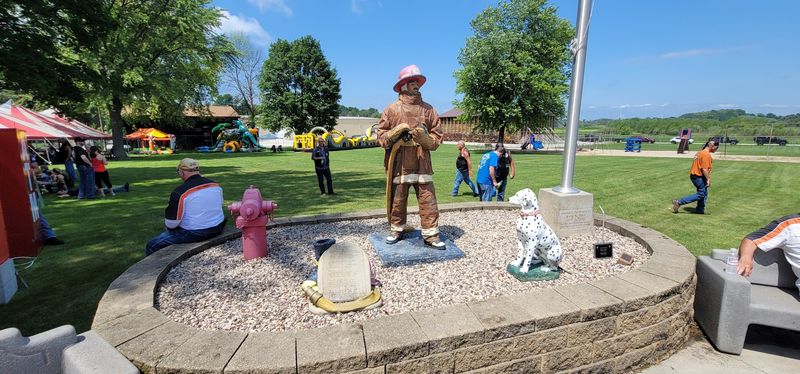
Few villages can say they look down on the Holyland. Mount Calvary can, and it means that quite literally. The Holyland is the name for this stretch of Fond du Lac County countryside. Mount Calvary occupies elevated ground overlooking the surrounding Holyland countryside
That high perch gives the community both its setting and its name. When your village sits on a crest, Mount just makes sense.
Mount Calvary is a quiet, small village with fewer than 1,000 residents. Its streetscape is rural and centered around church life, which shapes much of its look.
That church-centered character tells you a lot about how the community grew. Faith, farming, and family often traveled together in rural Wisconsin settlements like this one.
For families who’ve stayed for years, a place like this offers stability. The landmarks stay familiar, and the hilltop views keep reminding everyone where home is.
Visiting? Take a slow drive through the surrounding Holyland area. The rolling farmland below the crest is part of the experience, not just the route in.
Bring a camera for the views from higher ground. Limestone ridges like this one give you a wider look at the countryside than you’d expect in eastern Wisconsin.
Respect the quiet while you’re there. This is a small community, so a gentle pace fits the place much better than a rushed checklist. Mount Calvary may be small, but its setting carries real presence. Few towns get a name and a view that match so well.
Address: Mount Calvary, Wisconsin 53057
6. Mount Sterling
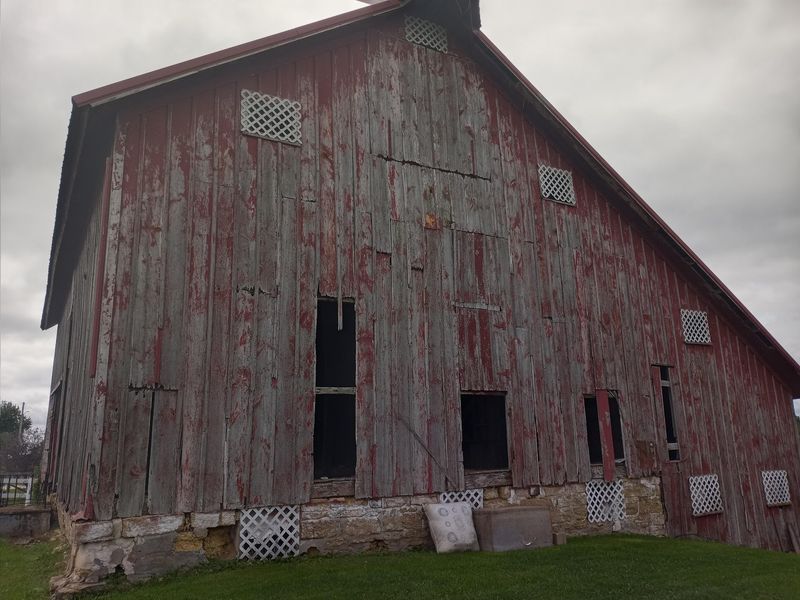
Around 200 people call this ridgetop crossroads home. That’s smaller than plenty of high school graduating classes. Mount Sterling is a tiny rural village in Crawford County. It’s positioned high along the crest of steep ridgelines in the Driftless Region.
Those ridges and bluffs define this whole corner of the state. Valleys drop away below, so traveling here often feels like riding the spine of the land.
The village shows off classic rural main-street character. Think small, simple, and easy to take in without a map.
Why do families stay in a place this small? Often it’s the land itself, plus the comfort of knowing almost everyone you pass.
Crawford County sits in Wisconsin’s southwest, where the unglaciated landscape keeps its dramatic shape. That scenery rewards anyone who enjoys a winding country drive.
Here’s a tip for your visit. Slow down on the ridge roads and pull over safely when the views open up. Bluff country can surprise you with sudden overlooks across farm fields and wooded slopes. You’ll want those moments, and you won’t want to blur past them.
Don’t plan a packed itinerary here. Mount Sterling works best as a peaceful stop on a longer loop through the Driftless Region. Tiny towns like this remind you that size isn’t the point. Height, history, and a sense of home matter far more up on the ridge.
Address: Mount Sterling, Wisconsin
7. Mount Hope
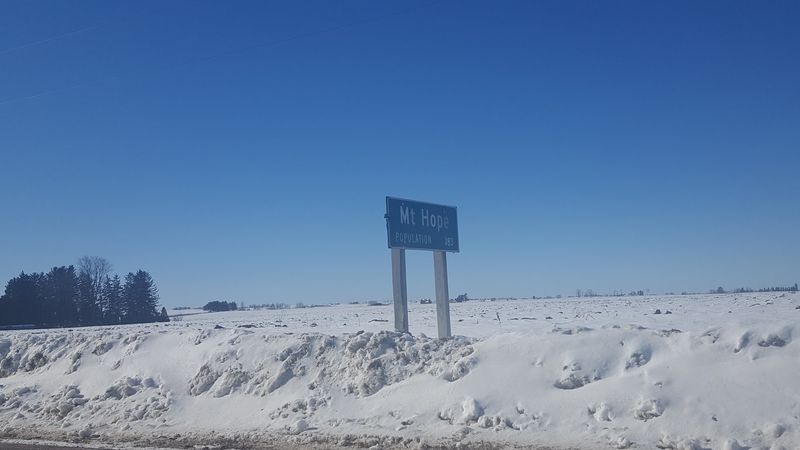
Hope is a lovely thing to build a town on. Here, it also comes with a ridge view. Mount Hope is a small agricultural village in Grant County. Roughly 200 residents live in this tranquil community in southwest Wisconsin.
The village is situated along Military Ridge, surrounded by the rolling countryside of southwestern Wisconsin.
Grant County sits in Wisconsin’s unglaciated hill and bluff country. Because ice sheets missed this area, the land kept its ridges, deep valleys, and folded hills.
Farming shapes daily life in Mount Hope. Agriculture keeps families tied to the land, and that connection often lasts for generations. A small footprint gives the village its peaceful pace. You won’t find crowds, and that’s exactly the charm.
So what should you do there? Take a scenic drive through the surrounding farmland and notice how the roads follow the ridges. Morning and late afternoon light can make farm country glow. Plan your route around those times if photos are on your wish list.
Be respectful of working farms as you explore. Tractors and farm equipment may share the road, so patience goes a long way. Mount Hope might be one of the smallest stops on this list. Still, its name says plenty about the families who settled high ground and chose to keep going.
Address: Mount Hope, Wisconsin 53816
8. Mount Morris
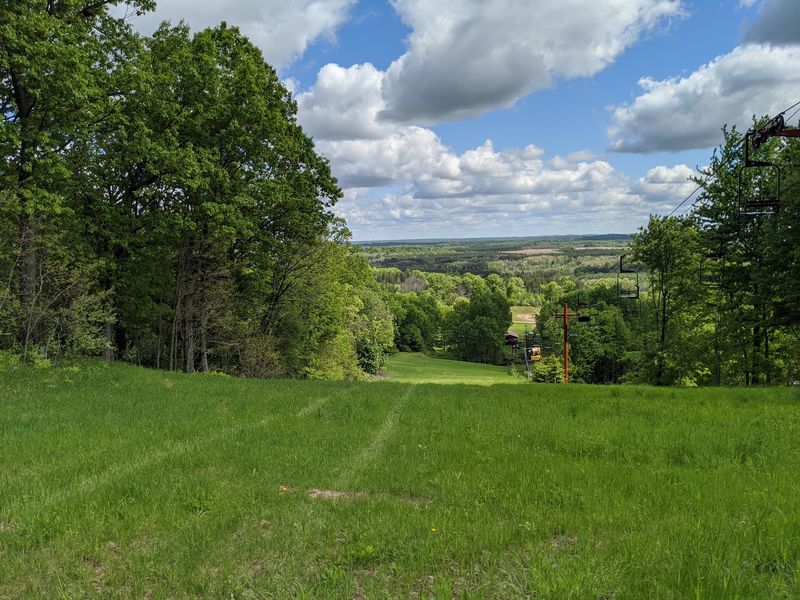
Central Wisconsin is famous for flat sandy land, which makes this rocky hill a happy surprise. Mount Morris rises right in the middle of it. The town of Mount Morris sits in Waushara County. It’s a sparsely populated civil town surrounded by woods and lakes.
The area is home to Mount Morris, a prominent rocky hill preserved within Mount Morris Hills County Park, where visitors can enjoy panoramic views of central Wisconsin.
That combination is a pretty great deal for a small town. You get a landmark, a park, and a lookout all in one spot. The settlement pattern here is quiet and rural. Homes spread out among the trees, and lakes add plenty of water views to the mix.
For families who have stayed for years, that natural setting is a big part of the pull. Woods and water rarely go out of style.
Visiting? Head to the county park and give yourself time to soak in the view from the top. Panoramic views reward patience. Linger a bit, and you’ll notice how the forests and lakes stretch out across the region.
Bring layers if you’re coming in spring or fall. Higher, open ground can feel breezier than the sheltered roads below. Mount Morris proves central Wisconsin has a few tricks up its sleeve. Who knew flat country could hide such a fine perch?
Address: Mount Morris, Wisconsin
9. Baraboo
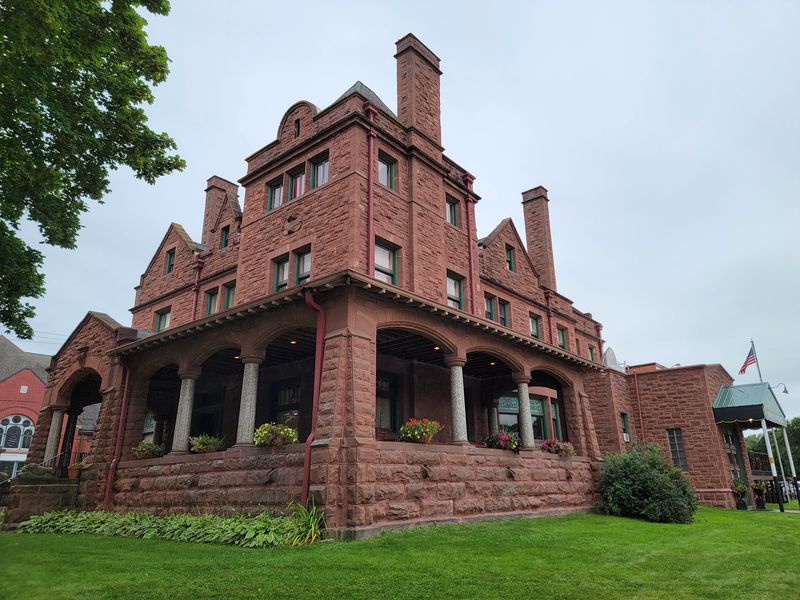
Ancient quartzite bluffs about 500 feet high surround this town. That’s a dramatic backyard for a community with a classic courthouse square.
Baraboo sits in Sauk County, nestled right in the Baraboo Range. The range is a prominent syncline, which is a fold in the rock layers shaped like a giant bowl.
Those bluffs and rugged hills surround Devil’s Lake. Together, they create some of the most striking terrain in southern Wisconsin.
Back in town, history takes center stage. Baraboo has a preserved courthouse square and a historic downtown district. That downtown gives the community its small-town civic life. People gather around the square, and the older buildings tie today’s families to earlier generations.
It’s a terrific pairing for visitors. You can spend part of your day among quartzite bluffs and the rest exploring brick streets downtown.
Want a smart plan? Start outdoors early, then head downtown in the afternoon for a slower stroll around the square. The Baraboo Range is old enough to make your head spin. Geologists study it closely because the rocks reveal so much about the region’s deep past.
Families who’ve stayed for decades have plenty of reasons. Scenery, history, and a real town center make Baraboo easy to love. Few places manage both bluffs and a courthouse square this well. Baraboo pulls it off without breaking a sweat.
Address: Baraboo, WI 53913
10. Montreal
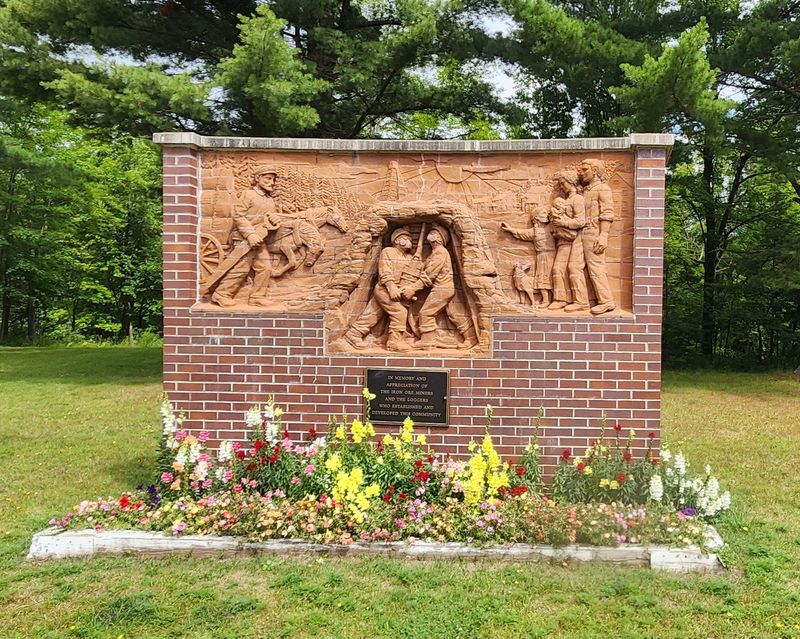
No passport needed for this Montreal. The Wisconsin version swaps big-city buzz for Northwoods quiet and a mining past. Montreal is a small historic mining municipality in Iron County. Roughly 800 residents live there today.
The town features planned company-town architecture. Mining companies once designed communities like this one, laying out homes and streets with a plan in mind.
That history still shapes how Montreal looks. Walking its streets gives you a glimpse of how mining families lived and worked together. Then there’s the setting. Montreal is perched directly in the Penokee Range, an ancient mountainous ridge in northern Wisconsin.
That ridge rises sharply above the Lake Superior lowlands. It’s a reminder that the far north of the state has some serious elevation.
Families who’ve stayed for generations share a strong link to that mining story. Their roots run as deep as the ore that built the town.
Thinking about a trip? Pack for changing weather, since the Northwoods can surprise you in any season. Take time to notice the planned layout as you explore. Company towns like this are pieces of history you can actually stand inside.
Montreal makes a fitting finale for this list. It’s tucked high in old hills, proud of its past, and still very much home.
Address: Montreal, Wisconsin