
You Need A Full Weekend To Work Through The Antique Shops Packed Into This Tiny Mississippi Town
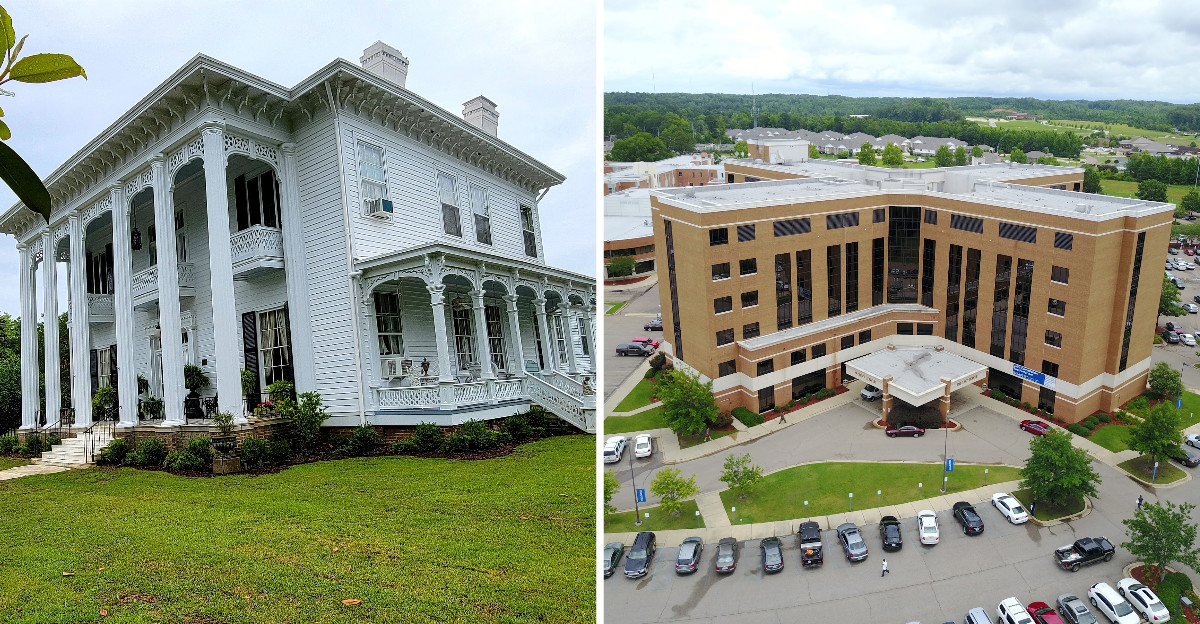
I pulled off an eastern Mississippi highway expecting nothing more than a leg stretch and a sandwich, and lost most of an afternoon to a row of old brick storefronts instead. Behind every door sat another maze of booths stacked with cast iron skillets, quilts, oak dressers, and glassware nobody manufactures anymore.
By the time shopkeepers started flipping their signs, I had covered maybe a third of what was actually there. That is the trouble with this particular downtown, and also the best argument for giving it two full days.
Where Lowndes County Meets the Tombigbee

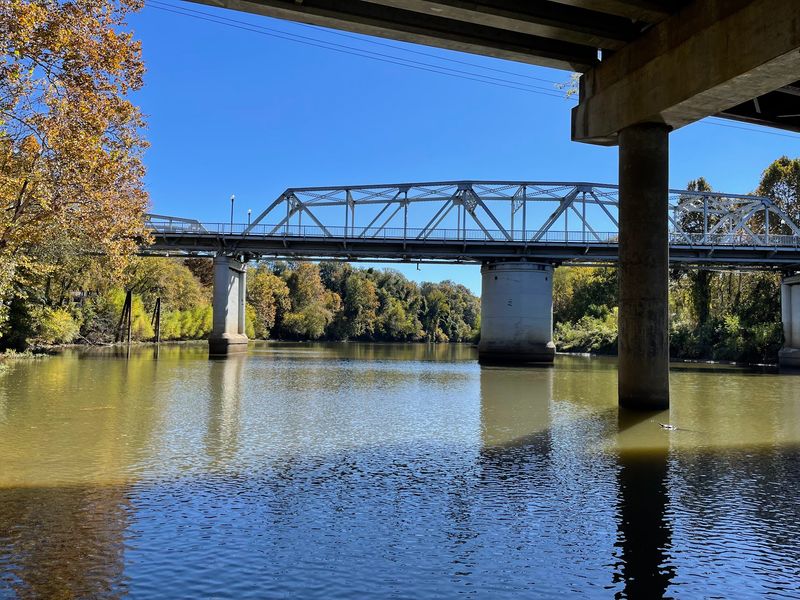
Right where Mississippi bumps against the Alabama line, the county seat of Lowndes County sits beside the Tombigbee River, part of the Tennessee-Tombigbee Waterway. Water traffic explains why the town grew here in the first place.
Goods moved by river long before highways existed, and merchants put up substantial brick storefronts to hold what came off the boats. Many of those same buildings now hold booth after booth of furniture, glass, tools, and oddities.
Concentration is what makes a weekend feasible. The shops cluster within a handful of walkable blocks, so you park once and work the district on foot instead of hopping between strip centers.
Distance keeps this from being an accidental stop for most Mississippians. Plan on roughly two and a half to three hours from Jackson, somewhere near an hour from Tupelo, and about half an hour from Starkville.
Families driving up from Hattiesburg or the Gulf Coast can expect the better part of a day behind the wheel each way. That alone nudges the trip toward an overnight stay rather than a rushed single-day run.
A Main Street That Kept Its Old Bones
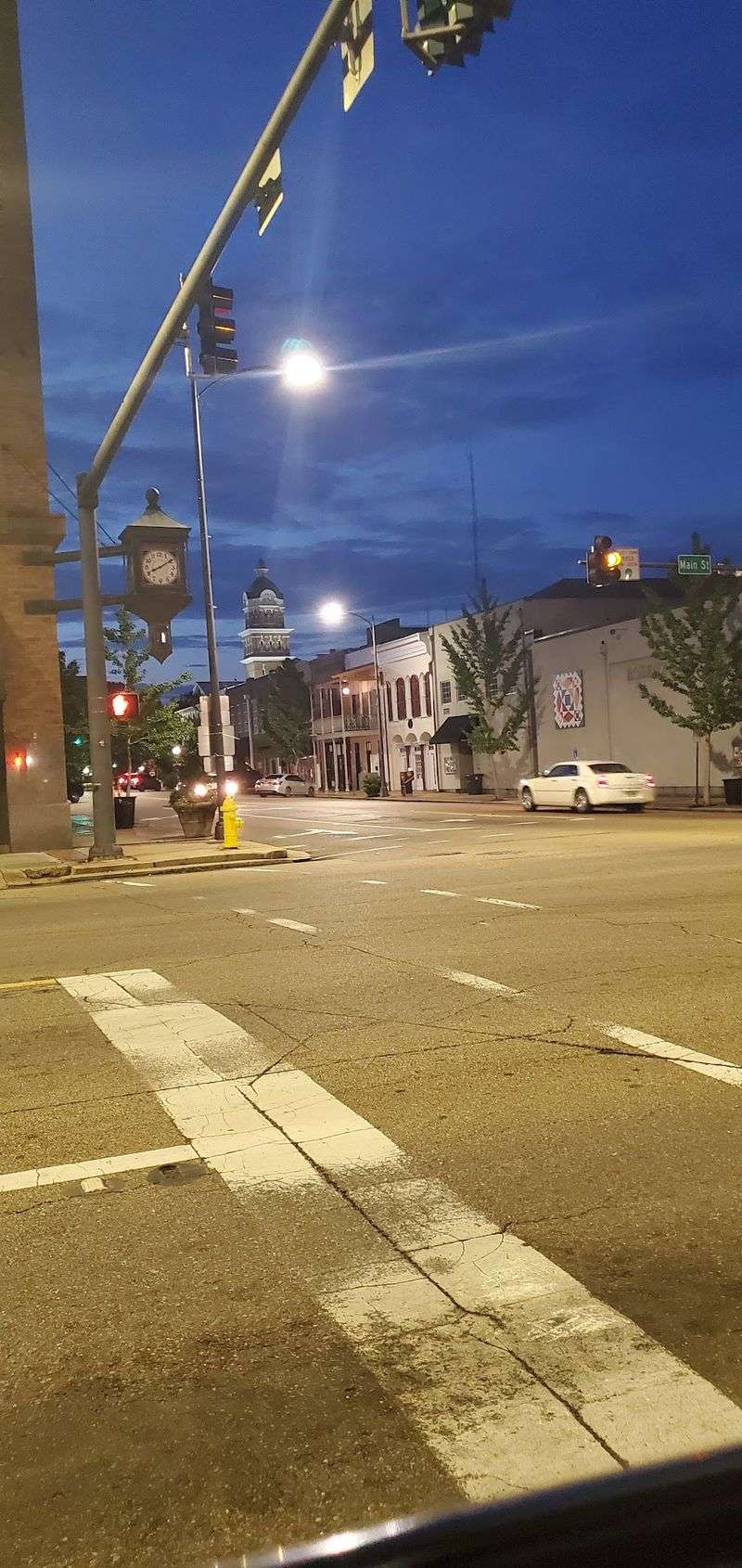
Fire, flood, and highway bypasses erased plenty of Mississippi downtowns during the last century. Here the brick blocks held on, and that survival gives the shopping district its shape today.
Step inside almost any storefront and the bones show: cast iron columns, pressed tin ceilings, tall transoms, and wood floors that announce every step. Shop owners have largely chosen to work around those features instead of hiding them behind drywall.
Storefronts along the main commercial stretch sit shoulder to shoulder with barely a gap between them. Antique dealers share the block with coffee counters, gift shops, and offices, which keeps the browsing rhythm from going flat.
Faded advertising painted directly onto side walls still shows in a few spots, promoting products that vanished generations ago. Younger visitors tend to spot those ghost signs before the adults do.
Scale is the quiet advantage. Nothing sits more than a few blocks from anything else, so a couple of hours can cover real ground without anyone climbing back into a hot car.
Weekday mornings run quiet. Saturdays bring more foot traffic and a livelier hum along the sidewalks.
Columns, Porches, and the Streets Behind the Shops
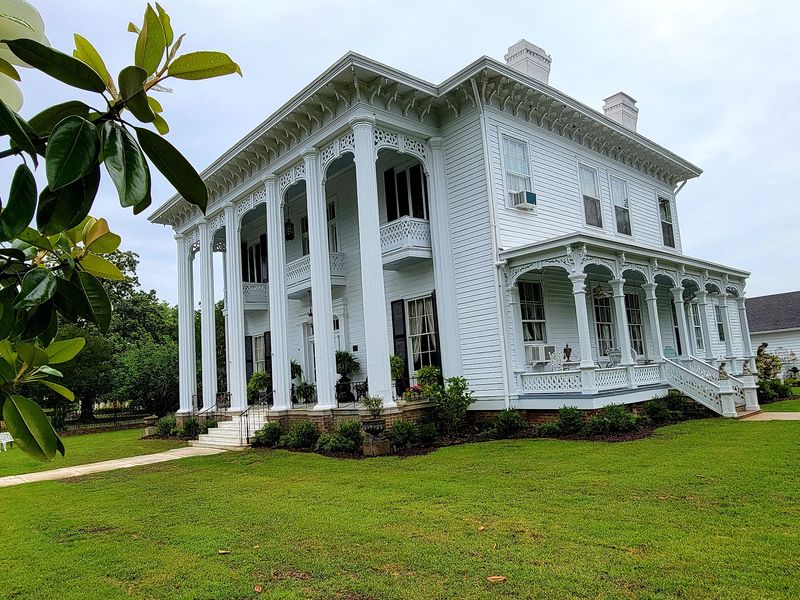
Antiquing here comes with a bonus you cannot buy and take home. A few blocks off the commercial strip, residential streets fill with nineteenth-century houses wearing columns, deep porches, and iron detailing.
Columbus built a reputation on that architecture long before booth malls became a weekend hobby. Azaleas and old oaks frame the lots, and a slow loop through the neighborhoods makes an easy break between shops.
Spring typically brings organized home tours, when certain properties open their doors to the public on a set schedule. Dates and ticketing shift from year to year, so confirming the current calendar ahead of the drive saves disappointment.
Even outside tour season, the drive costs nothing. Roll the windows down, keep the pace slow, and let kids count porch swings or pick their favorite front door color.
Furniture shopping actually makes more sense after seeing these houses. That marble-top washstand or walnut wardrobe in a downtown booth suddenly reads as something that once lived a few streets away rather than a random prop.
Bring water if you walk it. Mississippi humidity does not negotiate, especially between June and September.
Booth Malls Built for Slow Wandering
Multi-dealer malls are where the hours disappear. One storefront can hold dozens of individually rented booths, each curated by a different dealer with different taste and different pricing instincts.
That format works in your favor. A single building might move from primitive farm tools to mid-century lamps to a corner stacked with vinyl records, all within thirty feet.
Aisles in these older buildings run narrow, and inventory often stacks to the ceiling. Looking up matters as much as looking down, since signs, quilts, and wire baskets frequently hang overhead.
Dealers restock on their own schedules rather than a unified one, so the mix shifts week to week. Regular shoppers often say the same building feels different a month later.
Checkout typically happens at one central register, with booth numbers written on each tag. That means you can gather finds from twelve different vendors and pay once, which speeds things up considerably.
Give a large mall an hour minimum if you intend to actually see it. Rushing a place like that is how people drive home wondering what they missed on the back wall.
Solid Wood Furniture and the Measuring Tape You Forgot
Big pieces are the reason many shoppers make this drive at all. Dovetailed dressers, pie safes, pressed-back chairs, and long farm tables show up regularly across the downtown shops.
Construction is the tell. Hand-cut joinery, wooden pegs, and drawers that slide without hardware usually signal age, while staples and particleboard signal a reproduction hoping to pass.
Bring a tape measure and the dimensions of the wall or nook you are filling. Furniture always looks smaller under tall ceilings than it will in a standard living room.
Hauling is the other planning piece. Some shops can help load a piece into a truck bed, but delivery is not guaranteed, so arriving with a pickup, trailer, or folded-down back seats keeps options open.
Painted country furniture tends to run cheaper than polished formal pieces, and honest wear often reads as character rather than damage. A scuffed jelly cupboard can anchor a kitchen for decades.
Prices swing widely between booths under the same roof. Comparing two or three similar items before committing is simply smart shopping, not indecision.
Old Paper, Books, and a Literary Backstory

Paper goods hide in the corners that casual browsers skip. Postcards, sheet music, county maps, school yearbooks, and hardbacks with cloth covers fill boxes and low shelves throughout the district.
Columbus carries genuine literary weight, which gives the category extra flavor. Playwright Tennessee Williams was born here in 1911, and the house associated with his birth has long served the city as a welcome center.
A university campus in town has kept books circulating locally for generations, and older volumes eventually filter into resale shelves. Regional histories and Mississippi cookbooks show up often enough to be worth digging for.
Vintage postcards make an ideal first purchase for a child. They usually cost pocket change, weigh nothing, and carry pictures of places the family may have driven past that very morning.
Handle fragile paper with dry hands and a light touch, and expect some yellowing on anything printed before the 1960s. Foxing and soft corners come with the territory.
Sorting a postcard box is quiet, shady work. On a sweltering afternoon, that counts for a lot.
Negotiating Without Feeling Awkward
Sticker shock rarely tells the whole story in an antique district. Tags in booth malls are frequently starting points, especially on larger or slower-moving items.
Asking politely whether a dealer can do better on a piece is normal practice, not rudeness. On furniture in particular, a modest discount in the ten to fifteen percent range is often available.
Bundling helps more than haggling over a single item. Gathering three or four pieces from the same booth gives staff a clearer reason to sharpen the total.
Cash can smooth things along, and some shops post signs about minimum card amounts. Carrying a little folding money keeps small purchases simple.
Timing plays a role too. Dealers clearing space for new inventory may be more flexible late in a month than on the day a booth has just been restocked.
Keep expectations grounded on genuinely rare items, since a knowledgeable seller already knows what they have. Grace goes further than pressure, and a friendly exchange occasionally leads to a tip about which shop down the street has what you are actually hunting.
Lunch Breaks Between the Booths

Two straight hours of browsing turns anybody cranky, kids included. Downtown works in your favor here, because eating options sit within the same few blocks as the shops.
Meat-and-three plate lunches, burgers, and sandwich counters anchor the midday scene, with cafes and coffee shops filling the gaps. Portions in this part of Mississippi tend to run generous and prices tend to stay reasonable.
Timing the break around eleven thirty beats waiting until one. Small-town kitchens sometimes sell out of the day’s specials, and popular spots fill quickly once nearby offices empty.
Sunday is the day to double-check. Many independent downtown kitchens close or run shortened hours, which catches out-of-town visitors more often than anything else.
A sweet tea and a seat in air conditioning resets the whole group during summer. Shoppers who skip that pause usually regret it by the third shop.
Treat the meal as part of the itinerary rather than an interruption. It gives everyone a chance to compare finds, and it buys the one person still circling a display case another twenty minutes.
Parking, Hours, and What the Old Buildings Demand

Street parking downtown is generally straightforward, with additional spaces on side streets a short walk from the main run of shops. Arriving before mid-morning usually gets you a spot near the center of the action.
Hours vary shop by shop, which is the single most important planning note. A common pattern runs Monday or Tuesday through Saturday during daytime hours, with several doors closed on Sunday, so calling ahead about specific stores or checking current postings prevents wasted trips.
Accessibility takes honest consideration. Sidewalks are flat and easy, but some historic buildings have a step at the threshold, narrow aisles, and upper floors reached only by stairs.
Strollers can be awkward inside packed booth malls. A carrier or a stroller parked near the register often works better for everyone in the aisle.
Summer visits reward early starts and late-afternoon returns, with the hottest stretch spent indoors under air conditioning. Cooler months make the walking portion far more pleasant.
Bring reusable bags, packing blankets, and bungee cords. Shops wrap fragile items, but securing a load remains your job.
Two Days Beats One, Every Time
Plenty of people try to squeeze this district into a Saturday and leave with a list of shops they never opened. The concentration that makes the town so appealing is exactly what defeats a single-day plan.
Splitting the visit changes the experience. Saturday handles the big multi-dealer buildings, while a slower second morning covers the specialty shops, the residential architecture, and whatever booth you kept thinking about overnight.
An overnight also solves the furniture question. Sleeping on a two-hundred-dollar decision is easier when the piece is still eight blocks away rather than three hours behind you.
Costs stay modest compared with most weekend getaways. Browsing is free, walking the downtown is free, and the river paths cost nothing, so the spending is whatever you choose to carry out the door.
Families with a range of ages and energy levels tend to do well here because the town offers indoor and outdoor options within the same few blocks.
Come with an empty trunk and loose expectations. The find that makes the trip is almost never the one you drove over planning to buy.