
10 Nevada Day Trips Where Families Fill A Whole Day For Under $40
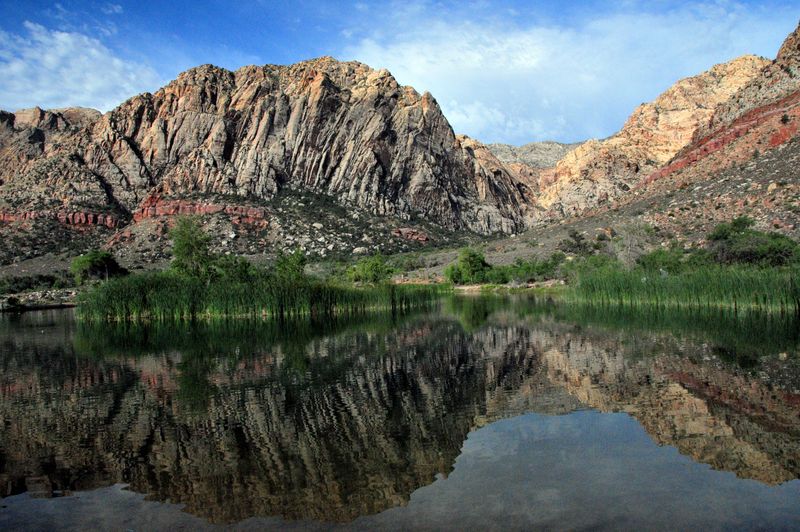
A wrong turn off a Nevada highway once cost me an entire afternoon, and I have never been happier about a detour. What looked like empty desert turned into slot canyons, painted rock, and a picnic table nobody else wanted.
That is the thing about this state: the big payoffs rarely come with big price tags, and a family of four can stretch a single twenty-dollar bill across eight hours of exploring. The ten trips below all cost well under $40 for the whole crew, though prices and seasonal hours shift, so confirm before you load the car.
1. Valley of Fire State Park
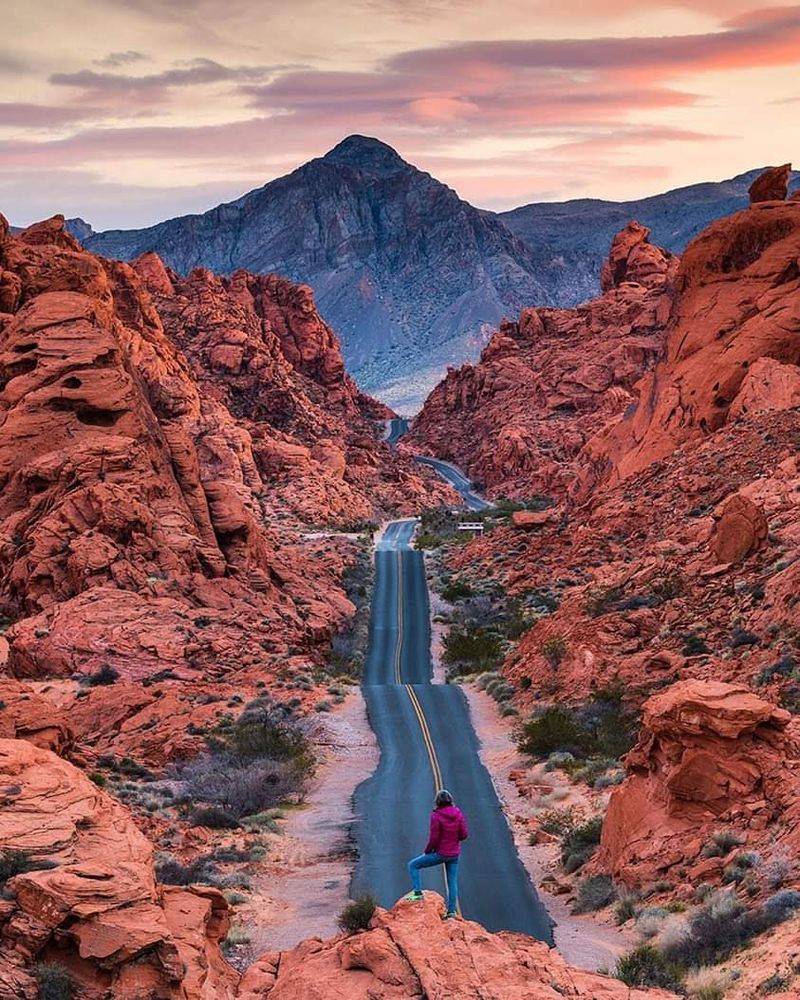
Red sandstone that looks genuinely lit from within is the reason people keep driving northeast out of Las Vegas toward Moapa Valley. Nevada’s oldest state park spreads its formations across a stretch of Mojave Desert where petrified wood turns up alongside rock walls carved with petroglyphs roughly 2,000 years old.
An asphalt road runs right through the heart of it, which matters more than it sounds. Grandparents who would rather not hike still see the best color from the passenger seat, while kids burn energy on short trails like the Fire Wave, an easy walk over candy-striped stone that photographs beautifully at almost any hour.
Admission runs per vehicle rather than per person, often around $25 for out-of-state cars and less for Nevada plates, so a packed minivan splits the cost nicely. Picnic tables and barbecue grills mean lunch comes from your cooler instead of a drive-through.
Afternoons on weekends draw the biggest crowds, especially Saturday and Sunday. Arrive early, bring far more water than seems reasonable, and check park conditions before heading out in summer heat.
2. Cathedral Gorge State Park, Panaca, NV
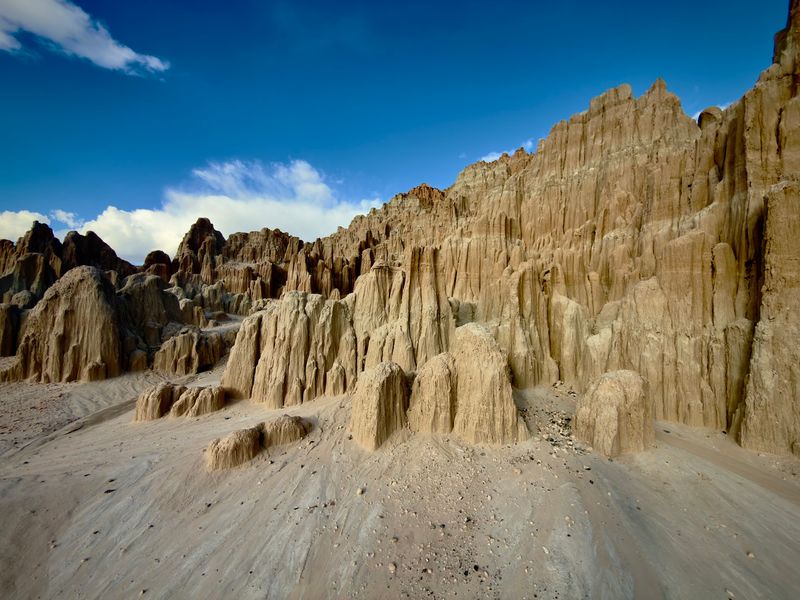
Picture soft clay walls eroded into fluted spires and cracks so narrow a grown-up has to turn sideways. Cathedral Gorge covers roughly 2,000 acres near Panaca in eastern Nevada, just off Highway 93, and the landscape reads as something closer to another planet than to the sagebrush country surrounding it.
Kids treat the place like a maze. Short trails branch off into shadowy slot passages locals call the caves, and most are shallow enough that parents can stand at the mouth and still hear everything happening inside.
Day-use hours generally run 9 AM to 4 PM, with picnic tables, barbecue grills, restrooms, and a visitor center holding displays on how the formations came to be. Leashed dogs are welcome on the trails.
Vehicle entry at Nevada state parks typically falls in the $10 to $15 range, so a family fills an entire day for less than a fast-food lunch. Certain overlooks and connecting trails have closed for safety work in the past, so a quick check on current access saves disappointment after a long drive.
3. Spring Mountain Ranch State Park, Blue Diamond, NV
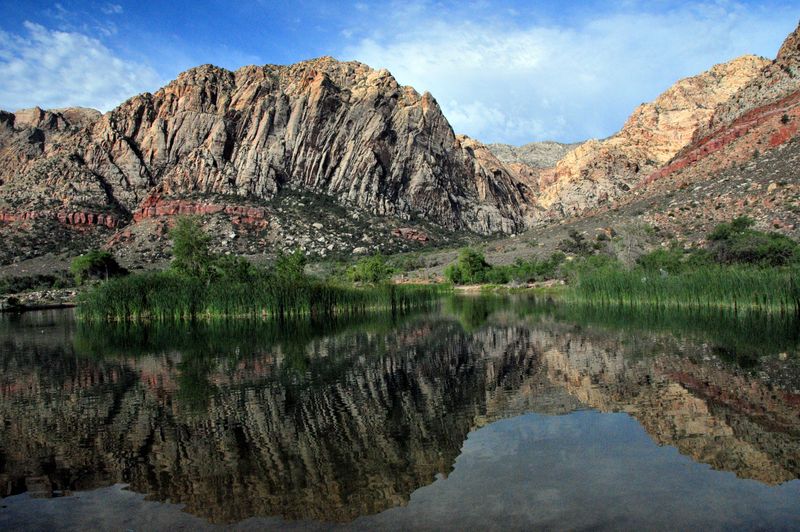
Thirty minutes from the Las Vegas Strip, the desert suddenly grows a lawn. Spring Mountain Ranch sits along NV-159 in Blue Diamond with a spring-fed pond, a creek, shade trees, and grass soft enough that half the visitors simply spread a blanket and stay put.
History shares the property with the scenery. The old ranch house still stands and can be viewed by visitors, complete with a hidden room that never fails to get kids asking questions, and the park hosts outdoor theater and historical re-enactments through the year.
Trails here stay short and mellow, which makes this one of the rare outings where a seven-year-old and a seventy-five-year-old can walk the same loop without anyone struggling. Views of the Spring Mountains follow you the whole way.
Gates generally open 8 AM to 7 PM. Entry is charged per vehicle, commonly $10 for Nevada residents and $15 otherwise, leaving plenty of budget untouched.
Weekday mornings stay quiet; Saturday and Sunday afternoons fill the picnic area fast.
4. Fort Churchill State Historic Park, Silver Springs, NV
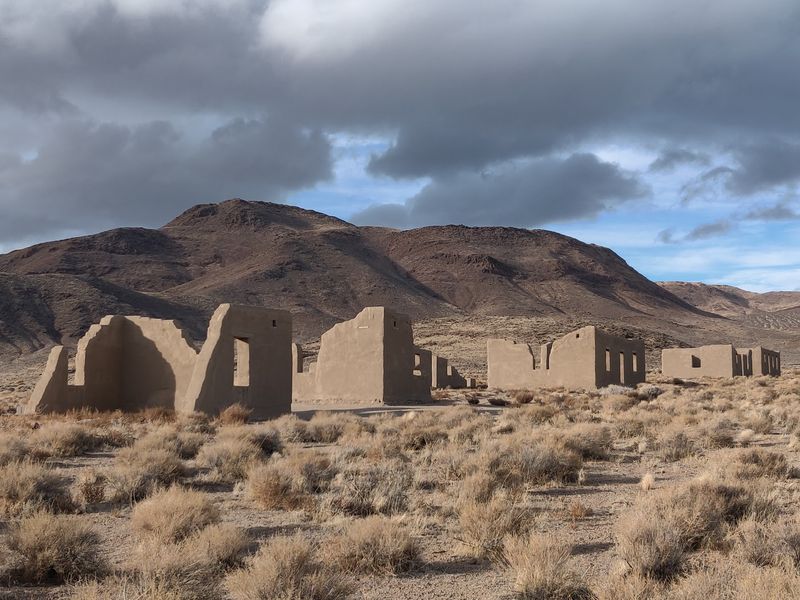
Adobe walls the color of pale honey stand in rows along the Carson River, and the effect is closer to an open-air stage set than a museum. Fort Churchill preserves the remains of an Army post dating to 1861, reached along US-95 ALT near Silver Springs.
The park is far bigger than the ruins suggest, sprawling across roughly 5,300 acres of river bottom and desert. Well-maintained pathways link the fort remains, quiet stretches near the cemetery, and cottonwood-shaded river access where canoes launch in warmer months.
Inside the visitor center, exhibits and interpretive signage cover the troops stationed here in the late 1800s along with the Pony Express connection, and rangers are known for telling that history well. Restrooms stay notably clean, and vault toilets near the picnic area remain open in winter.
Nevada residents get in for half price, with standard historic park vehicle fees running about $10 to $15. Picnic tables, barbecue grills, kid-friendly trails, and leashed dogs all work here, which is why a stop planned for an hour often stretches past lunch.
5. Nevada State Railroad Museum, Carson City, NV
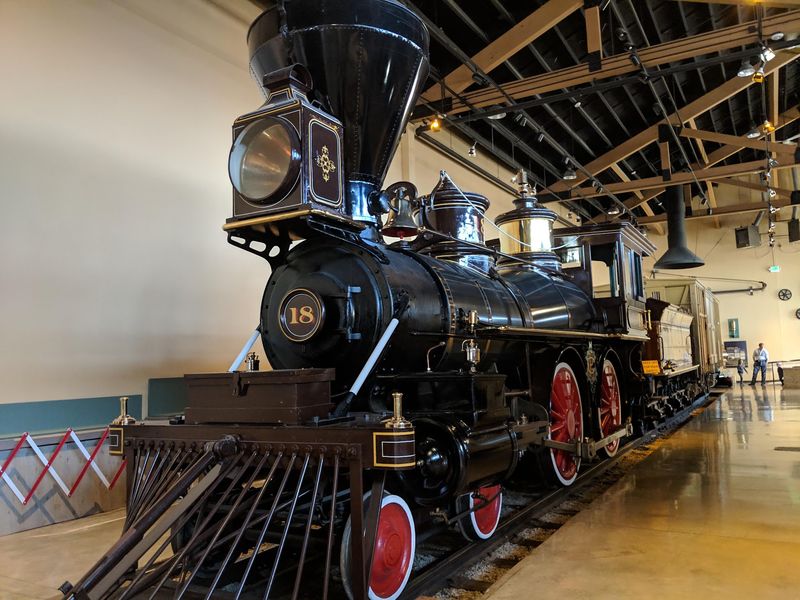
Few things hold a kid’s attention like a steam locomotive actually moving under its own power. On South Carson Street in Nevada’s capital, the state railroad museum keeps historic engines, passenger cars, and motor cars in remarkable condition, several of them still in original configuration.
Adults tend to linger longer than expected. Volunteers from the museum’s support group lead tours, explain how western Nevada’s railroads shaped the region, and often work on restoration projects where visitors can watch.
Here is the number that makes this one stand out: adult tickets run about $8, and children under 18 get in free. A family of four frequently walks out having spent under $20 total, and on operating days a ride behind a real steam engine is part of the draw.
Doors are generally open 9 AM to 4:30 PM, closed Tuesday and Wednesday, with free on-site parking, restrooms, a changing table, and a gift shop. No restaurant on site, so pack snacks.
Monday and Friday mornings see the smallest crowds; check train operating dates before you go.
6. Sand Harbor State Park, Incline Village, NV
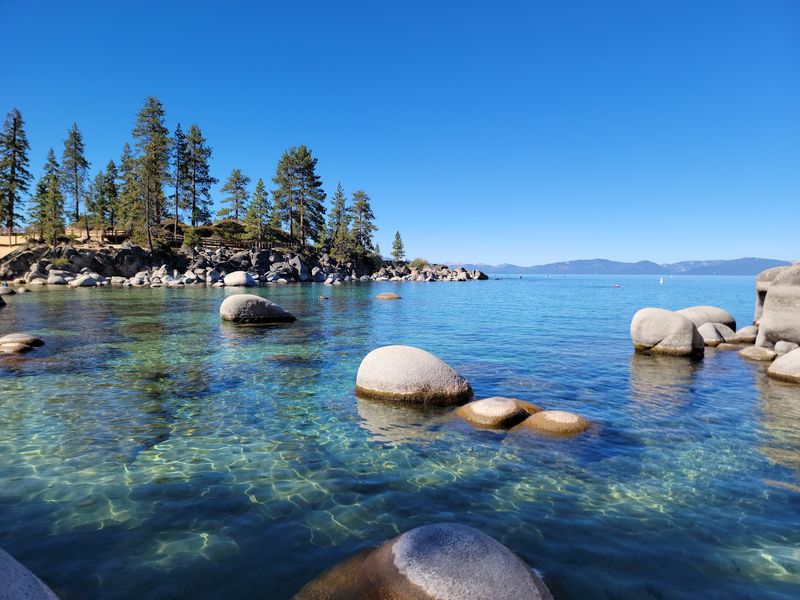
Water this clear seems photoshopped until you are standing in it. Sand Harbor, on the eastern shore of Lake Tahoe along NV-28 near Incline Village, pairs turquoise shallows with smooth granite boulders and a genuinely sandy beach, backed by mountain views in every direction.
Swimming and kayaking dominate the day, but the park works for families who never get wet. A scenic bridge trail loops the shoreline past both beaches and rocky coves, there is a playground for younger kids, and picnic tables and barbecue grills sit within easy reach of the sand.
Amenities cover the basics well: clean public restrooms, cycling lanes, a gift shop, ice cream, and a restaurant if nobody felt like packing a cooler. Leashed dogs are permitted in designated areas.
Entry is per vehicle at roughly $10 to $15, which for a carload of five is a few dollars a head for a full summer day. Saturday afternoons are the busiest stretch by a wide margin, and the lot can fill early, so aim for a sunrise departure from Reno.
7. Tonopah Historic Mining Park, Tonopah, NV
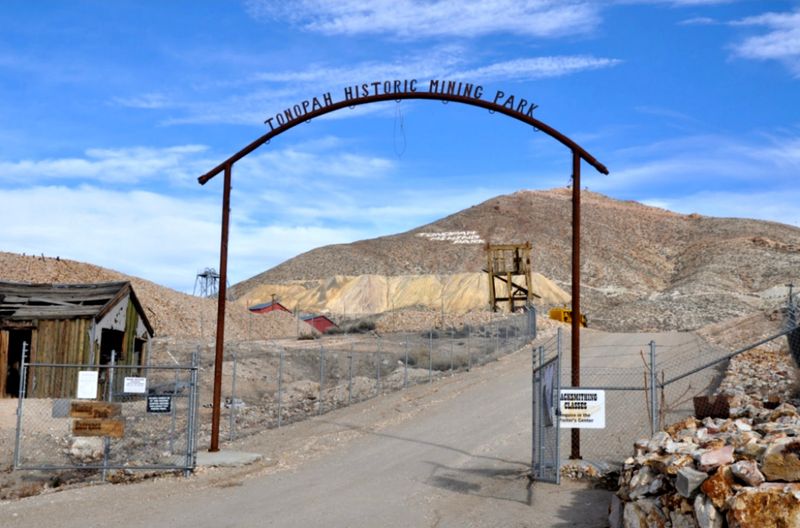
Five dollars. That is roughly what it costs per person to walk through a preserved silver mine on Burro Avenue in Tonopah, which puts a family somewhere around $10 to $20 for several hours of exploring central Nevada’s mining past.
Start with the 20-minute video and a map at the visitor center, then head out on the self-guided route. Boilers, hoist machines, cables, head rigs, ore carts, and square set shafts remain intact, and a glass-covered look down a 500-foot shaft tends to produce the loudest reaction from kids and adults alike.
Walking through the lift house and mechanical shop feels like stepping into a working operation that simply paused. Mineral specimens on display round out the story of the last great prospecting rush in the country.
Hours generally run 9 AM to 5 PM daily, with a gift shop, theater, restrooms, and free parking at the visitor center up the hill. The grounds sit well above street level and involve real walking on uneven ground, so decent shoes and a full water bottle matter here.
8. Ward Charcoal Ovens State Historic Park
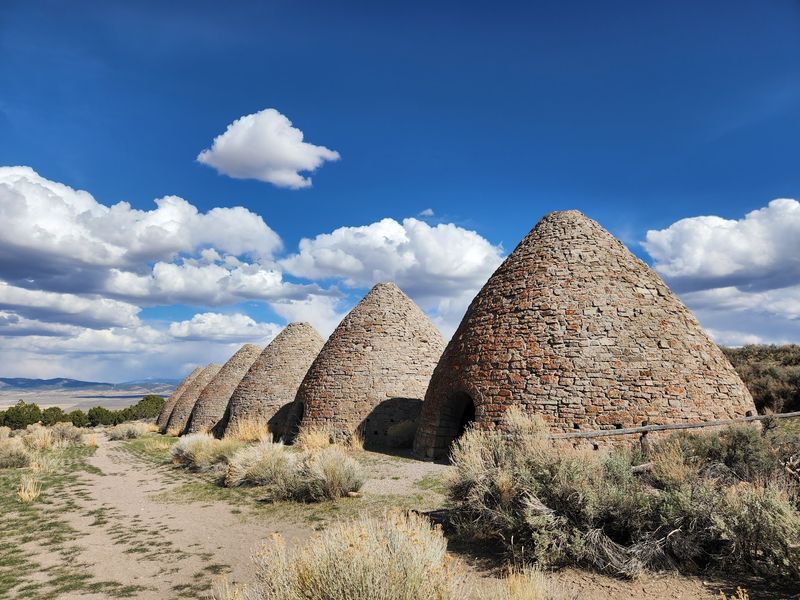
Six stone beehives, each roughly 30 feet tall, sit in a row against a pinyon-covered hillside about 10 to 15 minutes from Ely. Built in the 1870s to turn local timber into charcoal for silver smelters, the Ward ovens survive in condition good enough that you can step inside and hear your own echo bounce around the dome.
Kids figure out the acoustics within about four seconds. Parents usually end up reading the interpretive markers while the echoing continues.
Beyond the ovens, walking trails wind through the surrounding hills with plenty of room for wildlife watching, and the park keeps picnic tables, vault restrooms, and clean, well-marked parking. Leashed dogs are fine on the trails.
Gates stay open around the clock, which is unusual and a gift for anyone chasing sunrise light or a dark high-desert sky. Vehicle day-use fees at Nevada historic parks typically fall between $10 and $15.
Pair the stop with Cave Lake or the drive into Ely, and eastern Nevada delivers a full day for the price of a pizza.
9. Berlin-Ichthyosaur State Park, Austin, NV
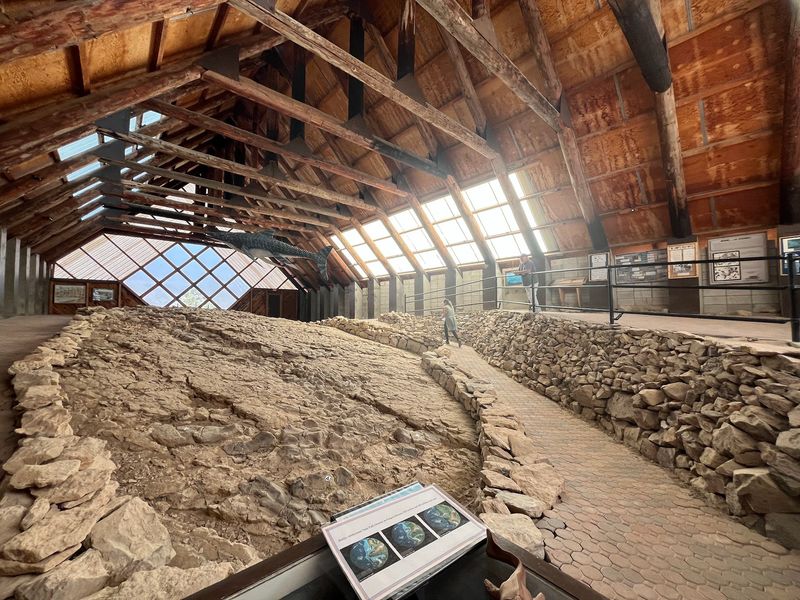
Two attractions, one entry fee, and neither of them is ordinary. Off NV-844 near Austin, this 1,500-acre park holds the weathered remains of the Berlin mining town alongside a sheltered display of fossilized ichthyosaurs, marine reptiles that swam here when central Nevada sat under a shallow sea.
The specimens are among the largest of their kind ever uncovered anywhere. Seeing that much fossilized bone laid out in the rock where it was found lands differently than a museum case, and guided fossil tours fill in the science for curious kids.
Berlin itself is remarkably intact. Buildings, machinery, and scattered artifacts sit right along an easy access route, and the views out over the sagebrush basin from the townsite are worth the drive up from Highway 50 on their own.
Hiking trails, picnic tables, barbecue grills, and restrooms support a full day outdoors. Nevada state park vehicle entry usually runs $10 to $15.
Because the park is remote, fill the tank first and confirm fossil house tour times, which vary by season.
10. Great Basin National Park
No entrance fee. None.
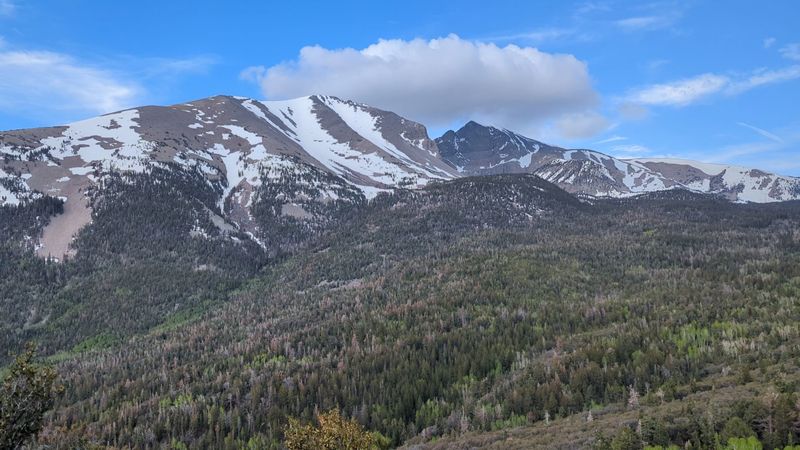
Great Basin protects 77,000 acres in eastern Nevada near the border town of Baker, and driving through the gate costs a family exactly zero dollars, which is about as fixed-income-friendly as a national park gets.
What that free admission buys is unreasonably good. Scenic mountain roads climb through aspen and conifer, kid-friendly trails branch off at multiple elevations, and groves of bristlecone pines hold some of the oldest living trees on Earth.
Lehman Caves is the one exception to the free rule, since ranger-led tours carry a separate ticket price. Inside, stalactites, stalagmites, draperies, shields, and formations nicknamed cave bacon fill room after room, and reservations often sell out well ahead in summer.
Above ground there are picnic tables, restrooms, a visitor center with dark sky programming, and leashed dogs allowed in developed areas. Come nightfall, the star field here is among the darkest in the country.
Roads, trails, and campgrounds close seasonally at higher elevations, so check conditions before making the long drive out.