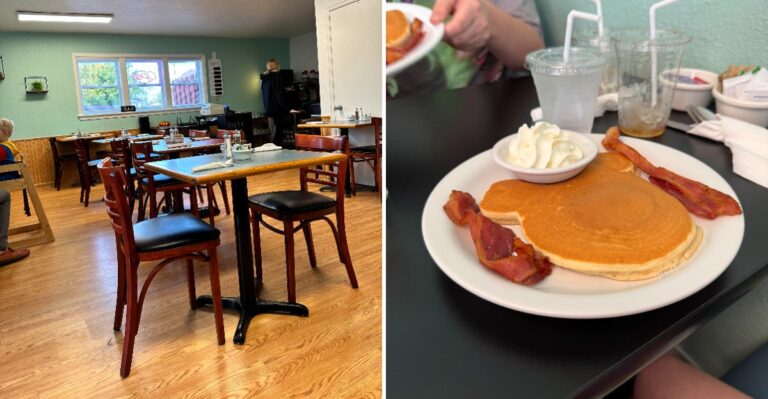
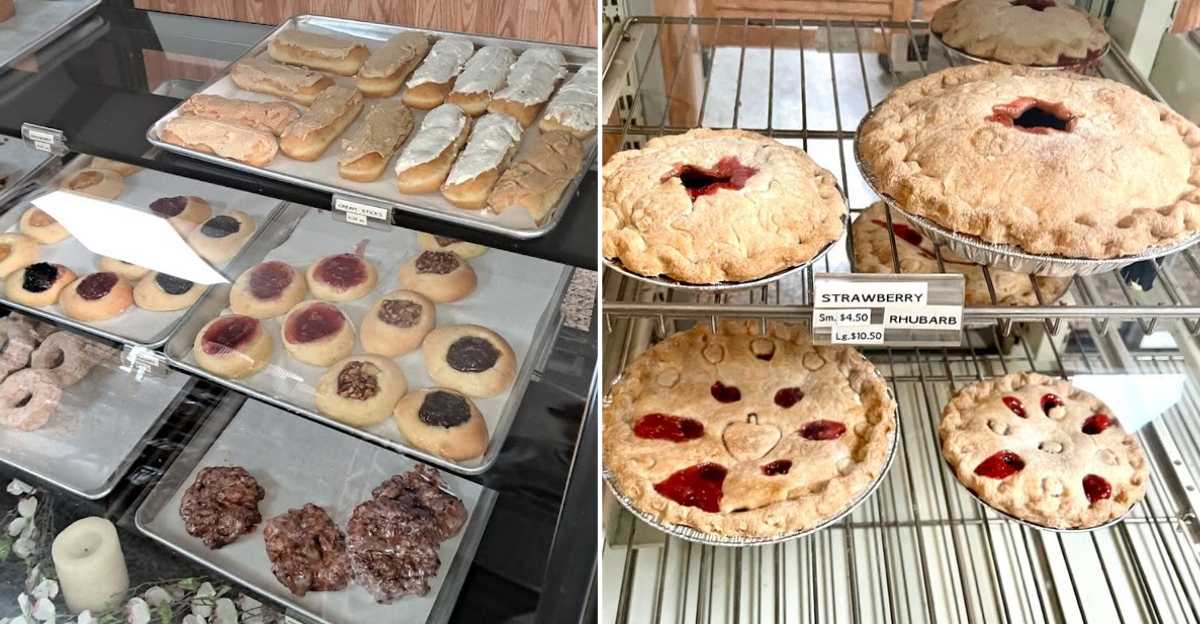
Nobody drives thirty minutes out of their way for a donut. Except for the people who have tried these.
In Iowa, word travels fast when something is worth talking about. And people have been talking about this bakery for years.
Not because of a viral post or a food magazine feature. Because someone handed a friend a glazed donut still warm from the fryer and watched their entire morning get better in real time.
The glaze is the thing. Light enough to let the dough speak for itself.
Sweet enough to make you close your eyes on the first bite. It sounds simple because it is.
But simple done this well is rarer than most people think. This is not a trendy spot with a neon sign and a two hour line.
It is a neighborhood bakery that figured out one thing and refused to compromise on it. Show up early. The good ones go fast.
Ingredients That Make Glazed Donuts Special
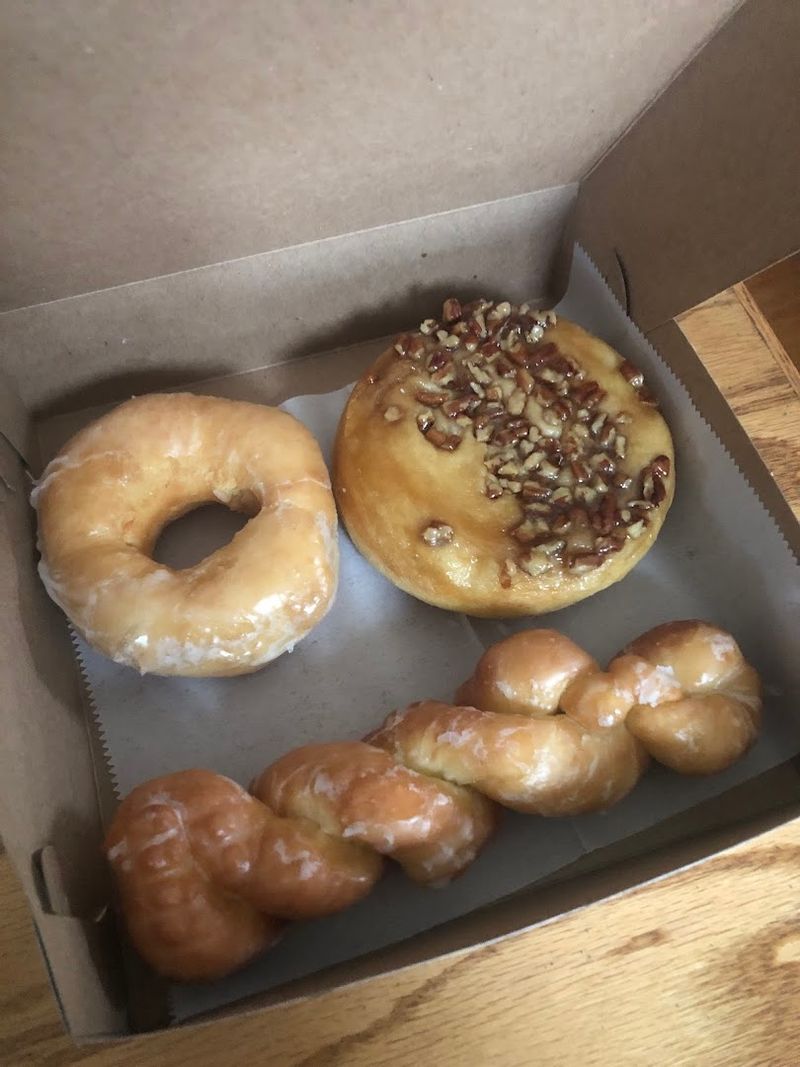
The secret to a great glazed donut starts long before it hits the fryer. Quality ingredients are what separate a forgettable donut from one people drive across town to get.
Golden Delight Bakery in Iowa has built its reputation on exactly that. The crowds that show up early, before things sell out, speak for themselves.
Real butter, fresh dairy, and high-grade flour create a dough that is soft and rich. These are not shortcuts.
Every ingredient plays a role in the final texture and flavor. Skip one, and the whole balance falls apart.
The glaze itself matters just as much as the dough. A simple mix of powdered sugar, milk, and vanilla sounds basic.
But the ratio changes everything. Too much sugar and it hardens fast.
Too little and it slides right off.
Fresh eggs add structure and that golden color people love. They also help the dough rise evenly.
A well-risen donut has that airy, light pull when you bite in.
Golden Delight operates the way the best bakeries do, with care over convenience. Everything is made fresh, portions are generous, and the prices stay reasonable.
When every ingredient is measured right, and nothing is rushed, the donut does not need anything fancy to impress. It just does.
Find this bakery at 2289 Johnson-Washington Rd SW, Kalona, IA 52247.
Glazing Techniques And Their Impact On Flavor
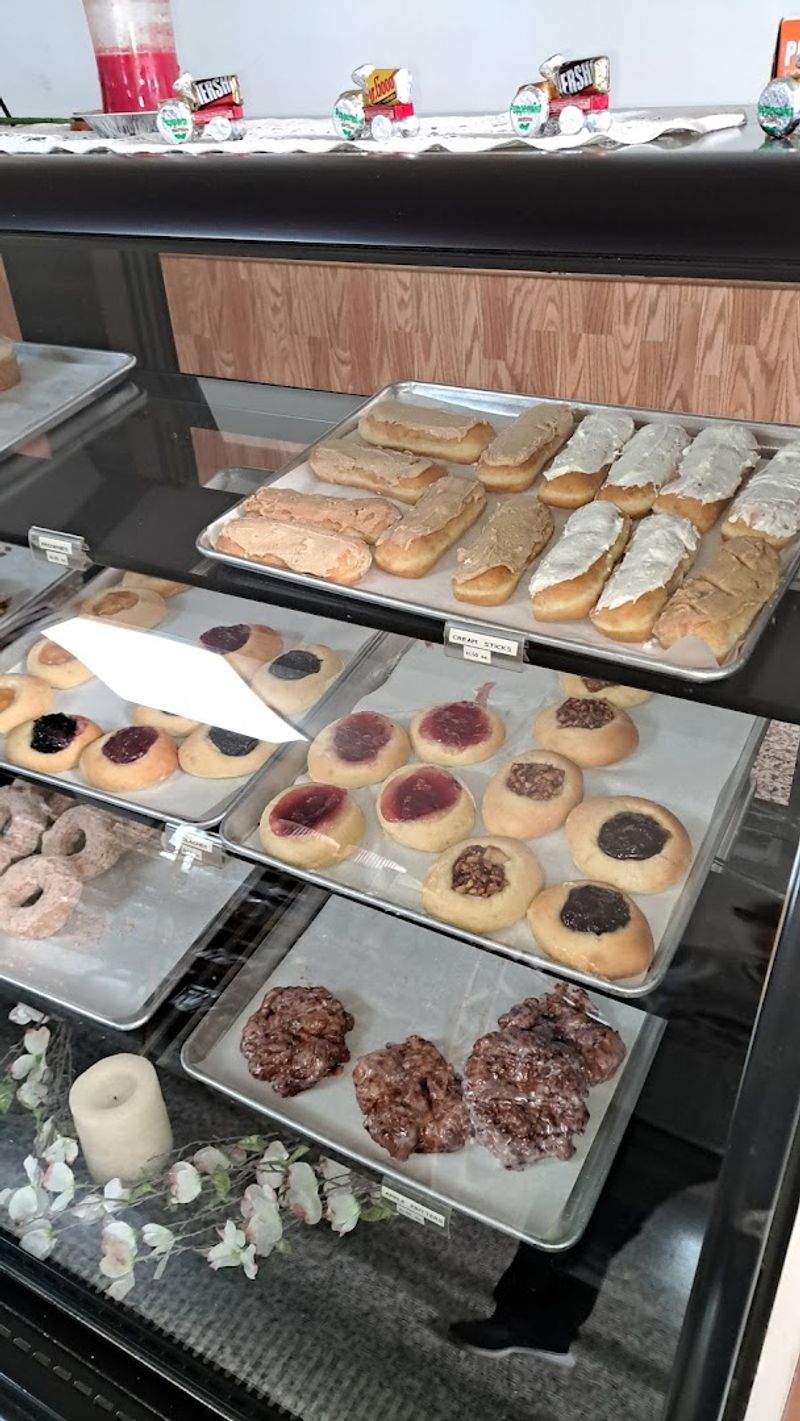
How a donut gets glazed is just as important as what goes into the glaze. The technique affects thickness, sweetness, and how long the coating stays perfect.
Most people never think about this. But bakers absolutely do.
Dipping is the most common method. The donut goes into warm glaze right after frying.
The heat helps the glaze absorb slightly into the outer layer. That creates a thin, even coat that sets quickly and stays put.
Temperature timing is everything here. If the donut is too hot, the glaze runs thin and drips off.
Too cool, and it clumps unevenly. Bakers work fast and with purpose during this step.
Double-dipping is a technique some bakeries use for a thicker coat. The donut gets one layer, rests briefly, then gets dipped again.
The result is a slightly sweeter, more indulgent bite that holds up longer.
Brushing glaze on by hand gives the baker more control. It allows for creative designs and layered flavors.
Some bakeries use this for specialty glazes like fruit-based or spiced varieties.
Each technique produces a different eating experience. A well-glazed donut should feel smooth, not sticky.
It should melt slightly on the tongue without overpowering the dough underneath. That balance is the goal every single time.
History And Tradition Behind Glazed Treats
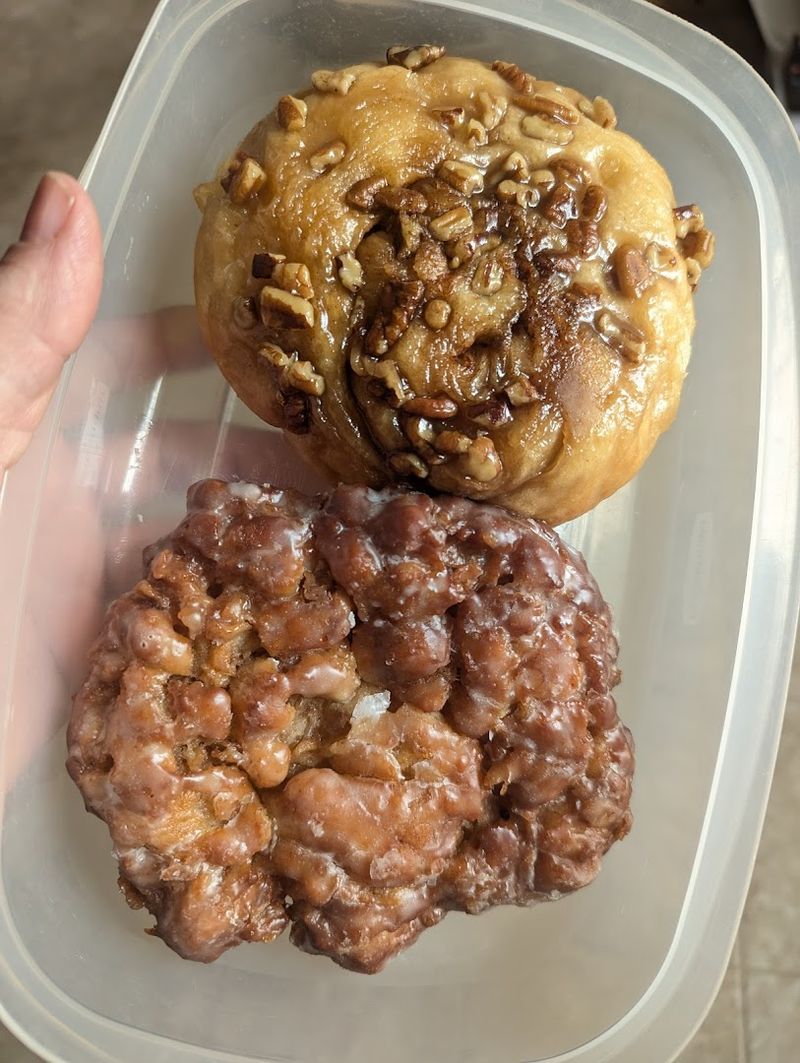
Glazed donuts have been around longer than most people realize. The basic fried dough concept dates back centuries, appearing in Dutch, Native American, and European cooking traditions.
The American glazed donut, as we know it, took shape in the early 20th century.
World War II actually played a role in donut history. The Red Cross served donuts to soldiers overseas.
When those soldiers came home, they brought a love for the treat with them. Donut shops started popping up everywhere after the war.
The glaze itself became popular because it was affordable and easy to make. Sugar was more widely available by the mid-1900s.
Bakeries started experimenting with coatings, and the simple sugar glaze quickly became a crowd favorite.
Amish baking traditions brought their own character to American pastry culture. The focus on handmade methods, fresh ingredients, and simple recipes shaped what quality baking looks like in communities across the Midwest.
That influence is still easy to taste today.
Tradition in baking is not just about recipes. It is about consistency over time.
Golden Delight Bakery in Kalona has built a loyal following by sticking to that standard. That kind of reputation does not happen by accident.
It happens because the baking never slips, and people keep coming back.
Textures That Every Bite
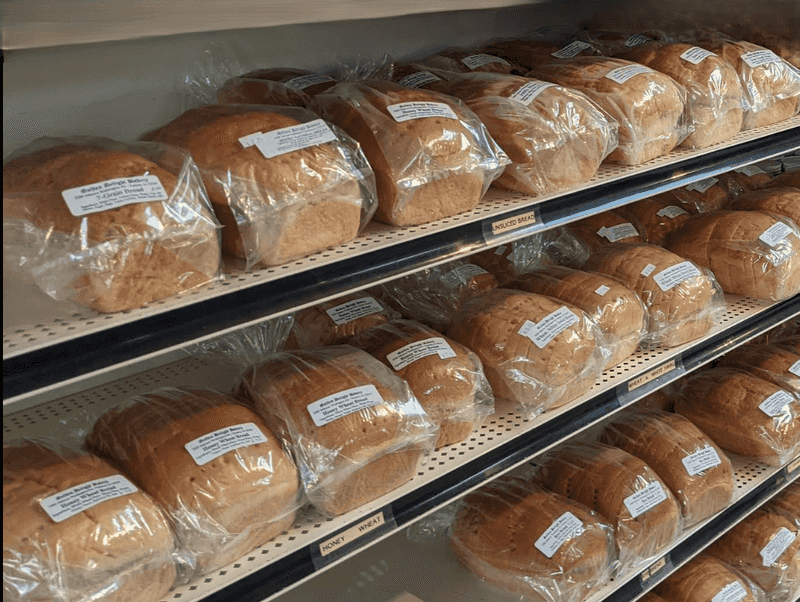
Texture is what makes or breaks a glazed donut. You can have the best glaze in the world, but if the dough is dense or dry, nobody is coming back for a second one.
The inside needs to be soft, pillowy, and just a little chewy.
A good glazed donut has layers of texture working together. The outer glaze gives a slight snap when you first bite in.
Then the dough gives way immediately, soft and warm underneath. That contrast is what makes people close their eyes for a second.
Overproofed dough creates a donut that feels too airy and collapses fast. Also, underproofed dough is dense and heavy.
Getting the rise time right is one of the trickiest parts of donut making. Experienced bakers develop a feel for it over time.
Frying temperature also affects texture. Too hot and the outside cooks before the inside is done.
Too low and the donut absorbs oil and turns greasy. The sweet spot is around 375 degrees Fahrenheit for most recipes.
Golden Delight Bakery has spent so much time perfecting light, airy textures across its baked goods. That same attention to detail and consistency shows in every item on the menu.
Texture is not an afterthought here. It is the whole experience, from first bite to last crumb.
Pairing Glazed Donuts With Other Alternatives
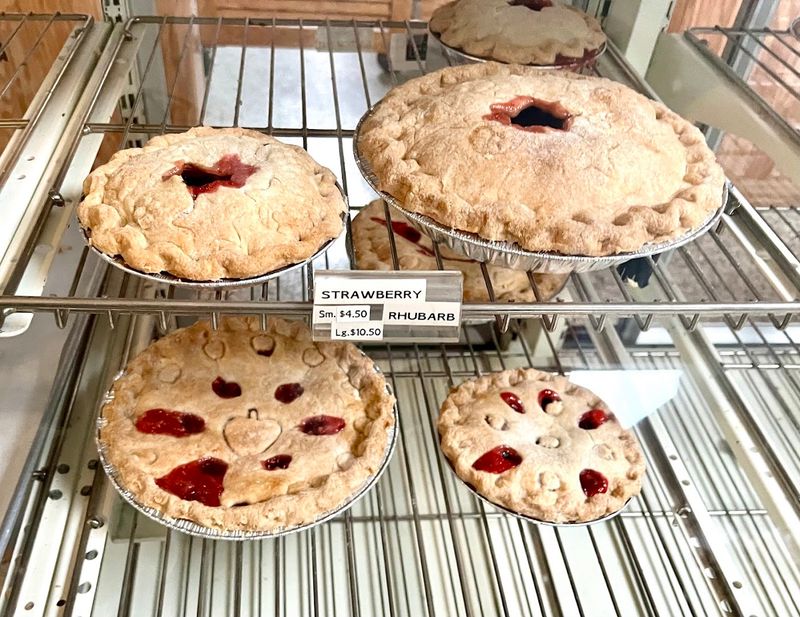
Most people grab a donut and leave it at that. Nothing wrong with that.
But pairing a glazed donut with something else from the same bakery can make the whole experience feel a little more complete.
A slice of flavored bread is a natural companion. Golden Delight carries options like lemon poppy seed and banana nut.
The denser, less sweet profile of the bread balances the lightness of a glazed donut nicely. It turns a quick snack into a proper spread.
A kolache works well alongside a donut, too. The fruit filling brings a slight tartness that cuts through the glaze.
Red raspberry is a favorite for a reason. That contrast keeps things interesting from the first bite to the last.
Jam is worth picking up while you are there. A spoonful of their locally made jam on the side adds a fresh, fruity note that pairs well with the plain sweetness of a glaze.
It is simple, but it works.
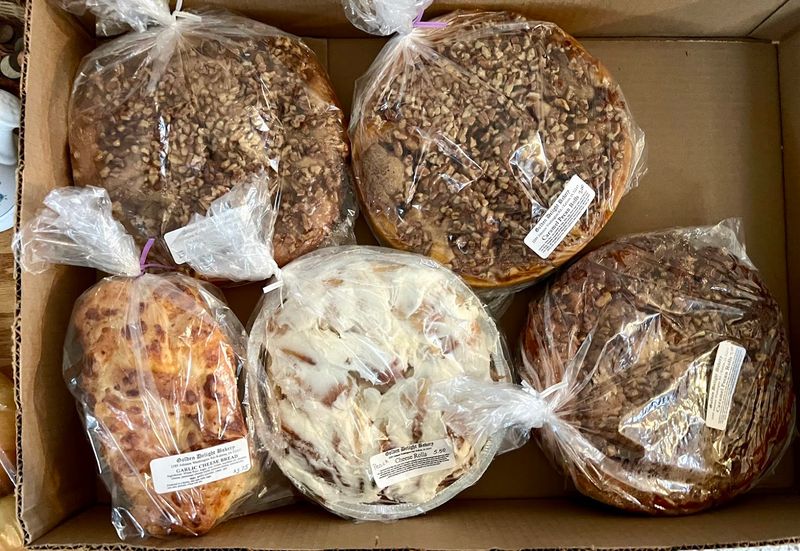
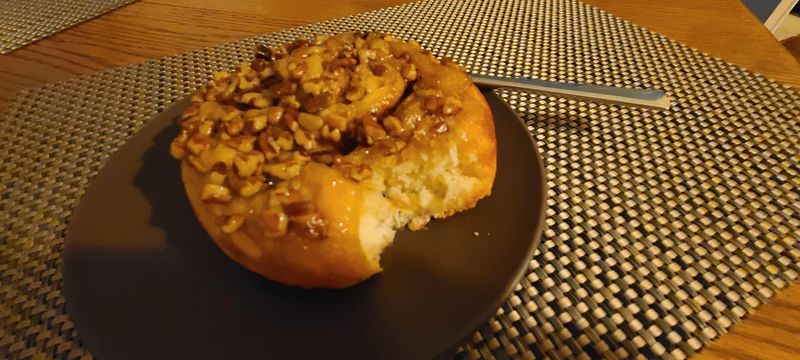
If you want something richer, a caramel pecan roll next to a glazed donut is hard to argue with. They come from the same dough tradition but land in completely different flavor territory.
Together, they cover a lot of ground.
The right pairing makes the whole visit feel more intentional. It turns a quick stop into something worth sitting down for and actually enjoying slowly.
Why Freshness Is Key For Quality Donuts
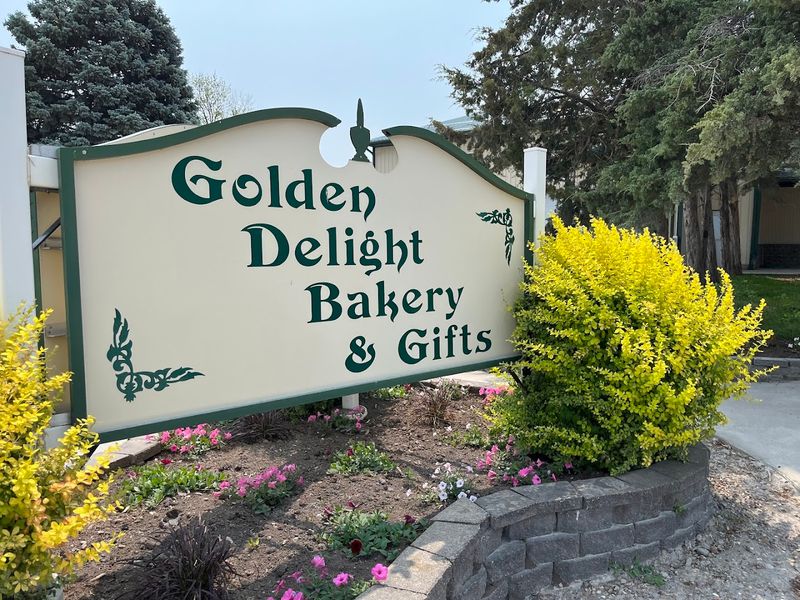
A donut from this morning and a donut from yesterday are completely different experiences. Freshness is not a bonus feature in donut making.
It is the whole thing. The moment a glazed donut cools and sits too long, the texture starts changing fast.
The glaze is the first thing to go. It absorbs moisture from the air and turns sticky or grainy.
What was once a smooth, shiny coat becomes dull and slightly tacky. That happens within hours, not days.
The dough dries out next. A fresh donut has a soft, springy pull.
An old one feels stiff and crumbles at the edges. No amount of warming it up fully brings back that original softness.
Fresh is just better, full stop.
Golden Delight Bakery is open Monday through Saturday from 7 AM to 5 PM. They are closed on Sundays.
Planning your visit around those hours means you are much more likely to catch items at their freshest.
Arriving earlier in the day is always a smart move. Morning batches are usually made with the most care and attention.
Later in the day, selections run thin. Getting there early is not just smart.
It is the move every regular already knows to make without being told.
Popular Glaze Flavors Loved By Customers
Classic vanilla glaze is the one that started it all, and it still holds the top spot for a reason. The clean, sweet flavor does not compete with the dough.
It lets the quality of the base shine through. Simple works when the foundation is strong.
Chocolate glaze is the loyal runner-up. It adds richness and a slightly bitter edge that balances the sweetness of the dough.
People who want something a little more indulgent always reach for the chocolate first. It just delivers every single time.
Strawberry glaze has been gaining serious ground lately. Fruit-based glazes bring a brightness that heavier flavors cannot match.
They feel lighter on the palate, which makes it easier to go back for another bite. That kind of balance is hard to pull off, and when it works, it really works.
Lemon glaze is the underdog of the group. It is tangy, sharp, and surprisingly refreshing.
On a warm day, a lemon-glazed donut hits differently than anything else on the tray. People who try it once tend to become regulars for it specifically.
Maple glaze brings a warm, slightly smoky sweetness that feels nostalgic. It pairs naturally with the fried dough flavor.
Some people argue it is the most honest glaze because it tastes exactly like what a donut should. Hard to disagree with that logic.
Tips For Storing Donuts To Maintain Taste
Storing a glazed donut the wrong way is one of the fastest ways to ruin it. Most people toss them in the fridge without thinking twice.
That is actually one of the worst moves you can make. The cold air dries the dough out fast and makes the glaze sticky.
Room temperature storage in an airtight container is the right call for short-term keeping. This keeps the moisture inside the donut where it belongs.
A loose paper bag works in a pinch, but does not seal in freshness the same way.
If you need to keep donuts for more than a day, freezing is a better option than refrigerating. Wrap each donut individually in plastic wrap before placing them in a freezer bag.
This prevents freezer burn and keeps the glaze from getting damaged by ice crystals.
Reheating a frozen donut is simple. Let it thaw at room temperature for about 20 minutes.
Then pop it in the microwave for 10 to 15 seconds. That brings back a decent amount of the original softness without making the glaze runny.
The truth is that no storage method fully replaces eating a donut fresh. But knowing how to store them properly means you can enjoy that Golden Delight experience for just a little longer.
Every extra bite is worth the effort of doing it right.