
This Remote Michigan Upper Peninsula Town Feels Almost Cut Off From The World
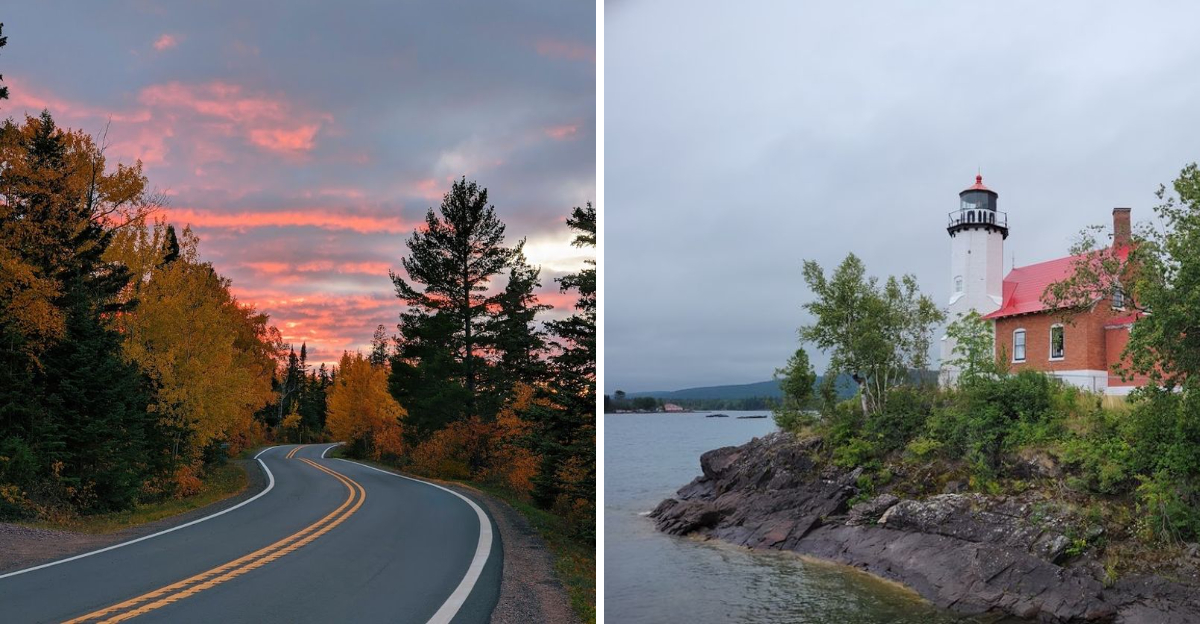
How far would you drive to reach a place where the road ends and Lake Superior takes over? At the far edge of Michigan’s Keweenaw Peninsula, one tiny community makes everyday life feel wonderfully distant.
Only about 136 people live here, so traffic jams are not exactly a local concern. The nearest traffic light is more than 100 miles away, and cell service tends to appear only when it feels cooperative. Strangely, that is part of the appeal.
The journey takes commitment, but the reward begins as soon as the noise fades. Forests stretch in every direction, waves strike the rocky shoreline, and darkness brings skies filled with stars. There is no pressure to hurry and no endless stream of notifications.
This remote Michigan town does not offer escape as a polished attraction. It simply gives you room to breathe, slow down, and remember how peaceful life can feel.
Lake Superior Makes The Town Feel Like The Edge Of Michigan
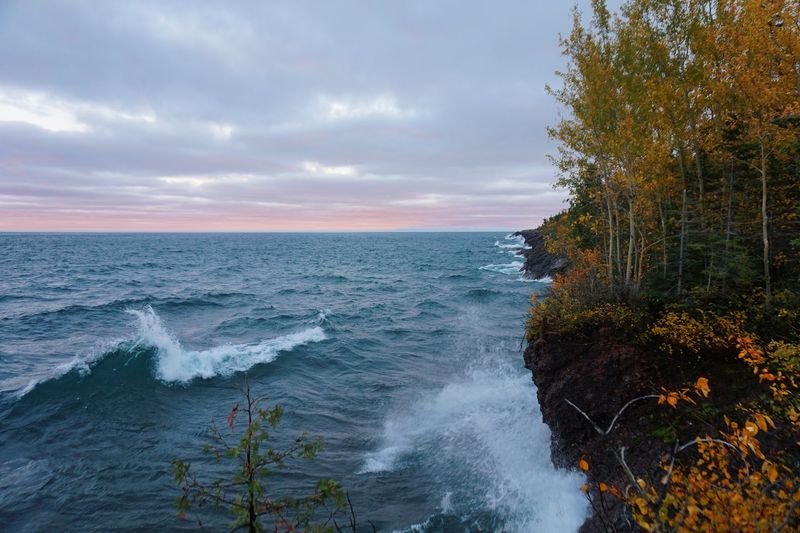
Superior earns its name through sheer scale and power, holding more water than all the other Great Lakes combined. From Copper Harbor’s shore, the lake stretches to the horizon like an inland ocean, with waves that can rival saltwater seas.
Cold, clear, and unforgiving, this massive body of water defines everything about life at the peninsula’s tip.
The lake creates its own weather systems and dramatically influences the local climate throughout the year. Summer temperatures stay refreshingly cool thanks to the chilled water, while winter brings legendary snowfall amounts.
You can feel the lake’s presence even when you’re not looking at it.
Walking along the rocky beaches here puts the town’s remoteness into sharp perspective. Across those dark blue waters lies Canada, and between here and there, nothing but waves and wilderness.
The lake serves as both a barrier and a highway, connecting this Michigan community to a larger world while simultaneously emphasizing just how far removed it sits from urban centers.
The Road Literally Ends At Copper Harbor
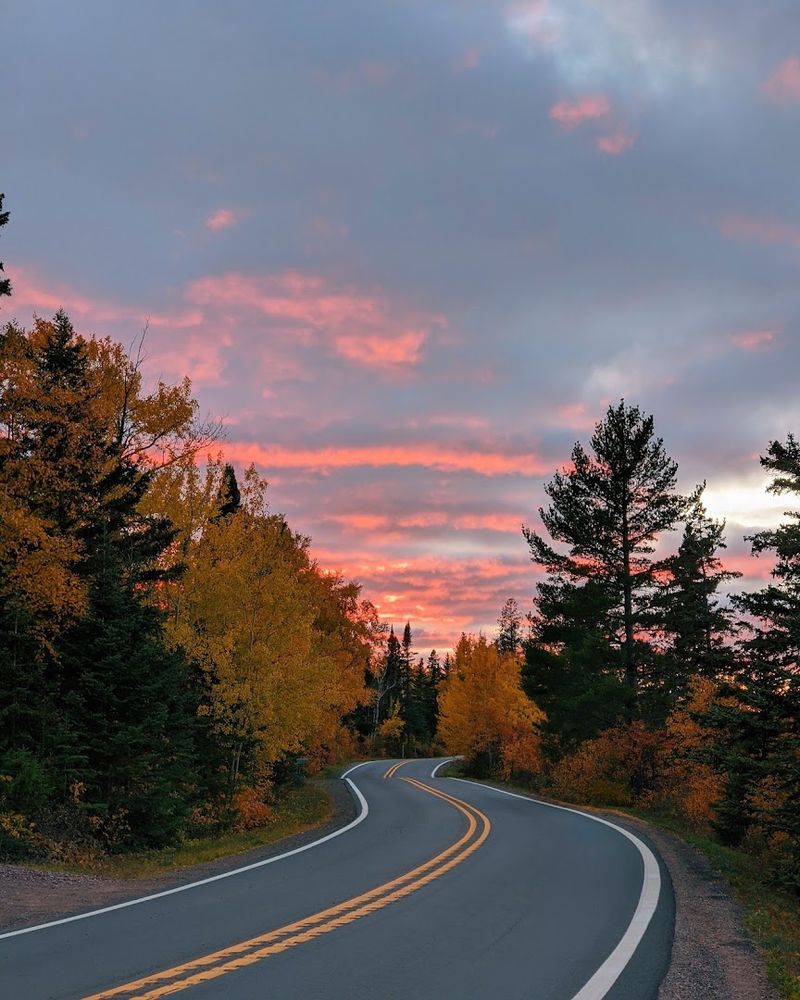
US Highway 41 stretches nearly 2,000 miles from Miami to the Upper Peninsula, and it all culminates right here in this unincorporated community. You can’t drive any farther north in Michigan without getting wet.
The pavement simply stops at the water’s edge, creating a powerful sense of finality that few American towns can claim.
Standing at this endpoint feels strangely satisfying, like reaching the last page of a really good book. The highway doesn’t fade into a smaller road or peter out gradually.
It just ends with authority, replaced by boat launches and rocky beaches. Grant Township embraced this geographic quirk as part of its identity.
Visitors often snap photos at the literal end of the road, marking their arrival at one of Michigan’s most remote destinations. The journey to get here becomes as meaningful as the destination itself, with each mile northward increasing the sense of adventure and isolation from everyday routines.
Brockway Mountain Reveals Just How Remote This Place Really Is
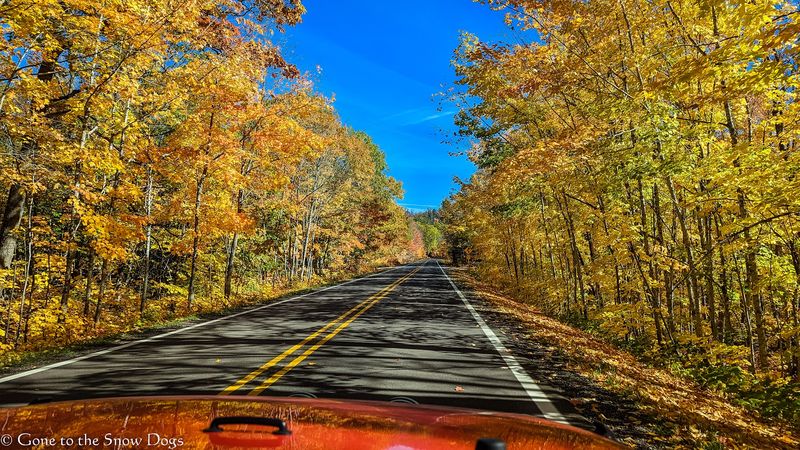
Rising 735 feet above Lake Superior, Brockway Mountain offers a perspective that words struggle to capture adequately. The drive to the summit follows a scenic route that ranks among Michigan’s most spectacular, with pullouts strategically placed for taking in the views.
What you see from the top is essentially unbroken wilderness in every direction.
Forest blankets the landscape below like a green carpet that rolls toward the water’s edge. Small clearings occasionally interrupt the trees, but no sprawling developments or shopping centers break the natural pattern.
The view makes it crystal clear why this region feels so isolated.
On clear days, you can spot the town far below, looking impossibly small against the massive backdrop of lake and forest. Hawks and eagles ride the thermals along the mountain’s face, and in autumn, migrating raptors funnel through this corridor by the hundreds.
The mountain drive remains accessible from spring through fall, offering visitors an unforgettable reality check about just how far they’ve traveled from civilization.
The Night Sky Gets Dark Enough To Steal The Entire Show
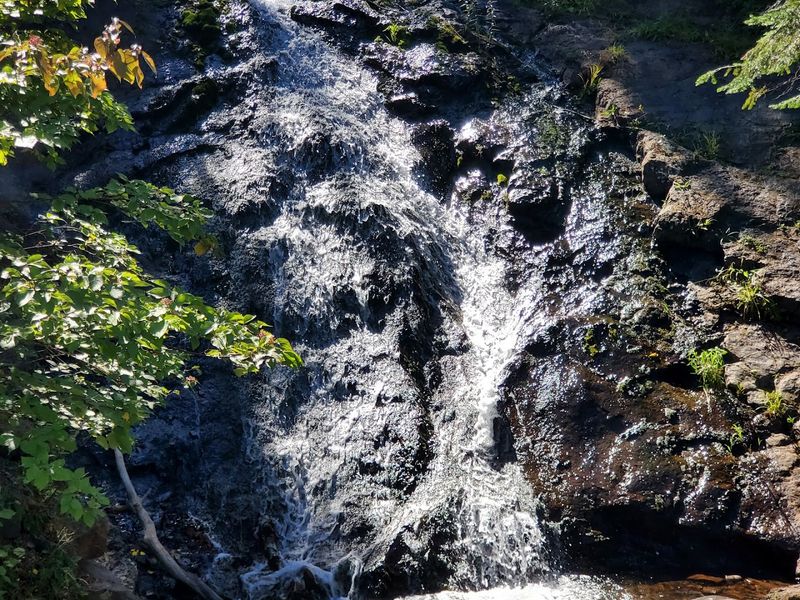
Light pollution barely exists this far north in Michigan, creating conditions that stargazers dream about but rarely experience. When night falls over Copper Harbor, it falls completely, wrapping the landscape in darkness so profound that your eyes need genuine adjustment time.
Then the stars emerge, not by the dozens but by the thousands.
The Milky Way stretches overhead like a luminous river flowing through space, visible to the naked eye on clear nights. Satellites track across the sky, planets shine with steady brilliance, and meteor showers deliver performances undiminished by competing lights.
Even people who think they’ve seen dark skies before often gasp at what’s visible here.
Summer brings shorter nights but still offers spectacular viewing, while winter’s extended darkness provides even more opportunities for celestial observation. The northern lights occasionally make appearances this far south, adding aurora displays to an already impressive astronomical menu.
Bring a star chart or download an astronomy app, because you’ll want to identify at least some of what you’re seeing up there.
A Ferry Carries Travelers Even Farther Into The Wilderness
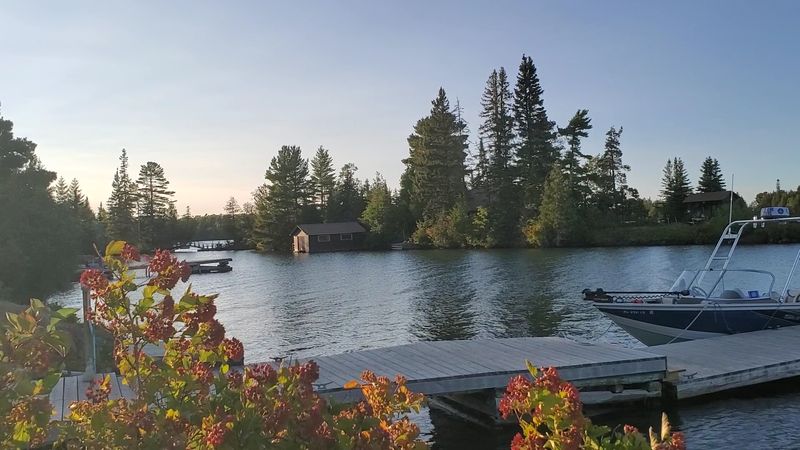
Isle Royale National Park lies 56 miles offshore, and Copper Harbor serves as one of the jumping-off points for reaching this roadless wilderness. The ferry service operates seasonally, carrying adventurous visitors across Superior’s sometimes-temperamental waters to an island that makes the mainland town look positively bustling.
Only accessible by boat or seaplane, Isle Royale sees fewer annual visitors than Yellowstone gets in a single day.
The crossing takes several hours depending on conditions and which boat you choose. Passengers often spot wildlife along the way, and the gradual approach to the island builds anticipation effectively.
Once there, backpacking trails, pristine campsites, and legendary fishing await those ready for genuine backcountry experiences.
Even if you don’t make the island trip, watching the ferry depart emphasizes Copper Harbor’s role as a gateway to even more remote territories. The boat schedule dictates planning for island visitors, and weather occasionally delays departures.
This isn’t Disney World with guaranteed schedules and climate control.
An 1844 Army Outpost Still Stands Near The Water
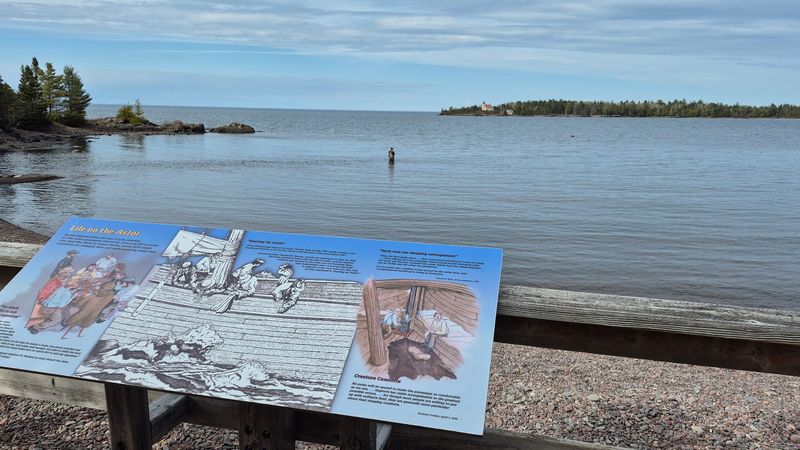
Fort Wilkins was established during the copper mining boom to keep peace between miners and maintain order in what was then truly the middle of nowhere. The military presence lasted only a few years, but the fort itself survived remarkably intact.
Today it operates as a state park, with restored buildings that transport visitors back to Michigan’s frontier era.
Walking through the wooden stockade and period structures provides tangible connection to the region’s past. Costumed interpreters sometimes demonstrate 1840s military life during summer months, and the site hosts educational programs about the area’s copper mining heritage.
The fort’s location right on the harbor makes the setting especially photogenic.
Imagine being stationed here in 1844, when Copper Harbor was even more isolated than it is now. No internet, no phones, no roads connecting to the rest of Michigan.
Soldiers stationed here truly were at the edge of American civilization. The fort reminds modern visitors that this remote feeling has deep historical roots, and people have been coming to the end of the road here for nearly two centuries.
The Historic Lighthouse Keeps Watch Across The Harbor
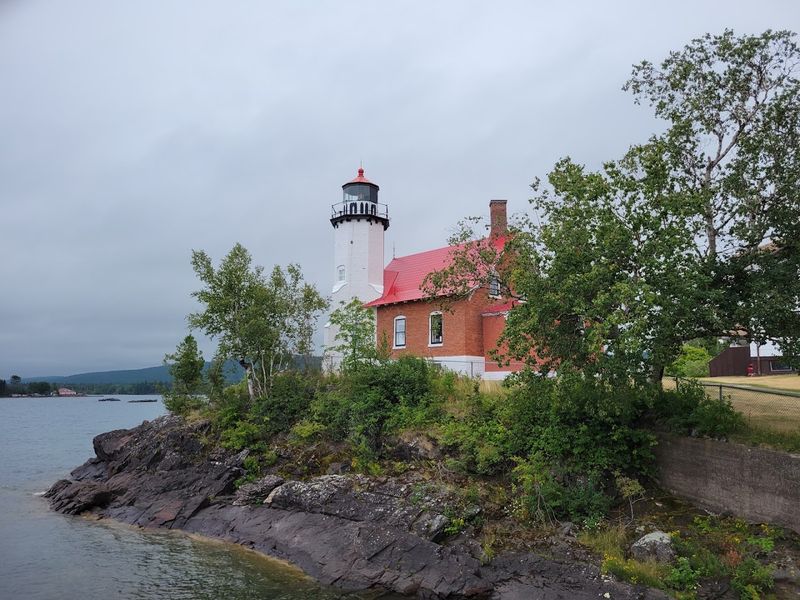
Built in 1866, the Copper Harbor Lighthouse has guided vessels through these tricky waters for more than 150 years. Reaching it requires a short boat ride, adding a sense of adventure to the visit.
The lighthouse sits on a rocky point, surrounded by Superior’s waters on three sides, creating a setting that practically defines Michigan maritime history.
Tours operate during warmer months, taking visitors through the keeper’s quarters and up into the light tower itself. The views from the top showcase why this location was chosen, with clear sightlines across the harbor entrance and surrounding waters.
Original furnishings and period details help illustrate what lighthouse keeper life involved.
The isolation that makes Copper Harbor special today made lighthouse keeping here particularly challenging in earlier times. Keepers and their families lived months at a time with minimal contact with the outside world, maintaining the light through Superior’s notorious storms.
The lighthouse stands as a monument to both maritime necessity and human resilience in one of Michigan’s most unforgiving environments.
More Than 60 Miles Of Trails Begin Beyond The Quiet Streets
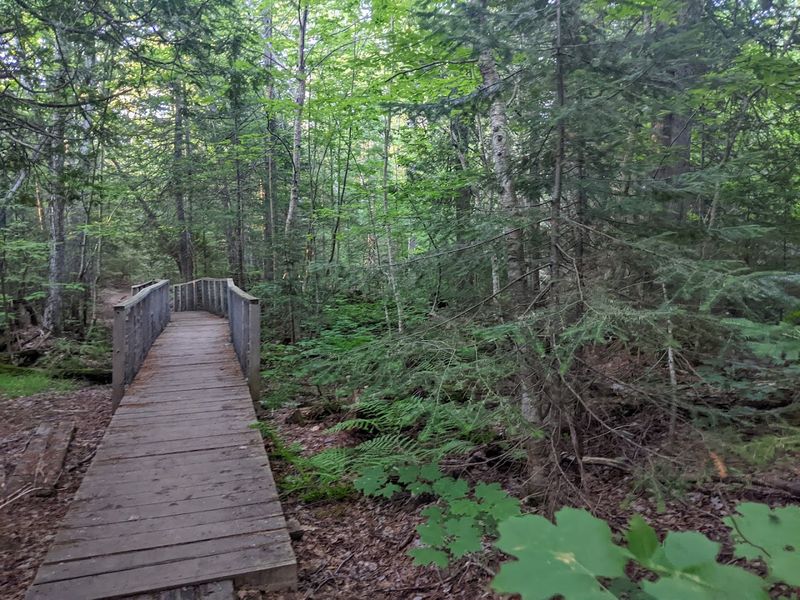
Copper Harbor has earned serious recognition among mountain biking enthusiasts, with trail networks that rival destinations anywhere in the United States. The Copper Harbor Trails system features dozens of miles of purpose-built singletrack winding through forests, over ridges, and along Lake Superior’s shore.
Technical challenges range from beginner-friendly to expert-only, with stunning scenery included regardless of difficulty level.
Hiking opportunities are equally impressive for those who prefer exploring on foot. Trails lead to waterfalls, overlooks, abandoned mine sites, and secluded beaches.
Spring and summer bring wildflowers, while autumn paints the hardwood forests in spectacular colors. The trail system continues expanding, with volunteers and organizations regularly adding new sections.
What makes these trails special isn’t just their quality but their setting. You can ride or hike for hours without seeing another person, surrounded by wilderness that feels genuinely wild.
The trails provide the perfect way to experience the remoteness that defines this Michigan location, offering active adventure in a landscape that remains largely unchanged from centuries past.
Winter Buries The Peninsula Beneath Serious Lake Effect Snow
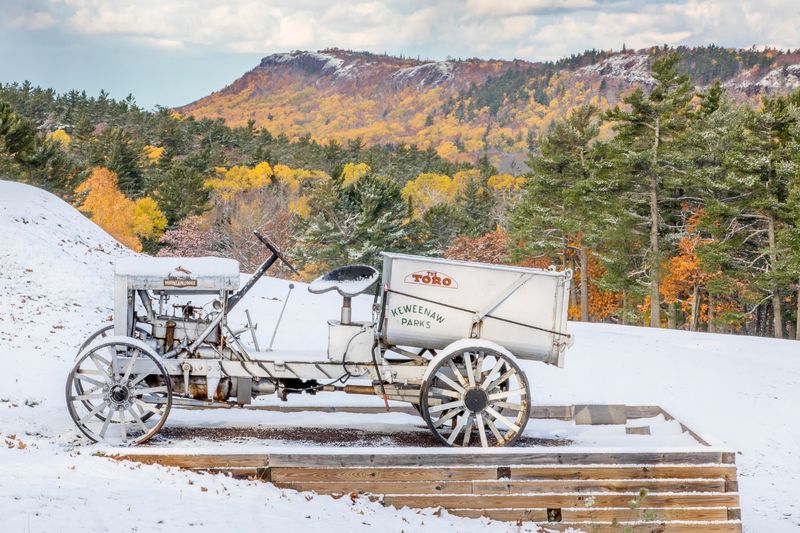
Lake Superior’s cold waters generate legendary snowfall throughout the Keweenaw Peninsula, and Copper Harbor regularly records totals exceeding 200 inches annually. That’s not a typo.
The town essentially hibernates under a white blanket that buries cars, first-floor windows, and sometimes entire structures. Population drops to a hardy core of year-round residents who embrace the isolation.
Snowmobile trails become the primary transportation routes, and the town transforms into a winter sports paradise for those brave enough to visit. Cross-country skiing, snowshoeing, and fat-tire biking replace summer activities.
The harbor freezes solid, and ice formations along the shore create otherworldly sculptures that look like something from a fantasy movie.
Getting here in winter requires serious preparation and the right vehicle, as snow removal struggles to keep pace with accumulation. Some businesses close entirely until spring, while others operate on limited schedules.
The winter experience emphasizes the remote character even more dramatically than summer, offering a glimpse of true Michigan wilderness living that few modern people ever encounter.
The Long Scenic Drive North Is Half The Adventure
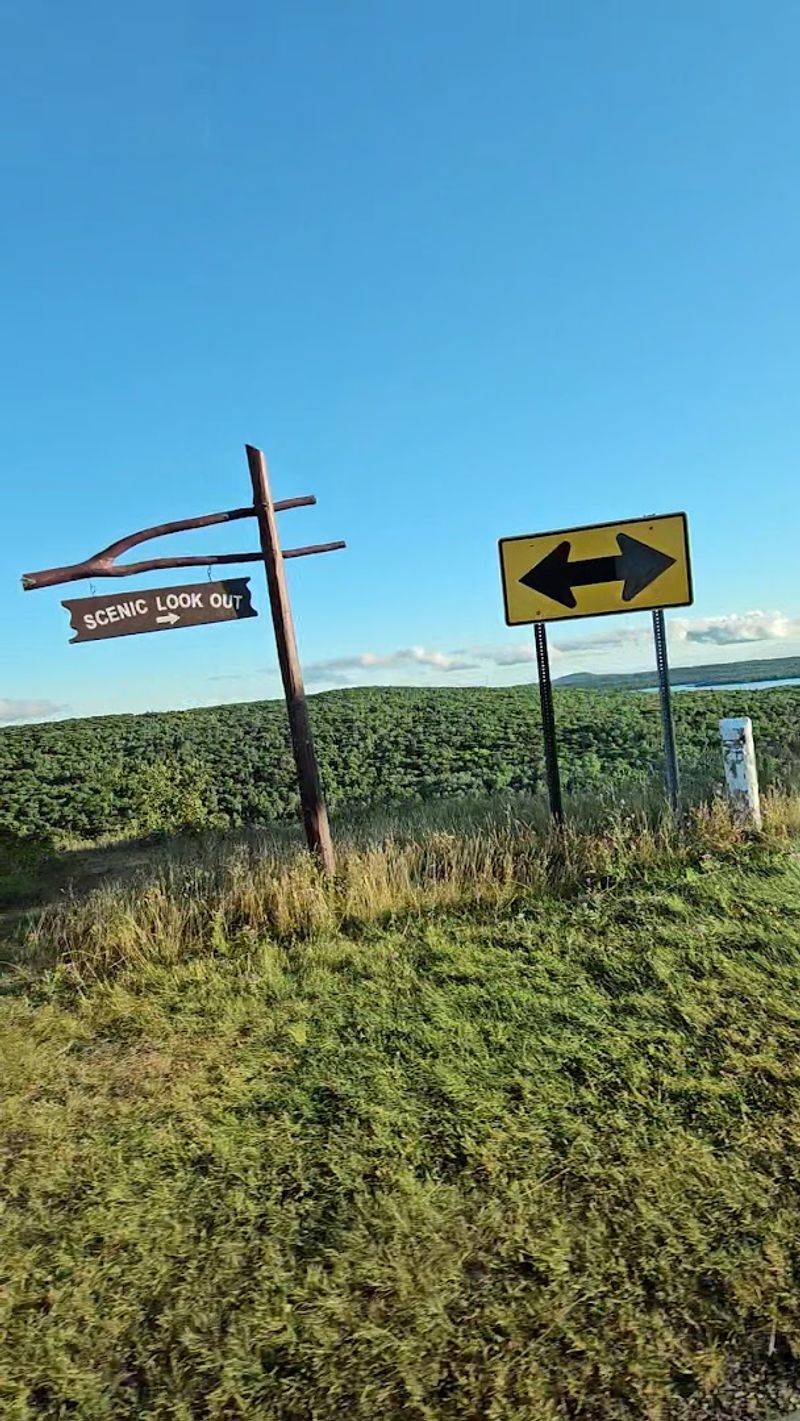
Reaching Copper Harbor from anywhere requires commitment and time, as the town sits roughly 100 miles north of the Mackinac Bridge on increasingly remote roads. The drive itself becomes part of the experience, with scenery that improves with each northward mile.
Small towns appear occasionally, offering last chances for supplies and services before the road narrows and civilization thins.
Fall brings peak color that transforms the drive into a moving canvas of reds, oranges, and golds. Spring showcases waterfalls at their most powerful, fed by snowmelt rushing toward Superior.
Summer offers comfortable temperatures and long daylight hours for exploring roadside attractions. Each season provides its own character for the journey.
The drive gives you time to decompress and mentally prepare for the different pace waiting at the end. Cell service becomes spotty, radio stations fade, and traffic nearly disappears.
By the time you reach Copper Harbor, you’ve already left the connected world behind. The journey north serves as a gradual transition from modern life to something quieter, simpler, and infinitely more peaceful than what most of Michigan offers.