
The Mississippi Town With 40 Parks And 30 Miles Of Trails That Continues To Set The Standard For Urban Nature
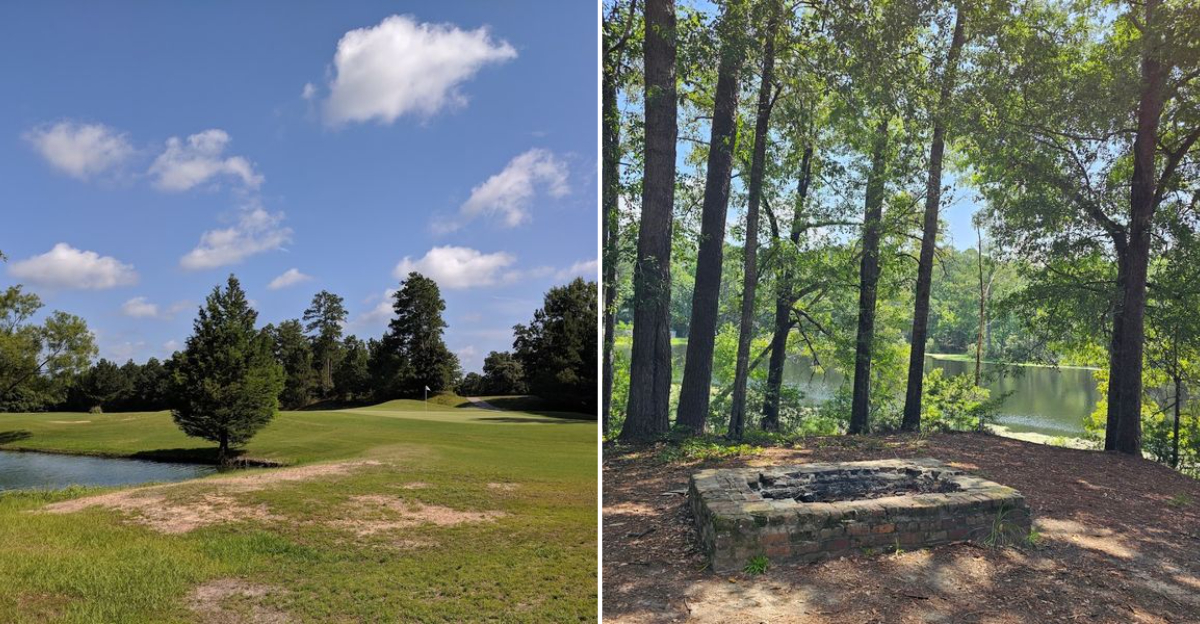
A chaotic week at the office usually triggers a deep need to leave the concrete behind and escape into the trees. Most people assume that finding true isolation requires a long journey to a remote national park.
Instead, this progressive corner of Mississippi proves that a city can weave wilderness directly into the daily routine. A person can step off a busy commercial sidewalk and immediately enter a silent forest of old oak trees.
Within moments, the hum of the morning commute completely fades into the background noise of rushing creeks. Interconnected pathways allow residents to move between neighborhoods without ever encountering a single car.
This deliberate design changes how people live by making peace an effortless choice rather than a weekend luxury. The community stands as living proof that modern progress does not have to ruin the natural world.
Diverse Trail Systems For All Skill Levels
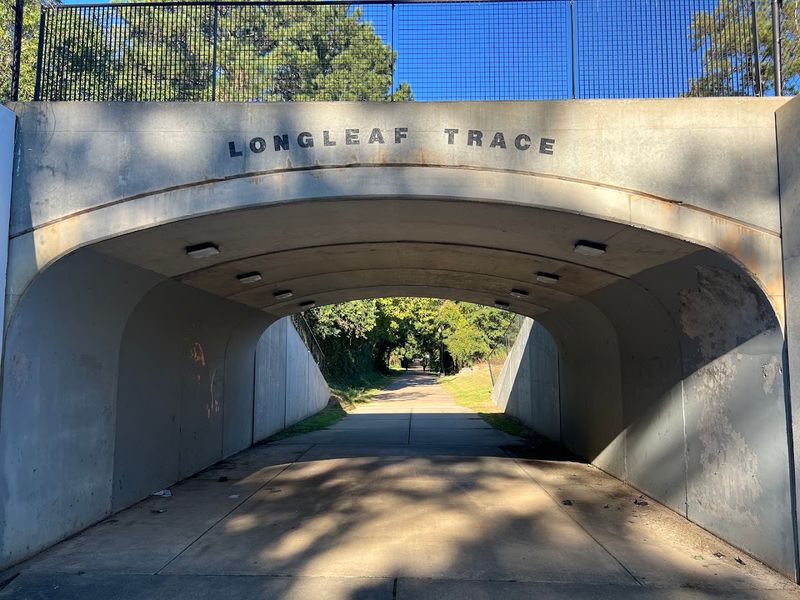
This place does not mess around when it comes to trails. The Longleaf Trace stretches 44 miles of paved pathway connecting the city to Prentiss.
Runners, cyclists, hikers, and even equestrians all share this route comfortably.
The trail surface is smooth and well-maintained year-round. Beginners love the flat, easy sections near the city center.
More experienced users push further out where the scenery gets wilder and quieter.
Then there is the Golden Eagle Trail Complex, which is a completely different vibe. These singletrack paths are built for mountain biking and serious trail running.
Sharp turns, natural obstacles, and elevation changes keep things exciting.
Hattiesburg also connects several neighborhood greenways through its park system. You can hop between parks without touching a major road.
That kind of connectivity is rare in cities this size.
Local trail maps are available at the visitor center and online. Signage along the routes is clear and easy to follow.
Nobody gets lost, which is always a good sign.
The city continues expanding its trail network every year. New segments get added based on community feedback.
That responsiveness keeps the trail system fresh and relevant for everyone who uses it regularly. You can find all of this in Hattiesburg, Mississippi.
Flora And Fauna Unique To The Region

The Piney Woods region surrounding Hattiesburg is genuinely one of the most biodiverse areas in the entire South. Longleaf pine trees dominate the landscape and grow impressively tall.
These trees once covered millions of acres across the Gulf Coast states.
Walking through a longleaf pine forest feels different from other forests. The canopy is open and airy, letting sunlight reach the ground.
That light supports a rich layer of wildflowers, grasses, and shrubs below.
Loblolly pines, dogwoods, and several oak varieties fill in the gaps between longleaf stands. Sweetgum trees add brilliant color in the fall.
Water oaks line many of the creek banks throughout the area.
Wildlife is everywhere once you slow down enough to notice. White-tailed deer move through the forest edges at dusk.
Fox squirrels, which are bigger than your average backyard squirrel, are spotted regularly on trails.
Rare plant species grow near some of the protected natural areas around Hattiesburg. Pitcher plants and native orchids appear in wet pine savannas.
Finding them feels like a small discovery every time.
Birders have a field day here too. The region sits along a migratory corridor, so seasonal visitors add to the already impressive resident bird population.
Spring mornings are especially active and worth waking up early for.
Community Events Promoting Outdoor Engagement

Hattiesburg keeps its community connected to the outdoors through a steady calendar of events. These are not just one-off festivals.
They happen regularly and draw real crowds from across the region.
The Downtown Hattiesburg Farmers Market is a weekly gathering that mixes local produce with outdoor culture. Vendors set up near green spaces, and the atmosphere encourages people to linger outside.
It is casual, social, and genuinely fun.
Town Square Park hosts Live at Five, a popular outdoor concert series. Local musicians perform while families spread out on the grass.
It turns a regular weeknight into something worth showing up for.
The Piney Woods Conservation Group organizes group hikes throughout the year. These hikes are open to all skill levels and often include a naturalist guide.
Participants learn about local ecosystems while getting a solid workout.
Watershed cleanups happen on a regular schedule and attract volunteers of all ages. The group also organizes group paddles on local waterways.
Getting on the water gives people a completely different perspective on the landscape.
Schools and community organizations partner with these groups for youth programming. Kids get hands-on outdoor experiences that go beyond a standard classroom.
Hattiesburg treats outdoor engagement as a community priority, not an afterthought, and the event turnout proves that approach is working well.
Benefits Of Urban Green Spaces For Health

Urban green spaces do a lot more than look nice on a city map. Research consistently shows that access to parks and trails improves both physical and mental health.
Hattiesburg has built a system that makes those benefits available to almost everyone in the city.
Regular time outdoors lowers cortisol levels, which is the stress hormone that makes everything feel harder. Even short walks through a park can shift your mood noticeably.
That effect compounds when green space is nearby and easy to reach.
Physical activity increases naturally when trails and parks are accessible. People walk, bike, and run more when infrastructure supports it.
Hattiesburg’s connected trail system removes most of the friction that stops people from being active.
Air quality improves significantly in areas with dense tree cover. Trees absorb carbon dioxide and release oxygen while filtering out particulate matter.
The longleaf pines and hardwoods throughout Hattiesburg’s parks contribute to cleaner air city-wide.
Social health benefits are real too. Parks create spaces where neighbors actually interact.
Community events held in green spaces strengthen those connections further.
Children who spend time in nature show improved focus and reduced anxiety. Parents in Hattiesburg have easy access to parks where kids can play freely.
That availability makes a meaningful difference in daily family life and long-term well-being for the whole community.
Conservation Efforts Maintaining Natural Beauty
Keeping 40 parks beautiful does not happen by accident. Hattiesburg has built a network of organizations and city programs that actively protect its green spaces.
The work is ongoing and visible throughout the city.
The Piney Woods Conservation Group leads much of the grassroots effort. They coordinate regular watershed cleanups that target the creek systems running through and around the city.
Litter removal happens on a scheduled basis, not just when things get bad.
Hattiesburg Zoo staff participate in river and roadside cleanup events throughout the year. That involvement from a city institution sends a clear message about community values.
Conservation is treated as a shared responsibility, not just a government task.
The Nature Conservancy has partnered with local groups to protect rare species habitats near Hattiesburg. Longleaf pine savannas and wet meadows receive special attention because of their ecological importance.
These ecosystems support species found almost nowhere else in the country.
Invasive plant species are actively managed across the park system. Removing them allows native plants to recover and thrive.
That effort directly benefits the wildlife that depends on native vegetation for food and shelter.
City planning decisions increasingly factor in green space preservation. New development is evaluated for its impact on existing natural areas.
Hattiesburg is building a future that keeps nature central to the city’s identity, not pushed to the edges.
Family Friendly Activities In Open Parks
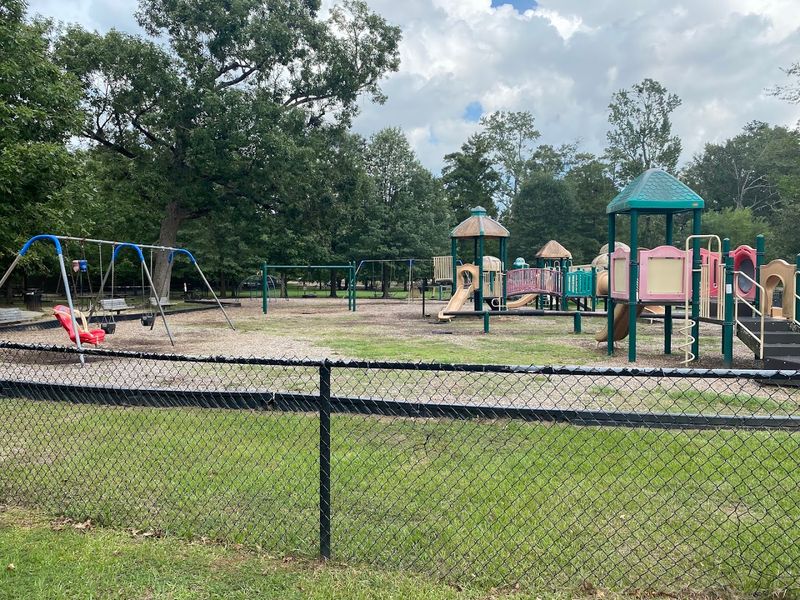
Hattiesburg parks are genuinely built for families, not just for fitness enthusiasts or nature purists. The variety of activities available means everyone finds something worth doing.
That range keeps repeat visits feeling fresh.
Kamper Park is the crown jewel for family outings. It is home to the Hattiesburg Zoo, which houses over 90 animal species.
Train rides and a high ropes course make the zoo experience stretch well beyond just looking at animals.
The zoo regularly updates its programming and exhibits. Interactive elements keep younger kids engaged for hours.
Parents appreciate that the layout is manageable without being exhausting.
Optimist Park offers a completely different energy. Playgrounds and sports fields make it a go-to spot for active kids.
Weekend pickup games happen organically, and the park has the space to support them.
Picnic areas throughout the park system are well-maintained and popular. Families reserve them for birthday parties and casual gatherings regularly.
Shade trees make afternoon picnics comfortable even in warmer months.
Several parks include paved paths suitable for strollers and young cyclists. Parents can walk or bike alongside kids without worrying about road traffic.
That safety factor matters enormously to families choosing where to spend their outdoor time. Hattiesburg has clearly thought through what families actually need from a park, and the results show in how busy these spaces stay throughout the week.
Fitness Opportunities Along Scenic Routes

This spot is a genuinely good city for people who take fitness seriously. The trail infrastructure supports almost every outdoor workout style imaginable.
You are not stuck choosing between a treadmill and a parking lot jog.
The Longleaf Trace is the obvious starting point for distance training. Forty-four miles of smooth pavement give runners and cyclists room to build serious mileage.
The flat terrain near the city transitions to rolling stretches further out, which adds useful variety.
Tatum Park brings a different challenge to the table. Over ten miles of natural surface trails wind through mature forest.
The terrain shifts enough to work different muscle groups compared to paved routes.
An 18-hole disc golf course at Tatum Park adds a skill-based fitness option. Playing a full round covers several miles of walking without feeling like structured exercise.
It is a legitimate workout disguised as a good time.
Group fitness events happen regularly along these routes. Running clubs meet weekly on the Longleaf Trace.
Cycling groups organize weekend rides that range from casual to competitive in pace.
The combination of paved and natural surface trails means cross-training is built into the geography. Switching between surfaces keeps workouts interesting and reduces overuse injuries.
Hattiesburg essentially designed a city where staying active is the path of least resistance, which is a genuinely smart approach to public health infrastructure.
Wildlife Observation And Environmental Education
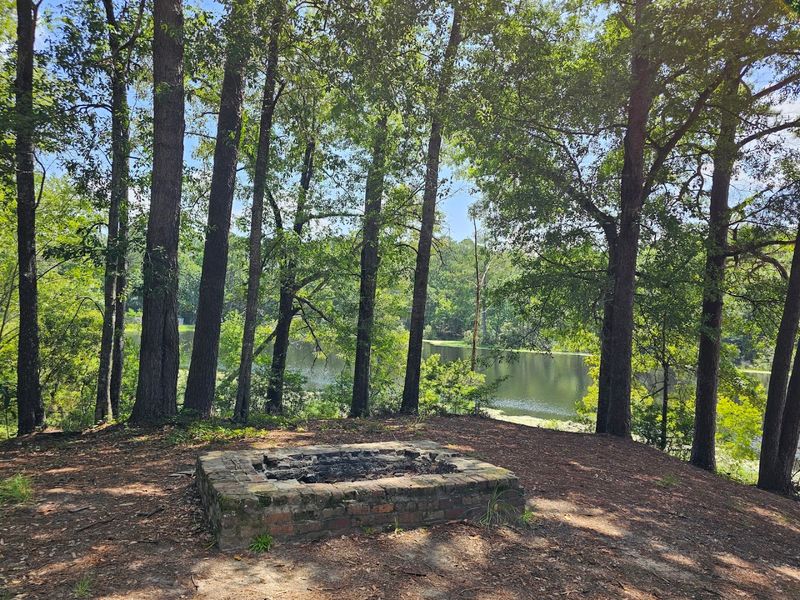
Tatum Park is one of the best birdwatching spots in the entire state of Mississippi. The mix of mature pine forest, open meadows, and water features creates habitat for a wide variety of species.
Serious birders show up with their life lists and rarely leave disappointed.
Migratory birds pass through the region in spring and fall, adding seasonal excitement to regular outings. Resident species like red-headed woodpeckers and pine warblers are present year-round.
Learning to identify them by sound alone becomes a satisfying hobby quickly.
The Hattiesburg Zoo runs outreach programs focused on environmental education. These programs reach schools, community groups, and individual visitors.
The content covers animal behavior, conservation biology, and local ecosystem dynamics.
Zoo docents guide guests through exhibits with genuine enthusiasm and solid knowledge. They connect animal stories to broader conservation issues in accessible ways.
That approach works well for kids and adults equally.
Citizen science opportunities exist through local conservation groups. Participants help monitor bird populations, track plant species, and document wildlife sightings.
That data contributes to real research efforts happening at the regional level.
Environmental education in Hattiesburg is not limited to formal programs. Interpretive signage along trails provides information about local species and habitats.
Curious walkers pick up natural history knowledge just by paying attention to what is posted along the path during any given visit.