
This Minnesota Supper Club Keeps The Classic Shrimp Cocktail Tradition Alive
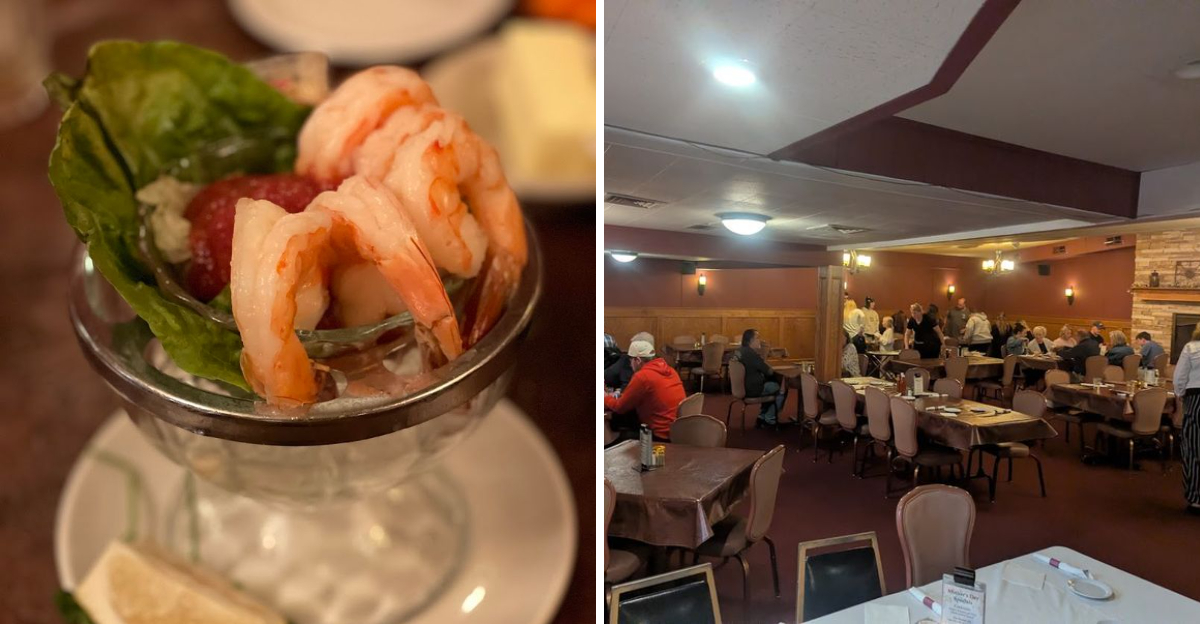
How long has it been since dinner felt like an actual occasion? At this Minnesota supper club, nobody seems interested in rushing you through the meal or reinventing a classic that already works.
The shrimp cocktail still arrives cold, the dining room still carries an old-school glow, and longtime favorites remain exactly where regulars expect them. You may come for dinner, but the real appeal is the feeling that the evening matters.
Conversations last longer here, and nobody checks the clock after the plates arrive. More than six decades of family dinners have unfolded at these tables.
Parents once brought their children, and those children now return with families of their own. That kind of loyalty says more than any trendy menu ever could.
So, what keeps people coming back after all these years? The answer may be surprisingly simple: good food, familiar traditions, and a place that still understands how dinner should feel.
Five Jumbo Shrimp Make This Classic Appetizer Feel Like A Proper First Course
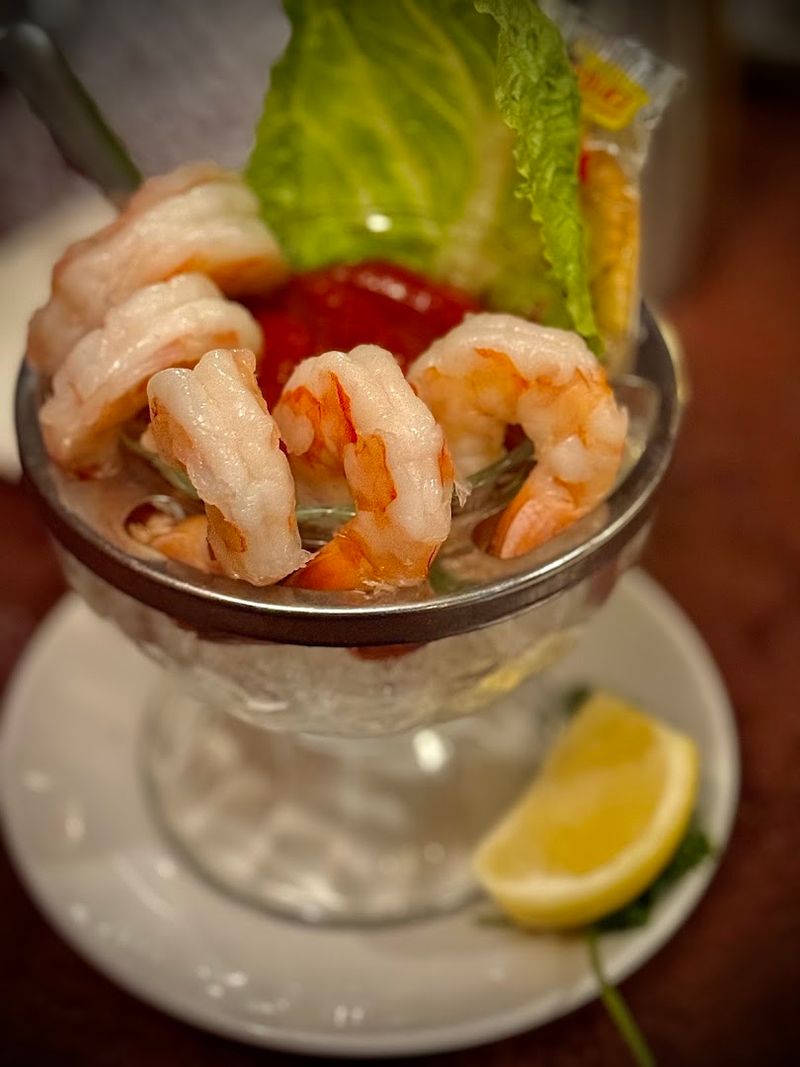
Shrimp cocktail at Wiederholt’s arrives with five jumbo shrimp arranged around a center cup of cocktail sauce. The portion size makes this appetizer substantial enough to share between two people or enjoy as a generous starter for one.
Each shrimp gets cooked and chilled before service. The presentation follows the traditional glass dish style that supper clubs have used for decades.
The size of the shrimp sets this appetizer apart from versions served at chain restaurants.
Guests often order this dish to start their meal because it represents the authentic supper club experience. The shrimp cocktail has remained on the menu throughout the restaurant’s history.
Many families who visit Wiederholt’s make ordering this appetizer part of their dining ritual, passing down the tradition through generations who appreciate classic American dining customs.
The Relish Tray Still Arrives Before The Main Course
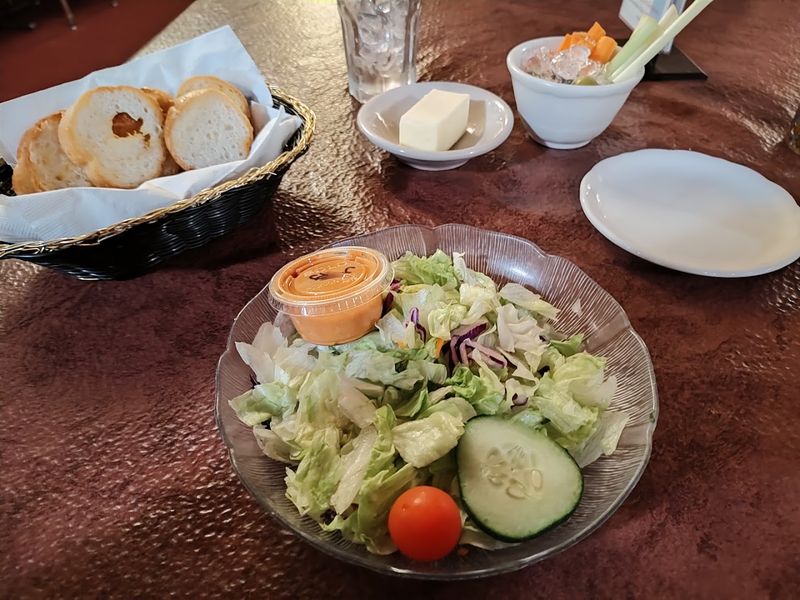
Before entrees reach the table, servers bring out a relish tray with fresh vegetables and pickles. This tradition dates back to when supper clubs wanted to give guests something to enjoy while their meals cooked.
The tray typically includes celery, carrots, olives, and other crisp vegetables.
Wiederholt’s is located at 14535 240th St E, Hastings, MN 55033, where they continue serving relish trays as part of the complete supper club experience. The vegetables arrive cold and fresh, often nestled in ice to maintain their crunch.
This starter course costs nothing extra and comes automatically with dinner orders.
Many modern restaurants have eliminated relish trays to streamline service. Keeping this tradition alive helps Wiederholt’s maintain the unhurried, generous dining style that defined supper clubs.
Ever wonder why restaurants stopped doing this?
Homemade Cocktail Sauce Keeps The Shrimp Cocktail Tradition Alive
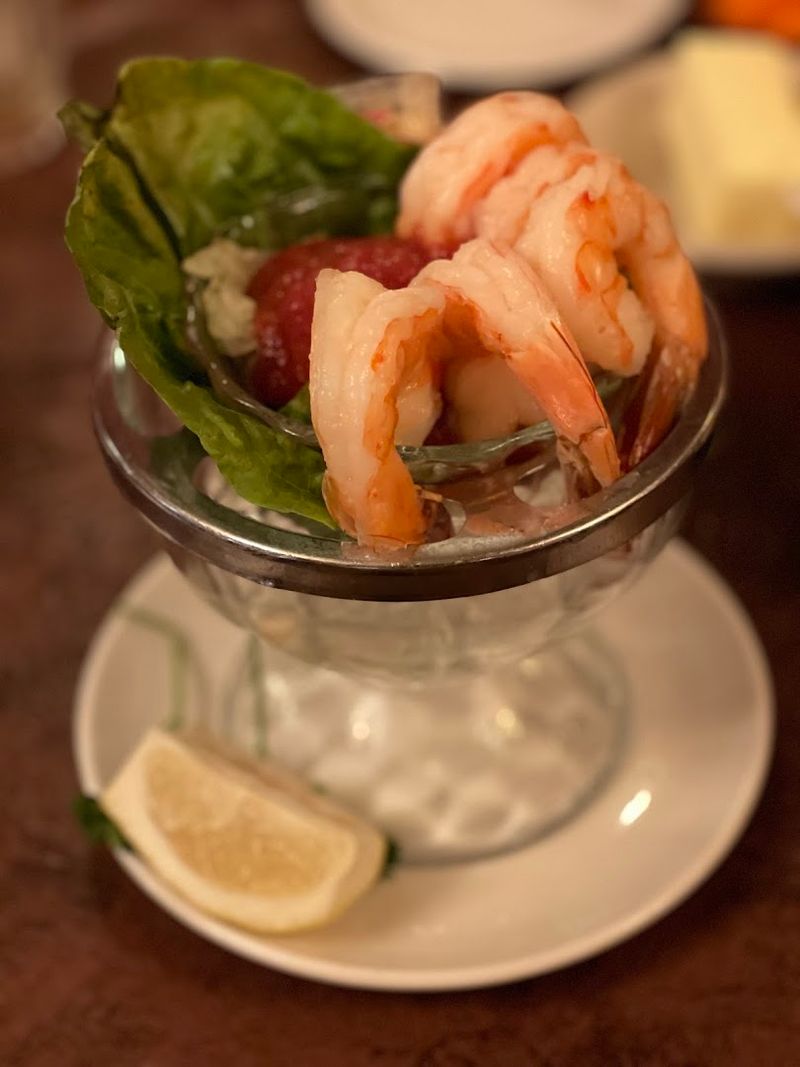
The cocktail sauce served with the shrimp gets made in-house using a recipe the restaurant has refined over the years. This sauce combines tomato base with horseradish to create the sharp, tangy flavor that complements cold shrimp.
The balance between sweet and spicy makes each bite interesting.
Making cocktail sauce from scratch takes extra effort compared to using bottled versions. Wiederholt’s commitment to homemade sauce shows their dedication to maintaining authentic supper club standards.
The sauce arrives in a small cup placed in the center of the shrimp arrangement.
Guests who grew up eating at traditional supper clubs recognize the difference between homemade and store-bought cocktail sauce. The restaurant’s version has enough horseradish kick to cut through the richness of the shrimp without overwhelming the seafood flavor itself.
Hot Rolls Help Turn Dinner Into A Full Supper Club Experience
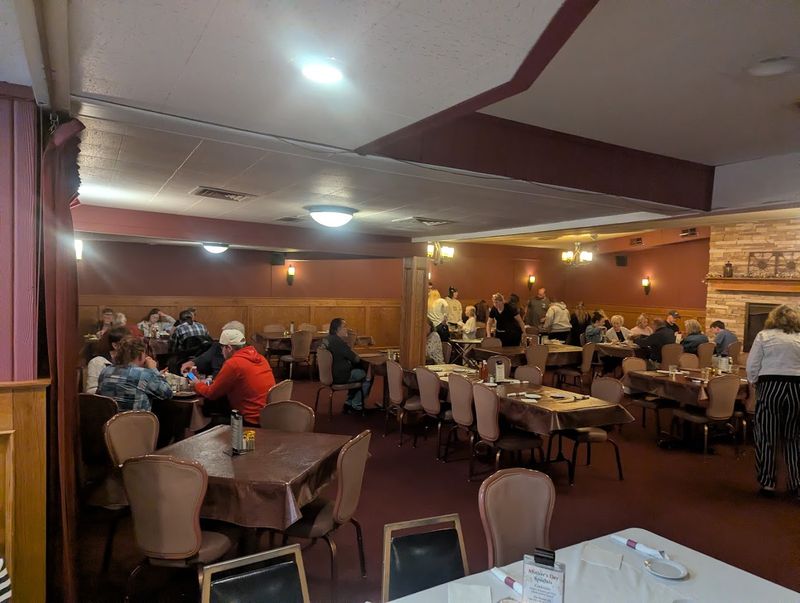
Warm rolls arrive at the table shortly after guests sit down. The bread comes in a basket, often with butter available for spreading.
These rolls provide something to enjoy while reviewing the menu and waiting for other courses to arrive.
Bread service represents another supper club tradition that many casual restaurants have reduced or eliminated. Wiederholt’s continues offering rolls as part of the meal experience rather than charging separately.
The warmth and softness of fresh bread helps set a welcoming tone for the entire dinner.
Some guests mention the rolls in their reviews, noting when they arrive properly warmed versus when they seem less fresh. The quality of bread service can vary depending on timing and kitchen workflow.
Still, having any complimentary bread service at all puts Wiederholt’s in line with classic supper club customs that prioritized abundance and hospitality.
Four Generations Have Kept The Family Business Going
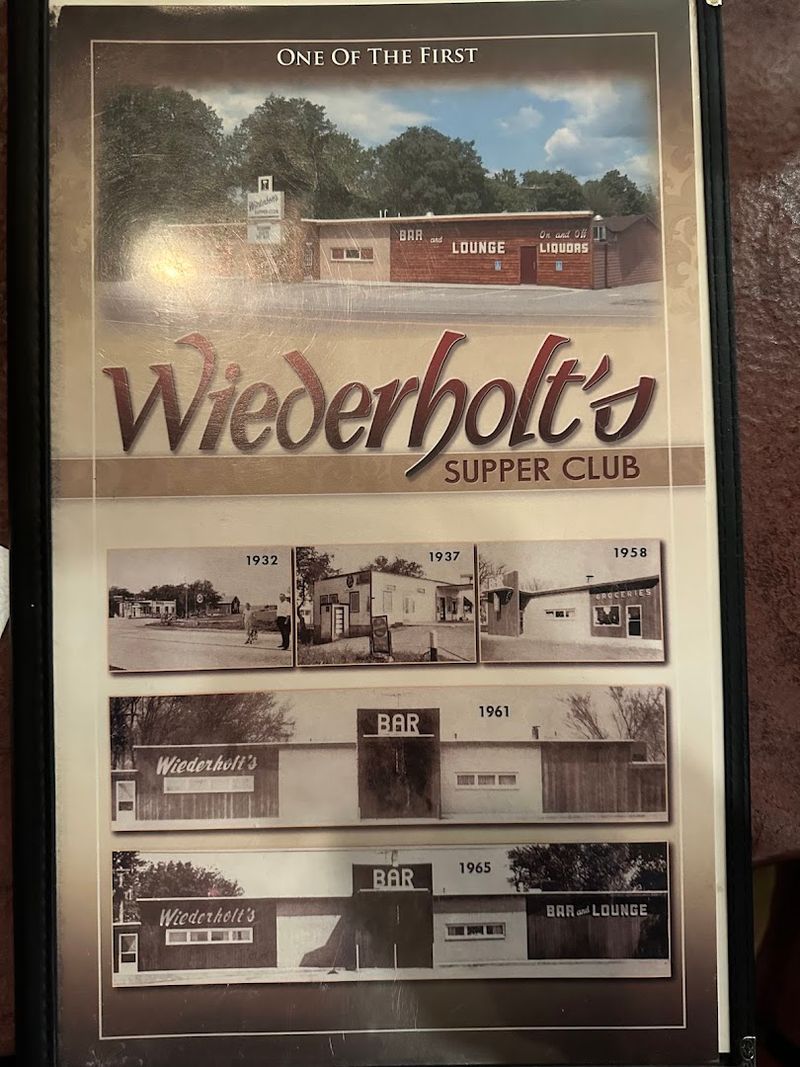
Wiederholt’s has remained in the same family since it opened, with ownership passing down through four generations. This continuity helps explain why the restaurant has maintained traditional dishes and service styles rather than chasing modern food trends.
Family businesses often preserve recipes and methods that larger operations might change.
The original owners established the foundation that their descendants continue building upon today. Each generation has contributed to the restaurant while respecting the core values that made it successful.
One of the original owners lived into her nineties and visited the restaurant regularly on Saturdays according to staff accounts.
Long-term family ownership creates institutional knowledge about what guests expect and appreciate. Staff members can learn directly from family members who remember decades of service.
This connection to the past helps Wiederholt’s deliver an authentic experience rather than a recreation of supper club dining.
The Story Began With A Grocery Store, Tavern, And Filling Station
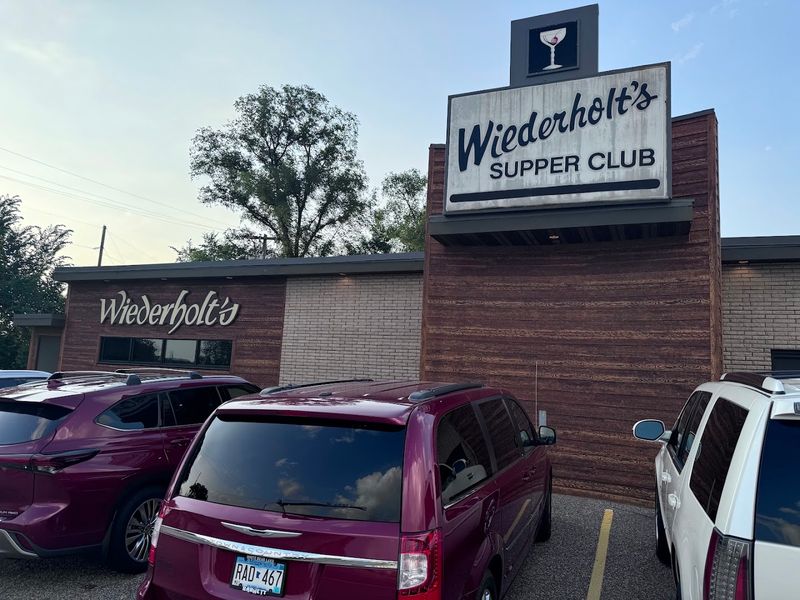
Before becoming a full supper club, the building housed multiple businesses that served the local community. The original establishment combined a grocery store, tavern, and filling station all under one roof.
This type of multi-purpose business was common in rural areas where residents needed various services in one convenient location.
The combination of services reflects how people lived and traveled in mid-twentieth century Minnesota. Drivers needed gas stations along rural routes, while locals wanted places to buy groceries and gather socially.
The tavern portion eventually evolved into the dining operation that exists today.
Many successful restaurants have origin stories involving other types of businesses. The transition from general store and gas station to dedicated dining establishment happened gradually as the family recognized where their strength lay.
Understanding this history helps explain the building’s layout and the community relationships the restaurant built over time.
The Business Had Fully Become A Supper Club By 1961
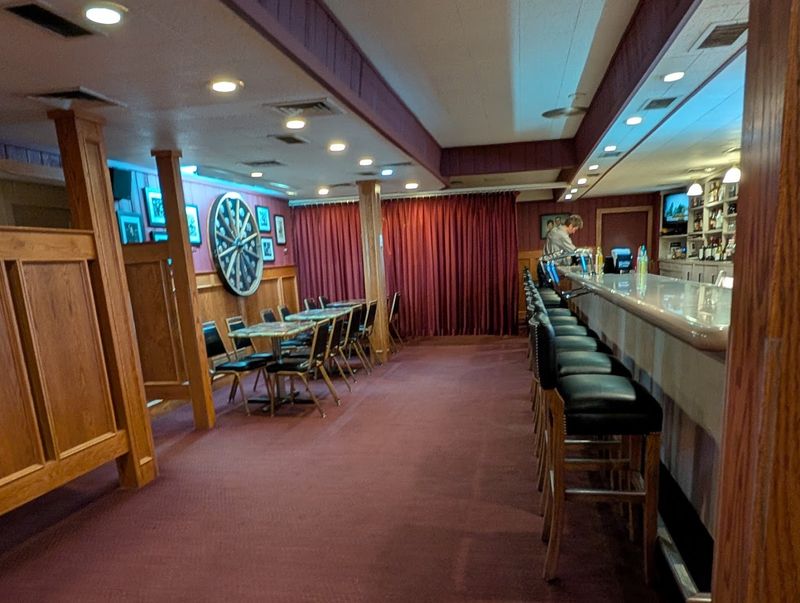
By 1961, the transformation from multi-purpose business to dedicated supper club was complete. This timing placed Wiederholt’s right in the golden age of supper club culture in the Upper Midwest.
Restaurants across Wisconsin and Minnesota were establishing the dining traditions that would define the region’s food culture for decades.
The early 1960s saw supper clubs become popular destinations for special occasions and weekend dinners. These establishments offered more formal dining than everyday restaurants but remained more approachable than fine dining venues.
Wiederholt’s found its place in this dining landscape and has maintained that position ever since.
Sixty years of operation as a supper club means the restaurant has served multiple generations of families. Guests who visited as children now bring their own grandchildren.
This longevity provides credibility that newer restaurants cannot match, though it also creates expectations about maintaining traditional standards and familiar dishes.
Steaks And Prime Rib Remain At The Heart Of The Menu
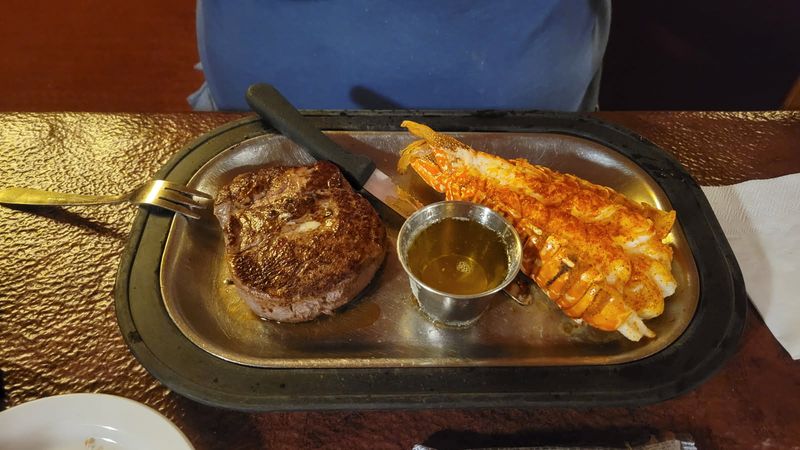
Beef dishes anchor the menu at Wiederholt’s, with prime rib receiving particular attention from regular guests. The restaurant serves prime rib in different sizes to accommodate various appetites.
Reviews frequently mention the quality of beef preparation and the portion sizes that fill dinner plates.
Steak options include filet mignon and ribeye cuts prepared to order. Proper cooking temperature matters greatly with beef dishes, and guest experiences vary based on how accurately the kitchen hits requested temperatures.
Some reviews praise perfectly cooked steaks while others note inconsistencies.
Prime rib availability sometimes follows a schedule, with special pricing on certain days of the week. The cost difference between weekday and weekend prime rib reflects common supper club pricing strategies.
Beef-focused menus align with traditional supper club identity, where quality meat dishes defined the dining experience and justified the higher prices compared to everyday restaurants.
Seafood Choices Extend Well Beyond The Famous Shrimp Cocktail
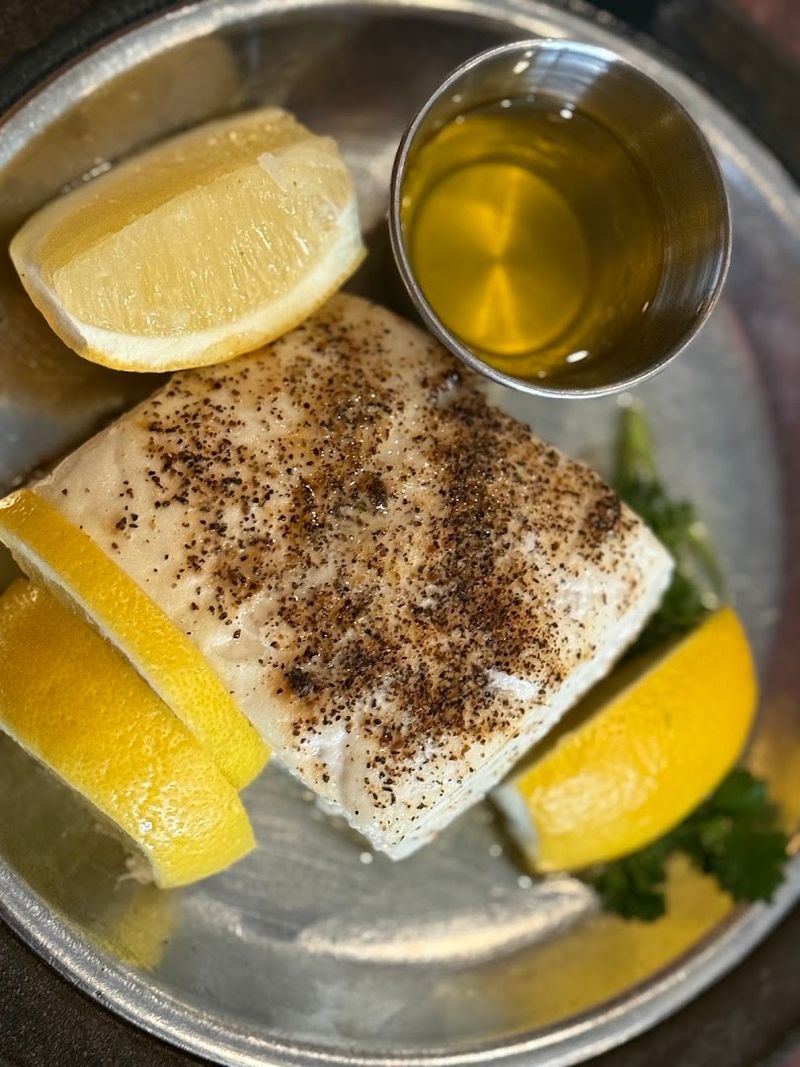
While shrimp cocktail gets attention as a starter, the menu includes several seafood entrees for the main course. Walleye appears in multiple preparations, honoring this fish’s importance in Minnesota cuisine.
Some guests order walleye as a sandwich while others choose it as a plated dinner entree.
Lobster tail, scallops, and halibut round out the seafood selections. The restaurant offers combination plates that pair seafood with steak, commonly called surf and turf or land and sea options.
These combinations let guests enjoy both protein types in one meal.
Guest reviews about seafood quality show more variation than beef reviews. Some diners report perfectly prepared fish and shellfish, while others mention issues with texture or seasoning.
Seafood requires careful handling and timing, making consistency harder to achieve than with beef. Still, having substantial seafood options distinguishes supper clubs from steakhouses and reflects the broader menu variety these restaurants traditionally offered.
Several Entrées Still Come With The Traditional Supper Club Fixings
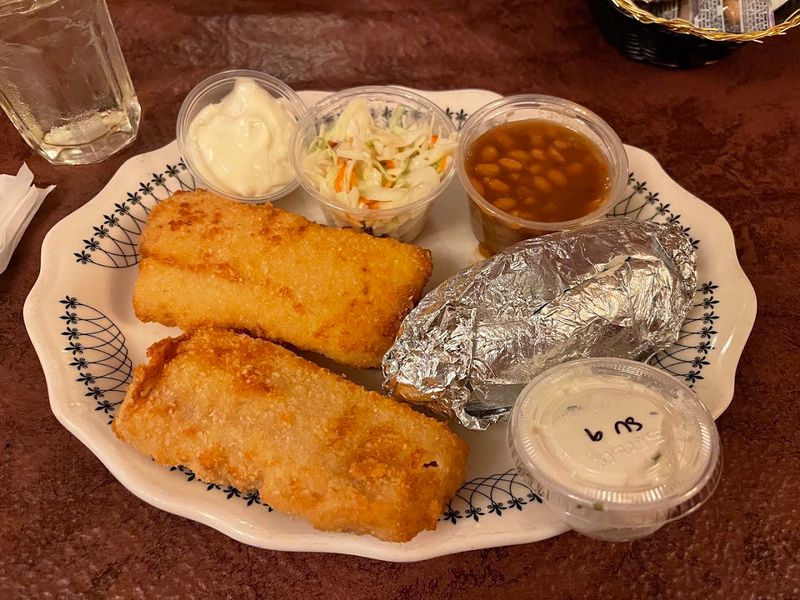
Entrees arrive with accompaniments that complete the supper club meal structure. Salads come before or alongside the main course, typically with simple preparations and basic vegetable additions.
Baked potatoes or hash browns serve as common starch options, with guests sometimes able to choose between them.
The complete meal approach means guests receive multiple courses and sides rather than ordering everything separately. This bundled service style keeps ordering straightforward and helps control pacing throughout the dinner.
Bread, relish tray, salad, entree, and starch all arrive as part of the experience.
Some guests appreciate the all-inclusive approach while others wish for more customization or larger portions of certain components. The traditional supper club format assumes everyone wants a similar meal structure.
This works well for guests seeking authentic period dining but may feel limiting to those with specific preferences. The fixings ultimately support the main dish rather than competing for attention on the plate.