
The Huge Georgia Open Air Market That Has Thrived Every Weekend For Six Decades
A sea of canvas tents and metal tables produces an energetic hum that modern shopping malls spend billions trying to recreate. That vibrant commercial ecosystem achieved its lasting success without any corporate blueprints.
Sprawling gravel aisles frame a landscape where trade feels personal and completely unhurried. The sharp scent of roasted peanuts and sweet kettle corn blankets the busy floor with a comforting warmth.
Vendors display everything from antique iron tools to fresh, sun-ripened orchard harvest. Georgia anchors this massive gathering place within a single, historic crossroads location.
Local families pass down these specific market stalls like prized inheritances through multiple generations. Visitors who navigate the sprawling weekend crowds move with a slow, curious pace.
That casual wandering is the highest praise a marketplace can receive. A single morning here preserves a beautiful, vanishing community tradition.
Variety Of Antiques And Collectibles
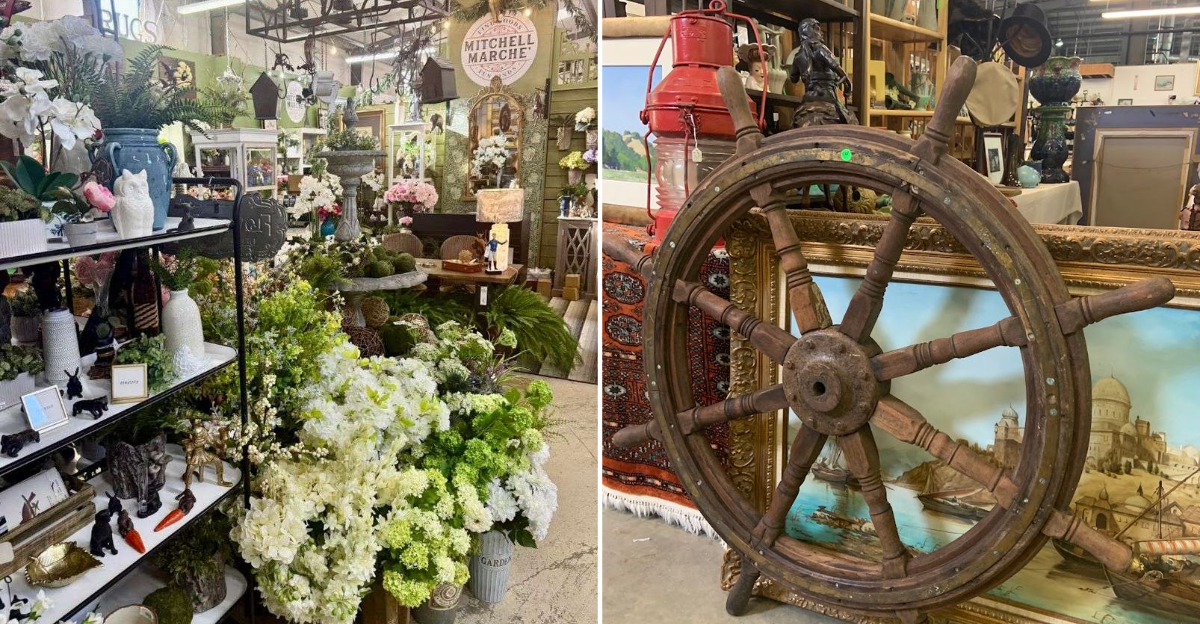
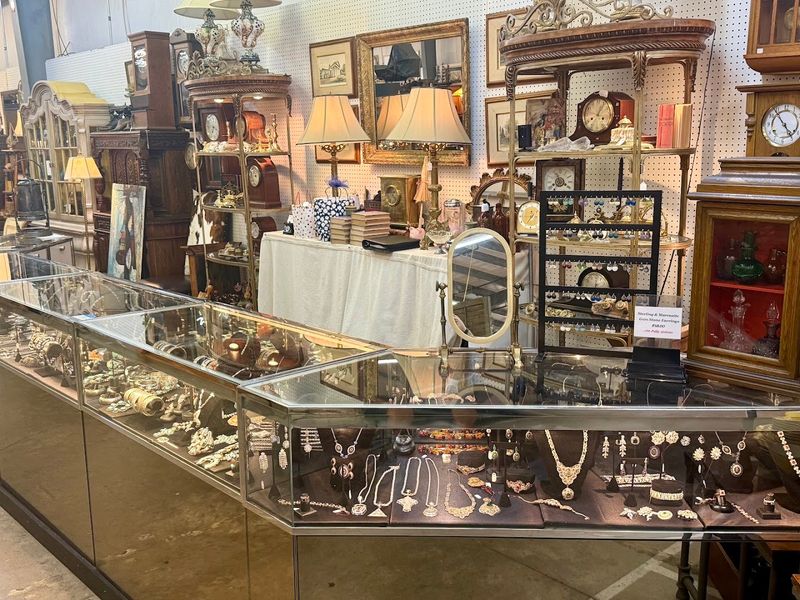
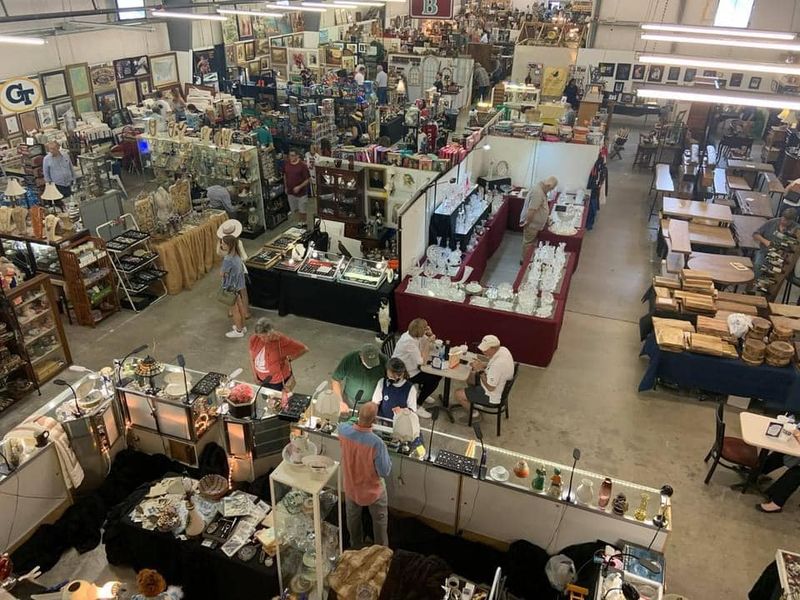
Entering Lakewood 400 Antiques Market feels like opening a time capsule. The sheer range of items on display is hard to wrap your head around at first.
We are talking hundreds of booths packed into 75,000 square feet of climate-controlled space.
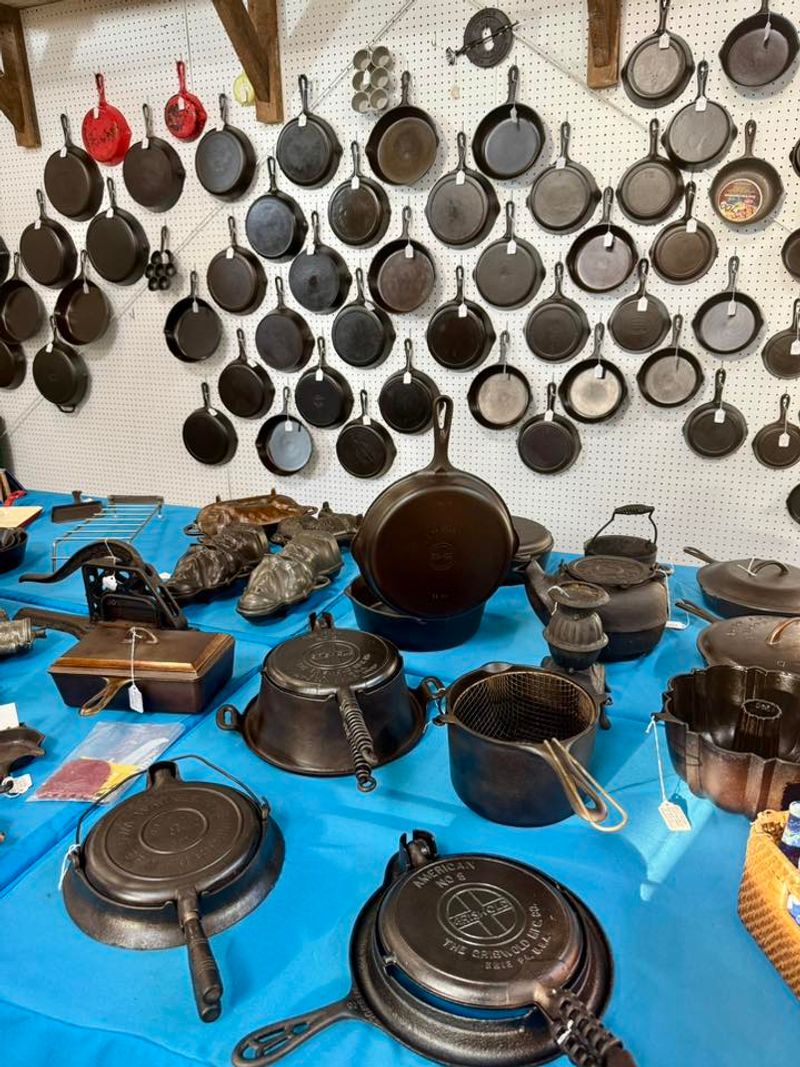
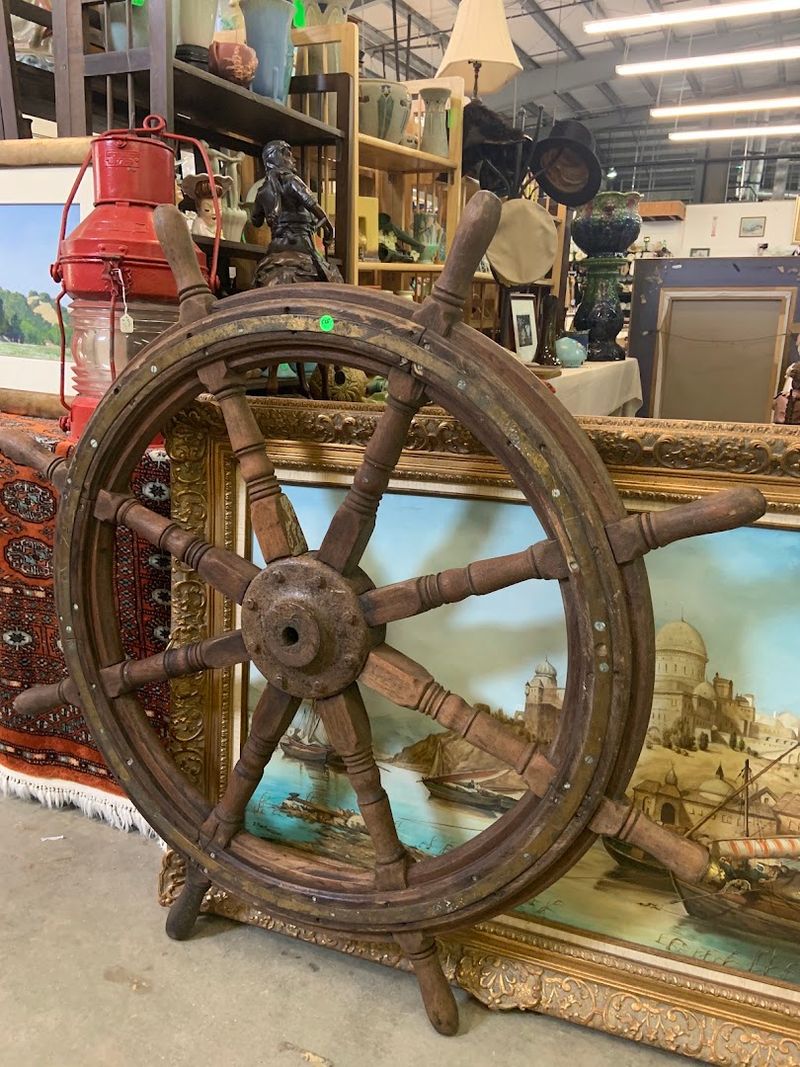
You can find nautical artifacts sitting right next to elegant candleholders. Vintage furniture shares aisle space with reclaimed industrial pieces.
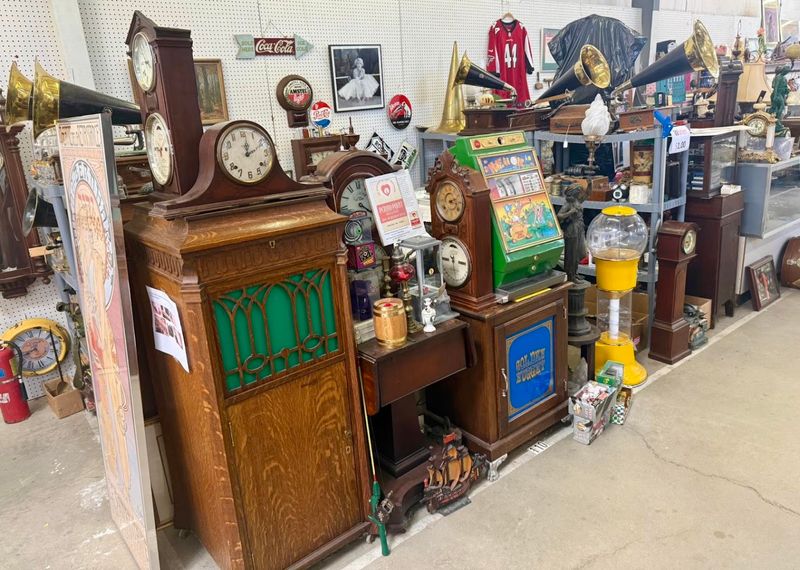
Classic advertising posters hang near antique hardware that looks like it came straight from an old Georgia workshop.
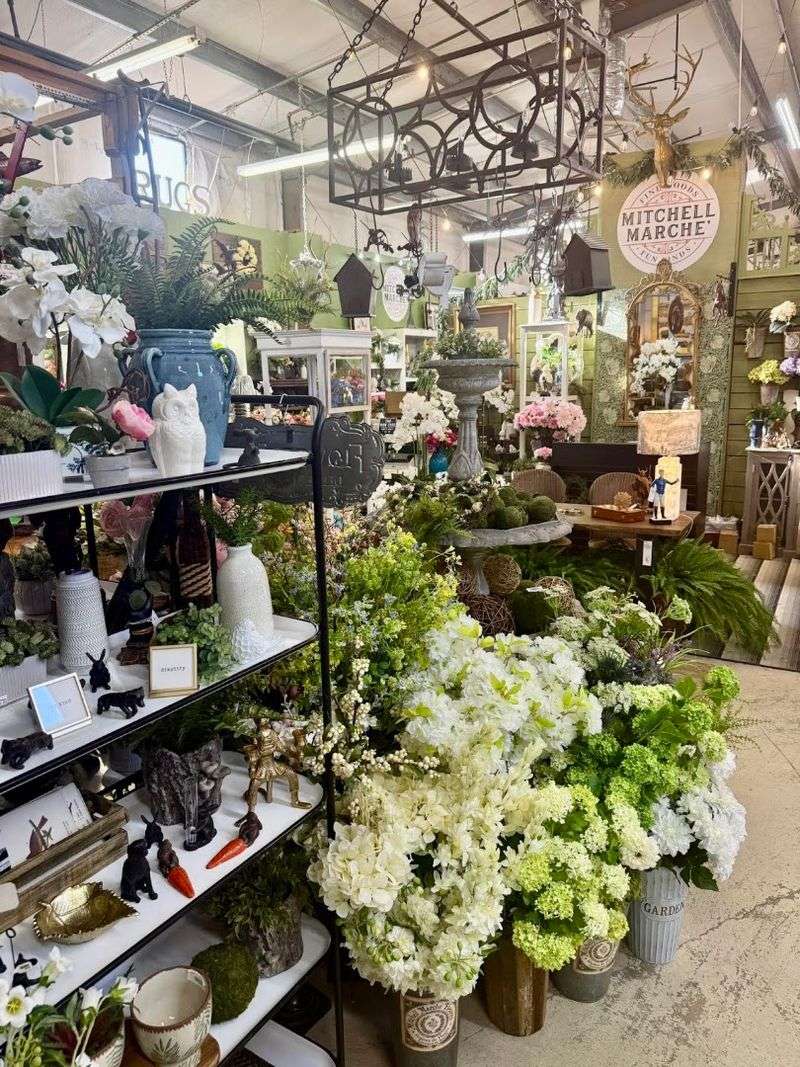
Sports memorabilia, fine jewelry, and decorative arts fill booth after booth. One aisle might stop you with curated home decor.
The next one might surprise you with rare art or vintage curiosities you have never seen anywhere else.
Over 500 dealers show up every month, each bringing a completely different collection. No two booths look the same, and that is honestly part of the magic.
You genuinely never know what is waiting around the next corner.
The market is located at 1321 Atlanta Hwy, Cumming, GA 30040. It opens the first full weekend of each month.
Plan your visit early, so you have enough time to actually see everything worth seeing.
Seasonal Produce And Fresh Local Goods
Not every great market moment happens at a vendor booth. Sometimes the best part of the day is grabbing a hot breakfast before you start browsing.
Lakewood 400 has a restaurant and snack bar right inside the market, which is a lifesaver after hours of walking the aisles.
The food options cover breakfast and lunch, giving you real fuel for a full day of treasure hunting. You are not stuck eating a sad granola bar in a parking lot.
Actual hot food, coffee, and snacks are all available without leaving the building.
The market is primarily focused on antiques and collectibles, so do not expect a full farmers market setup. However, fresh and local food finds do pop up from time to time.
Some vendors bring in produce and specialty goods that you will not find at a regular grocery store.
Having a place to sit and eat inside a market this size is a real convenience. Big markets can wear you out fast.
Knowing there is a food stop waiting for you makes the whole experience more relaxed and enjoyable.
Families especially appreciate the food options. Kids get hungry fast, and nobody wants a meltdown in the middle of the antique furniture section.
A quick snack break keeps everyone happy and ready to keep exploring.
Artisan Crafts And Handmade Treasures
Lakewood 400 is not just about old stuff someone found in a barn. Skilled artisans from across the country bring their handmade work to every monthly market.
The craftsmanship on display can genuinely stop you in your tracks.
Handcrafted jewelry is one of the standout categories. Local and traveling artists create pieces you simply cannot find in any mall or chain store.
Each item carries a story that started in someone’s workshop, not a factory.
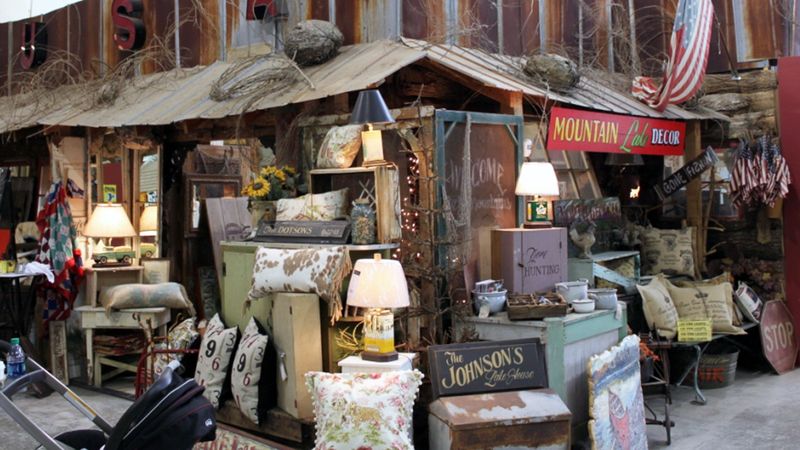
Some vendors specialize in handmade lamps built from vintage industrial gear. Yes, someone actually figured out how to turn old machinery parts into beautiful lighting.
It sounds quirky, and it absolutely is, but the results are stunning.
Local artists also create custom signs with hand-painted designs and original lettering. These are the kinds of pieces that become conversation starters the moment you hang them on your wall.
Art that has personality beats mass-produced prints every time.
The variety of handmade goods changes with every market weekend. Artisans rotate their collections and bring in new work regularly.
That is one reason regulars keep coming back month after month instead of calling it done after one visit.
Supporting these makers directly at the market means your money goes straight to the creator. No middleman, no big retailer markup.
Just a real person who made something with their hands and is proud to show it off.
Weekly Vendor Stories And Culture
Every item at Lakewood 400 has a backstory, and the dealers love telling it. Ask a vendor about a piece, and you might hear stories of Georgia farmhouses, Southern estate sales, or cross-country searches.
That context makes everything feel more alive.
Many of the dealers have been part of the Lakewood market community for over 20 years. They are not just sellers.
They are historians, curators, and storytellers who genuinely care about the items they bring to each market. That kind of dedication is rare and worth appreciating.
The culture at Lakewood 400 is warm and community-driven. Dealers look out for each other, share leads, and celebrate when a customer finds something special.
The market management even refers to its dealers as family, and that energy is easy to feel when you walk the aisles.
Regulars often build real relationships with their favorite vendors over time. You might return month after month to check in with a dealer who is always hunting for a specific type of piece you love.
That personal connection turns shopping into something much more meaningful.
New visitors are welcomed without pressure. Browsing at your own pace is perfectly fine.
But if you start asking questions, get ready for a conversation that might run longer than you planned and leave you knowing way more than you expected.
Family Friendly Activities And Entertainment
Bringing the whole family to Lakewood 400 is a genuinely good idea. Children under 12 get in free, which takes some pressure off a day that already costs only three dollars per adult.
That is a full day of entertainment for a price that barely covers a fast food combo.
Kids actually enjoy the market more than you might expect. Vintage toys, old comic books, and weird curiosities tend to grab their attention fast.
There is enough visual variety to keep younger visitors entertained while adults browse at their own pace.
The market is climate-controlled indoors, which matters a lot in Georgia summers. Nobody wants to drag a seven-year-old through blazing heat while trying to negotiate on a vintage lamp.
The indoor environment makes the whole experience comfortable for everyone.
A food court inside the market means the family does not need to leave to grab a meal. You can take a break, refuel, and head back into the aisles without losing your parking spot or your momentum.
That convenience makes a long browsing day much easier to manage.
The outdoor veranda and courtyard add extra space to explore beyond the main warehouse. Kids can move around more freely in those areas.
Having both indoor and outdoor zones gives the whole family room to breathe and enjoy the market at their own pace.
Tips For Finding Unique Bargains
Arriving early is the single best move you can make at Lakewood 400. The first hour after opening is when the best items are still sitting untouched, and the aisles are not yet packed with other eager shoppers.
Early birds genuinely do get the good stuff here.
Bring a wagon or a small dolly if you plan to buy anything bulky. The market is massive, and carrying a heavy antique across 75,000 square feet is not the fun part of the day.
A rolling cart saves your back and lets you keep shopping longer.
Cash is your friend at this market. Many vendors accept cards, but having cash on hand gives you more room to negotiate a better price.
Sellers are often more flexible when they do not have to factor in card processing fees on a deal.
Wear comfortable, sturdy shoes without question. The market involves a lot of walking across both hard warehouse floors and outdoor courtyard areas.
Dressing in layers is also smart since the indoor sections are climate-controlled, but outdoor areas change with the weather.
Keep an open mind about what you are looking for. The best finds at Lakewood 400 are usually the ones you never planned to buy.
Shoppers who stick too rigidly to a list often miss the unexpected pieces that end up becoming their favorites. Wander a little.
It pays off.
The Impact On Local Economy
Lakewood 400 pulls visitors from well beyond Cumming city limits. Shoppers regularly make the trip from Alabama, Florida, and across the Southeast just to attend a single market weekend.
That kind of regional draw has a real and measurable effect on the local economy.
Many out-of-town visitors do not just show up and leave the same day. They book hotel rooms, eat at local restaurants, and explore the Cumming area while they are in town.
That overnight tourism spending adds up quickly and benefits businesses far beyond the market itself.
Retail store owners are also a significant part of the Lakewood 400 visitor base. Boutique and home decor shop owners come specifically to source unique inventory they cannot find through regular wholesale channels.
The market essentially functions as a sourcing hub for small businesses across the region.
The market is recognized as one of Cumming’s notable attractions. Events that draw consistent monthly crowds keep the local economy moving in a steady rhythm.
A reliable anchor like Lakewood 400 gives the surrounding area a dependable boost every single month of the year.
Over 500 dealers also represent a significant number of small business operators who depend on the market for their income.
Supporting Lakewood 400 means supporting a whole network of independent sellers, makers, and collectors who call this market their primary marketplace.
Sustainability Practices At Open Air Markets
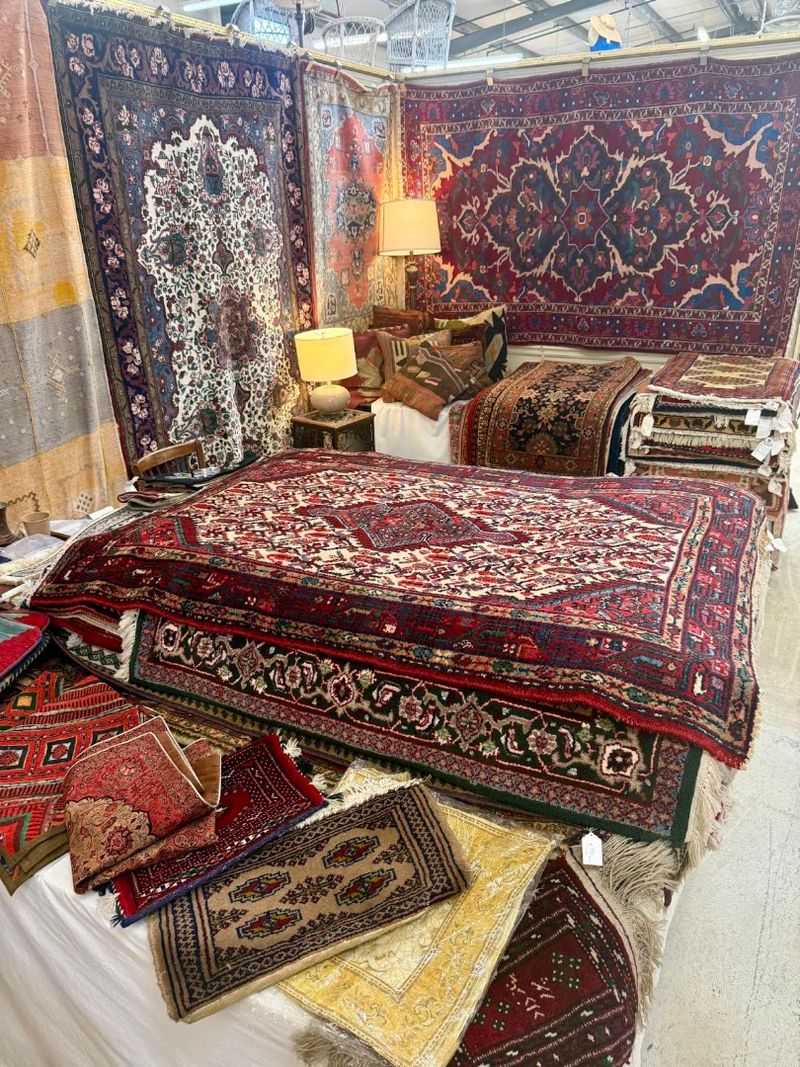
Antique and vintage markets are naturally built around the idea of giving old things a second life. Every item sold at Lakewood 400 is one less piece heading to a landfill.
That might not sound like a formal sustainability policy, but the impact is real and consistent every single month.
Reclaimed industrial pieces are a popular category at the market. Vendors bring in salvaged materials that have been transformed into furniture, lighting, and decor.
Buying reclaimed goods means choosing something with history over something manufactured with new raw materials.
Upcycled treasures appear throughout the market in creative forms. Old gear becomes a lamp.
Salvaged wood becomes a shelf. Vintage frames get new life as art displays.
The creativity vendors apply to repurposing materials is part of what makes browsing the market so visually interesting.
Choosing vintage over new is one of the most straightforward ways to reduce consumption. A well-made antique piece often outlasts modern mass-produced alternatives by decades.
Shoppers at Lakewood 400 are making a practical choice as much as an aesthetic one when they pick vintage over brand new.
The market model itself supports a circular economy by keeping goods in use and in circulation. Items change hands, get restored, and find new homes instead of being discarded.
That cycle of reuse is something Lakewood 400 participates in every month just by existing and opening its doors.