
The Montana Road Trip That Skips Famous Landmarks And Reveals Overlooked Wonders
Forget the famous stops for a minute. Montana gets far more interesting when the main highway gives way to ghost towns, strange landmarks, and roadside detours that feel almost too unusual to be real.
What other road trip gives you a giant natural spring, a swinging bridge, and a centuries-old signature carved into stone? One stop sends millions of gallons of cold water rushing past, while another leads underground through caverns shaped by time.
The history stays just as dramatic above ground. Abandoned cabins, old jail cells, and mining ruins still hold their place, while a towering statue watches from high above a former boomtown.
None of these stops feel polished or predictable. Take the quieter road, slow down for every odd sign, and let Montana prove its most memorable sights are often the ones hiding beyond the obvious route.
Kootenai Falls
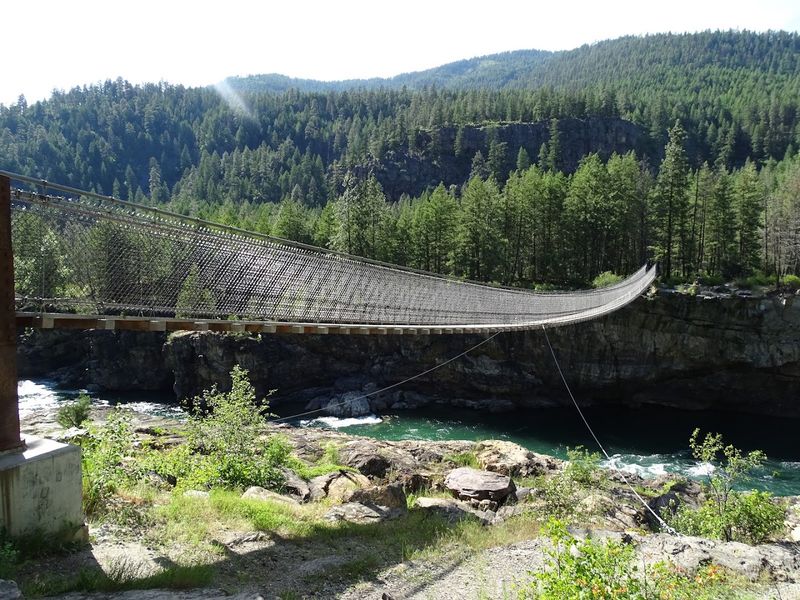
Most people have never heard of Kootenai Falls, and that is exactly what makes it so special. This is the largest undammed waterfall in Montana, and the river drops 300 feet in elevation over a short stretch of pure, thundering power.
Standing at the edge feels like the earth itself is showing off.
Cross the iconic swinging suspension bridge and look down at the churning water below. The trail to reach the bridge is about half a mile, easy enough for most visitors, and every step rewards you with jaw-dropping scenery.
Could this be one of the most underrated walks in the entire state?
For the Kootenai tribe, these falls are sacred ground, considered the very center of their world. That spiritual weight is something you feel the moment you arrive.
The rocks surrounding the falls are nearly 1.5 billion years old, making this spot a living classroom of geology and culture.
Keep your eyes open for bighorn sheep, deer, and soaring eagles, especially during cooler months. Fun fact: Kootenai Falls was a filming location for the movie “The River Wild.” Your own adventure here might not involve Hollywood drama, but it will absolutely be unforgettable.
Giant Springs State Park
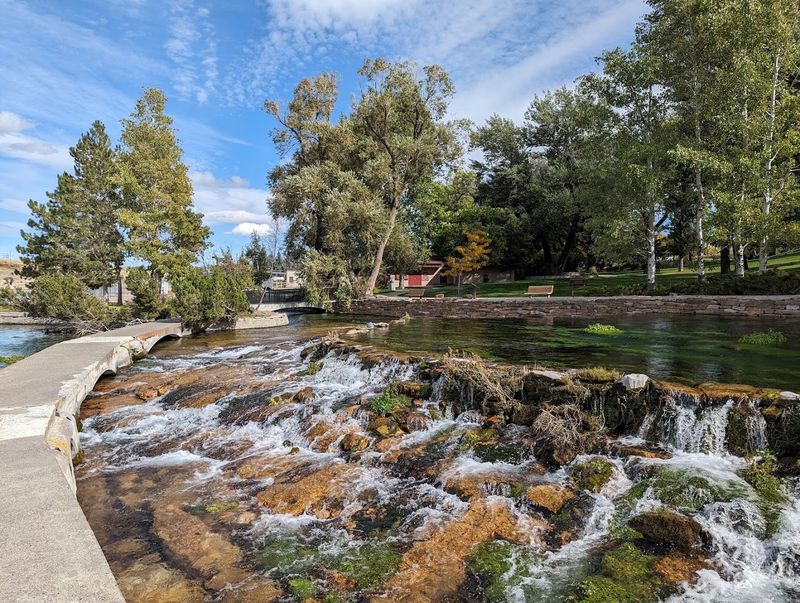
Imagine standing next to a spring that pumps 156 million gallons of fresh water every single day. That is exactly what Giant Springs delivers, and it does so at a perfectly constant 54 degrees Fahrenheit, year-round.
This place is one of the largest freshwater springs in the entire country, and it sits right here in Montana.
The park is also home to the Roe River, once officially recognized as the world’s shortest river at just 201 feet long. It flows from the spring directly into the Missouri River, which makes for a fun, quirky geography lesson.
How often do you get to say you stood beside the world’s shortest river?
Lewis and Clark documented Giant Springs back in 1805, which adds a serious layer of history to an already remarkable natural site. Walking these grounds means following in the footsteps of some of America’s most celebrated explorers.
That connection to the past makes every step feel meaningful.
Families will love feeding rainbow trout at the fish hatchery and cycling or walking the Rivers Edge Trail. The park spans 4,500 acres and welcomes visitors every day from sunrise to sunset.
With so much to see and do, this is the kind of stop that turns a quick break into a two-hour highlight of the whole trip.
First Peoples Buffalo Jump
Picture thousands of bison thundering across the open prairie, guided by skilled hunters toward the edge of a sandstone cliff. That scene played out here for over 2,000 years, making First Peoples Buffalo Jump one of the largest and most significant prehistoric bison hunting sites in all of North America.
The cliff stretches for a full mile, and at its base, up to 18 feet of compacted buffalo remains still lie buried underground.
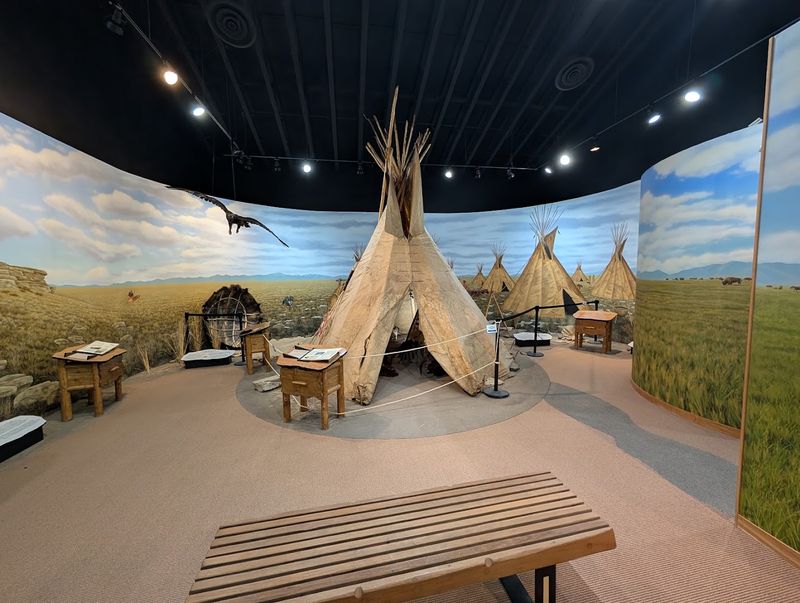
The visitor center brings this ancient world to life with exhibits on buffalo culture, a storytelling circle, and a gallery packed with artifacts and insight. Outside, an amphitheater and traditional games fields invite visitors to engage beyond just reading panels.
Have you ever tried throwing an atlatl, the ancient spear-throwing tool used by early hunters?
Step inside a full-sized tipi and let your imagination run wild about what daily life on the plains truly felt like. The hands-on experiences here make history feel personal and real, not distant or textbook-dry.
Kids and adults both walk away genuinely amazed.
Drive or hike to the top of the jump for sweeping views of the Rocky Mountain Front and the Missouri River Valley. Keep an eye out for the protected black-tailed prairie dog town nearby.
This day-use-only park is well worth a two-hour stop on any Montana road trip.
Anaconda Smoke Stack
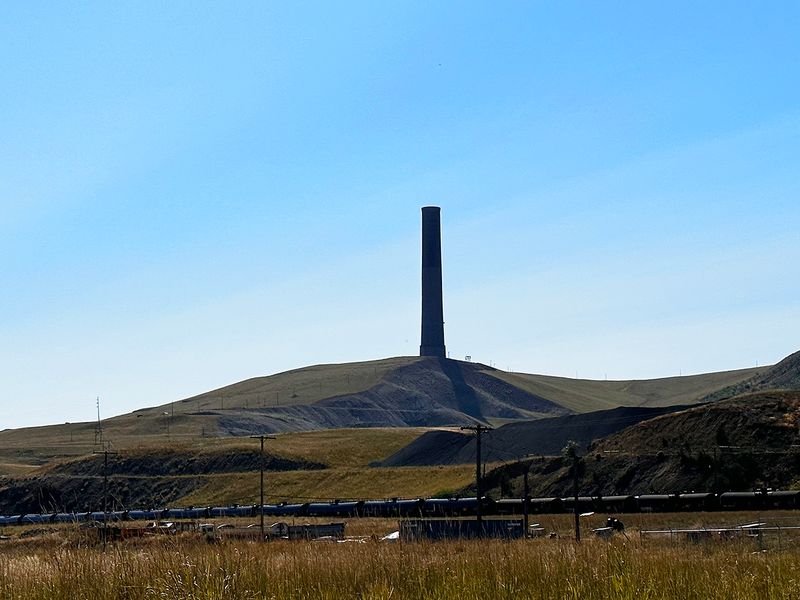
At 585 feet tall, the Anaconda Smoke Stack is one of the tallest freestanding brick structures anywhere in the world. To put that into perspective, the Washington Monument stands at 555 feet, meaning it would fit inside this massive chimney with room to spare.
Standing at its base and craning your neck upward is a genuinely humbling experience.
Built in 1919 to serve the Anaconda Copper Mining Company’s smelter, the stack was once the beating industrial heart of this part of Montana. When the smelter closed in 1980, the stack became something else entirely, a monument to change, resilience, and the complicated legacy of industrial progress.
It is impossible to look at it without feeling the weight of that history.
The park itself is not directly accessible, but a designated interpretive area near Goodman Park gives visitors a perfect spot to view and photograph the stack. Informative signs explain the history in clear, engaging detail.
How many miles away do you think you can spot this towering landmark?
The trails surrounding Anaconda offer hiking and biking routes with different vantage points, letting you appreciate the stack from multiple angles.
Virginia City
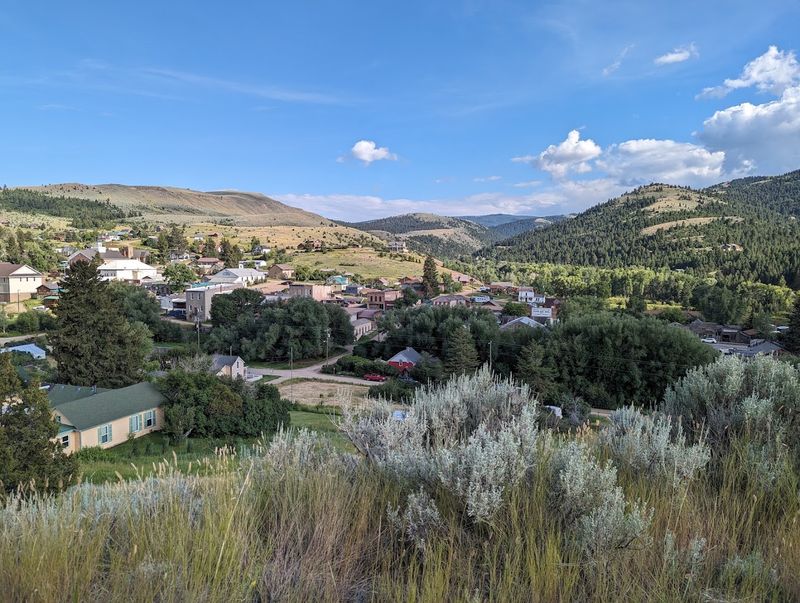
Gold was discovered in Alder Creek in 1863, and Virginia City was never the same again. This remarkably preserved boomtown once served as the capital of the Montana Territory, and walking its streets today feels like flipping through a living history book.
Nearly 150 National Historic Landmarks line the town, with almost half its buildings dating back before 1900.
The Virginia City Players perform authentic period melodramas and vaudeville shows in the historic opera house, bringing 19th-century entertainment back to life in the most charming way possible. An evening show here is pure delight, full of laughter, drama, and old-fashioned fun.
Which performance will you pick for your night out in the Old West?
Hop aboard the Alder Gulch Short Line, a scenic open-top train that connects Virginia City to nearby Nevada City, another fascinating preserved ghost town just down the tracks. The ride is short, sweet, and loaded with character.
You might not find gold, but you will absolutely find stories worth telling.
Wander the old-fashioned streets at your own pace, stopping at quirky shops and confectionary stores that feel frozen in time. Virginia City is built for curious explorers who love history with a side of personality.
Most businesses here cater to visitors, so check ahead for opening days and hours before planning your stop.
Lewis & Clark Caverns
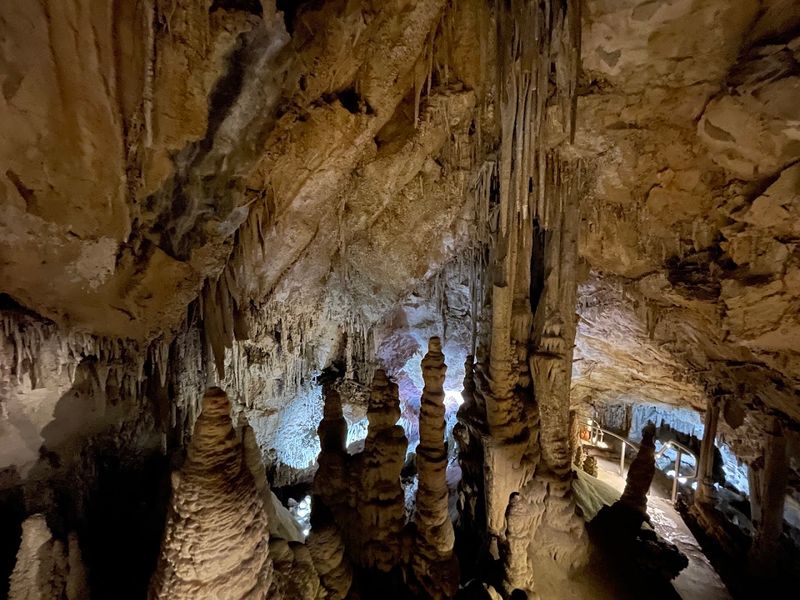
Montana’s first state park hides one of the most spectacular secrets underground. Lewis and Clark Caverns State Park is home to one of the largest known limestone cavern systems in the entire Northwest, and the formations inside will genuinely stop you in your tracks.
Stalactites, stalagmites, columns, and rare helictites cover the cave walls in shapes that nature spent millions of years perfecting.
All cave visits are guided, which means you get expert storytelling alongside the stunning visuals. The Classic Tour covers two miles underground in about two hours and earns its reputation as a physical challenge worth every step.
If you prefer something shorter, the Paradise Tour takes you straight to the largest and most decorated rooms in the cavern system.
Seasonal candlelight tours add a layer of mystery and romance that makes the caves feel even more otherworldly. Reservations are highly recommended, especially between Memorial Day and Labor Day, so plan ahead and lock in your spot early.
Have you ever explored a world that exists entirely beneath your feet?
Above ground, more than ten miles of hiking and biking trails wind through the park, offering scenic views and fresh Montana air. A campground, picnic areas, visitor center, and gift shop make it easy to turn this stop into a full day or overnight adventure.
Cave tours run seasonally from May through September, so time your visit accordingly.
Pompeys Pillar
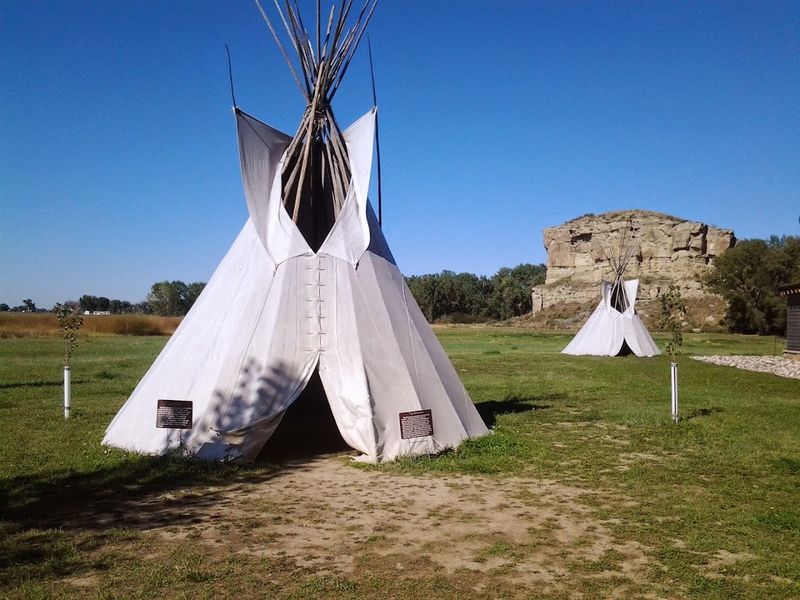
Rising 120 feet from its two-acre base along the banks of the Yellowstone River, Pompeys Pillar is one of those places that quietly rewrites what you thought you knew about American history. This solitary sandstone formation has served as a landmark for over eleven thousand years, long before any explorer set foot in Montana.
Ancient petroglyphs cover the rock, left behind by Native Americans who understood this pillar’s power as a meeting point and marker.
Captain William Clark carved his signature into the rock on July 25, 1806, making this the only remaining physical evidence of the Lewis and Clark Expedition still visible at its original location. Standing next to that signature is a genuinely electric moment.
You are looking at history that has not moved an inch in over two centuries.
A boardwalk system of roughly 1,000 feet and about 200 steps carries visitors to the top, where the views of the Yellowstone River valley open up in every direction. The climb is manageable and absolutely worth the effort.
What other short hike delivers this kind of historical payoff at the summit?
Trails around the base wind through a peaceful riparian area perfect for wildlife watching and quiet walks along the river. The monument gates open daily from May 1 through October 1, except Tuesdays, and you can walk in during daylight hours even when the gates are closed.
The visitor center exhibits bring Clark’s journey vividly to life.
Zortman
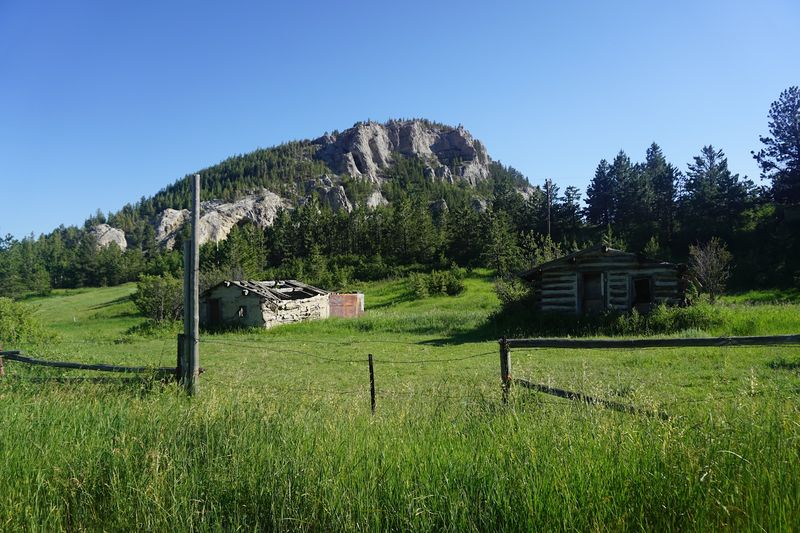
Gold prospecting started in Zortman as far back as 1884, and this tiny town in the Little Rocky Mountains has been holding onto that wild spirit ever since. With only around 60 residents, Zortman offers something increasingly rare in modern travel: a genuine, uncrowded adventure in a place that time forgot in the best possible way.
Big Sky adventure without the big crowds is exactly what this town delivers.
Historic log cabins and miners’ shacks line the area alongside more modern structures, creating a visual timeline of the town’s colorful evolution. The tiny Zortman jail is a must-see, small enough to make you laugh and old enough to make you curious.
What stories do these weathered walls hold from the rougher days of the gold rush era?
Try your hand at gold panning for a hands-on connection to the town’s prospecting roots. You probably will not strike it rich, but the experience connects you to the early settlers in a way that no museum exhibit ever quite matches.
The Historic Zortman Church, a white clapboard building perched on a grassy hillside, offers sweeping views and a peaceful moment worth savoring.
The surrounding Little Rocky Mountains invite hiking and wildlife watching, while the open prairie beyond offers scenic drives with endless horizon views. The UL Bend National Wildlife Refuge is just a short drive away for nature lovers.
You can find Zortman waiting to welcome you at Montana 59546, ready to share every story it has kept.
Our Lady Of The Rockies
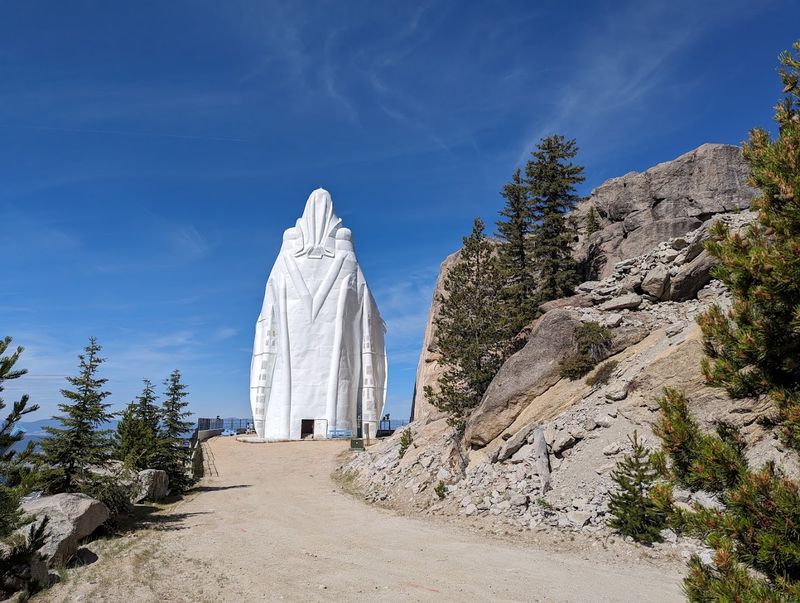
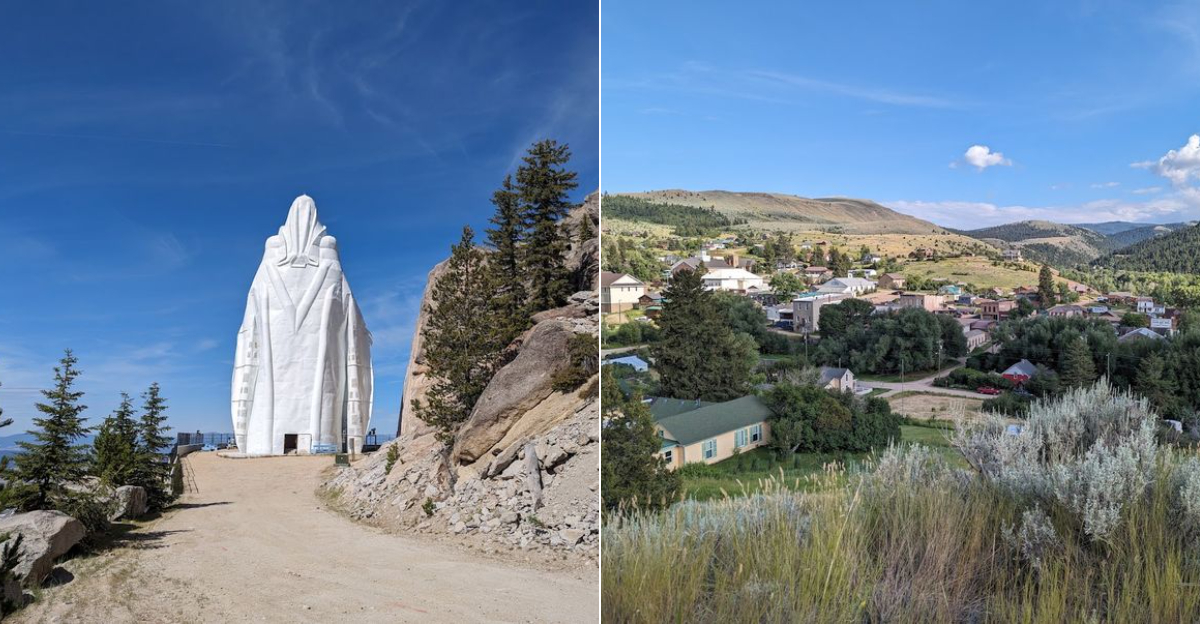
High above the city of Butte, a 90-foot white statue stands on the Continental Divide and watches over everything below. Our Lady of the Rockies is a nondenominational tribute to women and mothers everywhere, built entirely by volunteers who hauled materials up a mountain through sheer determination and community spirit.
The result is one of the most striking sights in all of Montana.
You cannot drive up on your own. The only way to reach the statue is by guided bus tour, which makes the whole experience feel exclusive and a little adventurous.
Along the way, your guide shares stories of Butte’s legendary mining history, filling the ride with context and color.
Once you arrive, you can actually step inside the metal structure of the statue itself. At its base, a memorial wall honors thousands of women by name, creating a deeply moving and personal space.
What other roadside monument lets you walk inside and feel that kind of human connection?
The views from up here stretch across the Rocky Mountains and out toward the vast Montana plains, offering the kind of panorama that makes you forget about everything else for a moment. Tours typically run from late spring through October, so check the schedule before visiting.
The round trip from Butte takes roughly two and a half to three hours of pure, memorable adventure.