
This Breathtaking River In Montana Is So Wild, Remote Locals Consider It Their Best Kept Secret
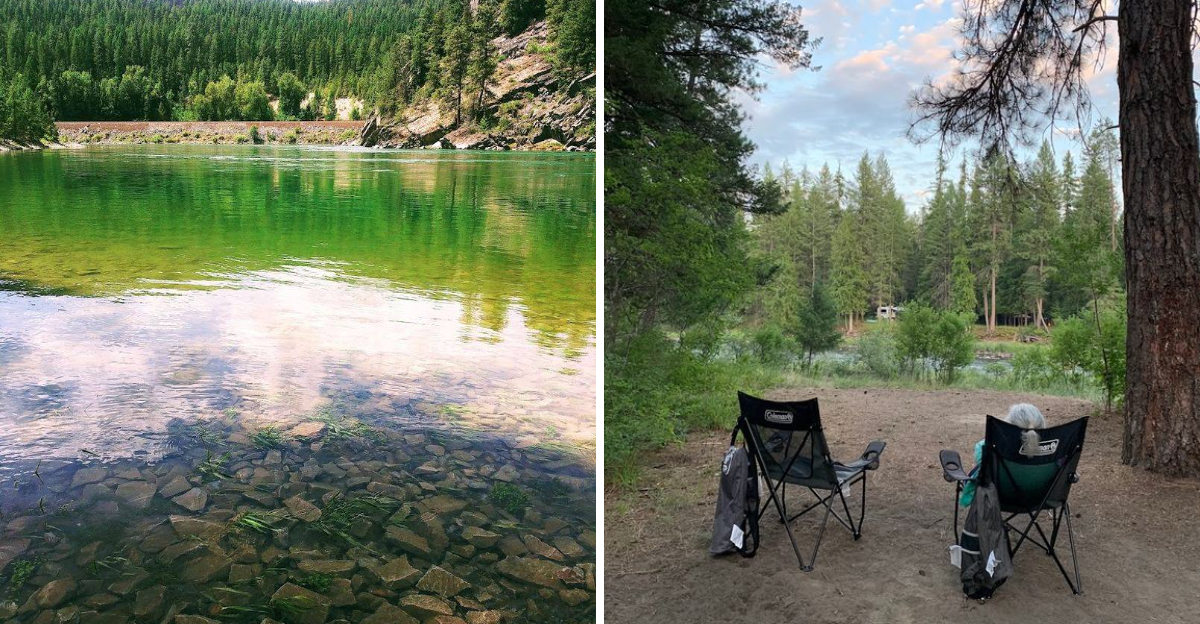
What if one of Montana’s most remarkable rivers is also one most travelers have never heard of? Even people who know the state well can overlook this remote stretch of water, and locals do not seem eager to change that.
It rarely appears on crowded travel lists, and you will not find tour buses lining the road. Reaching it takes more effort than visiting Montana’s famous attractions, which helps explain why it remains so quiet.
Many travelers pass through the region without realizing what lies beyond the main routes. That low profile is exactly what makes the river so intriguing. It still feels personal, unspoiled, and far removed from places shaped by tourism.
In a state known for famous rivers and national parks, this one remains surprisingly overlooked. Once you learn why locals value it so highly, you may wonder how it stayed a secret for so long.
Local Knowledge Remains The Key To Experiencing The Yaak
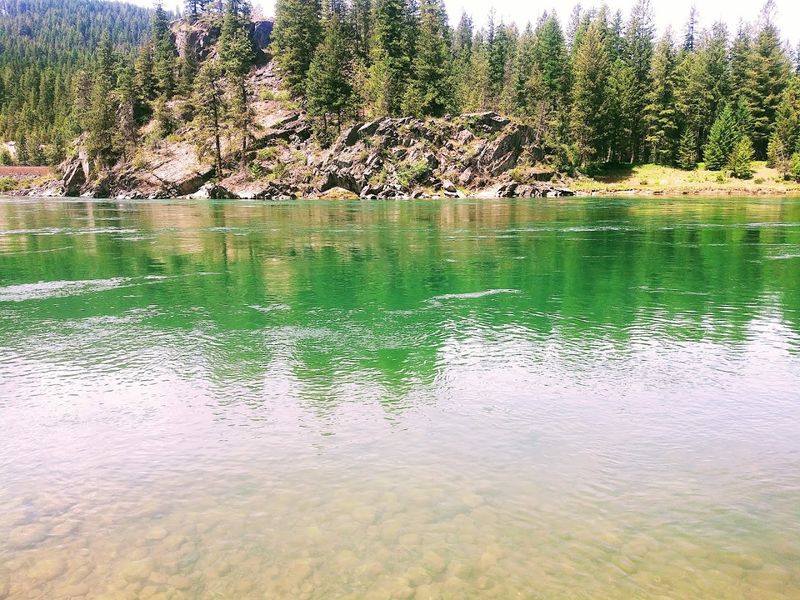
The Yaak River remains one of Montana’s least talked-about waterways, and that is no accident. It receives far less attention than the state’s famous rivers, while detailed visitor information can be surprisingly hard to find.
Reaching the best sections often requires careful planning, local knowledge, and a willingness to explore beyond the usual tourist routes.
People who know the valley understand how quickly conditions can change. Water levels affect access, wildlife activity can make certain areas risky, and each stretch of the river offers a different experience.
Locals know when to visit, where to go, and which places are better left undisturbed. That knowledge is usually shared with people who show genuine respect for the river rather than treating it as another quick stop.
This caution helps explain why the Yaak still feels so wild and remote. Locals are not keeping quiet because the river lacks beauty.
They stay quiet because they know exactly how special it is. In a state filled with famous landscapes, the Yaak has remained a secret because the people closest to it value protection more than publicity.
The Yaak River Begins In Canada Before Crossing Into Montana
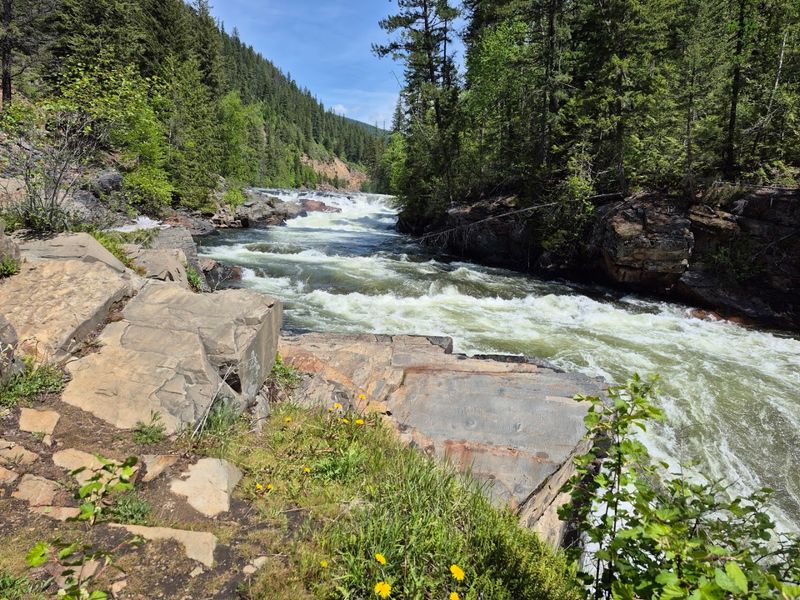
Crossing international borders isn’t something most rivers advertise, but the Yaak makes this journey every day. Starting its life in the forests of British Columbia, the river flows southward into Montana’s Lincoln County, bringing a touch of Canadian wilderness along with it.
The transition happens so quietly that you’d never notice unless someone pointed it out.
This northern origin gives the Yaak a character distinct from other Montana rivers. The watershed collects snowmelt and rainfall from both countries, creating flows that reflect weather patterns across a broader region.
The forest surrounding the river near the border feels especially thick and untouched, with towering conifers that have stood for decades.
Few roads reach this upper section, making it one of the most isolated stretches. The international connection adds to the valley’s wild reputation, as if the river itself refuses to be contained by human boundaries.
Have you ever wondered what a river sees as it crosses from one country to another?
Yaak Falls Shows The River At Its Most Powerful
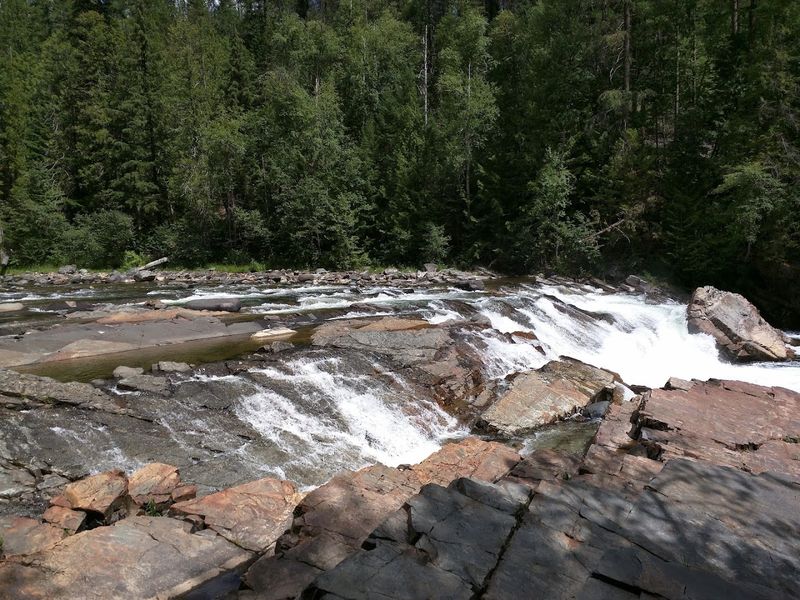
Raw power meets geological artistry at Yaak Falls, where the river drops over a granite staircase that looks almost too perfect to be natural. The falls don’t plunge straight down but instead cascade in a series of stepped pools, each one catching and releasing water in a rhythmic display.
This unique formation creates opportunities for adventurous kayakers while offering spectacular views for those content to watch from shore.
The granite face that forms these falls tells a story millions of years in the making. Erosion has carved smooth channels and pockets into the rock, creating natural slides that guide water through precise pathways.
During spring runoff, the volume intensifies dramatically, turning the falls into a thundering showcase of Montana’s hydrological might.
The surrounding canyon amplifies the sound, making the falls audible long before you see them. Photographers love the challenge of capturing the interplay between white water and dark rock.
This spot represents the Yaak at its most photogenic and powerful.
The River Changes Character Below The Falls
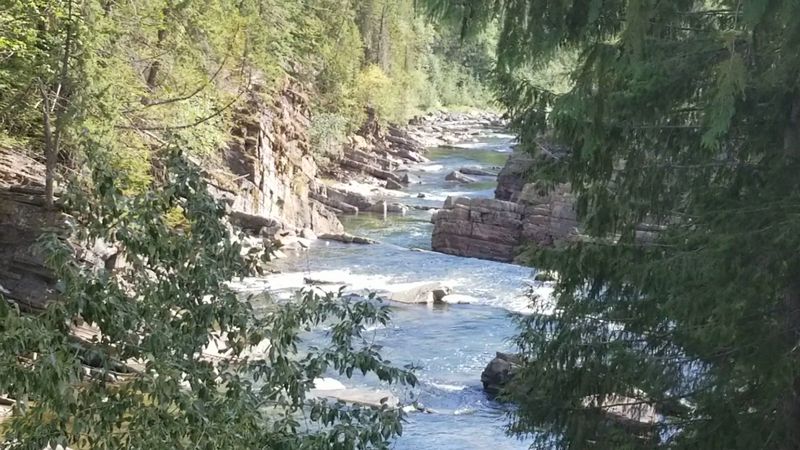
Downstream from the falls, the Yaak transforms into something altogether different. The aggressive whitewater gives way to calmer stretches where the river meanders through the valley floor, pooling in deep bends that reflect the surrounding forest.
This gentler personality makes these sections more accessible for those looking to wade, fish, or simply sit alongside moving water.
The change isn’t just about speed but also about mood. While the falls command attention through sheer force, the lower river invites contemplation.
Sandbars appear during lower water levels, creating temporary beaches perfect for a rest stop. The current still moves with purpose but no longer demands constant respect.
Wildlife appreciates these calmer sections too, with moose often spotted feeding in riverside vegetation. The pools hold trout that prefer slower water, making this area popular with anglers who know where to look.
It’s remarkable how a few miles can completely alter a river’s temperament, isn’t it?
Cold Water Makes The Yaak An Important Trout Stream
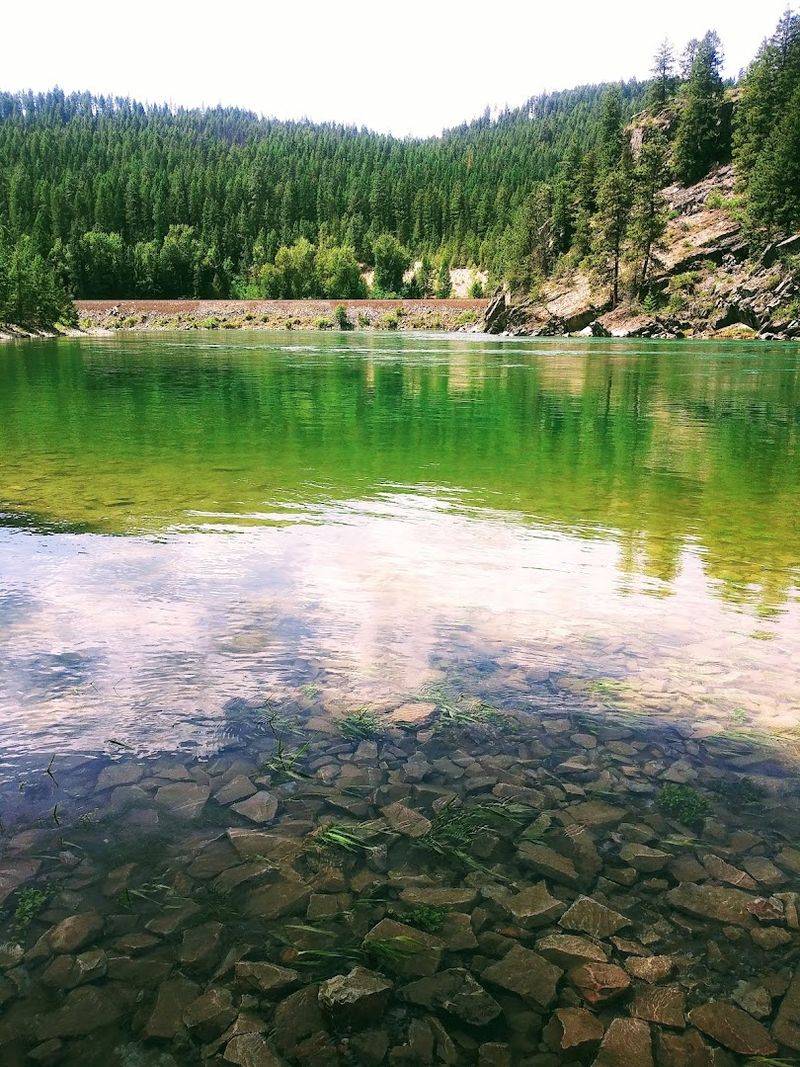
Temperature matters tremendously when it comes to trout, and the Yaak delivers exactly what these fish need. Fed by snowmelt and shaded by dense forest canopy, the river maintains the cold temperatures that allow trout populations to thrive even during summer months.
This thermal stability creates habitat that supports multiple species throughout their life cycles.
Anglers who fish the Yaak discover a stream that hasn’t been pressured like more accessible Montana rivers. The combination of cold water, good insect populations, and relative isolation produces healthy fish that actually behave like wild trout should.
Fly fishers find success in the pools and runs, though the surrounding brush can make casting a technical challenge.
The river’s contribution to regional fisheries extends beyond recreation. As a cold-water refuge, the Yaak provides crucial habitat as climate patterns shift across Montana.
Conservation groups recognize its value, though most locals already understood what they had. Sometimes the best fishing spots are the ones nobody talks about.
Parts Of The Yaak Feel More Like A Rainforest Than Montana
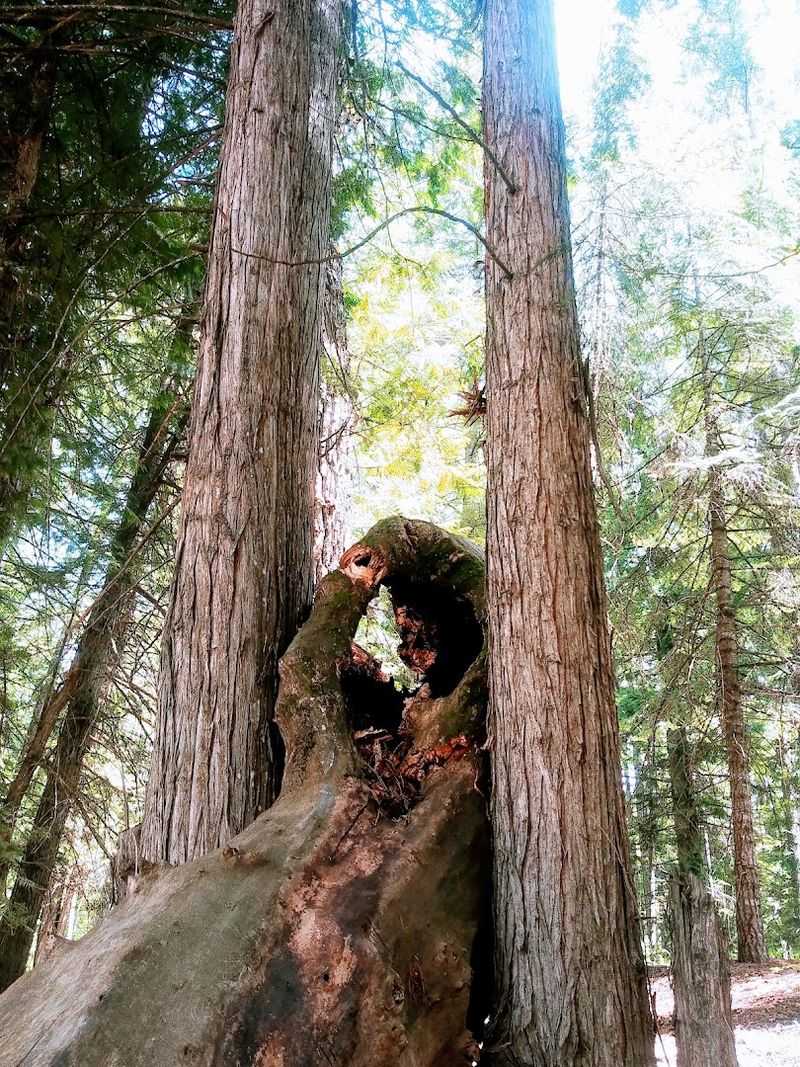
Step into certain sections of the Yaak corridor and you might forget you’re in Montana altogether. The valley receives more precipitation than most of the state, creating conditions that support vegetation more commonly associated with the Pacific Northwest.
Moss drapes from tree branches, ferns carpet the forest floor, and the air itself feels noticeably more humid.
This microclimate exists because the valley acts as a moisture funnel, capturing weather systems moving inland from the coast. The result is a temperate rainforest ecosystem that seems wildly out of place in Big Sky Country.
Old-growth cedars and hemlocks tower overhead, their canopy so thick that little sunlight reaches the ground in many spots.
The unusual ecology supports species rarely found elsewhere in Montana. Butterflies thrive here in surprising numbers, drawn to the moisture and diverse plant life.
Visitors often comment on how different the Yaak feels compared to the rest of the state, as if they’ve crossed into another region entirely. Nature doesn’t respect our expectations about what belongs where.
Roadless Forest Keeps The Valley Wild And Remote
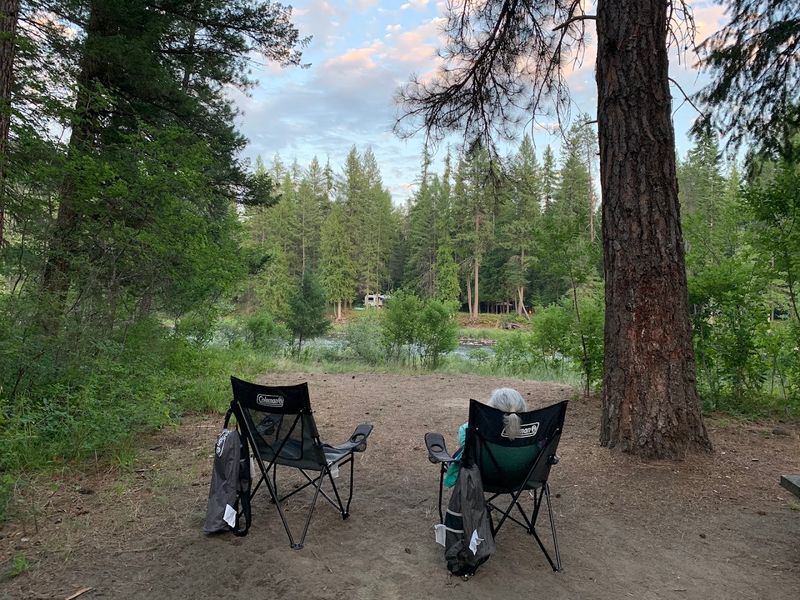
Surrounding the Yaak River lies some of the most extensive roadless forest remaining in Montana, creating a buffer of wilderness that keeps development at bay. These areas lack the official designation of capital-W Wilderness but function as such in practice, with no motorized access and minimal human impact.
The result is habitat that functions as nature designed, without the fragmentation that roads inevitably create.
The roadless character directly benefits the river by protecting its watershed from logging, mining, and other extractive activities that could degrade water quality. It also maintains the corridor that allows wildlife, including grizzlies, to move freely through the landscape.
Conservation groups have long recognized these forests as crucial to regional ecosystem health.
For visitors, the roadless areas mean that exploring beyond the river corridor requires old-fashioned hiking and navigation skills. No roads mean no shortcuts, no easy escapes, and no safety nets.
This reality keeps the Yaak feeling genuinely remote in an era when true isolation has become increasingly rare across Montana and beyond.
The Surrounding Valley Is Serious Grizzly Bear Country
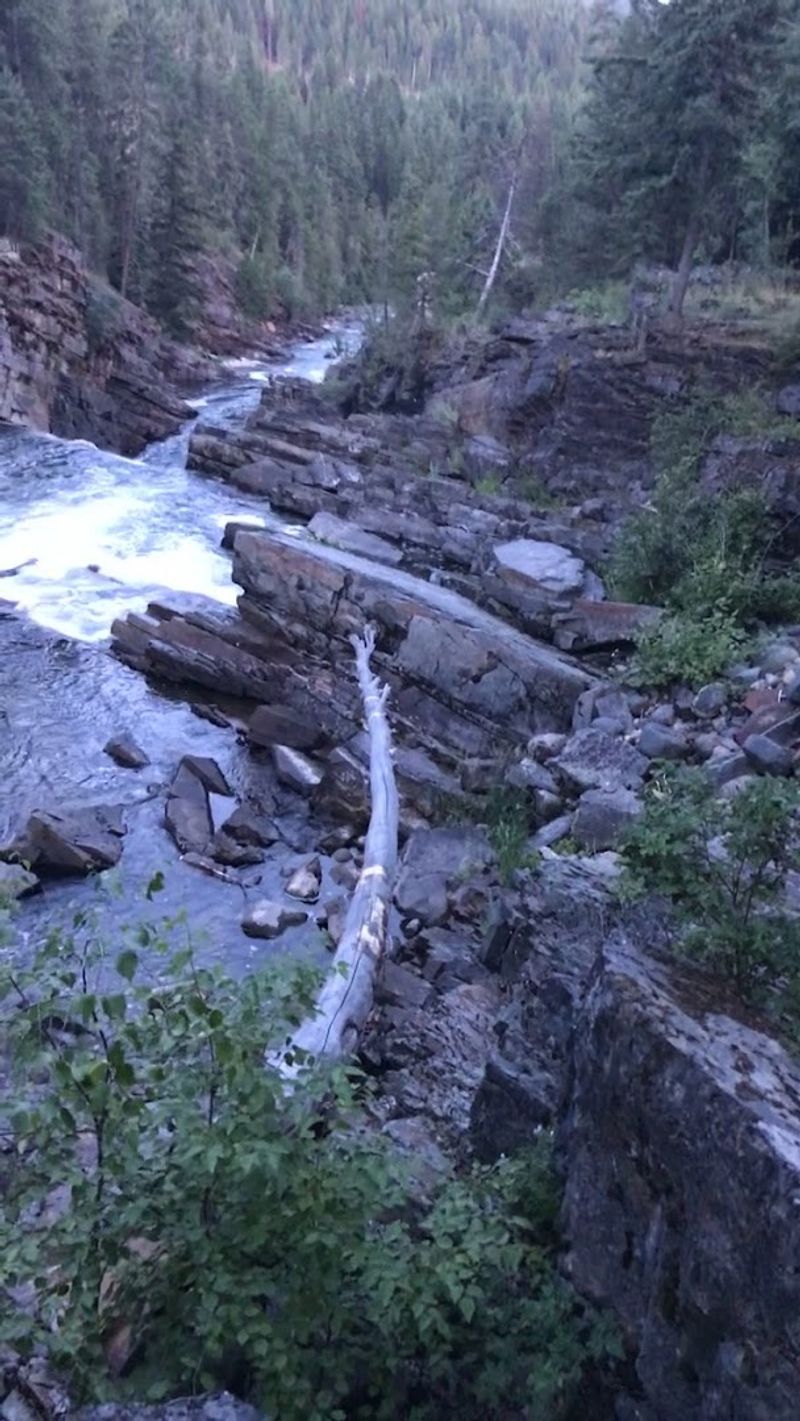
Make no mistake about it: the Yaak Valley hosts one of the most important grizzly bear populations in the Lower 48. These magnificent animals roam the forests surrounding the river, treating the entire watershed as their territory.
Anyone venturing into this area needs to take bear safety seriously, carrying deterrent spray and making noise while hiking.
The density of bears reflects the quality of habitat the valley provides. Thick forest offers cover, while diverse vegetation supplies food throughout the seasons.
The river itself attracts bears, especially during periods when fish are available or when they simply need water. Encounters happen regularly enough that locals treat bear awareness as basic common sense rather than paranoia.
This reality keeps some visitors away, which ironically helps preserve the very wildness that supports the bears. The Yaak proves that true wilderness in Montana still exists, complete with apex predators living as they have for millennia.
Sharing space with grizzlies requires respect, preparation, and a willingness to be a guest in their home.
Highway 508 Makes Reaching The River Part Of The Adventure
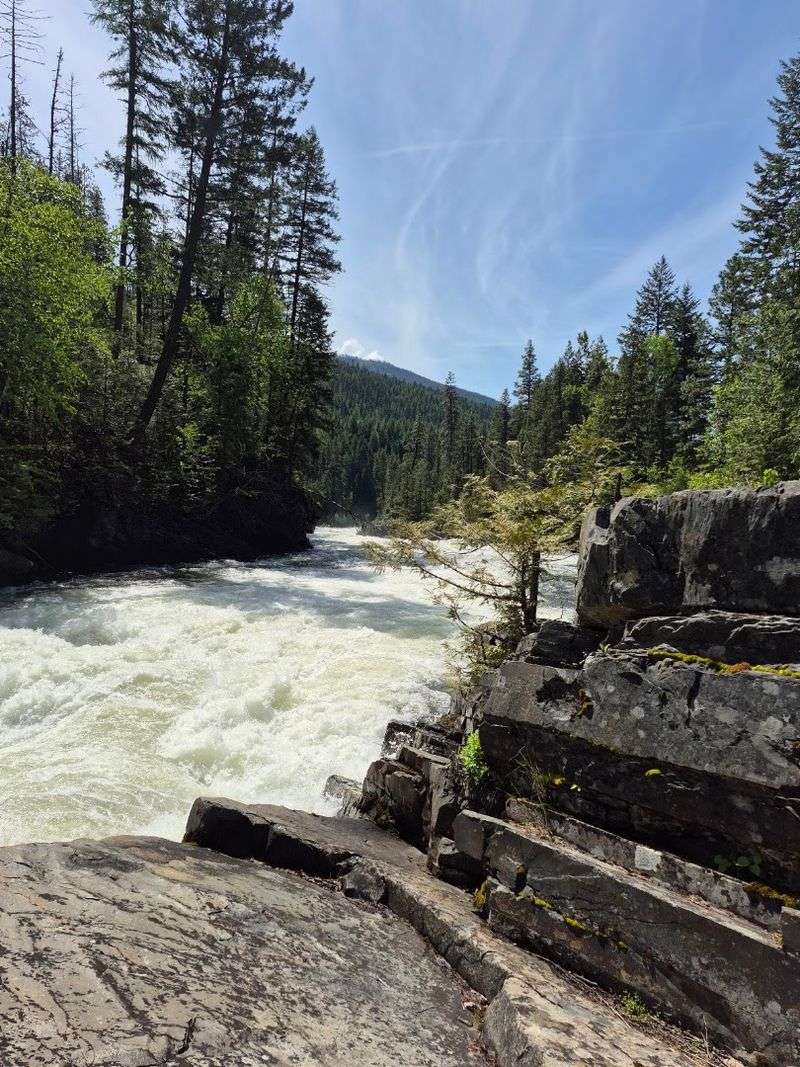
Getting to the Yaak requires commitment, starting with Highway 508, a narrow road that winds through the valley with the confidence of someone who’s never worried about traffic. This isn’t an interstate or even a well-traveled state route but rather a genuine backcountry highway that demands attention from drivers.
Potholes appear seasonally, wildlife crosses without warning, and cell service remains a fond memory.
The road follows the river for portions of its route, offering glimpses of the water between stretches of dense forest. Pullouts are few and sometimes unmarked, requiring local knowledge to find the best access points.
The pavement itself tells stories, with patches and repairs documenting decades of Montana winters and spring floods.
This challenging access actually serves as a filter, ensuring that only those truly interested in reaching the Yaak make the effort. The drive becomes part of the experience rather than just a means to an end.
Would the river feel as special if a four-lane highway delivered tourists directly to its banks?
The Yaak Has Been Considered For Wild And Scenic River Status
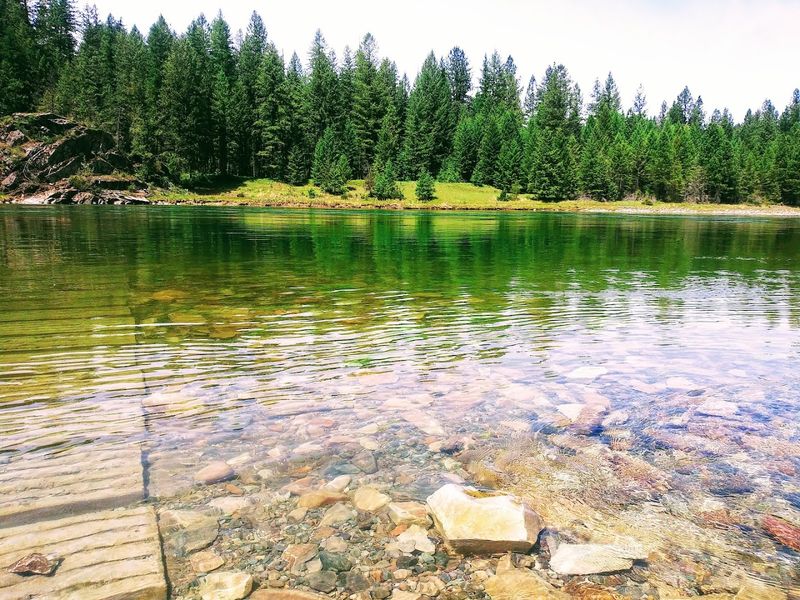
Recognition of the Yaak’s special qualities has led to discussions about Wild and Scenic River designation, a federal status that would provide additional protections. Such designation acknowledges rivers with outstanding natural, cultural, or recreational values worth preserving for future generations.
The Yaak certainly meets these criteria, though the designation process involves complex considerations about land use, water rights, and local control.
Supporters argue that formal protection would safeguard the river against future development pressures while maintaining its free-flowing character. The designation wouldn’t create a park or restrict reasonable access but would prevent certain types of projects that could fundamentally alter the river.
It represents a way to acknowledge what the Yaak already is: a genuinely wild river in an increasingly developed world.
Whether formal designation ultimately happens, the conversation itself highlights how rare places like the Yaak have become. Montana still has wild rivers, but their number shrinks each decade.
The Yaak reminds us that some places deserve protection simply because they’ve remained unchanged.