
This Charming Missouri River Town Moves At A Pace Locals Say Feels Just Right
Modern life has a habit of turning every free hour into another task. Slow living offers the opposite. It means leaving room for longer conversations, quieter afternoons, and days that do not need a packed schedule to feel worthwhile.
This Missouri river town makes that rhythm feel natural. Locals take their time, downtown feels pleasantly unhurried, and the water gives you an easy reason to pause. You can spend an afternoon here without constantly checking what comes next.
Missouri may be known for lively cities and major attractions, but this community offers a calmer kind of escape. Nothing urges you to rush through the experience.
In this corner of the state, slowing down is not a trend. It is simply how life works. By the time you leave, you may agree with locals that the town moves at exactly the right speed.
Boonville’s Former River Port Now Feels Remarkably Peaceful

Boonville once filled with steamboats, cargo crews, and travelers moving along the Missouri River. Today, the same waterfront feels calm enough to make you forget what time it is.
You can sit near the water, watch the current pass, and let the afternoon unfold without much of a plan. There is no constant traffic or pressure to hurry toward the next stop.
The river seems to set the pace, and the town follows along.
That slower rhythm carries into daily life. People linger over conversations, downtown does not feel rushed, and even a simple river walk can stretch longer than expected.
Boonville’s history still adds character, but the old port’s noise has faded. What remains is a peaceful place where doing less feels completely natural.
Historic Downtown Gives Boonville A Reason To Slow Down
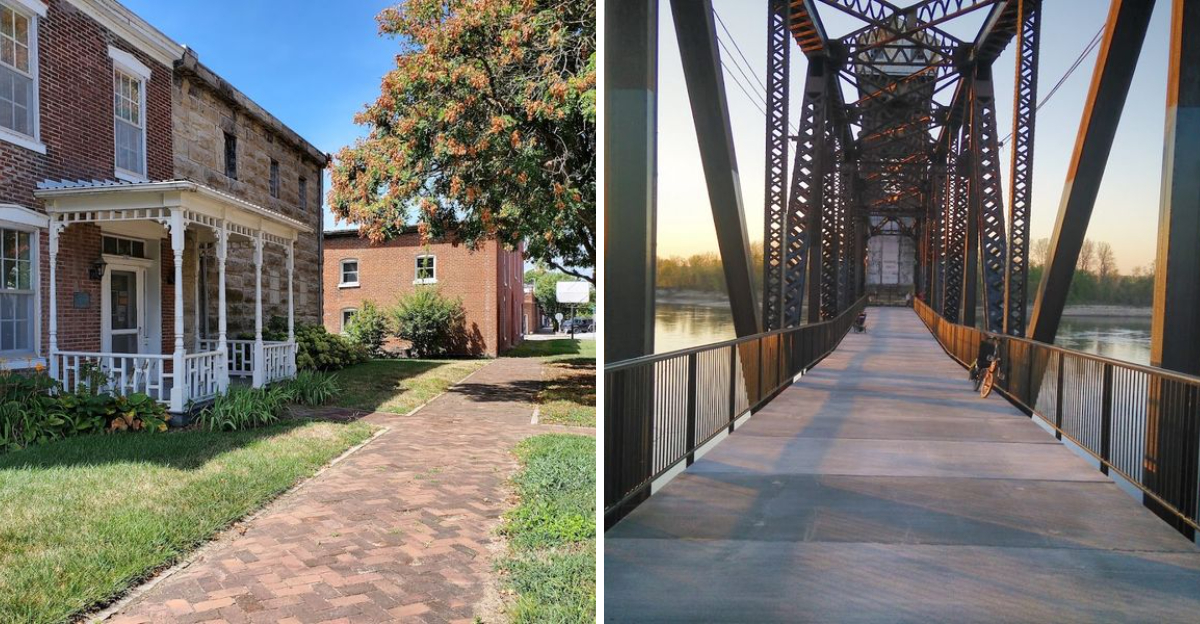
Downtown Boonville gives you permission to slow down. More than 400 historic properties shape the streets, so even a quick stop can turn into a longer wander.
Old brick buildings still hold shops, offices, restaurants, and homes. They are not treated like museum pieces.
They remain part of daily life, which gives downtown a comfortable and familiar feel.
You can browse without checking the time every few minutes. Pause near an old storefront, notice the details above the windows, or stay longer when a local conversation starts.
Nothing pushes you toward the next block.
That easy rhythm helps explain why life here feels so balanced. Locals use downtown rather than simply showing it off.
History adds interest, but it never makes the town feel formal or frozen. Boonville moves at its own pace, and the preserved streets make slowing down feel completely natural.
Wooded Bluffs Open To Wide Missouri River Views
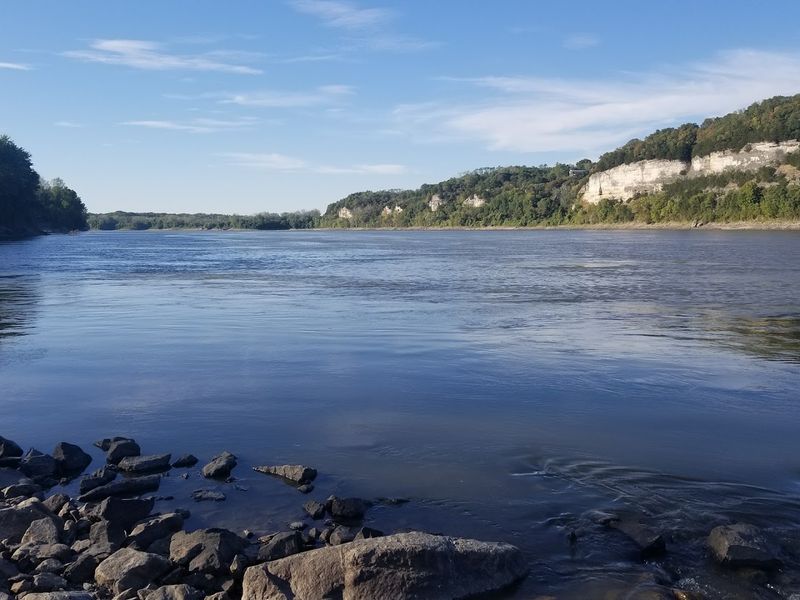
The bluffs surrounding Boonville create natural observation points that have drawn people to this spot for centuries. Dense hardwood forests cover these elevated ridges, opening occasionally to reveal sweeping views of the Missouri River as it curves through the landscape below.
Standing at these overlooks, you can watch barges navigate the same waterway that once carried steamboats filled with traders and settlers. The river stretches wide here, reflecting the sky and framed by distant tree lines on the opposite bank.
Several public access points allow visitors to reach these vantage points without strenuous hiking. Spring brings wildflowers to the understory, while fall transforms the canopy into waves of amber and crimson.
These bluffs aren’t just pretty backdrops. They shaped how Boonville developed, influencing where buildings were constructed and how the town connected to river commerce.
Ever wonder why river towns always seem to have the best sunset views?
The Katy Trail Passes Directly Through Town
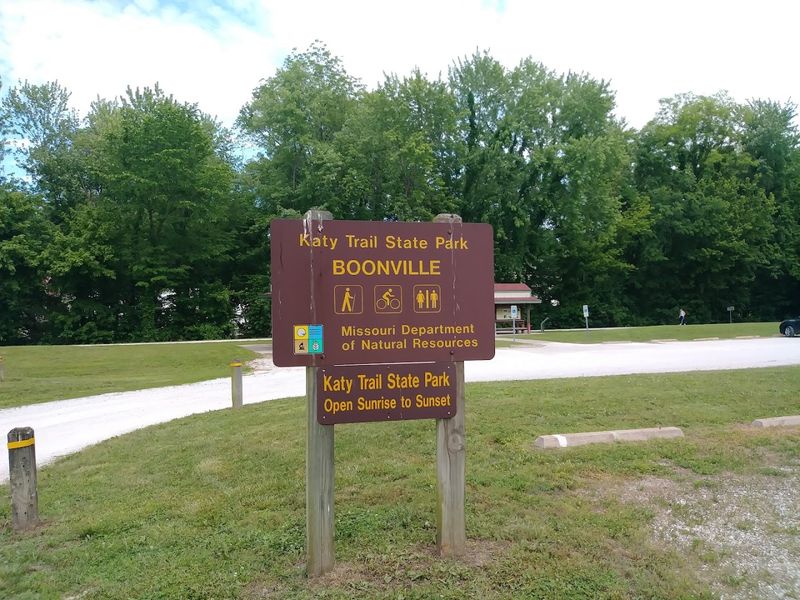
The 240-mile Katy Trail runs right through Boonville, giving you an easy reason to slow down and follow the old railroad route. The crushed limestone path enters town from the east and continues westward, making Boonville one of the trail’s most convenient stopping points.
Cyclists can roll directly from the trail into downtown within minutes, finding restaurants, lodging, and services without lengthy detours. This accessibility has made Boonville popular with long-distance riders tackling multi-day trail journeys.
The trail section here follows the Missouri River’s north bank, offering water views and relatively flat terrain. Shade trees line portions of the route, providing relief during summer rides.
Local businesses have adapted to serve trail users, offering bike repairs, packed lunches, and shuttle services. You’ll often see cyclists resting on downtown benches, their panniers packed with gear for the next leg of their journey.
Where else can you pedal straight from wilderness into history?
The Old Katy Bridge Offers A Walk Above The River
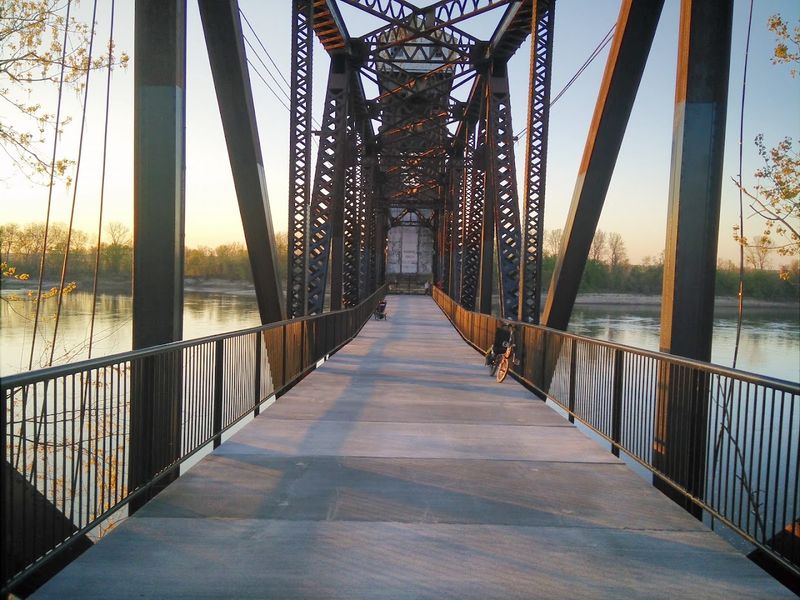
This former railroad bridge now carries only foot and bicycle traffic across the Missouri River, connecting Boonville to the Katy Trail’s southern sections. The steel structure stretches 960 feet, suspended above water that reflects the changing sky.
Walking across places you in the middle of the river with views extending in both directions. Barges occasionally pass beneath, their engines rumbling up through the bridge deck.
The conversion from rail to trail preserved the bridge’s industrial character while adding safety railings and a smooth surface. Interpretive signs explain the structure’s history and the engineering that keeps it standing after decades of use.
Early morning crossings often coincide with mist rising from the water’s surface. Late afternoon light turns the river golden and silhouettes the distant bluffs.
The bridge provides perspectives on the Missouri River that you simply can’t get from shore, making it worth the walk even if you’re not continuing on the trail.
A Free Museum Explores Boonville’s River And Railroad Past
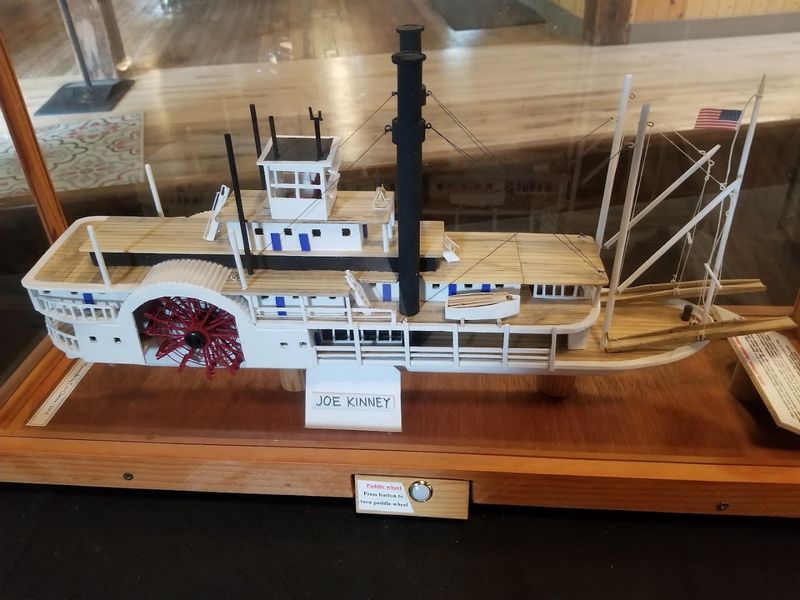
The Friends of Historic Boonville bring the town’s past to life, showing how riverboats and railroads helped shape the community you see today. Admission costs nothing, making it accessible for anyone curious about local history.
Exhibits cover the steamboat era when Boonville served as a major river port, complete with photographs of vessels that once docked here. Railroad displays explain how the Missouri-Kansas-Texas line transformed commerce and connected Boonville to distant markets.
You’ll find artifacts from daily life spanning different eras, from household items to business records. The collection emphasizes ordinary people’s experiences rather than focusing exclusively on prominent figures.
Volunteers who staff the museum often have personal connections to the stories being told, adding depth to the displays. They can point you toward other historic sites around town and answer questions about what you’re seeing.
The compact space makes it possible to absorb the main narratives in under an hour, perfect for a trail break or rainy afternoon activity.
One Of The Civil War’s Earliest Land Battles Happened Here
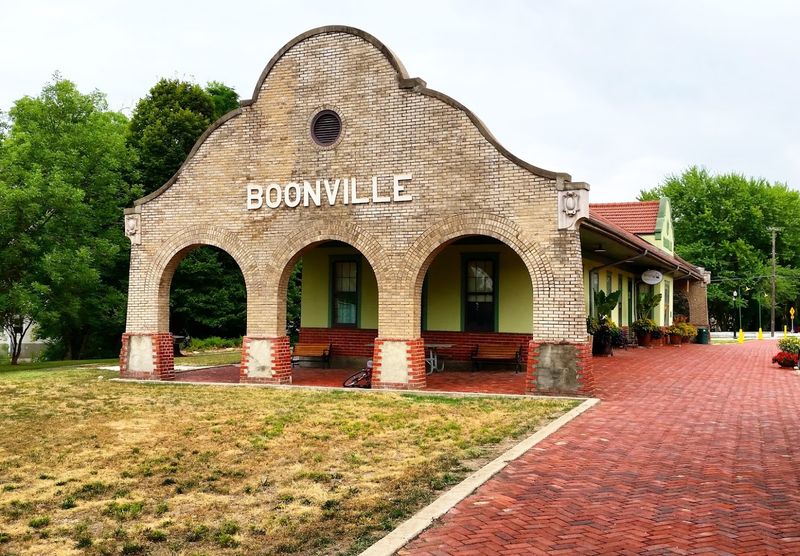
On July 17, 1861, Union and Confederate-sympathizing Missouri State Guard forces clashed just outside Boonville in one of the Civil War’s first significant land engagements. The battle lasted only about 20 minutes but had lasting consequences for Missouri’s role in the conflict.
Union troops under Nathaniel Lyon defeated the State Guard, securing central Missouri for federal control early in the war. This victory helped prevent Missouri from officially joining the Confederacy, though the state remained bitterly divided throughout the conflict.
Today, markers identify the battlefield location, though the landscape has changed considerably since 1861. Interpretive signs explain troop movements and the battle’s strategic importance.
The site receives fewer visitors than major battlefields, offering a quieter place to contemplate how national conflicts played out in local communities. Boonville residents found themselves on a literal battlefield, their town becoming a footnote in much larger historical narratives that would reshape the entire nation.
Thespian Hall Has Entertained Audiences Since The 1850s
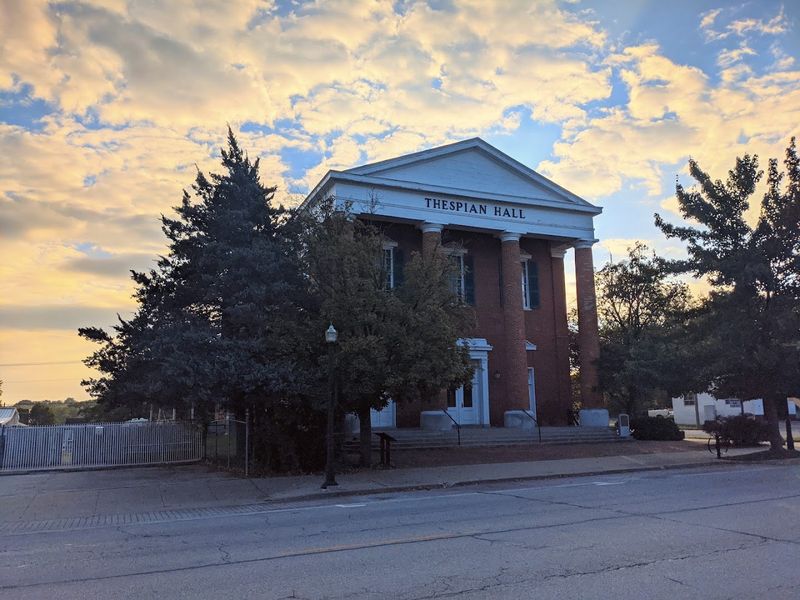
Built in 1857, Thespian Hall ranks among Missouri’s oldest surviving theaters still hosting performances. The building’s Greek Revival facade hints at the grandeur inside, where original features include hand-painted scenery and period seating.
Traveling theater companies performed here during the building’s early decades, bringing entertainment to a town far from major cities. The stage has hosted everything from Shakespeare to vaudeville to modern productions.
Restoration efforts have preserved the hall’s historic character while updating systems necessary for continued use. You can still see the original proscenium arch and feel the intimacy of a 19th-century performance space.
The theater operates as a venue for local productions and special events, maintaining its role as a community gathering place. Attending a show here connects you to generations of audiences who sat in similar seats, laughed at similar jokes, and applauded performers on the same stage.
How many theaters can claim an unbroken performance tradition spanning three centuries?
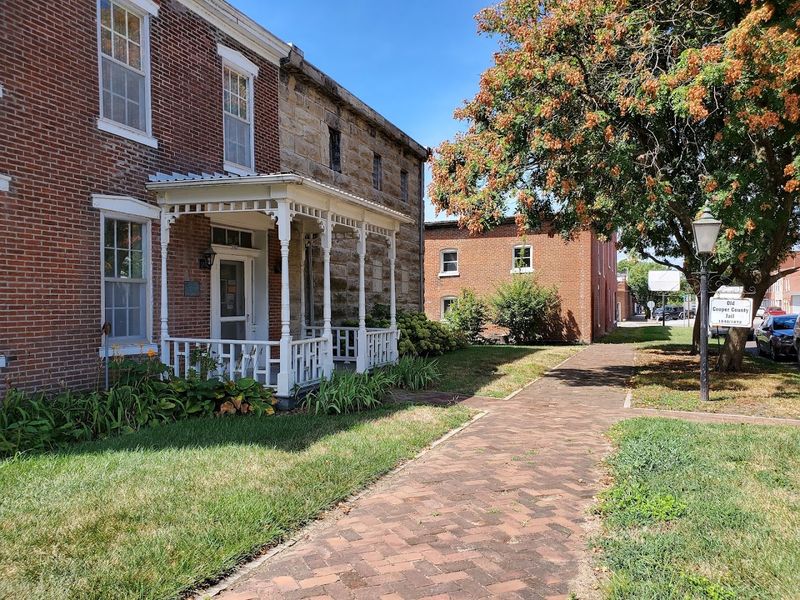
The Old Cooper County Jail Preserves A Darker Chapter Of Local History
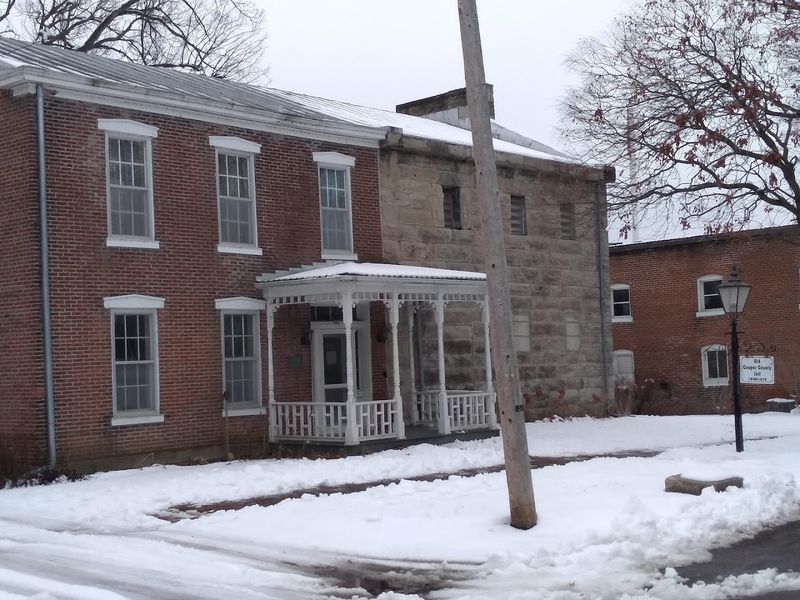
This stone structure served as Cooper County’s jail from 1848 until the 1970s, confining everyone from petty offenders to serious criminals. The building now operates as a museum where visitors can tour the cells and learn about law enforcement history.
Original cells remain intact, complete with iron bars and minimal furnishings that convey the harsh reality of 19th-century incarceration. The sheriff’s residence occupied the front portion, creating an unusual combination of home and workplace.
Exhibits explore changing attitudes toward punishment and rehabilitation over the jail’s 120-year operational history. You’ll see the cramped quarters where prisoners spent months or years, often in conditions we’d consider inhumane today.
The jail represents aspects of history that communities sometimes prefer to forget, but preserving it provides honest context for understanding how justice systems evolved. It’s not a cheerful stop, but it adds necessary complexity to Boonville’s story beyond the prettier historic buildings downtown.
Harley Park Overlooks The Site Of A Lost Missouri River Town
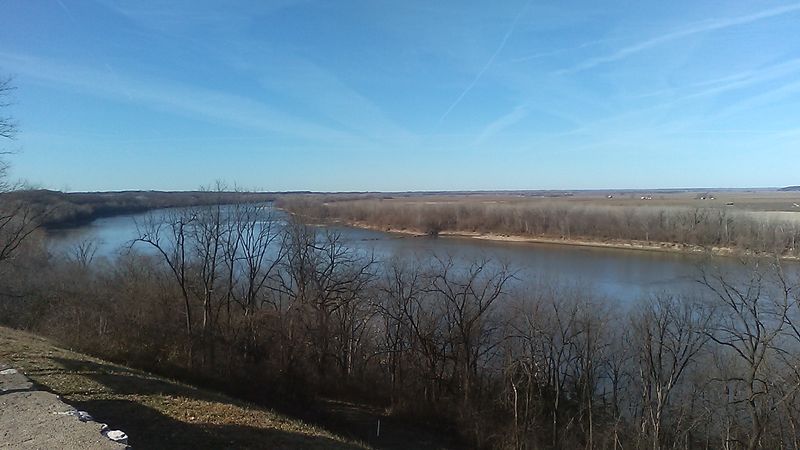
Harley Park occupies high ground above the Missouri River, offering views across the water to where the town of Franklin once stood. Founded in 1816, Franklin thrived briefly as a river port and outfitting point for westward travelers before the Missouri River literally washed it away.
Flooding and bank erosion gradually consumed Franklin’s buildings and streets, forcing residents to relocate. By the 1830s, the town had essentially disappeared, its role assumed by New Franklin on higher ground and by Boonville across the river.
Standing in Harley Park, you’re looking at water covering streets where businesses once operated and families lived. It’s a stark reminder of the Missouri River’s power and unpredictability.
The park includes picnic facilities and walking paths, making it pleasant for casual visits beyond its historical significance. Interpretive signs explain Franklin’s rise and fall, helping visitors understand what they’re seeing across the water.
Ever wonder what stories lie beneath rivers that refuse to stay in one place?