
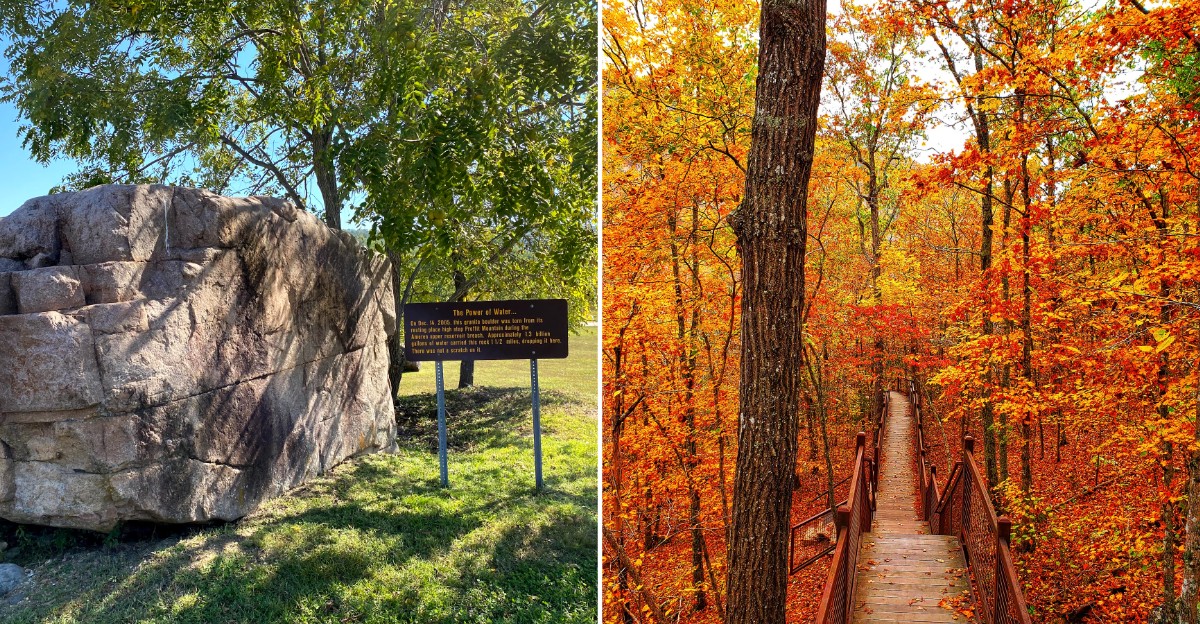
More than a billion gallons of water once roared down a mountainside and straight through a beloved swimming hole. It happened in a matter of minutes, on a quiet December morning in 2005, when almost nobody was around.
The wall of water reportedly stood about 20 feet high as it swept through the valley below. It wiped out an entire campground and carried away the park superintendent’s home, while his family was inside and somehow made it through.
Today, families splash in those same rocky chutes again every summer. Kids slide through natural stone channels made of rock that is roughly a billion years old.
I actually think that wild backstory makes every icy plunge feel a little sweeter.
Missouri has plenty of pretty rivers, but very few come with a recovery story this dramatic. So how does a park go from scoured down to bare rock to one of the most loved swimming spots in the Ozarks?
Nature Built A Water Park Out Of Billion-Year-Old Rock
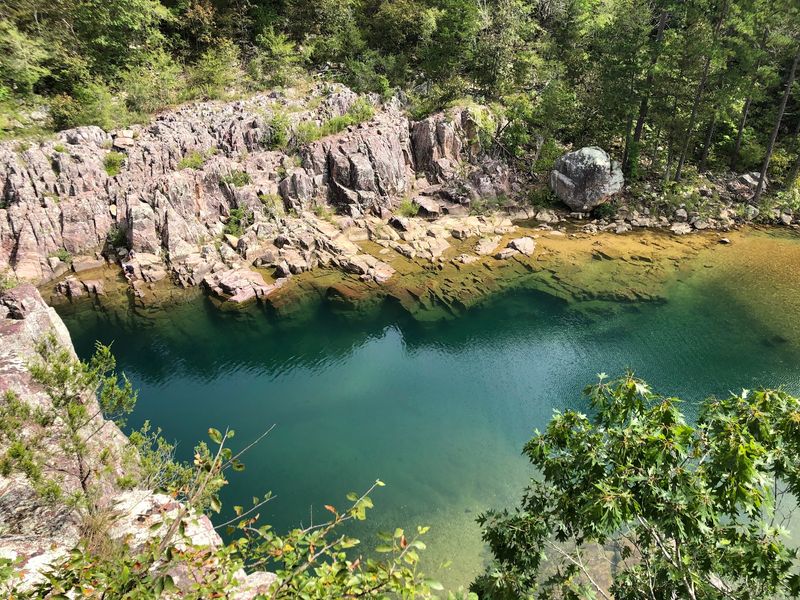
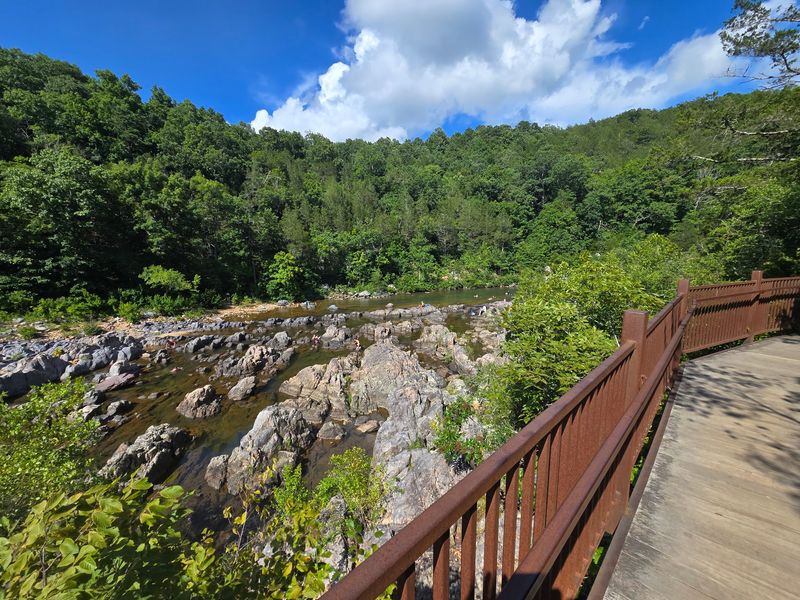
Long before anyone thought about waterslides, the East Fork Black River was busy making its own. At Johnson’s Shut-Ins State Park, the river squeezes through ancient igneous rock that refuses to wear down.
That rock is roughly a billion years old, which makes your oldest relative look like a toddler. Softer stone around it eroded away over time, but this tough rock stayed put.
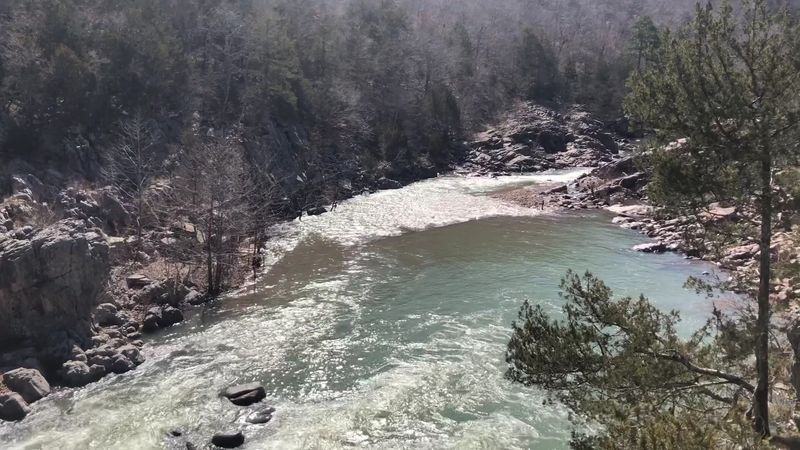
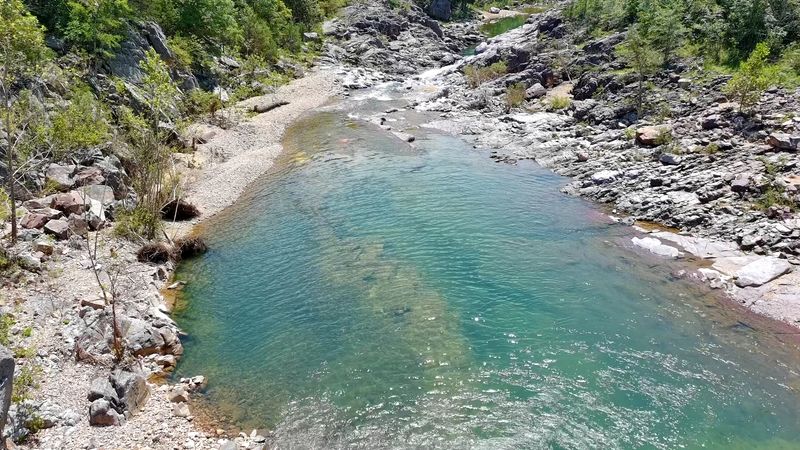
The result is a maze of cascades, chutes, and pools. Water rushes through narrow gaps, then spreads out into calm spots that are perfect for wading.
Folks in the Ozarks call these spots shut-ins because the river gets shut in by the rock. It’s a simple name for something that looks almost designed by a theme park engineer.
Swimmers use the smooth channels as natural slides on warm days. The water feels refreshingly cold, so a summer afternoon here beats any air conditioner.
Bring sturdy water shoes before you go. Those polished rocks are gorgeous, but they’re also famously slippery, and nobody wants to slide anywhere they didn’t plan to.
The December Morning A Mountain Reservoir Gave Way
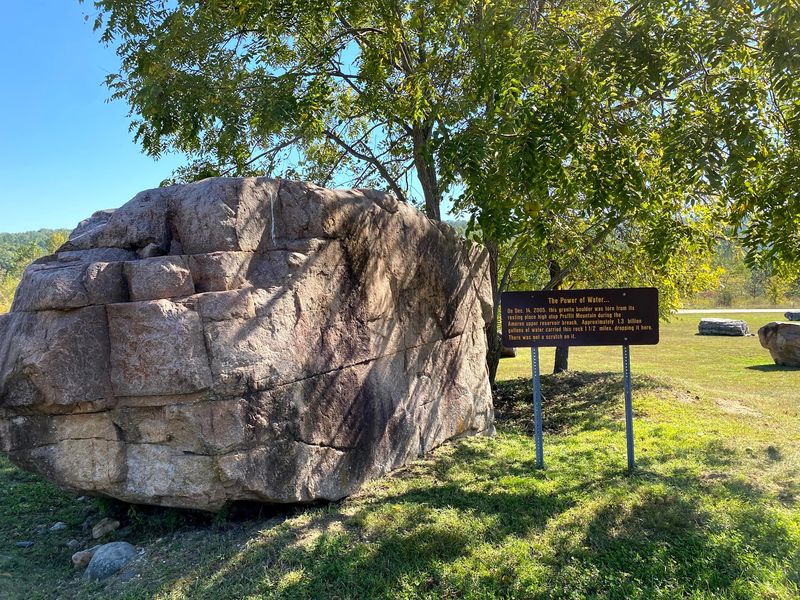
December 14, 2005, started like any quiet winter day in the Ozarks. Then the upper reservoir of the Taum Sauk Pumped Storage Plant, perched on nearby Proffit Mountain, failed.
A malfunction in the pumping system let water overtop the dam. Within minutes, more than a billion gallons rushed down the mountainside toward the park below.
The flood tore across about 281 acres of the park. It erased the campground completely and swept away the superintendent’s home with his family inside.
Family members were injured, yet they survived that frightening ride. Timing played a huge role, since the campground sat empty in the middle of December.
Picture the same rush on a busy July weekend, and the story feels very different. The calendar gave everyone an incredible stroke of luck.
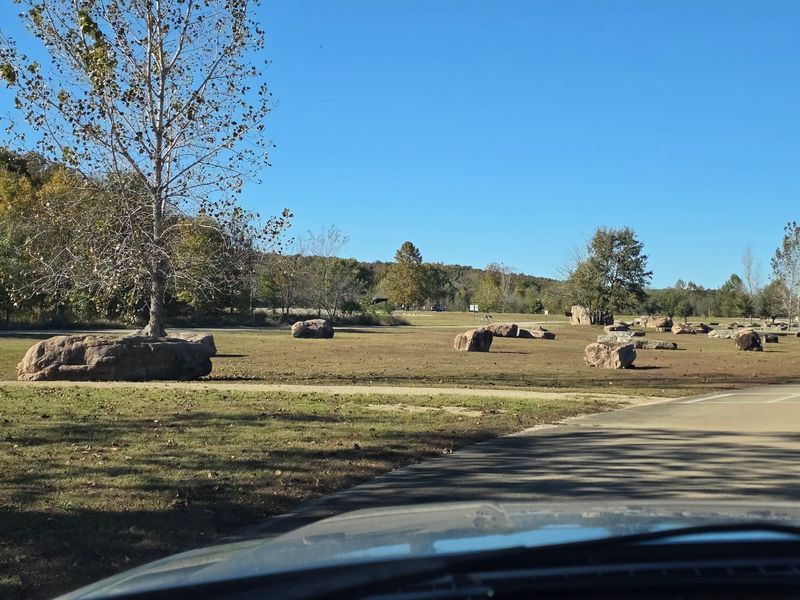
Estimates for total destruction and property damage climbed to around one billion dollars. Boulders, trees, and soil were scattered across the valley like toys after a toddler tantrum.
Knowing this history adds real weight to a visit. Those peaceful pools once sat in the path of one of the most dramatic disasters Missouri has seen.
Healing Took Years, And Every Step Was Worth Celebrating
Recovery didn’t happen overnight, and honestly, that’s part of what makes the story so satisfying. Crews faced a valley buried in debris, mud, and boulders.
By summer 2006, the park partially reopened for limited day use. Swimming came with restrictions, though, so visitors mostly looked rather than leaped.
Patience paid off in 2009. That year, the river and the shut-ins fully reopened for water recreation, and the splashing could finally return.
One more big milestone arrived in 2010. A brand-new campground opened its gates, giving overnight guests a home base again after five long years.
Think of it as a slow-motion makeover with a very happy ending. Each phase brought people a little closer to the experience they remembered.
Many longtime fans waited the whole stretch to return. Their loyalty says a lot about how deeply this place matters to families across the region.
When you stand by the water now, it’s easy to forget that recent struggle. Still, a quick look at the rugged landscape nearby shows exactly how far the park has come.
Big Money Turned A Disaster Zone Into Something Better
Rebuilding a whole park takes more than good intentions. It takes serious funding, and this one got a hefty boost from a legal settlement.
AmerenUE owned the Taum Sauk reservoir that failed. The company reached a settlement of about 180 million dollars, and roughly 52 million went toward the park.
That money helped fund restoration and improvements at Johnson’s Shut-Ins State Park. Instead of just patching things up, the state used the chance to rethink the layout.
Planners didn’t simply copy the old setup. The new campground went in at a different spot, while the river area gained updated paths and facilities.
A disaster almost nobody wanted ended up shaping the modern park. That’s a twist worthy of a movie, minus the dramatic soundtrack.
Look closely and you’ll notice features built with safety and access in mind. A paved trail and boardwalk lead toward the shut-ins, making the walk easier for many visitors.
So the next time you stroll that smooth path, give a small nod to the comeback. Every board and bench represents a community that refused to give up on its favorite river.
Follow These Swim Rules And Your Day Stays Awesome
No lifeguards work the shut-ins, so you’re your own safety crew here. River conditions can change quickly, which means smart choices matter a lot.
Watch for the color-coded flags that signal water hazard levels. When the river runs high, swimming may close, and that call is there for good reason.
The shut-ins area also has a short list of banned items. Food, pets, coolers, and disposable drink containers all stay out of that zone.
Pack a reusable water bottle instead, preferably a sturdy metal one. You’ll stay hydrated without adding trash to the river that worked so hard to recover.
Leave lunch in the car or save it for a picnic area. Snacks taste better after a cold swim anyway, so think of it as building anticipation.
Water shoes are basically non-negotiable on those slick rocks. Waterproof sunscreen helps too, since sunny days can sneak up on you while you’re splashing.
Following these simple rules keeps the shut-ins clean and safe for everyone. It also protects a spot that Missouri nearly lost, so the effort feels pretty worthwhile.
Pick Your Campsite Style, From Rustic To Fully Hooked Up
Campers get plenty of choices at the rebuilt campground. You can go simple with a walk-in tent site or roll up with an RV and plug in.
Options include basic, electric, and sewer, electric, and water sites. Horse lovers can book equestrian sites with electric and water hookups.
Not into tents at all? Camper cabins offer a cozier middle ground, and special-use areas work well for larger groups.
The campground comes with restrooms, showers, laundry facilities, and a campground store. Some services shift with the seasons, so check before you pack.
Forgot marshmallows or need a souvenir T-shirt? That little store can save the day without a long drive out of the hills.
The park sits at 148 Taum Sauk Trail, Middle Brook, MO 63656. Out here, gas stations aren’t exactly around every corner, so fill up before the final stretch.
Staying overnight gives you a huge edge on summer days. You can reach the river early, before most day visitors finish their morning coffee and hit the road.
Lace Up, Because The Trails Tell The Whole Story
Some trails show off pretty views, while others teach a history lesson. This park manages to do both, which is a pretty great deal for your legs.
The Shut-Ins Trail loops through rugged terrain near the river. Expect rocky footing and real climbs, so sneakers with good grip are a smart call.
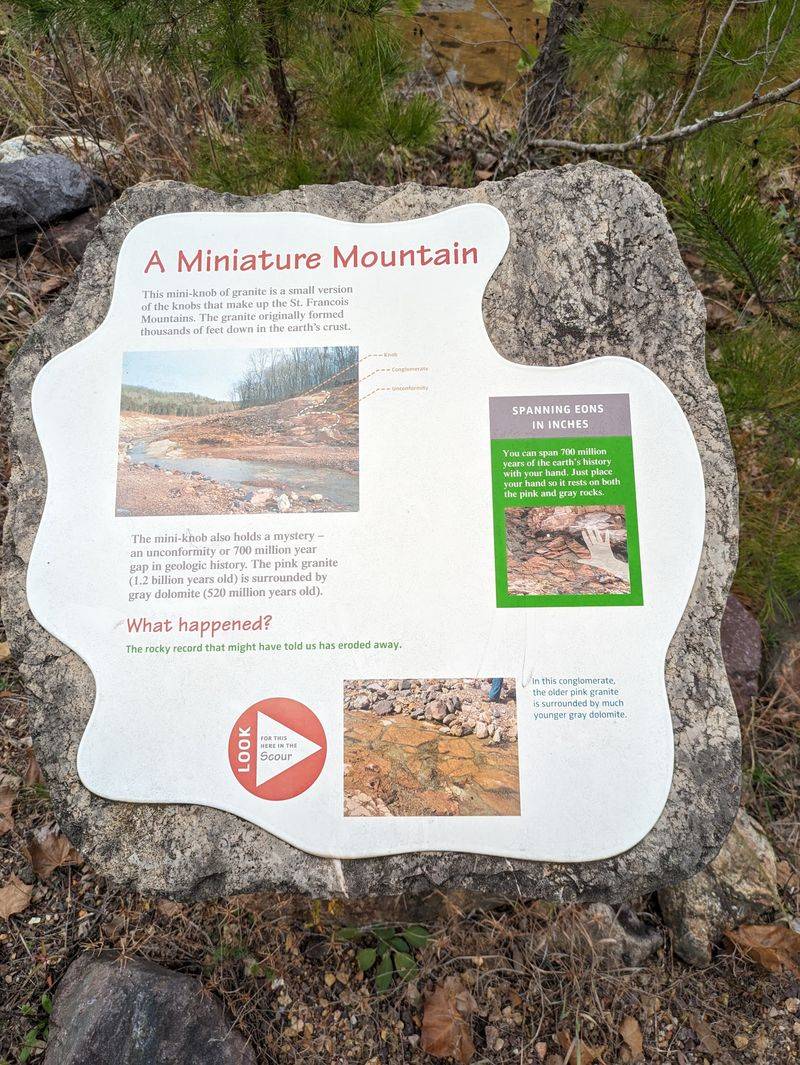
For flood history, the Scour Trail is the standout. It leads hikers through the area shaped by the 2005 reservoir failure, where raw rock still tells the tale.
Horseback riders have the Goggins Mountain Equestrian Trail. It pairs nicely with those equestrian campsites, so riders can saddle up right from camp.
Big-mileage fans can hop onto a section of the Ozark Trail. That long-distance route winds through the region, offering far more than a single afternoon can cover.
Keep an eye on trail markers, since some paths get tricky. Bug spray is helpful too, especially in warmer months when insects get enthusiastic.
Hiking adds a whole new layer to a visit at Johnson’s Shut-Ins State Park. You’ll understand the comeback better after seeing the land from above the water.
Smart Safety Upgrades Came Out Of A Scary Lesson
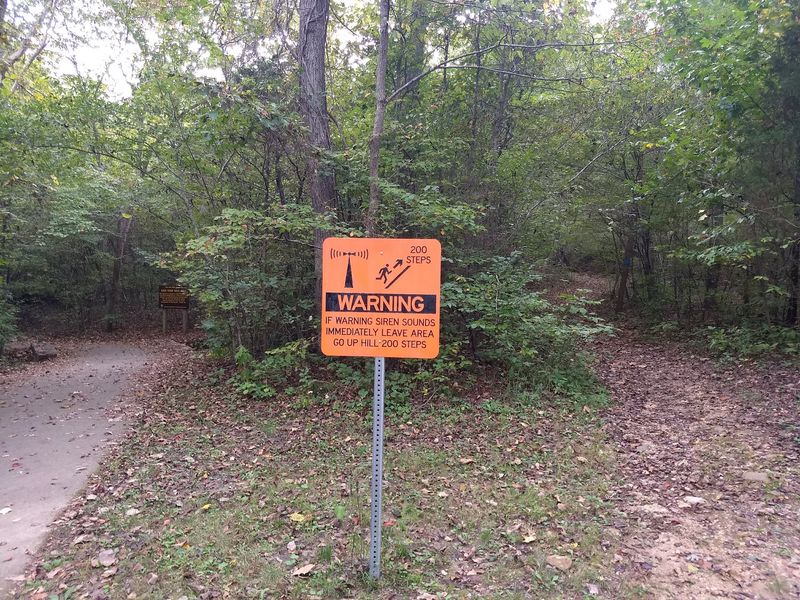
Disasters often leave behind useful lessons, and this park took them seriously. After the flood, officials installed an alert system to warn visitors about potential flooding emergencies.
That system adds peace of mind for anyone camping or swimming downstream. Nobody wants a repeat of 2005, and the park planned accordingly.
Start your trip at the visitor center to get your bearings. It offers restrooms, educational displays, and a helpful overview before you head to the water.
Exhibits make the geology and history much easier to grasp. Seeing the story laid out first makes the river feel even more impressive later.
Wi-Fi at the visitor center can be a lifesaver too. Cell signal gets spotty in these hills, so check maps and plans while you’re connected.
Hours for the visitor center change with the seasons. A quick look ahead of time keeps you from arriving to locked doors and disappointed kids.
Respecting the warnings and flags is the simplest way to honor the comeback. The park rebuilt with care, and visitors keep that progress going by playing it safe.
Plan Smart And You Can Squeeze In Even More Ozark Fun
Covering 9,432 acres in Reynolds County, this park gives you room to roam. It stays open year-round, though specific hours shift by season.
Summer is prime time for swimming, and crowds know it. Arriving early on a hot weekend gives you a better shot at parking and a quieter pool.
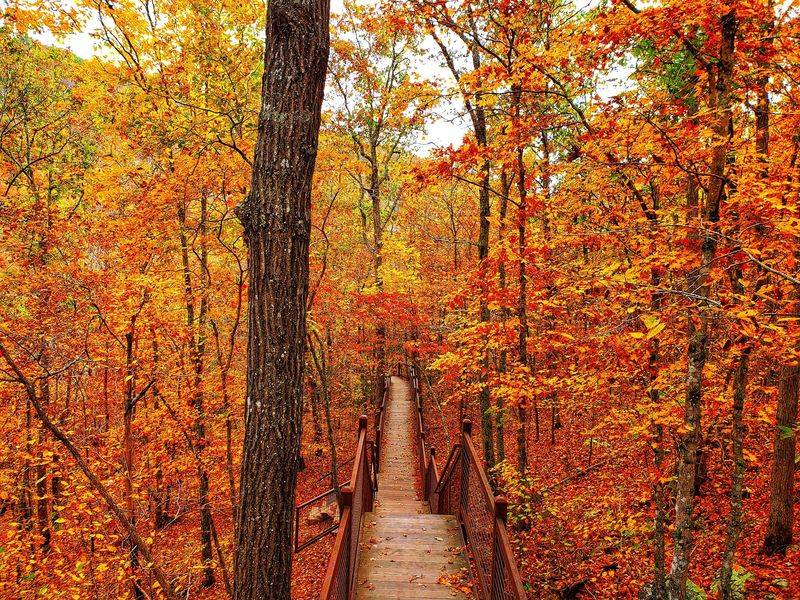
Cooler months offer a totally different vibe. Fall color along the East Fork Black River can be spectacular, and hiking feels far more comfortable.
Johnson’s Shut-Ins State Park sits roughly two hours from St. Louis. That makes it a doable day trip, though staying overnight lets you relax and explore more.
Elephant Rocks State Park is a short drive away. Its giant granite boulders pair perfectly with the shut-ins for a full day of Missouri rock wonders.
Pack layers, snacks for the car, and plenty of water. The Ozarks reward people who show up prepared and leave the place cleaner than they found it.
A park that almost washed away is now thriving again. Honestly, that alone deserves a visit, and the icy natural waterslides make it an easy sell.