
The Often-Missed New Hampshire Town That Looks Straight Out Of A Storybook
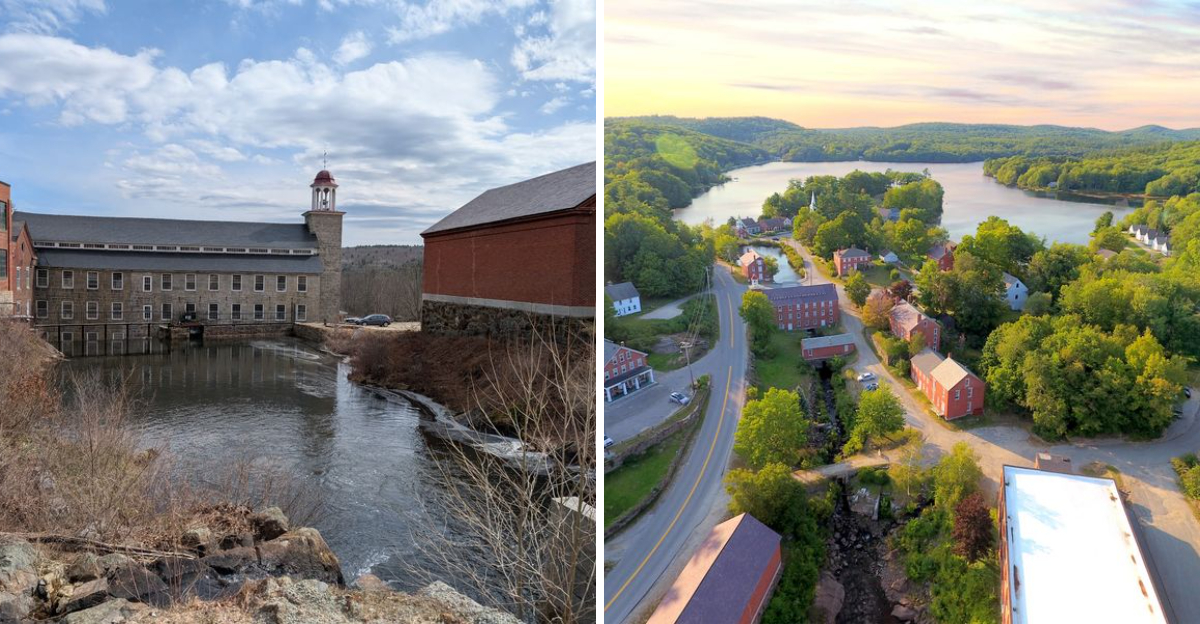
A wrong turn can sometimes lead to the best part of a trip. In this quiet New Hampshire town, the roads curve past old homes, weathered barns, and views that feel almost carefully arranged. Nothing seems rushed here, and that calm sets in quickly.
The town has the rare ability to make an ordinary afternoon feel memorable. A small bridge, a church steeple, or a tree lined street can look like a scene pulled straight from a storybook. Even the simplest corners seem worth noticing.
Travelers often hurry toward bigger names in the state, leaving this place pleasantly uncrowded. That may be exactly why it still feels so genuine. You can take your time, follow the road without a plan, and enjoy the silence between stops.
New Hampshire is filled with beautiful destinations, but this town has a softer kind of charm. In a state known for dramatic scenery, its quiet details may stay with you the longest.
A Living Museum Of Industrial Heritage
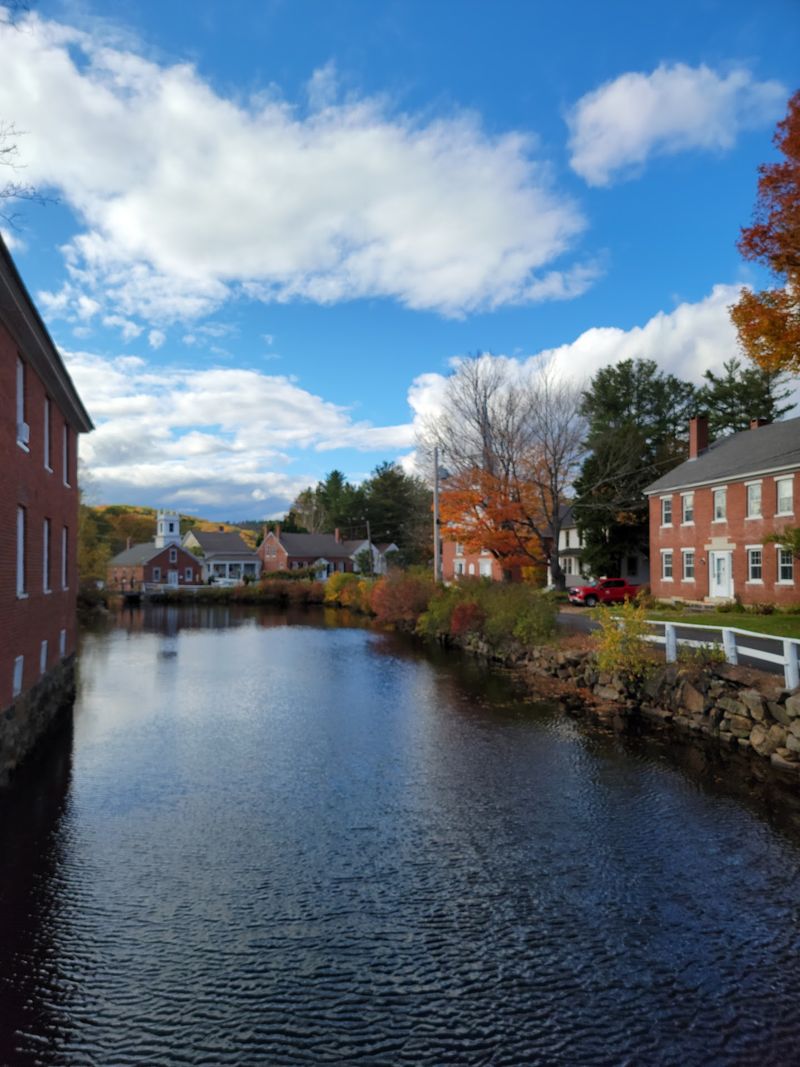
Most towns modernize and tear down their past, but Harrisville took a different path. The entire village center remains virtually unchanged from its industrial heyday, creating an outdoor museum that you can actually walk through and touch.
The textile mills that once hummed with activity still stand proudly along the millpond. Their red brick facades and tall windows tell stories of an era when water power drove the economy of rural New Hampshire.
These aren’t replicas or reconstructions either.
Every building you see represents authentic 19th-century architecture and craftsmanship. The town’s commitment to preservation means you’re experiencing the real deal, not a theme park version.
Can you imagine the workers who once filled these streets each morning?
Wandering through feels like borrowing a time machine, minus the complicated controls. This dedication to maintaining historical integrity makes Harrisville genuinely unique among New England villages.
Architecture That Tells A Thousand Stories
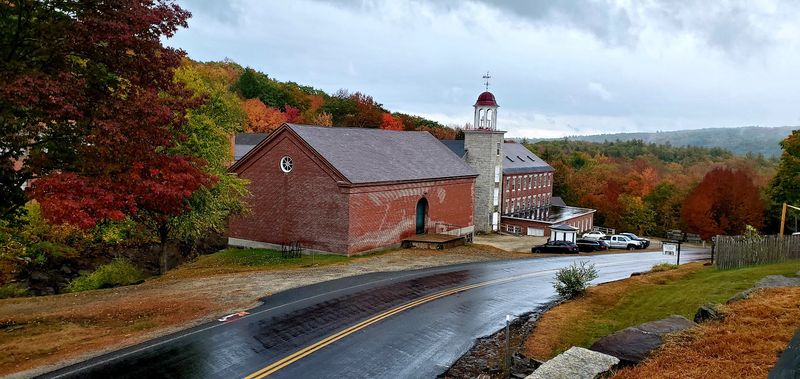
The buildings here weren’t just thrown together randomly. Each structure reflects careful planning and the architectural styles popular during the mid-1800s, from Greek Revival homes to Federal-style commercial buildings.
You’ll notice the attention to detail immediately. Window proportions, door placements, and roofline angles all follow classical design principles that modern construction often ignores.
The mill owners clearly valued aesthetics alongside function.
Many structures feature their original clapboard siding and hand-blown glass windows. These details might seem small, but they create an authentic atmosphere that’s impossible to fake.
The craftsmanship on display would cost a fortune to replicate today.
Walking past these buildings, you can almost hear the echoes of carriages and conversation from generations past. The architectural consistency throughout the village creates a cohesive visual experience that’s increasingly rare in America.
The Millpond That Centers Everything
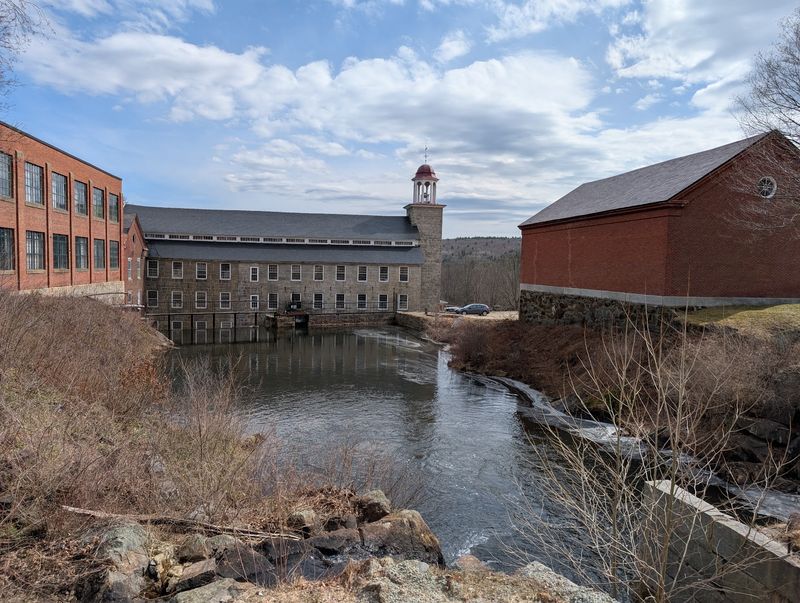
Water was the original power source that built this community, and the millpond remains its beating heart. This isn’t just a pretty feature added for looks.
The pond powered the textile mills through an ingenious system of dams and waterways. Engineers in the 1800s understood how to harness natural resources with remarkable efficiency.
Today, the water still flows through some of the original channels and spillways.
Sitting beside the millpond offers one of New Hampshire’s most peaceful experiences. The water reflects the surrounding buildings and trees, creating mirror images that photographers absolutely love.
Different seasons paint the scene in constantly changing colors.
Birds frequent the area, and you might spot fish moving through the clear water. The gentle sound of water flowing over the dam provides natural background music.
This spot alone justifies the trip to Harrisville.
Chesham And Eastview Villages
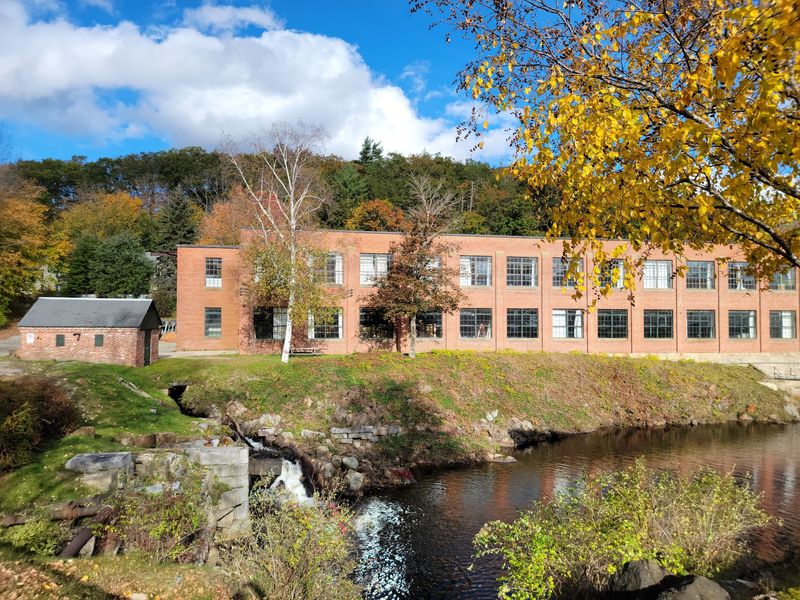
Beyond the main village center, Harrisville includes two smaller communities that offer their own charms. Chesham and Eastview represent the agricultural side of this region’s history, contrasting nicely with the industrial focus of the town center.
These villages feature farmhouses, barns, and country roads that wind through gentle hills. The pace here makes the main village look positively bustling by comparison.
You’ll find stone walls marking old property boundaries and fields that have been worked for generations.
Driving or walking through these areas gives you a fuller picture of rural New Hampshire life. The landscape opens up compared to the tighter village center, offering long views across the Monadnock region.
Have you ever seen countryside this unspoiled?
Local residents in these outlying areas maintain the same commitment to preservation as the main village. Together, all three communities create a complete historical ecosystem.
Surrounded By The Beauty Of The Monadnock Region
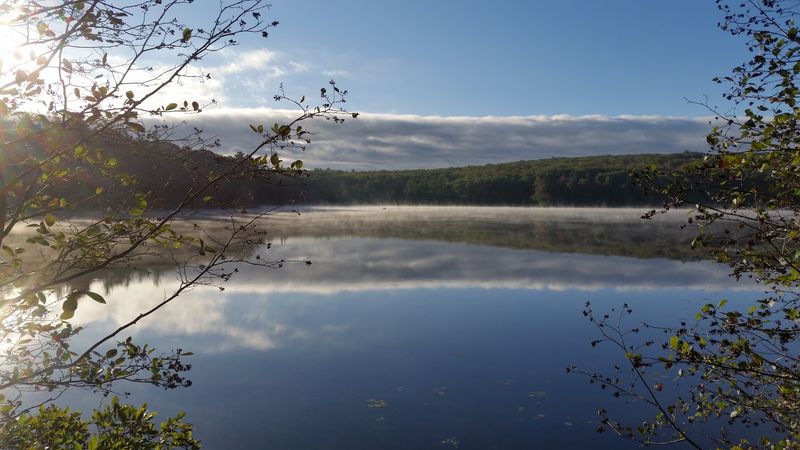
Location matters tremendously, and Harrisville sits in one of New Hampshire’s most beautiful areas. The Monadnock region takes its name from Mount Monadnock, which dominates the skyline and attracts hikers from around the world.
This southwestern corner of the state offers a landscape of forested hills, clear streams, and small mountains. The terrain provided perfect conditions for water-powered mills while maintaining enough farmland to support communities.
Natural beauty and practical resources combined ideally here.
Surrounding forests explode with color each autumn, creating a spectacular backdrop for the village. Spring brings wildflowers and rushing streams swollen with snowmelt.
Even winter transforms the area into a peaceful snow-covered scene worthy of any holiday card.
The relatively remote location has actually helped preserve Harrisville’s character. Major highways bypass the area, meaning development pressure stayed minimal.
Sometimes being off the beaten path works perfectly.
A Population That Values Preservation
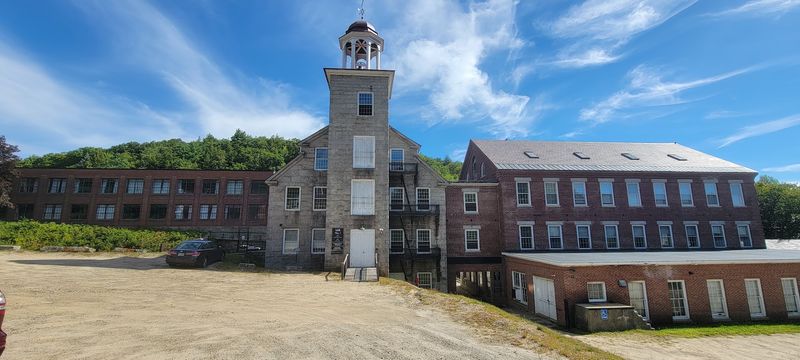
With fewer than 1,000 residents calling Harrisville home, this remains genuinely small-town America. The 2020 census counted just 984 people, which means everyone likely knows their neighbors pretty well.
This tight-knit community takes preservation seriously as a collective effort. Residents understand they’re stewards of something special and act accordingly.
New construction follows strict guidelines to maintain historical character, and property owners maintain their buildings with care.
The small population means you won’t encounter tourist crowds or commercialization. No chain stores or franchise restaurants interrupt the historical streetscape.
What you see is what locals actually live with daily.
This creates an authentic experience that larger destinations simply cannot offer. You’re visiting a real working community, not a preserved ghost town or tourist attraction.
The people here go about their lives in buildings their great-grandparents might have known.
Why This Town Earned National Recognition
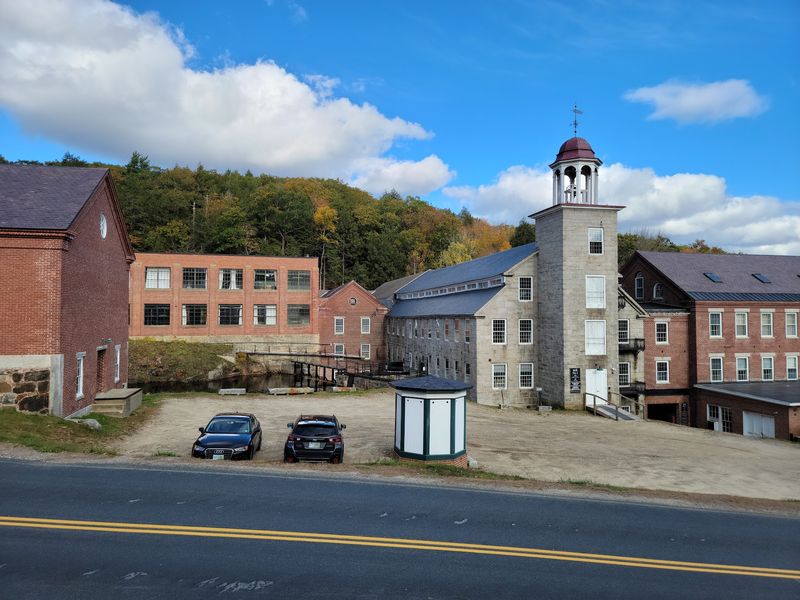
Official recognition from the National Register of Historic Places confirms what your eyes tell you immediately. Harrisville’s village center earned this designation thanks to its exceptional preservation and historical significance.
This isn’t just a participation trophy. The National Register only includes properties that meet strict criteria for architectural and historical importance.
Harrisville qualified because it represents one of America’s best-preserved examples of a 19th-century textile mill village.
The designation provides some protection against inappropriate development and helps maintain the area’s character. It also serves as a stamp of authenticity for visitors wondering if what they’re seeing is genuinely special.
Spoiler alert: it absolutely is.
Walking through a National Register historic district feels different than visiting random old buildings. Everything connects into a cohesive story about American industrial history and community development.
The whole truly exceeds the sum of its parts here.
A Different Kind Of Beauty In Every Season
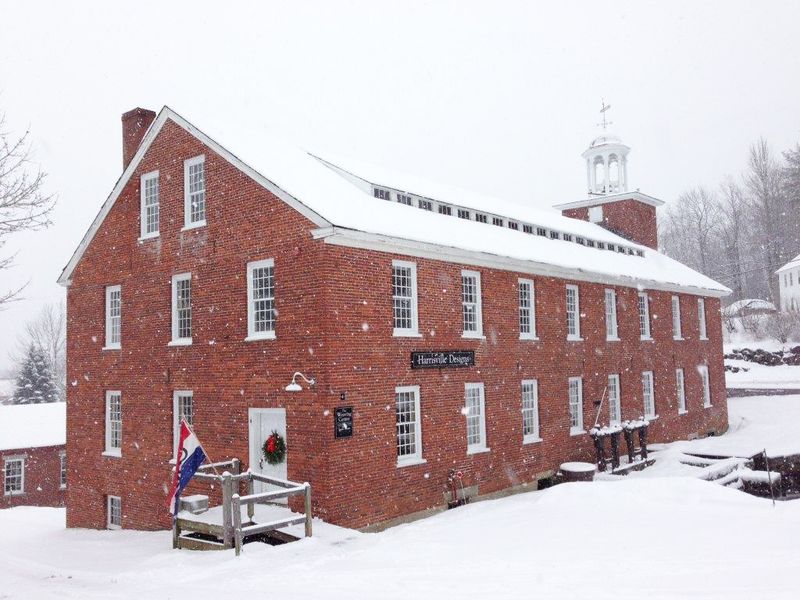
Each season rewrites the visual story here, making repeat visits worthwhile. Spring arrives with mud season and then explosive greening as trees leaf out and flowers bloom.
The millpond thaws and reflects blue skies instead of ice.
Summer brings full foliage and the longest days, perfect for extended exploration. Warm weather makes walking tours comfortable, and the surrounding forests fill with birdsong.
Local gardens reach their peak, adding color to already picturesque streets.
Autumn steals the show with New Hampshire’s famous fall foliage. The brick buildings look even more striking against orange, red, and gold leaves.
Photographers descend on the region during this season for good reason.
Winter transforms everything into a quieter, more contemplative scene. Snow softens the village’s edges and highlights architectural details.
The millpond might freeze solid, and smoke from chimneys adds to the storybook atmosphere.
Every Corner Looks Ready For A Photograph
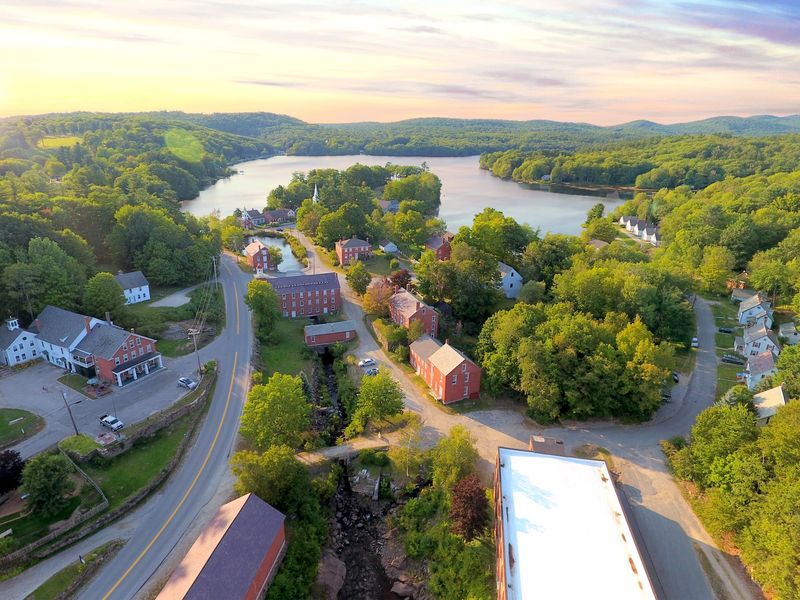
Bring your camera or phone because this place practically begs to be photographed. The combination of water, historic architecture, and natural surroundings creates endless compositional possibilities.
The millpond offers perfect reflection shots, especially during calm mornings or evenings. Buildings frame nicely against sky or foliage depending on your angle.
Even amateur photographers can capture professional-looking images here because the subject matter does half the work.
Different times of day create dramatically different lighting conditions. Golden hour bathes the brick buildings in warm light that seems made for photography.
Overcast days work beautifully too, creating soft, even lighting without harsh shadows.
Seasonal changes mean you could visit multiple times and capture completely different images. Winter snow, spring flowers, summer greenery, and fall colors each transform the same scenes.
Social media feeds love this kind of content, if you’re into sharing your adventures.
Quiet Exploration Without Crowds
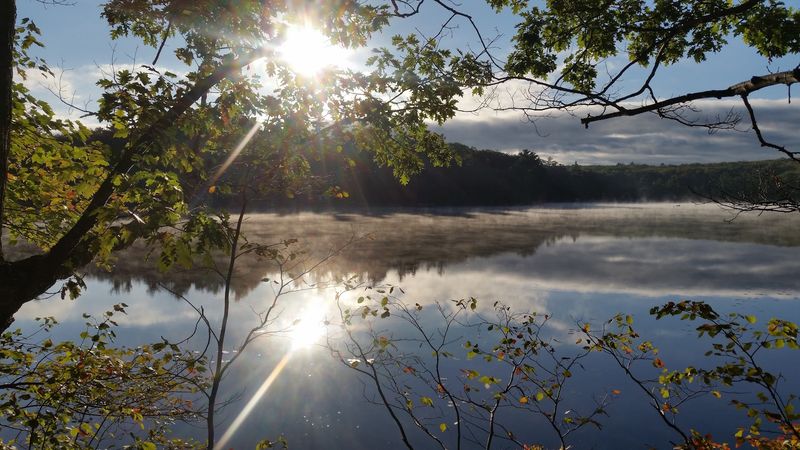
Unlike popular tourist destinations, Harrisville offers the luxury of exploration without fighting crowds. You might have entire streets to yourself, especially during weekdays or off-season visits.
This solitude lets you actually absorb the atmosphere instead of just checking boxes on an itinerary. You can stand in the middle of the street for photos without worrying about traffic.
The silence itself becomes part of the experience.
Being off most tourist radars means the village maintains its authentic character. Nobody’s performing for visitors or selling trinkets on every corner.
What you experience is simply how the place exists normally.
The peaceful environment makes Harrisville perfect for contemplative walks or quiet reflection. Stressed-out folks from busier areas find the change of pace genuinely therapeutic.
Sometimes the best destinations are the ones nobody’s rushing to Instagram.
Curious Minds Of All Ages Will Find Something Here
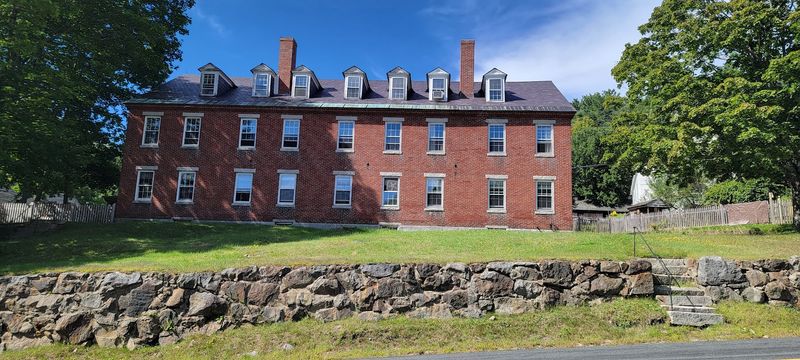
History classes come alive when you can actually walk through the settings. Kids grasp industrial-era concepts much better when standing beside the actual machinery and buildings involved.
The village serves as a three-dimensional textbook about American economic development. You can trace how water power, textile production, and community planning intersected during the 1800s.
These weren’t abstract concepts but real systems that shaped people’s daily lives.
Adults appreciate the architecture, craftsmanship, and preservation efforts on display. Different generations find different aspects fascinating, making Harrisville a surprisingly good multi-generational destination.
Everyone learns something, even if they think they already know New Hampshire history.
The compact size means you can absorb the main lessons in a few hours without exhausting younger visitors. No museum admission fees or guided tour requirements either.
Self-directed learning works perfectly here because the village itself tells the story.