The largest collection of Indian Motorcycles in the world sits in one Massachusetts museum. Right nearby, a gleaming 1899 Knox waits beside vintage Rolls-Royce roadsters.
I’d bet you still remember pressing your nose to a car window as a kid. That giddy, can’t-sit-still feeling never really leaves.
It just waits for the right excuse.
To me, this place is that excuse. Kids grin at shiny wheels and loud colors before they even know why.
Grown-ups get the same grin here, only with better stories attached.
I’m convinced nobody outgrows the thrill of a real board track racer up close. Add a hill-climbing motorcycle and a car built when horses still ruled the roads.
Your Inner Kid Will Spot The Motorcycles First
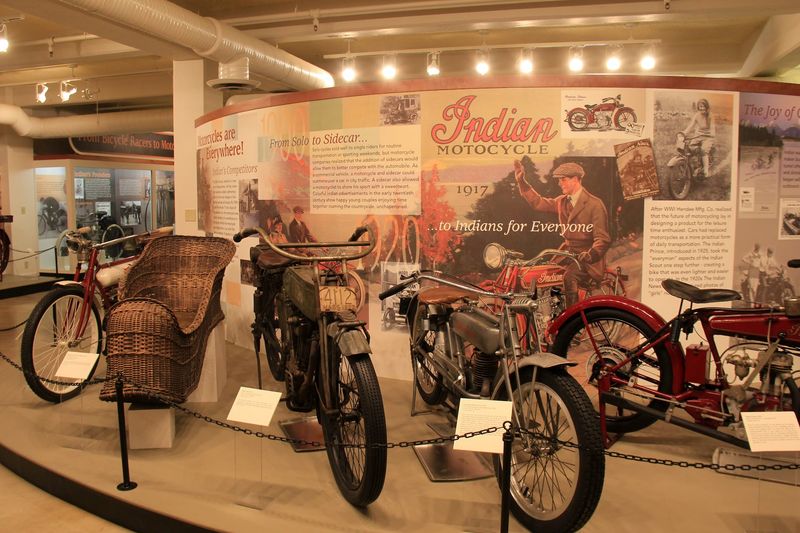
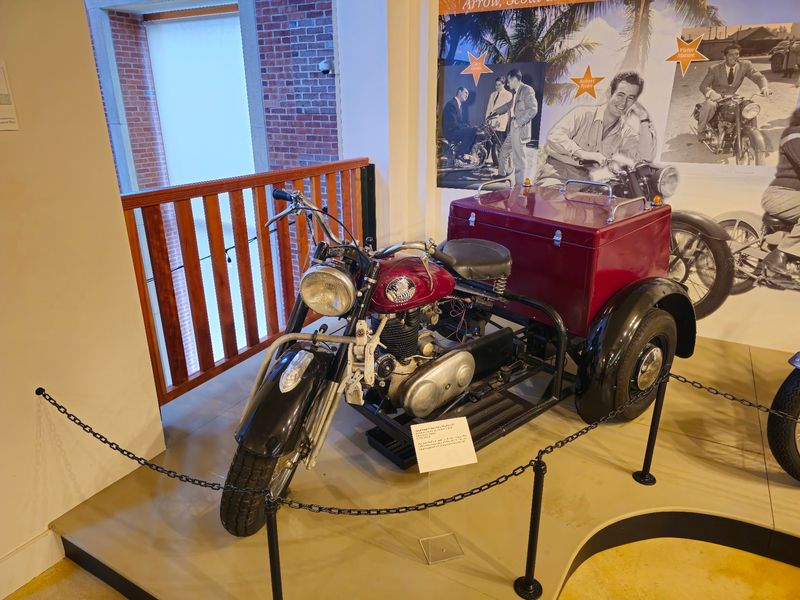
Springfield gave the world the Indian Motorcycle back in 1901. The Lyman and Merrie Wood Museum of Springfield History now holds the largest collection of Indian Motorcycles and memorabilia anywhere.
That’s a big claim for one gallery. Luckily, the bikes back it up with style.
More than two dozen historic motorcycles fill the space. Photographs and artifacts trace the company’s story from its Springfield start in 1901 to its closing in 1953.
Each bike shows how fast ideas moved in those years. Early frames look almost like bicycles with ambition, while later models look ready to roar off the floor.
A 1904 model designed by co-founder Carl Oscar Hedstrom is one of the stars. Seeing an early design from one of the company founders feels like peeking at a first draft of history.
Most of this collection arrived as a donation in 2007. That gift turned the museum into a must-see stop for motorcycle fans across New England.
You don’t need to know a carburetor from a kickstand to enjoy it. The colors, curves, and old-school logos do plenty of talking on their own.
Give yourself time to walk slowly around each one. Look at the seats, the tanks, and the tiny details on the handlebars.
Kids tend to pick a favorite fast. Honestly, adults usually do too, and that’s half the fun of this room.
A Board Track Racer And A Hill-Climber Steal The Show
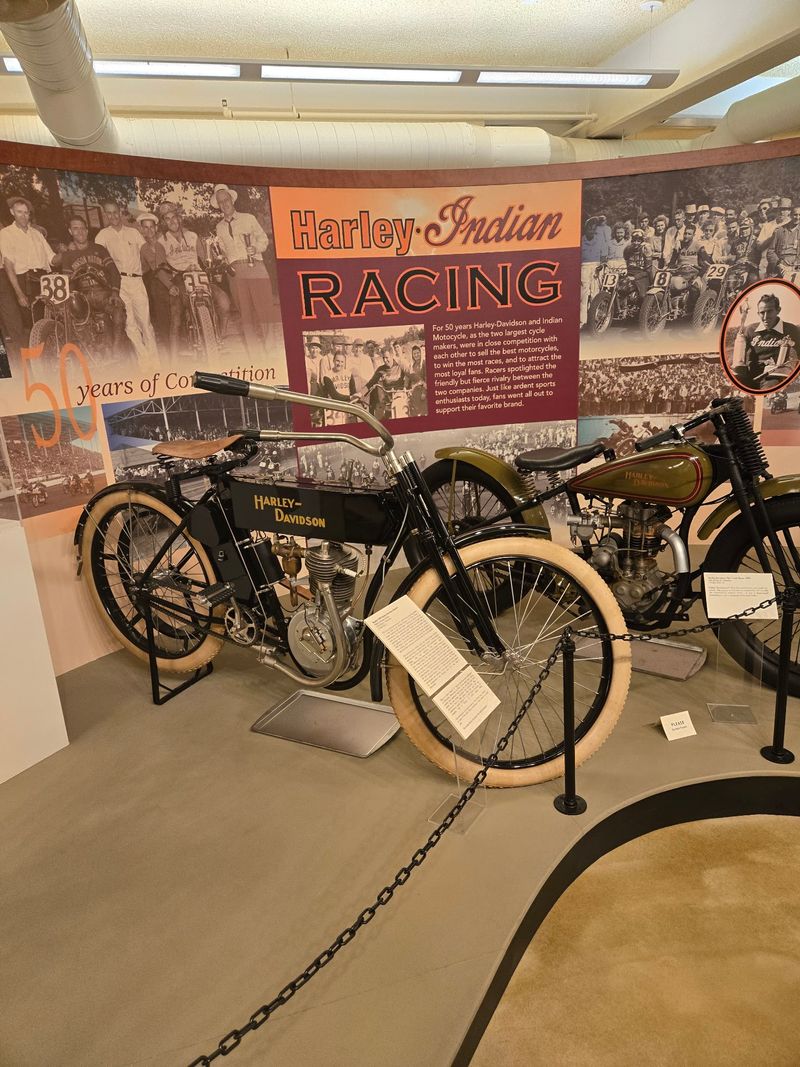
Racing on wooden tracks sounds like a wild idea today. Back in the early 1900s, it was a real sport, and Indian built bikes for it.
A 1912 board track racer sits in the collection. Its stripped-down shape tells you everything about its job, which was simply going fast.
Nearby, a 1927 hill-climber shows off a totally different talent. Hill-climb bikes were made to charge straight up steep slopes.
Put those two machines side by side in your mind. One chased speed on flat boards, and the other fought gravity on a hillside.
The collection also features a restored 1929 101 Scout. Fans of classic motorcycles often call the Scout one of Indian’s best-loved designs, so it’s worth a long look.
Restored bikes give you a clear picture of how they looked when new. The paint, the lines, and the polish make it easy to picture one rolling out of a Springfield factory.
Here’s a fun game for families. Have everyone guess which bike was built for racing, climbing, or everyday riding before reading the signs.
The answers might surprise a few people. Either way, the conversation keeps going long after you leave the gallery.
Bring a phone with plenty of storage. These machines are basically made for photos, and you’ll want close-ups of the details.
Wheels From 1899 Still Look Ready To Roll
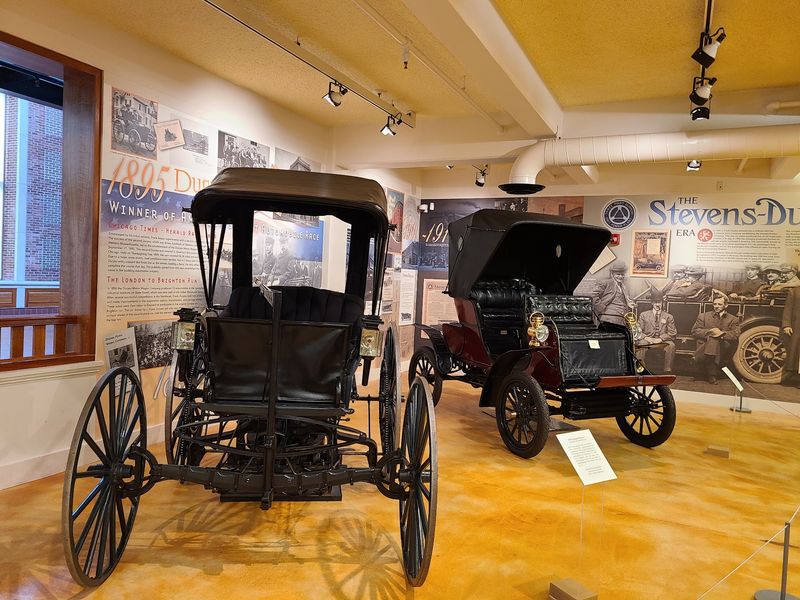
An 1899 Knox doesn’t look like any car in your driveway. It looks more like a carriage that decided to get serious about engines.
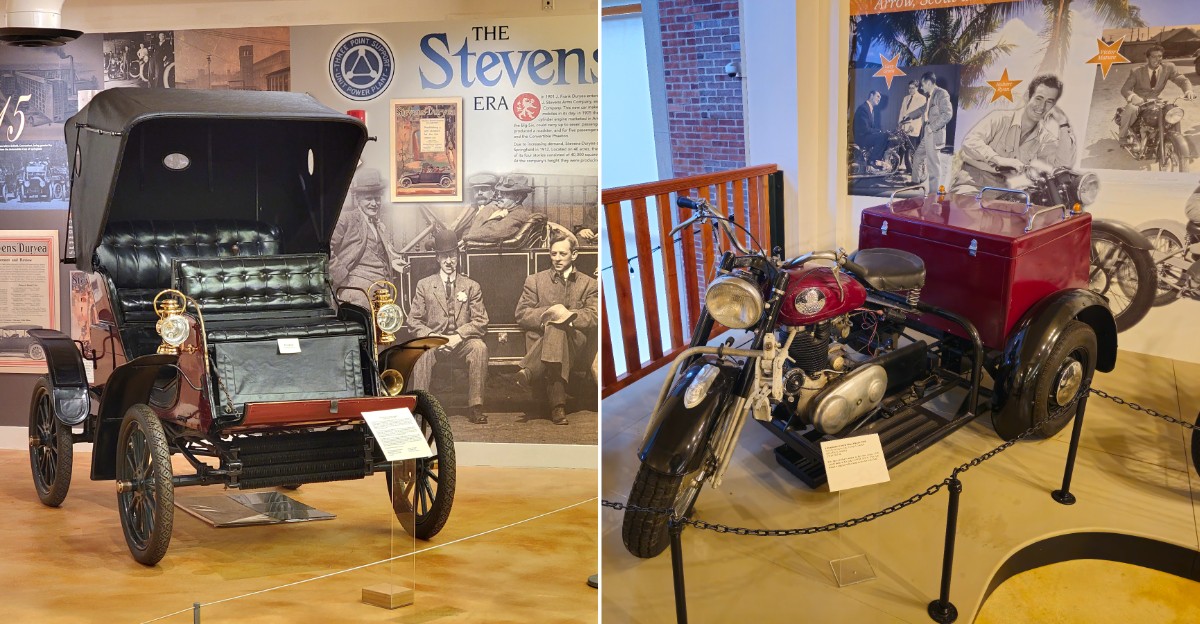
That car is one of the restored vintage automobiles at the Museum of Springfield History. A 1901 Crestmobile joins it, showing another early take on the horseless ride.
Seeing these cars up close is a treat for curious minds. You can spot how designers borrowed ideas from buggies and bicycles.
Wheels, seats, and steering look very different from today. Kids often find that part hilarious, and adults usually find it fascinating.
Massachusetts played a big role in early car making. Springfield sat right in the middle of that inventive streak.
These machines remind you that every modern car started somewhere. Somebody had to try it first, and some of those somebodies worked right here.
Take a minute to compare the Knox and the Crestmobile. Notice how quickly ideas changed in just a couple of years.
It’s a little like watching the first phones turn into smartphones. Only these versions came with wooden wheels and a lot more courage.
Read the labels as you go. They share bite-size facts that turn a pretty car into a story worth retelling at dinner.
Rolls-Royce Once Called Springfield Home, And The Proof Is Here
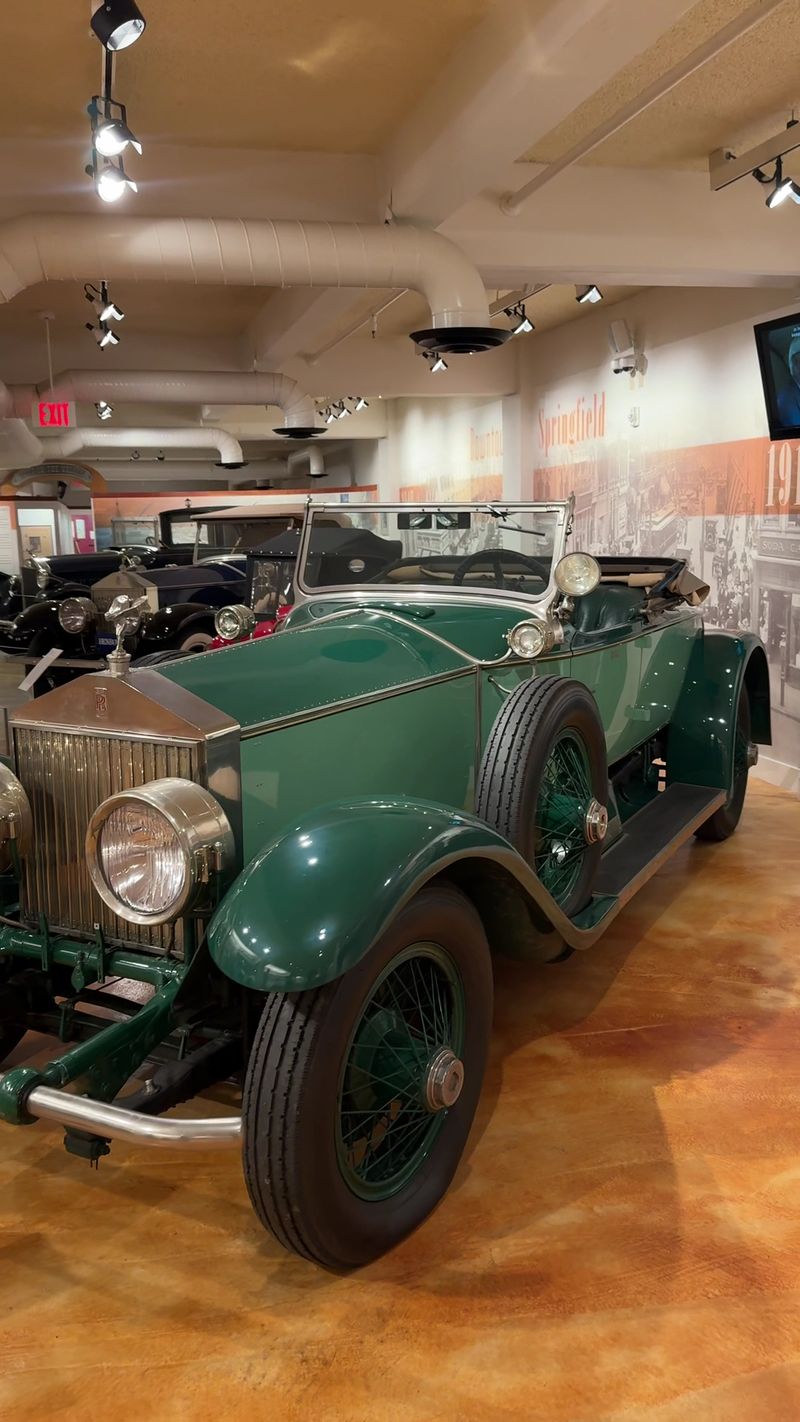
Rolls-Royce built cars in Springfield, Massachusetts. Yes, the famous luxury brand built cars here starting in 1921.
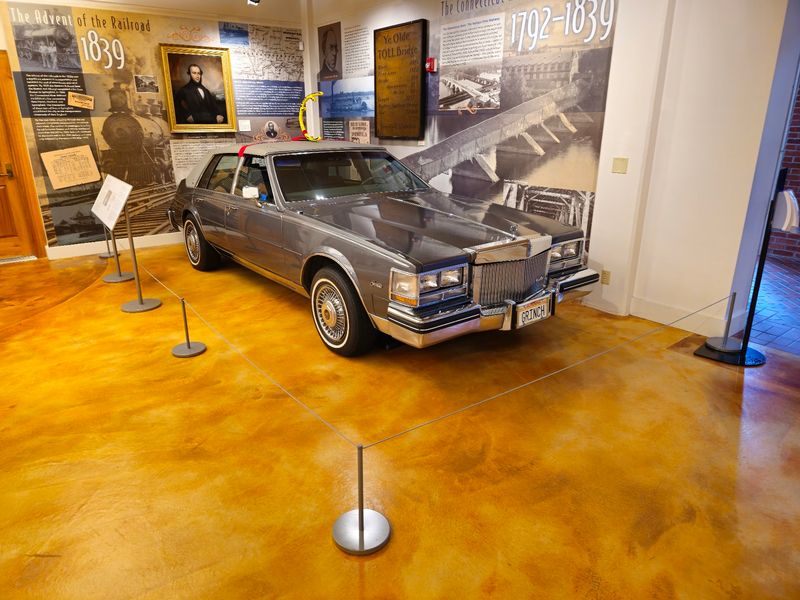
That fun fact comes to life at the Lyman and Merrie Wood Museum of Springfield History. Two restored roadsters, from 1925 and 1928, show off that local chapter in style.
These cars look elegant from every angle. Long hoods, graceful fenders, and fine details make them easy to admire.
Fancy cars can feel far away in glossy photos. Here, they feel connected to a city and its skilled workers.
Many people never guess this piece of history. Sharing it with friends later is a great way to sound like a trivia champion.
Try picturing a 1920s drive through New England in one of these roadsters. Open air, smooth curves, and plenty of attention from anyone on the sidewalk.
The pair also shows how much car design grew after the early 1900s. Compare them with the older cars nearby, and the jump is huge.
It feels like watching a teenager suddenly grow up. The awkward early years give way to something polished and confident.
Fans of classic design will want extra time here. Grab photos of the grilles and badges before moving on.
The First Gas-Powered Car Story Starts Right Here
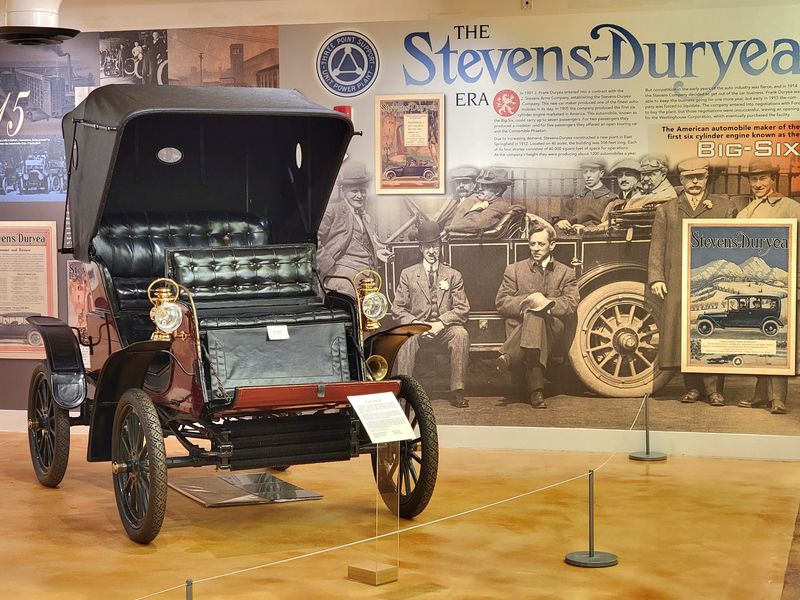
In 1893, something new rattled through Springfield. A Duryea gas-powered horseless carriage was tested here, marking a huge moment in American car history.
The museum displays an exact replica of that Duryea model. It’s a chance to see the vehicle that helped kick off a whole new way of getting around.
Honestly, it looks a bit like a buggy missing its horse. That’s exactly what made it so exciting back then.
People in the 1890s had never seen anything like it. Picture the faces of folks watching it roll by without a single hoofbeat.
This display makes a great starting point for your visit. Once you see the Duryea, every car after it suddenly makes more sense.
Kids especially enjoy the before-and-after feel. They get to see where cars began before checking out the fancier models nearby.
Ask your group a simple question while standing there. Would you have been brave enough to ride in it first?
Some will say yes right away. Others will politely choose to keep walking, and both answers make for a good laugh.
History can sometimes feel like dates on a page. This replica turns it into something you can stand next to and really picture.
Inventions Beyond The Garage Keep The Surprises Coming
Cars and bikes grab the spotlight, but Springfield’s inventive streak goes much further. The museum tells the story of a city that loved building new things.
The Made in the Valley gallery shows off products created in the region. It’s a reminder that plenty of everyday items have roots in western Massachusetts.
Hasbro GameLand adds a playful twist. Families can enjoy hands-on fun inspired by classic games, which makes it a natural stop for younger visitors.
The museum also highlights some of Springfield’s best-known manufacturing names. Those stories show just how much the city helped build.
Together, these exhibits paint a full picture of local industry. Engines, toys, and tools all share the same spirit of trying something new.
I like how the museum mixes serious history with lighthearted moments. You can learn a lot and still feel like you’re on a field trip.
Plan to wander a bit between galleries. Surprises tend to show up where you least expect them.
Families with mixed interests will appreciate the variety. Somebody wants motorcycles, somebody wants games, and somebody wants clever inventions.
Here, everyone gets a turn. That’s a pretty great deal for one building.
One Ticket Opens The Door To Five Museums
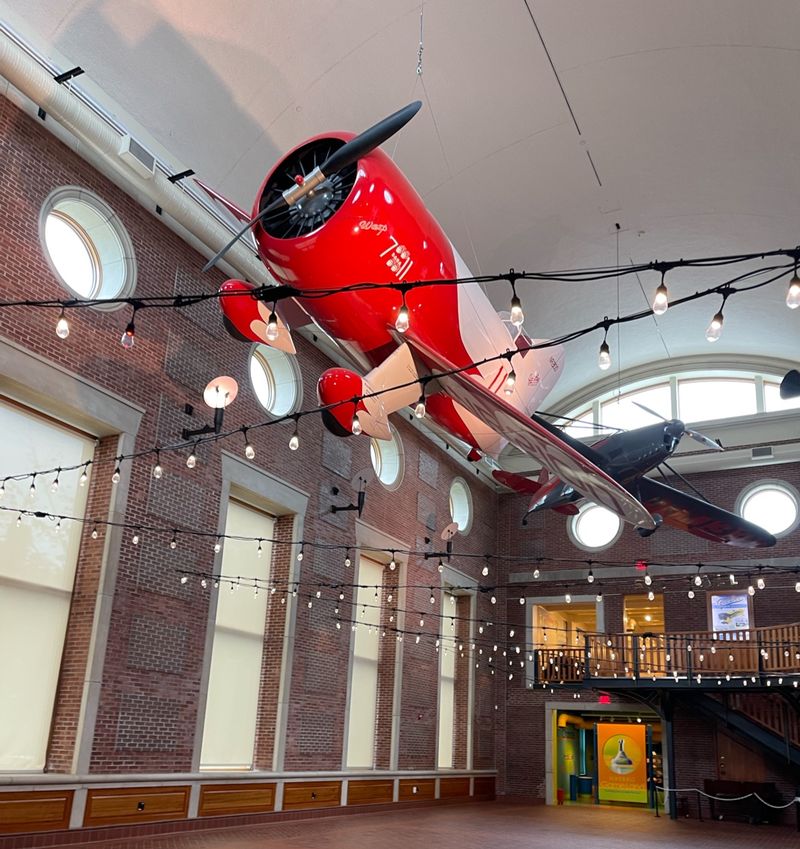
Bonus points for value here. The Museum of Springfield History is one of five museums you can visit with a single admission at the Springfield Museums complex.
That means your car and motorcycle adventure can easily stretch into a whole day. Art, science, and more sit just steps away.
Walking between buildings feels easy and relaxed. The complex shares a campus, so you can move from one museum to the next at your own pace.
Free parking is available too. That’s one less thing to think about when planning your trip.
The museum also hosts family-friendly programs and interactive experiences. Special events and seasonal exhibits help keep things fresh throughout the year.
This setup works great for groups with different tastes. Split up for a while, then meet back for snacks and stories.
Inside the history museum, the Springfield History Library and Archives offers deeper research materials. Its hours are more limited, so check ahead if you hope to dig into records.
Curious history fans might find old photos and documents worth exploring. It’s a neat bonus for anyone into local roots.
Pace yourself and plan a few breaks. Five museums in one day is a fun challenge, not a race.
Plan Your Ride To Springfield And Make A Day Of It
Getting there is the easy part. You’ll find the Lyman and Merrie Wood Museum of Springfield History at 85 Chestnut St, Springfield, MA 01103.
It’s part of the Springfield Museums campus in Massachusetts. That puts cars, motorcycles, and plenty of other exhibits all within an easy stroll.
The museum opens Tuesday through Saturday from 10 a.m. to 5 p.m. On Sundays, the doors open at 11 a.m. and close at 5 p.m.
Mondays are a day off for this museum. Plan around that, and you’re all set for a smooth trip.
Arriving near opening time gives you plenty of hours to explore. You’ll want time for the motorcycles, the cars, and a few bonus galleries.
Families can make it a full outing with a picnic or a stop for lunch nearby. Then head back for one more look at your favorite bike.
Wear comfy shoes for all that wandering. Your feet will thank you after hopping between museum buildings.
Bring curiosity and a camera. The rest of the fun is already waiting inside.
So pack the car and pick your road trip snacks. Your inner kid has been waiting for this one, and it’s ready to grin.