
This Tiny Nevada Island Is Quietly Becoming The State’s Next Big Thing
Thousands of massive white birds rise together over deep blue desert water, and it feels almost unreal.
Nevada holds a secret hiding in plain sight, right in the middle of a salty desert lake.
A rocky patch of land sits untouched by roads, footprints, or crowds, protected for over a century so wildlife can thrive without interruption.
Pelicans claim the shoreline every spring, joined by herons, terns, and gulls in one loud, feathered gathering.
Ancient rock formations rise from the water, shaped by minerals and time into strange, beautiful shapes found nowhere else in Nevada.
Legends, tribal history, and desert light all swirl together here, and the story only gets richer the closer you look.
Grab your binoculars, because this spot deserves a place on your next road trip.
Where Ancient Waters Meet Wild Skies
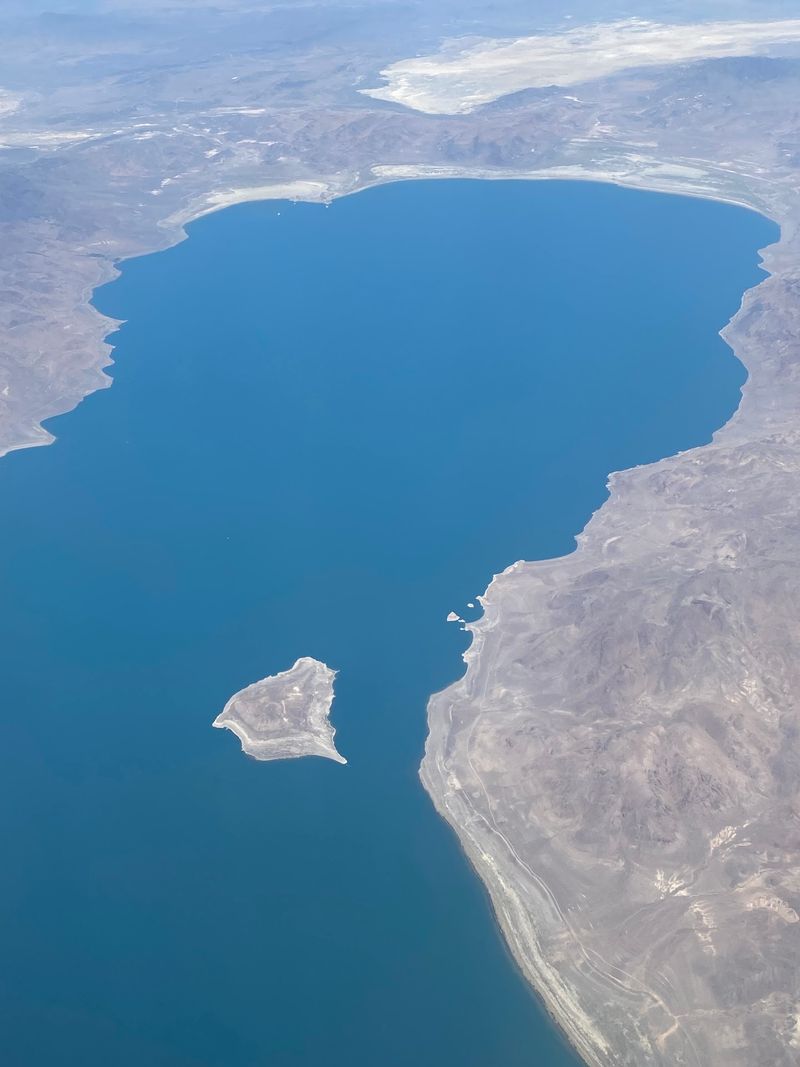
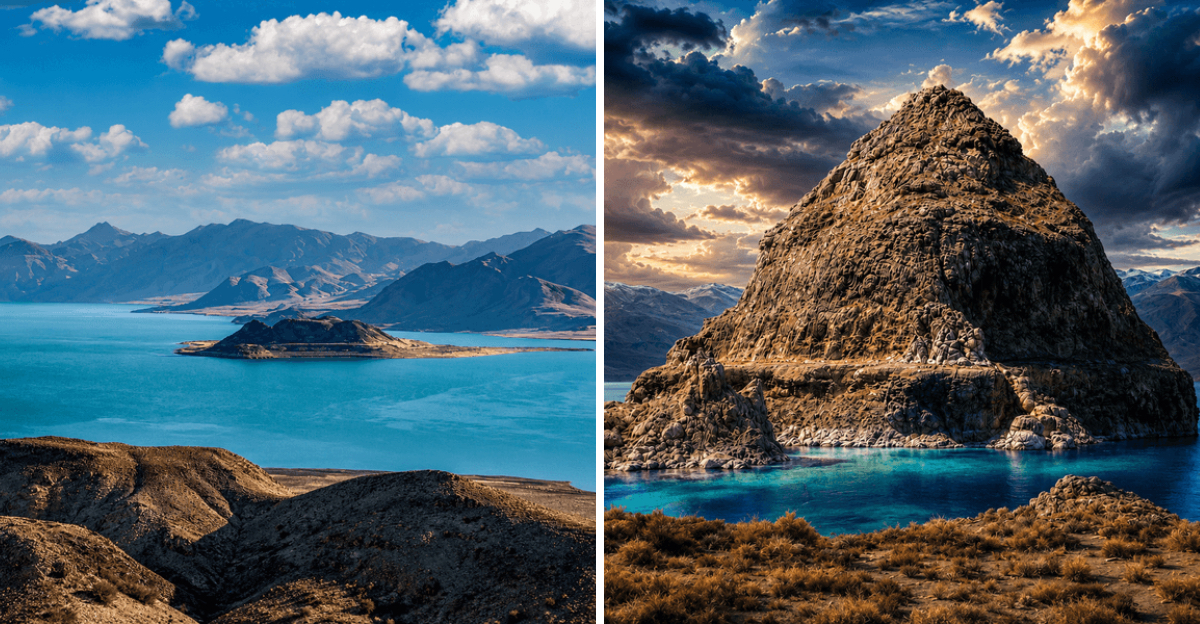
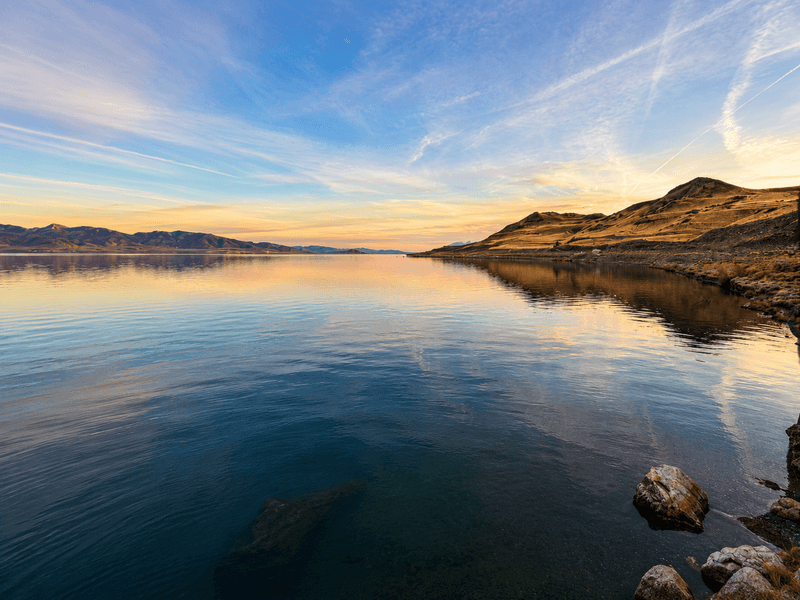
Blue water in the middle of a desert always turns heads. Pyramid Lake does exactly that, and the island in its eastern waters steals the show.
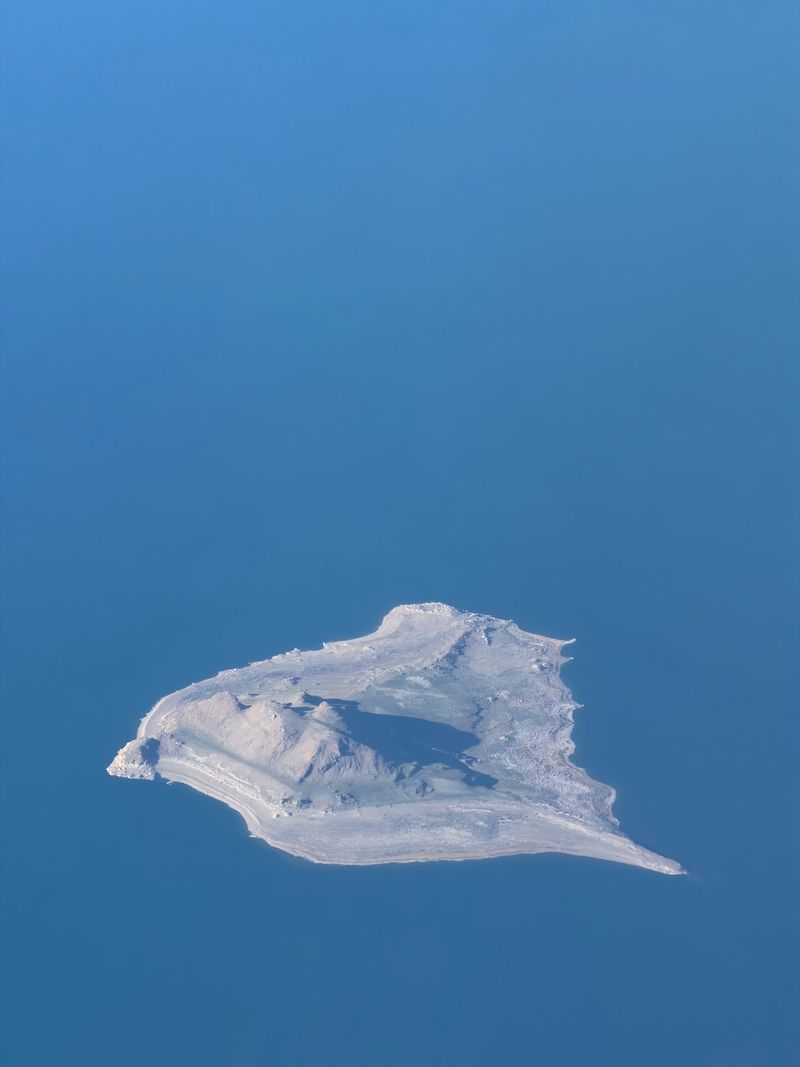
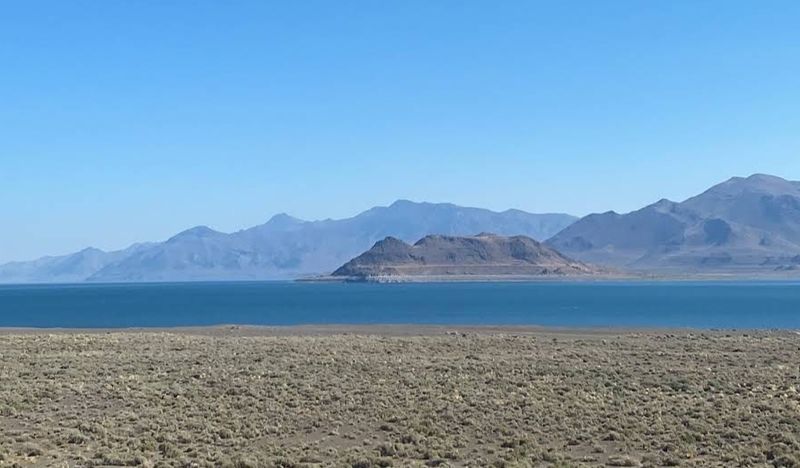
The refuge sits in Washoe County, Nevada, roughly 33 miles northeast of Reno. Its landmass covers about 634 acres and stretches more than a mile across.
What remains here is a leftover piece of prehistoric Lake Lahontan, an inland sea that once flooded much of the region. The lake water carries a mild salt content, which keeps the color oddly rich.
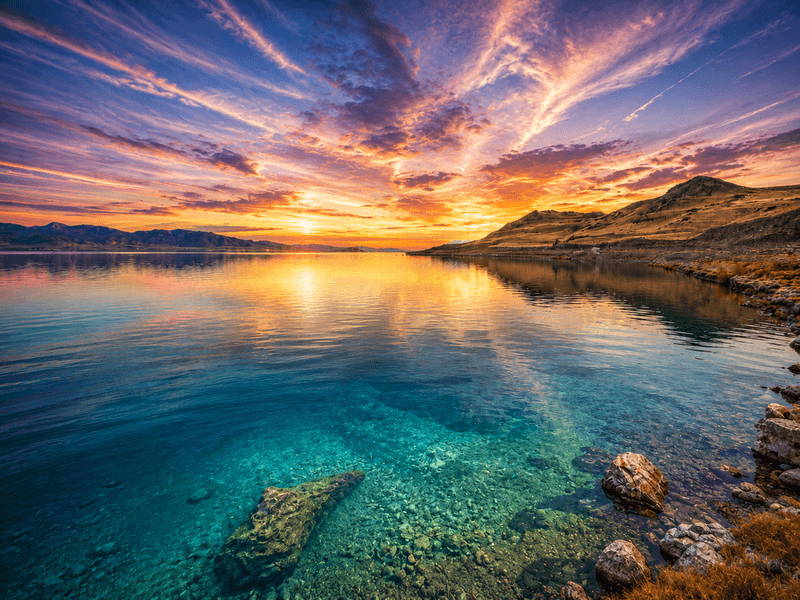
Sunlight bounces off the surface in shades that shift through the day. Morning brings soft grey-blue, while afternoon turns the water almost turquoise.
Rocky ridges climb from the shoreline and peak near the island’s center. Nothing grows tall here, so every contour stays visible.
Brown desert mountains frame the far horizon in every direction. The emptiness makes the island feel even more dramatic.
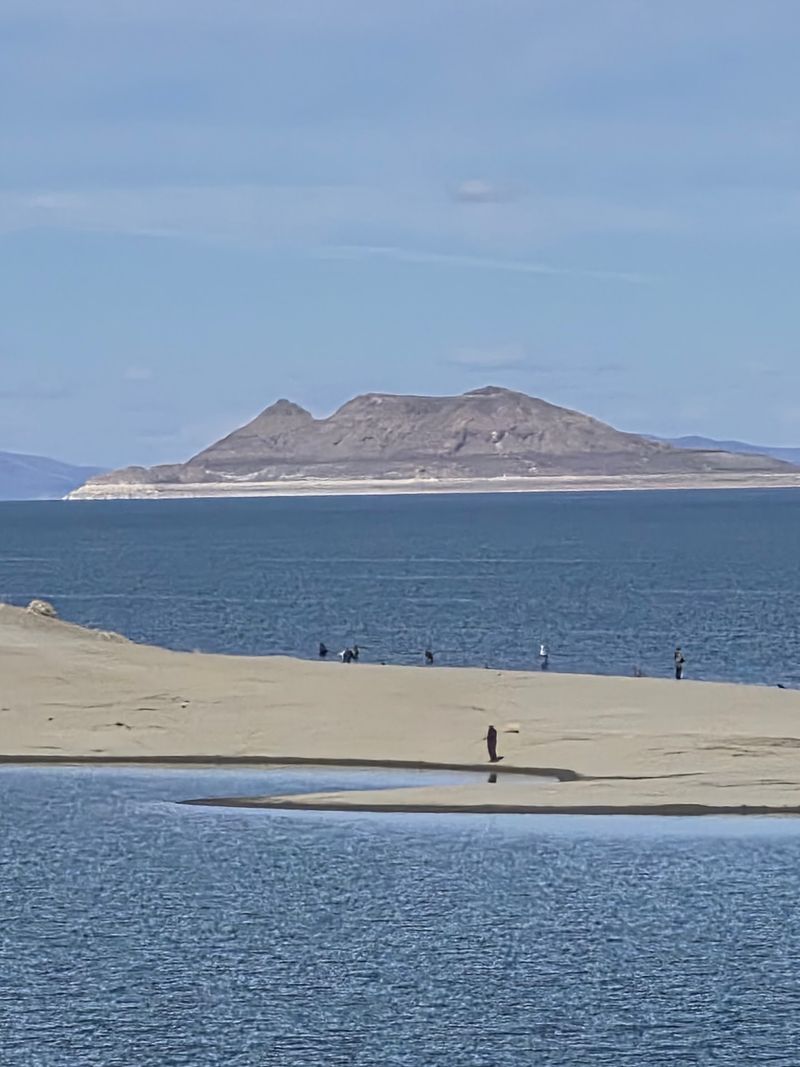
Mailing details point to Reno, NV 89510, though the refuge itself sits offshore and stays closed to the public. Views come from the western bank, and they hold up beautifully.
A Century Of Quiet Protection
Protection here started long before conservation became popular. President Woodrow Wilson set the island aside as a reservation for nesting birds back in 1913.
The designation changed to a national wildlife refuge in 1940. That shift gave the site stronger federal footing and clearer management rules.
Public Law 101-618, passed in 1990, confirmed the island’s place within the Pyramid Lake Indian Reservation. Management now runs through an agreement between federal staff and the Pyramid Lake Paiute Tribe.
The U.S. Fish and Wildlife Service oversees daily operations as part of the Stillwater National Wildlife Refuge Complex.
Headquarters for that complex sit at 3175 Freeman Lane, Fallon, NV 89406.
More than a century of restricted access has paid off. Bird colonies here nest with almost no human interference, which is rare anywhere in the country.
Staff monitor nesting numbers, track water conditions, and study how the colonies respond to change. Research trips happen carefully and rarely.
Few places in Nevada carry that kind of unbroken protective record. The result speaks through the sheer volume of wings overhead each spring.
Pelicans Rule The Rock
Nine-foot wingspans casting shadows over the water get attention fast. American white pelicans own this island, and they arrive in serious numbers.
The colony ranks among the two largest breeding groups in the western United States. Thousands of adults gather here every year.
Arrivals typically begin in late February or early March. Nesting activity usually peaks through April and May.
Many of these birds spend winter along Southern California and Baja, Mexico, then fly inland to raise chicks. Nests sit right on open rocky ground, built from scraped-together gravel and debris.
Adults commute long distances to feed, sometimes reaching wetlands well beyond Pyramid Lake. Watching a flock circle in slow spirals is a lesson in patience.
They fish cooperatively, herding prey into shallow water rather than diving from height. Groups paddle in loose formation, scooping in unison.
Bring binoculars or a spotting scope for the best look from shore. White shapes against dark tufa rock show up clearly even at distance.
Spring visits offer the strongest odds of a busy skyline over this stretch of Nevada.
A Whole Chorus Of Wings
Pelicans get the headlines, but they share the address with plenty of neighbors. The island hosts a busy mix of colonial nesting birds.
Double-crested cormorants claim rocky ledges and spread their wings to dry. California gulls fill the air with sharp, constant calls.
Caspian terns slice across the lake surface with quick, angular flight. Great blue herons stand motionless in the shallows, waiting.
Black-crowned night-herons become active as light fades. Snowy egrets add flashes of bright white along the edges.
Each species uses slightly different nesting space, which keeps the crowding manageable. Some prefer flat ground, others favor rocky shelves.
Birders often log several species in a single session from the western shore. A scope helps sort silhouettes at long range.
Early morning light works best for identification, since the sun sits behind viewers looking east. Wind picks up later in the day and makes water viewing harder.
Migration seasons bring extra variety to the lake itself. Waterfowl, shorebirds, and raptors pass through on their own schedules.
The refuge counts as a stopover point for well over 20,000 migratory birds each year.
Sacred Ground With Deep Roots
Long before any federal paperwork existed, these waters mattered deeply to the Pyramid Lake Paiute Tribe. Their connection to the area stretches back thousands of years.
The island holds a place in tribal stories and cultural memory. One account links the name Anaho to a legend about a young woman sent to the island’s shores.
Tribal guardianship remains central to how the site is managed today. The refuge sits inside reservation boundaries, and cooperation shapes every decision.
Visitors curious about that history can stop at the Pyramid Lake Paiute Tribe Museum and Visitors Center in Nixon. Exhibits there cover language, traditions, fishing practices, and the lake’s role in daily life.
Respect goes a long way in this part of Nevada. Following posted rules and permit requirements shows appreciation for the community that protects the area.
Photography of the landscape is generally fine, but ceremonial areas and private property deserve distance. Ask when uncertain.
Understanding the cultural layer changes how the island looks from shore. Rock and water start carrying meaning beyond scenery.
That perspective sticks with people long after the drive home.
Tufa Rock And Its Strange Beauty
Ever seen rock that looks poured rather than carved? Tufa does that, and this island is made of it.
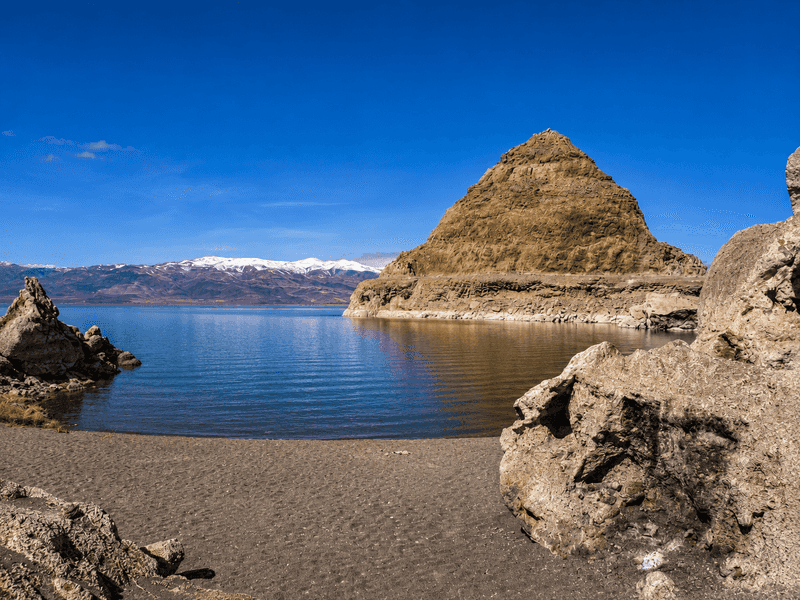
Tufa forms when calcium-rich spring water meets carbonate-heavy lake water. Minerals settle out and slowly build up into porous stone.
The process happened here during a much wetter climate thousands of years ago. Ancient Lake Lahontan covered huge portions of northern Nevada at the time.
As water levels dropped, these formations emerged into open air. What remains are knobby cliffs, ridges, and pinnacles with rough, bubbly textures.
Colors run pale grey to soft tan, depending on light and mineral content. Wind and waves keep reshaping the lower edges.
Similar tufa structures rise along the lake’s western side, including the famous pyramid-shaped formation that gave the lake its name. Those are far easier to photograph up close.
Studying the shoreline rock helps explain what the island is built from. Same geology, different address.
Late afternoon light brings out every ridge and hollow in sharp relief. Photographers tend to linger until the shadows stretch long across the water.
The Fish That Feeds The Colony
Bird colonies live or fade based on what swims nearby. Pyramid Lake supplies that food, and the balance stays delicate.
The cui-ui, an endangered lake sucker, exists only in these waters. It has played a role in the lake’s ecology for a very long time.
Environmental changes have affected cui-ui numbers over the decades. Lower fish availability can translate into fewer successful pelican nests.
Drought years add pressure by shrinking water levels and shifting conditions across the basin. Recovery work continues through fisheries programs and habitat management.
Lahontan cutthroat trout also live in the lake and draw considerable attention from anglers. Both species depend on healthy inflow from the Truckee River.
Water rights, river flow, and spawning access all connect back to what happens on the island. Fewer fish means longer feeding flights for adult birds.
Federal staff and tribal fisheries teams monitor these links closely. Their data guides decisions that ripple outward.
Seeing the island means seeing one part of a much larger system. The rock above and the water below work as a single package.
Best Vantage Points From The Western Shore
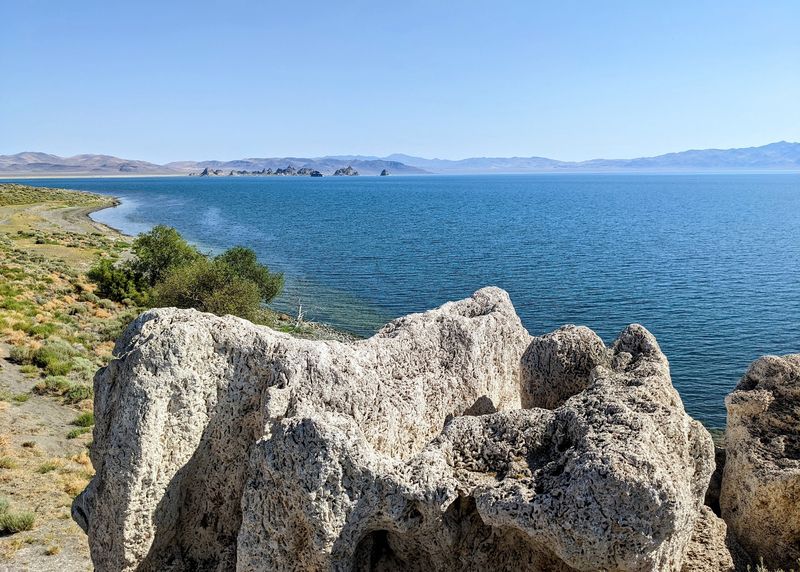
Good viewing takes planning, not luck. The western side of Pyramid Lake delivers the clearest sightlines toward the island.
State Route 445, known as Pyramid Lake Highway, runs along that shore. Pullouts and designated viewpoints appear at intervals with wide-open panoramas.
Morning offers steady light and calmer water. Afternoon wind can kick up chop that blurs distant views.
Binoculars work for spotting flocks, but a spotting scope on a tripod reveals far more detail. Heat shimmer builds during hot midday hours, so timing matters.
Pelicans often float and fish well out from the island itself. Scanning the open water frequently pays off better than staring at the rock.
Bring water, sun protection, and a windbreaker. Desert weather swings hard between morning and afternoon.
Cell service can be spotty along parts of the route. Download maps ahead of the drive.
Spring and early summer produce the busiest activity, matching the nesting calendar. Fall brings migration traffic across the lake.
A folding chair and an hour of stillness beat any rushed stop. The birds set the pace here.
Why Nobody Sets Foot Onshore
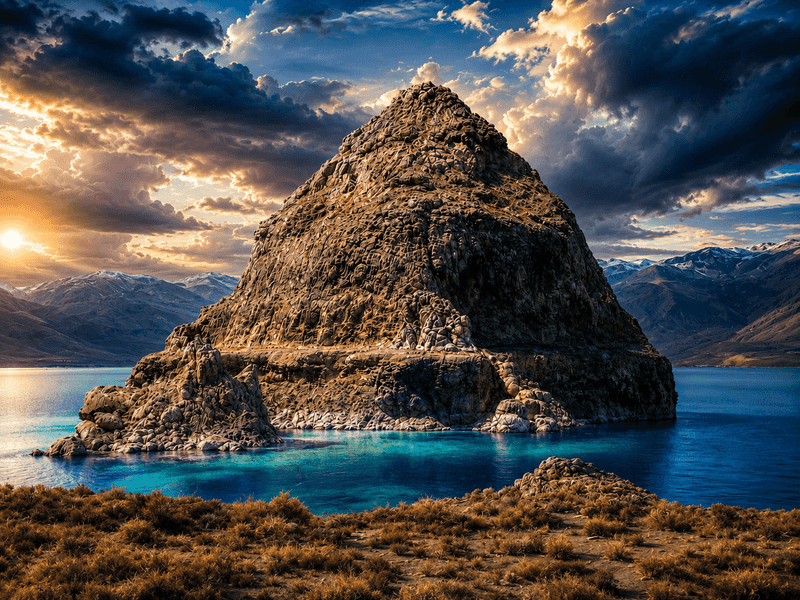
Curious why the gate stays shut? The answer is simple, and it comes down to nesting birds.
Public access to the island is not permitted. Colonial nesters abandon nests easily when startled, leaving eggs and chicks exposed.
Boating is restricted within a set distance of the shoreline during sensitive periods. Kayaks, canoes, and motorboats all fall under those rules.
Drones are likewise a bad idea anywhere near the colony. Even a brief flyover can cause panic across hundreds of nests.
Enforcement involves both federal staff and tribal authorities. Fines and permit loss are real possibilities for anyone testing the boundary.
Restrictions might feel frustrating, but the results justify them. Few bird colonies in Nevada enjoy this level of undisturbed space.
Occasional research access happens under strict conditions and careful timing. Those visits gather data that supports long-term management.
Plenty of viewing remains available from public shoreline areas. A good scope closes the distance more than most people expect.
Watching from afar turns out to be the most useful thing a visitor can do here.
Permits, Planning And Practical Details
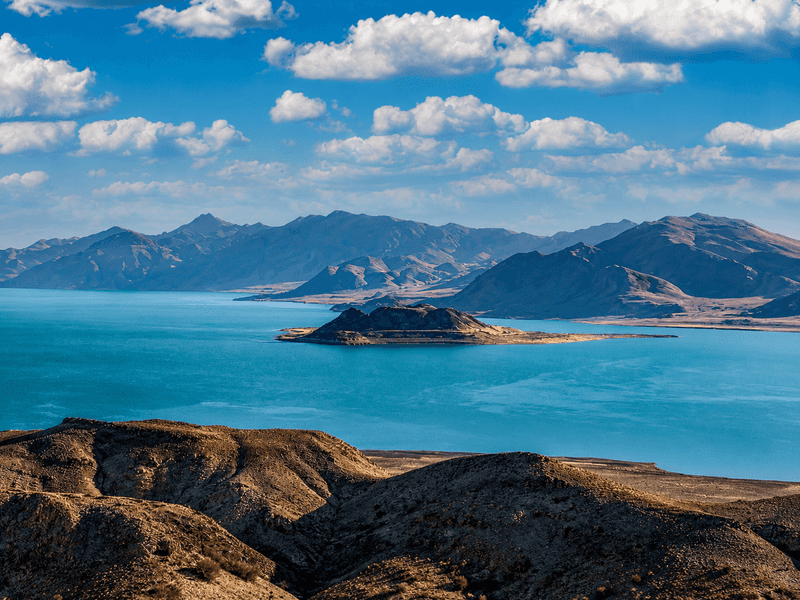
Paperwork first, scenery second. Recreation anywhere on Pyramid Lake requires a tribal permit, and that includes day use along the shore.
Permits are issued by the Pyramid Lake Paiute Tribe and support management of the lake and its resources. Separate permits cover fishing, camping, and boating.
Purchase options include tribal offices and authorized local vendors. Carrying proof during a visit avoids problems.
Rules can change seasonally, especially around nesting periods and water conditions. Checking current regulations before leaving home is smart practice.
The drive from Reno takes under an hour on paved roads. Fuel up first, since services along the route are limited.
Restroom facilities exist at some designated areas but not everywhere. Pack out all trash, including small items.
Campfire rules vary and may be restricted during dry spells. Portable stoves are usually the safer bet.
Cooler months bring sharp winds off the water, so layers help. Summer sun reflects hard off the lake surface.
A little preparation turns a long desert drive into a smooth, rewarding day in northern Nevada.