
These 10 Idaho Towns Offer Retirees Low Costs And A Refreshingly Slow Pace
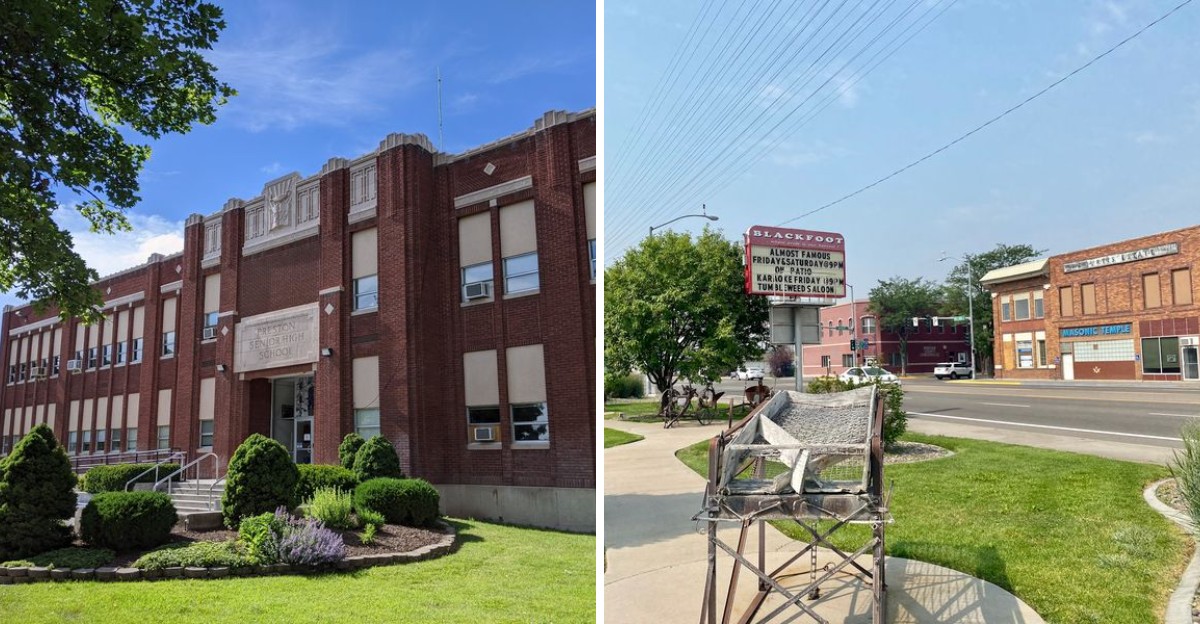
What if retirement meant lower bills, quieter mornings, and finally having enough time to enjoy the day instead of racing through it? That kind of life still exists, and Idaho has several towns where the pace feels noticeably easier.
Across the state, smaller communities give retirees a chance to stretch their savings without giving up the things that make daily life enjoyable. Traffic is lighter, errands are simpler, and downtown streets still feel personal rather than hectic.
The state also offers plenty of places where affordable living comes with mountain views, open spaces, local restaurants, and a stronger sense of community. If retirement is supposed to feel less stressful and more like your time finally belongs to you, a few of these Idaho towns might be worth a much closer look.
1. Weiser
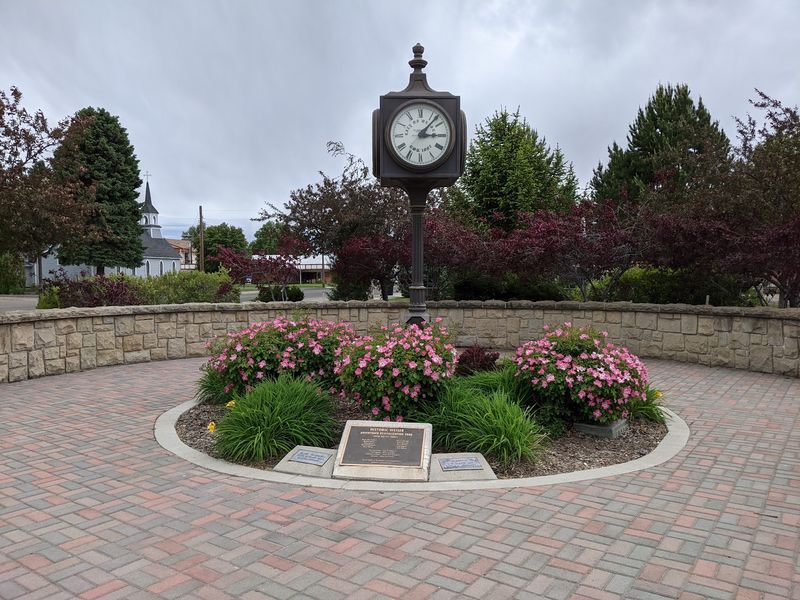
Fiddle music built this town’s reputation. Every June, the National Oldtime Fiddlers’ Contest fills the streets with players from across the country.
Sitting where the Weiser River meets the Snake River, the community keeps a farming heartbeat. Onion fields, orchards, and cattle ranches surround the older brick downtown.
Housing here remains among the friendlier options in the western part of the state. Many retirees find single-level homes with real yards and short drives to everything.
The Weiser River Trail runs more than 80 miles along an old rail line. Walkers, cyclists, and horseback riders share the path through canyons and pasture land.
Winters stay mild by regional standards, and summers bring long, dry evenings. Gardeners appreciate the growing season and the local produce stands.
Medical care is available in town, with larger hospitals about an hour away in Ontario and Nampa. Boise sits roughly 70 miles southeast for airport trips and specialists.
Community life leans on simple traditions. Think church suppers, high school games, and a summer parade that everyone attends.
The historic Vendome building and the old train depot give downtown character. Volunteers keep several of these landmarks in steady use.
Newcomers often mention how quickly people learn their names. That kind of welcome makes the slower pace feel like a gift rather than a compromise.
2. Rupert
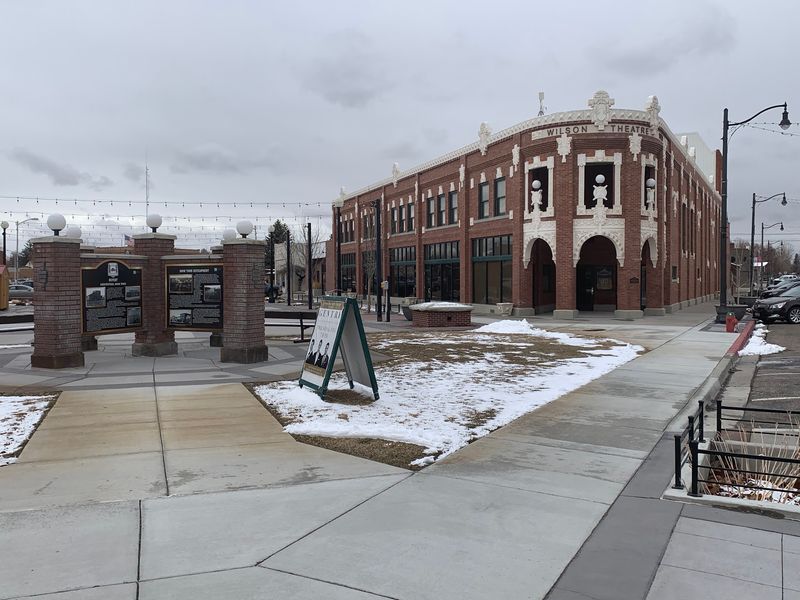
Few small towns still build life around a genuine square. Rupert does, with a tree-lined plaza that hosts markets, concerts, and holiday lights.
The layout came from an early federal irrigation project. Planners designed the grid around that central green, and it still works beautifully.
Retirees appreciate the flat streets and short blocks. Errands often take minutes, and parking rarely becomes a puzzle.
Home prices sit well under national averages, and property taxes stay reasonable. Utility costs benefit from nearby hydroelectric power on the Snake River.
Lake Walcott State Park lies just northeast of town. Anglers, bird watchers, and picnickers use it year-round, and the campground stays busy in summer.
Farming drives the local economy, with potatoes, sugar beets, and dairy leading the way. That means fresh food and steady, unhurried rhythms.
The historic Wilson Theatre anchors the arts scene. Restored by volunteers, it hosts films, plays, and live music through the year.
Medical services expand quickly in nearby Burley, only a few minutes south. Twin Falls adds hospitals and specialists within a 40-minute drive.
Fourth of July celebrations here draw crowds from across the county. Fireworks, a parade, and old-fashioned games fill the square.
For anyone who wants neighbors, sunshine, and low overhead, this corner of the region delivers plenty.
3. American Falls
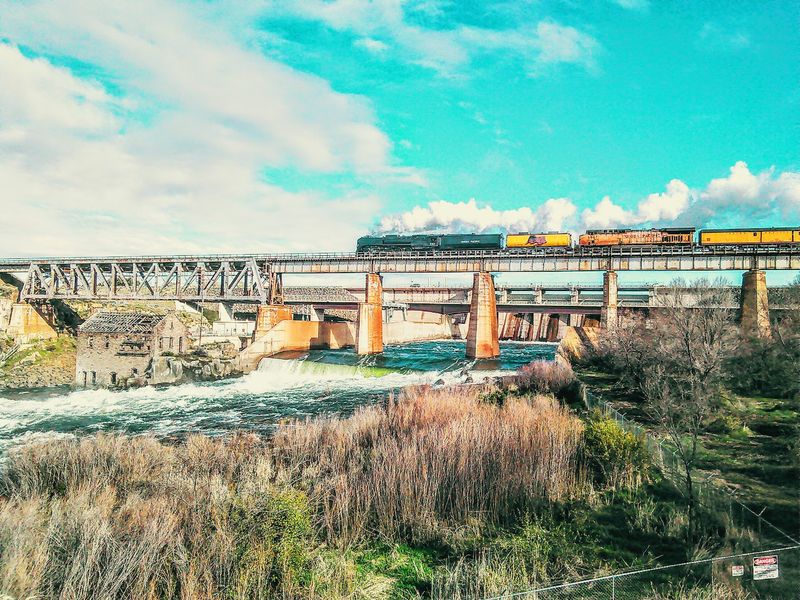
Water defines everything here. A large reservoir on the Snake River sits right at the edge of town, wide and bright.
The original townsite was actually moved in the 1920s when the dam raised water levels. Residents relocated buildings block by block, which remains a favorite local story.
Fishing draws people year-round. Trout, perch, and walleye keep boats on the water from spring through fall.
Housing costs stay notably low, even compared with other small communities in the area. Many homes come with views of the water or open farmland.
Pocatello sits about 25 miles east, offering hospitals, shopping, and a regional airport. That balance gives retirees quiet living without isolation.
Wind turbines line the ridges nearby, spinning above wheat and potato fields. The landscape feels wide open and endlessly changing with the light.
Massacre Rocks State Park lies a short drive west. Old Oregon Trail wagon ruts remain visible, and the hiking trails stay gentle.
Bird watchers do well here. Pelicans, herons, and migrating waterfowl gather along the shoreline through the warmer months.
The town keeps a practical, working spirit with a friendly streak. People wave from pickup trucks and mean it.
Sunsets over the reservoir alone might justify the move. They arrive nightly, free of charge.
4. Buhl
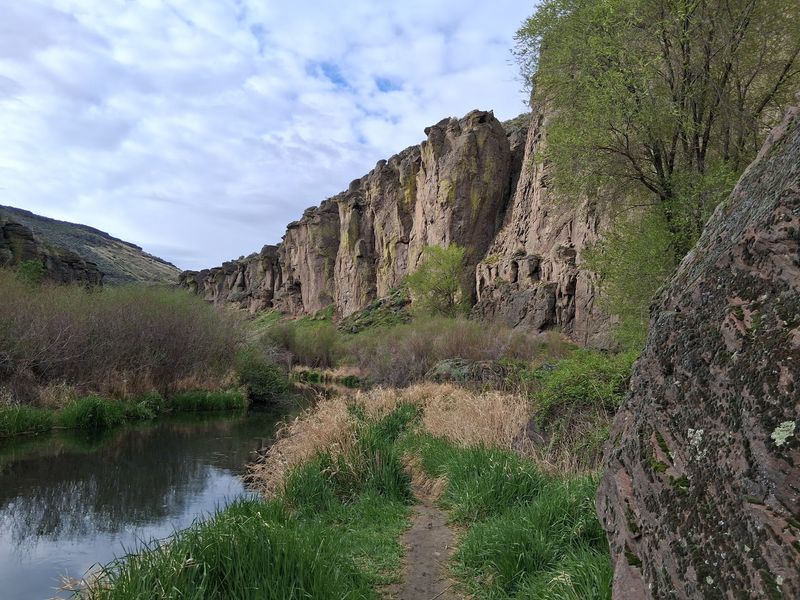
Call it the trout capital and nobody will argue. Springs pouring from the canyon walls feed aquaculture farms that supply much of the nation’s rainbow trout.
Those same springs create some of the prettiest scenery in the region. Clear water tumbles down basalt cliffs into the Snake River below.
Living costs stay modest, with home prices sitting comfortably below Twin Falls figures. That city is only about 15 miles east for hospitals and errands.
Balanced Rock stands southwest of town, a strange 48-foot formation perched on a narrow base. The picnic area beneath it makes an easy outing.
Thousand Springs State Park units surround the area. Boaters, paddlers, and hikers spread out across several distinct sites.
Downtown keeps a tidy, old-fashioned look with brick storefronts. A small museum covers local farming and settlement history.
Dairy operations and row crops fill the surrounding countryside. Roadside stands sell corn, melons, and honey through the summer.
Golfers have a course in town, and the climate allows long playing seasons. Winters bring some snow but rarely extremes.
Community events lean toward county fairs, rodeos, and school activities. Nothing feels rushed, and everything feels reachable.
Anyone who loves water, fresh air, and short drives will find plenty to like in this pocket of the region.
5. Gooding
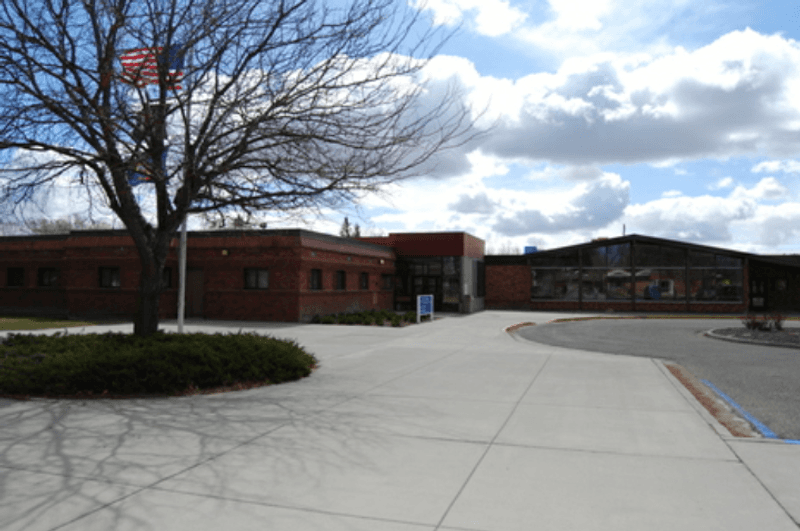
Sometimes the best towns are the ones people drive past. Gooding sits just off the interstate, calm and unbothered.
As the county seat, it holds government offices, a courthouse, and a hospital. That mix gives retirees real convenience in a very small package.
Home prices remain among the gentler ones in south central parts of the state. Lots tend to be generous, with room for gardens.
The City of Rocks of the Gooding area, known as Little City of Rocks, lies north of town. Volcanic spires rise from sagebrush in strange, photogenic shapes.
Malad Gorge sits nearby within Thousand Springs State Park. A footbridge crosses a deep, narrow canyon carved by rushing water.
Historic Schubert Theatre and several early 1900s buildings anchor downtown. Restoration work has kept the streetscape appealing.
Dairy farming dominates the countryside, along with alfalfa and grain. The scent of cut hay drifts through town in summer.
Twin Falls is roughly 35 minutes southeast for larger shopping and specialists. Boise sits about 90 minutes west.
Nights here get genuinely dark, which makes stargazing exceptional. The Milky Way shows up without any effort.
Life moves at a manageable speed, and that seems to be the whole point.
6. Burley
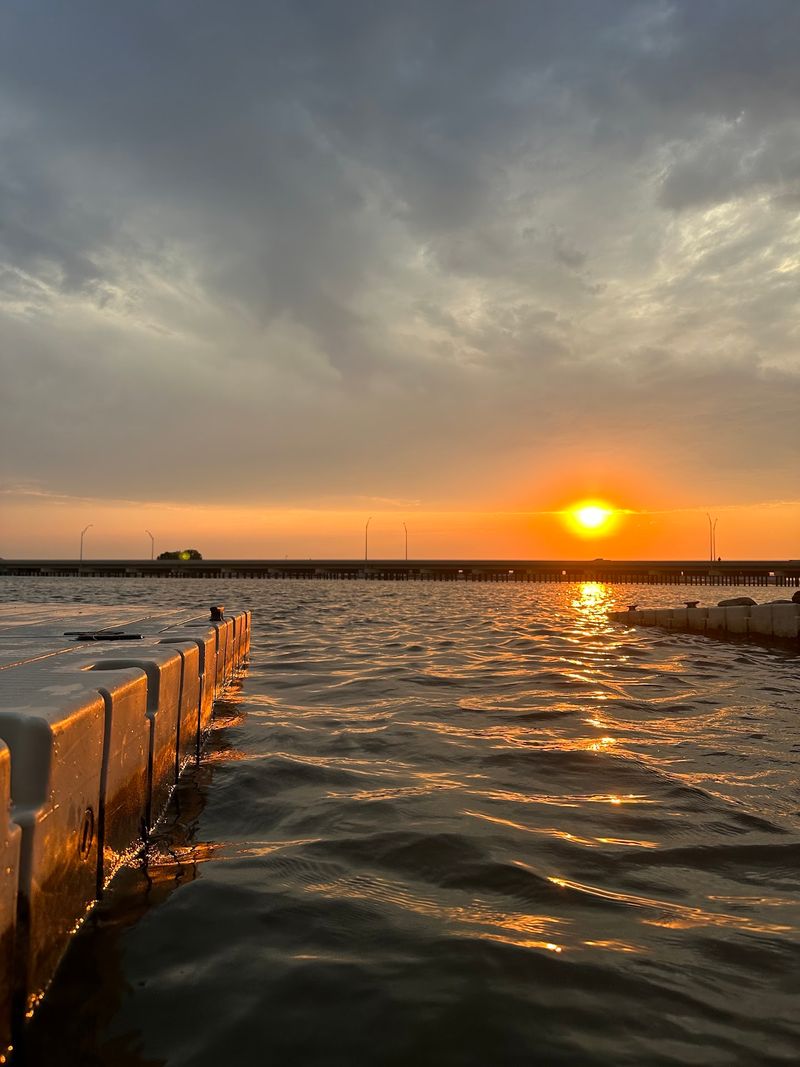
Boat racing put this river town on the map. The Snake River curls right through, wide and smooth enough for serious speed.
A riverfront park runs along the water with paths, docks, and picnic shelters. Retirees use it daily for walking and watching the current.
Services here go beyond what the population suggests. A hospital, chain stores, and a community college campus all operate in town.
Housing stays affordable while offering solid choices, from older bungalows to newer builds. Property taxes remain manageable for fixed incomes.
Cassia County fairgrounds host rodeos, livestock shows, and concerts each August. It is the social high point of the year.
Farming and food processing drive employment, which keeps the economy steady. Sugar beets and potatoes rule the surrounding fields.
The City of Rocks National Reserve sits about an hour south. Granite domes and pioneer trail history make it worth repeated visits.
Golf, bowling, and a public pool cover the recreation basics. Twin Falls is 40 minutes west for anything else.
Winters bring cold snaps but rarely heavy mountain snow. Summers stay warm and dry with cool evenings.
The pace stays relaxed without feeling empty, which is a tricky balance for any small community to strike.
7. Payette
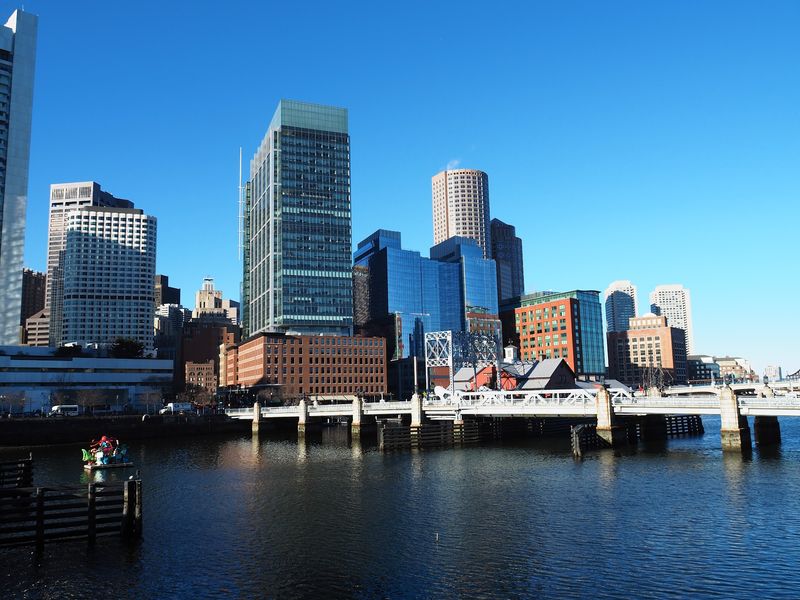
Orchards write the seasons here. Apple, cherry, and peach trees bloom across the valley each spring in soft waves of white and pink.
The town sits where the Payette River joins the Snake River, right at the Oregon border. That location keeps summers warm and winters mild.
Home prices run lower than Boise by a wide margin. The capital city is about an hour southeast, close enough for airport runs.
Ontario, Oregon, lies just across the river with additional shopping and medical services. Many residents cross back and forth weekly.
Baseball history runs deep in this community, and the local field carries real pride. Summer games draw families and folding chairs.
Downtown features early 1900s brick buildings and a well-used public library. The Payette County Museum covers pioneer and orchard history.
Fishing and boating happen year-round on both rivers. Bird watchers spot geese, eagles, and herons along the banks.
Gardeners love the long growing season. Tomatoes, melons, and sweet corn thrive in the valley soil.
Roadside fruit stands open by midsummer and stay busy until frost. Fresh peaches taste better a mile from the tree.
For retirees wanting warmth, water, and low overhead, this river corner rewards a closer look.
8. Blackfoot
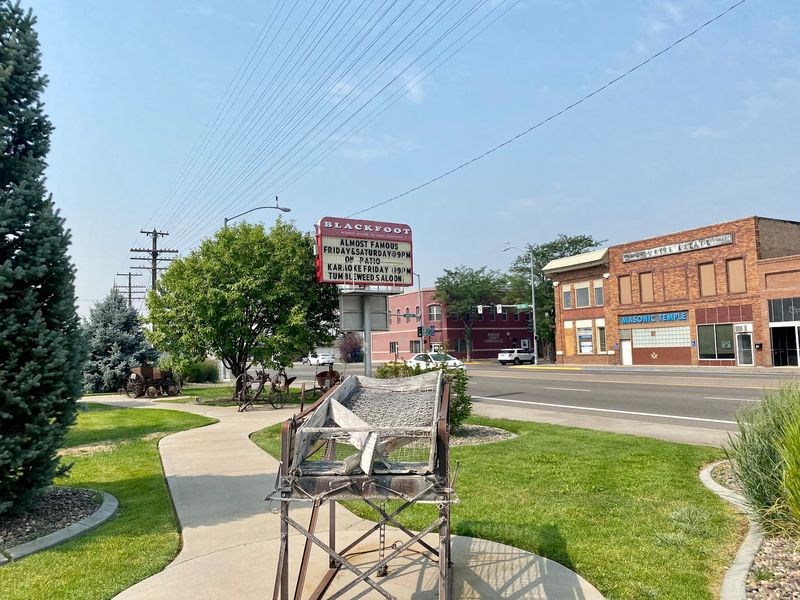
A giant baked potato greets visitors, and honestly, it fits. The Idaho Potato Museum sits downtown in a restored 1912 railroad depot.
Beyond the spuds, this county seat offers practical living. A hospital, grocery stores, and government offices all sit within a few blocks.
Housing costs stay reasonable while Idaho Falls remains just 25 minutes north. Pocatello is a similar distance south.
The eastern part of the state gives residents mountain views without mountain prices. Snow falls in winter, but the valley floor stays workable.
Eastern Idaho State Fair runs here every September. It is one of the largest events in the region, with rodeos, exhibits, and midway rides.
The Snake River passes nearby, and Jensen Grove Park offers a lake, paths, and a swim beach. Retirees walk the loop in every season.
Blackfoot River and nearby reservoirs give anglers plenty of options. Bird hunting and hiking fill the fall calendar.
Yellowstone and Grand Teton sit within a few hours by car. Weekend trips become genuinely easy.
Farming, food processing, and nearby lab employment keep the local economy grounded. That stability matters for services and infrastructure.
Quiet streets, real amenities, and big scenery nearby make an appealing combination for anyone slowing down.
9. Jerome
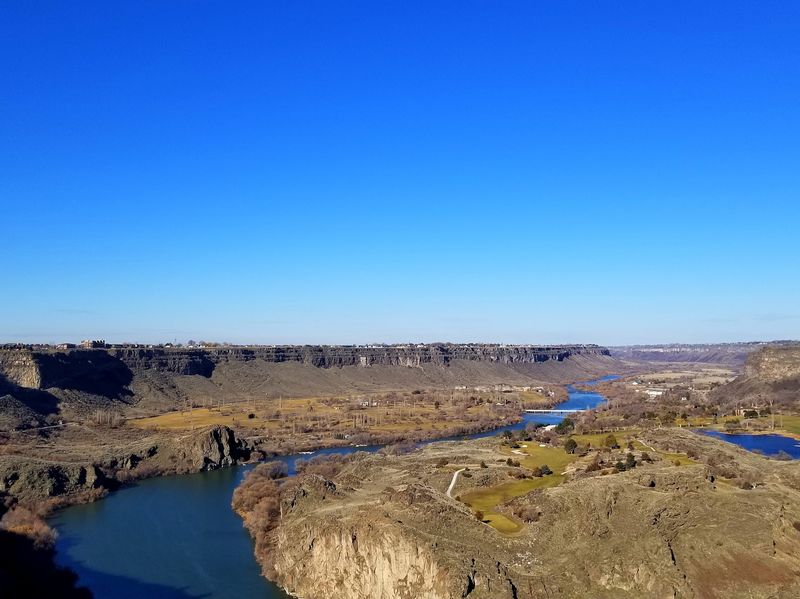
Dairy country stretches in every direction. Jerome County produces a remarkable share of the nation’s milk and cheese.
The town grew from a major irrigation project that turned sagebrush into farmland. Canals still thread through the countryside like blue ribbons.
Housing remains affordable, and lot sizes tend to be generous. Newer subdivisions sit next to century-old homes with mature trees.
Twin Falls is only about 10 miles south across the Snake River canyon. That puts hospitals, airports, and big stores within easy reach.
Shoshone Falls, taller than Niagara, roars nearby each spring. Snow melt turns it into a genuine spectacle.
The Minidoka National Historic Site lies northeast, preserving important World War II history. It offers a quiet, thoughtful place to visit and learn.
Downtown keeps a compact, workable feel with a historic county courthouse. Local events fill the calendar without overwhelming it.
Sunshine is abundant, averaging well over 200 clear or partly clear days annually. Low humidity makes both heat and cold easier to handle.
Canal banks and country roads make excellent walking routes. Traffic barely registers outside harvest season.
Retirees who want farm-country calm plus city access nearby will find the arrangement works out neatly here.
10. Preston
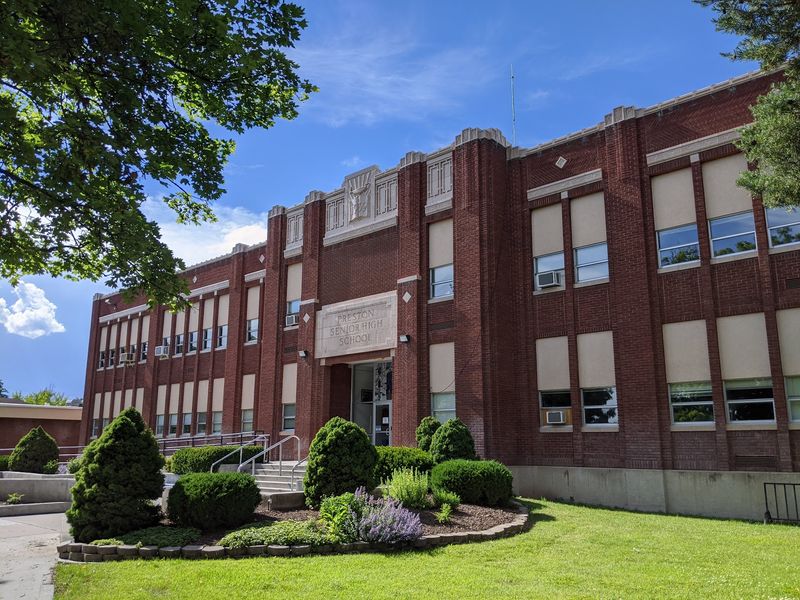
Movie fans know this valley well. A certain 2004 comedy filmed here, and the town still celebrates it every summer.
Set in Cache Valley near the Utah border, the setting is greener than much of the region. Mountains rise on both sides of the farmland.
Home prices stay lower than nearby Logan, Utah, which is only 25 miles south. That city provides a university, hospitals, and an airport connection.
Franklin County has deep pioneer roots, with the state’s first permanent settlement just down the road. Historic markers dot the highway.
Bear Lake sits about an hour east, famous for turquoise water and raspberry shakes. Day trips there are a local tradition.
Hot springs, hiking trails, and fishing streams fill the surrounding hills. Snowfall supports winter recreation without burying the town.
Downtown keeps a tidy, small-scale charm with local shops and a historic theater. The county fair and rodeo anchor August.
Community ties run strong here, and volunteering opportunities are everywhere. New residents get pulled in fast.
Growing seasons support serious gardens, and neighbors trade produce freely. Zucchini appears on porches uninvited each August.
Scenery, affordability, and a genuinely warm welcome make this southeastern corner a fitting place to finish the list.