Prisoners here once played baseball against local townspeople. There were no tall fences, and the inmates spent their days farming potatoes and milking dairy cows.
Then, on November 30, 1934, the whole place was abandoned. What stayed behind are concrete shells, a root cellar, and a row of old solitary cells.
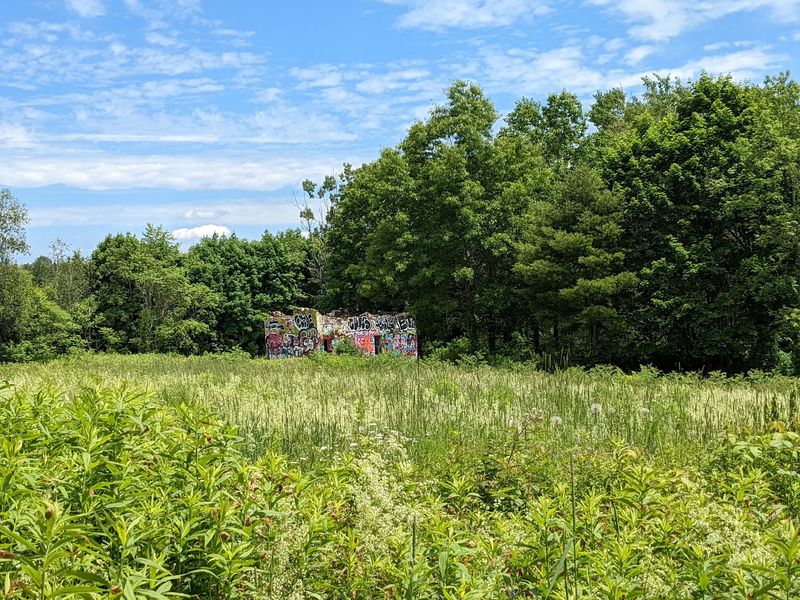
Today those ruins sit deep in the Massachusetts woods, wrapped in moss and covered in bright graffiti. Reaching them takes a walk down quiet dirt roads, which only adds to the mystery.
I have to admit, that mix of history and wilderness sounds hard to resist. I’d be tempted to spend a whole afternoon poking around the foundations.
So how did a farm prison end up as a forest ruin?
A Prison Without Fences Sounds Made Up, But It Was Real
Most prisons lean hard on walls and razor wire. Rutland Prison Camp tried something very different when it opened in 1904.
The state built it in 1903 as an industrial camp, sometimes described as a social experiment. The goal was simple: put prisoners to work reclaiming and improving rough, undeveloped land.
The camp initially housed prisoners convicted of minor offenses, although by 1929 it was receiving only State Prison inmates.
Here’s the wild part. The camp had an open design without traditional fences.
Prisoners worked outside by day and returned to minimum-security dormitories at night.
There are even accounts of inmates mixing with Rutland residents. Some of those meetings reportedly happened on the baseball field, which is not how most prison stories go.
That relaxed setup is a big reason the place still fascinates people. It reads more like a working village than a lockup.
Keep that picture in mind when you finally see the ruins. The cracked concrete makes a lot more sense once you know the men who passed through here spent most days under open sky, not behind iron bars.
Potatoes, Holsteins, And A Surprisingly Profitable Farm
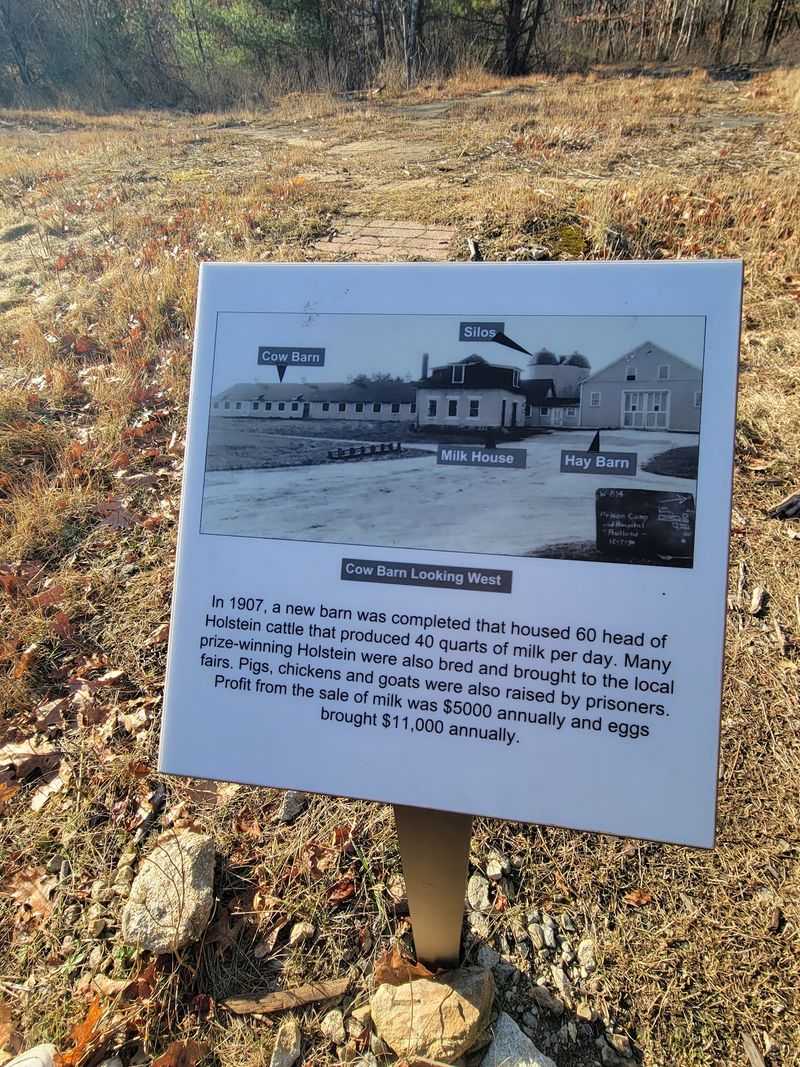
Forget the image of prisoners breaking rocks all day. At this camp, the real work happened on a 150-acre cooperative farm.
Inmates grew potatoes, and those crops were shipped off to the state prison. That’s a lot of spuds heading down the road.
Dairy cows were another big part of daily life. Milk from the herd was sold to the city of Worcester, so the camp helped feed a growing city.
Chickens rounded things out. Eggs became one more steady product coming out of these woods.
The farm actually turned a profit, which is not something you hear about many prisons. It’s a reminder that this site once buzzed with barns, fields, and constant chores.
Today, the fields have mostly returned to forest. The trees have done a thorough job of erasing the crop rows.
Still, knowing about the farm changes how you see the grounds. Those old stone walls and foundations hint at a busy agricultural operation that once hummed along here.
It’s a fun detail to share with kids on the walk in. Prison, yes, but also a giant potato and milk factory.
The Strange Reason Everyone Had To Pack Up And Leave
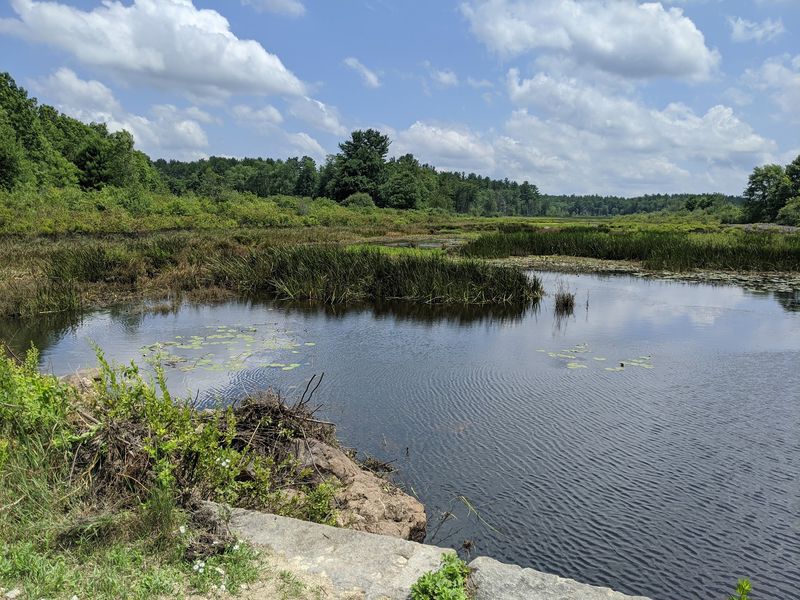
Water. That one word explains why a working prison farm suddenly went quiet.
On November 30, 1934, the camp was abandoned. The land lay within the Ware River watershed, which became part of the water supply system associated with the Quabbin Reservoir project.Wachusett Reservoirs.
The Quabbin Reservoir project was being developed to expand the drinking water supply for Boston and surrounding communities. Having a farm full of cows and people upstream raised clear sanitation concerns.
So the state made a big call. The prison, its farm, and its hospital all had to go.
After the closure, many of the original buildings were torn down. What remained became the concrete skeletons you can explore now.
It’s kind of amazing to think about. A city’s thirst helped turn a bustling camp into a ghost site in the woods.
When you stand among the ruins, the quiet feels earned. Nature has had nearly a century to reclaim the place.
This piece of the story is worth knowing before your trip. It connects a remote Massachusetts forest to the faucets of a major city, which is a pretty unexpected twist for a prison tale.
Small Cells With A Big Story Wait At The Start
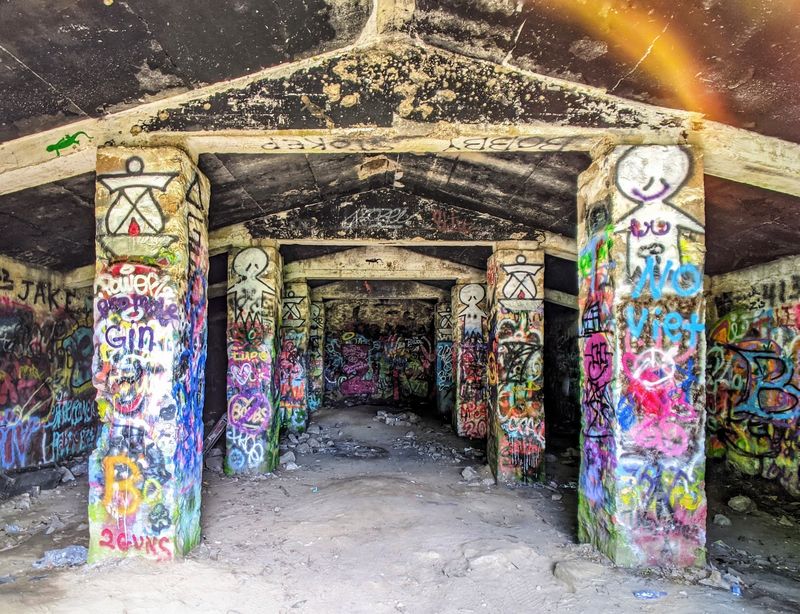
Even a relaxed prison needed somewhere for trouble. At Rutland Prison Camp, that meant a building of solitary confinement cells.
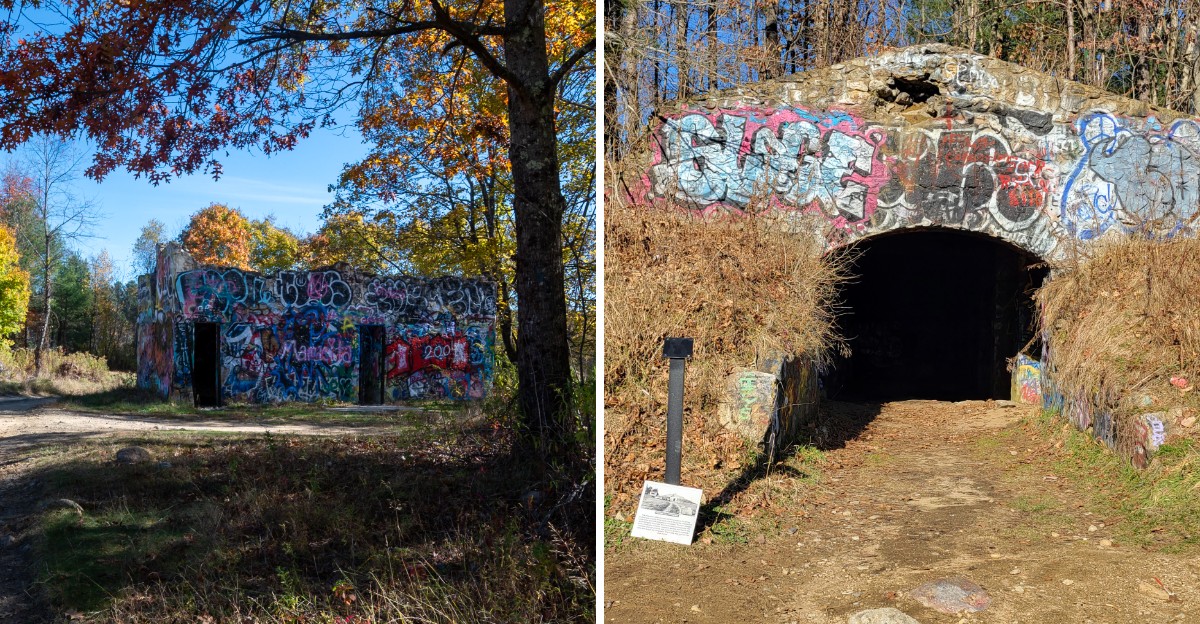
Today it’s one of the most recognizable ruins on the grounds. The squat concrete structure still holds the shape of its small cells.
Step close and you’ll notice how tight those spaces feel. Being stuck in one would test anyone’s patience.
The building also connects to the camp’s larger story. Even an open, fence-free design kept a stricter option close at hand.
Now, the walls are coated in colorful graffiti. The paint makes the grim purpose feel oddly cheerful, which is a strange combination.
Keep a safe distance from the deteriorating structure, as falling concrete and unstable surfaces present serious hazards. Floors can be uneven, and damp spots are common in these old structures.
A flashlight is handy here too. Cell service can be unreliable inside the concrete, so don’t count on your phone for everything.
I’d be tempted to stand in one cell for just a moment. Then I’d happily step back into the sunshine, grateful my visit comes with an exit whenever I want.
You’ll Want To Peek Inside That Giant Root Cellar
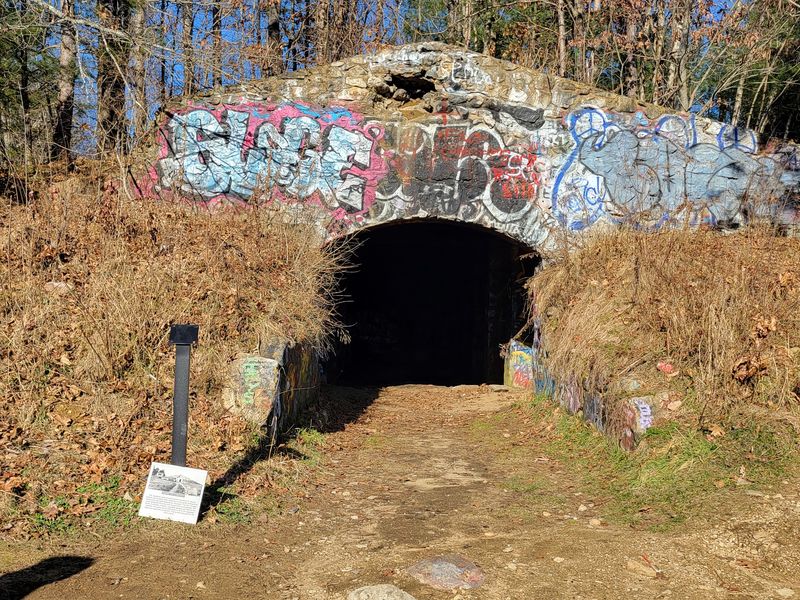
Potatoes need a cool, dark home. That’s where the camp’s big root cellar came in.
Some people call it a vegetable cellar or even a bunker. Any name works, because the structure is hefty, solid, and impressively sized.
It’s one of the main ruins still standing, and it’s easy to see why. Thick concrete built to store a farm’s harvest tends to stick around.
The root cellar has a tunnel-like interior, but its deteriorating roof makes entering the structure unsafe. It’s a great spot to imagine rows of crops waiting through the long New England winter.
Like the other buildings, it’s covered in graffiti. Bright colors stretch across nearly every surface you can see.
Bring sturdy shoes for this stop. The interior can be damp, and water likes to collect in low spots.
A former underground basement structure at the site was filled in for safety reasons, and visitors should avoid entering any remaining underground spaces.
Honestly, the cellar might be the best photo spot here. The mix of old farm engineering, wild art, and forest light creates a scene that’s tough to find anywhere else in Massachusetts.
Graffiti Turned Old Concrete Into An Accidental Art Gallery
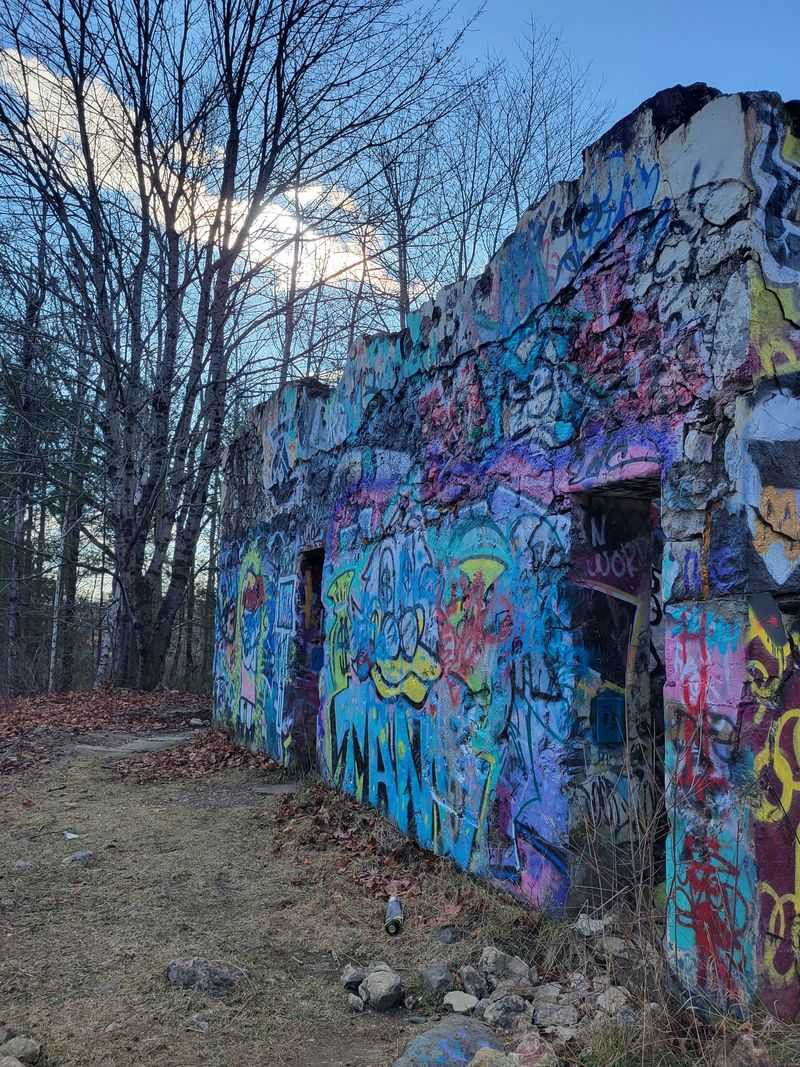
Color shows up where you least expect it. Deep in the trees, the gray concrete walls practically glow.
Graffiti covers the remaining ruins of Rutland Prison Camp almost completely. Layer upon layer of paint has turned the structures into a patchwork of bold shapes and letters.
It has become one of the site’s signature features. For many visitors, it’s the first thing that grabs attention.
Some see it as adding new life to the ruins. Others wish the walls looked more like they did back in the camp days.
Fair warning for families. Not every tag is kid-friendly, so a quick scan before little ones look around is smart.
Photographers will find plenty to work with. The contrast between bright paint, green moss, and dark forest makes for striking shots.
Please don’t add your own masterpiece, though. The site’s future is already a hot topic, and more damage won’t help.
I find that especially appealing because it shows how places keep changing. A prison became a farm ruin, and the ruin became a canvas.
A Hospital And A Quiet Cemetery Add A Somber Layer
In 1907, the camp grew in an unexpected direction. A 30-bed hospital was added to treat inmates with tuberculosis.
That changed the site’s name too. During its working years, it was also known as the Prison Camp and Hospital.
Tuberculosis was a serious illness back then. Fresh country air was often part of the care, which helps explain the remote location.
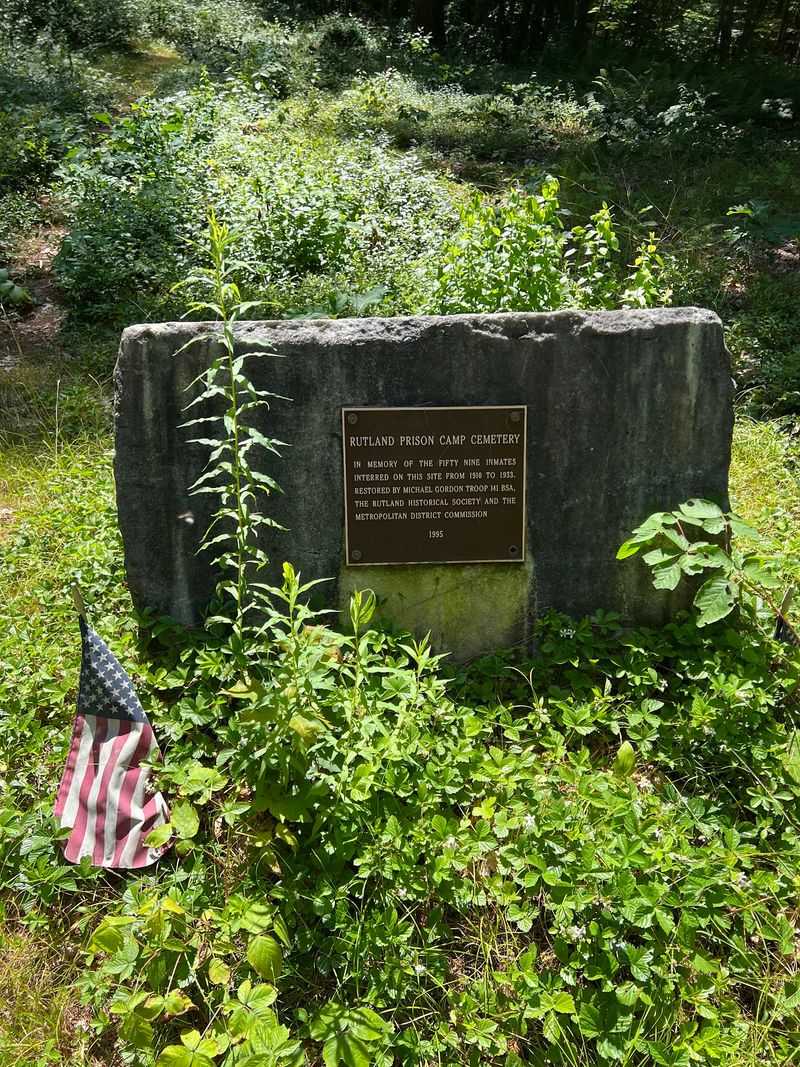
The grounds also hold a cemetery for prisoners who passed away while held here. The graves are unmarked, which makes the spot feel extra quiet.
This part of the visit calls for respect. Walk gently, keep voices low, and leave everything just as you found it.
Beyond the main buildings, you’ll find cracked foundations and old stone walls. Moss-covered sidewalks still trace paths through the woods.
Those small details tell a bigger story. People lived, worked, and recovered here for three decades.
It’s no surprise some folks swap ghost stories about the place. Rumors of hauntings follow the camp around, but the real history is plenty powerful on its own.
Lace Up, Because The Best Views Come After A Walk
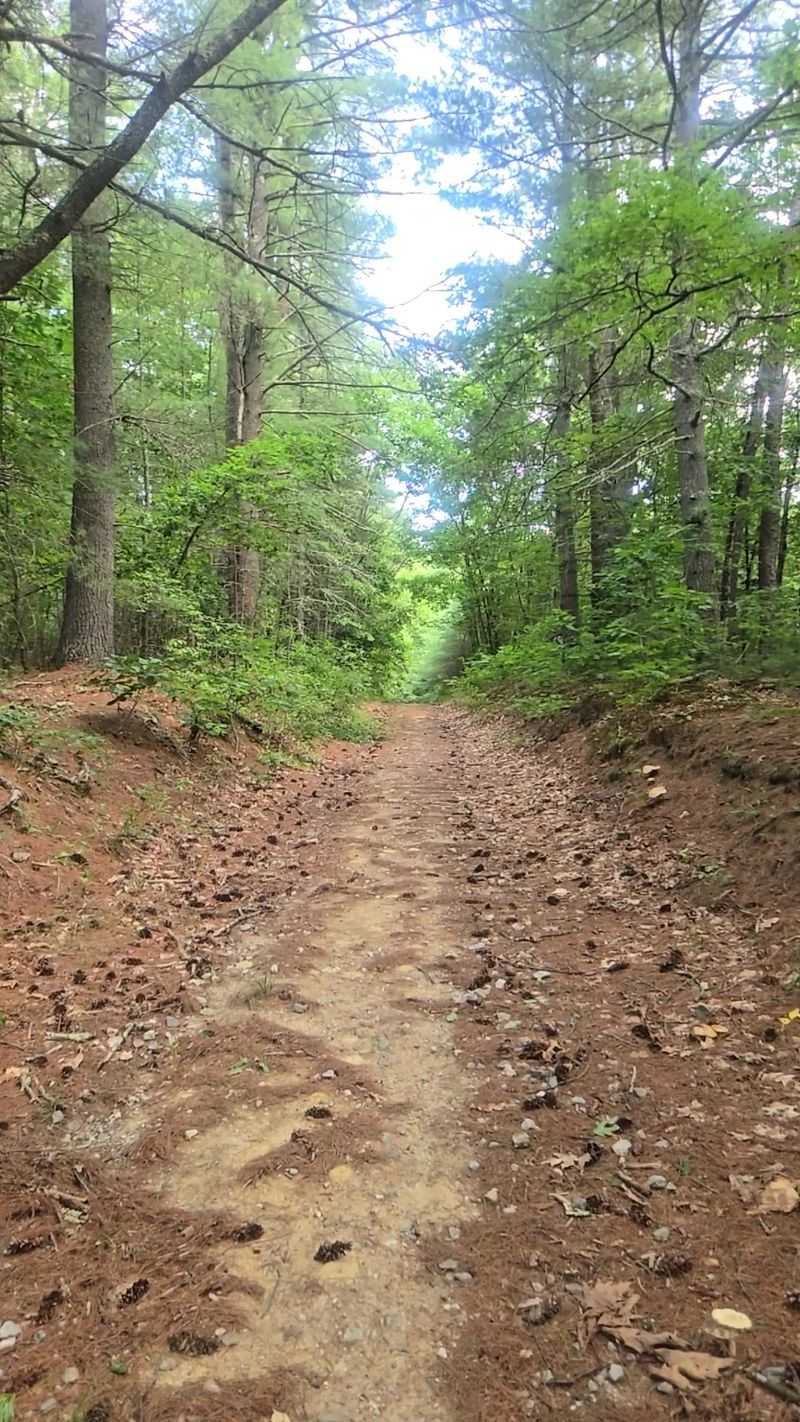
Getting there is half the adventure. The ruins stand on DCR-managed Ware River Watershed property near Rutland State Park in Rutland, Massachusetts.
A common starting point is 299 Intervale Rd, Rutland, MA 01543. It’s also used as a meeting spot for tours led by the Department of Conservation and Recreation.
From there, plan on about 2 to 3 miles of walking on dirt roads. Some roads close to vehicles during certain seasons, especially winter.
Parking is generally free, which is always a nice bonus. Your wallet can relax while your legs do the work.
Pack bug spray, water, and good shoes. The woods are thick, and ticks and mosquitoes love a warm day.
Hunters use this forest too, including during turkey season. Bright orange clothing is a smart choice whenever hunting is underway.
Winter brings a different crowd entirely. Cross-country skiers and snowmobilers enjoy the snowy trails.
Stay aware of your surroundings and stick with a buddy if possible. It’s a remote spot, and a little caution makes the whole outing more relaxing and fun.
See It Now, Because The Ruins Face An Uncertain Future
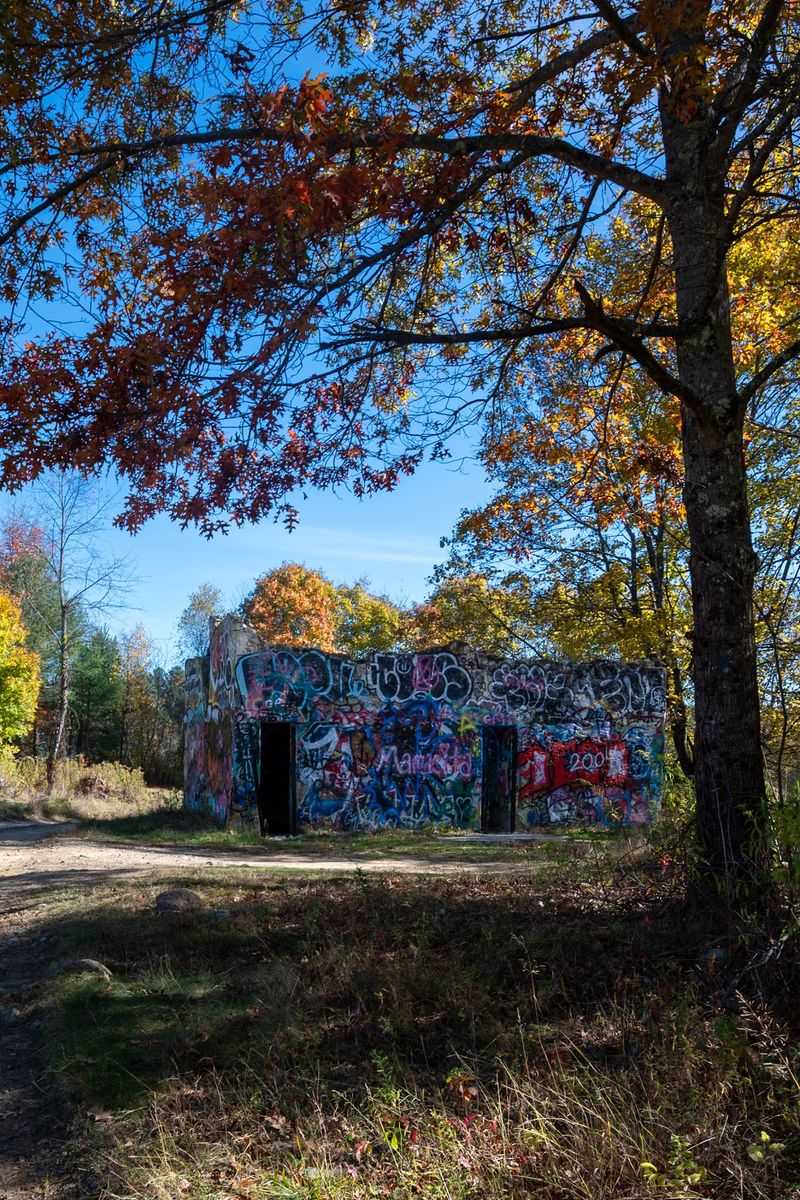
Nothing lasts forever, and these ruins are proof. Nearly a century of weather has left the concrete cracked and crumbling.
The Department of Conservation and Recreation has raised safety concerns about the aging structures. It has proposed demolition or changes to parts of the site.
Not everyone agrees with that plan. The Rutland Historical Commission is working hard to preserve the camp and has offered counter-proposals.
That back-and-forth makes a visit feel a little more urgent. The ruins you see today might not look the same years from now.
Until then, Rutland Prison Camp remains open to hikers and curious explorers. History plaques help show what the buildings once looked like.
Treat the site gently while you’re there. Avoid climbing on weak spots, and steer clear of holes or flooded areas.
Every careful visitor helps make the case for keeping it around. Respect goes a long way for a place this fragile.
I wouldn’t pass up the chance to see it while it stands. A fence-free prison, a potato farm, and a forest full of secrets deserve a few hours of your Massachusetts weekend.