
The New York Restaurant Serving Portuguese Comfort Food From Recipes Brought Over 45 Years Ago
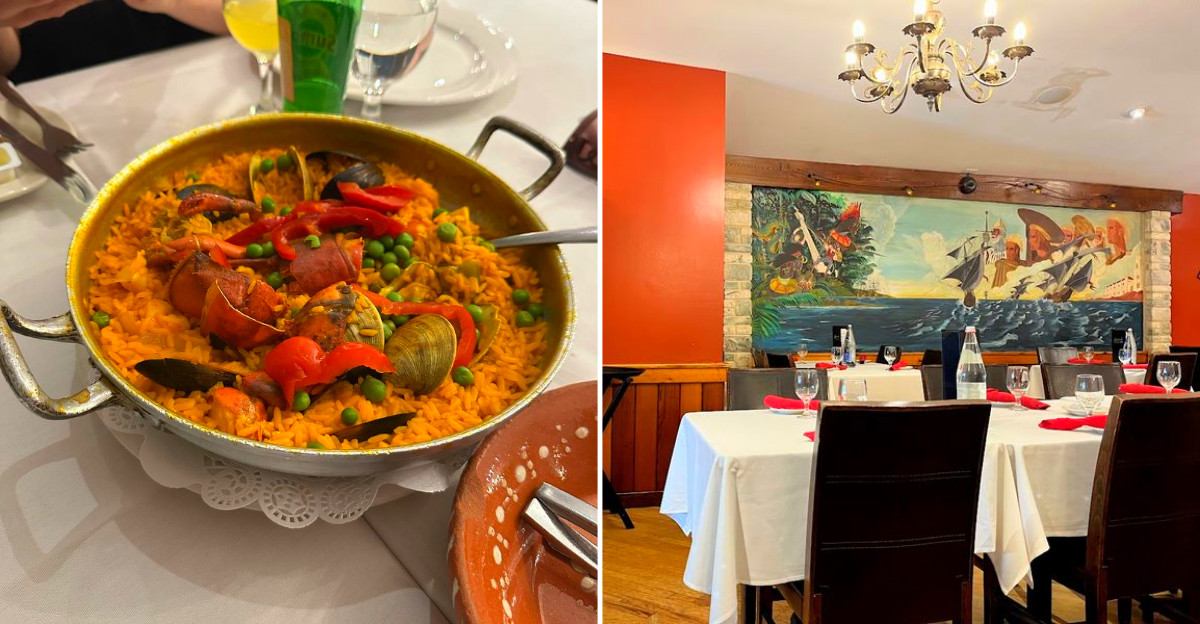
Since 1981, a family run Portuguese kitchen in New York has been grilling codfish, simmering seafood rice, and setting sausage on fire right at the table. The recipes came across the Atlantic decades ago and still run the stove.
Forty five years in one place means the menu stopped being a set of decisions a while back. Nobody is workshopping the codfish. It comes out the way it has always come out, and the people who eat there weekly would notice immediately if that changed.
Portuguese comfort food is a phrase most people have never had a reason to test. This is the place to find out what it actually means.
A Doorway Into Old World Portugal
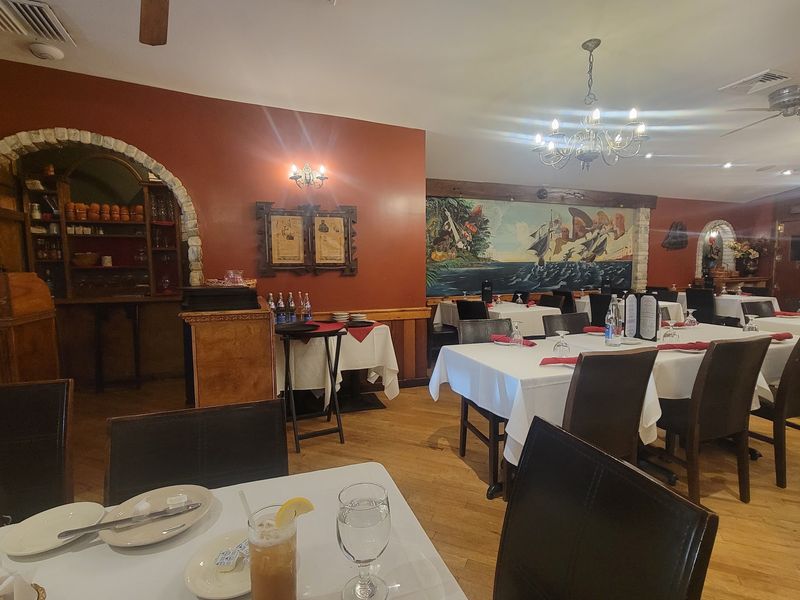
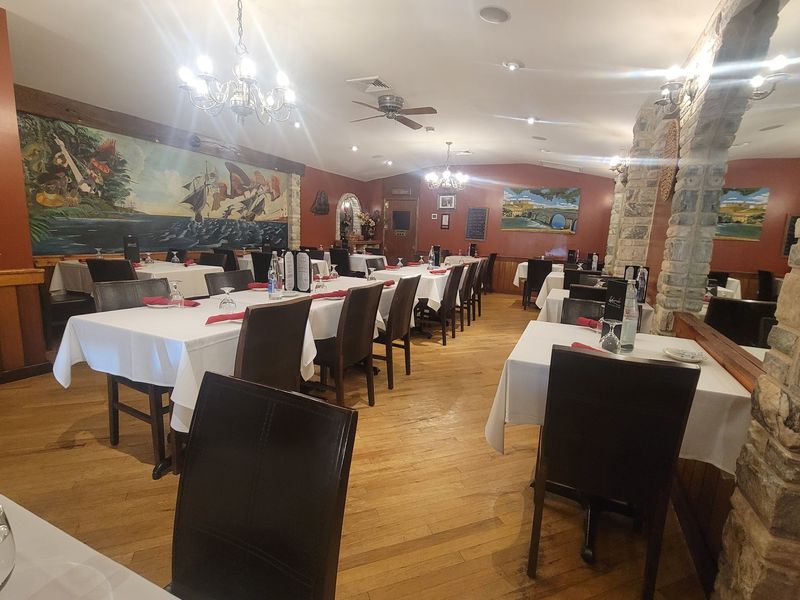
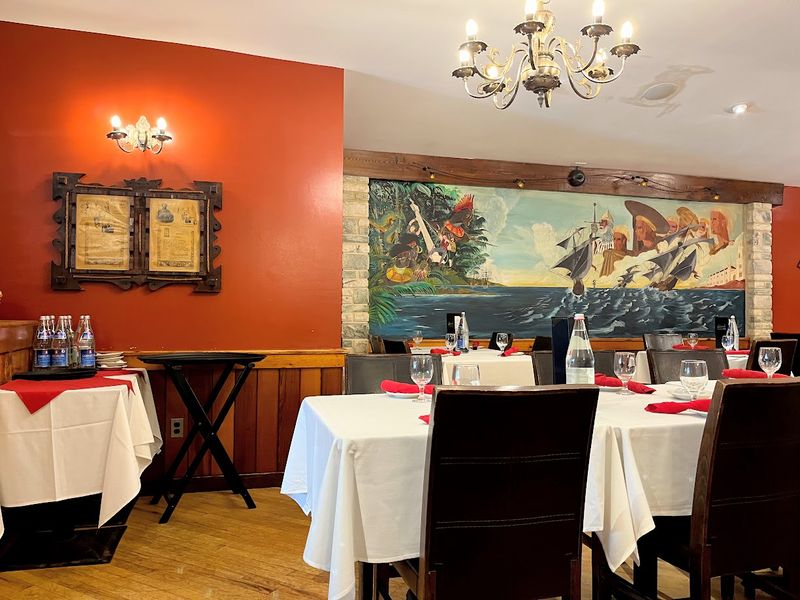
Few restaurants in the borough can shift your sense of place the way this one does. The dining room wears white tablecloths, hardwood floors, and marble arches, with a hand-painted mural stretching across one wall.
The room feels like a village hall in the Portuguese countryside, only with Queens traffic humming outside. Everything about the decor suggests care rather than trend chasing.
On the other side of the wall sits a separate bar area, and it carries a completely different mood. Exposed brick, a rustic wood canopy, and hanging lanterns give it a relaxed, neighborhood feel.
Television screens keep soccer fans happy, and the noise level there leans cheerful. Two spaces, one kitchen, and a choice depending on your mood.
Scale matters here too. Rather than a cramped storefront, the building holds a roomy dining room, the bar side, two private rooms for celebrations, outdoor seating, and its own parking lot.
Parking in this part of Queens is no small gift. Guests arriving from Long Island or Connecticut often mention how easy the arrival feels.
The result is a restaurant built for long meals, big tables, and the kind of evening nobody rushes. The whole room reads as a beautifully preserved eighties European restaurant, all painted murals and dark wood. World Cup matches turn the bar side into its own event entirely.
Meet O Lavrador, The Jamaica Landmark
The name translates roughly to the farmer, and it fits a kitchen built on honest ingredients. O Lavrador can be found at 138-40 101st Ave in Jamaica, NY 11435, a residential stretch of Queens where the surrounding blocks give no hint of what waits inside.
Founded in 1981, the restaurant has run without interruption since then, which is rare for any eatery in New York.
Family hands have guided it the entire time. The couple who opened the doors passed the reins to their son along with his sister and her husband in 2009, keeping the operation firmly within the same household.
Recipes traveled with the founders from Portugal and remain the backbone of the menu today.
Doors stay closed on Mondays. Tuesday through Sunday the kitchen serves from 11 in the morning until 10 at night, with Friday and Saturday running an extra hour later.
Reservations help on weekends, especially around holidays like Mother’s Day, when Queens families fill both rooms. Prices land lower than the room and the portions suggest, which is a large part of why families treat it as a regular stop rather than a special occasion.
Bacalhau Assado, The National Treasure
Codfish holds a special place in Portuguese kitchens, and the grilled version here shows exactly why. Bacalhau Assado arrives as a thick fillet with crisped edges and flakes that separate cleanly under a fork.
Salt cod requires patient soaking before it ever meets heat, which is a step many kitchens skip. The care shows in the finished plate.
Olive oil, garlic, and simple boiled potatoes keep the focus where it belongs. Nothing on the plate competes with the fish itself.
Portuguese cooks reportedly have a recipe for cod for every day of the year, and the grilled preparation ranks among the most beloved. It tastes like Sunday lunch in a coastal town.
For anyone new to the cuisine, this dish makes an excellent starting point. The flavor is savory and mellow rather than sharp, so it suits cautious eaters and adventurous ones alike.
Portions run generous enough that two people can share comfortably.
Order it once and you begin to understand the emotional pull salt cod has for Portuguese families. Preserved fish became celebration food, and that history still sits on the plate. Plantains turn up alongside several plates, a reminder that Portuguese cooking picked up ingredients from a lot of coastlines.
The kitchen seasons with confidence rather than caution.
Sausage That Arrives With Fireworks
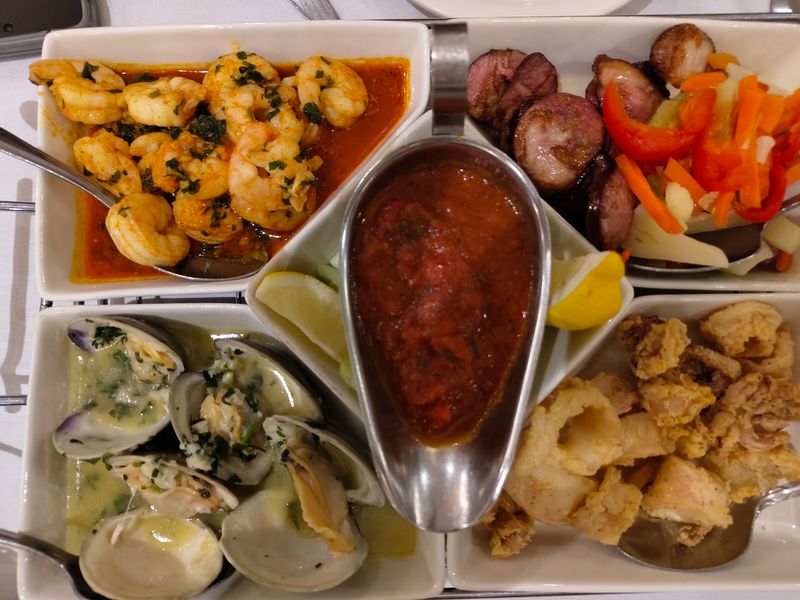
Tableside theater rarely tastes this good. Chourico Caseiro, the house made smoked pork sausage, comes out flaming and immediately turns nearby diners into an audience.
The flame crisps the casing while the inside stays juicy and heavily seasoned with paprika and garlic. Sound and smell arrive before the first bite.
Made in house rather than ordered from a supplier, the sausage carries a deeper smoke than supermarket versions. Slices come out slightly charred at the edges, which is exactly where the flavor concentrates.
Bread on the table exists partly to catch the drippings, so use it.
Ordering it early in the meal sets a celebratory tone for whatever follows. Groups tend to gather around the plate and start talking, which is precisely what appetizers should accomplish.
Kids find the presentation fascinating and grown ups pretend they do not.
Fun bit of background: cured pork sausages helped Portuguese farm families stretch a single animal across many months. What began as practical preservation now shows up as a showpiece starter in Queens, which feels like a fair trade for a few centuries of tradition.
Seafood Rice Worth The Wait
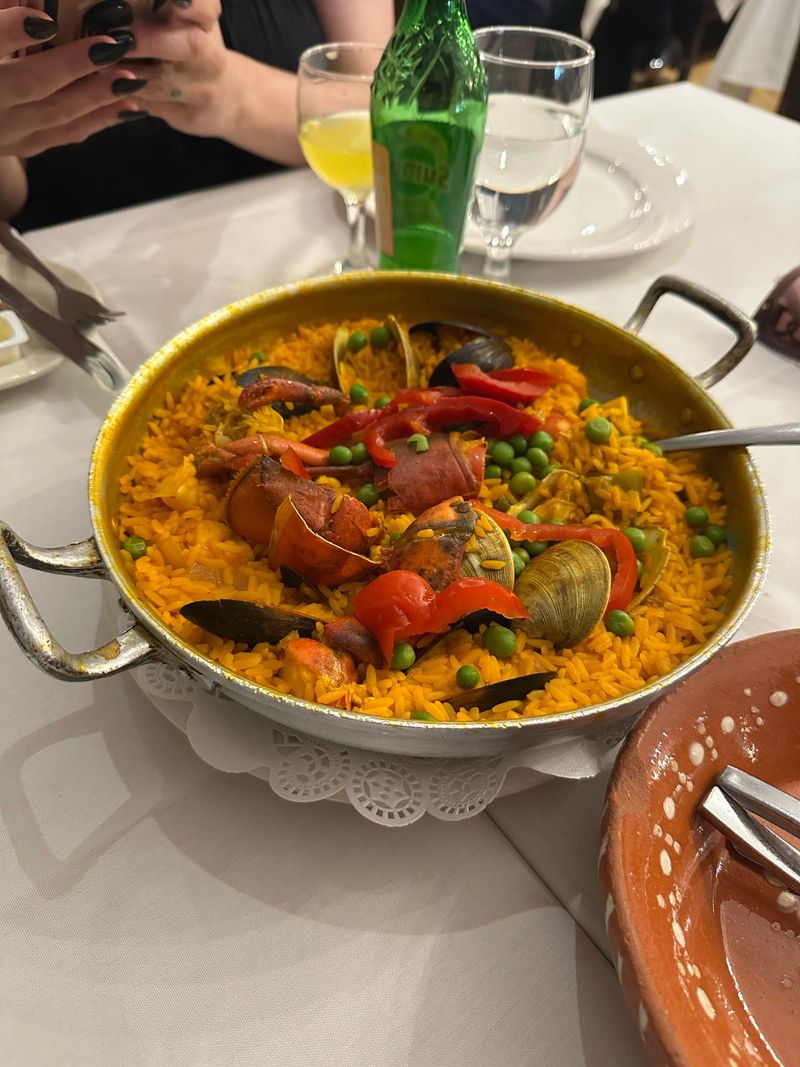
Big pans invite big appetites. Paelha Marinheira lands at the table loaded with shellfish and rice that has soaked up every drop of the broth beneath it.
Shrimp, clams, and mussels share space with rice that carries a golden tint. Each spoonful tastes faintly of the sea without turning heavy.
Lobster ranks among the most talked about items in the whole restaurant, and grilled versions draw steady praise for their sweetness. Seafood arrives cooked with restraint, meaning nothing turns rubbery or dull.
Steamed clams and fried calamari make reliable openers if you want more from the water.
Portion sizes here run large by design, so plan accordingly. Two people can often split a single main course and leave satisfied, and appetizers may not be necessary at all.
Sharing is practically built into the format.
Portuguese and Spanish rice dishes share roots but part ways in the details, and tasting them side by side teaches you more than any cookbook chapter. Bring someone who likes to compare notes across the table. The conversation gets good fast.
Pork And Clams, An Unlikely Duo

Land and sea on one plate sounds odd until you try it. Carne de Porco a Alentejana combines marinated pork cubes with clams and small fried potatoes, all bound together by a fragrant pan sauce.
The pork picks up brininess from the shellfish while the clams gain richness from the meat. Somehow the whole thing balances.
Cilantro and garlic round out the flavor, and the potatoes exist to mop up whatever pools at the bottom. Diners familiar with Spanish cooking often note how different the seasoning feels.
It is warmer, earthier, and less tomato driven.
The dish comes from the Alentejo region, a stretch of inland Portugal known for cork trees, wheat fields, and thrifty cooking. Combining a coastal ingredient with a farm ingredient was practical long before it was fashionable.
That history explains the name.
If you tend to order chicken or beef out of habit, break the pattern here. Grilled meats, lamb chops, and skirt steak also appear on the menu for anyone who wants something more familiar, but the pork and clams offer the better story.
Caldo Verde And Sweet Endings
Green soup sounds plain and tastes like a revelation. Caldo Verde blends potato and shredded greens into a broth that turns creamy without heaviness, then adds slices of sausage for depth.
Regulars recommend it constantly, and for good reason. Cold evenings in Queens practically require a bowl.
Francesinha deserves attention too. The layered sandwich stacks bread, cheese, and meats, then gets covered in sauce and topped with an egg, making it a knife and fork affair.
Lunch guests order it and then spend the afternoon thinking about it.
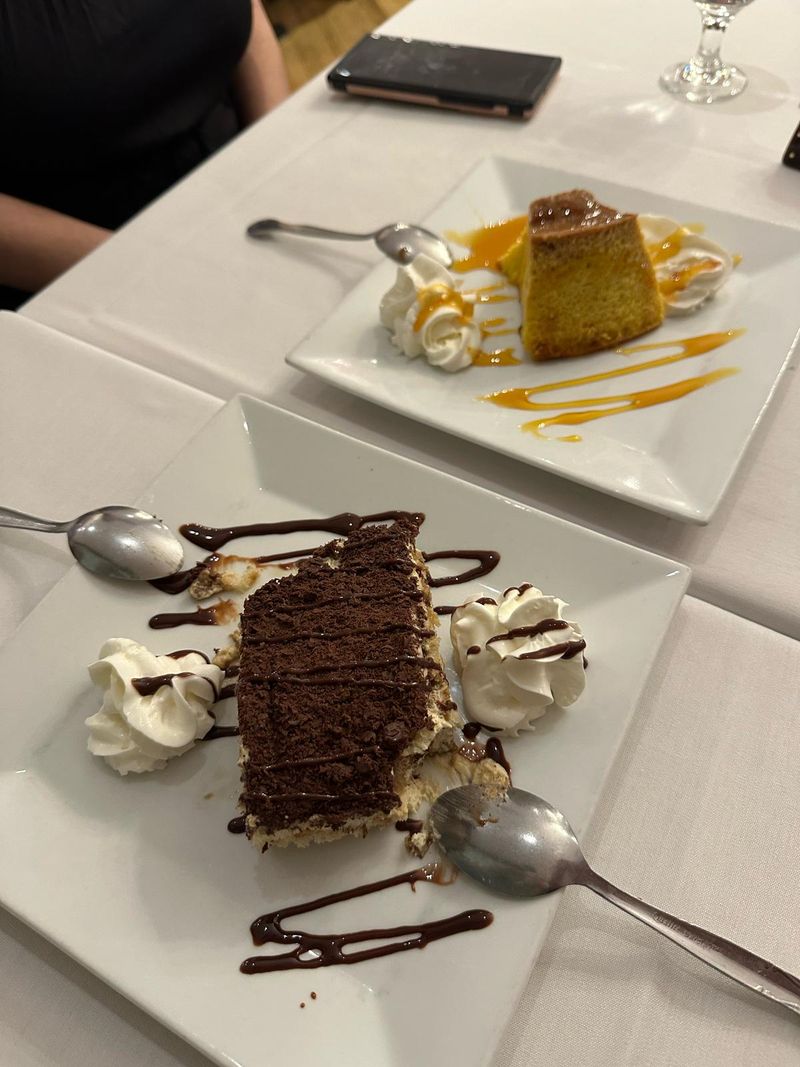
Dessert keeps things classic. Homemade flan arrives silky and only lightly sweet, which is exactly right after a large meal. Peras bebadas, pears poached until tender and deeply flavored, offer a fruit forward alternative.
Both taste homemade because they are.
Camarao Piri-Piri brings gentle heat for anyone chasing spice, and grilled octopus rewards diners who like smoky, tender seafood. The menu runs long enough to feel overwhelming on a first visit.
Ask the staff for guidance since they know it well, and courteous service comes up again and again in praise of this Portuguese corner of New York.