
This Massachusetts Antique Market Is A Vintage Shopper’s Dream With Five Floors To Browse
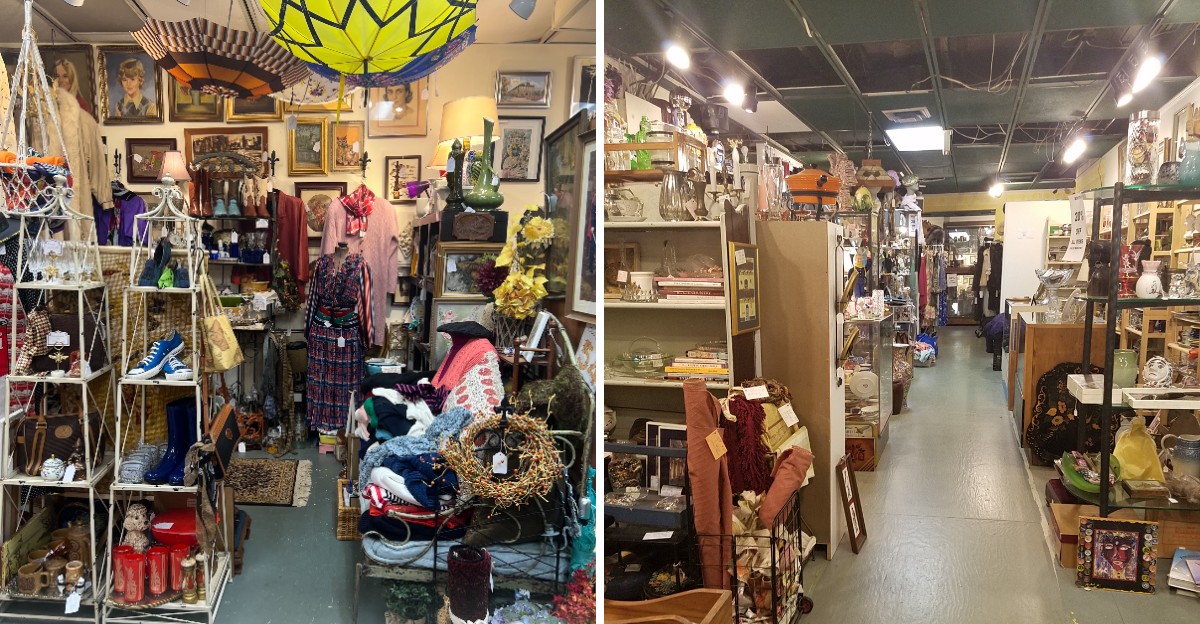
Five floors of antiques can make an afternoon disappear faster than expected.
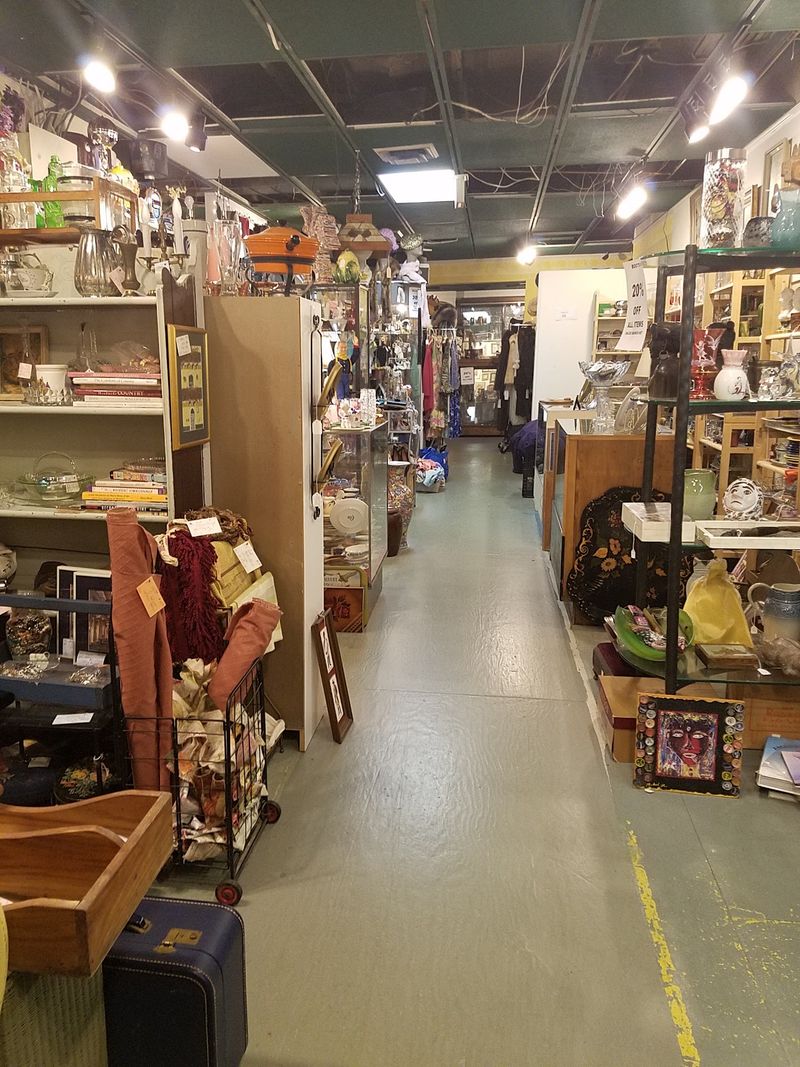
This Massachusetts market brings together vintage furniture, old signs, artwork, glassware, records, jewelry, collectibles, and unusual pieces that deserve a closer look. Each level has its own mix, so browsing never feels repetitive.
Shelves of old books sit near framed prints, retro kitchenware, lamps, toys, and furniture that looks straight out of another decade. The variety keeps your attention moving, especially when a familiar object suddenly brings back a memory.
The size of the place encourages slow browsing. Take your time, scan the shelves, and expect to find things you did not know you wanted until they are right in front of you.
Massachusetts antique shoppers who enjoy the hunt could easily spend hours making their way through all five floors.
Five Floors Of Browsing That Feel Like A Whole City Block
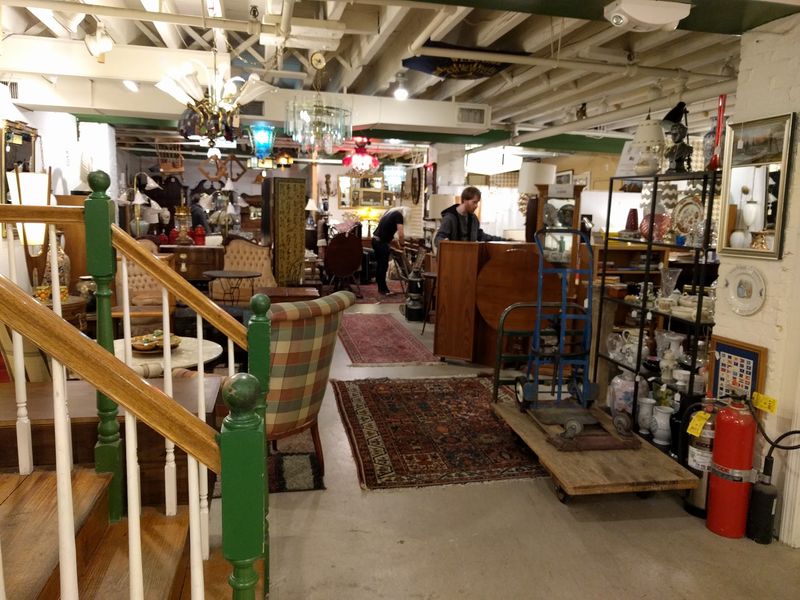
Most antique shops fit in a single room. Cambridge Antique Market stretches across five levels of a historic brick building, and the climb is part of the fun.
Shoppers often describe the layout as four main floors plus a basement, which explains why the floor count comes up so often. However you count it, the browsing space is enormous.
More than 150 independent dealers rent spaces inside. Each booth is arranged by its own owner, so the look shifts every few steps.
One corner might hold Colonial-era chairs. Turn around and you are facing Mid-Century Modern lamps and chrome side tables.
Getting between floors is easy. The building has both stairs and elevators, which matters if you fall for something heavy on the top level.
Plan on more time than you think you need. Many people spend two or three hours here and still miss entire sections.
A half day is the smarter target. Serious browsers go longer and treat the building like a museum where the exhibits happen to be for sale.
Here is the useful trick: pick a direction and stick with it. Start at the top and work down, or start in the basement and climb.
Wandering randomly means repeating yourself. A plan keeps the hunt sharp and saves your legs for floor number five.
Furniture Finds From Colonial Chairs To Mid-Century Tables
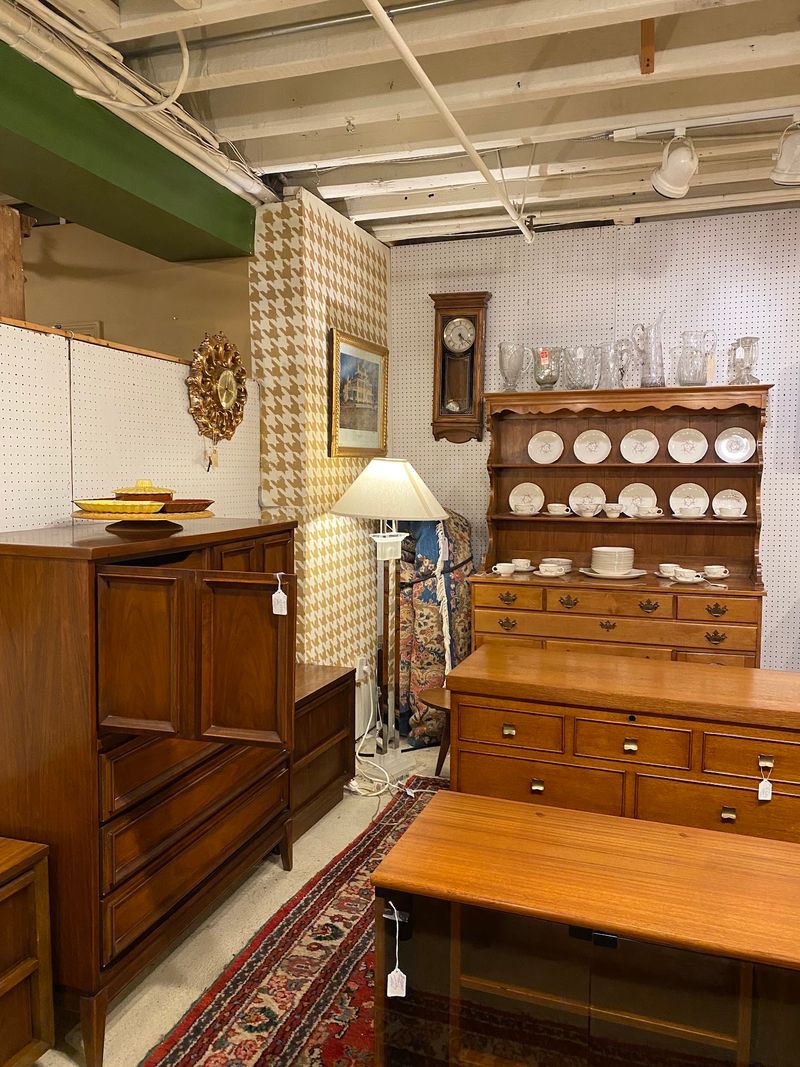
Furniture is the category people mention most, and for good reason. The selection ranges from grand statement pieces to modest little side tables that fit in a car trunk.
The lowest level is where many of the larger pieces live. Dressers, cabinets, and dining sets sit in rows, often in genuinely good condition.
Design movements overlap in the best way. A Victorian washstand may share a wall with a sleek teak credenza from the 1960s.
Rugs turn up too, sometimes in impressive sizes. Measure your room before you commit, because floor space lies to everyone.
Since each dealer sets prices independently, the range is wide. Some booths are bargain territory and others aim higher, so comparing across floors pays off.
Bring a tape measure. It weighs nothing and settles arguments about whether that bookcase clears your doorway.
Photograph anything you like but are not sure about. With this much inventory, remembering a booth location later is harder than it sounds.
Large items need a plan. Think about transport before you buy, especially if you arrived by train rather than by car.
Pieces here have already lasted decades, sometimes far longer. Buying secondhand keeps solid craftsmanship in use instead of sending it away, which is a quietly satisfying bonus.
Jewelry Cases That Reward A Slow Second Look
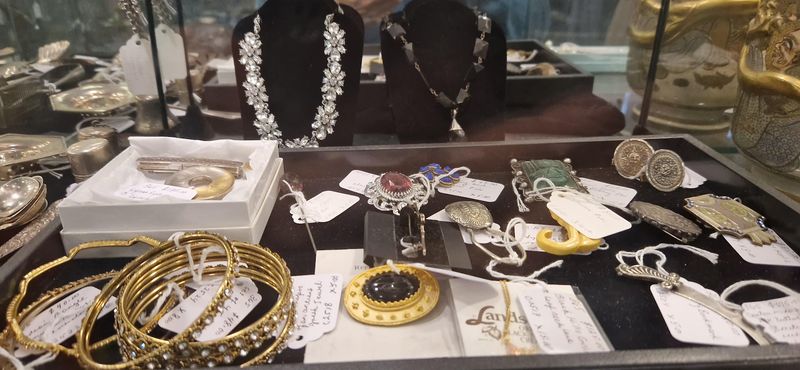
Small treasures hide in plain sight here. Glass cases throughout Cambridge Antique Market hold estate jewelry, costume pieces, and fine silver in tidy little rows.
Brooches, rings, pendants, and cufflinks fill the trays. Some are delicate and formal, others are loud and wonderfully strange.
Because cases are locked, the good stuff stays protected. Ask a staff member if you want a closer look at something.
The team knows the building well and can usually point you toward the right dealer or the right floor.
Weekdays are friendlier for case shopping. Weekends draw crowds, and waiting for help takes longer when the aisles are busy.
Fine silver deserves attention too. Serving pieces, frames, and flatware appear alongside the smaller items, often with maker marks worth inspecting.
Bring a small flashlight if you are picky about detail. Hallmarks and stone settings are easier to read with extra light.
Costume jewelry from mid-century makers is a fun entry point. Prices tend to be gentler, and the designs are bold enough to wear now.
Patience is the real tool. Trays get restocked as dealers rotate stock, so the case you glanced at last month looks different today. That constant turnover is exactly why regulars keep circling back.
Vintage Clothing Racks With Real Character
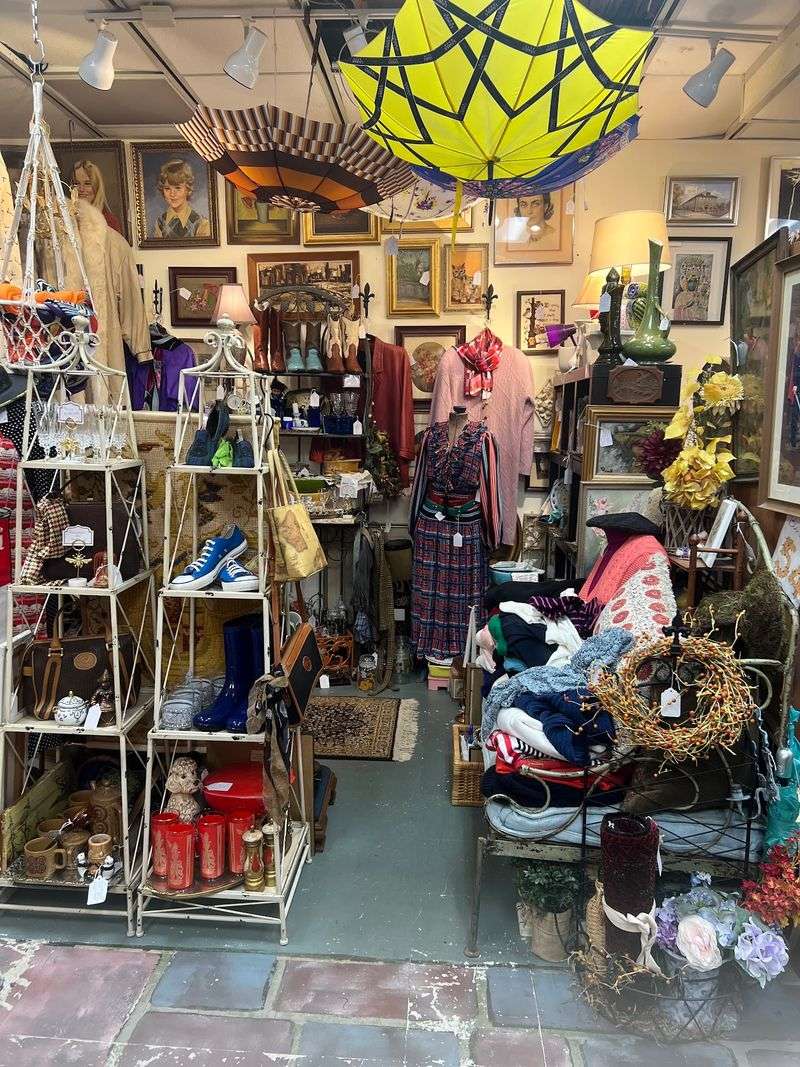
Clothing hunters, this floor is for you. Racks inside the market hold wool sweaters, coats, dresses, and pieces far older than most closets.
Finds have included a 1920s corset cover and a vintage Pendleton wool sweater, which gives you a sense of the range.
Sizing from earlier decades runs smaller than modern labels. Trying things on, or at least measuring, saves disappointment later.
Check seams, buttons, and linings carefully. Older garments can be beautifully made but may need a small repair.
Hats, scarves, and handbags often sit near the racks. Accessories are an easy way to test vintage style without a big commitment.
Wool is a standout category. New England weather made sturdy outerwear a necessity, and plenty of it survived in wearable shape.
Prices vary by dealer, as with everything else in the building. One rack may be a steal while the next reflects collector value.
A practical tip: wear simple layers. Slipping a coat or sweater over what you already have is quicker than hunting for a mirror.
If something fits and feels right, decide then. Single garments do not come back once they are gone, and regret is heavier than a shopping bag. The rotating selection means fresh options arrive regularly throughout the year.
Vinyl, Books, And Paper Ephemera For Collectors
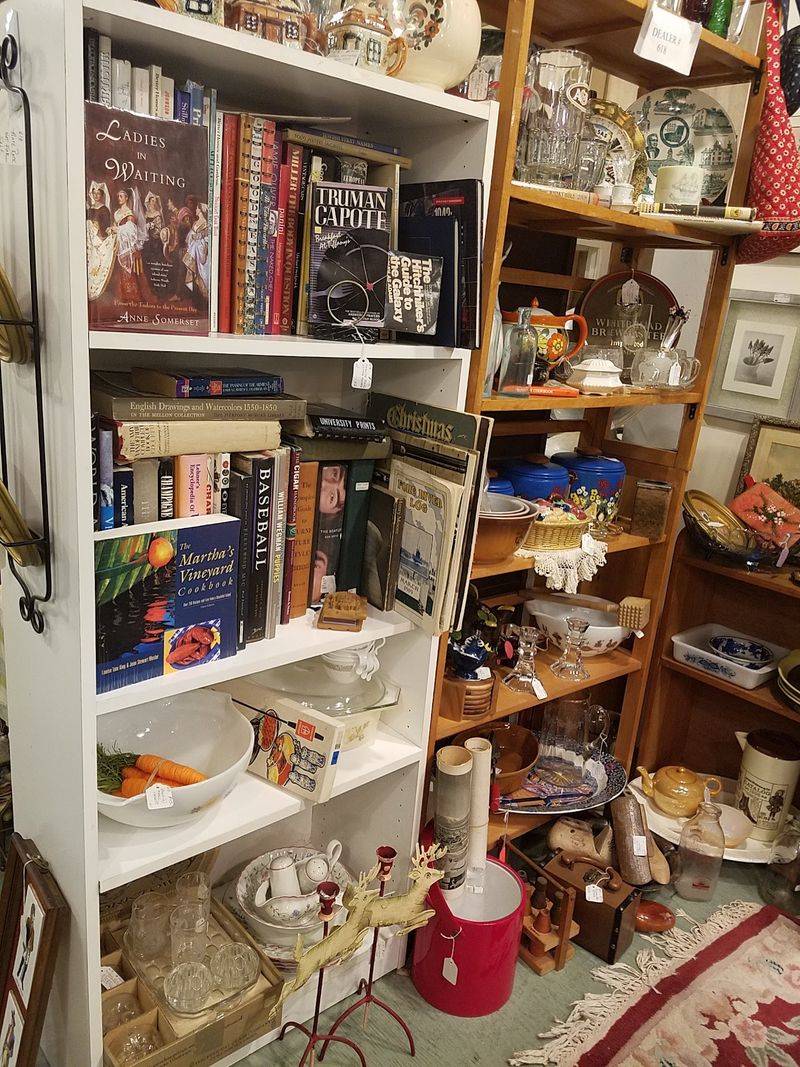
Flipping through crates is its own kind of meditation. Vinyl records, old magazines, postcards, and vintage photographs fill several booths across the building.
Paper ephemera is the sleeper category. Advertisements, maps, letters, and novelty postcards carry small pieces of everyday history.
Books turn up in steady supply. Hardcovers, paperbacks, and the occasional illustrated volume share shelves with framed prints and original art.
Old photography draws a crowd of its own. Portraits and street scenes from decades past sell for surprisingly little in some booths.
Magazines are usually priced a few dollars each. Collectors chasing specific issues should expect to dig rather than browse casually.
Records reward a careful eye. Check sleeves and surfaces before buying, since condition affects both sound and value.
Musical instruments appear too, scattered rather than grouped. Guitars, horns, and odd percussion pieces show up as dealers rotate inventory.
Pop culture material spans the 19th century through recent decades. That long stretch makes the paper sections feel like a timeline you can shuffle.
Bring a tote bag. Paper items are light but awkward, and a flat bag protects corners on the ride home.
Best of all, this section changes constantly. Fresh boxes arrive often, so two trips a month can feel like two different stores.
Oddities, Toys, And An Unexpected Esoteric Corner
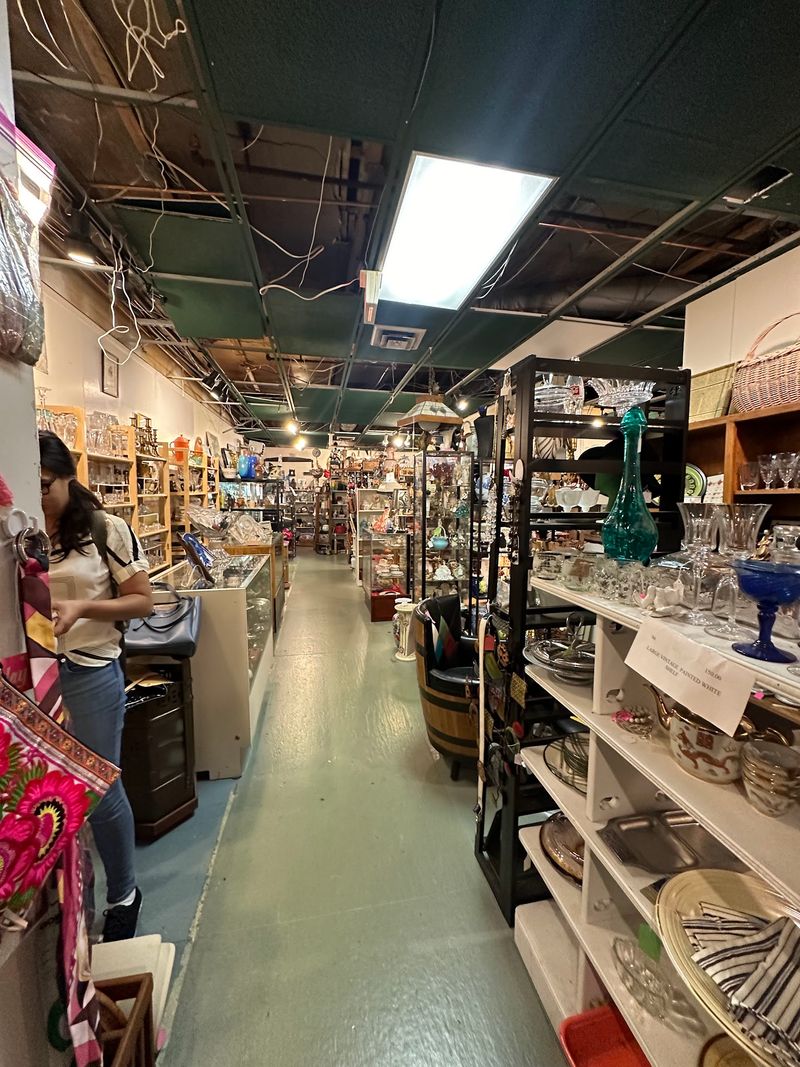
Now for the weird and wonderful. Specialist categories surface unpredictably here, and that unpredictability is half the appeal.
Vintage toys and dolls fill certain booths, including antique China dolls with painted features. Sports memorabilia shows up nearby, then vanishes on the next floor.
Religious antiques occupy their own pockets. Statues, icons, and devotional objects sit quietly among the busier displays.
One upper floor is known for an Occult, Esoteric, and Witchcraft section. It is a genuine curiosity stop even if the subject is new to you.
Novelty items keep things playful. Antique cookie jars, peculiar postcards, and objects with no obvious purpose all find buyers.
Statues and sculpture appear in real numbers. Ceramics, glassware, and decorative figures crowd shelves throughout the building.
Kitchenware is another deep well. Pyrex, cookware, serving dishes, and gadgets from earlier eras stack up in tempting piles.
Seasonal themes shift the look of various sections. Holiday decor, for instance, tends to multiply as the calendar turns.
Approach this floor with no shopping list at all. Oddities are rarely something you planned for, which is exactly why they stick with you.
Ask dealers about unfamiliar objects. Many are collectors first, and their explanations make the strangest items far more interesting.
Dealers Who Actually Know Their Stuff
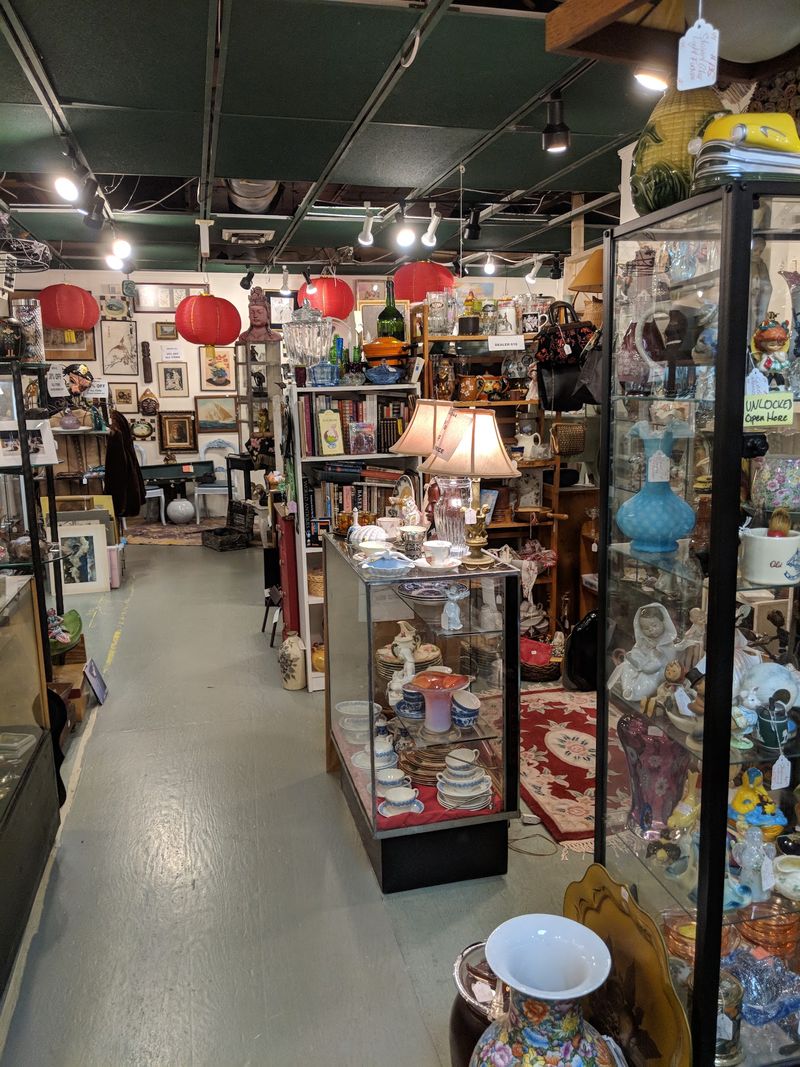
Knowledge is the quiet luxury here. Many vendors at Cambridge Antique Market collect what they sell, which turns simple questions into real conversations.
Ask about a maker, a material, or a date. The answer often comes with background you would not get from a price tag.
That dealer-as-collector culture shapes the whole building. Booths look curated because someone genuinely cares about the theme.
Staff at the market are helpful too, and they know the layout well enough to steer you toward the right floor.
Since each vendor sets their own prices and sales, terms differ from booth to booth. Reading signs carefully prevents confusion at the register.
If a booth advertises a discount, note the details. Minimum price rules and other conditions vary by dealer.
Photograph signs and tags before heading to the counter. A quick picture makes any question easy to sort out.
Politeness goes a long way in a building this busy. A friendly question usually unlocks better information than a rushed one.
Displays get rotated regularly, so dealers can tell you what arrived recently. That inside knowledge is how regulars find the best material first.
Treat the conversation as part of the trip. You will leave knowing more than when you walked up the stairs.
Getting There, Hours, And Smart Timing Tips
A little planning makes this trip much better. The market sits at 201 Monsignor O’Brien Highway in Cambridge, Massachusetts, in a large brick building that is hard to miss.
Doors open at 11 AM Tuesday through Sunday. Mondays are closed, so save your hunting energy for the rest of the week.
Public transportation is the easy option. Lechmere station on the Green Line is roughly 300 meters away, which is a short stroll.
Bus routes 69, 80, 87, and 88 serve the immediate area. Kendall/MIT on the Red Line is about 1.2 kilometers off, with routes 64 and 68 connecting.
On-site parking exists but the lot is small. Spaces fill fast, especially on weekends, so arriving early helps.
Weekdays are calmer for browsing. Saturdays get crowded, and tight aisles feel tighter when the building is full.
Wear comfortable shoes. Five levels add up quickly, and you will be standing more than sitting. Bring cash options and a phone with battery left. Photos help you track booth locations across floors.
Massachusetts has plenty of antique stops, but few match this scale in one building.