
The Quiet Mississippi Safari Park Finally Getting The Attention Locals Have Long Known It Deserves
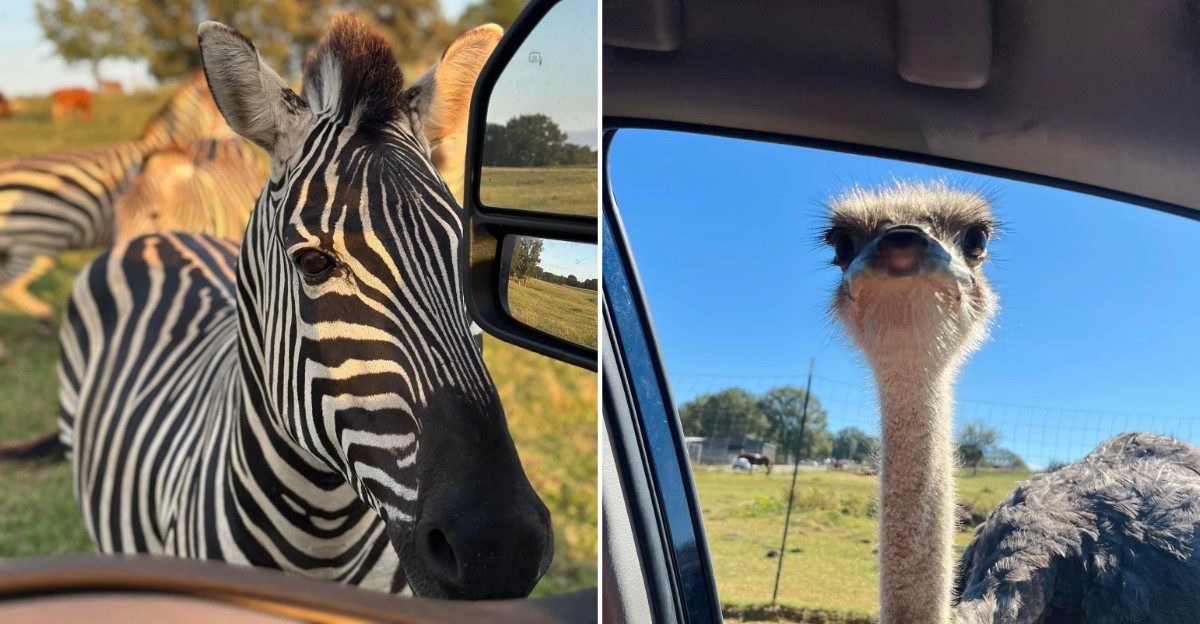
Zebras, ostriches, and plenty more. This Mississippi safari park delivers an experience unlike anything else in the state.
Enclosures here feel spacious rather than cramped for the sake of fitting more exhibits into limited space. Animals get real attention and care rather than just a scheduled feeding routine.
Smaller crowds mean longer, more personal moments watching wildlife instead of fighting for a view. Rare and exotic species live alongside more familiar favorites, giving visitors variety without overwhelming them.
Educational programs run throughout the day, adding depth beyond just walking past enclosures. Locals have known about this place for years, and outside attention is finally catching up.
This park proved that sometimes the best experiences take time to get the recognition they deserve.
A Drive Through Adventure Unlike Any Other
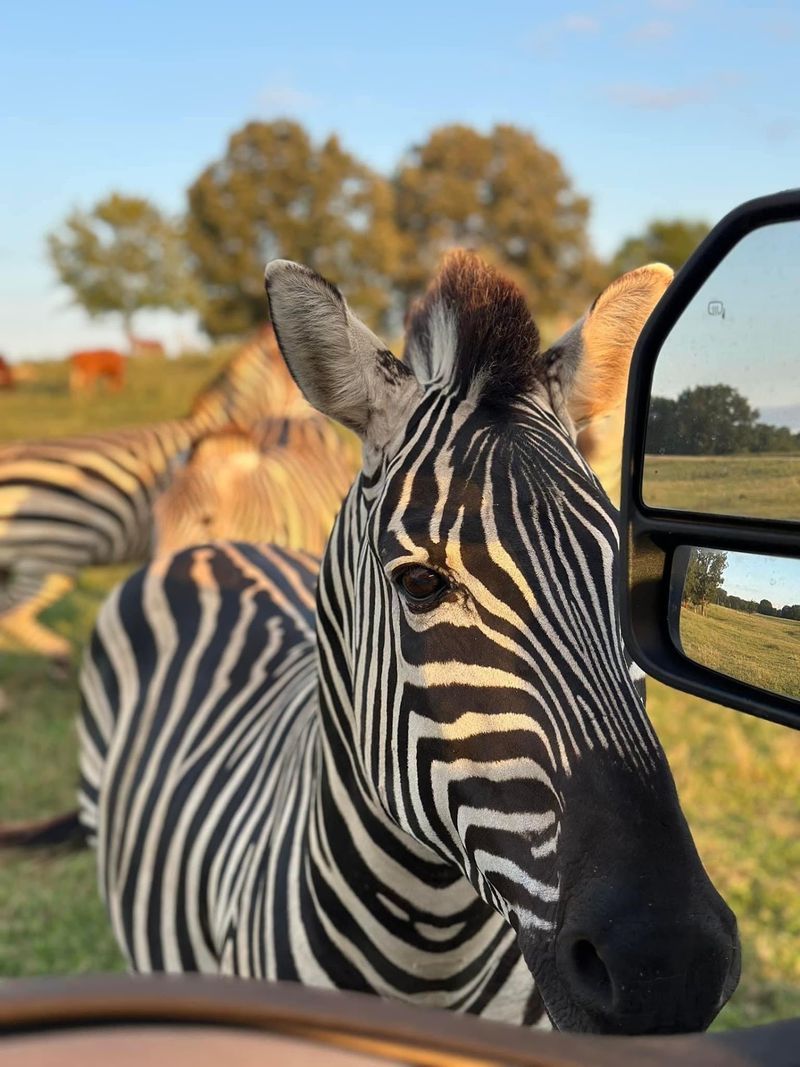
Rolling down a car window and having a camel lean in is not something most people plan for on a Tuesday. At Blue Springs Safari, that is basically the whole point of the drive-through loop.
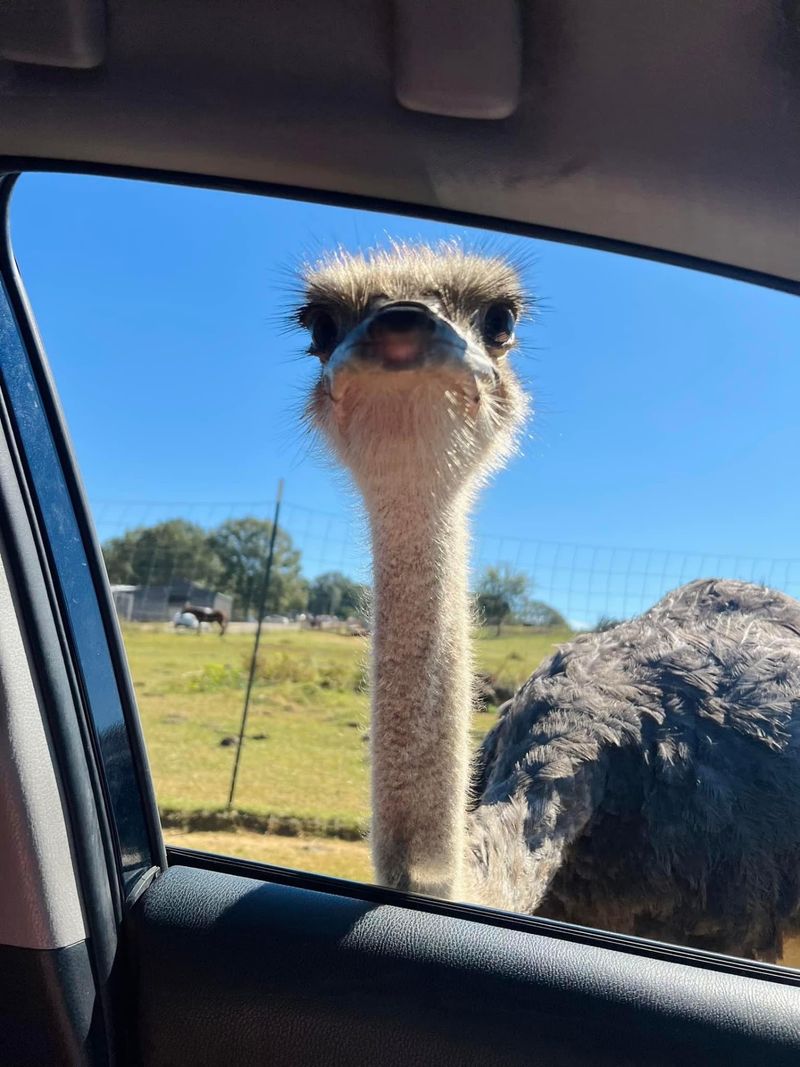
Guests stay in their own vehicles and creep along a dirt path while animals wander over to investigate. Zebras, water buffalo, emus, and camels all take an interest in whoever shows up next.
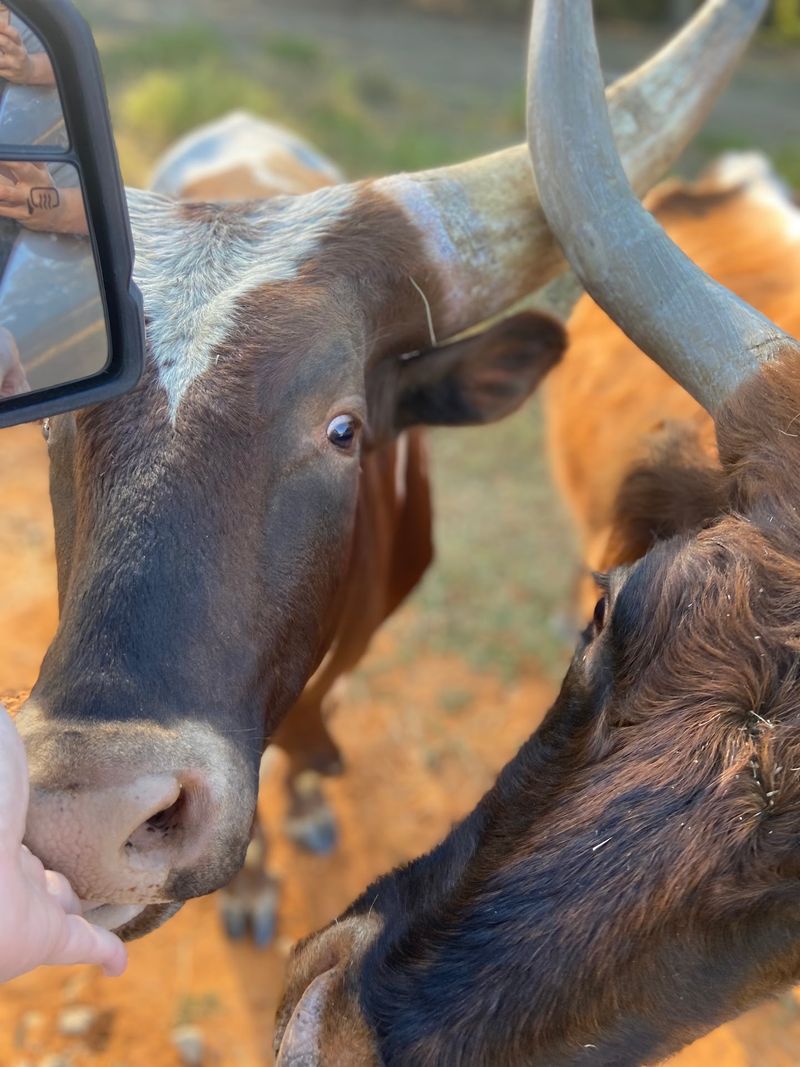
The camels are the celebrities of the route. They will follow a vehicle as far as the fence line allows, hovering near the window like they are expecting a delivery.
Feed buckets turn the whole thing into a comedy. One emu will circle a car with real determination while everyone inside laughs and tries to keep track of their snacks.
Photography can get tricky, mostly because something large and fuzzy is usually blocking the shot. Honest advice for anyone bringing very young kids is to keep windows partly up until everyone gets comfortable.
The road itself is rustic, not paved and polished, which actually adds to the farm feeling. It is a working safari, not a theme park with fake rocks.
Anyone plotting a visit will find the park at 135 Co Rd 275, Blue Springs, MS 38828, out in the rural stretch of Union County where the scenery alone makes the drive worthwhile.
The Mississippi Outback
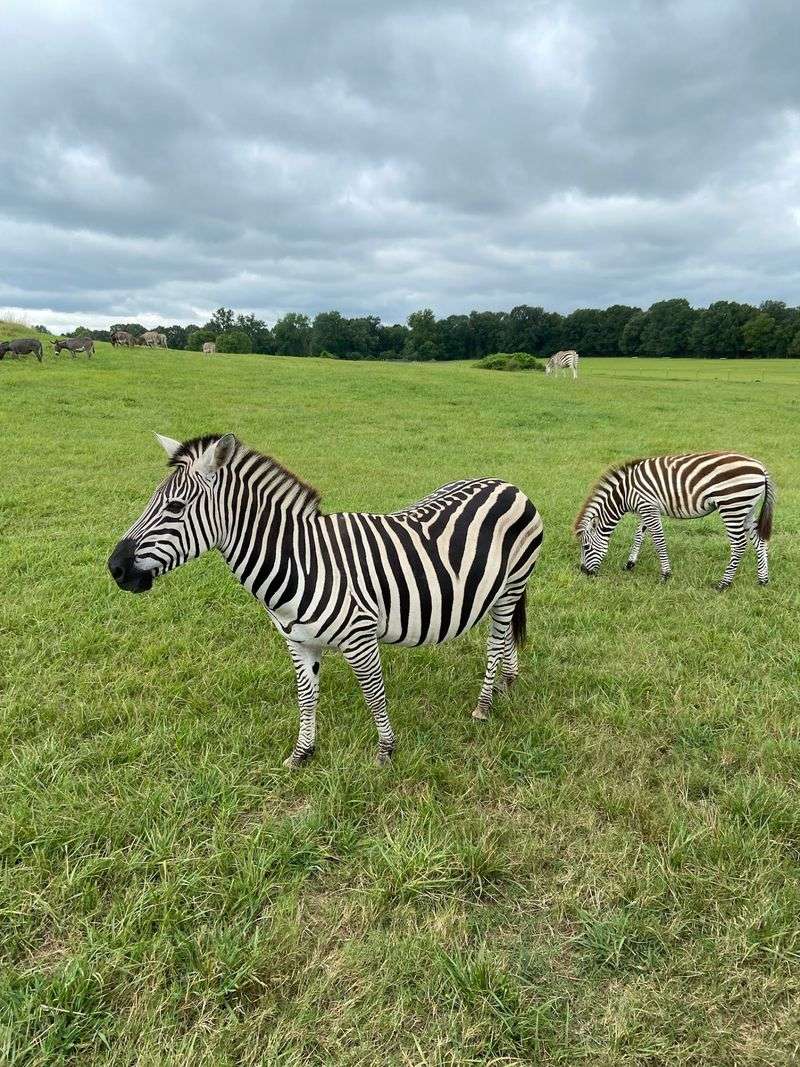
Here is a fun origin story. The whole operation started as a small traveling zoo with a single zebra and one wallaby, which is about as humble a beginning as it gets.
That little roadshow eventually grew roots and turned into a 44-acre farm with room for hundreds of animals. Big fenced pastures replaced the trailer, and the animals got space to actually behave like animals.
Walking or driving the property, the landscape does not look like Mississippi in the traditional sense. Ostriches strut past.
Antelope graze in the distance. Kangaroos lounge in the shade like they got lost on the way to Australia.
The scale is what surprises people most. Fields stretch back farther than expected, and a wagon ride carries visitors deeper into the pastures where the larger residents hang out.
That wagon trip is worth prioritizing. Seeing water buffalo and other heavyweights from an open wagon hits differently than watching them from a car.
Pine trees ring the edges of the property, so the whole thing feels rural and open rather than crowded. There is no city noise competing with the animal sounds.
Comfortable shoes matter here, along with sunscreen and plenty of water. Shade exists, but the fields catch full Mississippi sunshine for most of the afternoon.
Close Encounters Of The Wild Kind
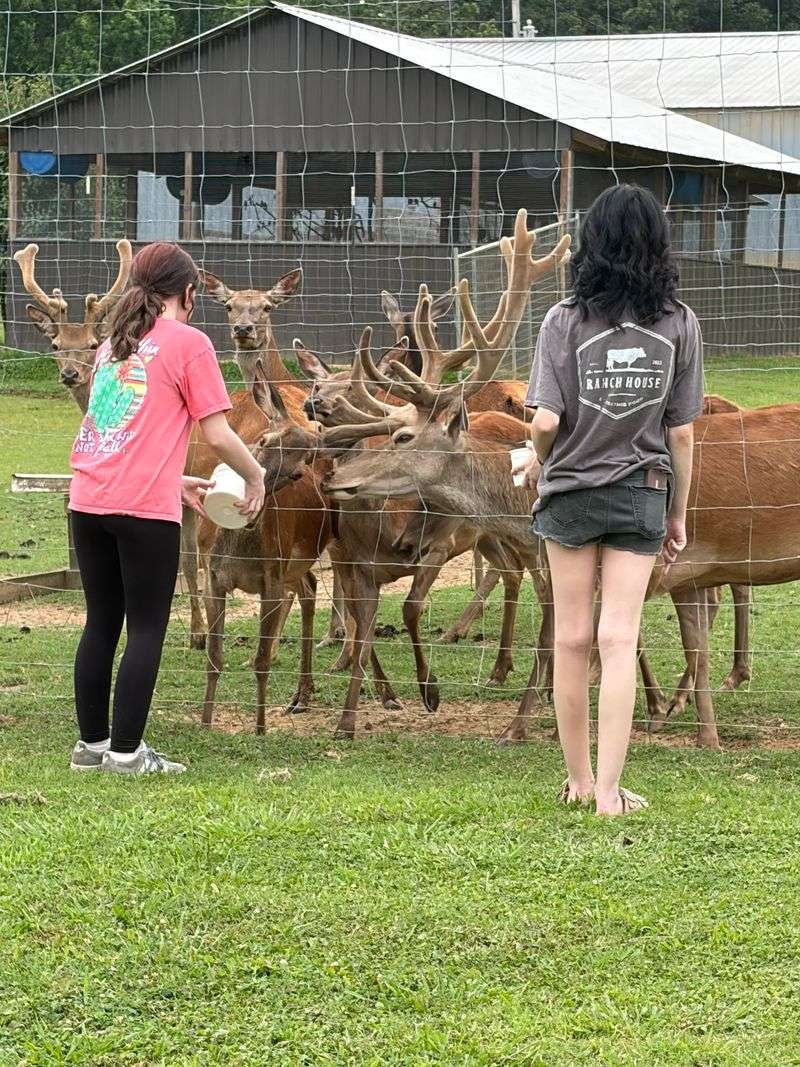
Most animal parks keep a polite distance between people and wildlife. This one leans the opposite direction, and that choice is exactly why families keep coming back.
Special encounters let visitors get hands-on with animals that usually stay out of reach. Kangaroos and wallabies take food straight from open palms, which feels strange in the best way.
Red ruffed lemurs are part of the lineup too, all orange fur and startling curiosity. There is also a spider monkey named Mila who has become something of a fan favorite.
Capybara encounters may be the sleeper hit of the bunch. The world’s largest rodent is calm, oddly dignified, and much bigger in person than photos suggest.
Anteater encounters round things out. Watching that long tongue work is one of those sights that sticks with kids for years.
Staff members stay close during these sessions, explaining behavior and handling as they go. They clearly know each animal’s personality and quirks.
Booking encounters ahead is smart, since spots are limited and some fill quickly on busy weekends. Bringing hand sanitizer is also a good call after all that feeding.
Camera-wise, video often works better than still photos. Animals move fast when food is involved, and the funniest moments happen in motion.
Critters Big And Small Everywhere You Look
Over 350 animals live on the property, spread across more than 38 species. That number sounds like an exaggeration until the counting starts.
The mix swings from familiar to genuinely exotic. Alpacas, miniature donkeys, and miniature horses share the property with ostriches, porcupines, and macaque monkeys.
Goats are everywhere, and they know exactly who is carrying feed. They have zero shame about it, which makes them a reliable hit with younger visitors.
The rarest resident is the Southern Cassowary, a bird that looks like a dinosaur decided to stick around. Sharp claws and a serious kick mean this one stays safely behind a fence.
A giraffe joined the roster more recently, and staff carefully manage how close guests can get while the newcomer settles in. That kind of caution says a lot about how the place is run.
Even the office holds surprises. Snakes, turtles, a gecko, and a lizard live indoors, which makes checking in more interesting than expected.
Llamas deserve a mention too. They have a habit of leaning in and looking like they are smiling at whoever talks to them.
Anyone hoping to see everything should plan on a few hours minimum. Rushing through means missing half the smaller residents entirely.
A Walk On The Wild Side
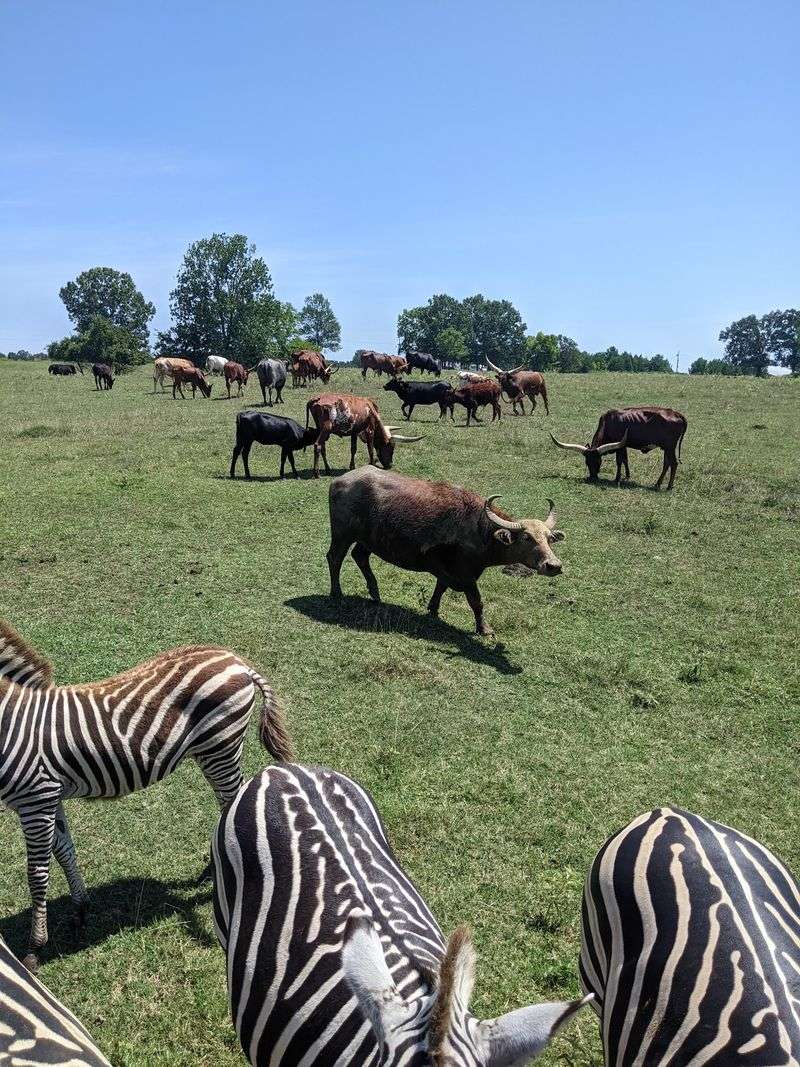
Not everyone wants a camel chewing on their side mirror, and that is where the walk-about trail earns its keep. Slower pace, same animals, far less chaos.
The petting zoo path was built with easy access in mind, including for visitors using wheelchairs. Wide, level ground means strollers roll along without a fight.
Feeding happens on foot here. Kangaroos, alpacas, and camels all line up along the fences, and the interactions feel calmer than the drive-through version.
Two petting barns sit along the route, giving kids a chance to touch the friendlier farm animals up close. Goats and sheep dominate these spaces.
A bird aviary adds another stop worth lingering at. Colors and calls fill the air, and it makes a nice break from the bigger animals.
Families with toddlers often find this trail works better as a starting point. Little ones can warm up to the animals before facing anything with a long neck and big appetite.
A playground sits on the property as well, which buys parents a few minutes of rest. Clean restrooms are available too, always appreciated on a farm outing.
Walking shoes are non-negotiable. The ground is farm ground, and dirt comes with the territory.
More Than Just Animals On The Property
A traveling zoo with two animals does not usually become a regional destination. Blue Springs Safari managed it anyway, turning a small operation into a permanent safari camp.
That growth shows up in the extras. Picnic areas, a playground, and wagon rides mean an afternoon here stretches longer than most people plan for.
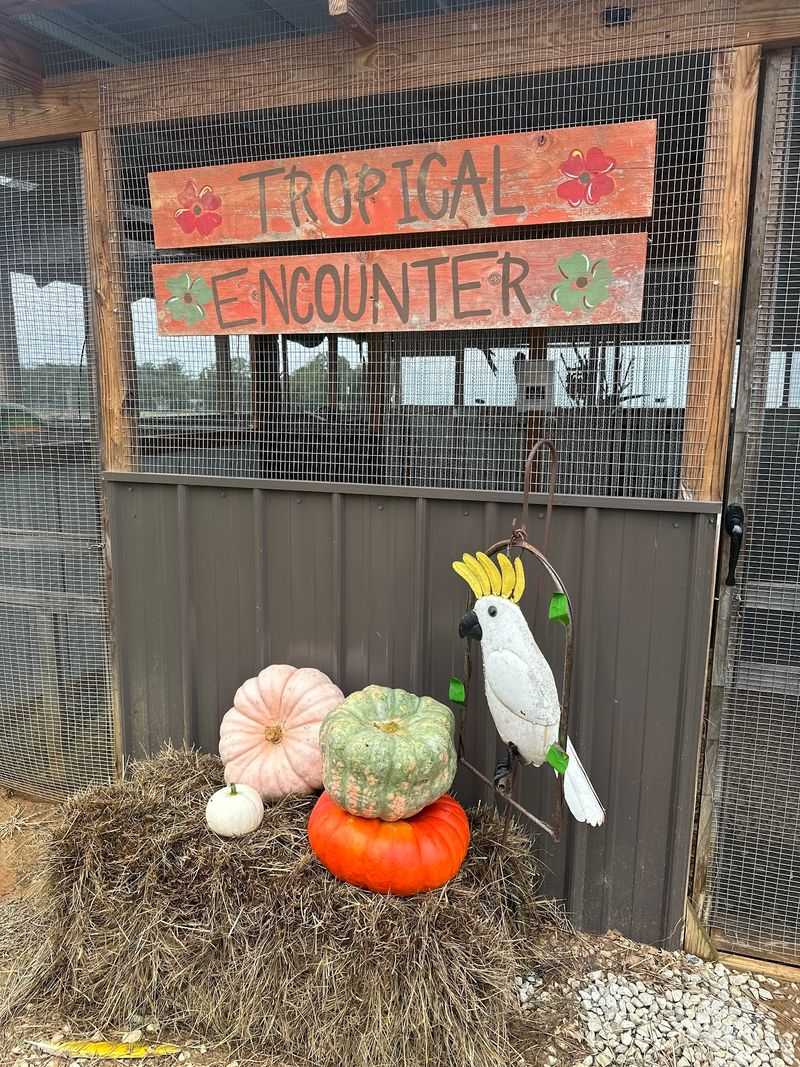
Fall brings the biggest seasonal change. The annual Harvest at the Safari event turns part of the property into a pumpkin patch, complete with the usual autumn fun.
School field trips are a regular feature too. Large groups come through for hands-on learning that beats any classroom worksheet about farm animals.
The owners are often out on the grounds, stopping to share details about specific animals as they pass by. That personal touch is hard to manufacture.
Animals from the farm sometimes travel for community events, including live nativity scenes at local churches around Christmas. Camels, donkeys, and sheep handle those appearances.
Group visitors should know the picnic space can get tight when a couple hundred students arrive at once. Planning lunch in shifts helps a lot.
What holds everything together is the sense that this is a family operation rather than a corporate attraction. The difference is noticeable within minutes.
The Safari Sweet Spot For Hands On Fun
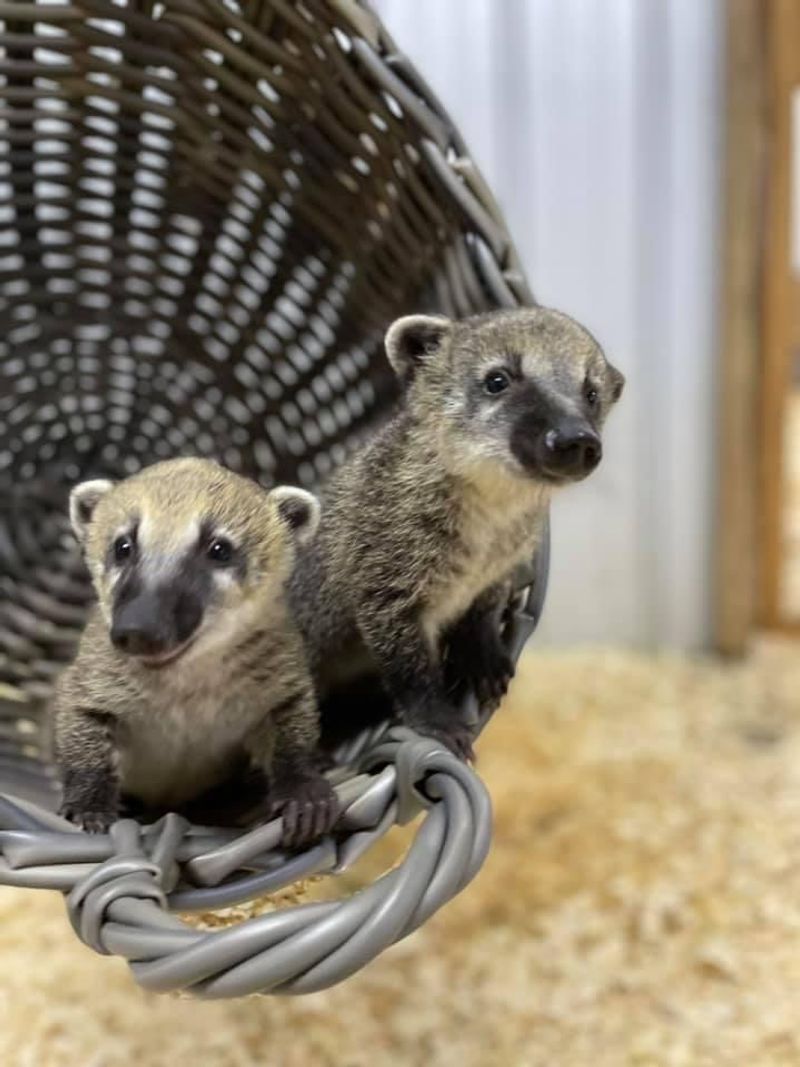
Plenty of places promise close animal encounters. Very few actually let a camel eat out of a kid’s hand while the whole family loses it laughing.
The entire design here pushes toward contact rather than observation. Feed buckets, open fences, and staff who encourage participation make the difference.
Spending an hour feeding a single llama is a legitimate way to pass the time. Nobody rushes anyone along, and that relaxed pace is part of the charm.
Animals look healthy cared for, which matters more than fancy signage or paved walkways. The attention clearly goes where it counts.
Cleanliness holds up better than expected for a working farm. Restrooms are maintained, and enclosures stay tidy.
Staff members know the animals by name and personality, and they share those details freely. That knowledge turns a simple feeding into a small lesson.
Frills are minimal by design. There are no gift shop mazes or costumed characters, just animals and the people who take care of them.
For families in north Mississippi looking for something different, this hits a rare sweet spot. It is affordable in effort, easy to reach, and memorable enough that kids talk about it for weeks.
The combination of variety and access is what keeps people driving back out to Blue Springs.
Planning Tips Worth Knowing Before You Go
A little preparation turns a good visit into a great one, especially on a property this size. A few practical notes go a long way.
Water tops the list. The fields catch plenty of sun, and walking the trails works up a thirst faster than expected.
Sunscreen and a hat belong in the bag too. Shade exists in patches, but the open pastures offer very little cover.
Closed-toe shoes make the most sense. This is farm ground, and sandals will not survive the dirt with any dignity.
Vehicle choice matters for the drive-through portion. Animals lean in, nibble at mirrors, and occasionally test paint jobs, so anyone precious about their car should know that ahead of time.
Bringing cash or checking the website ahead of time helps with encounter bookings. Some experiences have limited availability.
Families with very young children should consider starting on the walking trail. Easing in helps kids build confidence before the more chaotic drive-through loop.
Camera or phone storage is worth clearing out beforehand. Between the kangaroos, the cassowary, and whatever the camels decide to do, the photo count climbs fast.
Allowing three to four hours gives enough room to see everything without rushing. Most visitors end up staying longer than they originally planned.