A town this small should not carry this much history, yet Nevada keeps stacking it here anyway. Wooden storefronts lean into each other along a single quiet street lined with Victorian charm.
Somewhere past those doors sits a courthouse older than the state itself, plus a graveyard full of pioneer names. Every September, hundreds of volunteers turn homemade candy into a festival that funds the entire town.
Steam rises from hidden springs just outside the edge of the community, warming travelers the way it always has. Mountains rise sharply behind every rooftop, framing views most visitors never expect from a quiet Nevada corner.
Bring good shoes, skip the rush, and let this pocket of the Sierra foothills surprise you slowly, one storefront at a time.
Where Nevada’s Story Actually Begins
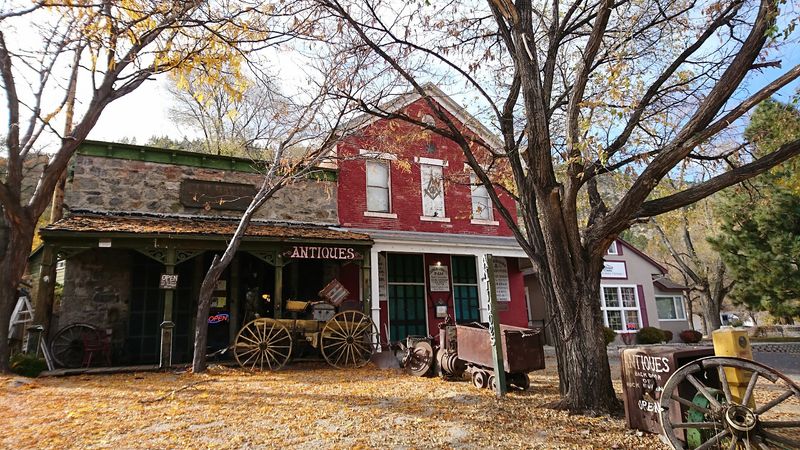
Nevada’s history starts on a dusty trail long before the state existed at all. John Reese and his crew built a simple trading post here in 1851, feeding and outfitting exhausted wagon travelers.
Most of his men followed the Mormon faith, so locals called the spot Mormon Station. Word spread fast, and the outpost grew into a real settlement within a few short years.
Orson Hyde arrived in 1855 to organize local government and renamed the town Genoa, inspired by Christopher Columbus’s birthplace in Italy. The Emigrant Trail kept bringing new faces through town, each one grateful for supplies before crossing the Sierra Nevada.
That steady flow of travelers turned Genoa into Nevada’s very first permanent settlement. It also briefly served as the first capital of Nevada Territory before that role shifted elsewhere.
Today the town still sits quietly at the base of those same mountains, holding onto its founding story with pride. Walking these streets means walking through the actual birthplace of an entire state’s history.
Stepping Into Mormon Station State Historic Park
A fire tore through the original trading post in 1910, erasing most of Genoa’s earliest structures. Workers rebuilt a faithful replica of that stockade in 1947, and it still anchors the park today.
Wander inside and you will find pioneer tools, wagon parts, and photographs from the town’s founding decades. Kinsey House stands nearby, built in 1856 and counted among Nevada’s oldest surviving homes.
A working blacksmith shop and the Campbell Homestead add more layers to the story, complete with an old apple orchard. Follow the half-mile accessible path circling the grounds and read interpretive signs covering a full century of local life.
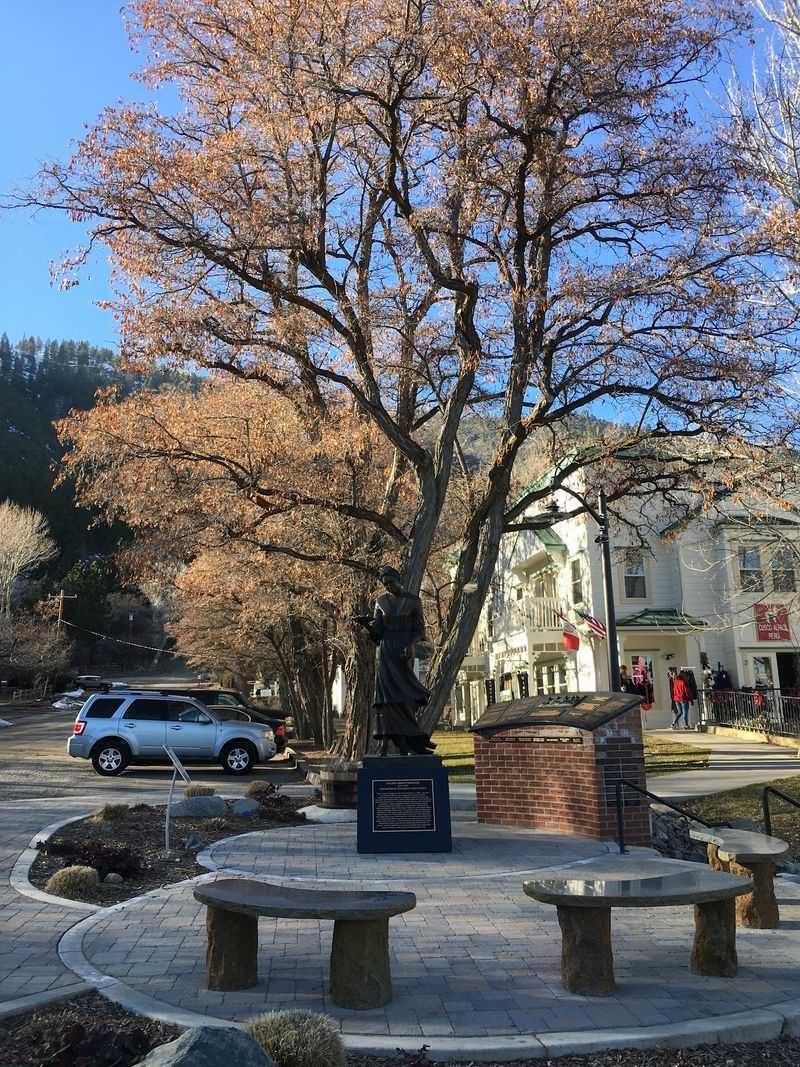
A statue honors Snowshoe Thompson, the Norwegian mail carrier who skied these mountains for winters on end. Bring a picnic, because the shaded lawn welcomes visitors free of charge every single day.
A separate museum ticket costs just a dollar, making the whole stop an easy addition to any afternoon. Few stops pack this much frontier history into such a small, walkable space.
The Courthouse That Refused To Disappear
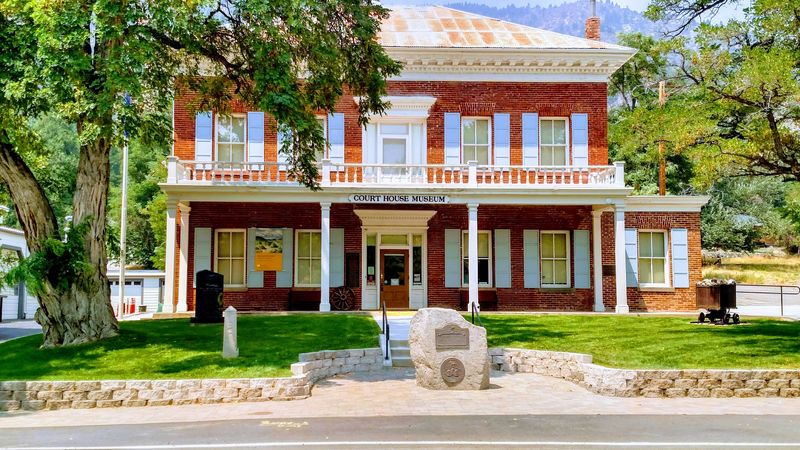
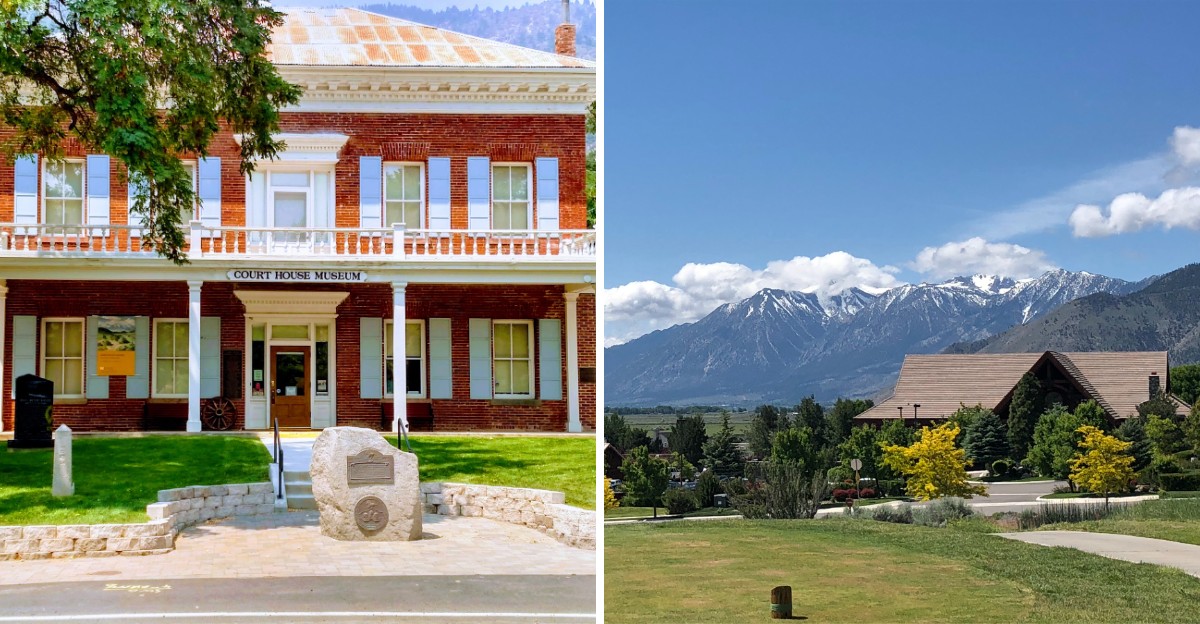
Douglas County commissioned this brick courthouse in 1864, and builders finished the job by 1865. It still stands today as the oldest courthouse building anywhere in Nevada.
Fire swept through Genoa in 1910, yet the sturdy structure survived while other buildings burned around it. County officials eventually moved to Minden, so the building became a schoolhouse until 1956.
Local historians restored it soon after, turning the old courtroom into a proper museum. Inside, visitors find a Pony Express exhibit, original oak furniture, and a preserved nineteenth century jail cell.
A basket woven by Dat So La Lee, a celebrated Washoe artisan, sits among the museum’s proudest treasures. Another room honors Snowshoe Thompson, tracing his legendary mail runs across the Sierra Nevada.
Kids tend to linger near the antique nursery display filled with dolls and a carved German bed. A restored jail cell in back shows exactly how small nineteenth century holding rooms really were.
Every corner of this building carries a different chapter of Carson Valley life.
Nevada’s Oldest Building Still Turns Heads
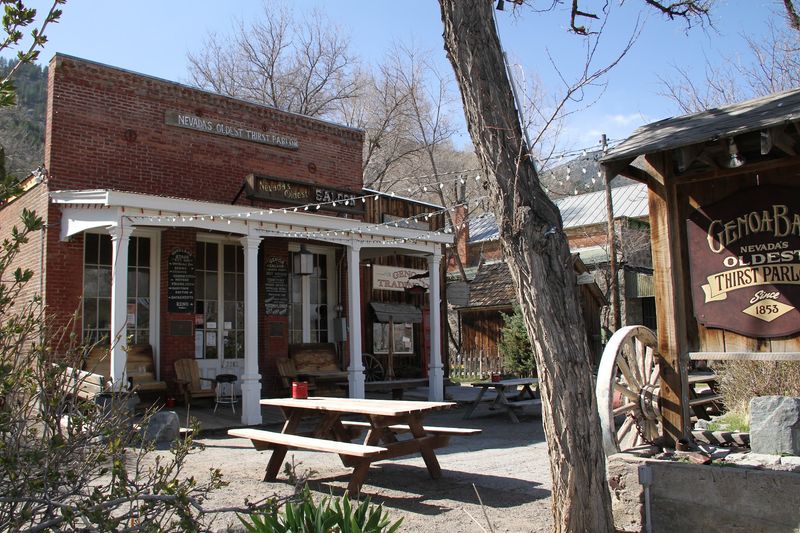
Genoa holds the title for the oldest continuously run business of its kind in the entire state. The building dates back to 1853, and its walls have barely changed since.
An ornate 1884 diamond dust mirror still hangs behind the antique counter, catching afternoon light beautifully. Old photographs line every wall, showing decades of visitors who stopped through this small mountain town.
Mark Twain reportedly passed through, and so did Ulysses S. Grant during his travels through the region.
Teddy Roosevelt stopped by too, adding another presidential name to the building’s long guest list. Hollywood took notice eventually, filming scenes here for classic John Wayne and Clint Eastwood westerns.
Kathy Bates and her crew even transformed the whole village for the movie Misery. Visitors mostly come now to study the antiques and imagine those earlier decades.
The wooden floor still creaks in the same spots it likely creaked a century ago. Few buildings in Nevada carry this much unbroken history under a single roof.
A Century-Old Dance That Keeps The Lights On
Every September, roughly two hundred volunteers gather to hand-make thousands of pounds of homemade candy. That sugary tradition traces back to 1919, when Lillian Virgin Finnegan proposed a fundraising dance.
Her goal was simple, raise enough money to install the town’s very first streetlights. The dance succeeded, and Genoa never really stopped celebrating the idea behind it.
Decades later, organizers folded in an arts and crafts fair alongside the original candy sales. Vendors now line Main Street with handmade goods, pulling in visitors from across the region.
Locals still consider it the biggest weekend of their entire calendar year. Families return annually, treating the festival like a reunion as much as a fundraiser.
Even people who moved away years ago plan trips home around this specific weekend. Live music and dancing round out both days, echoing the very first fundraiser from 1919.
Genoa keeps its lights on and its community close through one shared, sugary tradition.
Steamy Springs Hiding Just South Of Town
A mile south of town, natural hot springs have drawn tired travelers since before Nevada joined the union. David Walley purchased the land after testing the waters himself and liking what he felt.
He charged fifty cents a bath and quickly built a following among stagecoach passengers. By 1862, a proper resort stood on the site, complete with a grand ballroom and stables.
Word of the healing waters spread well beyond the Carson Valley within just a few years. Mark Twain reportedly soaked here, and so did film stars Clark Gable and Carole Lombard decades later.
Even a handful of United States presidents made time for a visit during their travels. Fire and new ownership changed the property over the years, yet the springs kept flowing.
Several original stone soaking tubs remain on site, still fed by the same mineral water. The surrounding mountain views look almost unchanged from what those first stagecoach passengers once saw.
Few Nevada landmarks connect frontier history and modern relaxation quite this seamlessly.
A Quiet Cemetery Full Of Frontier Names
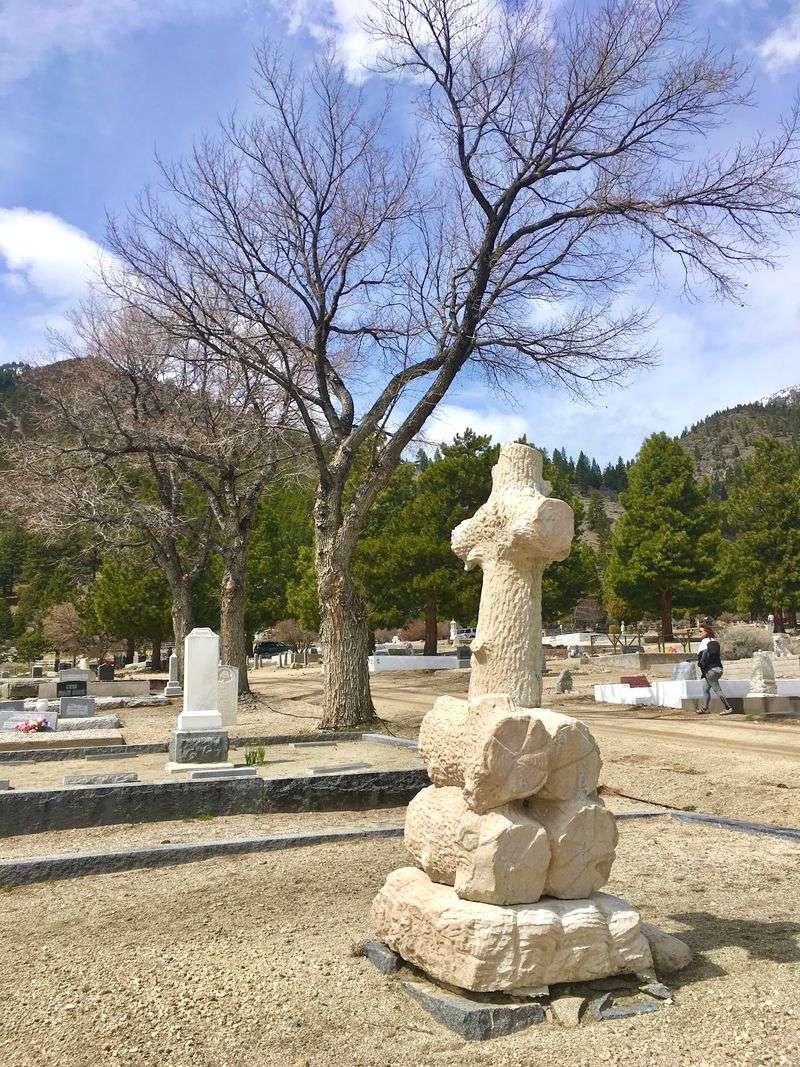
A short walk from Main Street leads to a cemetery dating back to the 1850s. Weathered headstones lean at odd angles, softened by more than a century of mountain weather.
Many of Genoa’s original pioneers rest here, their names fading slowly into the stone. Snowshoe Thompson’s wife and son are buried among them, tied forever to his legendary mail runs.
Visitors often walk slowly here, reading names and doing quiet math on birth and death years. Wildflowers push up between plots each spring, softening the otherwise quiet setting considerably.
Carson Valley stretches out below, framed by the same Sierra peaks these pioneers once crossed. Few sounds interrupt the quiet beyond wind moving through nearby pines and grasses.
History feels less like a story here and more like an actual, tangible weight. Morning light works best for photographs, softening the stone rows without harsh midday shadows.
Anyone curious about Genoa’s earliest days should plan a slow, thoughtful stop at this graveyard.
Streets Built By Victorian Hands
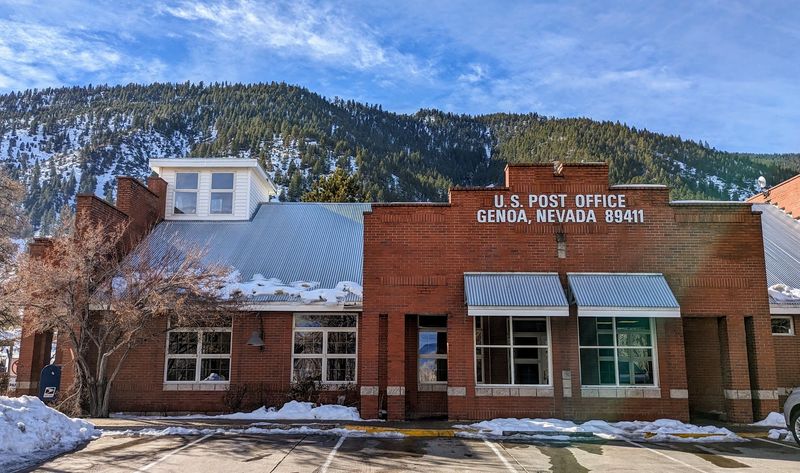
Genoa’s entire downtown earned a spot on the National Register of Historic Places back in 1975. Walking these blocks means passing nearly thirty original buildings from the town’s Victorian era.
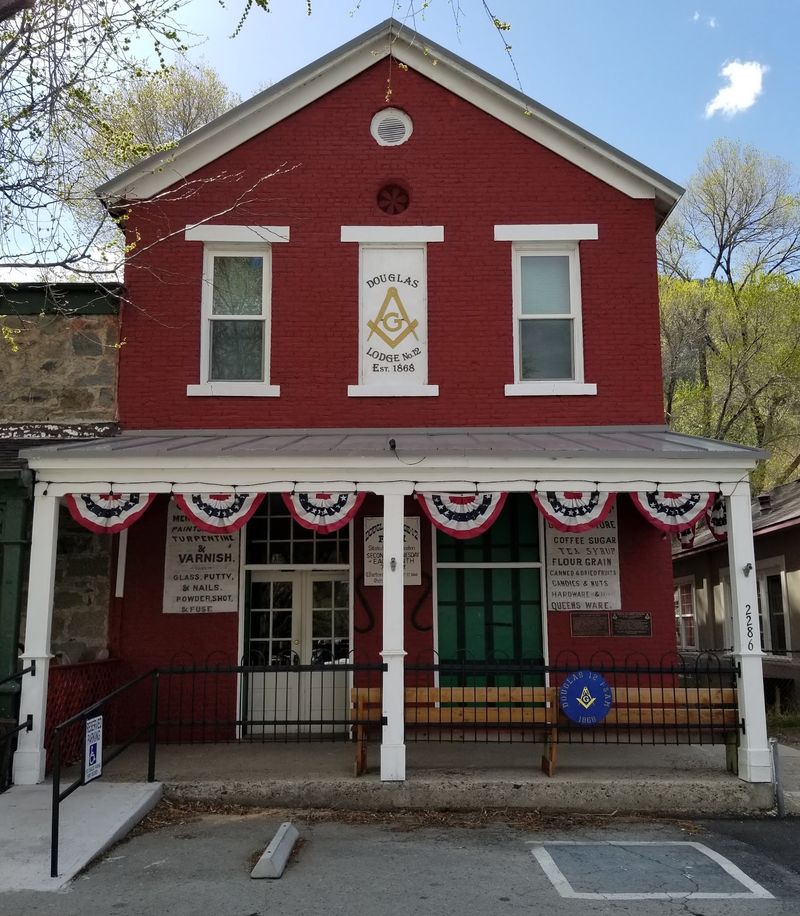
Genoa Community Church has stood since 1872, its simple steeple still visible from several blocks away. The Masonic Hall followed in 1868, adding another layer to the town’s early architectural story.
Small boutiques now fill many of these historic storefronts, selling gifts, art, and local crafts. Pick up a self-guided walking map at the courthouse museum before setting out on foot.
Each stop along the route connects back to Genoa’s Mormon and pioneer settlement roots somehow. Locals clearly take pride in maintaining these buildings rather than replacing them with anything modern.
Shade trees line most of the sidewalks, making the whole walk pleasant even during warmer months. Benches appear at regular intervals, encouraging visitors to slow down and actually look around.
Few Nevada towns preserve this many original structures within such a tight, walkable footprint.
Mountains That Watch Over Every Corner
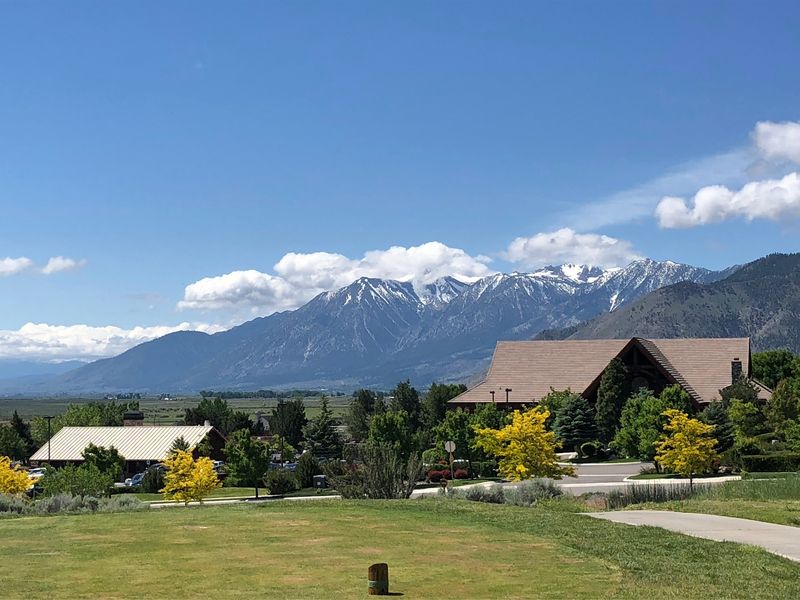
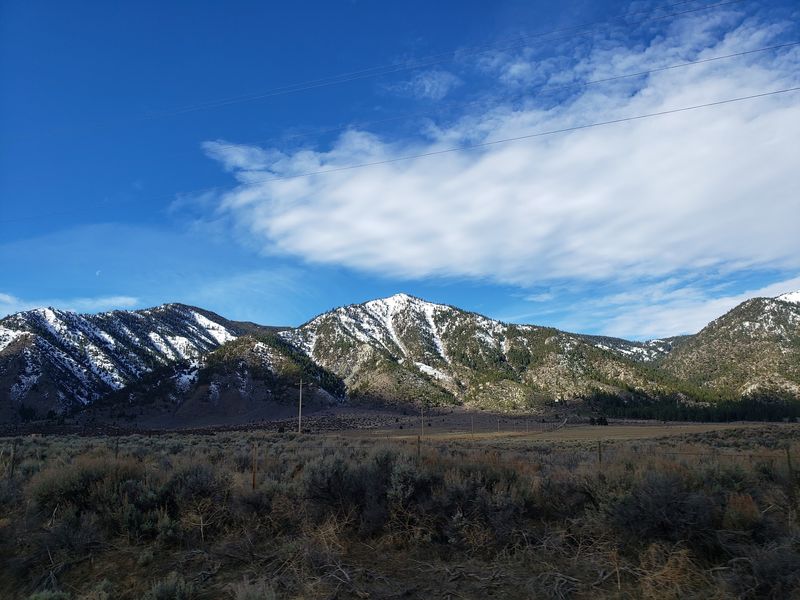
Every street in Genoa points toward the same dramatic backdrop of towering Sierra Nevada peaks. The Carson Range rises sharply just west of town, catching snow well into late spring.
Genoa Peak climbs high above the valley, drawing hikers who want sweeping views in every direction. South Lake Tahoe sits only twenty five minutes away, reached easily by crossing Kingsbury Grade.
That proximity makes Genoa a favorite stopover for skiers heading down from the mountains after a long day. Carson Valley spreads out below in the opposite direction, dotted with ranches and open farmland.
Snow blankets the ground around forty seven days each year, based on long term local averages. Spring brings wildflowers and running snowmelt streams down through the surrounding foothills and canyons.
Sunset light hits these peaks in a way that stops most visitors mid conversation. Photographers tend to linger longest right around that final hour before full darkness settles in.
Few towns anywhere pair frontier history with a mountain view quite this striking.