
This 931-Acre Tennessee Natural Area Is Filled With Caves, Sinkholes, And Wild Karst Scenery
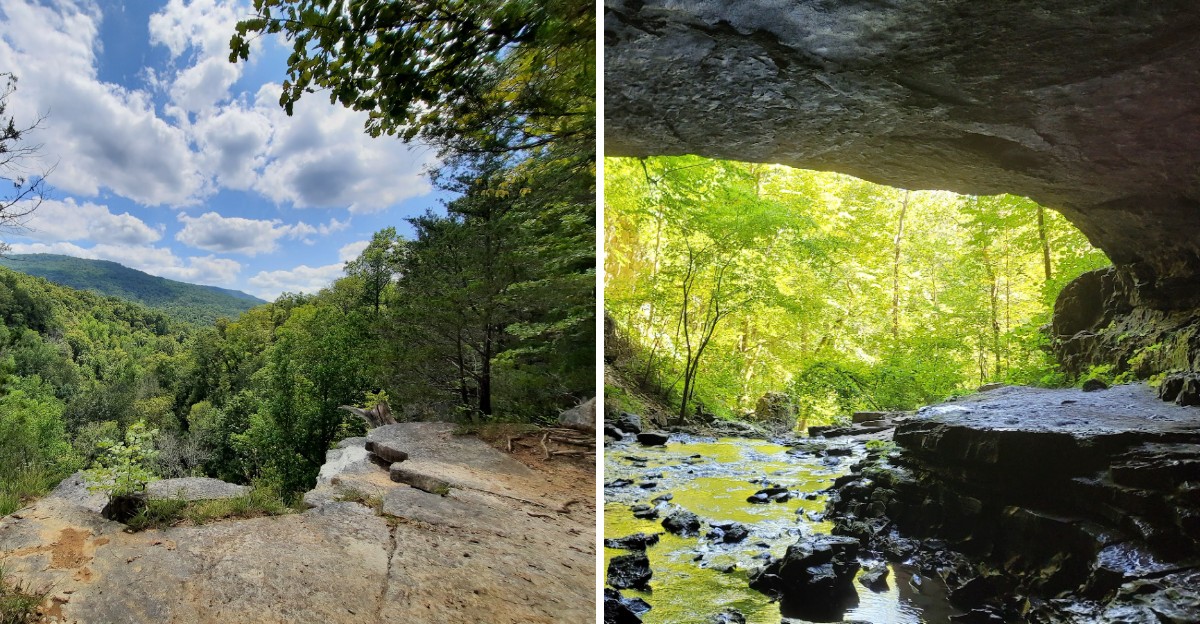
Tennessee can get surprisingly strange once the landscape starts dipping underground.
Caves, sinkholes, rocky openings, and unusual formations give this 931 acre property a look that feels completely different from the usual mountain or waterfall stop.
Much of the area is covered in woods, but the real interest comes from the geology beneath and around the trails. Deep depressions break up the terrain, exposed rock appears between the trees, and cave entrances add a sense of mystery to the landscape.
Every section seems to reveal something different.
This side of Tennessee feels quieter and more rugged than many better known outdoor attractions. The scenery is shaped by karst, which gives the land its sinkholes, caves, and unusual rock features.
Visitors who enjoy unusual geology and peaceful trails can spend hours taking in the details without needing a packed itinerary.
A Solution Valley Carved By Patient Water
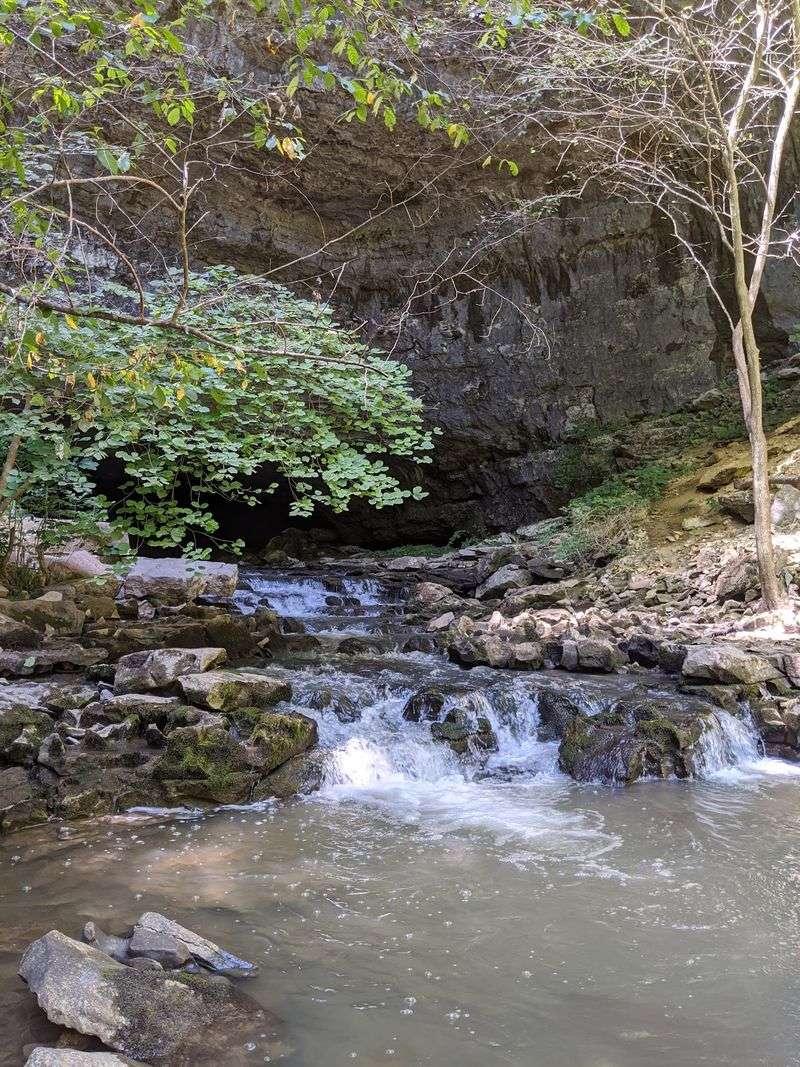
Water is the slowest sculptor on earth, and also the most stubborn. Across 931 acres in Franklin County, Tennessee, it has been quietly dissolving limestone for ages.
The result is a solution valley, which is geologist talk for a valley hollowed out from below.
The preserve sits on the edge of the Cumberland Plateau, where hard sandstone caps softer rock underneath. Rain seeps through cracks, picks up a little acidity, and eats away at the limestone.
Over time, the ground sags, splits, and occasionally collapses.
That process created Lost Cove, the central feature here. It functions as one enormous sinkhole, collecting runoff from the surrounding slopes.
Everything drains inward instead of flowing out to a river on the surface. Walking the area, you notice the terrain behaves oddly. Small depressions dot the forest floor. Rock faces appear where you expect dirt.
The official name of the property is the Mr. And Mrs. Harry Lee Carter State Natural Area, protected by the state of Tennessee. It now forms part of the newly established Head of the Crow State Park.
Protection matters here because karst systems are fragile, and what happens on the surface reaches the caves below quickly.
Understanding the geology first makes the hike far more interesting. You stop seeing woods and start seeing architecture.
The Big Sinks, Where A Creek Politely Disappears
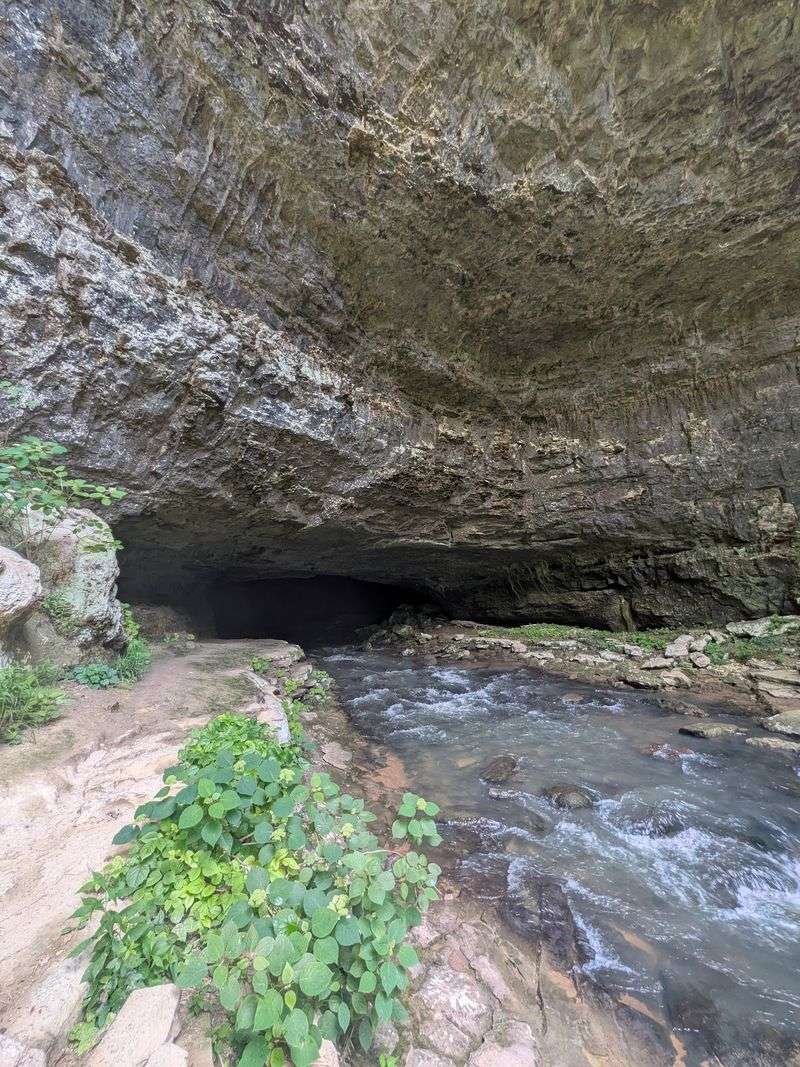
Most streams run downhill until they meet a bigger stream. This one runs downhill and then vanishes entirely.
The spot where it happens carries the blunt, honest name of the Big Sinks. Surface water draining into Lost Cove gathers there, then slips into the limestone and keeps going underground.
No dramatic waterfall, no warning sign from nature, just a channel that ends.
From the Big Sinks, the water travels more than a mile through Lost Cove Cave. It moves through passages no one sees from the trail.
Underground, it carves new routes, widens old ones, and carries sediment along for the ride.
Disappearing streams are a signature of karst country. Geologists call these openings swallets or swallow holes.
Tennessee has plenty of them, though few feed a system this impressive.
Here is a detail worth holding onto. The same water that drops out of sight at the Big Sinks is the water you will later see roaring out of a cave mouth downstream.
It is one continuous journey, split between sunlight and darkness.
Because everything connects, the preserve treats surface pollution seriously. Whatever enters the sinks arrives in the cave within hours.
Packing out your trash is not just tidy behavior, it is watershed protection.
Buggytop Cave And Its Enormous Front Door
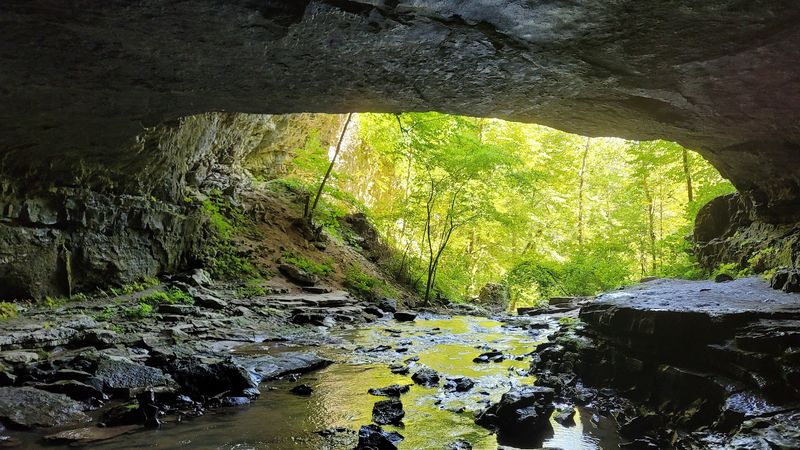
Some caves make you crawl. This one makes you feel small standing straight up.
Buggytop Cave has an entrance roughly 100 feet wide and 80 feet high, set at the base of a 150-foot bluff. It ranks among the most striking cave openings anywhere in Tennessee.
Photographs never quite handle the scale.
The name comes from the rock formations above the opening. Early observers thought the curved shape resembled the top of an old horse-drawn buggy.
The comparison stuck, and honestly it fits.
Crow Creek pours out of the mouth here, finishing its underground run from the Big Sinks. The water spills across a series of stone ledges, cool and loud even in warm weather.
Footing on those rocks turns slick fast, so slow down and test each step.
Standing at the threshold, the temperature drops noticeably. Cave air stays steady year round, which makes the entrance a natural air conditioner in July.
Bring a reliable flashlight or headlamp if you plan to look past the twilight zone. Bring two, actually, since phone lights fade quickly.
Also check current cave access rules before you go, because entry can be restricted at certain times of year. The overlook above the cave rewards the extra climb with bluff views across the valley.
Peter Cave And The People Who Came Long Before
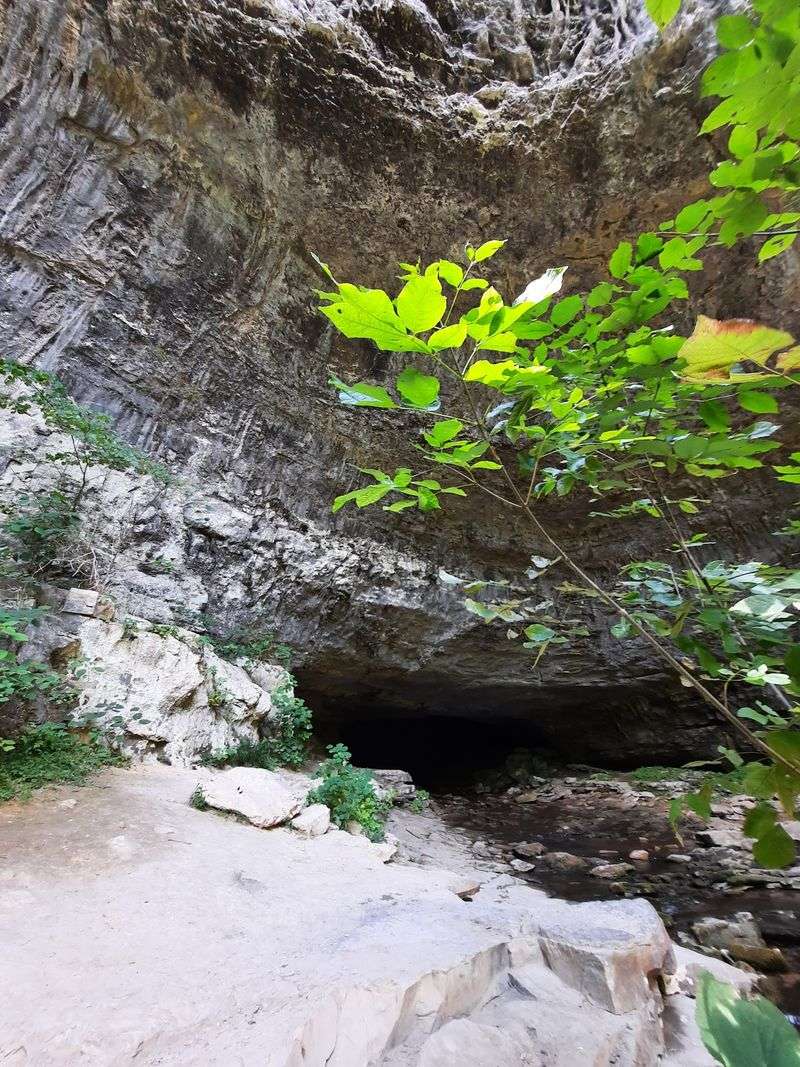
Two doorways lead into the same underground world here, and the second one holds history.
Peter Cave is another entrance to the Lost Cove Cave system. It sits along the trail network and offers a quieter, more shadowed experience than its famous neighbor.
The scale is smaller, the atmosphere more intimate.
Archaeologists have recovered artifacts from Peter Cave dating to the Woodland and Mississippian periods. Those cultures lived across this region for centuries, long before European settlement.
Caves offered shelter, steady temperatures, and reliable water.
The recovered items are housed and displayed at the University of the South in Sewanee. Keeping them in a museum setting protects them and lets researchers study them properly.
It also means you can see the human story without disturbing the site.
That leads to the single most important rule in the Mr. And Mrs. Harry Lee Carter State Natural Area. Artifacts stay where they are.
Removing anything from a protected archaeological context is illegal and erases information forever.
Look, photograph, take notes, and leave the ground undisturbed. Context is what turns a stone fragment into evidence.
Standing at Peter Cave with that history in mind changes the mood. The forest quiets down.
You start wondering who else stood in that exact spot, watching the same dark opening, centuries ago.
Sinkholes, Ledges, And The Fractured Look Of Karst
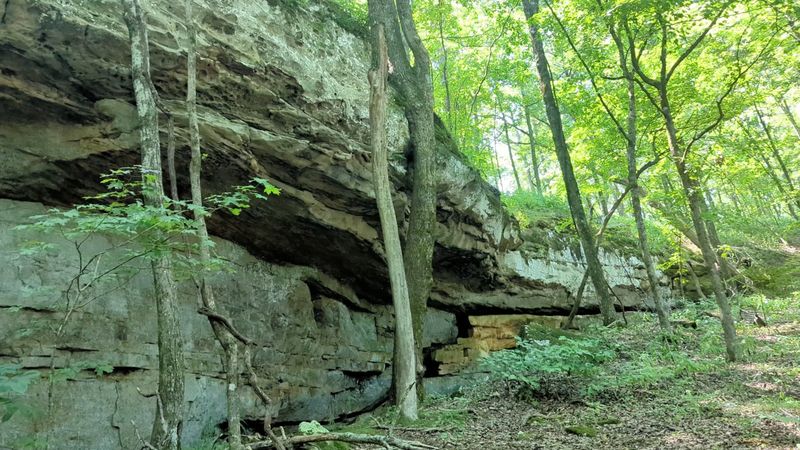
Karst country never lies flat and never stays still. It bends, dips, and occasionally swallows things.
Across the preserve, the limestone bedrock has been dissolved into a patchwork of features. Sinkholes form where rock beneath the soil gives way.
Some are shallow bowls you could miss, others are deep and unmistakable.
Lost Cove is the headline act, a valley that behaves like a giant sinkhole. It funnels water from the surrounding uplands straight into the cave system.
Nothing drains out on the surface.
Exposed rock adds to the drama. Ledges step down hillsides like broken staircases. Cracks called grikes split the stone into blocks, and roots dive into them looking for moisture.
A practical note for hikers. Karst terrain means uneven footing, hidden holes, and slick rock after rain. Sturdy shoes with grip beat sneakers every single time.
Stay on the marked trail, and not only for your ankles. Sinkhole edges can be unstable, and vegetation around them holds the soil in place.
Fun detail about Tennessee geology. The state sits on some of the most cave-rich rock in the country, with thousands of documented caves.
This corner of the Cumberland Plateau shows exactly why. Once you can read karst, the whole forest looks different.
Rare Plants, Deep Forest, And Cave Wildlife
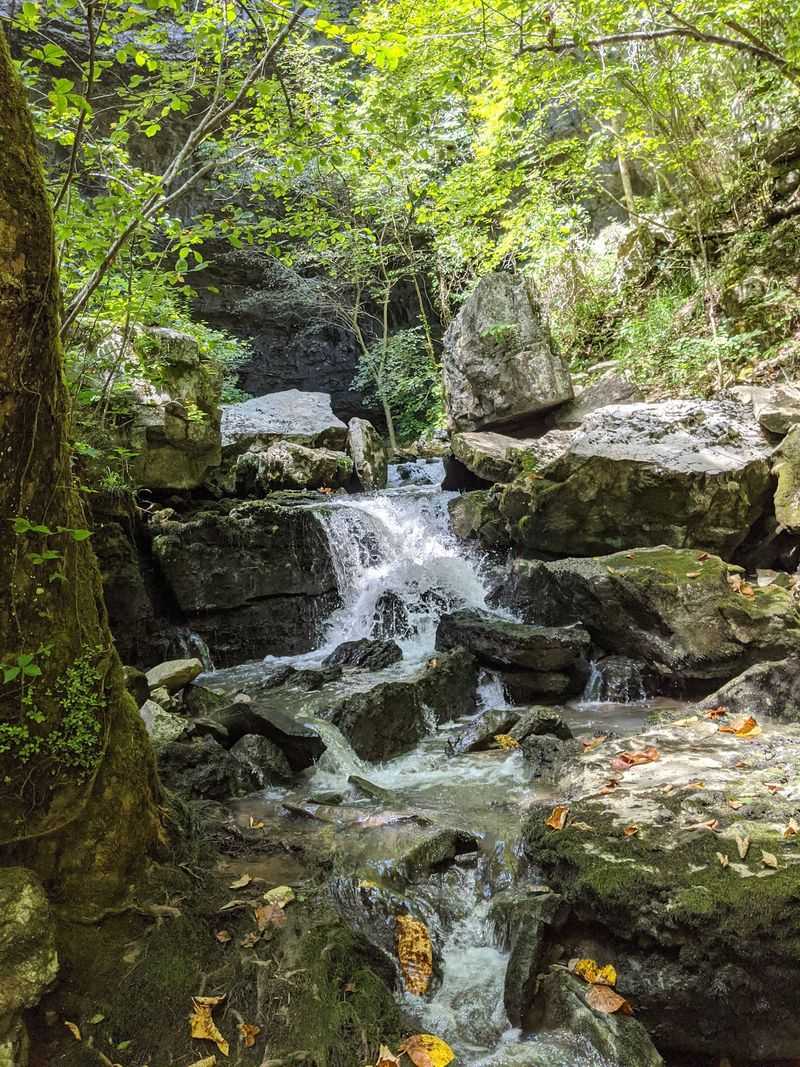
Geology gets the attention here, but the plant list is quietly impressive.
Oak-hickory forest covers the drier slopes, sturdy and sun-tolerant. Closer to the cave entrances, conditions turn cool and damp, and mixed mesophytic forest takes over.
That shift happens over a surprisingly short distance.
Two rare species stand out. Cumberland rosinweed and Eggert’s sunflower both grow within this Tennessee natural area.
Neither is common, which is part of why the land received protection in the first place.
The caves shelter their own residents, including bats. Bat colonies depend on stable, undisturbed roosts through the seasons.
Human traffic at the wrong moment can be genuinely harmful.
That is why cave access closes seasonally to guard bat populations against White Nose Syndrome. The disease has hit cave bats hard across eastern North America.
Closures are inconvenient for a day and helpful for decades.
Check the Tennessee Department of Environment and Conservation page before planning a trip around cave entry. Rules shift with the calendar.
Above ground, the forest stays open year round and delivers plenty. Spring wildflowers, dense summer shade, and autumn color along the bluff line all earn the drive.
Small courtesy, big result. Cleaning mud off your boots between caving trips helps slow the spread of harmful spores.
Hiking The Buggytop Trail Without Regrets
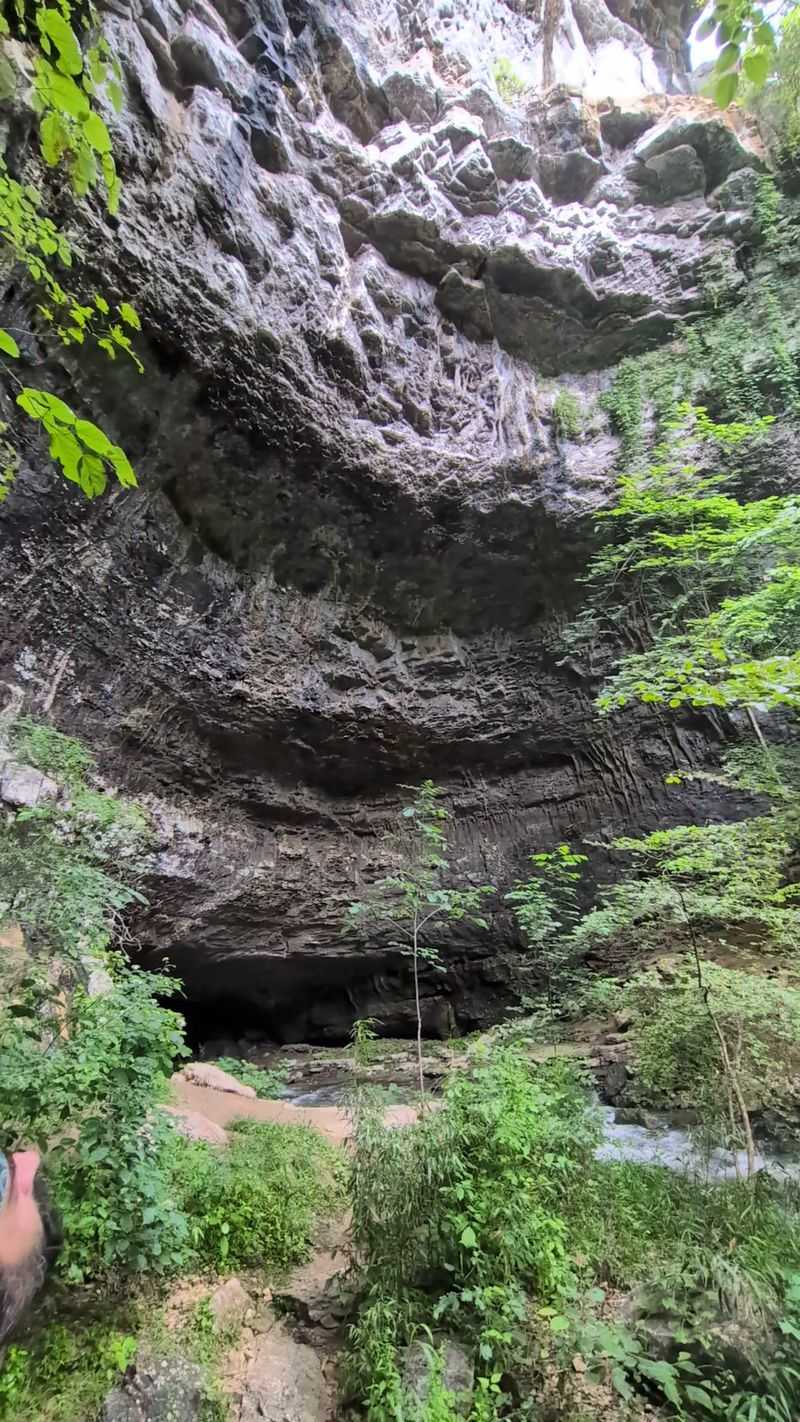
The main route here runs about 2.3 miles one way, which works out to roughly 4.6 miles round trip.
Most people call it a moderate hike. There is no punishing climb, though the final descent toward the cave gets rocky and steep enough to demand attention.
Coming back up is when you feel it.
The trailhead sits off Highway 56, and the property address is Old C C C Rd, Sewanee, TN 37375. Gates operate on set hours, generally 8 am to 5 pm daily, so plan your turnaround time honestly.
Three to four hours covers the round trip for most hikers, including a decent break at the cave. Add time if you explore the upper overlook.
Pack water, more than you think you need. There is no drinking water on the trail, and the creek is not a substitute.
Bring a headlamp, a spare light, and shoes with real tread. Wet limestone is slippery in a way that surprises people.
Cell service on the plateau can be patchy, so download your map beforehand. Telling someone your plan is smart practice.
Compared with busier trails in the South Cumberland area, this one tends to feel calmer. Quiet hiking is part of the appeal.
Getting Ready For A Day At Head Of The Crow State Park
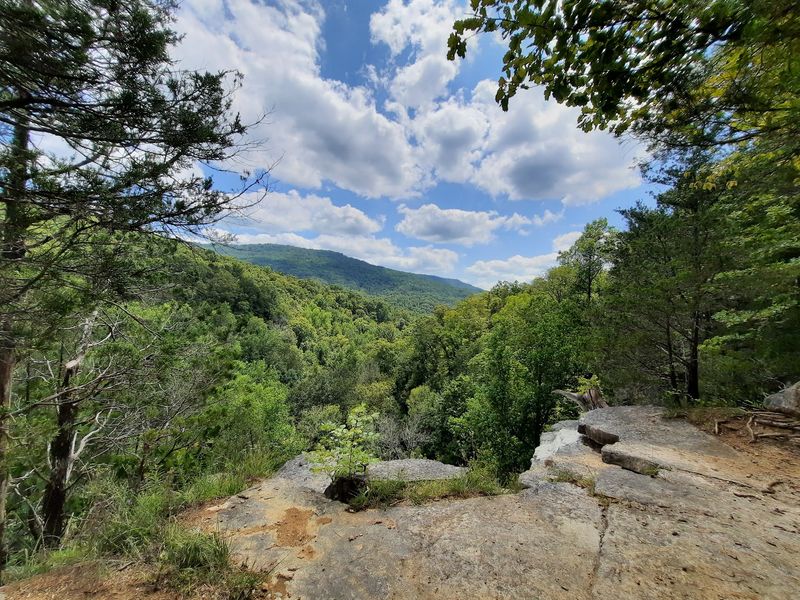
Good trips start with a few boring details handled in advance.
The Mr. And Mrs. Harry Lee Carter State Natural Area now sits within Head of the Crow State Park, one of Tennessee’s newest state parks. The designation brings added management attention to the area.
Hours run 8 am to 5 pm, seven days a week, and closing time is enforced at the gate. Starting early is the simplest way to avoid a rushed return hike.
Spring and fall bring the most comfortable temperatures. Summer works fine if you start early, and the cave mouth provides natural relief from the heat.
Nearby Sewanee offers food and fuel, which is worth remembering since the trailhead itself has no services. Fill your tank and your water bottles first.
Leash your dog if you bring one, and consider whether steep, rocky footing suits them. Not every pup enjoys slick limestone.
What stays with you afterward is the contrast. Sunlit forest above, dark rushing water below, all within the same 931 acres of Tennessee. That combination is rare, and it is worth the drive.